
Pick summer squash small, and pick it every day or two once the plants get going. The first fruit arrives about 55 days after planting, and in New Hampshire the harvest can run from midsummer until frost. The trouble is the glut. Unlike winter squash, summer squash keeps about a week in the refrigerator, so anything beyond that week’s meals has to be frozen or preserved.
The short answer for New Hampshire
Clemson Cooperative Extension puts first harvest at about 55 days after planting. That is a South Carolina source, and this page has no New Hampshire day count, so treat 55 as a starting estimate and let the plants correct it. Squash is frost-tender, so the count starts only after frost danger has passed. At the Manchester airport reference station, the last spring frost falls between April 16 and April 27. Those dates are a probability, not a promise. They mark the 30 to 70 percent band for a reading of 32°F in NOAA’s 1991-2020 normals. Suburban and rural gardens usually see that last frost one to two weeks later, and more at elevation.
The first fall frost at the same station falls between October 13 and October 26. The same caution applies, in reverse: outside the airport, it often comes a week or two sooner. Put a late-May planting against a 55-day count and you get first fruit in the second half of July. From there, a well-tended plant keeps producing until a frost ends it. That is a long run, and it is why the glut is the real planning problem.
Why small and often
The plant stops setting new fruit once one fruit matures on the vine. A zucchini forgotten under the leaves over a long weekend does more than turn into a club. It tells the plant its job is done. Harvest frequency is the yield. Cut fruit while the skin is glossy and tender, and the plant keeps making more.
What to do with a glut
Summer squash does not store. Clemson’s guidance is a plastic bag in the refrigerator for up to one week, and that is the whole answer. No cellar, no shelf in the garage. Past one week, the options are these:
- Shred and freeze it in measured portions for baking, soups and fritters.
- Slice, blanch and freeze it for side dishes.
- Cook it into sauces or casseroles, then freeze the finished dish.
- Make relish or pickles, using a tested recipe, since plain summer squash is not recommended for home canning.
- Give it away while it is still small and fresh.
What will not work here
Planting on the airport’s frost date is the first mistake. The April 16 to April 27 window describes a reference station, and a rural New Hampshire garden may still be getting frost one to two weeks after it. A seedling set out on the airport date can be killed by a cold night, and the 55-day clock starts over with the replacement. Squash also sulks in cold soil even when the air is mild.
Banking on storage fails just as reliably. Gardeners who grow winter squash get used to a squash that waits in the basement for months. Summer squash gives you a week in the refrigerator, then it softens. A weekly harvest routine fails too. Once plants are in full production, a once-a-week picker meets oversized fruit, and oversized fruit slows the next round of setting.
Heat is less of a threat here than gardeners from farther south expect. The reference station averages 10.9 days a year at 90°F or above, so heat stress comes in short spells, not whole summers. Water is a gentler problem than drought, but not a solved one. Summer rainfall is about 10.7 inches across June (4.04), July (3.3) and August (3.35). That is a bit under an inch a week on average, and July is the driest month. Averages hide how it arrives, though. A single thunderstorm mostly runs off instead of soaking in, and on sandy ground the rain drains within the day. A sandy bed can need watering well before the weather looks dry. A rain gauge on your own plot settles it better than any normal.
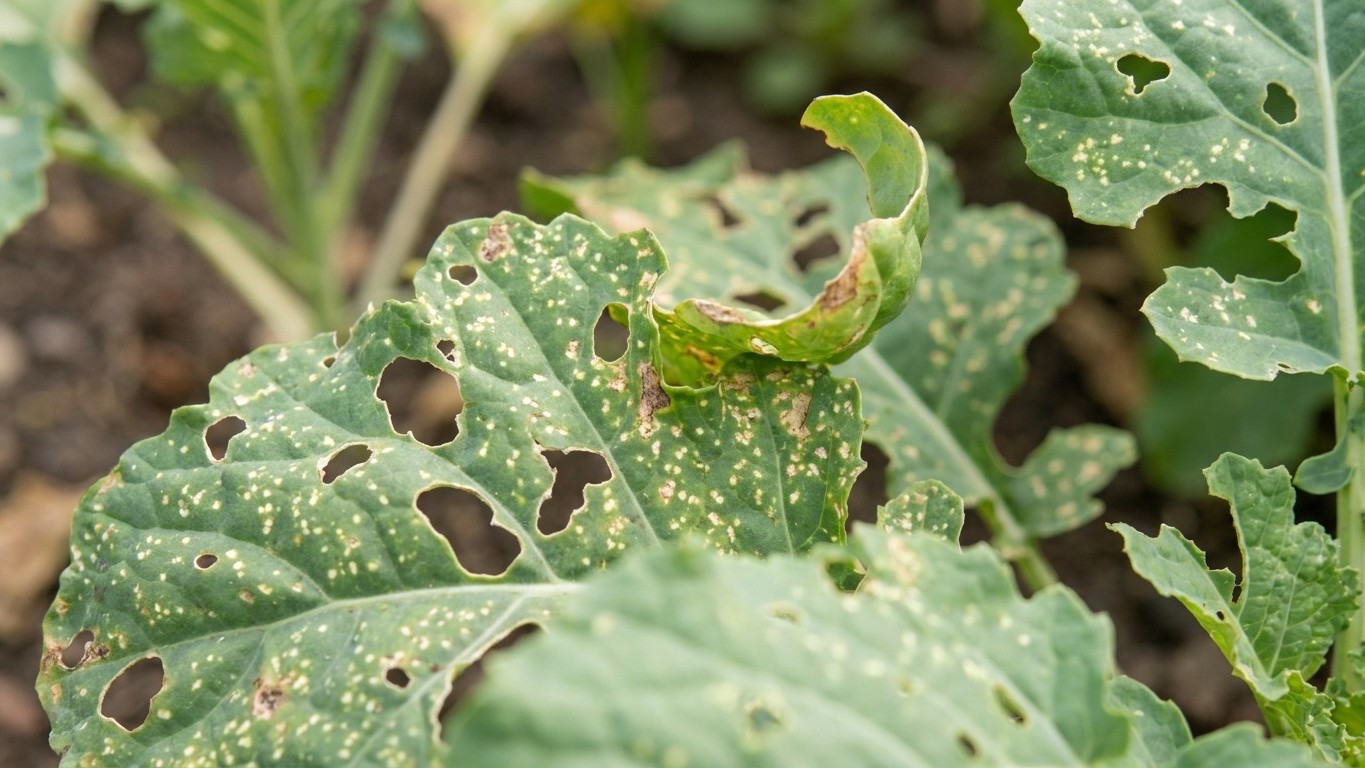
Crowding is the other quiet failure. Plants spaced tightly keep their leaves damp in humid stretches, which invites mildew and hides fruit until it has outgrown its best size. Pests can also end a planting well before frost, so What Eats Summer Squash in New Hampshire, and When is worth reading before midsummer, not after. Last, a late sowing in August is a gamble. Fifty-five days from early August lands in late September or early October, right when rural gardens may be losing plants to frost.
What changes across New Hampshire
New Hampshire does not have one growing climate. Its USDA hardiness zones (2023 map, built on 1991-2020 normals) run from 3b to 6a, which is six half-zone steps. There is no single answer for the state, and the airport figures above describe one place in it. Keep in mind what the zone measures: the average annual extreme minimum temperature. That is a winter number. Squash is an annual that dies at first frost, so the zone works only as a rough guide to how cold a location runs, not as a planting rule.
For a reader in the north or at altitude, the shifts are practical. Expect the last spring frost to come later and the first fall frost to come sooner than the reference-city dates, which squeezes the 55-day count from both ends. Plant later, warm the soil first, and cover young plants on cold nights. Shorter seasons also favor earlier-maturing types, which The Best Summer Squash to Grow in New Hampshire sorts out. For the full growing picture, start with Growing Summer Squash in New Hampshire.
Which zone applies to your address is something this page cannot tell you. Look it up on the USDA Plant Hardiness Zone Map by ZIP code, then treat the result as one clue among several.
Where to check this for your own county
Your state extension service is the next stop. University of New Hampshire Extension is the state’s land-grant extension service, with local contacts that know the conditions in each county. Look for two things there. The first is a local planting calendar, with frost dates and planting windows that reflect your county instead of an airport. The second is the list of varieties trialled in your county, since a variety that performs in the southeast corner may struggle in a cold northern valley. Ask whether they publish guidance on common squash problems for your area as well.
A county recommendation beats a state one, every time. This page is the state one. It rests on a single reference station, on national climate normals, and on a harvest guide from another state, and it can tell you what to expect but not what your slope, soil and neighbors’ windbreaks will do. When the county advice and this page disagree, go with the county.
Checking this against your own garden
Your own observations outrank every date here. Three are worth watching, and none needs equipment.
Soil warmth by feel. Push a bare hand a few inches into the bed in late spring. If it feels cold and damp, wait. Compare beds as well. The one that warms first is your early spot, and the slow one is shaded, low or poorly drained.
The first male flowers. Male blossoms open first on squash plants, and female flowers, which have a tiny swelling behind the petals, follow. Note the date the first males open. Counting forward to your first picking gives you a personal harvest estimate, and the gap between your date and a neighbor’s shows how your microclimate runs.
The first true leaves. The seed leaves come first, and the true leaves, with their lobed shape, follow. Slow, pale or stalled true leaves point to cool soil, too little sun or a wet spot. Fast leaf growth suggests a warm, sheltered bed.
Write all three dates in a notebook this year. By next season you will have a calendar that fits your garden better than any normal.
Common questions
How big should summer squash be when I pick it?
Small, with glossy, tender skin. A fruit that has gone dull and tough has matured, and a mature fruit signals the plant to slow down. Picking young keeps the plant setting new fruit.
How long does summer squash last after picking?
Up to one week in a plastic bag in the refrigerator, according to Clemson Cooperative Extension. After that, freeze or preserve it.
Can I keep summer squash in a cool cellar like winter squash?
No. Winter squash keeps for months because of its hard rind. Summer squash has a thin, tender skin and does not store, so a cellar will not extend its life beyond the refrigerator’s week.
When do summer squash plants stop producing?
A frost ends them. At the reference station, the first fall frost falls between October 13 and October 26, and rural or higher-elevation gardens often see it a week or two earlier. A plant also slows if you let a fruit mature on the vine, so keep picking.