When to Dig Up Dahlias, Cannas and Gladiolus in New Hampshire
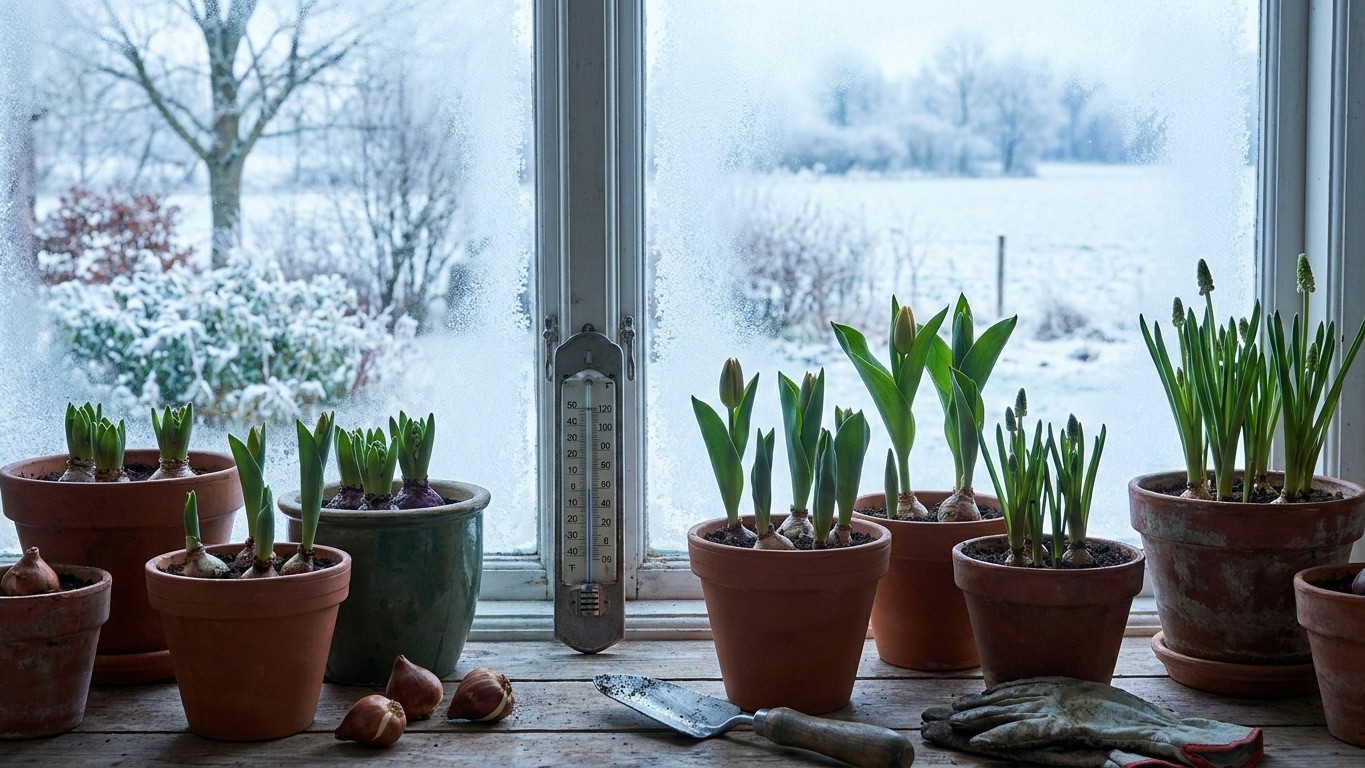
Lift dahlias, cannas and gladiolus in New Hampshire after the first frost that blackens their leaves, then wait a week or two before the fork goes in.
Home & garden, state by state
Everything we have worked out for New Hampshire: what to plant and when, which varieties finish in time, the pests that actually turn up here, and the jobs that pay off month by month. We also cover the rest of the property, from lawns and soil to home care and energy, because a garden rarely stops at the vegetable bed.
The numbers first, because everything else follows from them. Measured at the weather station in Manchester, the last spring freeze runs April 16 to April 27 and the first fall freeze runs October 13 to October 26, USDA zones 3b-6a, 2,973 growing degree days in the year.
Garlic does well: 26.1 weeks below 40 °F, comfortably past the six it needs to form a proper head.
Elsewhere on the property in New Hampshire: the pests that turn up here.
Figures from NOAA's 1991-2020 climate normals. A state is not one climate: elevation, a large lake or the coast can move these dates by two weeks either way, so check your own county with the extension service before you spend money.
Lift dahlias, cannas and gladiolus in New Hampshire after the first frost that blackens their leaves, then wait a week or two before the fork goes in.
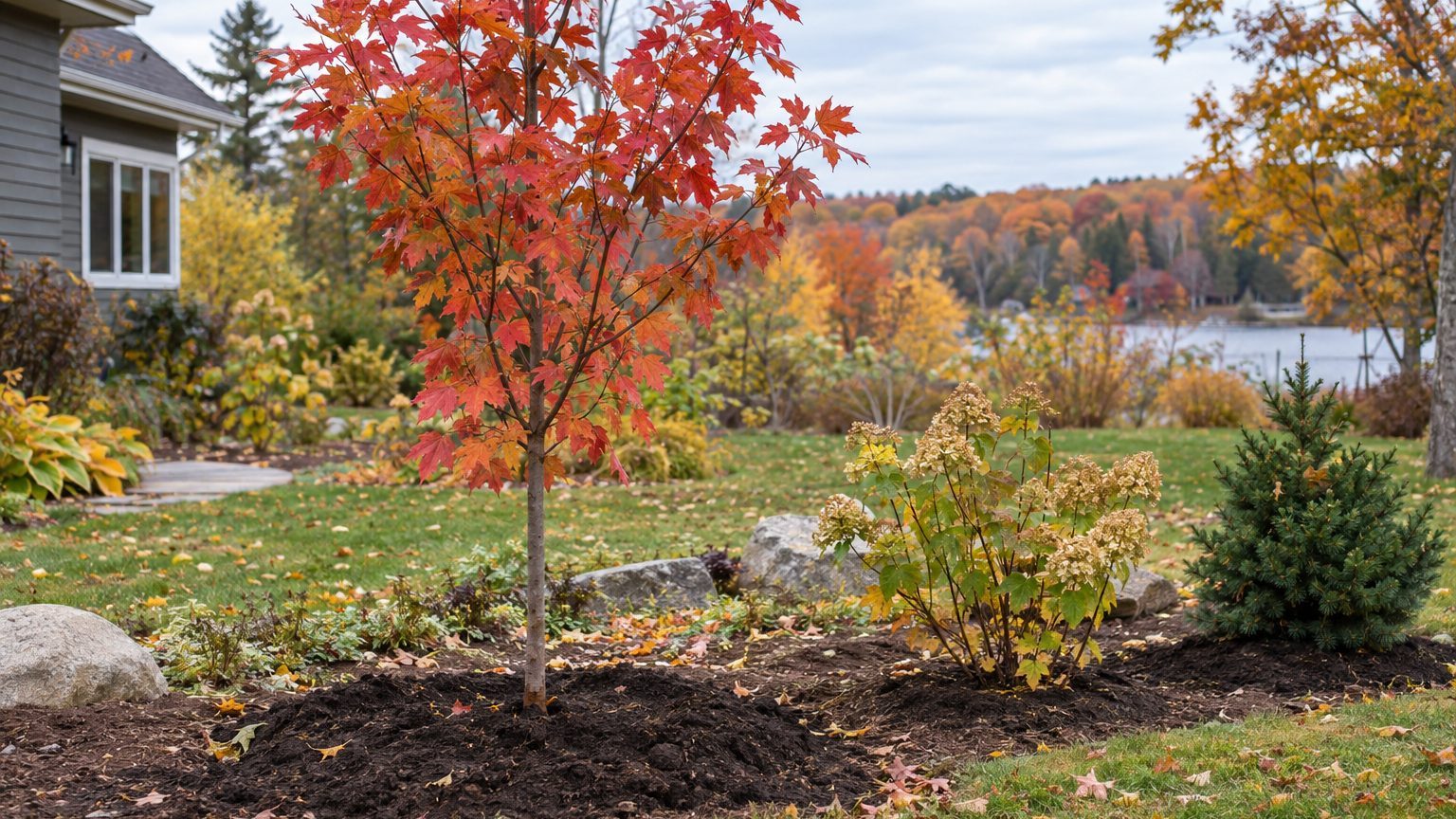
In New Hampshire, the safe target for fall planting is September 1 to September 14, which is six weeks before the first fall frost at the reference…
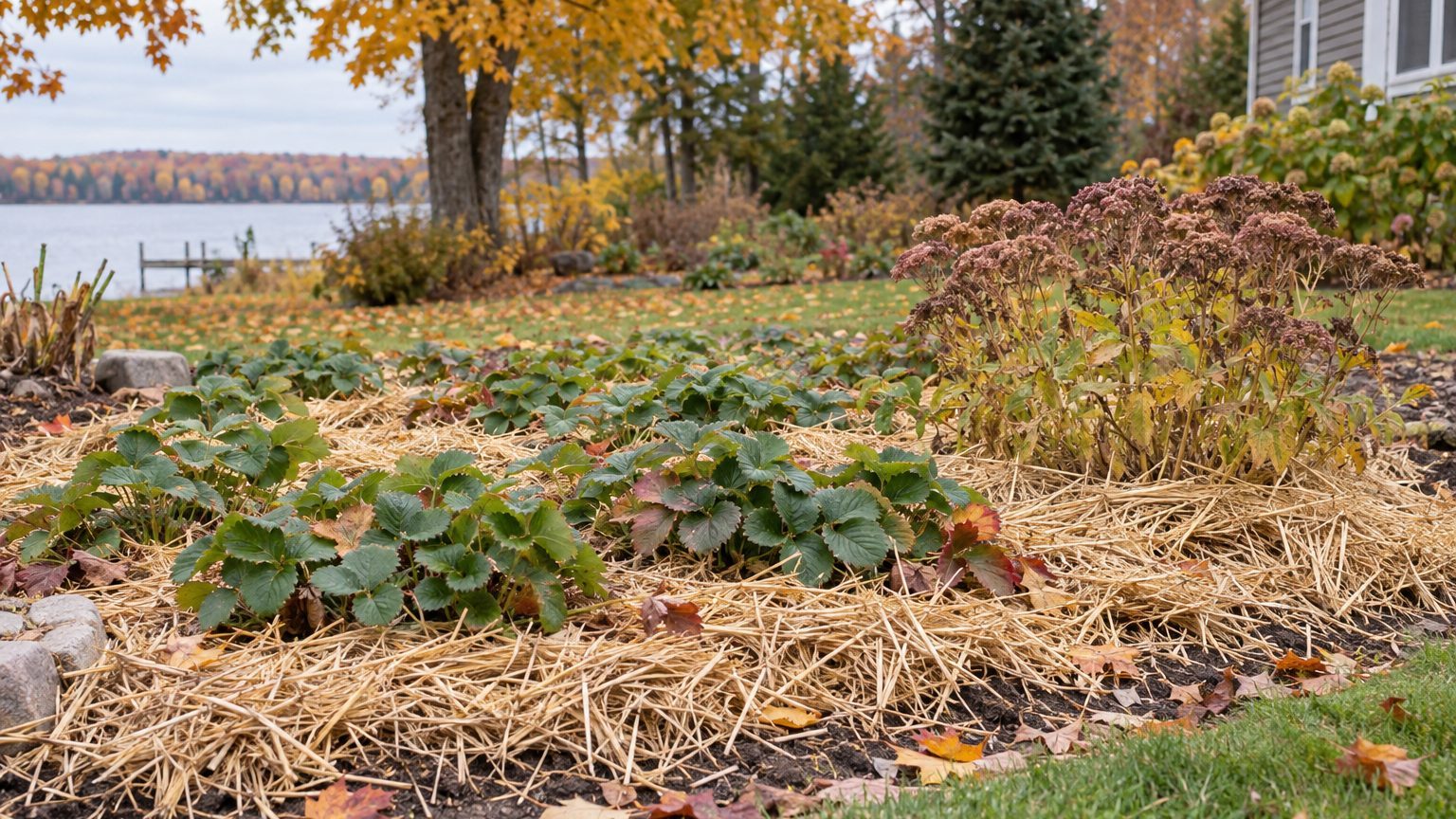
In New Hampshire, winter mulch goes on after the ground starts to freeze, not after the first frost.
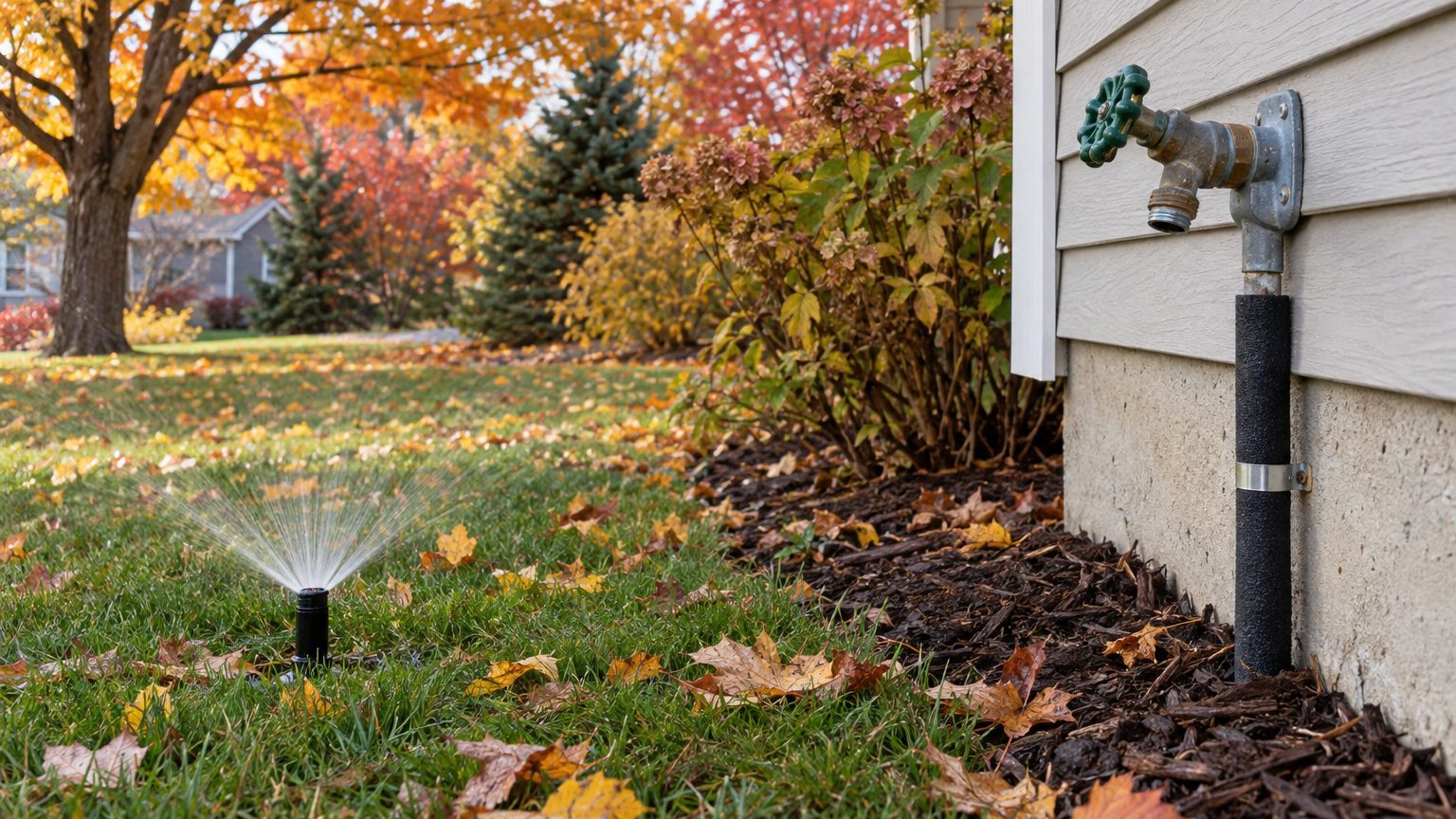
Finish both jobs ahead of the first freeze. At Manchester’s airport weather station, that freeze becomes likely between October 13 and October 26…
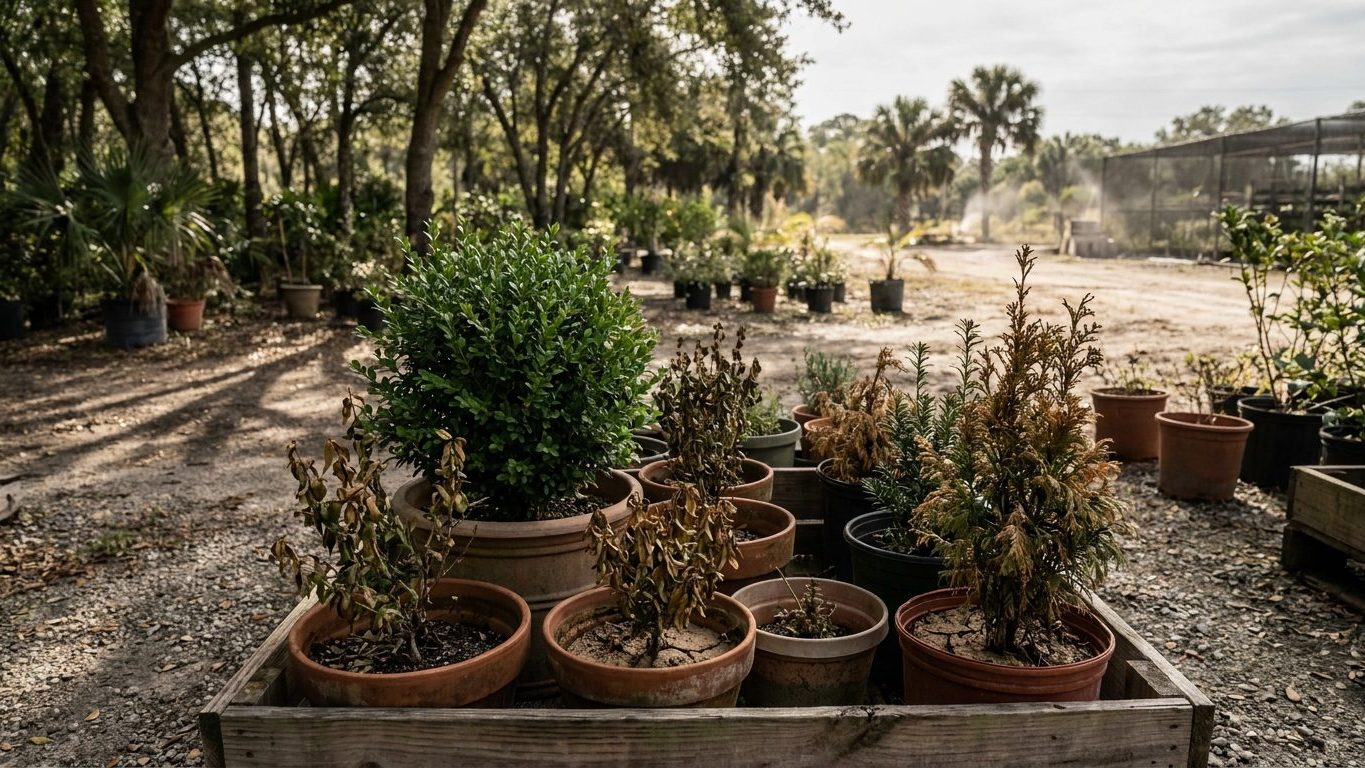
New Hampshire spans USDA zones 3b to 6a (USDA system, 2023 map), and that spread decides which hedge you can plant.
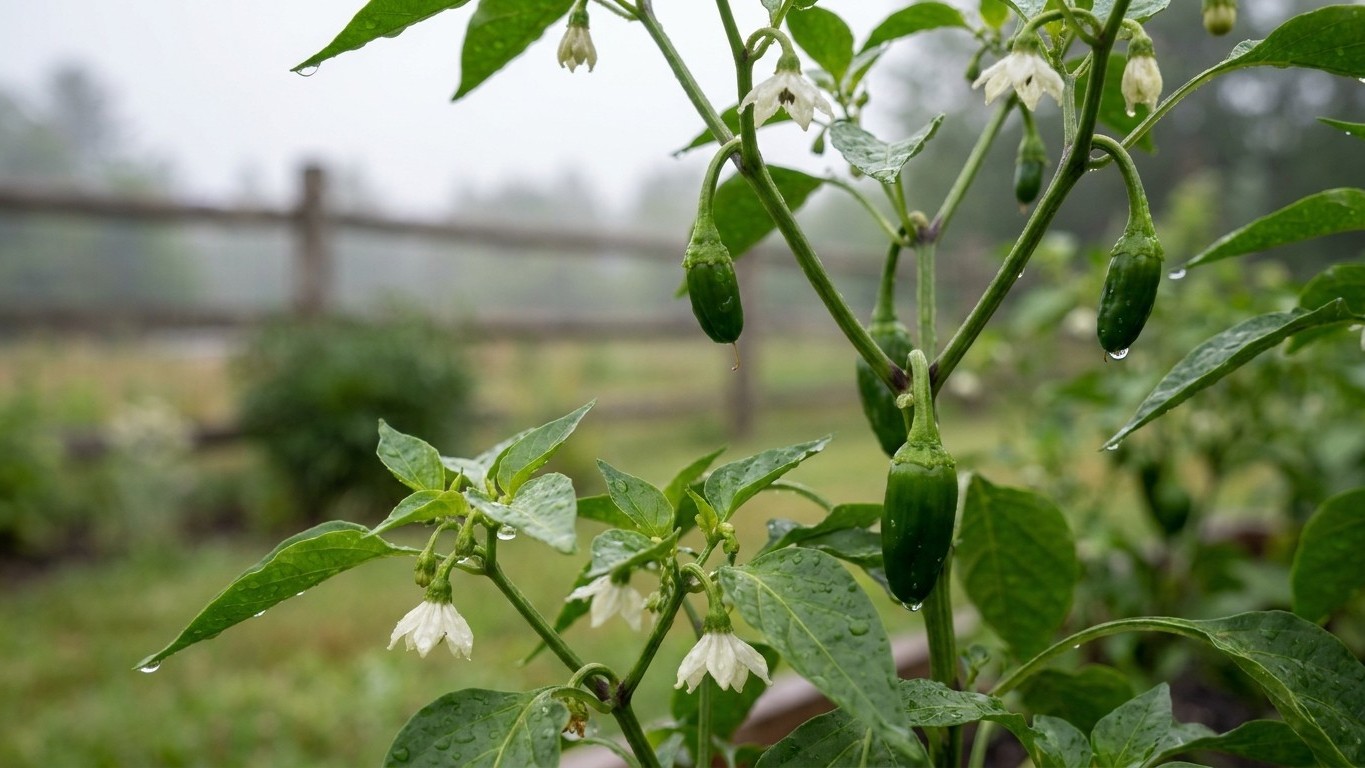
Straight answer: the verified data behind this page doesn’t point to one insect chewing through pepper plants in New Hampshire. It points to temperature.
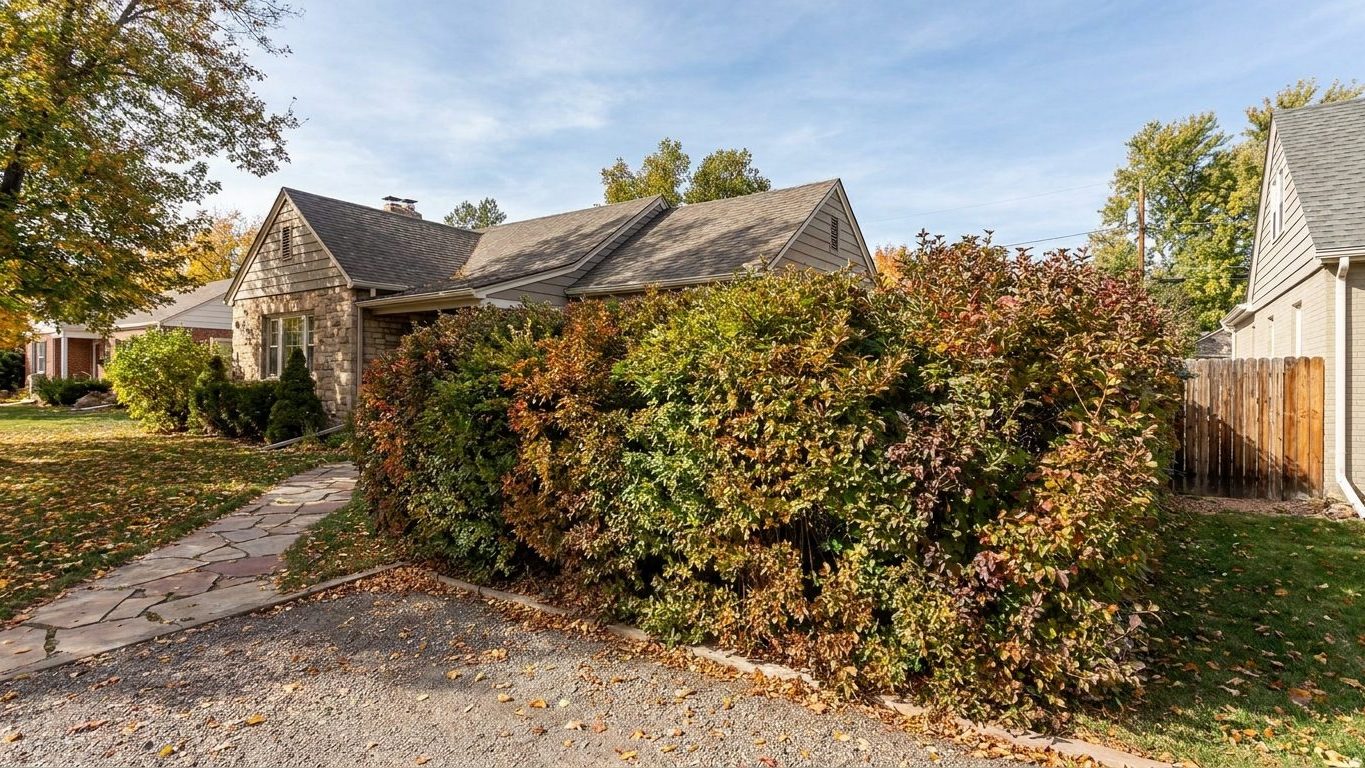
New Hampshire has no statewide hedge height limit. Unlike setback rules for buildings, which sometimes show up in state statute, how tall a hedge can…
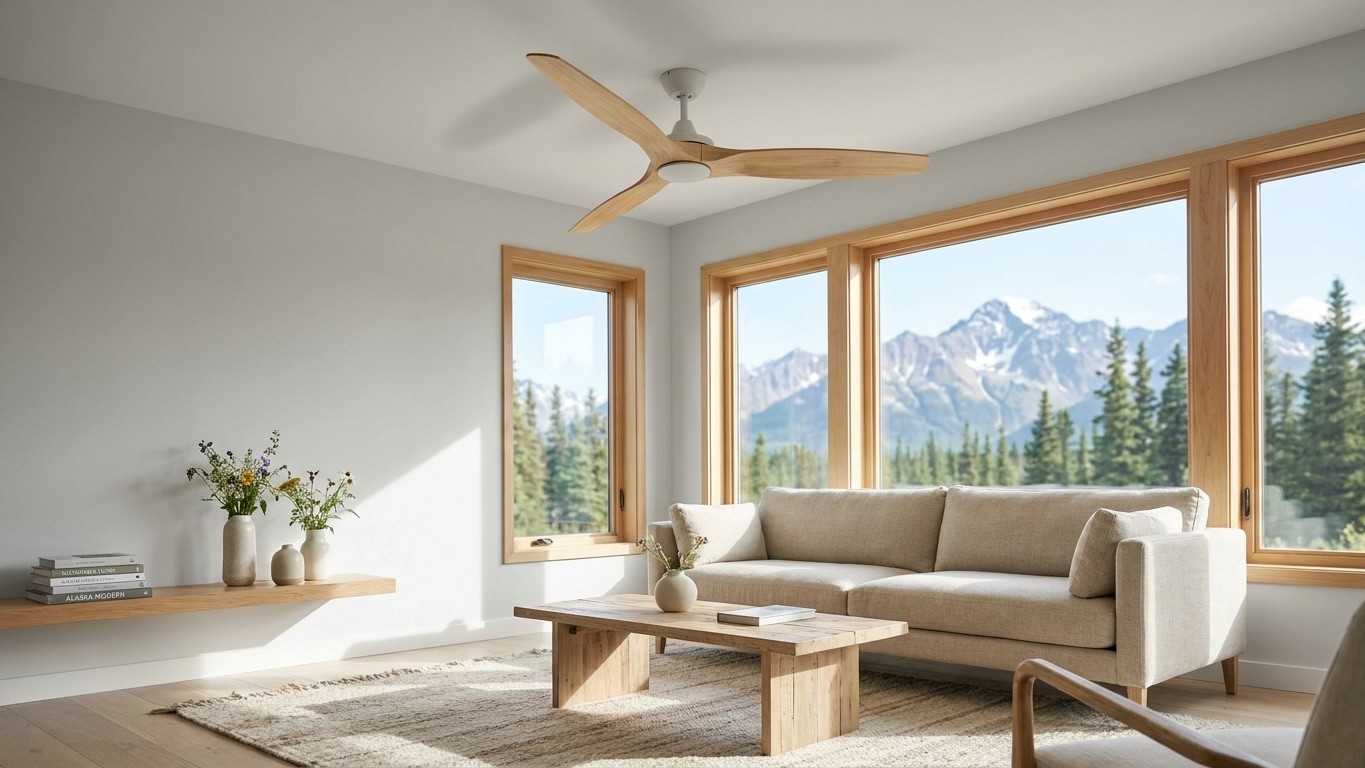
Most homes in New Hampshire that have air conditioning at all run on individual equipment, not a central system.
New Hampshire sets roof snow load by elevation rather than a flat map figure, while wind speed and ice barrier rules follow the state’s adopted building code.
Covers New Hampshire’s basement permit rules, minimum ceiling height, egress window dimensions, waterproofing steps, and insulation choices under the state building code.