When to Plant Asparagus Crowns in New Hampshire
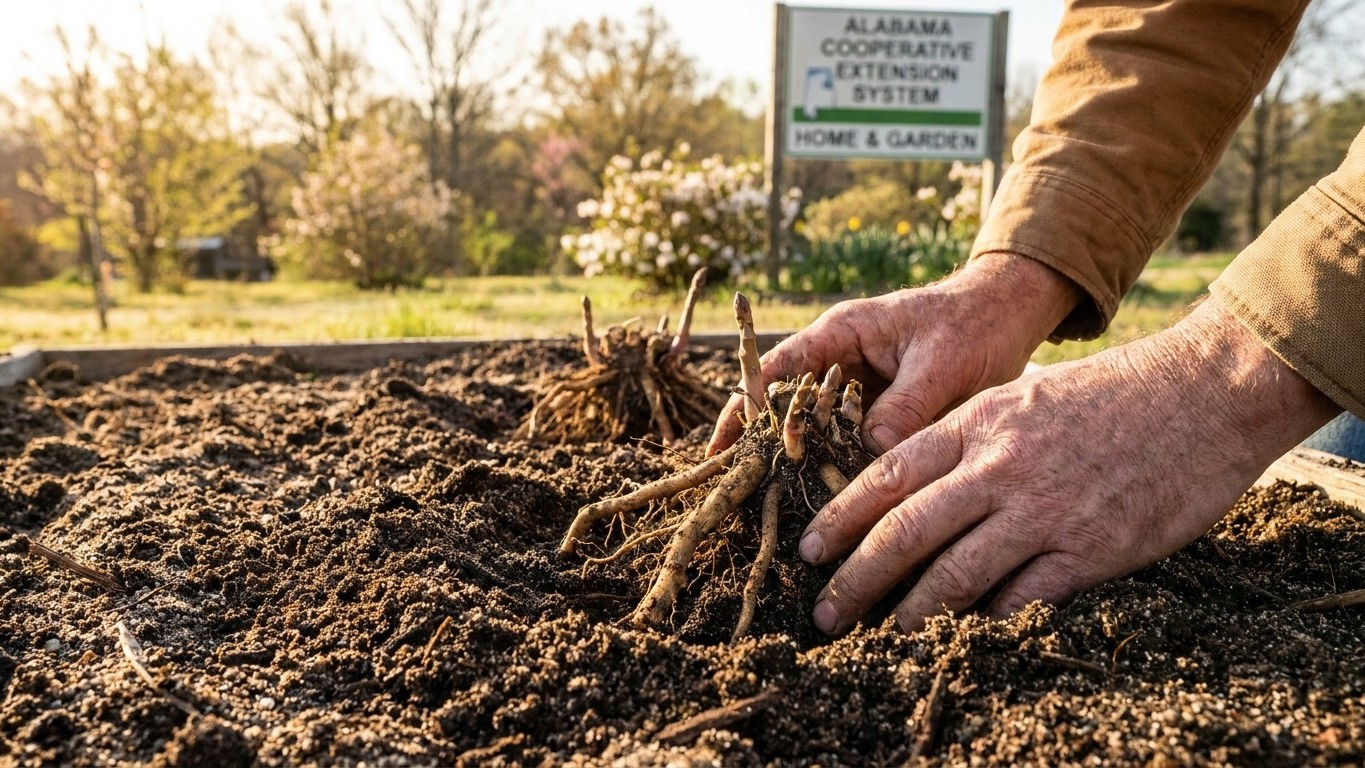
The short version: put asparagus crowns in the ground in early spring, timed to New Hampshire’s last frost window, once the soil has thawed and dried…
Home & garden, state by state
Everything we have worked out for New Hampshire: what to plant and when, which varieties finish in time, the pests that actually turn up here, and the jobs that pay off month by month. We also cover the rest of the property, from lawns and soil to home care and energy, because a garden rarely stops at the vegetable bed.
The numbers first, because everything else follows from them. Measured at the weather station in Manchester, the last spring freeze runs April 16 to April 27 and the first fall freeze runs October 13 to October 26, USDA zones 3b-6a, 2,973 growing degree days in the year.
Garlic does well: 26.1 weeks below 40 °F, comfortably past the six it needs to form a proper head.
Elsewhere on the property in New Hampshire: the pests that turn up here.
Figures from NOAA's 1991-2020 climate normals. A state is not one climate: elevation, a large lake or the coast can move these dates by two weeks either way, so check your own county with the extension service before you spend money.
The short version: put asparagus crowns in the ground in early spring, timed to New Hampshire’s last frost window, once the soil has thawed and dried…
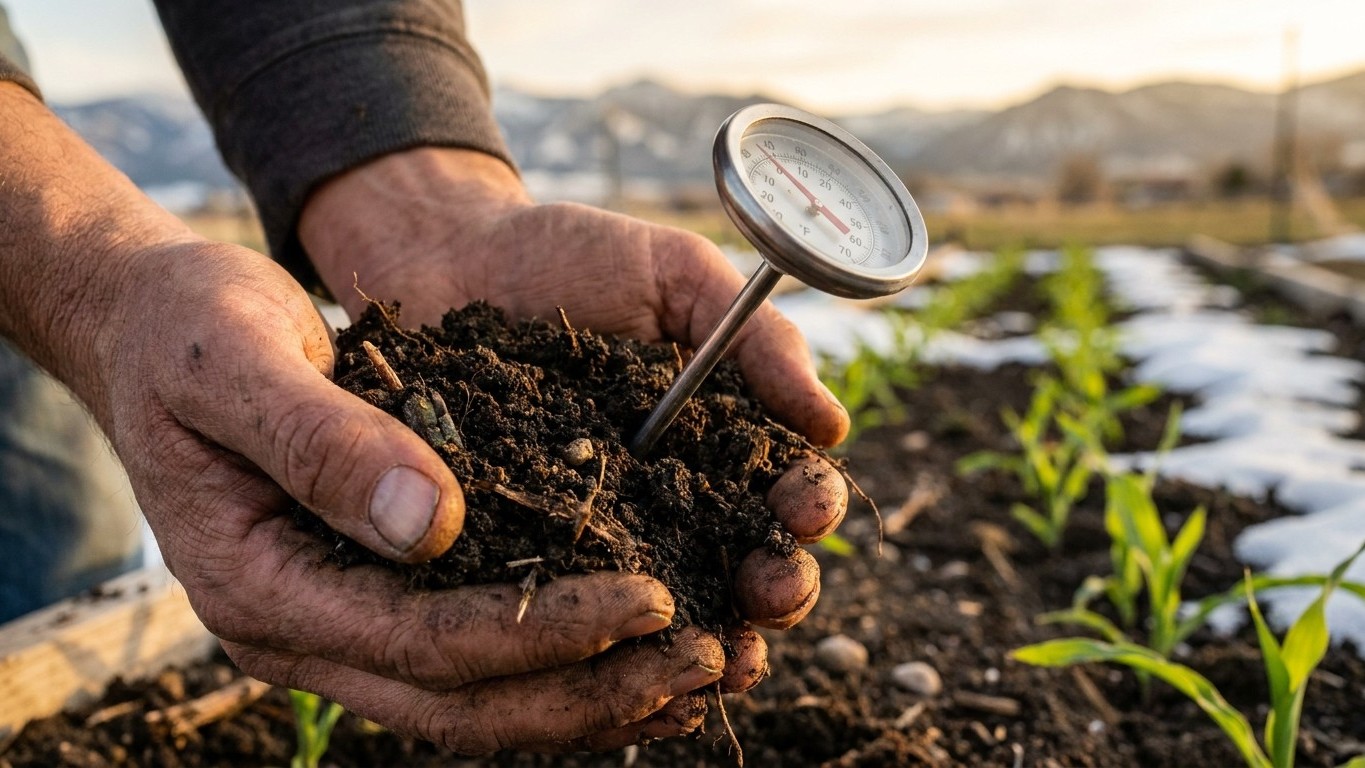
Yes, but the finish line lands later than most gardeners expect. New Hampshire’s growing season runs from a last frost in mid-to-late April to a first…
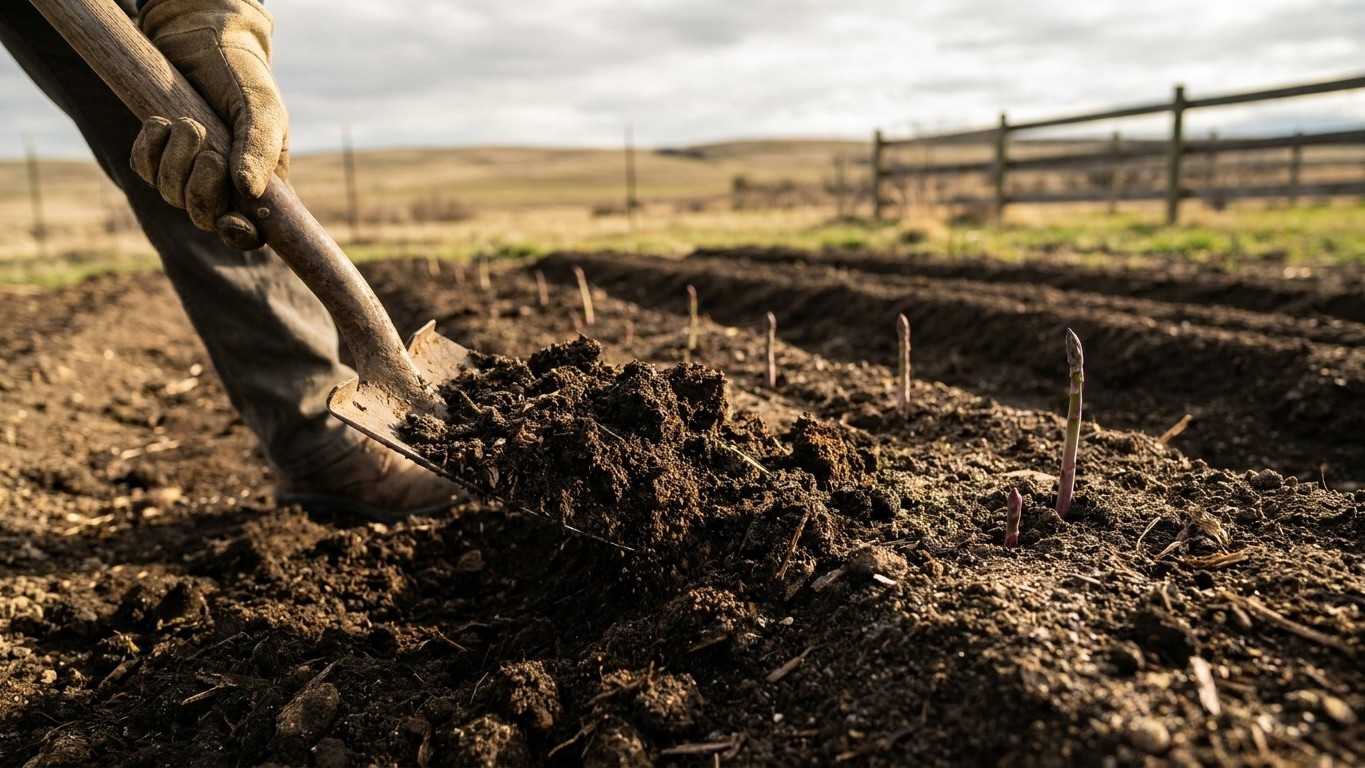
New Hampshire’s ground works for asparagus almost everywhere the state’s own soil survey has mapped it, provided the bed drains.
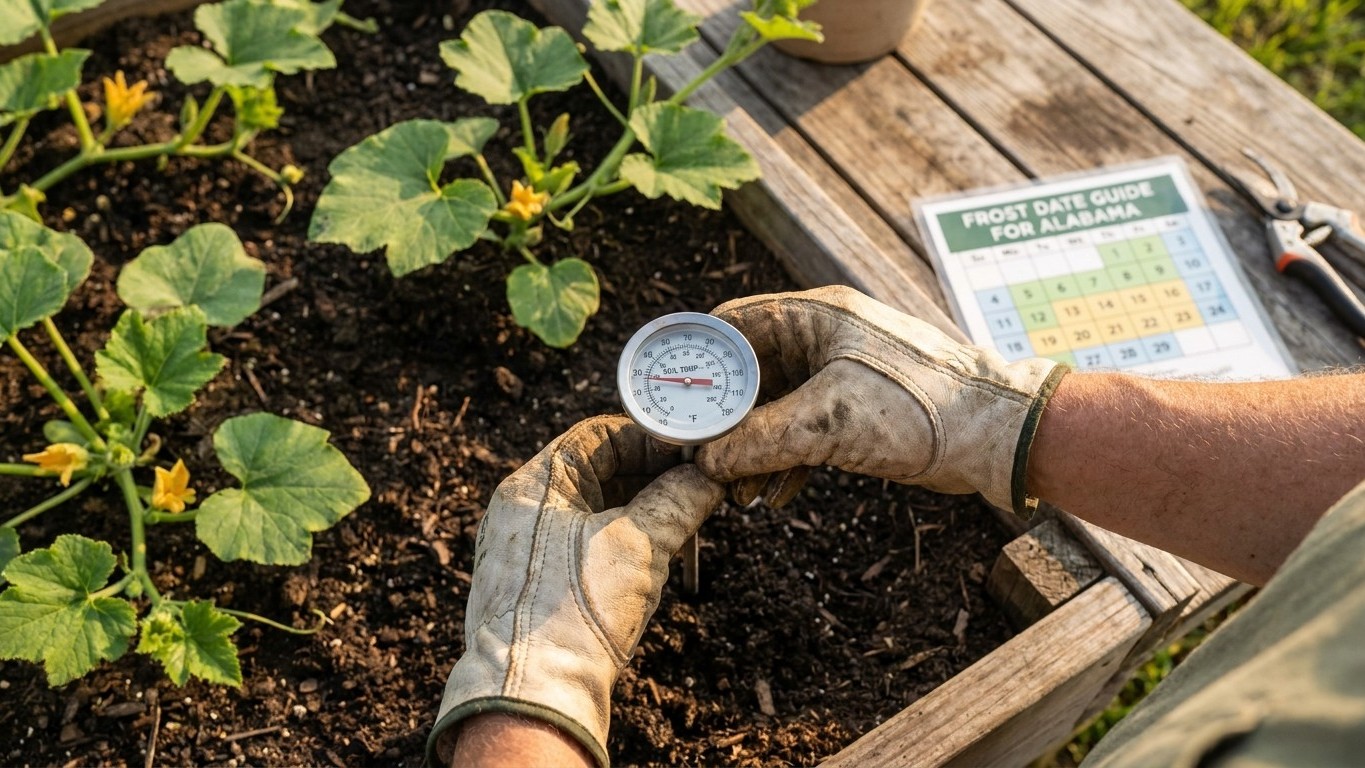
Sow pumpkin seeds outdoors once your soil has warmed to 65°F, which in most of New Hampshire lands somewhere between late May and early-to-mid June.
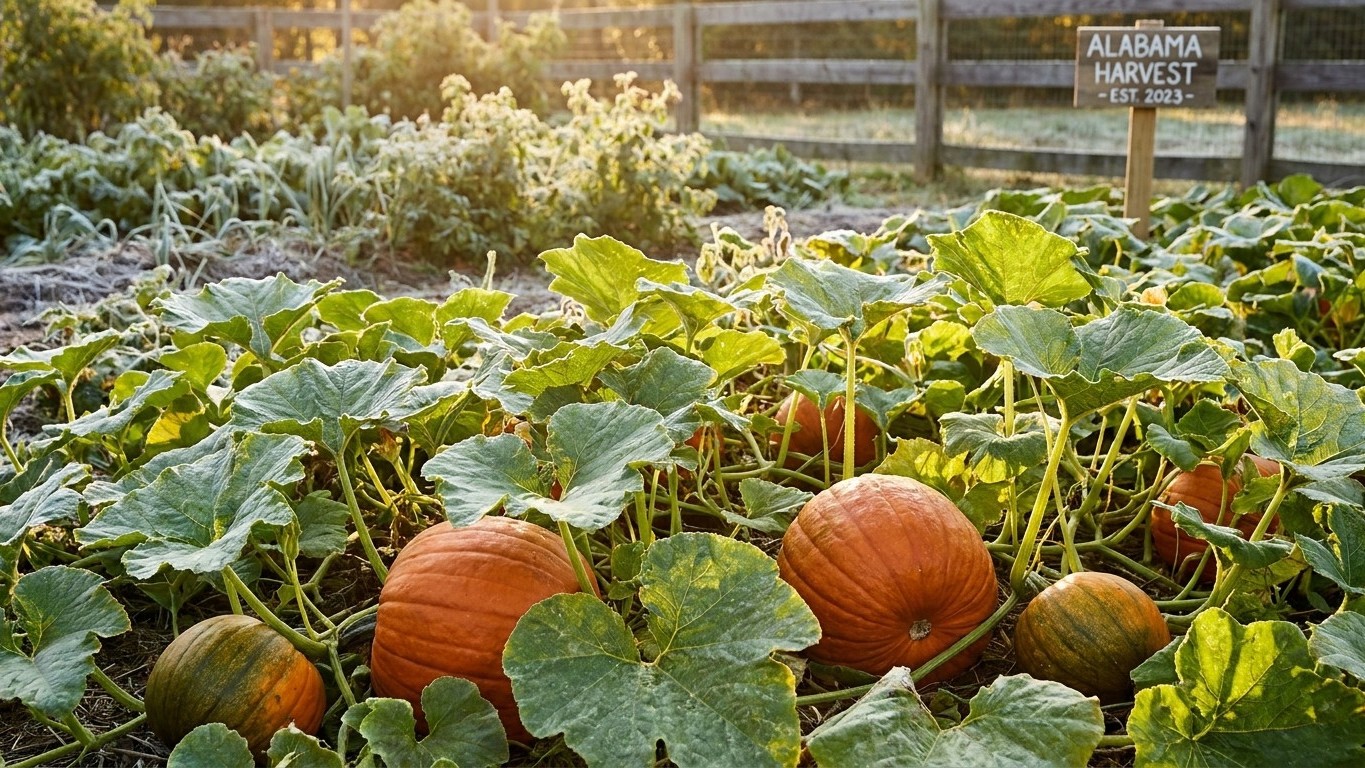
Most pumpkins planted in New Hampshire will ripen before the first fall frost, but the margin is thinner than most gardeners assume.
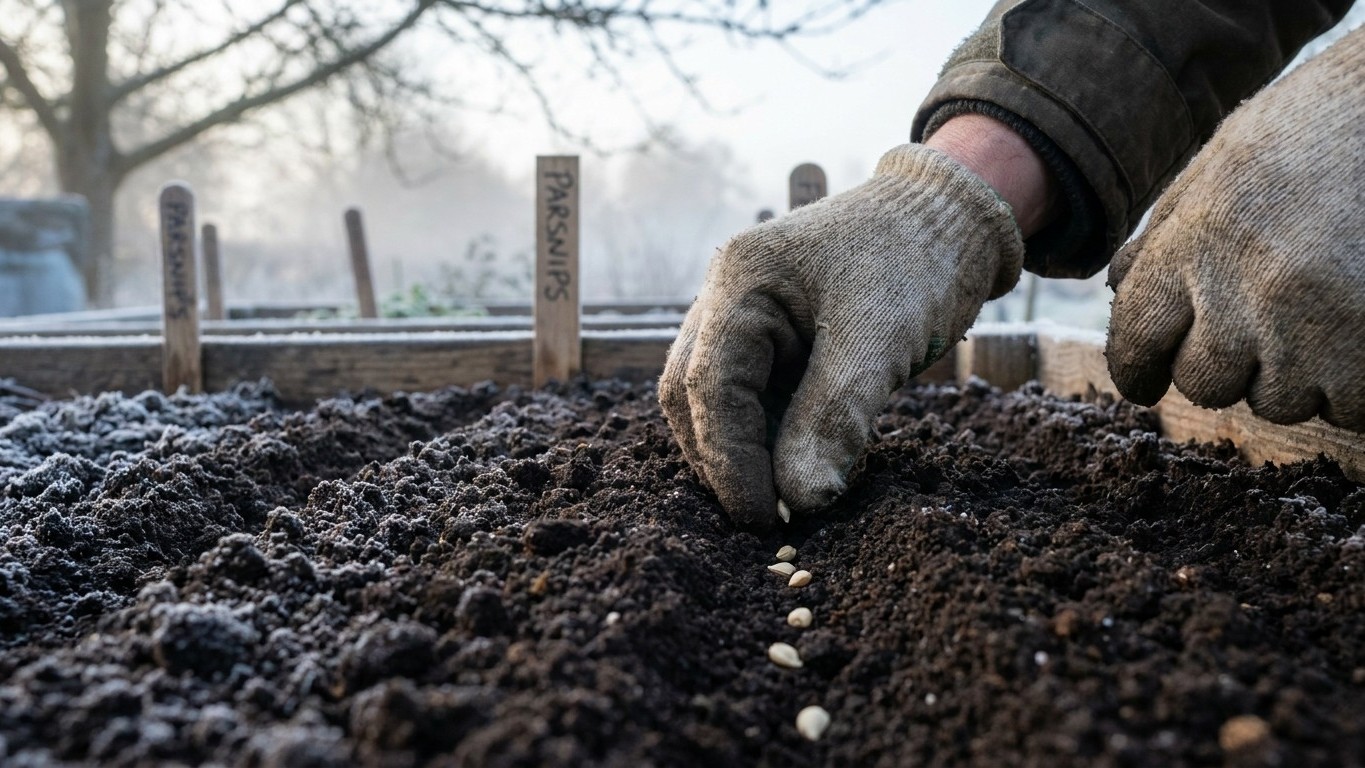
Sow parsnips in New Hampshire in place, directly in garden soil, roughly two to three weeks before the last spring frost.
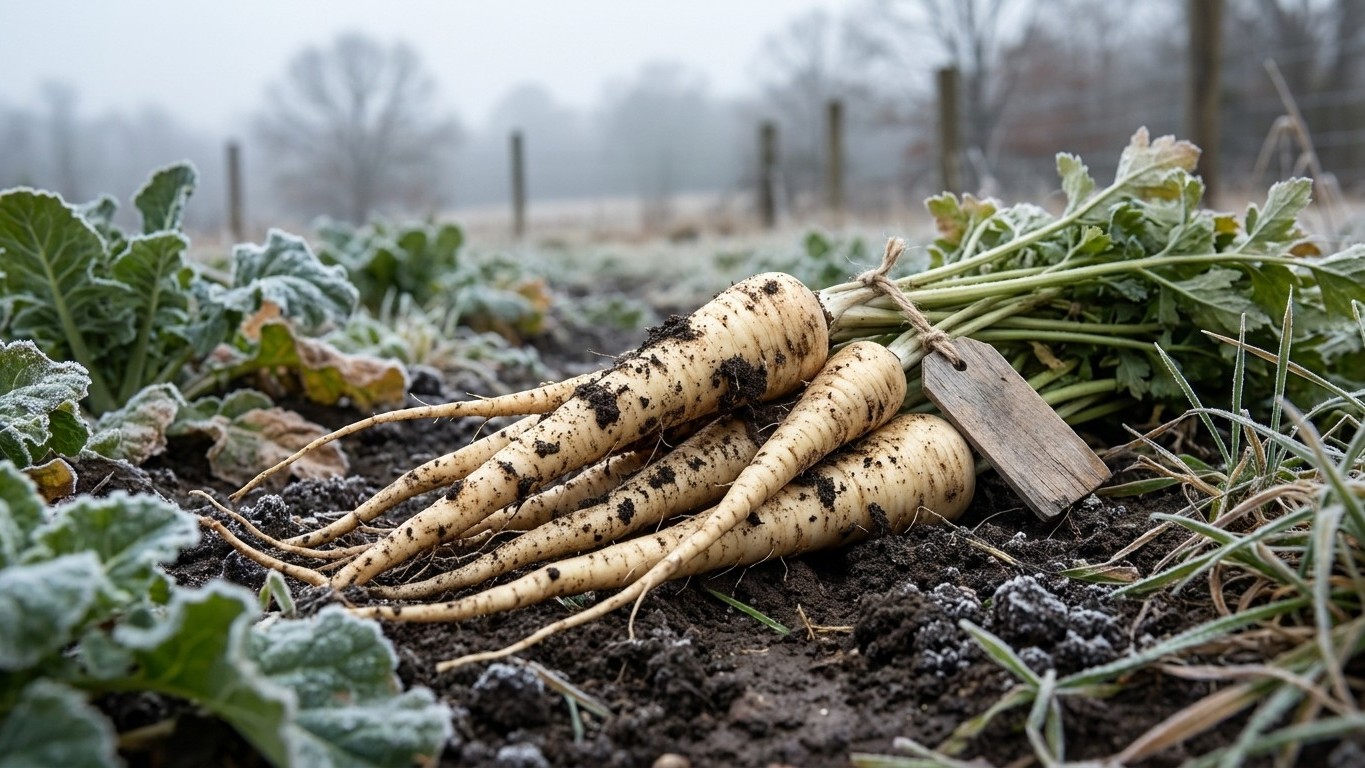
New Hampshire’s winters run cold enough, and long enough, that parsnips left in the ground here don’t just survive frost.
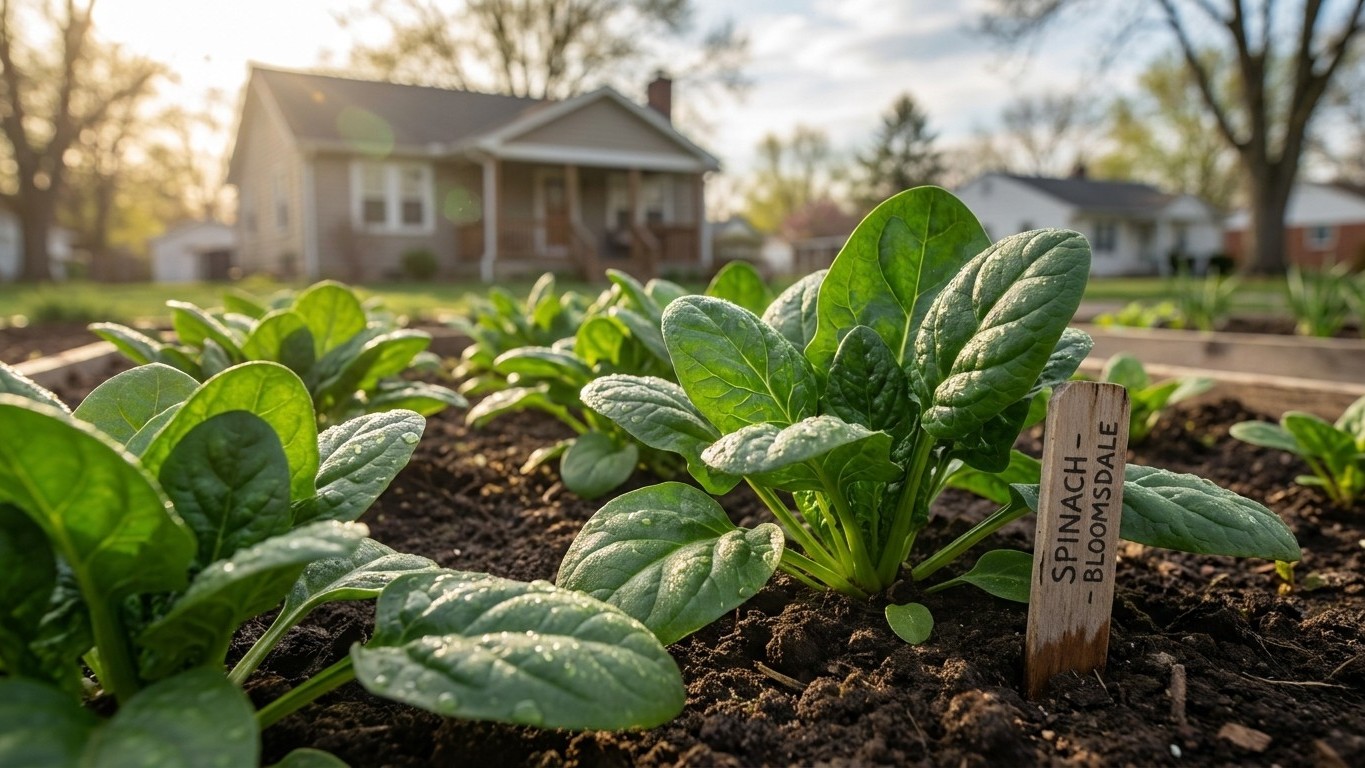
In New Hampshire, spinach runs into trouble from two directions at once: the long daylight hours of a New England June trigger bolting no matter how mild…
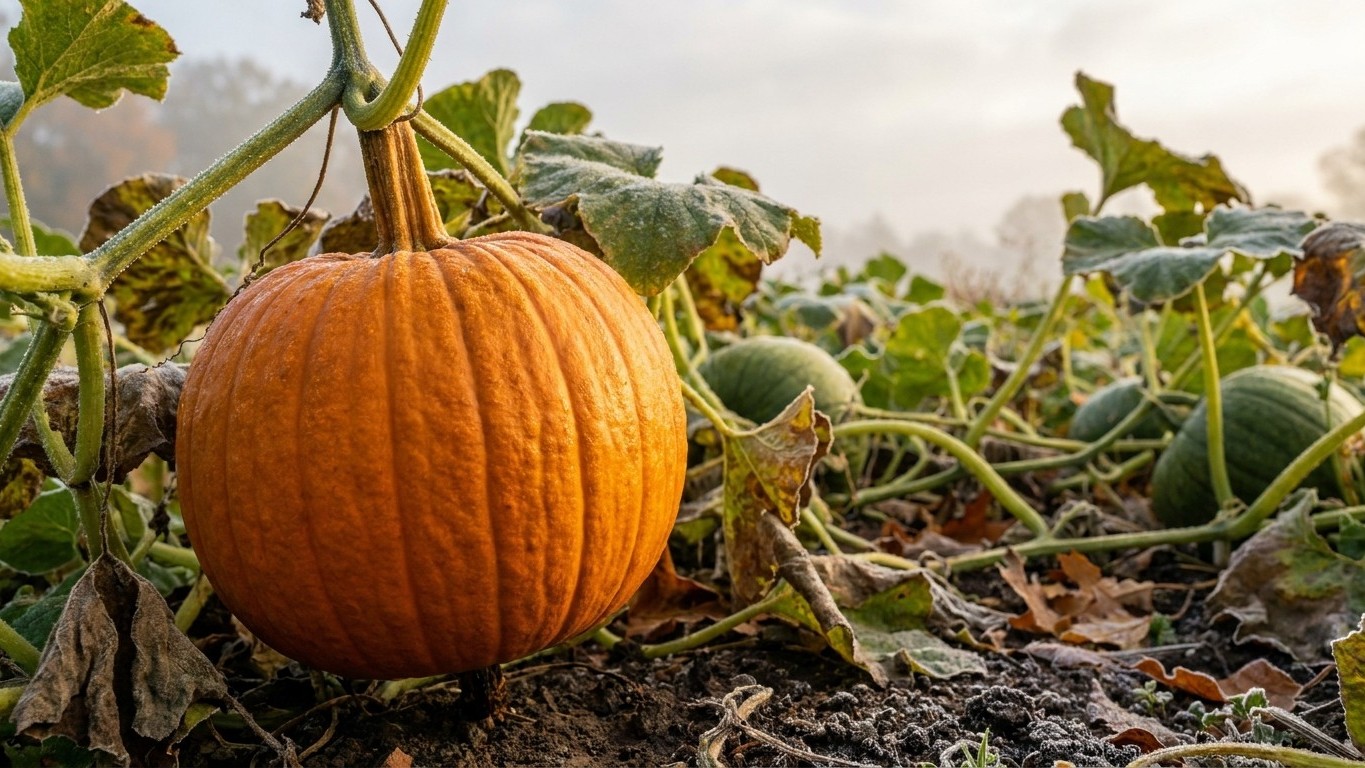
Pumpkins ripen in time in New Hampshire when the flower behind the fruit opens by roughly late August.
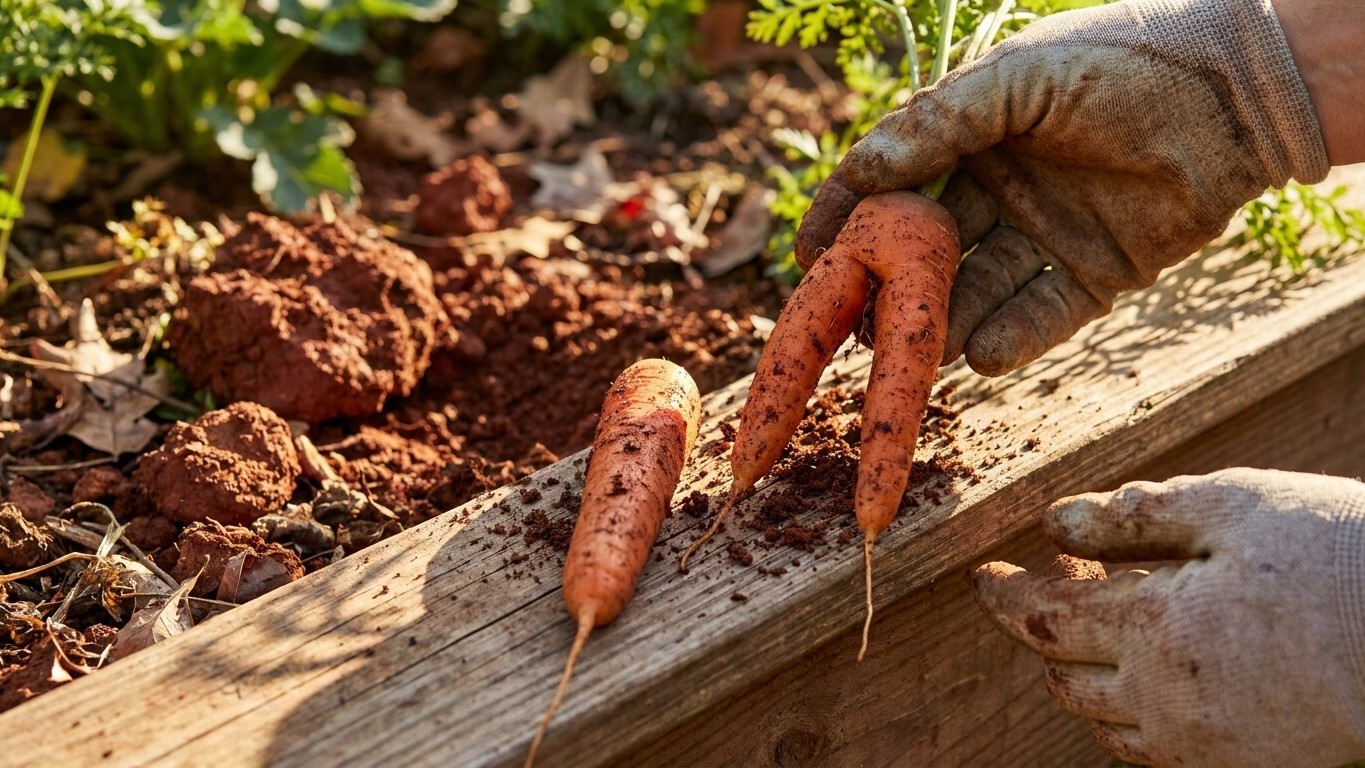
New Hampshire’s representative soil, the Marlow series, runs sandy and well drained: 57 percent sand, only 5 percent clay.