What to Plant in New Hampshire in December
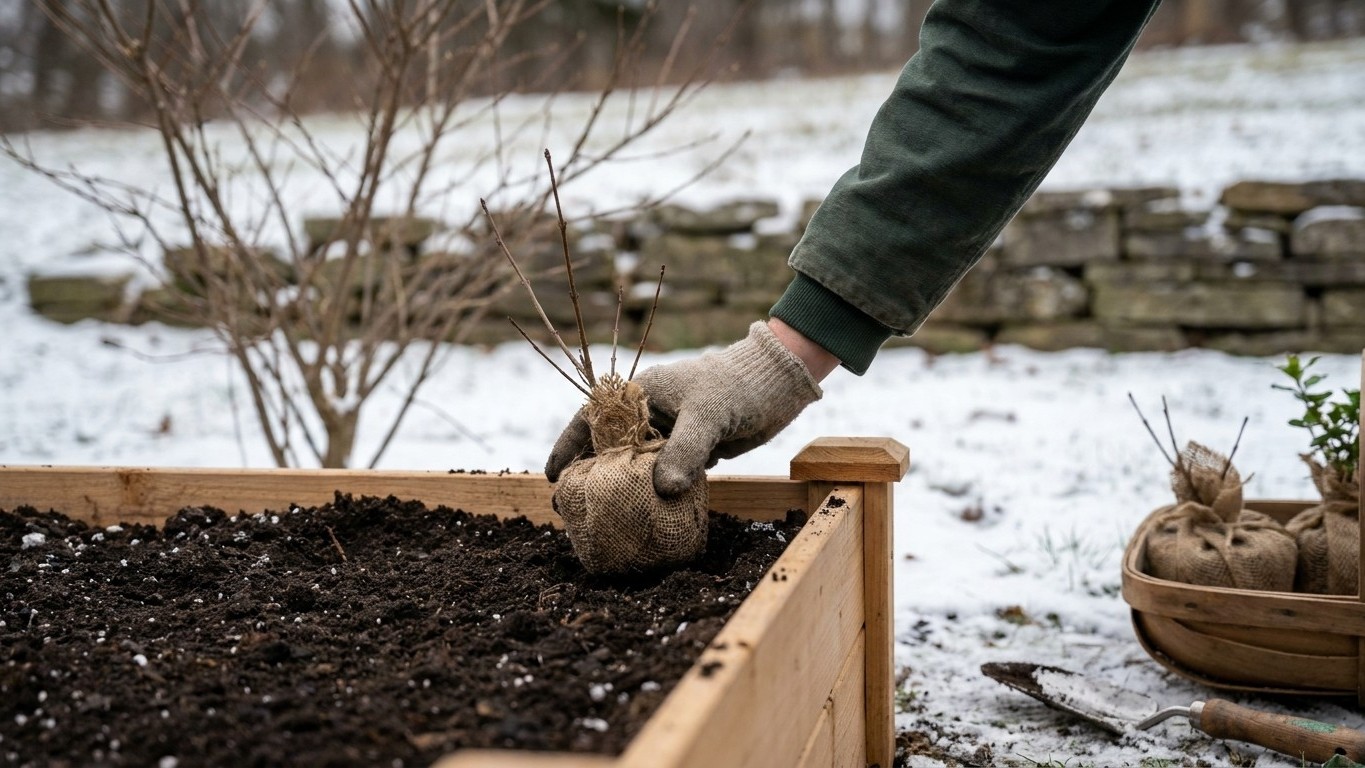
December in New Hampshire is not a planting month for open ground. The state sits in USDA Hardiness Zones 3b to 6a, and by December most soil is frozen…
Home & garden, state by state
Everything we have worked out for New Hampshire: what to plant and when, which varieties finish in time, the pests that actually turn up here, and the jobs that pay off month by month. We also cover the rest of the property, from lawns and soil to home care and energy, because a garden rarely stops at the vegetable bed.
The numbers first, because everything else follows from them. Measured at the weather station in Manchester, the last spring freeze runs April 16 to April 27 and the first fall freeze runs October 13 to October 26, USDA zones 3b-6a, 2,973 growing degree days in the year.
Garlic does well: 26.1 weeks below 40 °F, comfortably past the six it needs to form a proper head.
Elsewhere on the property in New Hampshire: the pests that turn up here.
Figures from NOAA's 1991-2020 climate normals. A state is not one climate: elevation, a large lake or the coast can move these dates by two weeks either way, so check your own county with the extension service before you spend money.
December in New Hampshire is not a planting month for open ground. The state sits in USDA Hardiness Zones 3b to 6a, and by December most soil is frozen…
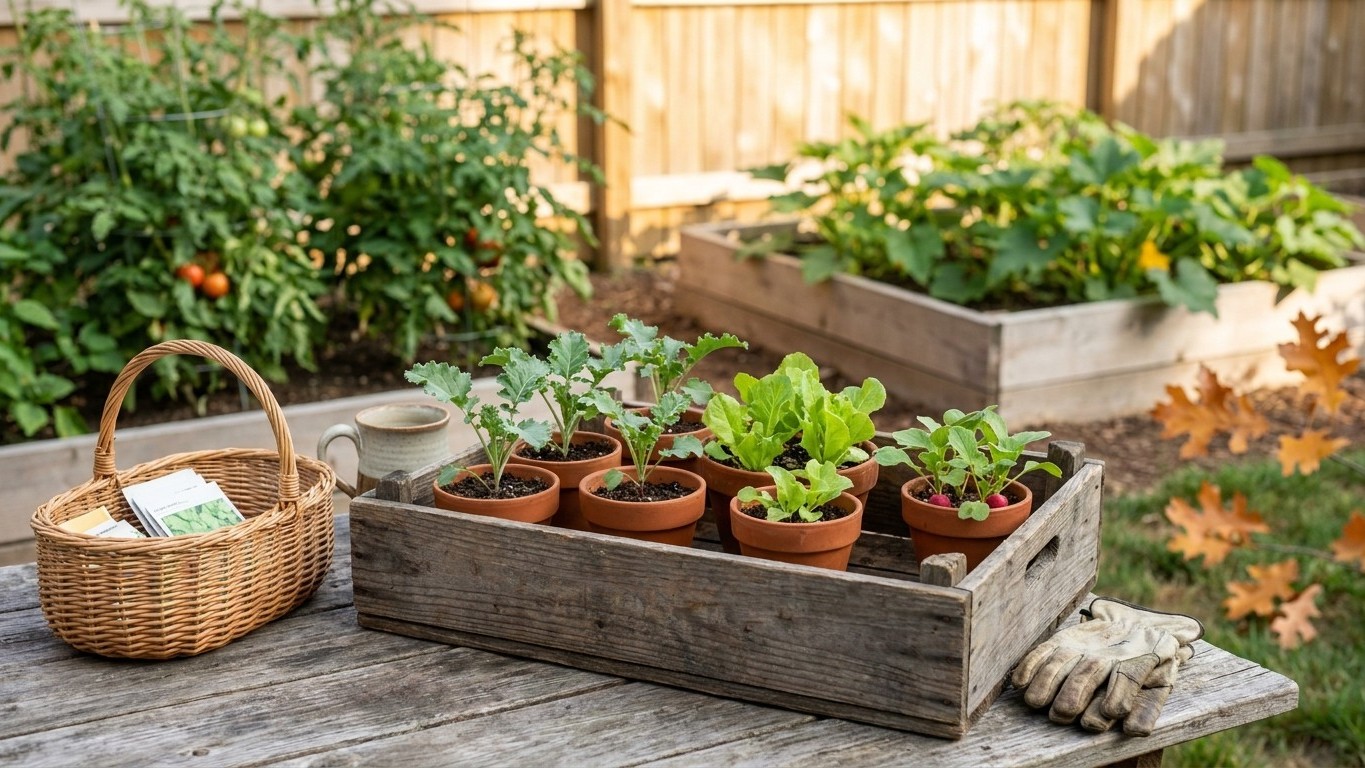
August in New Hampshire is a hinge month. Warm-season crops are still cranking out tomatoes and squash, but the calendar is quietly turning toward fall.
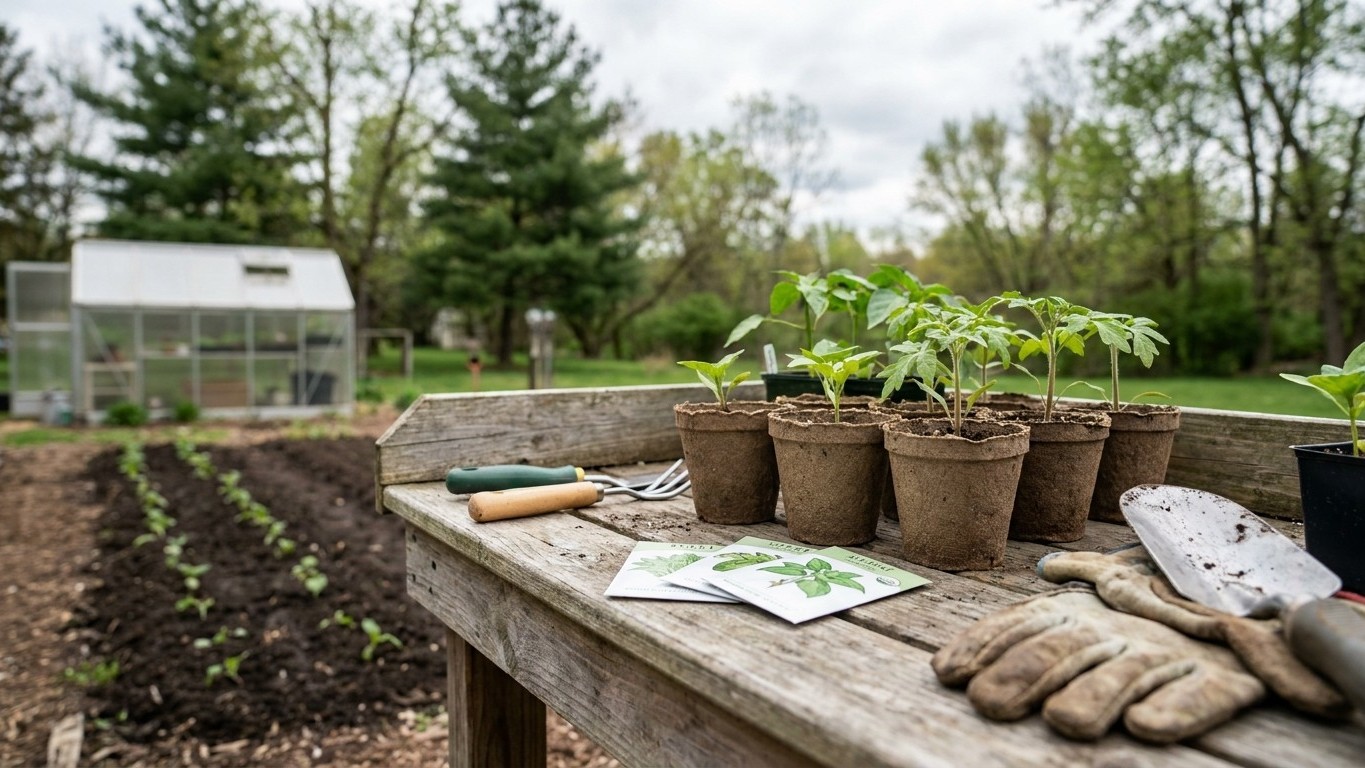
April in New Hampshire sits right on top of the state’s last frost window, so the safe answer depends on where in the month you’re standing.
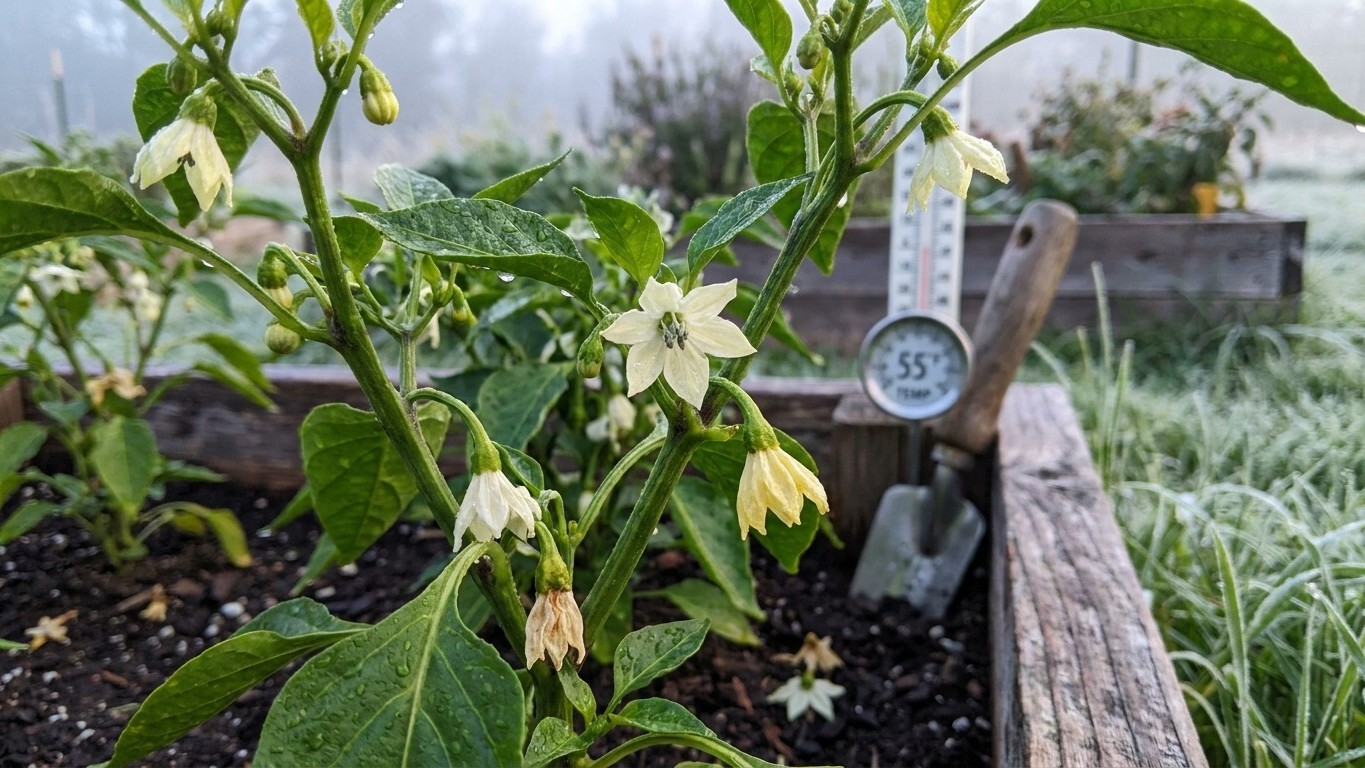
Peppers in New Hampshire can set a full crop in most years, but the window is narrower than gardeners expect.
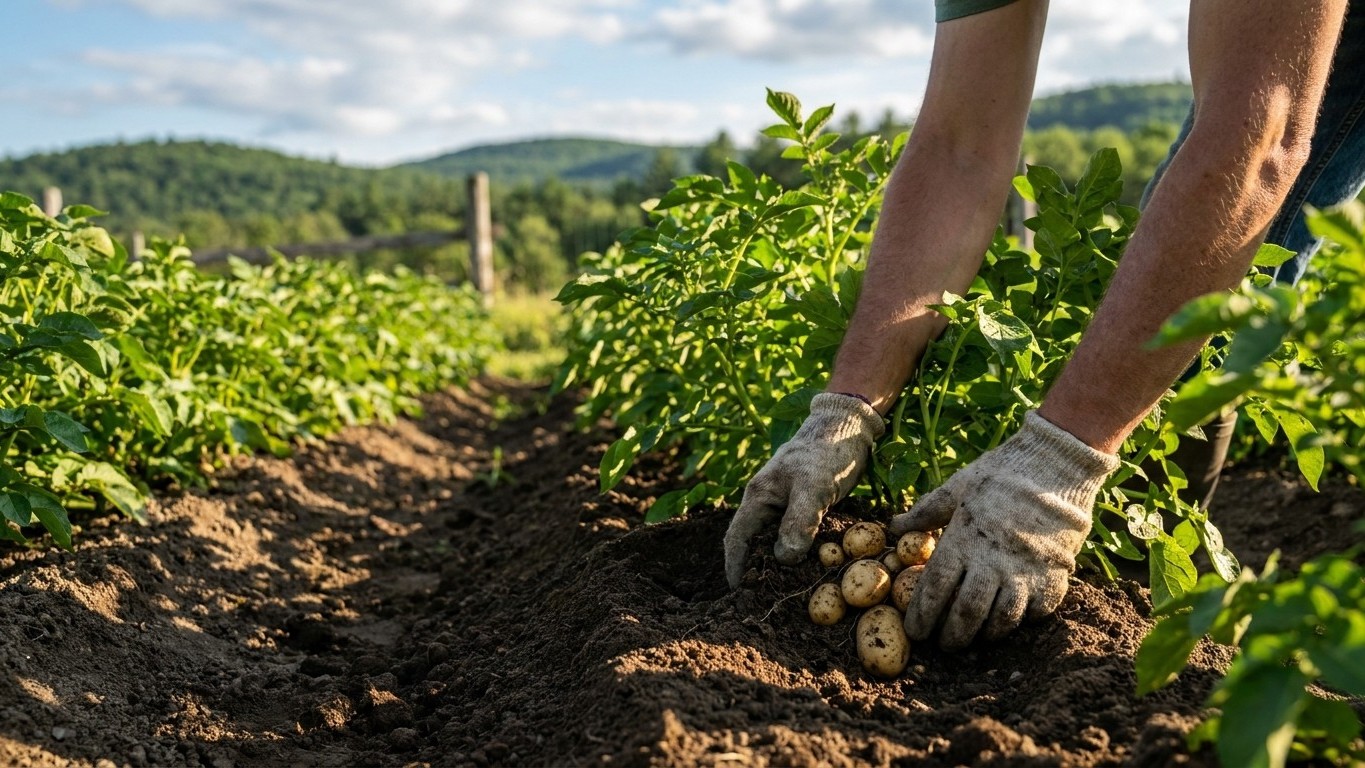
New Hampshire gardeners get a rare break on potatoes: the reference city sees under 11 days a year above 90 F, so tubers almost never stop sizing to heat…
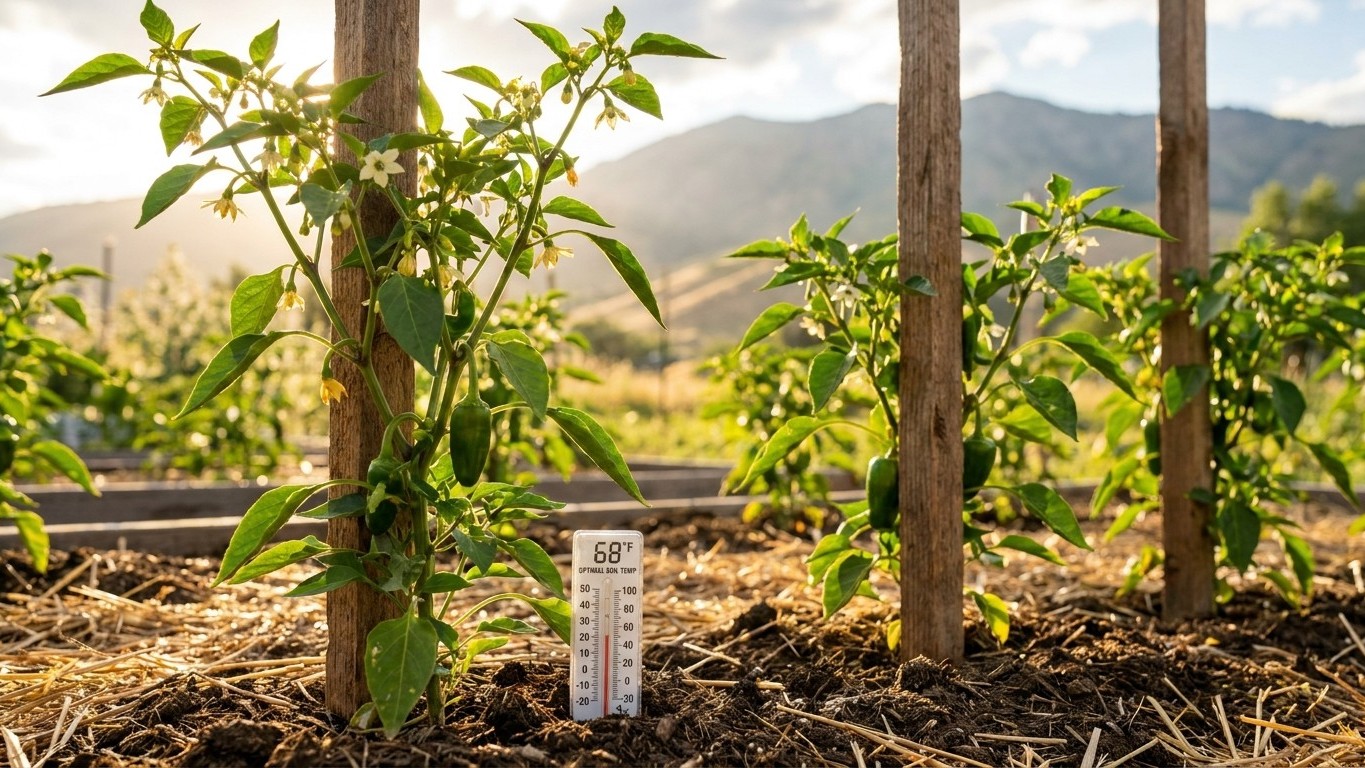
Matching a pepper variety to New Hampshire’s growing season starts with two numbers you can act on: your county’s last frost date and your soil…
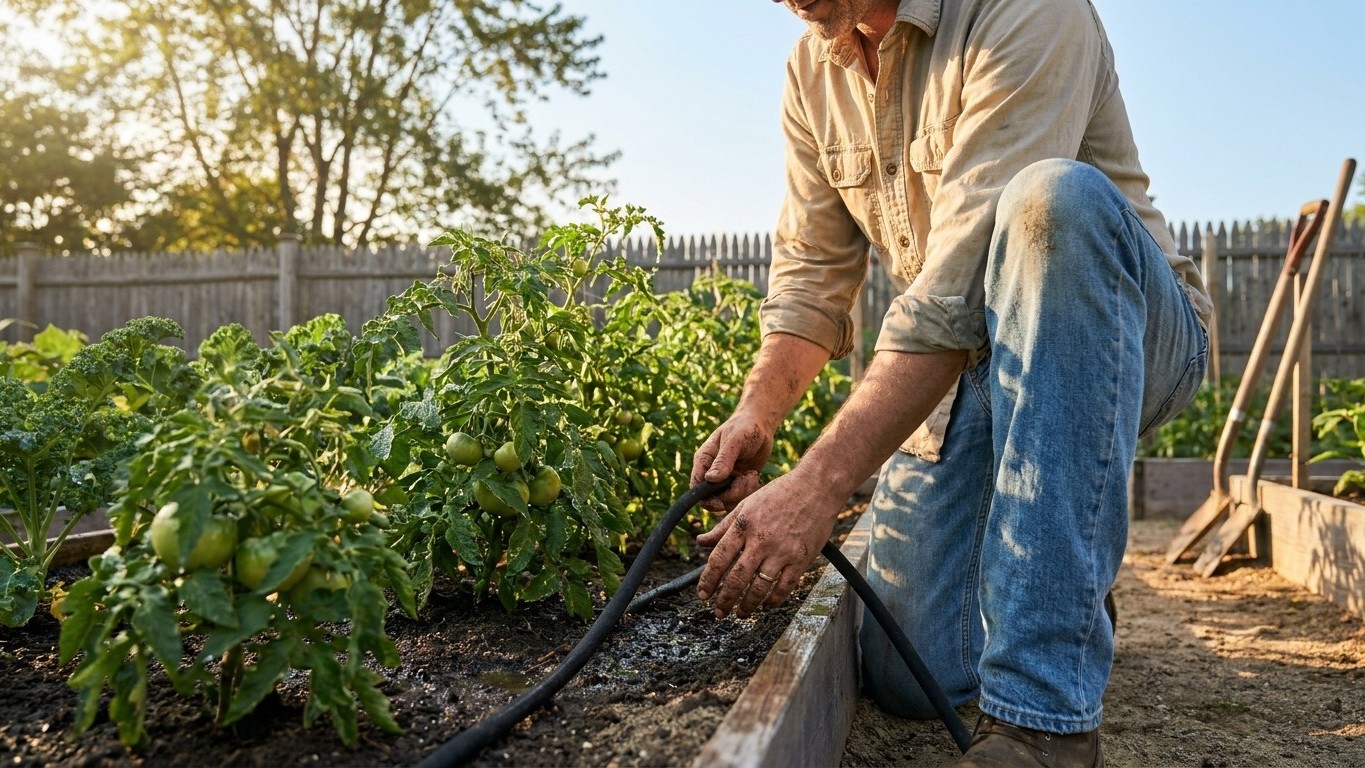
Most gardens in New Hampshire need supplemental watering by mid-July, even though the state gets a respectable 10.7 inches of rain across the whole summer.
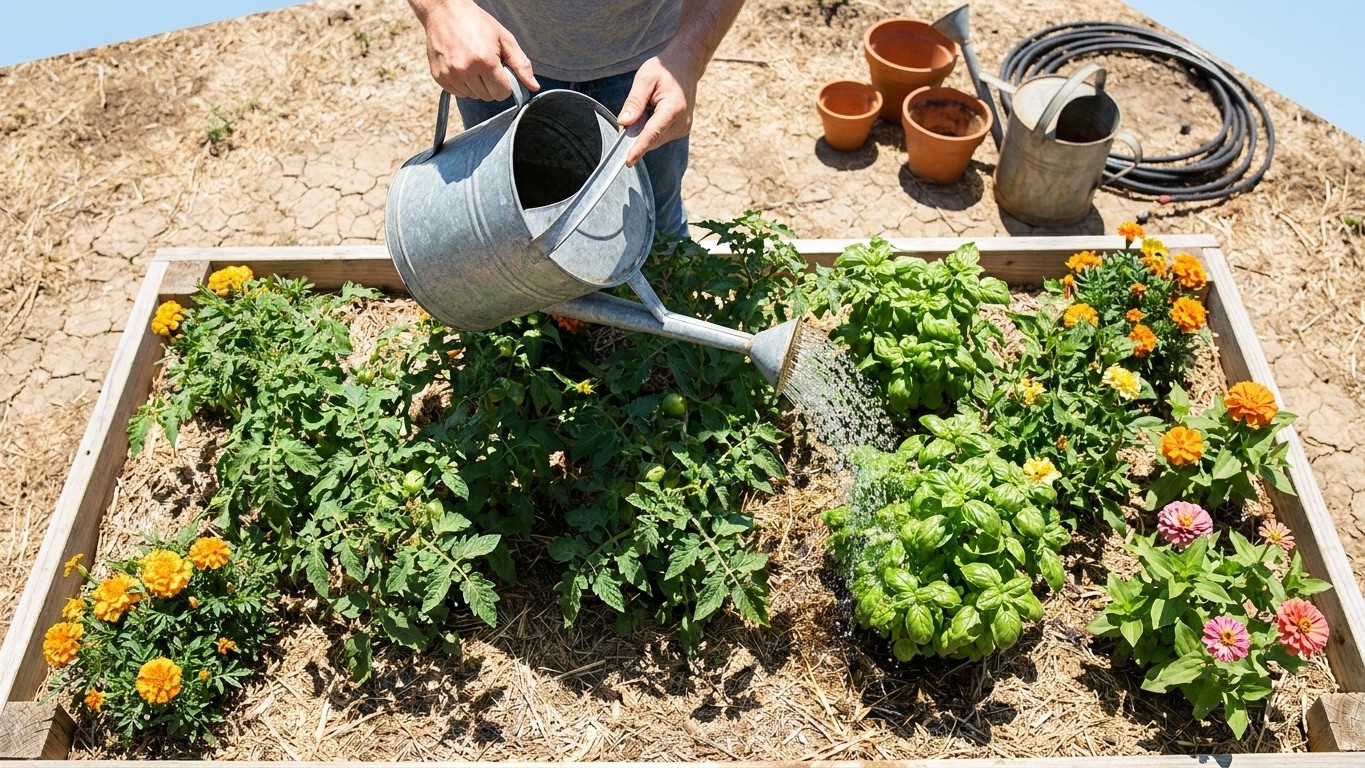
Row crops and raised beds across New Hampshire get by on rain more months than not, but July changes the math.
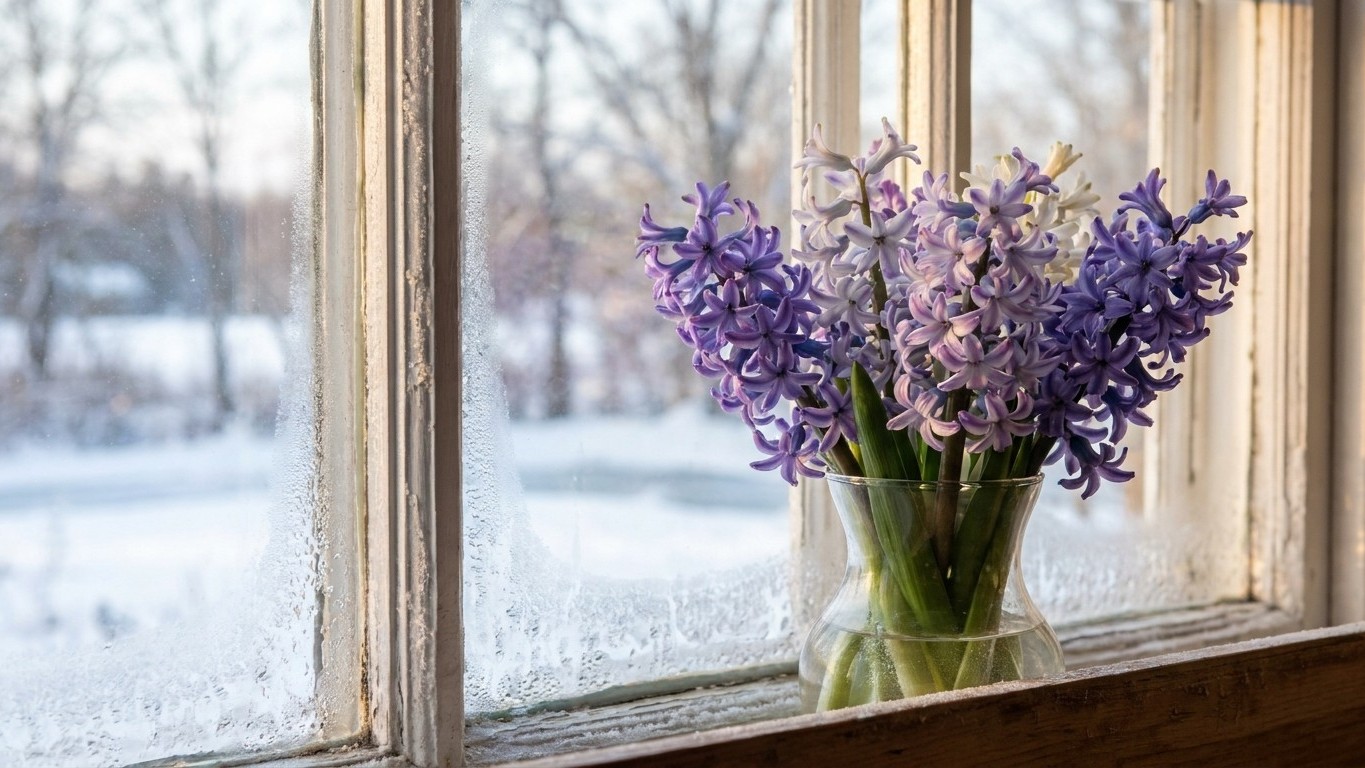
New Hampshire’s coldest month averages a low of 17.1°F at the Manchester reference station (NOAA climate normals, 1991-2020).
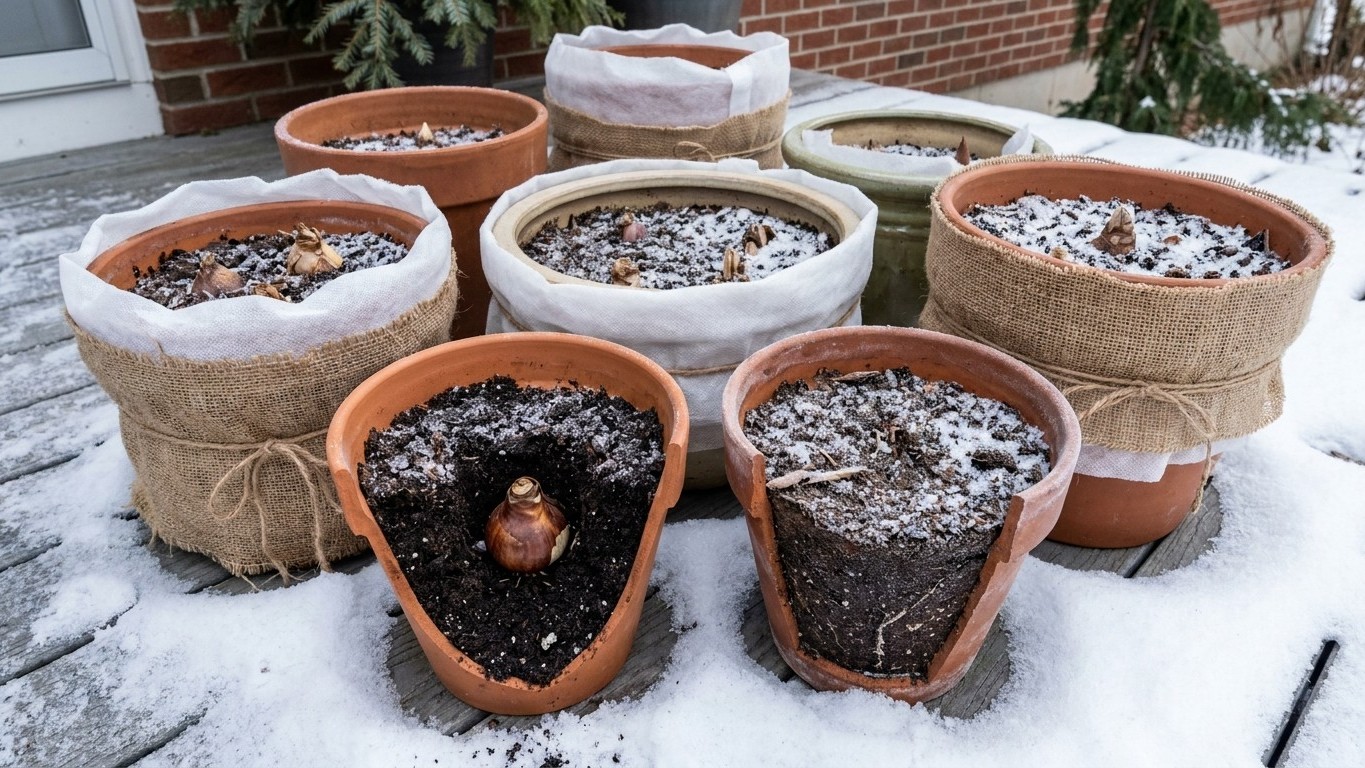
Spring bulbs can grow in containers in New Hampshire, but the same cold that keeps a garden bed’s bulbs alive can kill the identical bulb sitting in a…