When to Harvest Garlic in New York, and How to Cure It
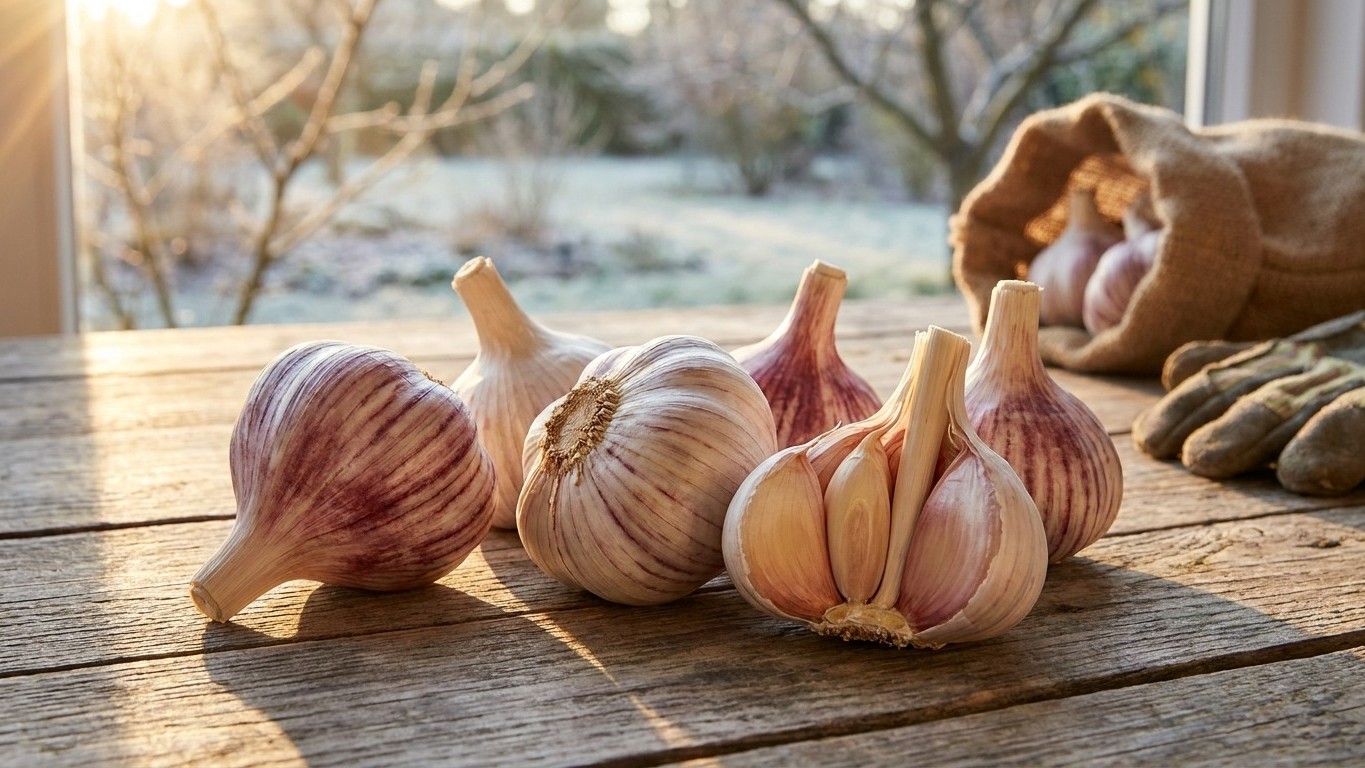
Garlic in New York is ready to lift when the lower third to half of the leaves have browned and dried while five or six upper leaves stay green, a point…
Home & garden, state by state
Everything we have worked out for New York: what to plant and when, which varieties finish in time, the pests that actually turn up here, and the jobs that pay off month by month. We also cover the rest of the property, from lawns and soil to home care and energy, because a garden rarely stops at the vegetable bed.
The numbers first, because everything else follows from them. Measured at the weather station in New York City, the last spring freeze runs March 23 to April 3 and the first fall freeze runs November 14 to November 27, USDA zones 3b-7b, 3,786 growing degree days in the year.
Garlic does well: 17.4 weeks below 40 °F, comfortably past the six it needs to form a proper head.
Elsewhere on the property in New York: the pests that turn up here.
Figures from NOAA's 1991-2020 climate normals. A state is not one climate: elevation, a large lake or the coast can move these dates by two weeks either way, so check your own county with the extension service before you spend money.
Garlic in New York is ready to lift when the lower third to half of the leaves have browned and dried while five or six upper leaves stay green, a point…
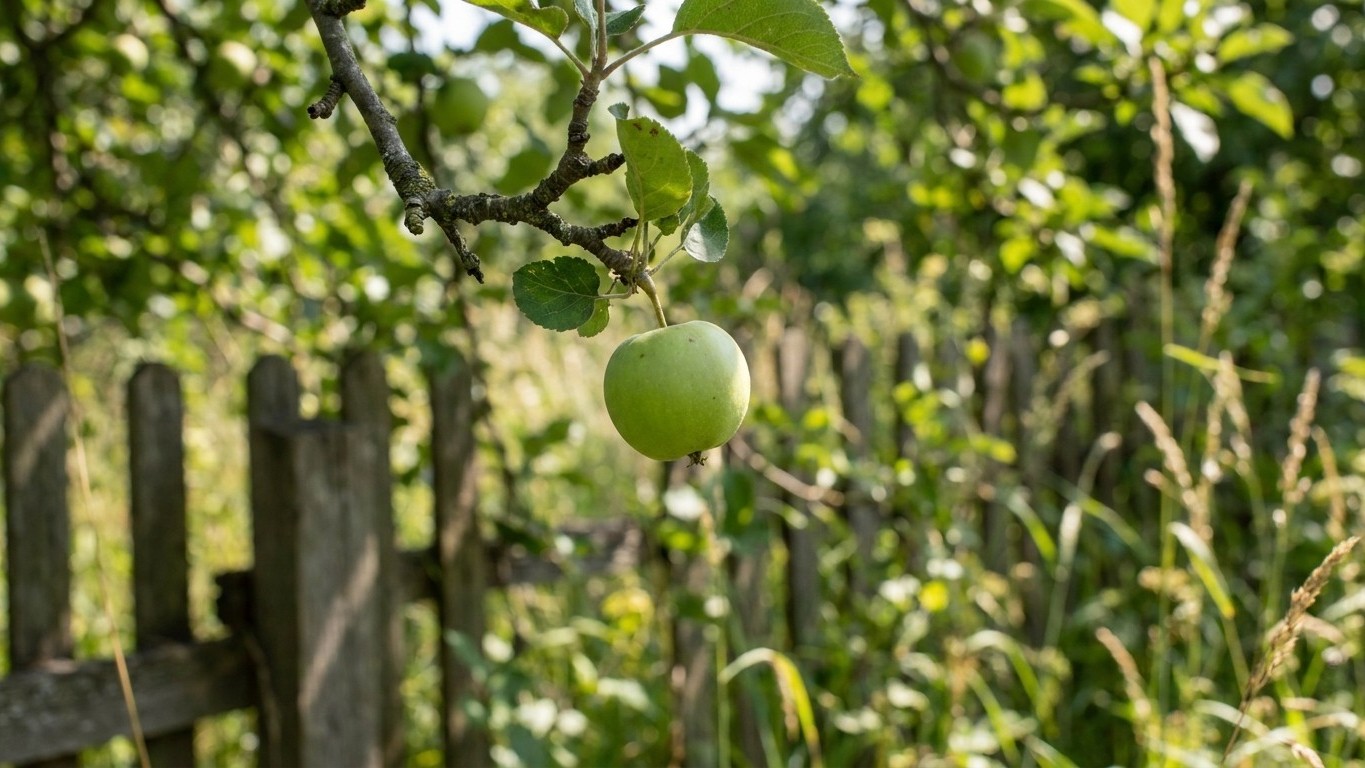
In New York, apple harvest runs from late August through late October in most of the state, with the exact week set by fruit maturity rather than a fixed…
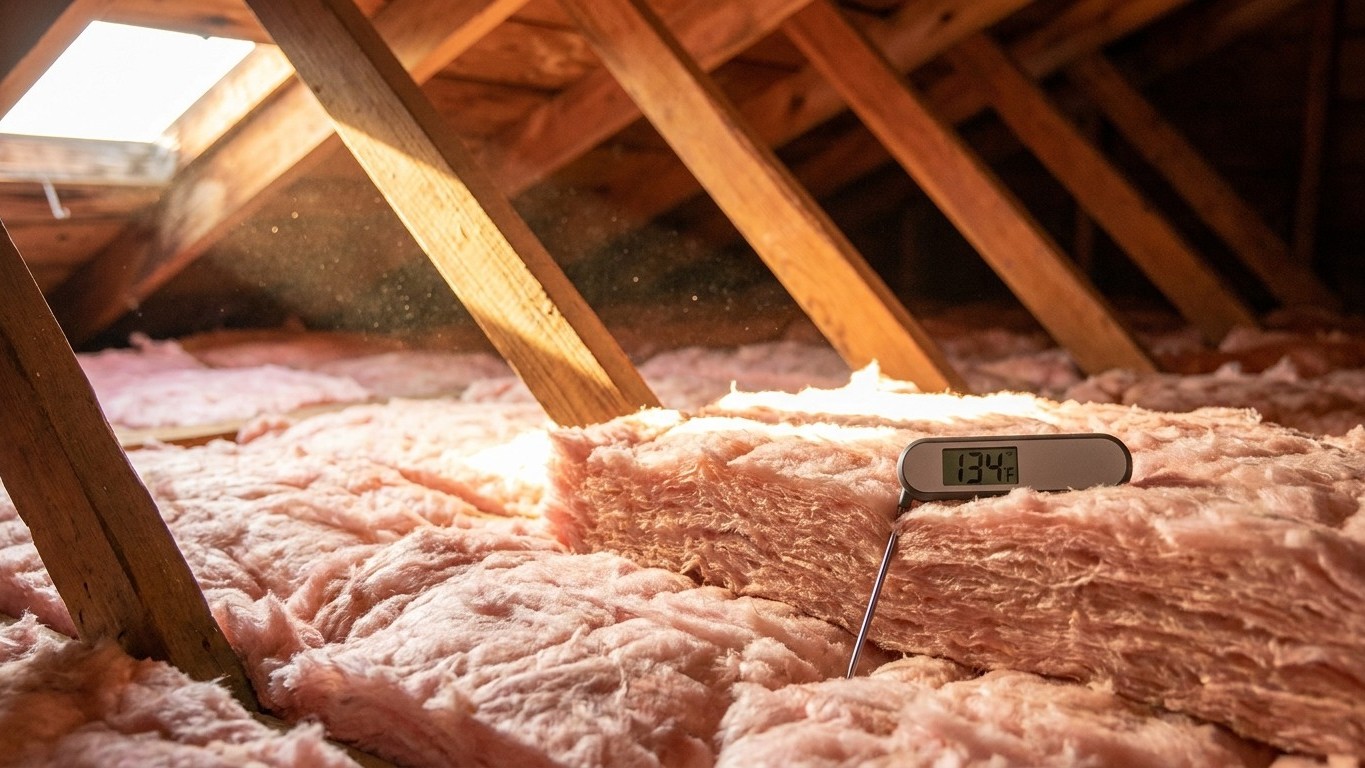
Yes, insulation helps New York homes stay cool, though summer heat isn’t the main event here the way it is in the Deep South.
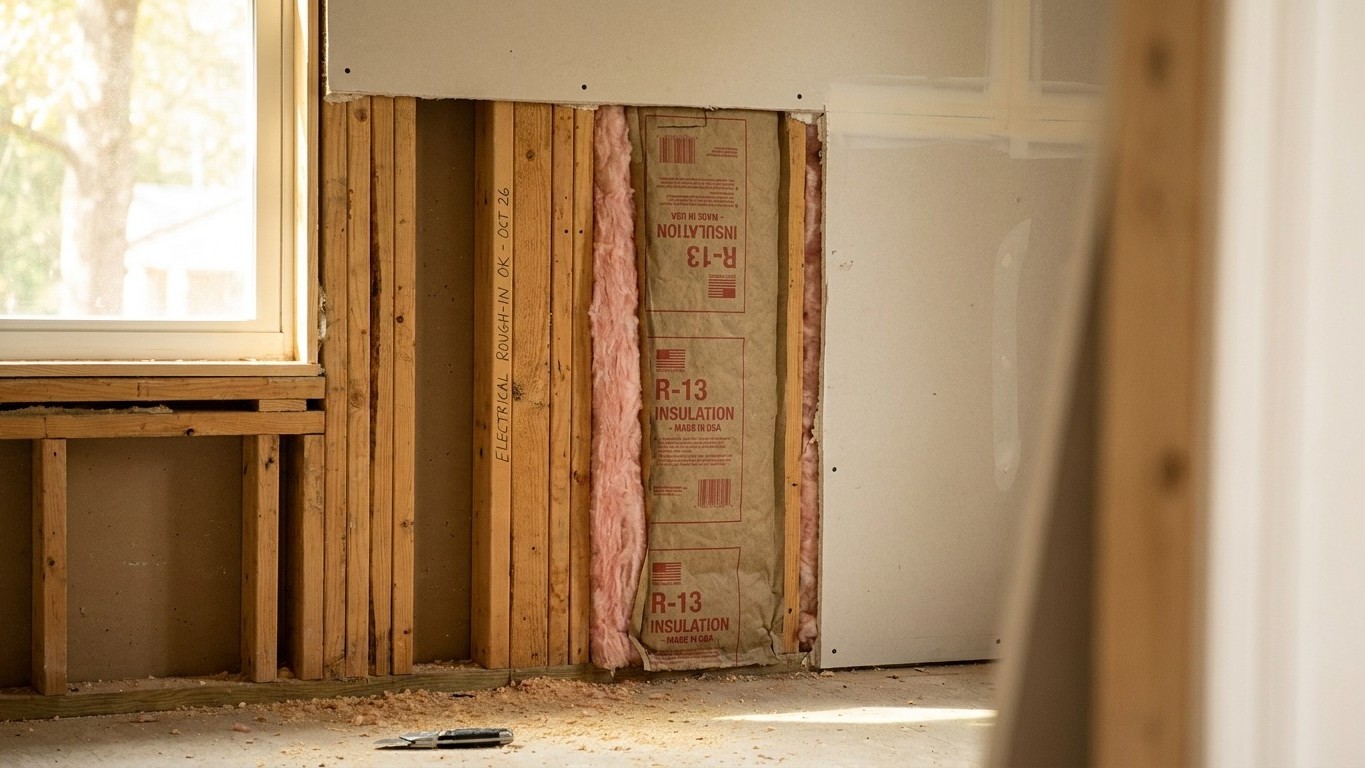
Yes. New York’s frame walls fall under IECC Climate Zones 4A, 5A, and 6A, and the 2021 International Residential Code exempts only Climate Zones 1, 2…
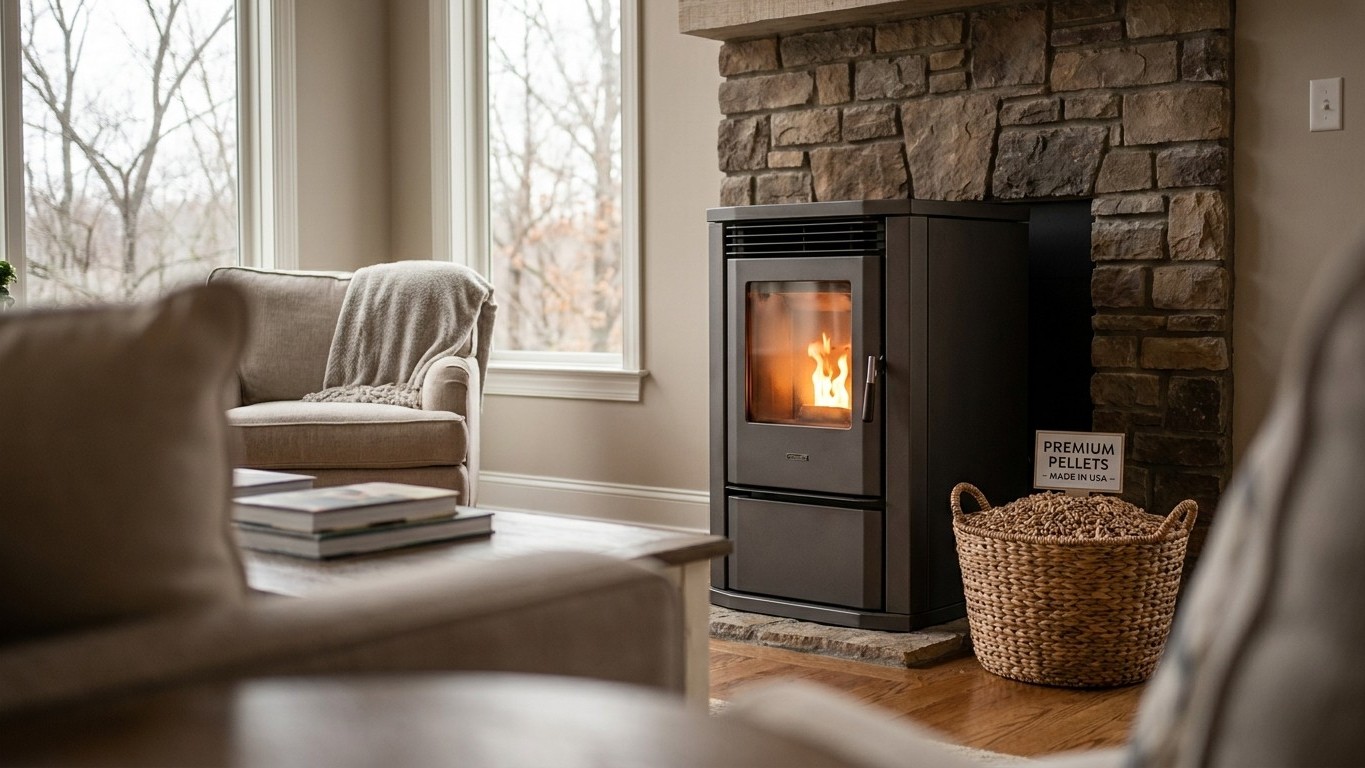
A New York winter asks a lot of a pellet stove. At the reference station in Central Park, the heating season runs about eight months and adds up to…

New York’s hardiness range runs from 3b to 7b, and against the 65 landscape plants this site documents, every single one survives somewhere in the state.
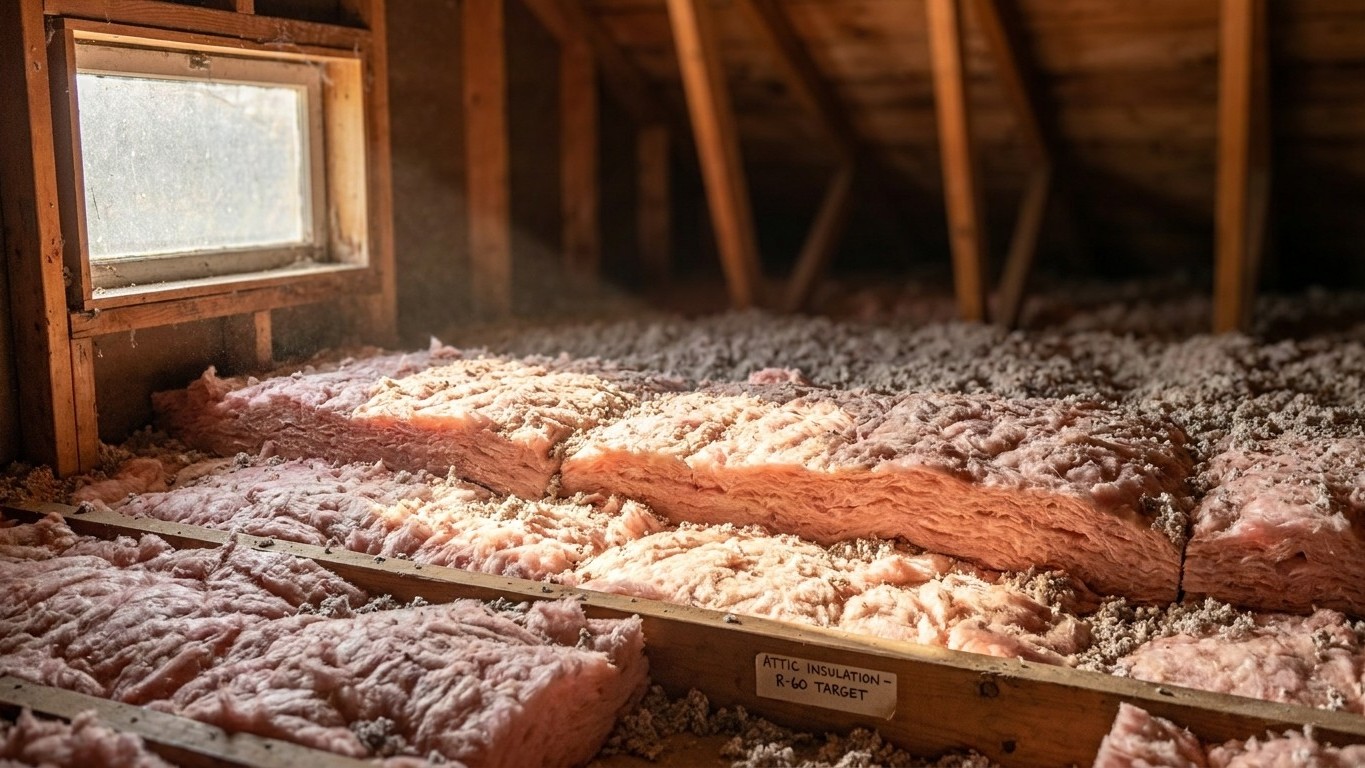
New York doesn’t have one insulation number, it has three, because the state itself sits in three different climate zones.
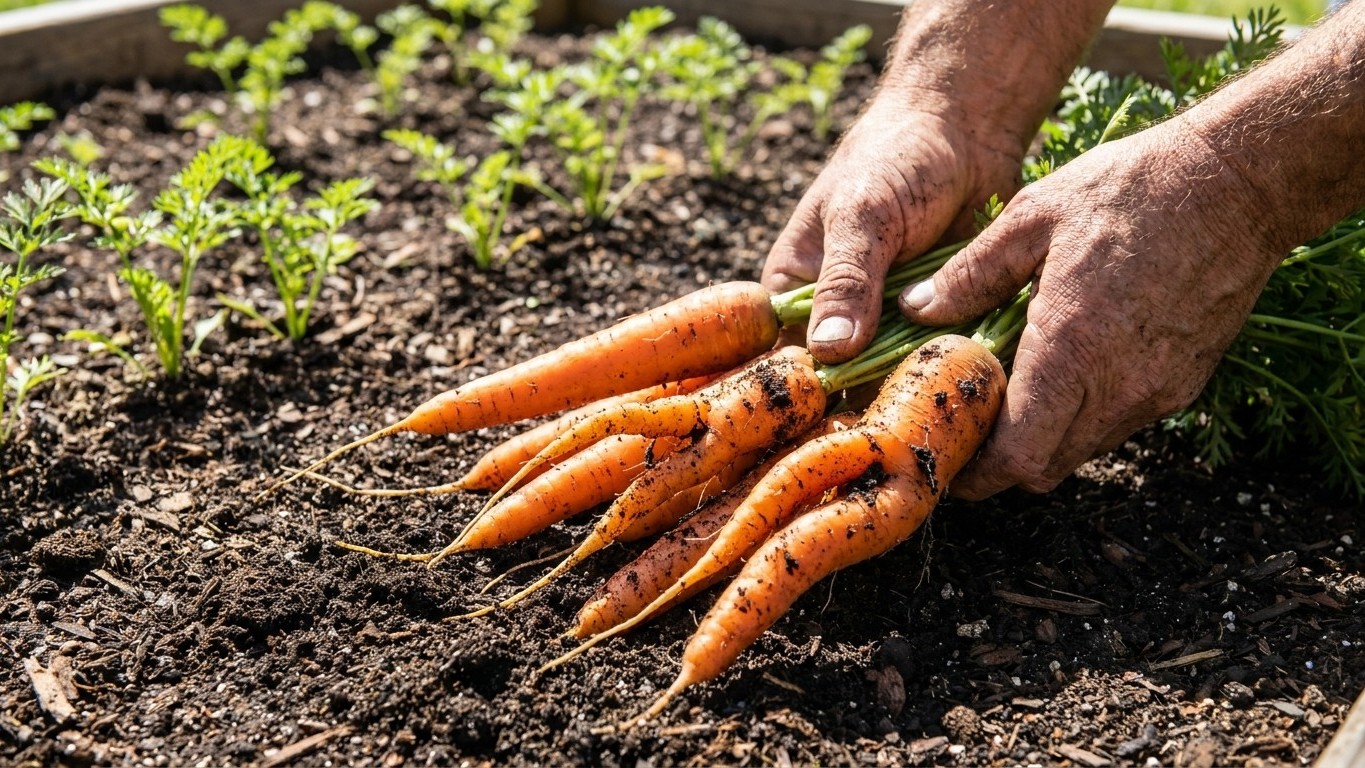
The direct answer depends less on a calendar date than on your soil. Carrots are direct-sown, never transplanted, and mature 70 to 100 days after seeding.

Most New York homes get a real breather from both heating and cooling around May, when statewide climate data show the lowest combined demand of the year.
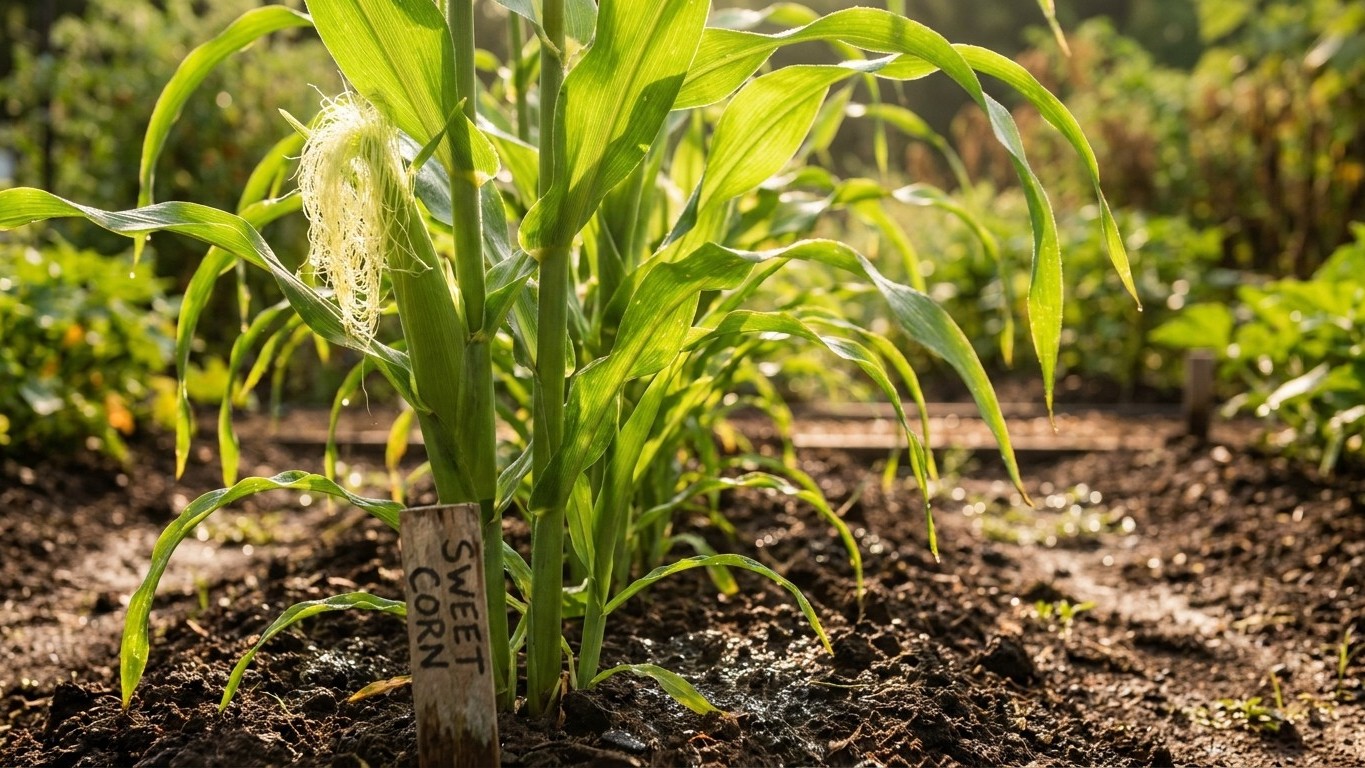
Yes, sweet corn ripens in New York, but the calendar that matters isn’t the frost date most gardeners circle in April.