Growing Roses in Northwest Territories: Planting Dates, Varieties and Local Pests
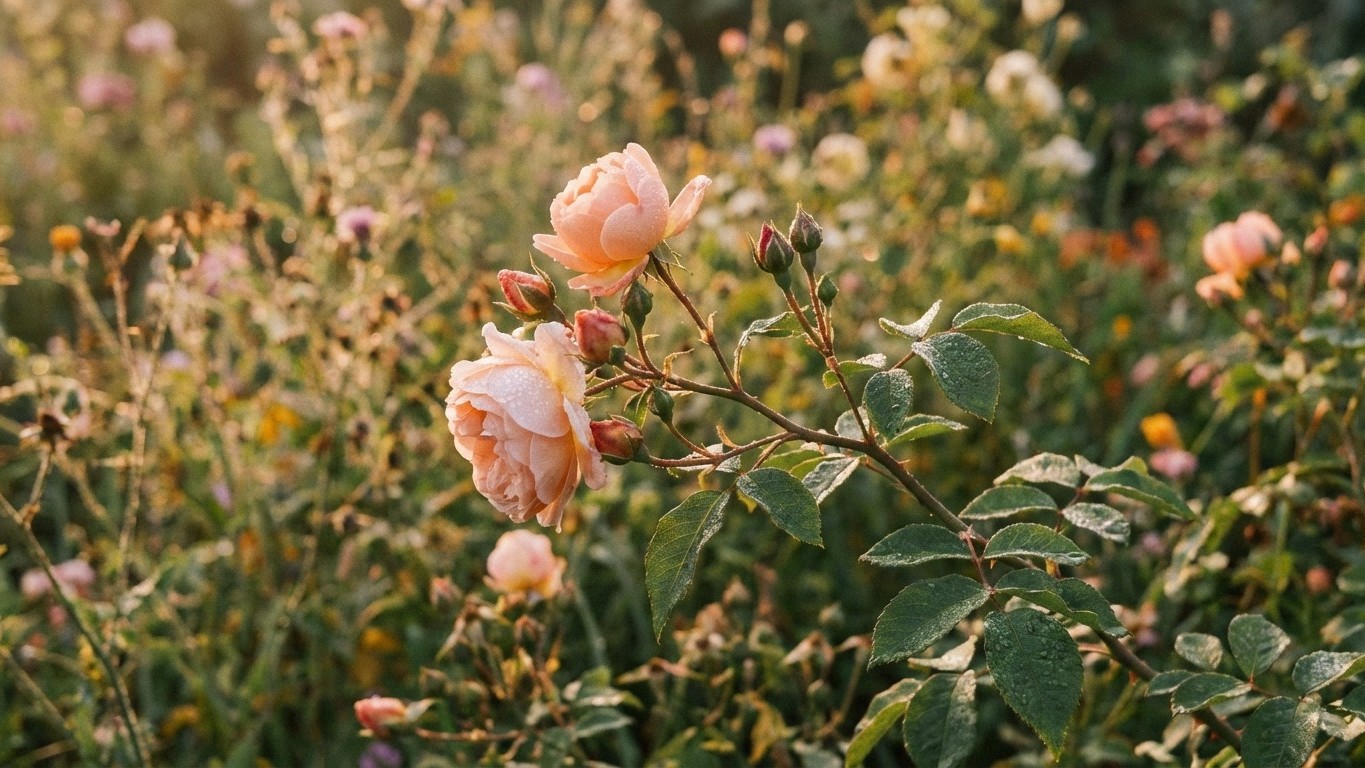
Hardy shrub roses grow in the Northwest Territories, and once established they ask for little.
Home & garden, state by state
Everything we have worked out for Northwest Territories: what to plant and when, which varieties finish in time, the pests that actually turn up here, and the jobs that pay off month by month. We also cover the rest of the property, from lawns and soil to home care and energy, because a garden rarely stops at the vegetable bed.
The numbers first, because everything else follows from them. Measured at the weather station in Yellowknife, the last spring freeze falls around May 25 and the first fall freeze falls around September 18, 905 growing degree days in the year.
That is little accumulated warmth: tomatoes need a tunnel or a greenhouse here, whatever the frost dates suggest. Garlic does well: 39.1 weeks below 40 °F, comfortably past the six it needs to form a proper head.
Elsewhere on the property in Northwest Territories: the pests that turn up here.
Figures from Environment and Climate Change Canada. A state is not one climate: elevation, a large lake or the coast can move these dates by two weeks either way, so check your own county with the extension service before you spend money.
Hardy shrub roses grow in the Northwest Territories, and once established they ask for little.
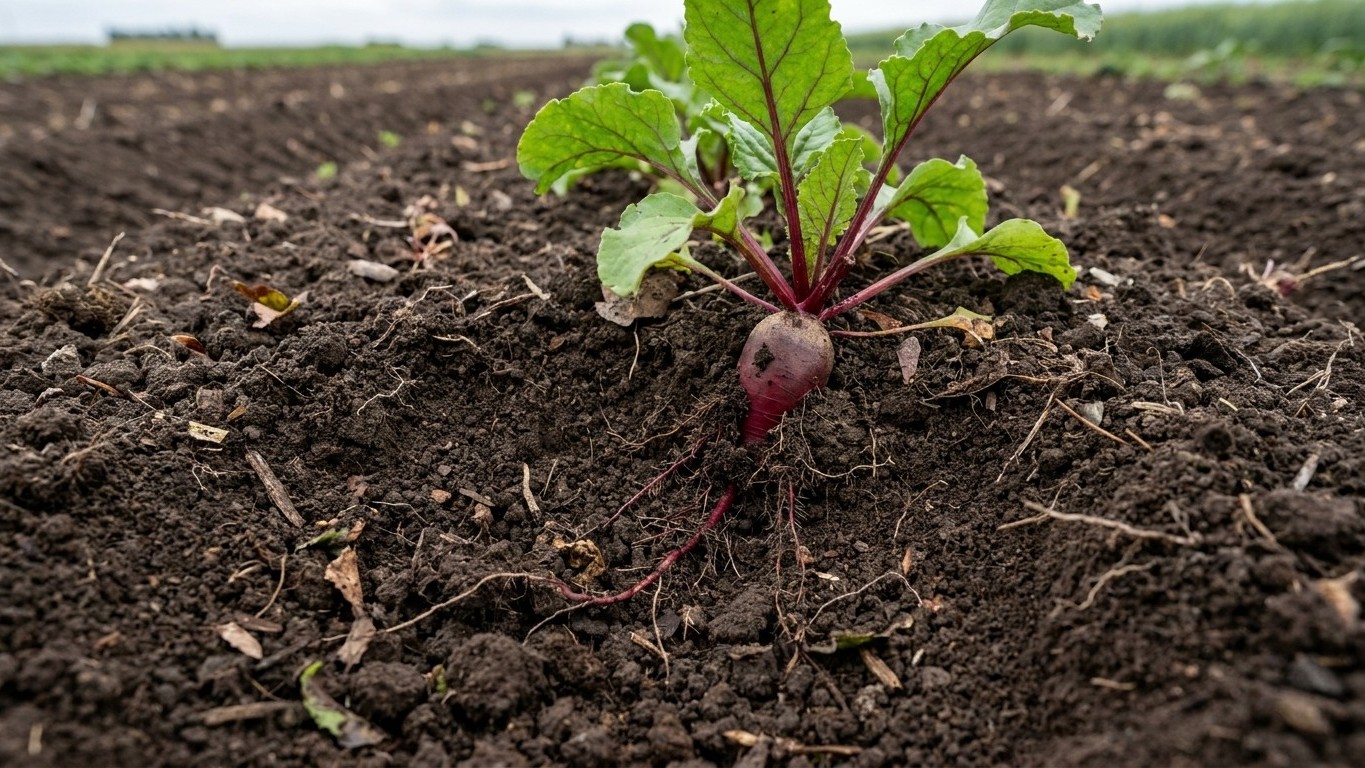
In Northwest Territories, the data behind this page points to weather and storage more than to bugs. Thirst in the first six weeks makes beets bolt.
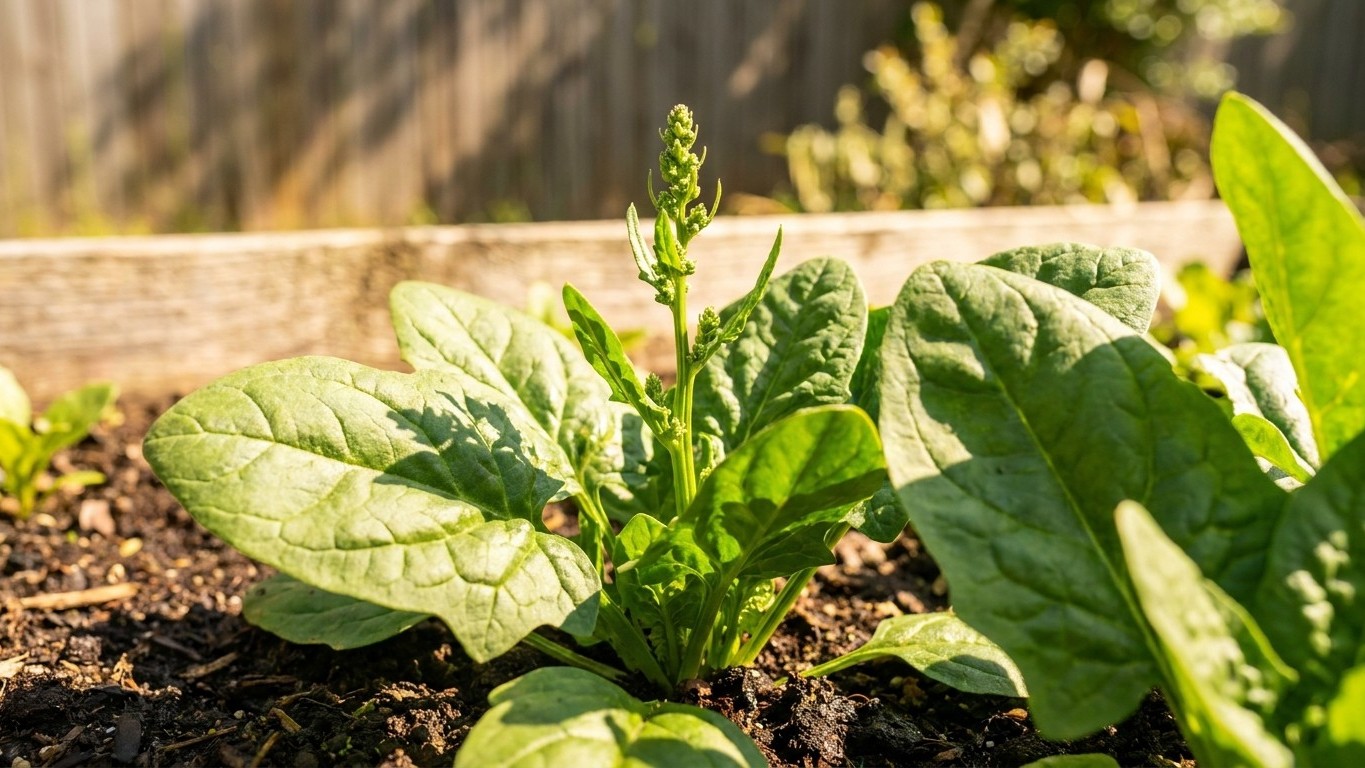
Cut spinach in Yellowknife-area gardens in two short bursts: a spring crop sown at the first workable ground and cut before the longest days arrive, and…
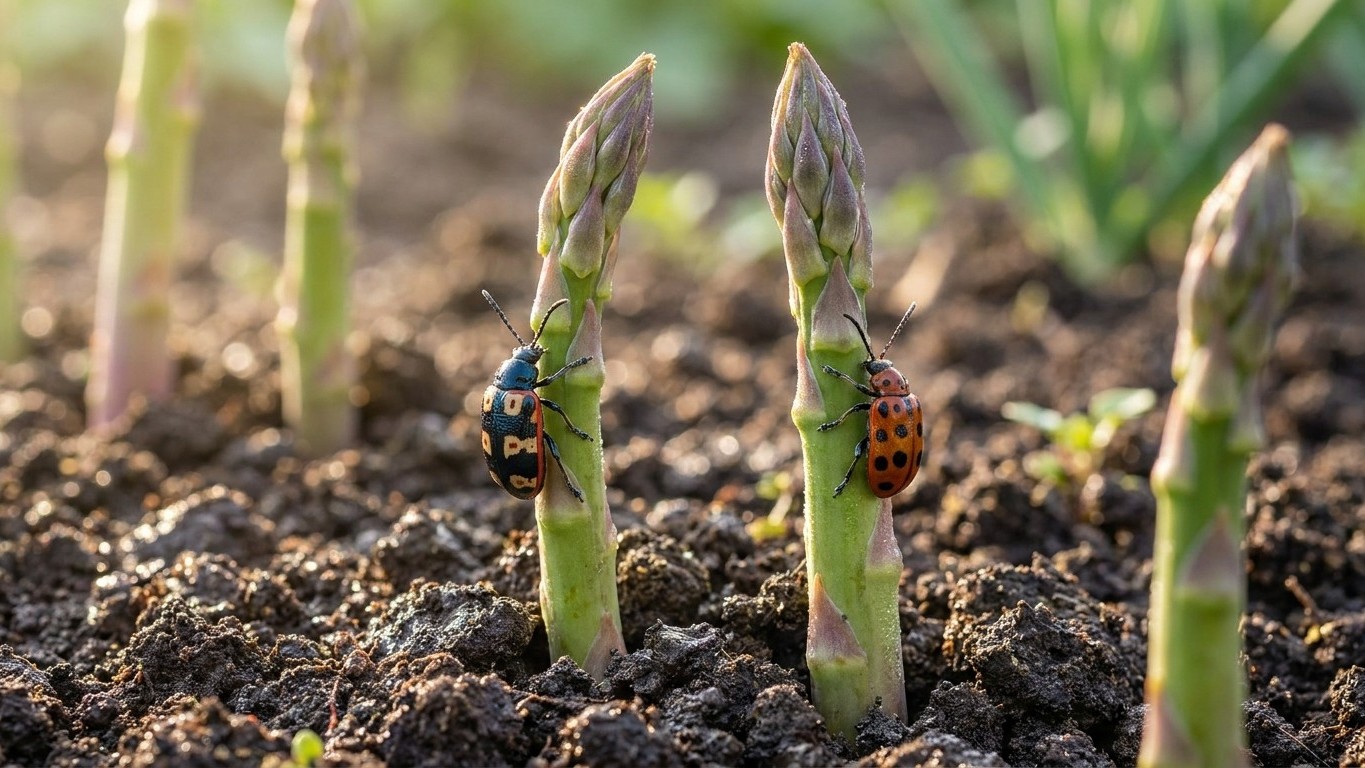
Stop cutting when most of the spears coming up are thinner than a pencil. That is an object to look for, not a date to circle.
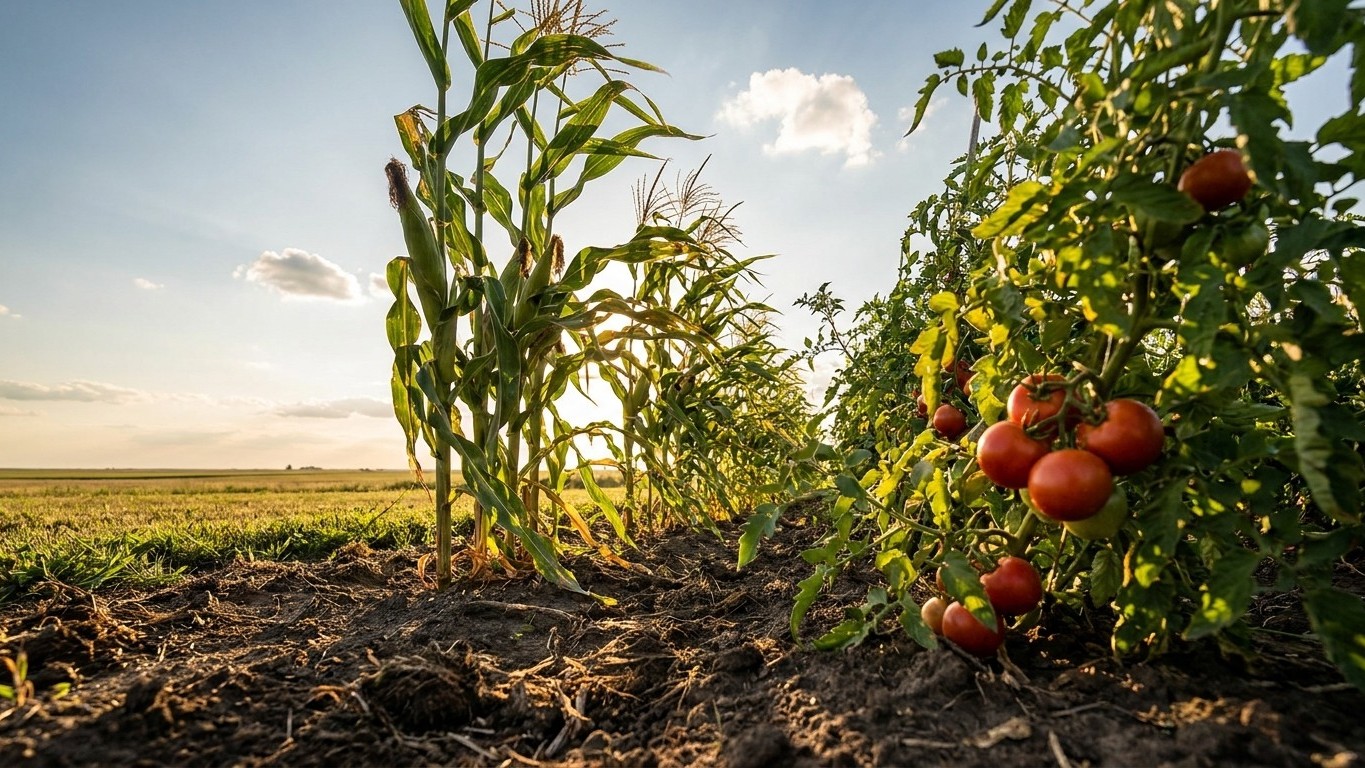
Up here, three things eat into a sweet corn crop, and they arrive in a fixed order. First, spring soil too cold to wake the seed.
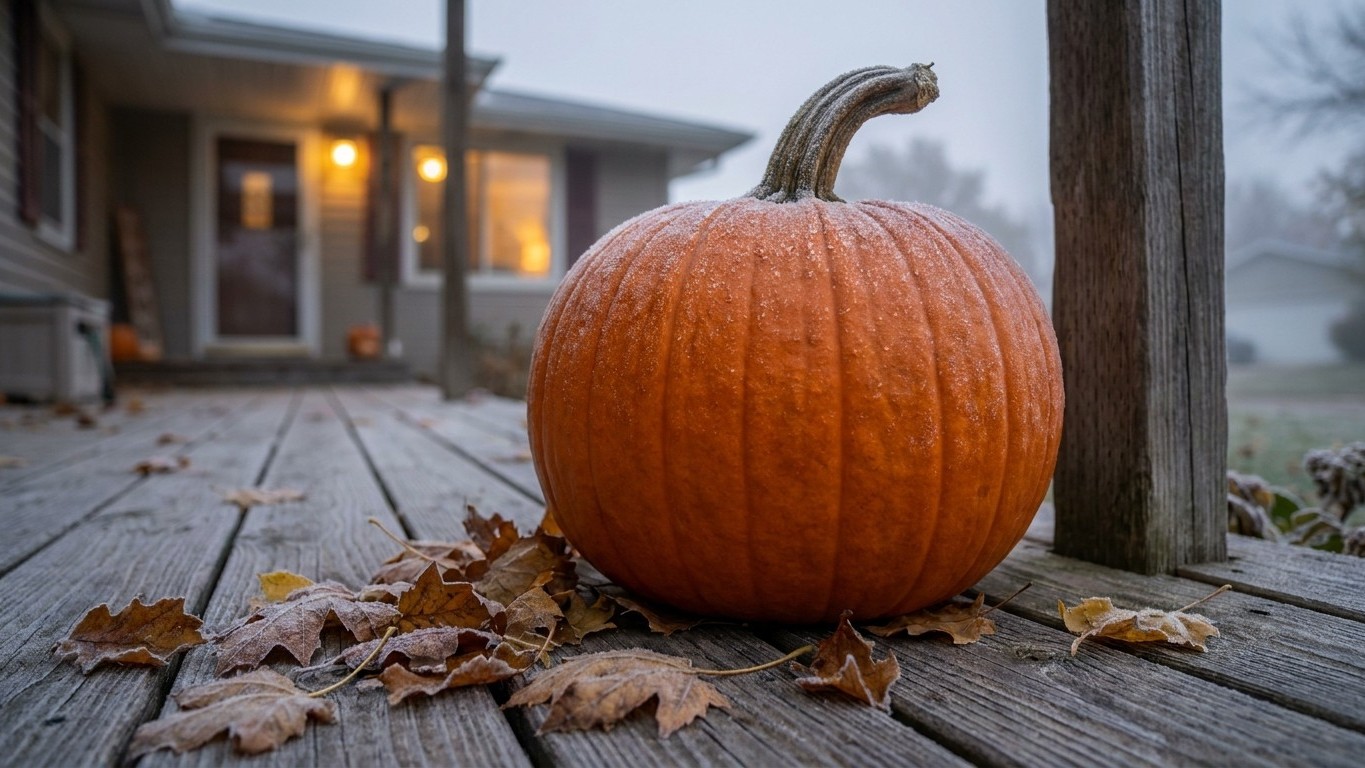
In the Northwest Territories, the thing that eats a pumpkin crop most often is the calendar.
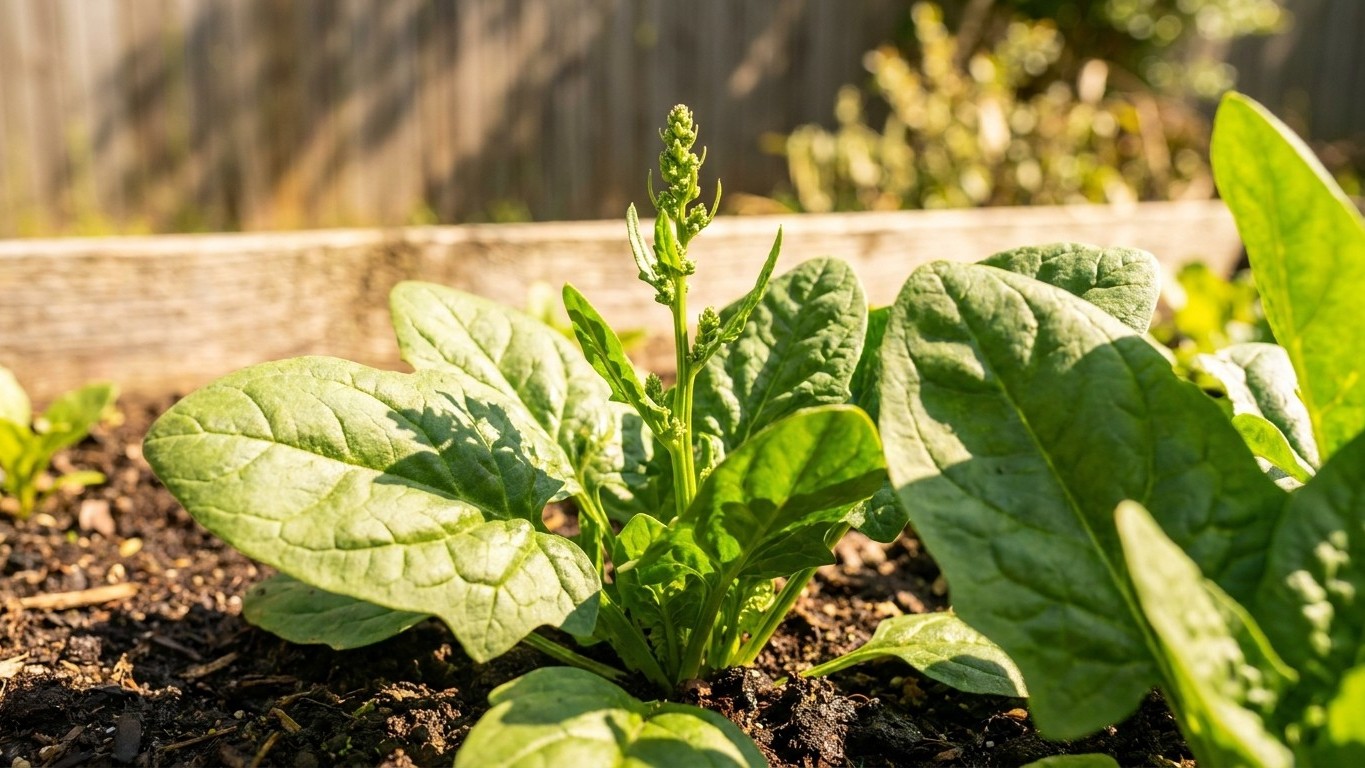
In the Northwest Territories, the thing that cuts a spinach crop short is mostly the calendar, not an insect.
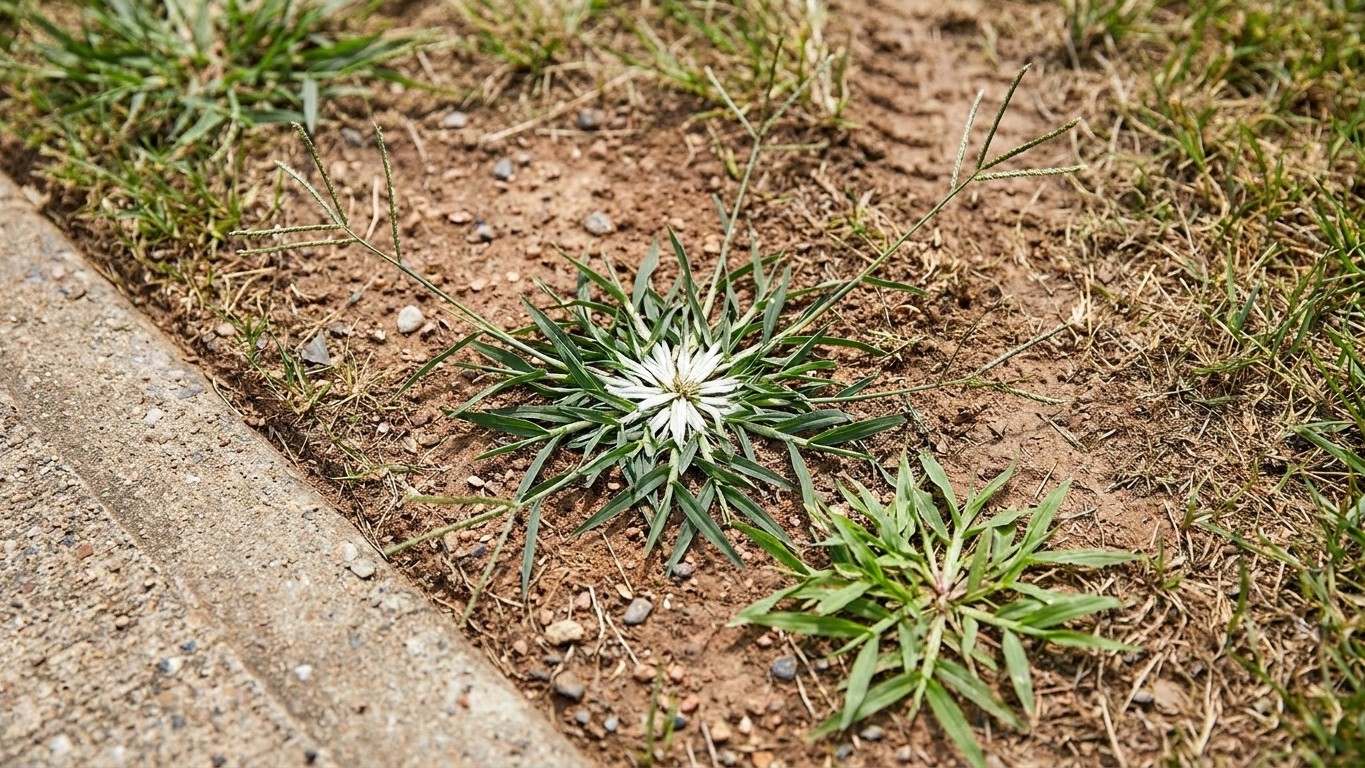
The mowing height for a lawn in the Northwest Territories depends on the grass: 3 to 3.5 inches for tall fescue, 2 to 3 inches for Kentucky bluegrass and…
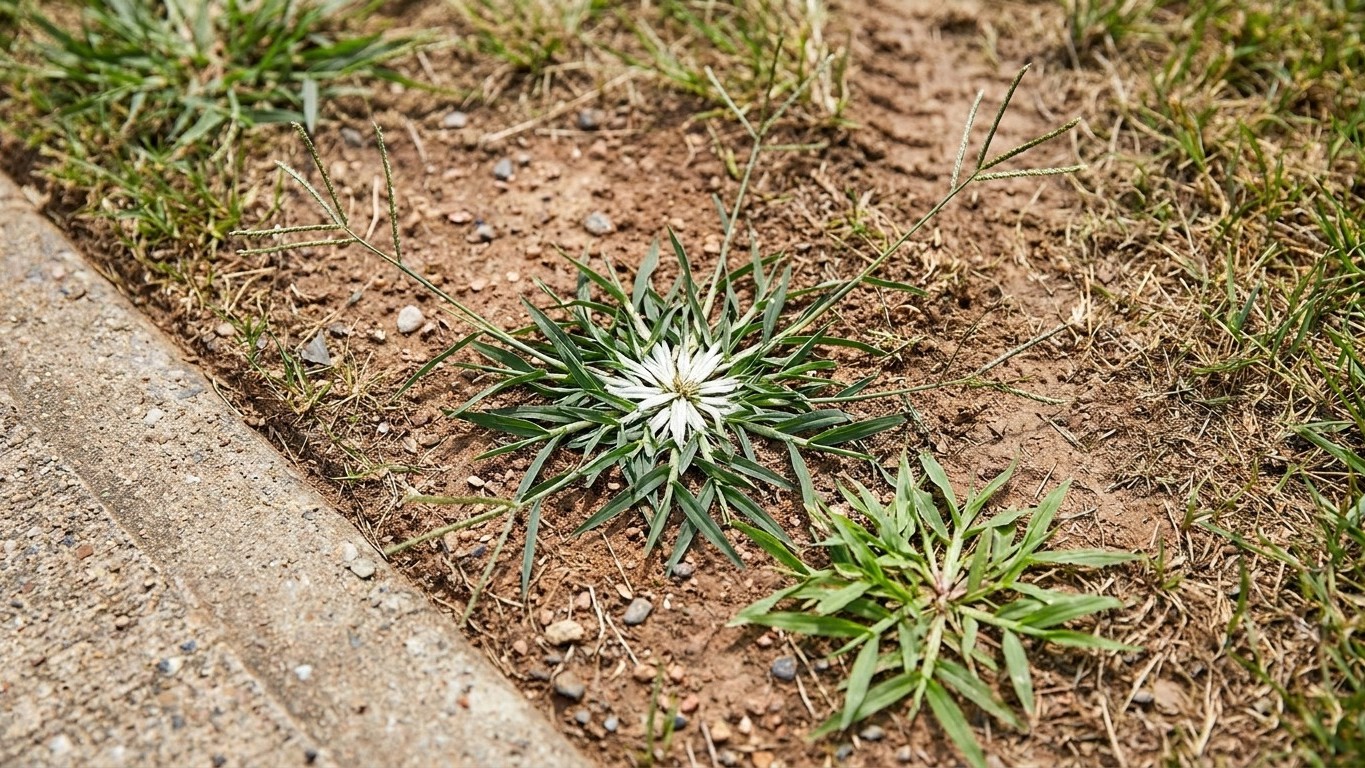
Sow grass seed in the Northwest Territories once the soil reaches 50 to 65 °F in late spring, and finish no later than early August. The season is short.
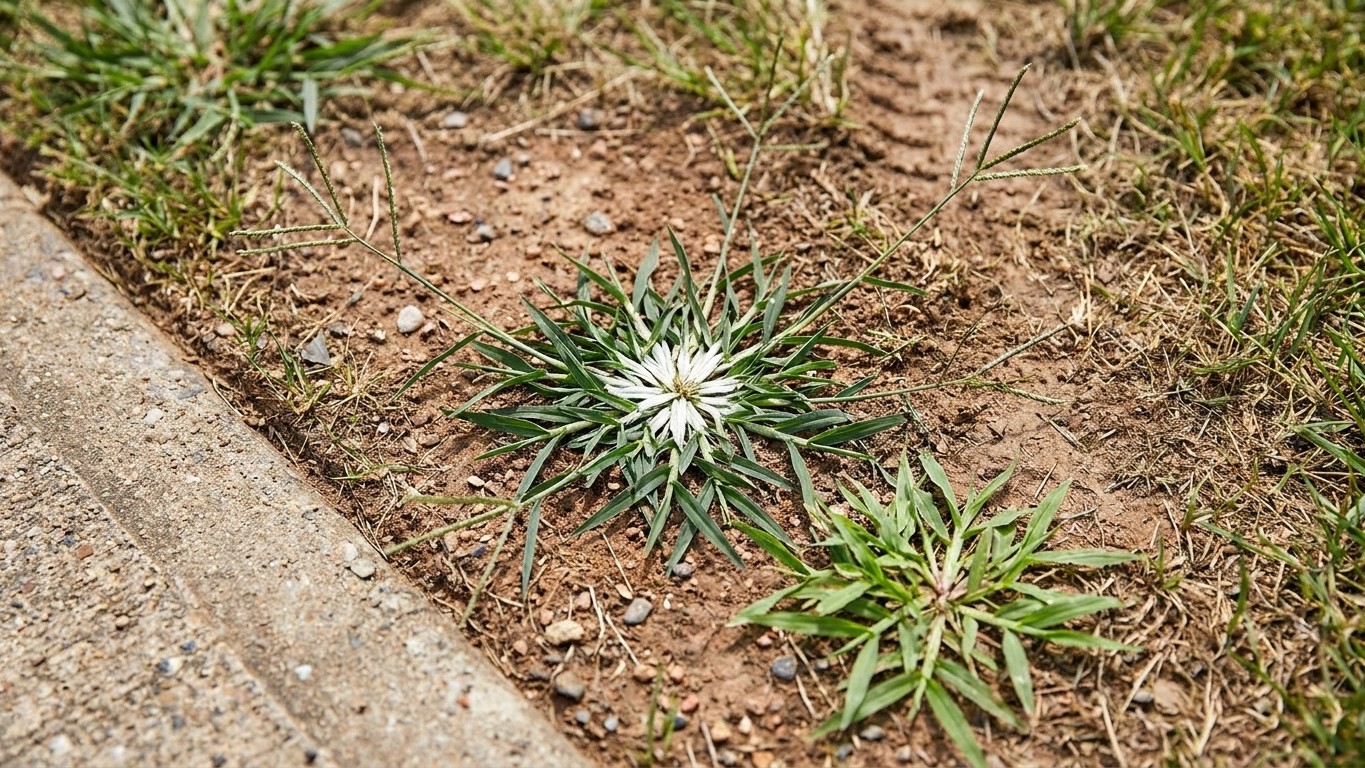
Most Northwest Territories lawns never need dethatching. Measure first: if the brown, spongy layer under the grass is under 0.75 inch, leave it alone.