When to Dig Up Dahlias, Cannas and Gladiolus in Northwest Territories
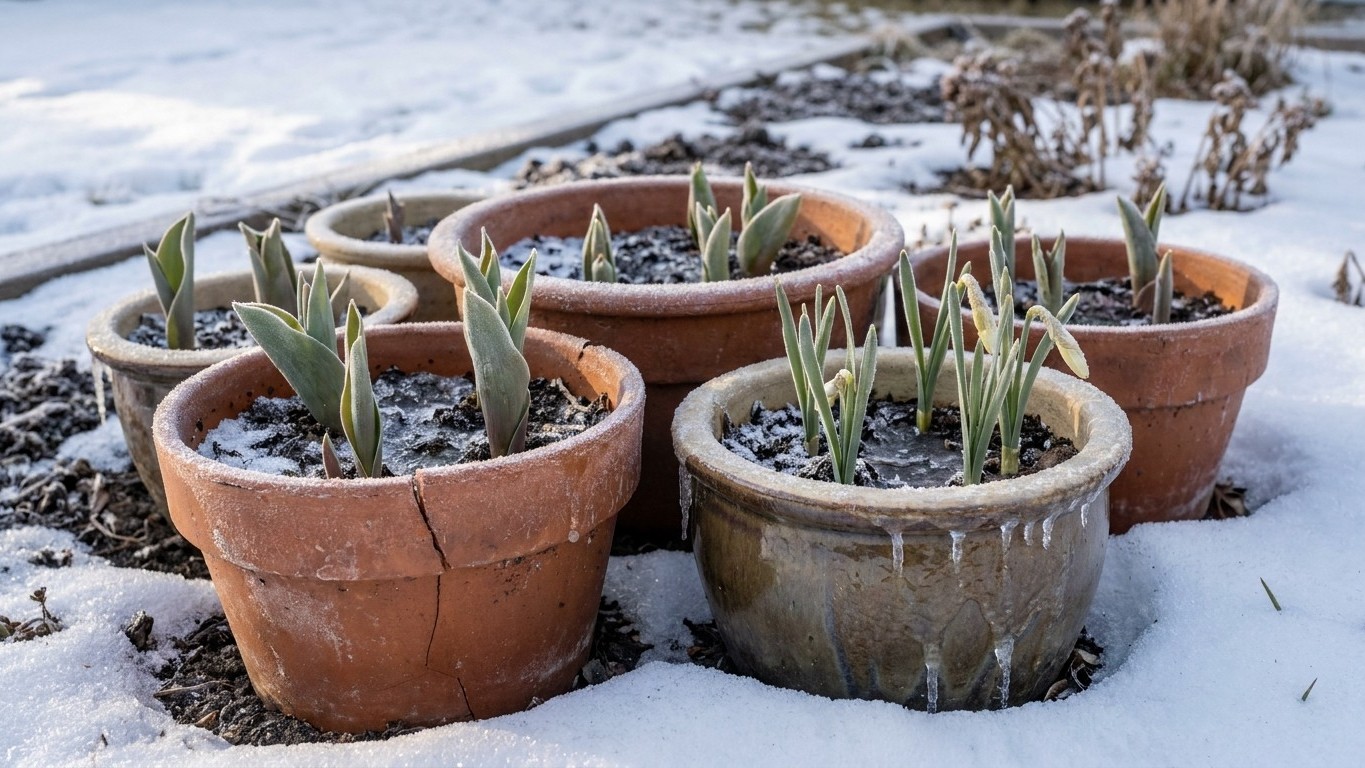
In the Northwest Territories, dahlias, cannas and gladiolus all come out of the ground every fall.
Home & garden, state by state
Everything we have worked out for Northwest Territories: what to plant and when, which varieties finish in time, the pests that actually turn up here, and the jobs that pay off month by month. We also cover the rest of the property, from lawns and soil to home care and energy, because a garden rarely stops at the vegetable bed.
The numbers first, because everything else follows from them. Measured at the weather station in Yellowknife, the last spring freeze falls around May 25 and the first fall freeze falls around September 18, 905 growing degree days in the year.
That is little accumulated warmth: tomatoes need a tunnel or a greenhouse here, whatever the frost dates suggest. Garlic does well: 39.1 weeks below 40 °F, comfortably past the six it needs to form a proper head.
Elsewhere on the property in Northwest Territories: the pests that turn up here.
Figures from Environment and Climate Change Canada. A state is not one climate: elevation, a large lake or the coast can move these dates by two weeks either way, so check your own county with the extension service before you spend money.
In the Northwest Territories, dahlias, cannas and gladiolus all come out of the ground every fall.
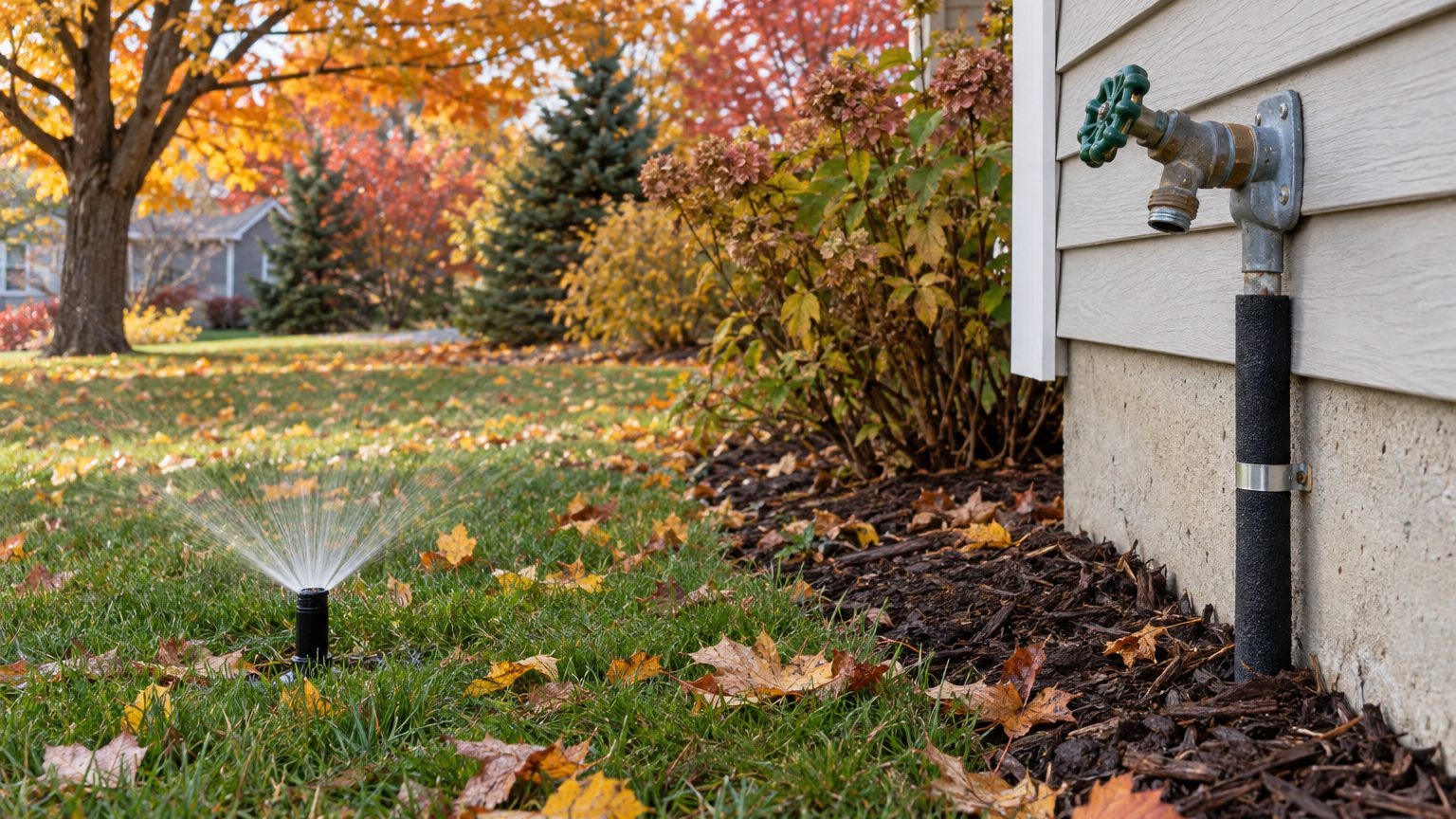
In Northwest Territories, drain sprinkler lines and outdoor faucets between late August and about September 18, the average first fall frost at…
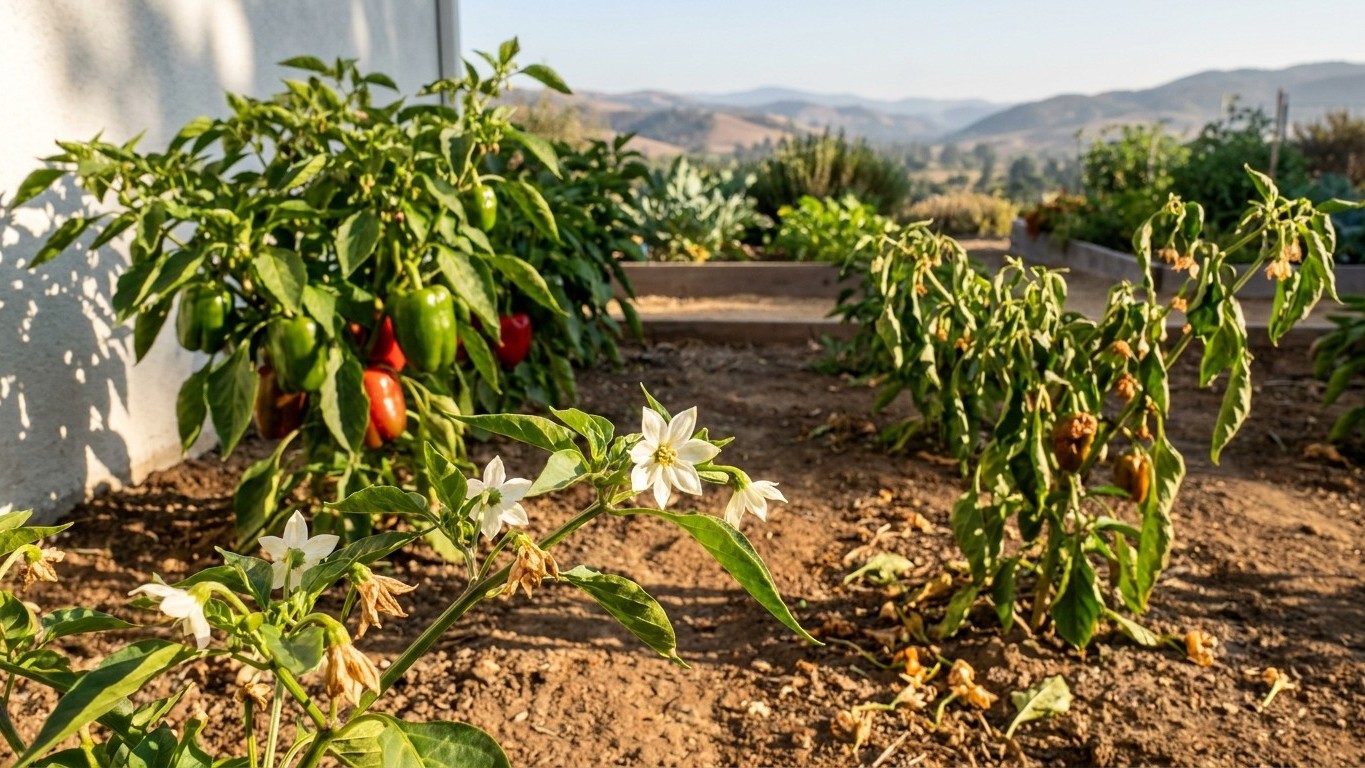
What Eats Pepper in Northwest Territories, and When — no territorial pest-monitoring service has published a documented list of insects feeding on pepper…
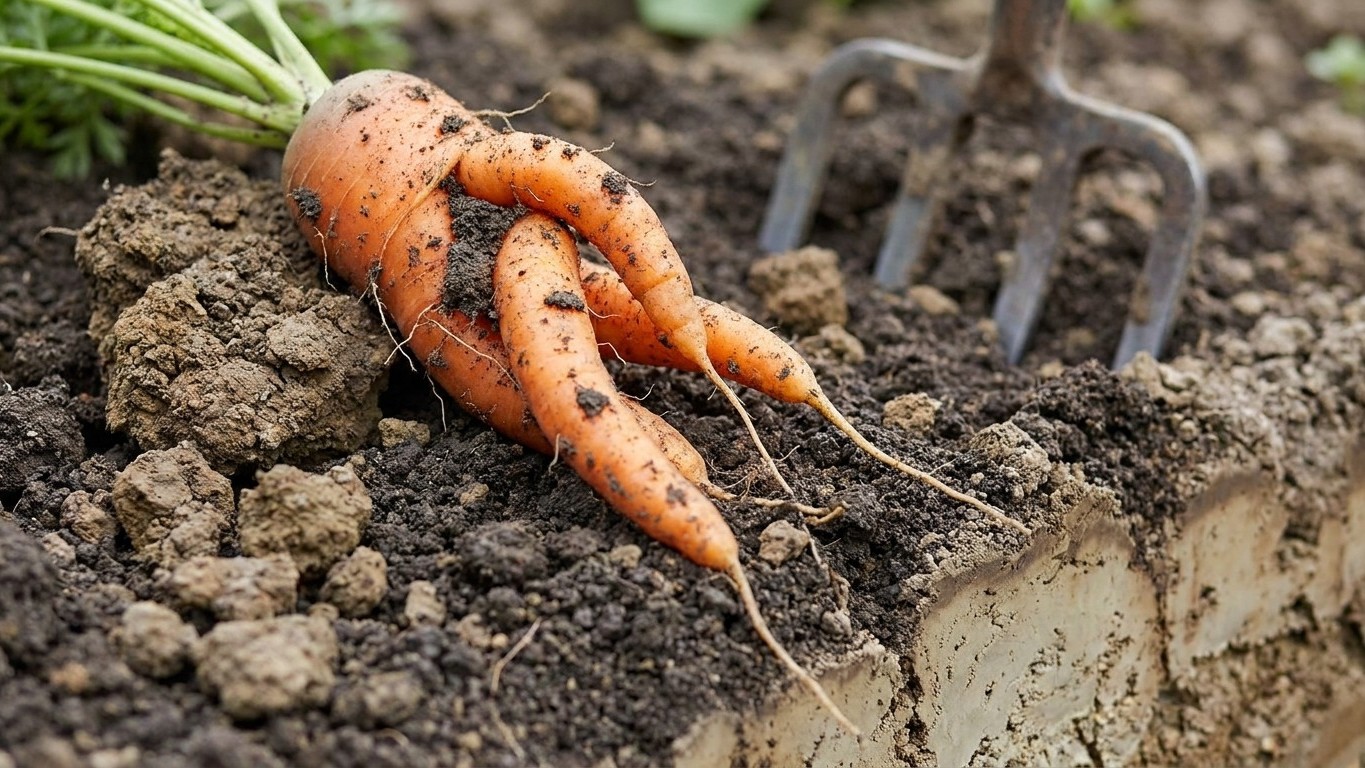
Search the documented record for Northwest Territories and you won’t find a named list of carrot-eating insects, no province-wide survey ties a specific…
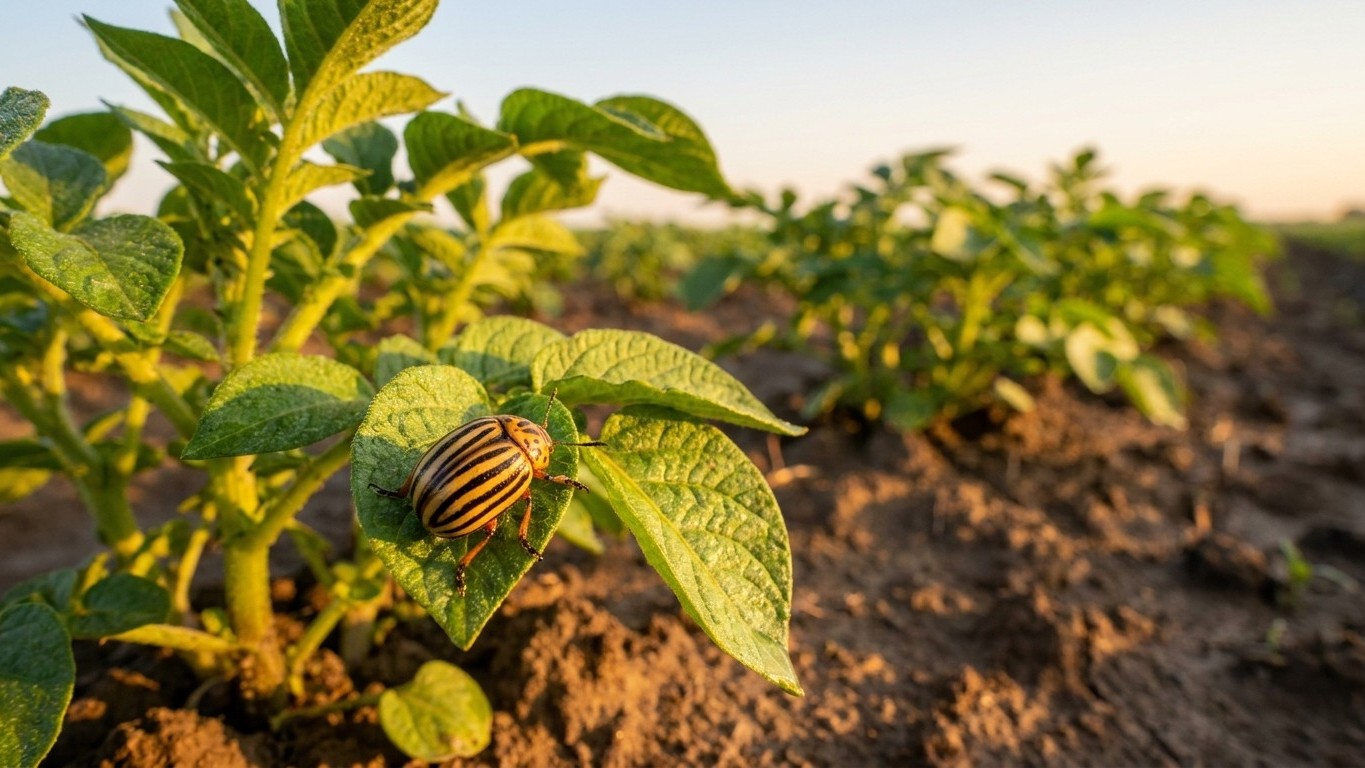
Four insects and one mollusk make the documented list for potato in this territory, according to the UAF Cooperative Extension, the closest source that…
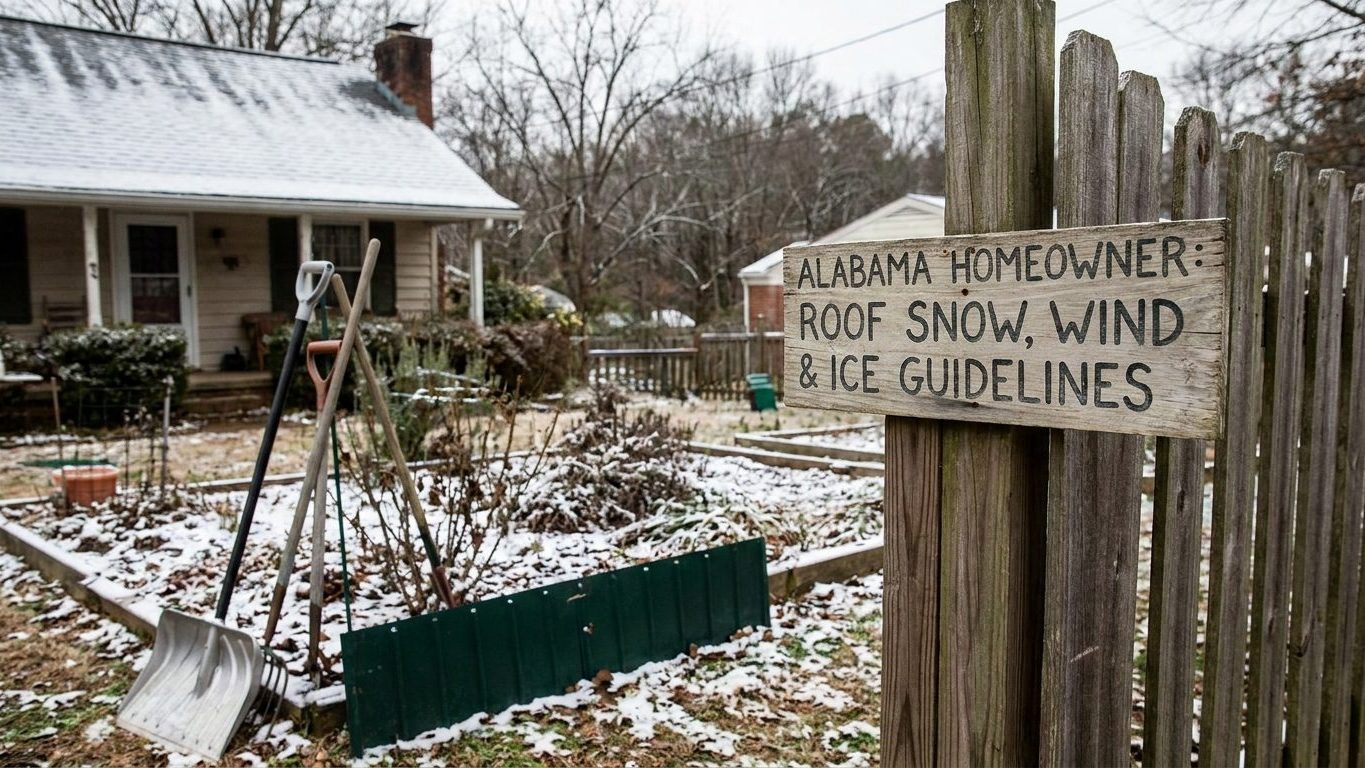
See the ground snow load, wind pressure and ice barrier guidance the National Building Code sets for Yellowknife, Northwest Territories, and what each figure actually governs.
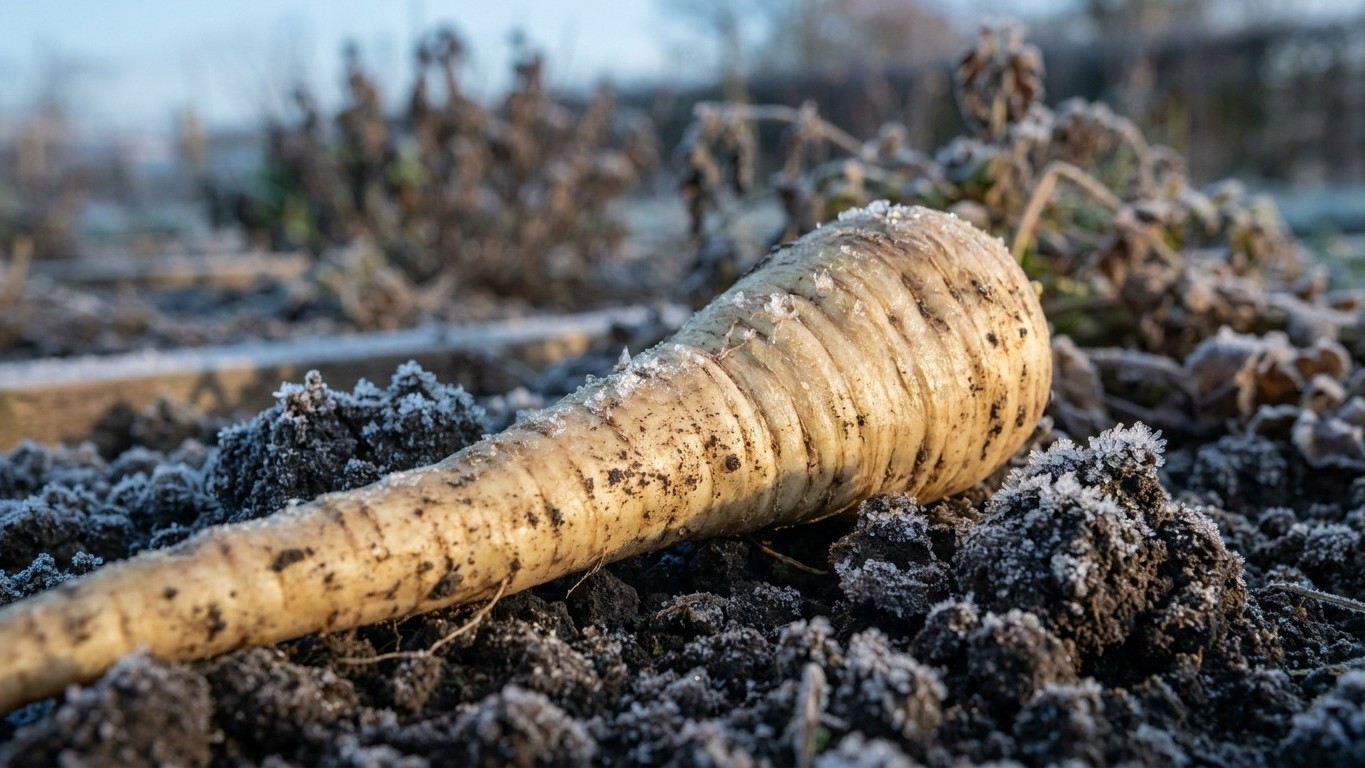
UAF Cooperative Extension documents four pests that actually reach parsnip roots and foliage in this region: aphids, cutworms, root maggots, and slugs.
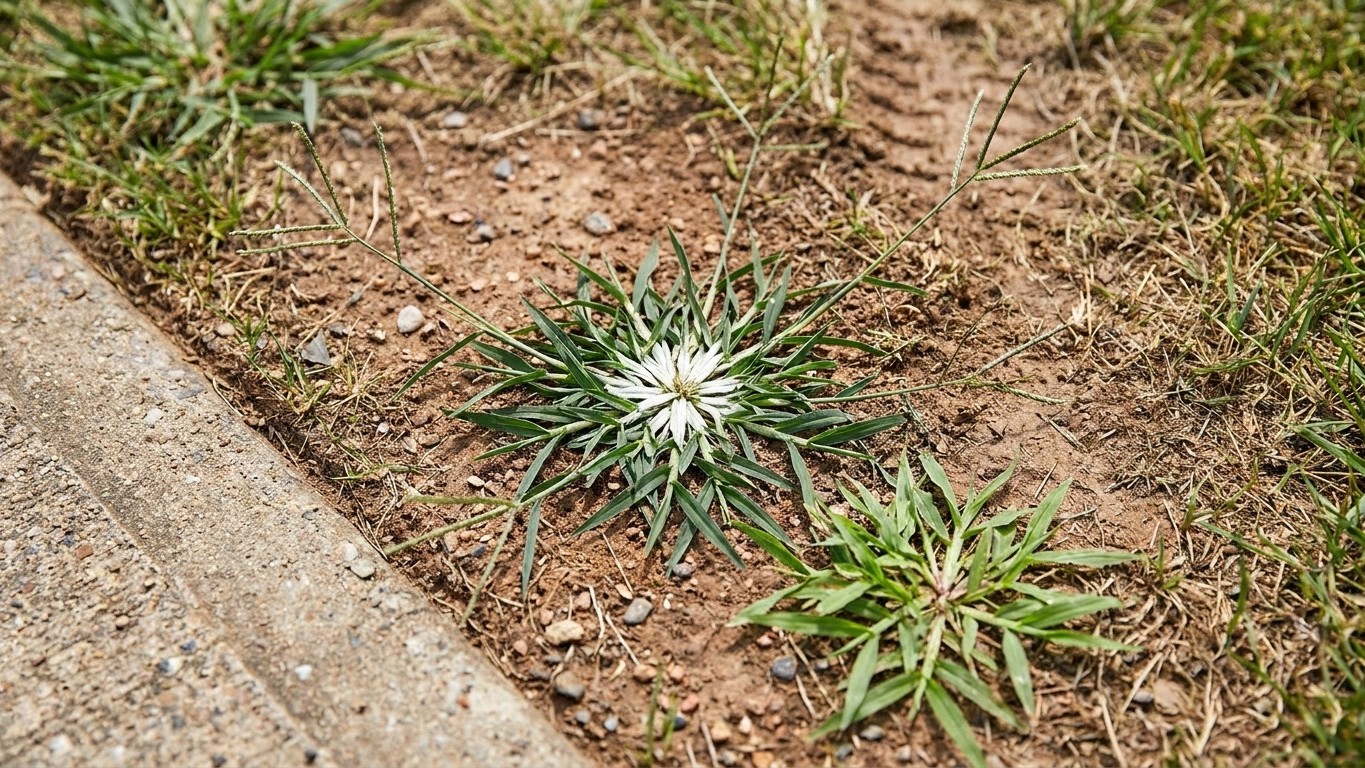
The safe window for overseeding in Northwest Territories runs from mid-to-late July into the very first days of August, and it closes fast.
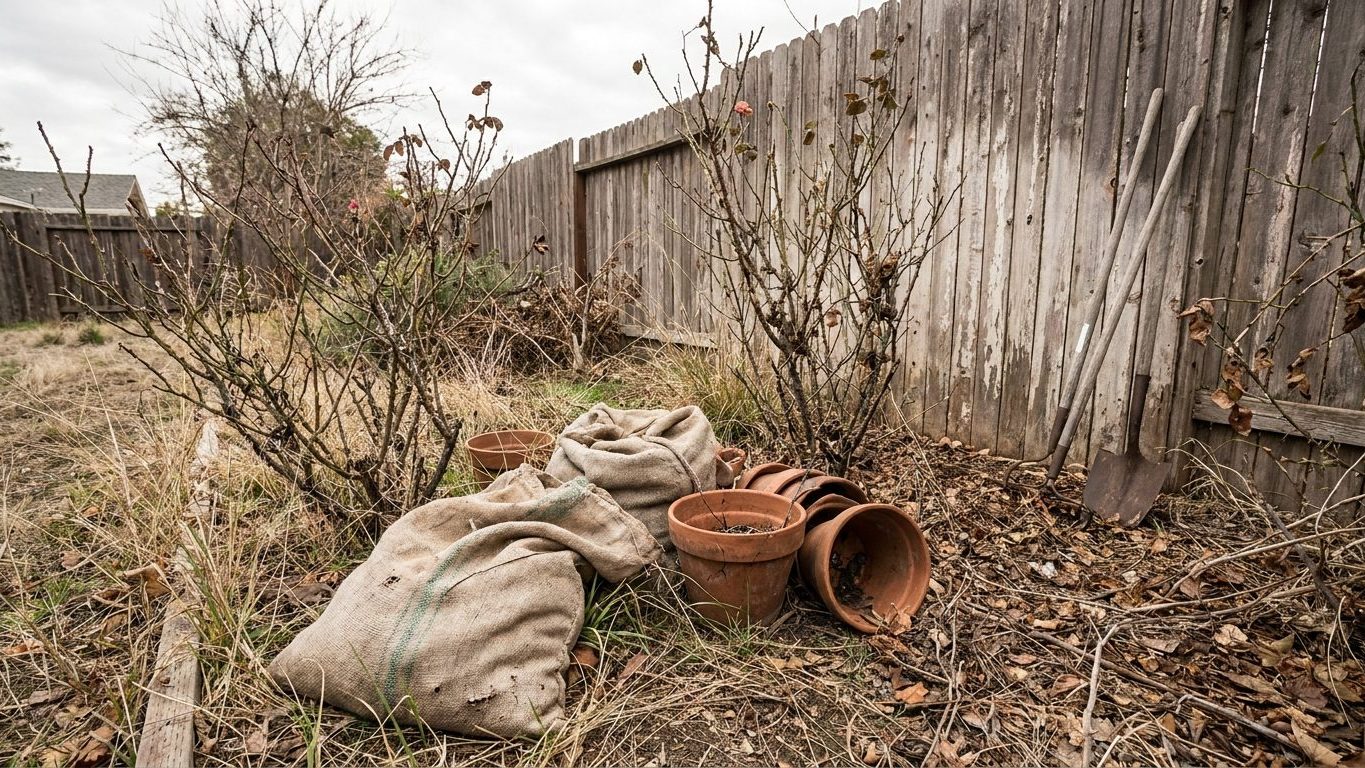
The short answer: in Yellowknife, the last spring frost lands on average around May 25, and the first fall frost arrives around September 18.
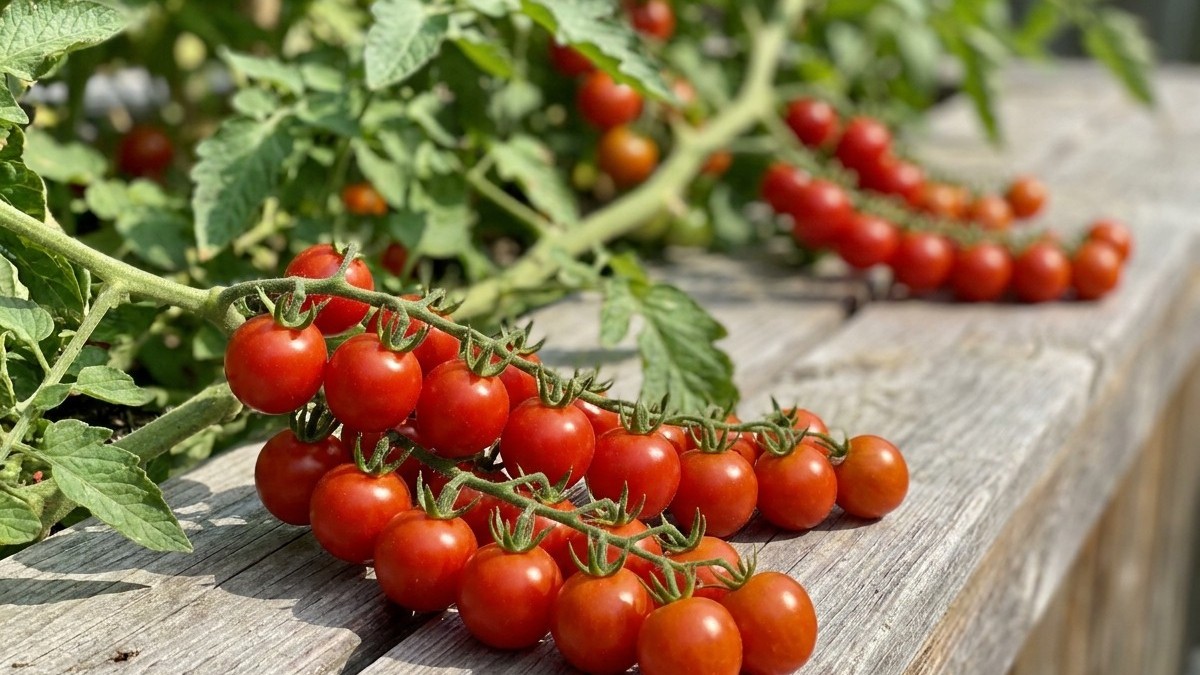
Pick tomatoes in the Northwest Territories before the first fall frost hits, and don’t wait for full color.