When to Overseed a Lawn in Northwest Territories
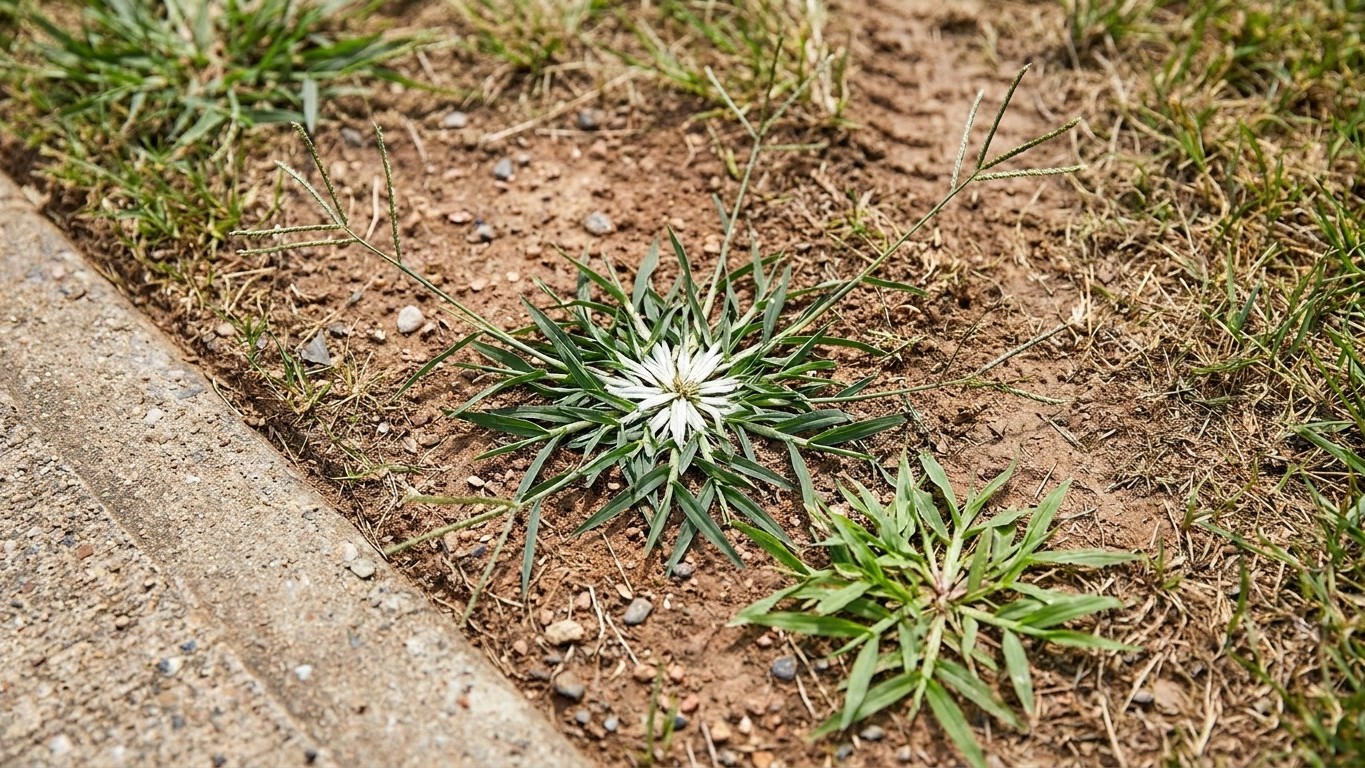
The safe window for overseeding in Northwest Territories runs from mid-to-late July into the very first days of August, and it closes fast.
Home & garden, state by state
Everything we have worked out for Northwest Territories: what to plant and when, which varieties finish in time, the pests that actually turn up here, and the jobs that pay off month by month. We also cover the rest of the property, from lawns and soil to home care and energy, because a garden rarely stops at the vegetable bed.
The numbers first, because everything else follows from them. Measured at the weather station in Yellowknife, the last spring freeze falls around May 25 and the first fall freeze falls around September 18, 905 growing degree days in the year.
That is little accumulated warmth: tomatoes need a tunnel or a greenhouse here, whatever the frost dates suggest. Garlic does well: 39.1 weeks below 40 °F, comfortably past the six it needs to form a proper head.
Elsewhere on the property in Northwest Territories: the pests that turn up here.
Figures from Environment and Climate Change Canada. A state is not one climate: elevation, a large lake or the coast can move these dates by two weeks either way, so check your own county with the extension service before you spend money.
The safe window for overseeding in Northwest Territories runs from mid-to-late July into the very first days of August, and it closes fast.
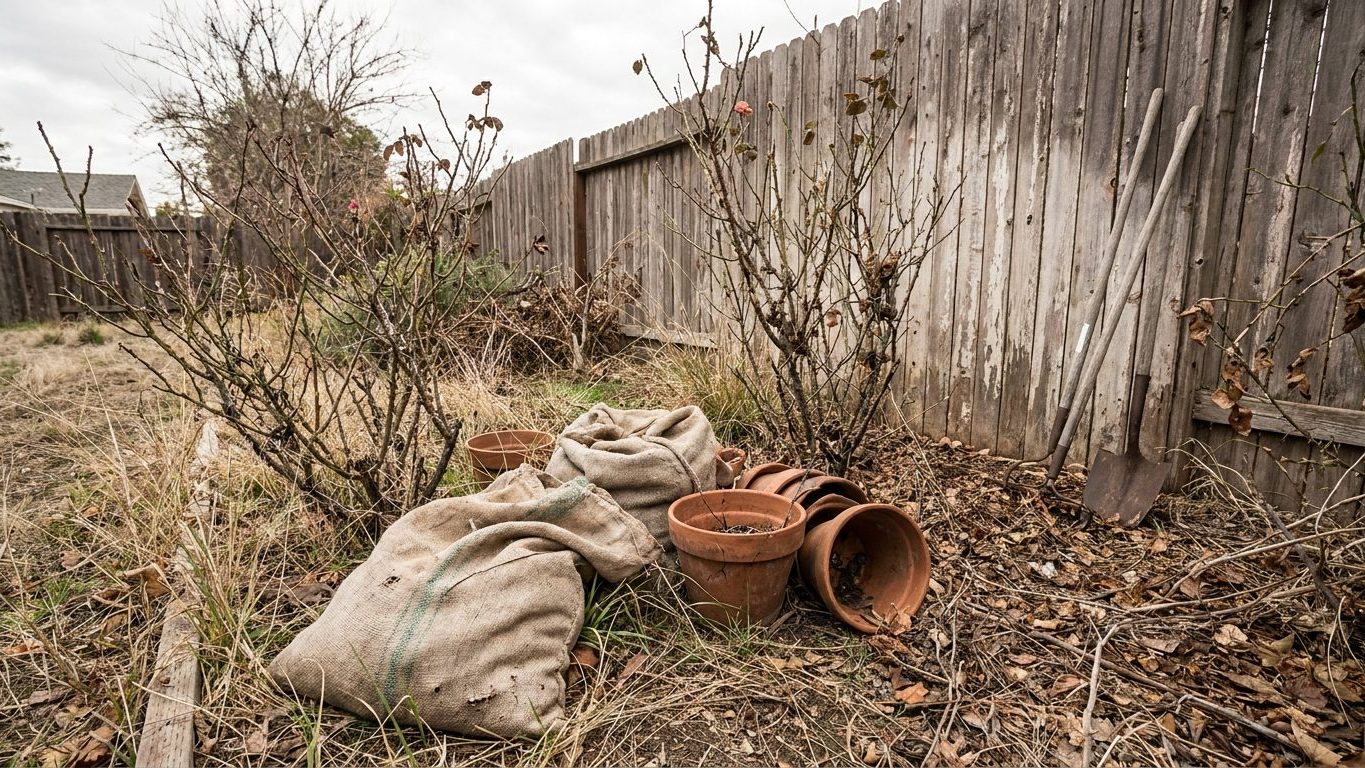
The short answer: in Yellowknife, the last spring frost lands on average around May 25, and the first fall frost arrives around September 18.
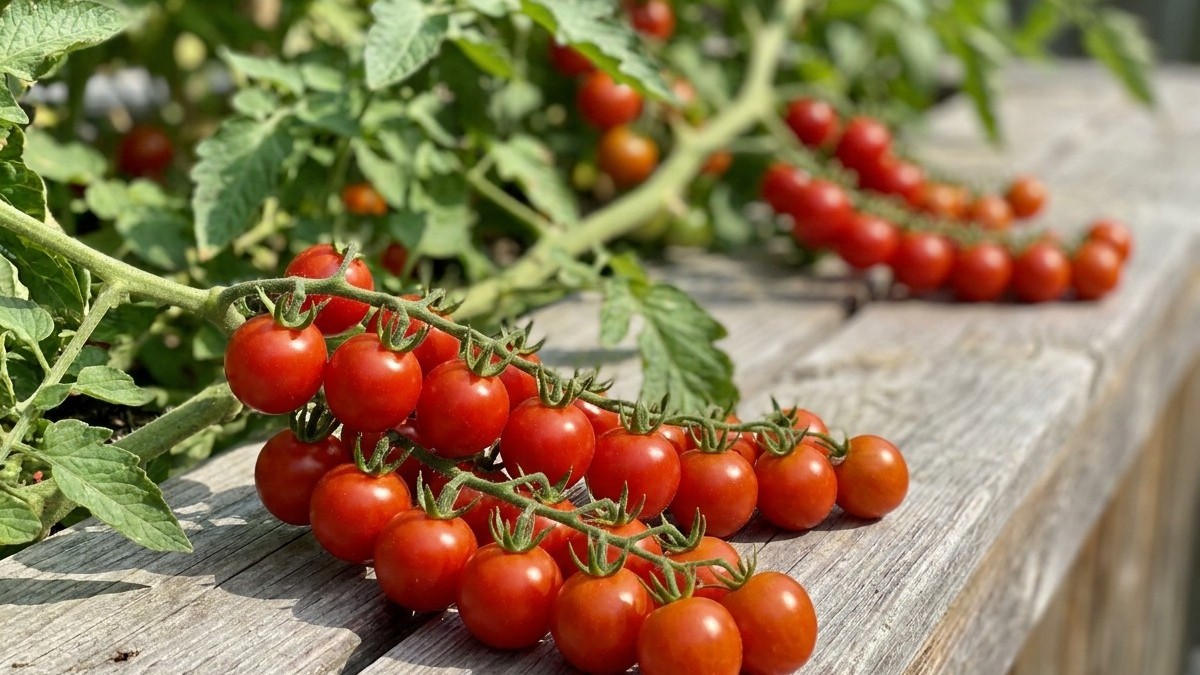
Pick tomatoes in the Northwest Territories before the first fall frost hits, and don’t wait for full color.
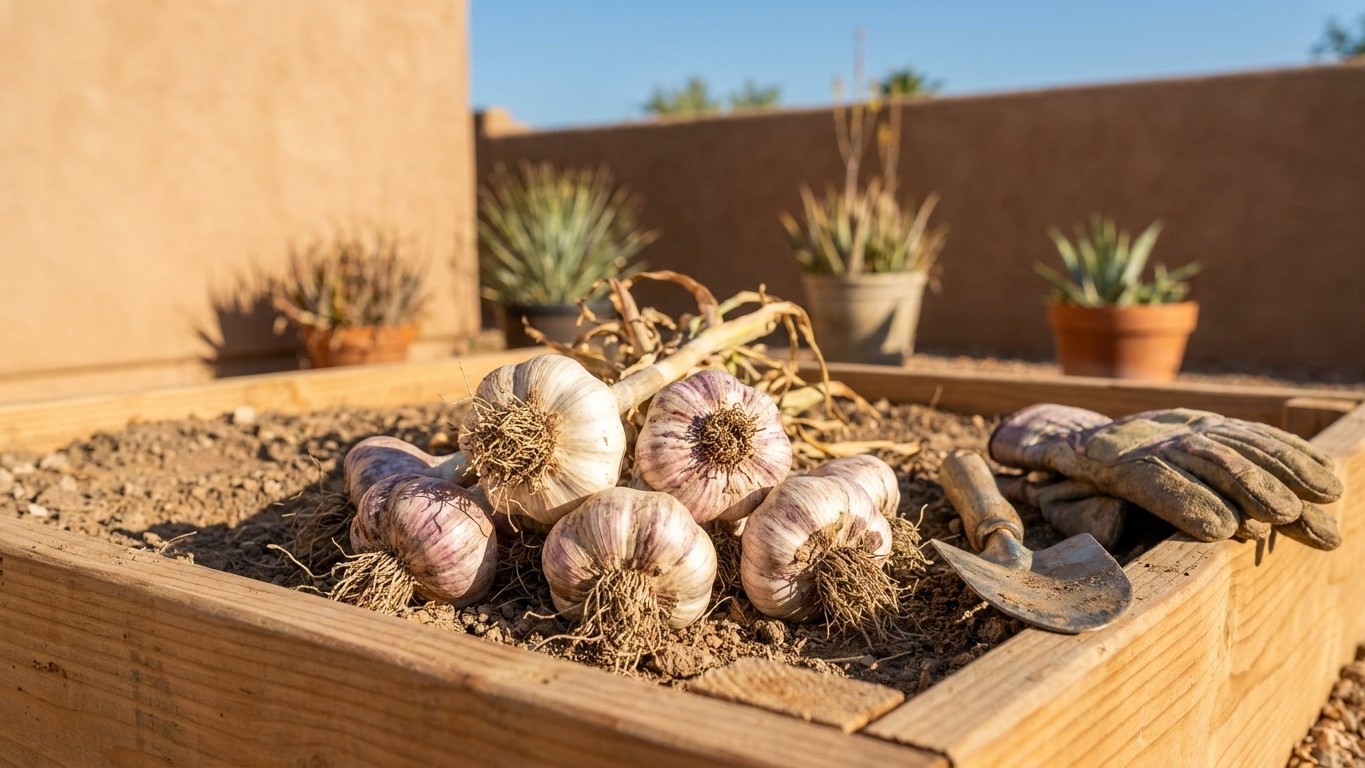
Garlic in the Northwest Territories goes into the ground in fall, before the soil locks up, and comes out the following summer once the lower leaves have…
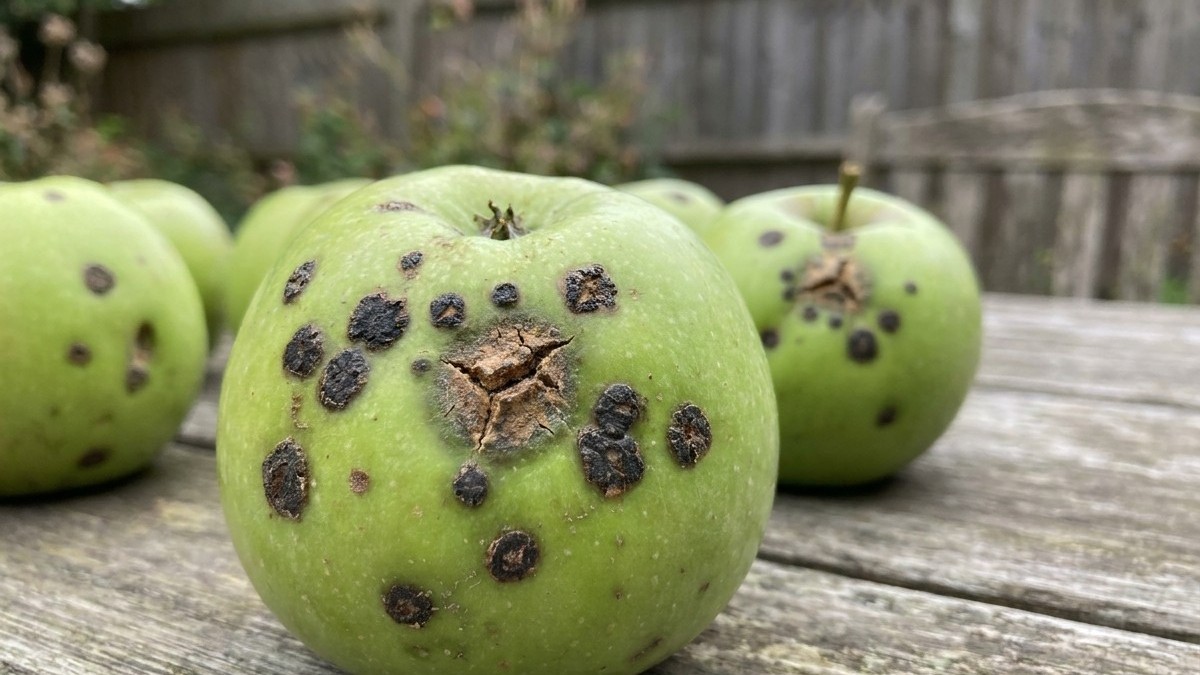
In the mildest pockets of the Northwest Territories, hardy crab apples and a handful of prairie-bred apple varieties ripen in a narrow window between…
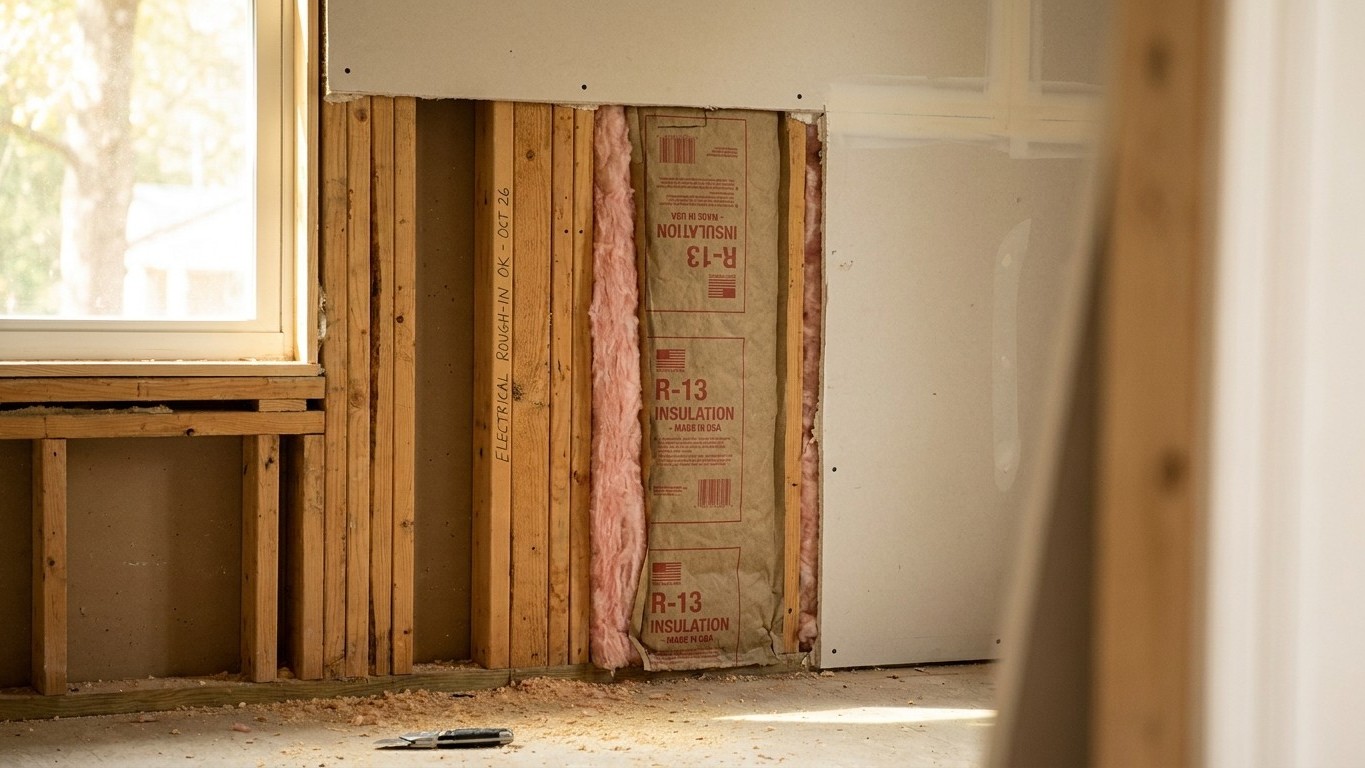
Yes. The National Building Code of Canada requires a vapour barrier in insulated assemblies, and that requirement carries no climate-zone exception…
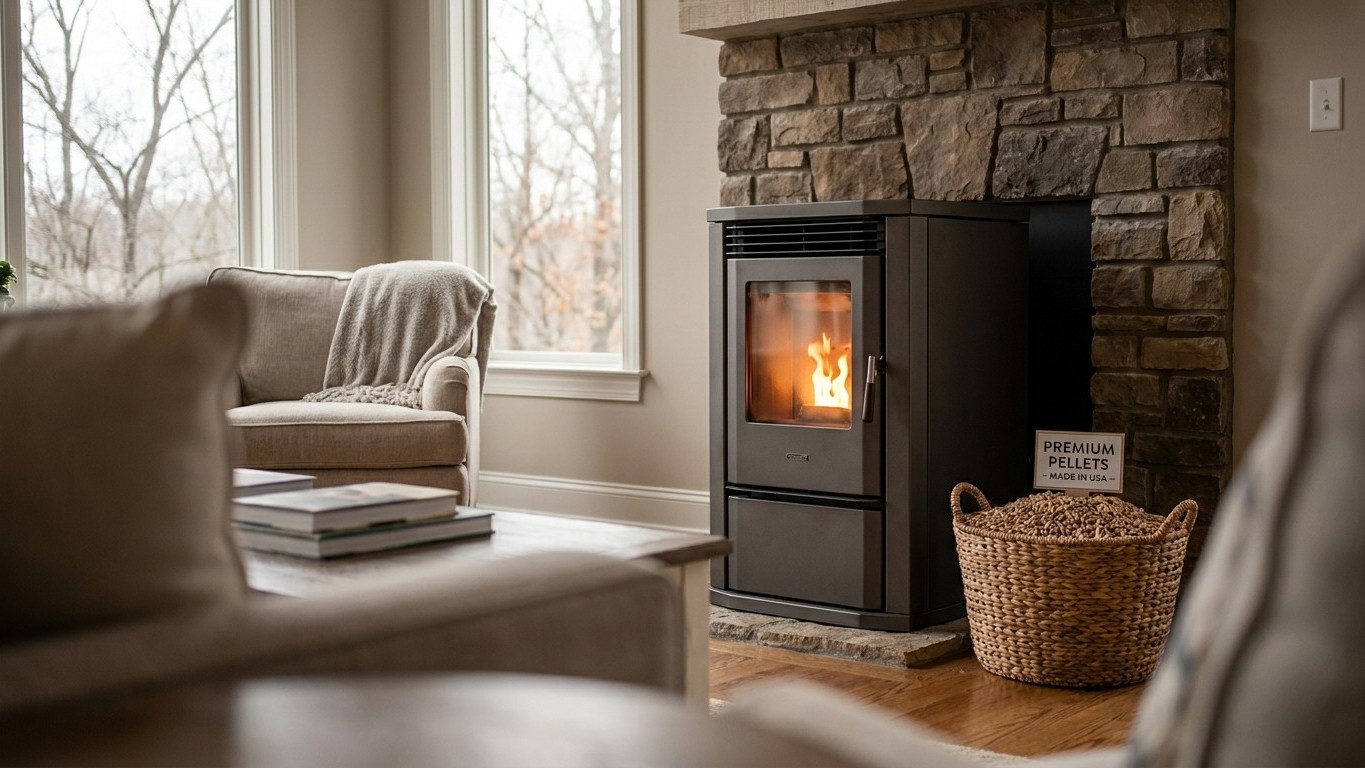
In Yellowknife, a pellet stove almost never works alone. With roughly 8,147 heating degree days a year at the local weather station, and heating demand…
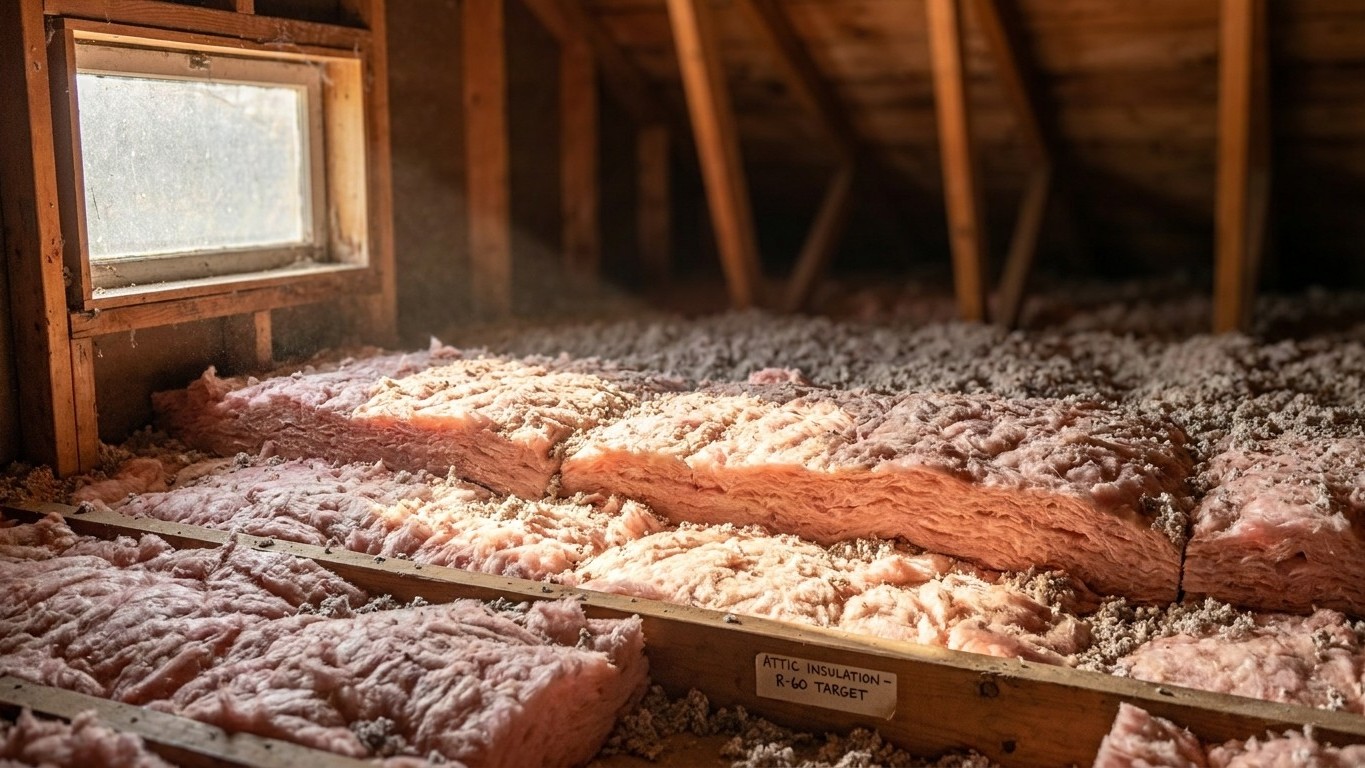
There’s no single R-value that covers all of Northwest Territories. The only reference point published by Natural Resources Canada comes from…
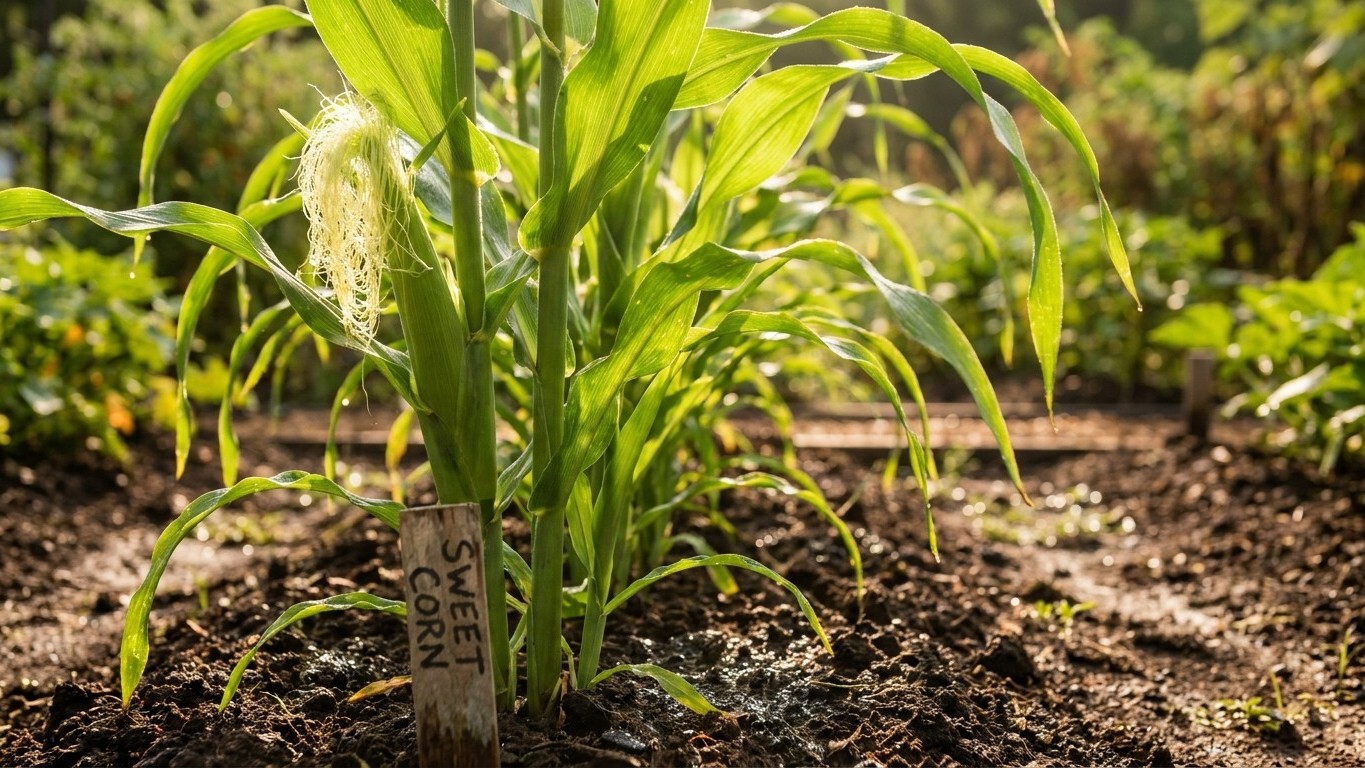
Sweet corn’s odds in the Northwest Territories are poor, and the reason isn’t the cold snaps of early spring.
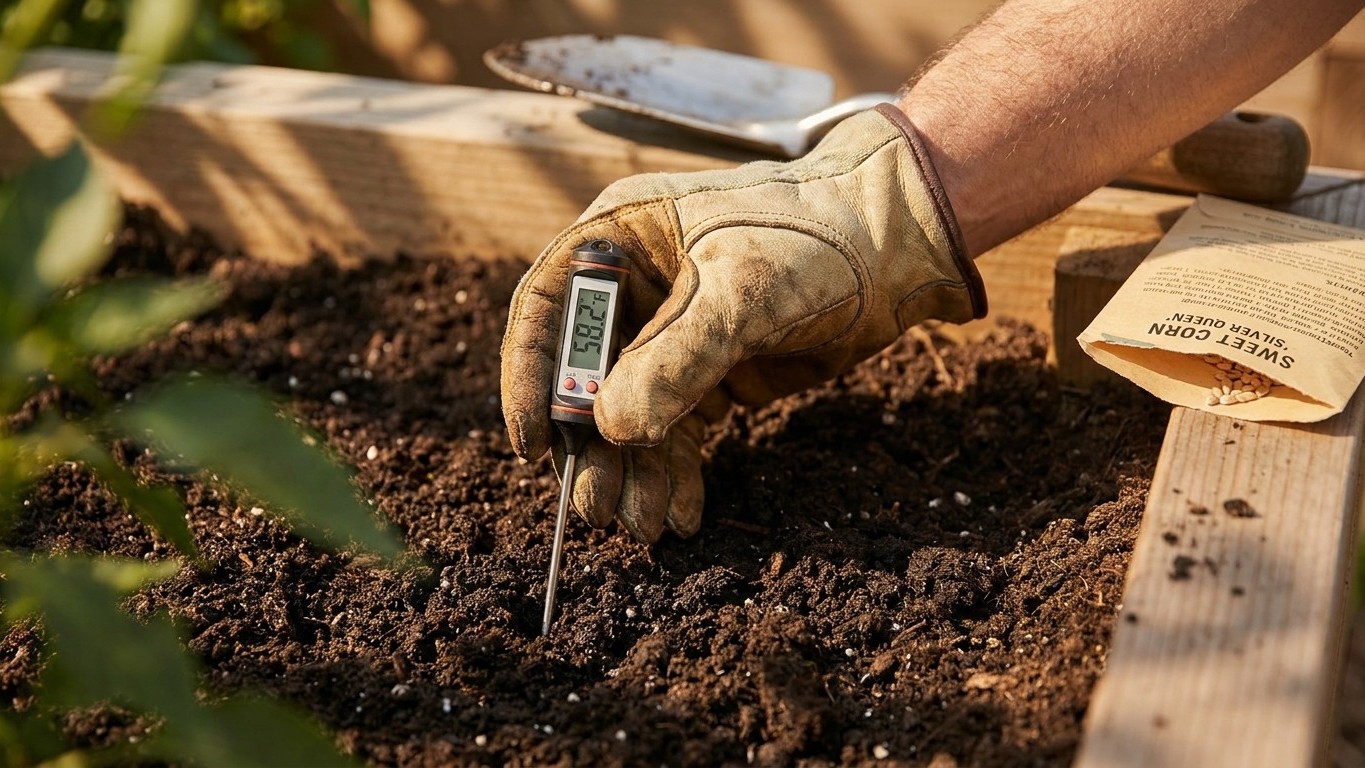
The straight answer: sweet corn in the Northwest Territories should go in the ground only after the soil itself has warmed past 60 F, not on the calendar…