Everything we have worked out for Northwest Territories: what to plant and
when, which varieties finish in time, the pests that actually turn up here, and
the jobs that pay off month by month. We also cover the rest of the property,
from lawns and soil to home care and energy, because a garden rarely stops at
the vegetable bed.
The numbers first, because everything else follows from them. Measured at
the weather station in Yellowknife,
the last spring freeze falls around May 25 and the first fall freeze falls around September 18, 905 growing degree days in the year.
That is little accumulated warmth: tomatoes need a tunnel or a greenhouse here, whatever the frost dates suggest. Garlic does well: 39.1 weeks below 40 °F, comfortably past the six it needs to form a proper head.
Figures from
Environment and Climate Change Canada.
A state is not one climate: elevation, a large lake or the coast can move these
dates by two weeks either way, so check your own county with the extension service before you spend money.
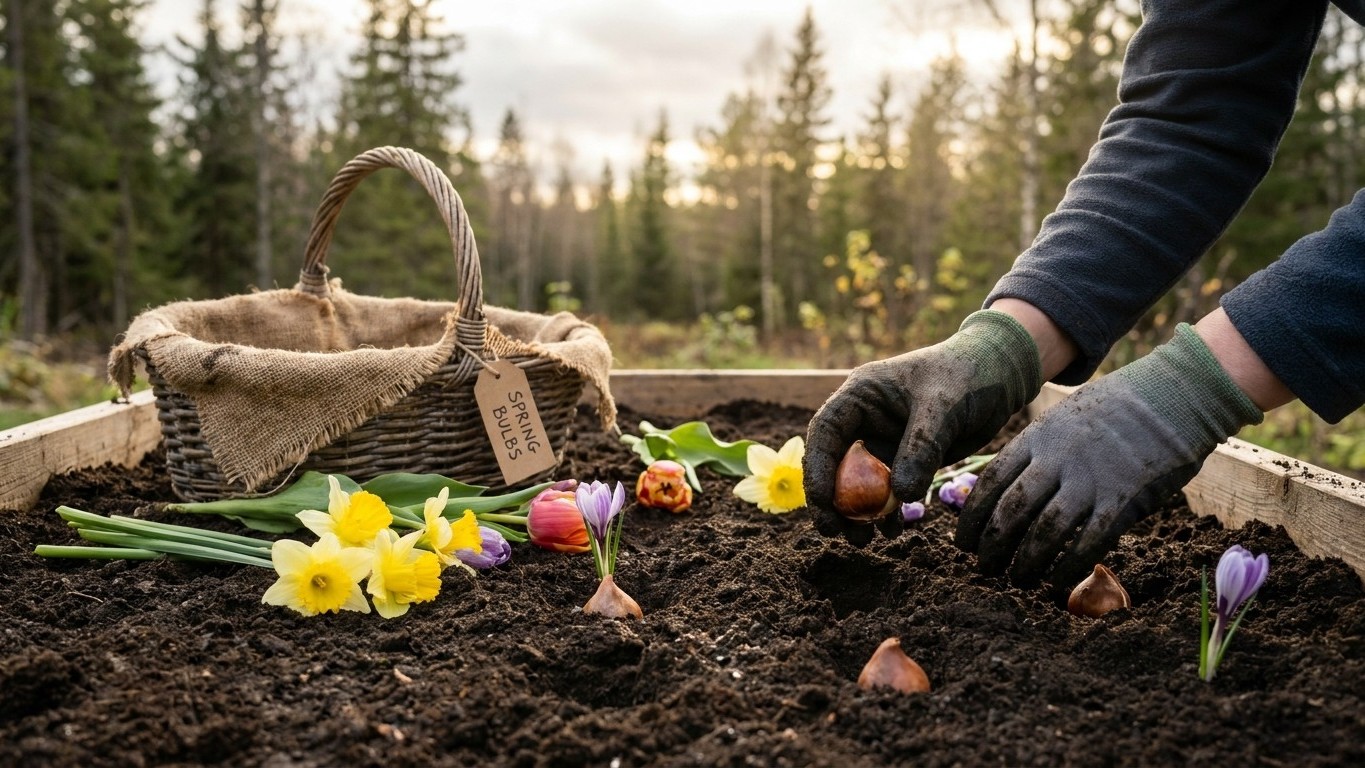
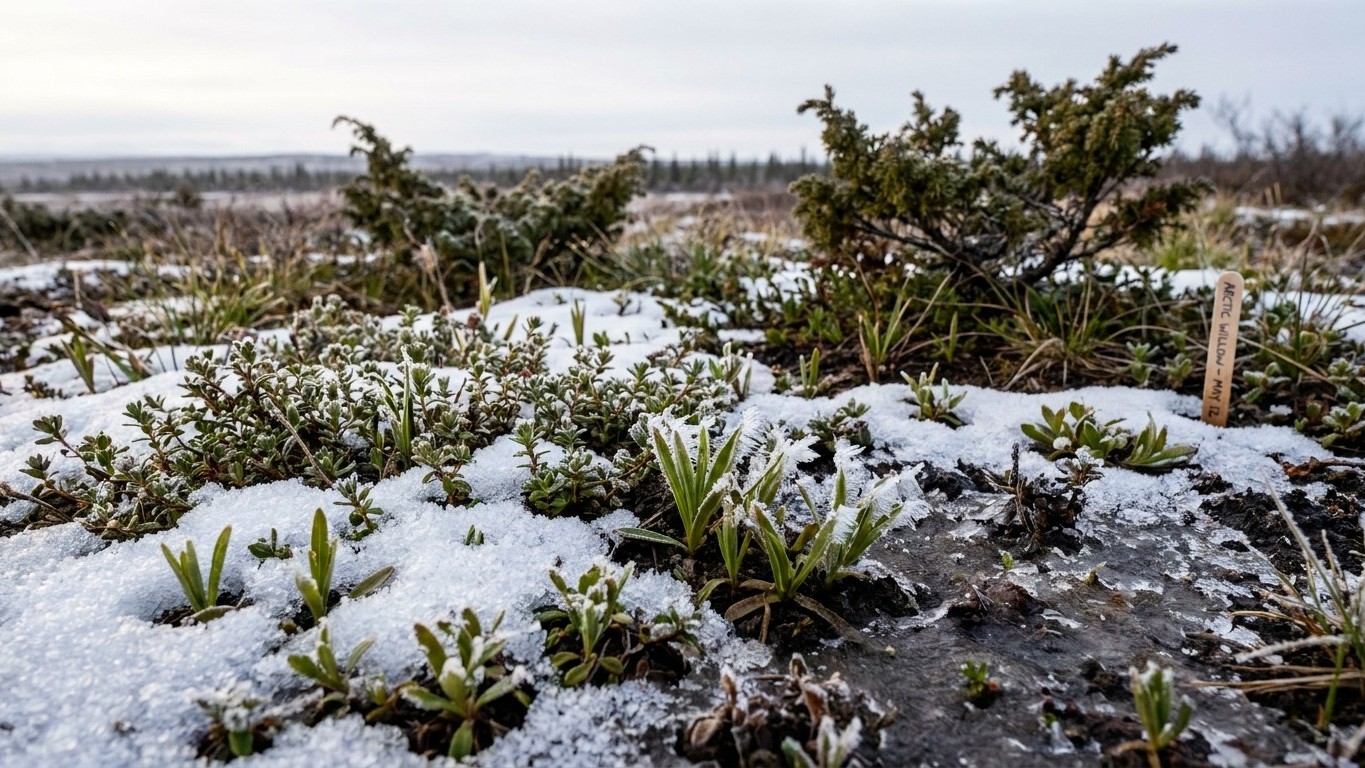
Spring bulbs can absolutely go in the ground in the Northwest Territories, but the calendar window is short and the cold is more than enough for chilling.
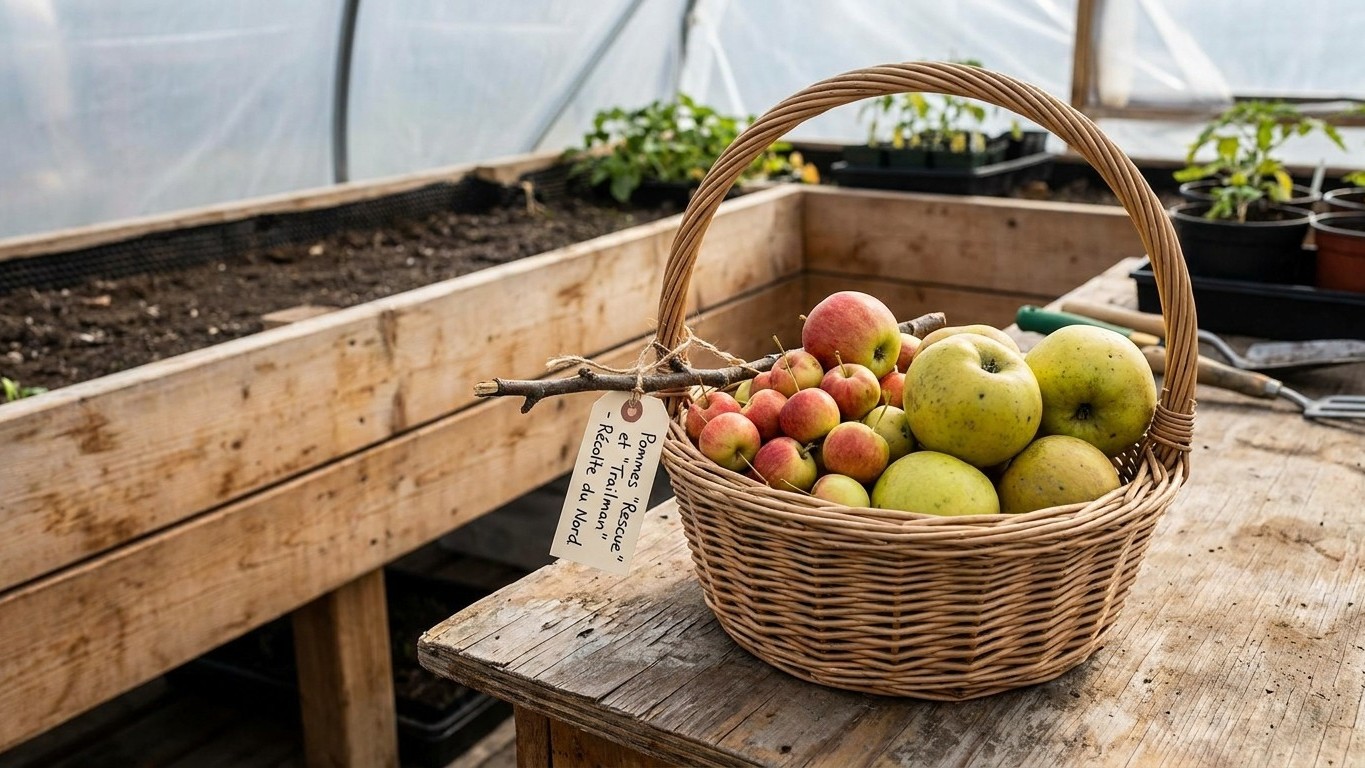
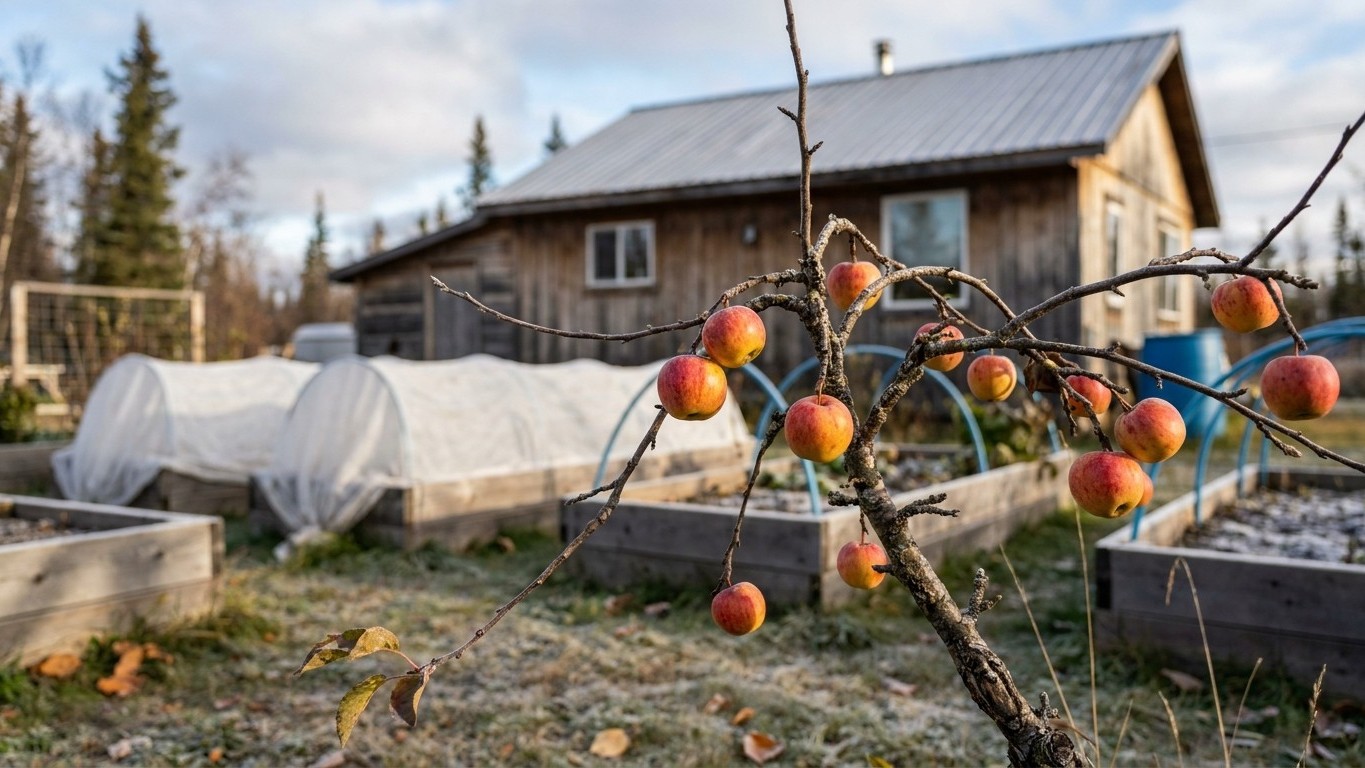
Northwest Territories winters are too cold for most named apple cultivars, but sheltered crabapple types and territorial extension guidance can still get you fruit.
A practical look at which cold-hardy apple cultivars can survive Northwest Territories winters, when frost threatens bloom, and how to pair trees for pollination.
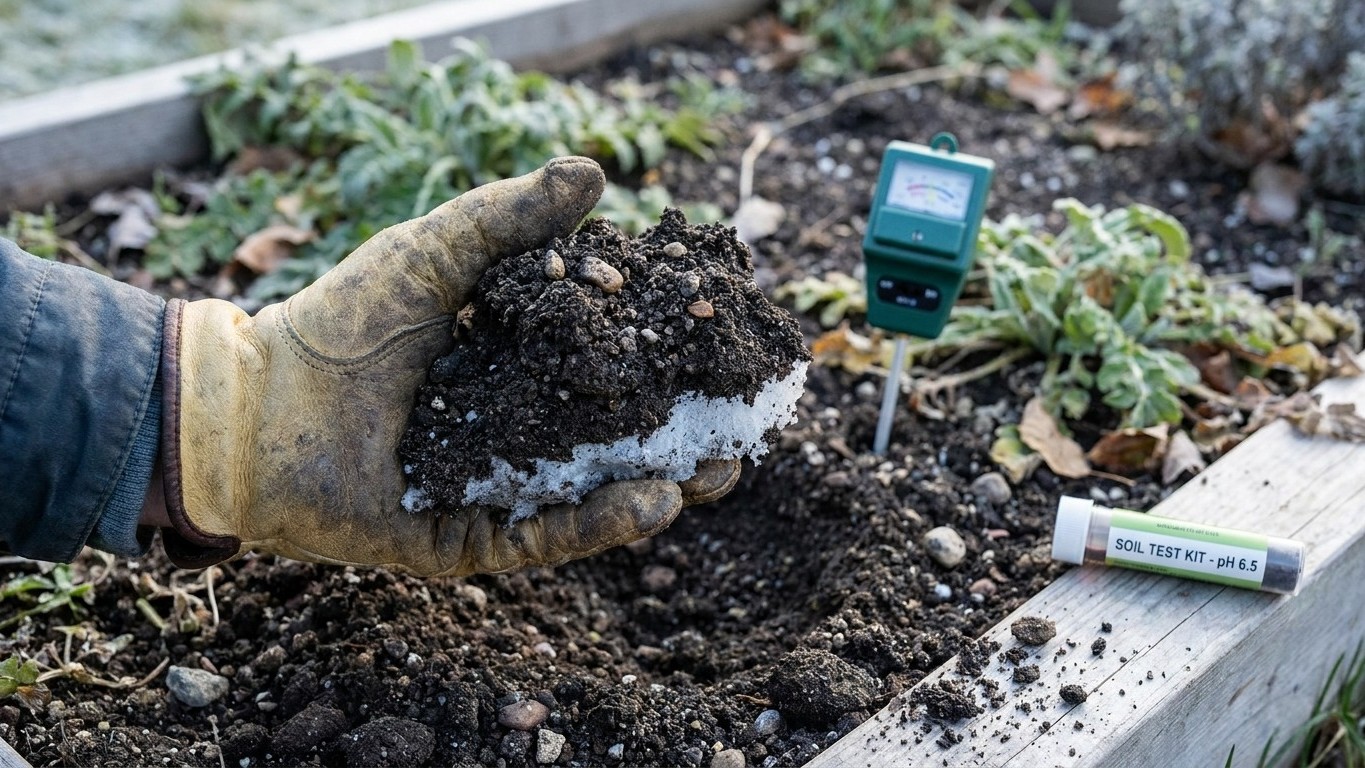
Northwest Territories garden soil is almost always a Cryosol: a loam-to-silt mix sitting over permafrost, well drained at the surface but shallow in the…
Gardening in the Northwest Territories comes down to one brutal math problem: a frost-free window of roughly 116 days, bookended by a Canadian hardiness…
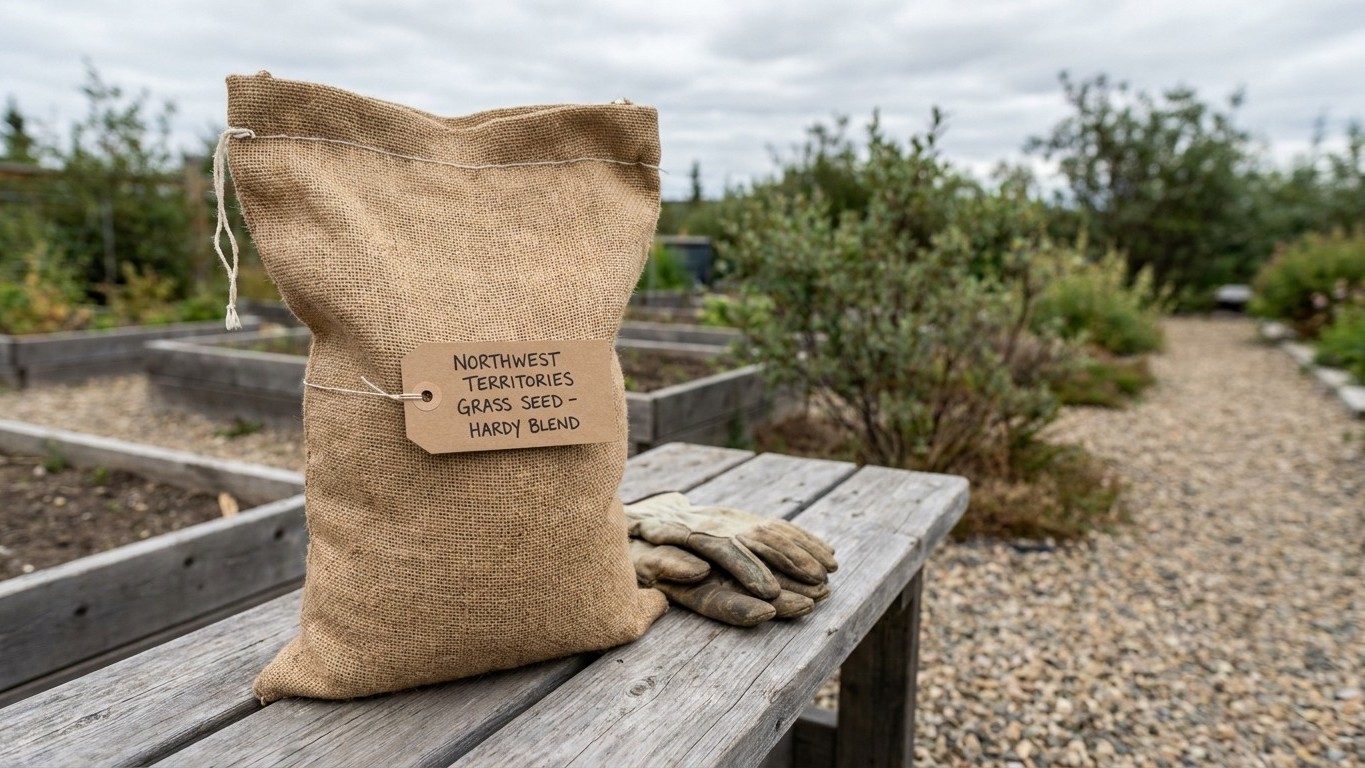
Cool-season grasses are the only realistic choice for Northwest Territories lawns, and Yellowknife’s climate normals set the narrow seeding window each species needs to establish.
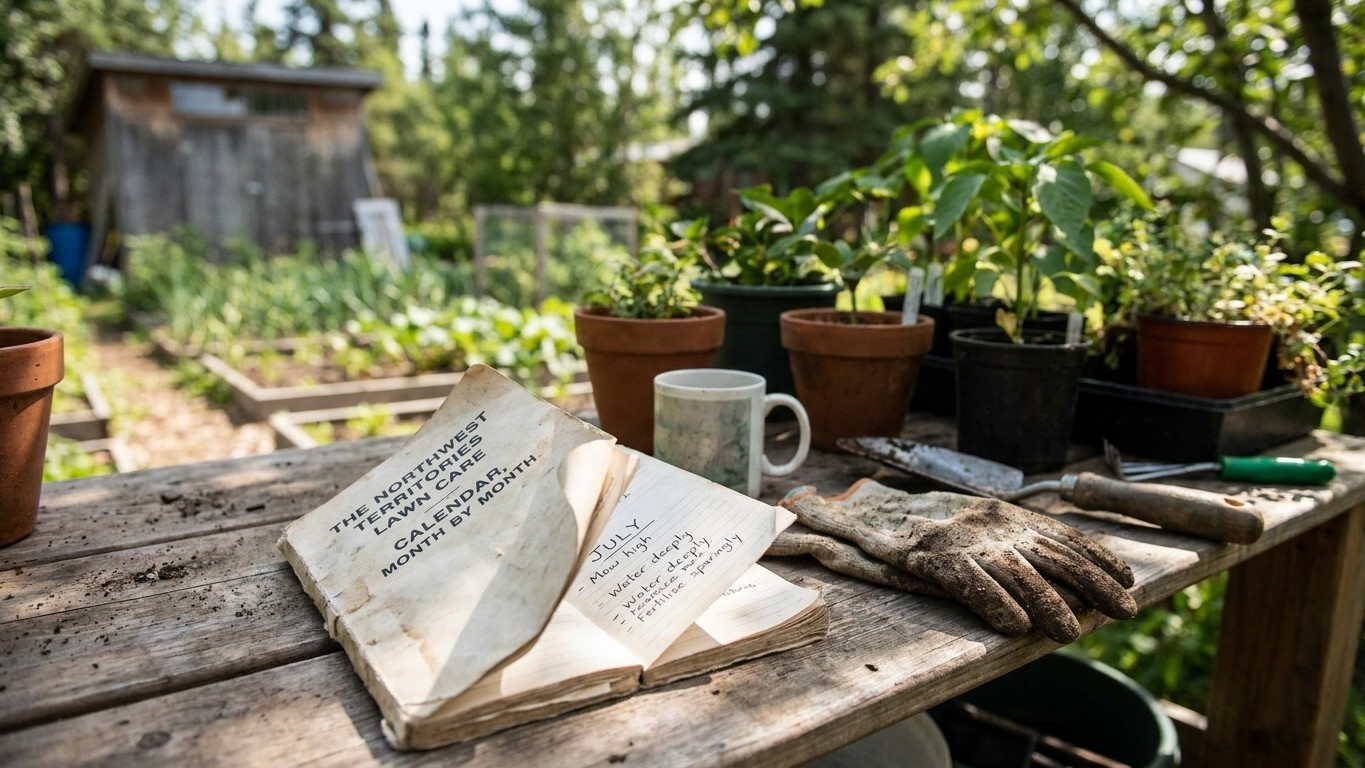
A month-by-month guide to Northwest Territories lawn care, built around Yellowknife’s frost normals, cool-season grass choices, and a translated tall fescue feeding calendar.