Garden Pests in Northwest Territories: What Shows Up, When, and How to Stop It
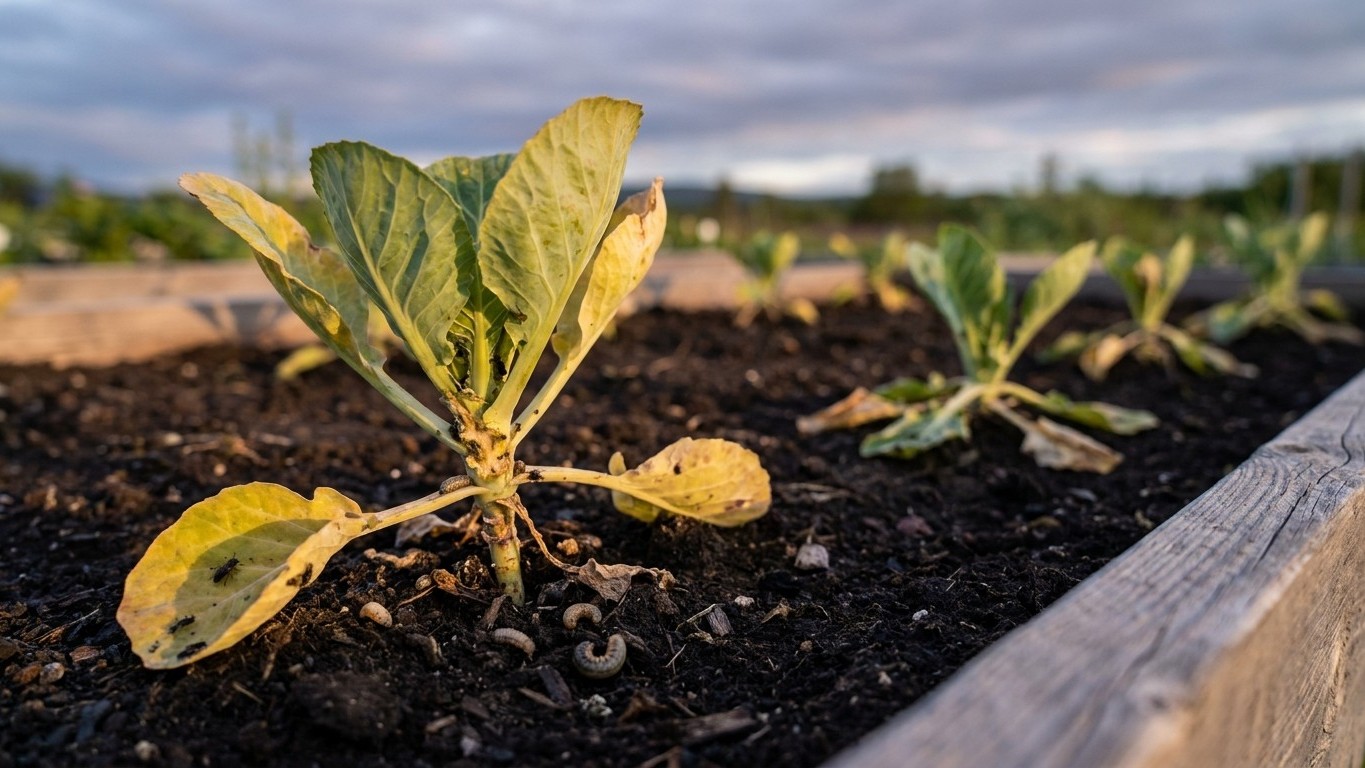
Cold soil, a short frost-free window, and permafrost that never fully thaws keep the pest list in the Northwest Territories shorter than almost anywhere…
Home & garden, state by state
Everything we have worked out for Northwest Territories: what to plant and when, which varieties finish in time, the pests that actually turn up here, and the jobs that pay off month by month. We also cover the rest of the property, from lawns and soil to home care and energy, because a garden rarely stops at the vegetable bed.
The numbers first, because everything else follows from them. Measured at the weather station in Yellowknife, the last spring freeze falls around May 25 and the first fall freeze falls around September 18, 905 growing degree days in the year.
That is little accumulated warmth: tomatoes need a tunnel or a greenhouse here, whatever the frost dates suggest. Garlic does well: 39.1 weeks below 40 °F, comfortably past the six it needs to form a proper head.
Elsewhere on the property in Northwest Territories: the pests that turn up here.
Figures from Environment and Climate Change Canada. A state is not one climate: elevation, a large lake or the coast can move these dates by two weeks either way, so check your own county with the extension service before you spend money.
Cold soil, a short frost-free window, and permafrost that never fully thaws keep the pest list in the Northwest Territories shorter than almost anywhere…
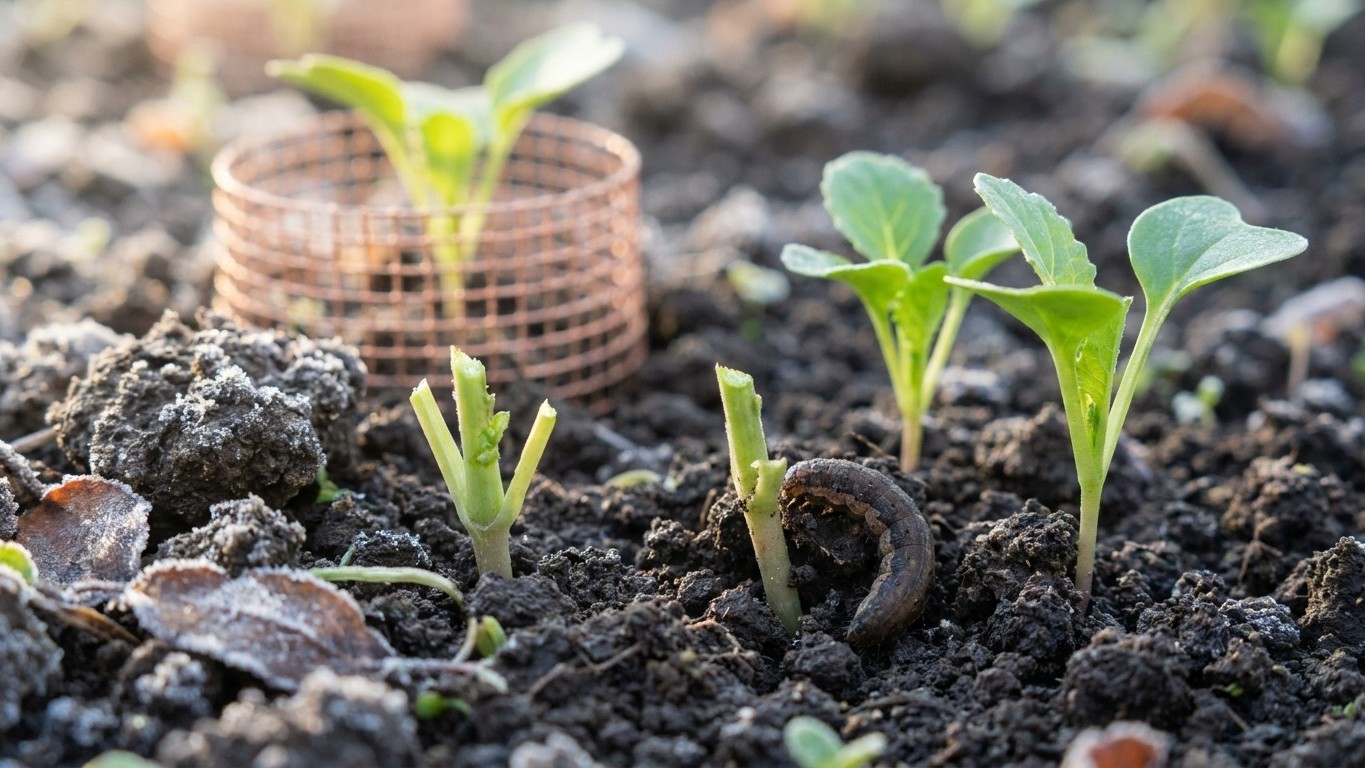
Cutworms in the Northwest Territories show up in a narrow window between late May and mid-July, right after the ground thaws and garden beds get their…
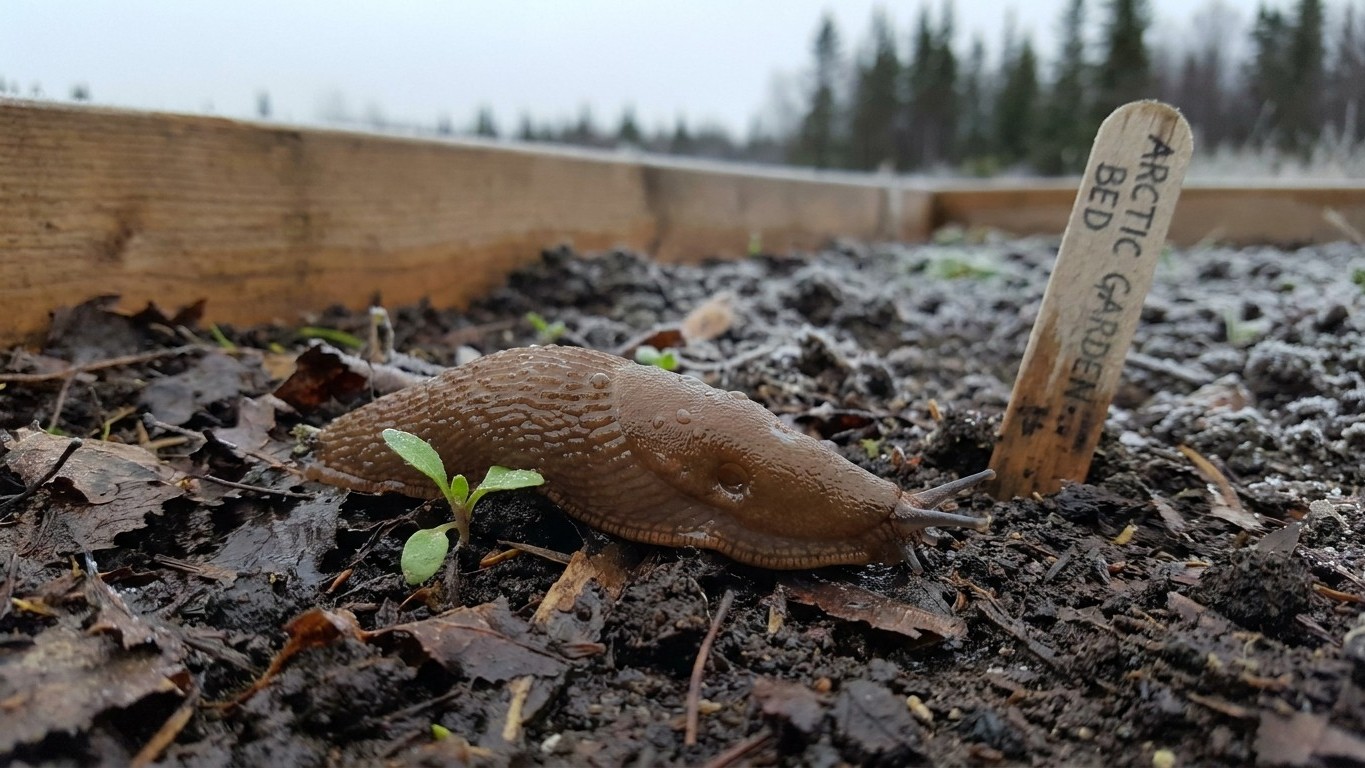
Slugs are rare but not impossible in the Northwest Territories, and when they do show up, it’s almost always tied to a greenhouse, a raised bed with…
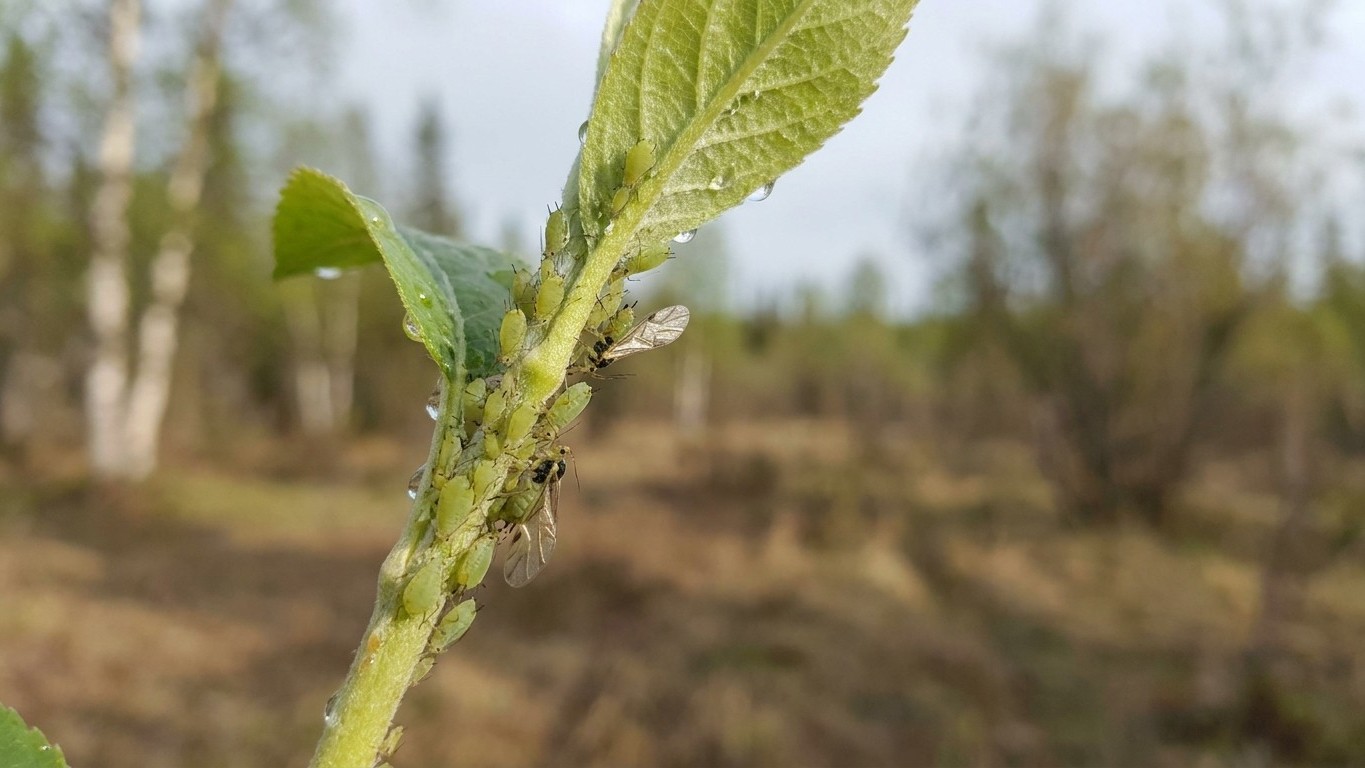
Aphids show up in the Northwest Territories the moment temperatures stay above roughly 45°F for more than a few days running, which usually lands…
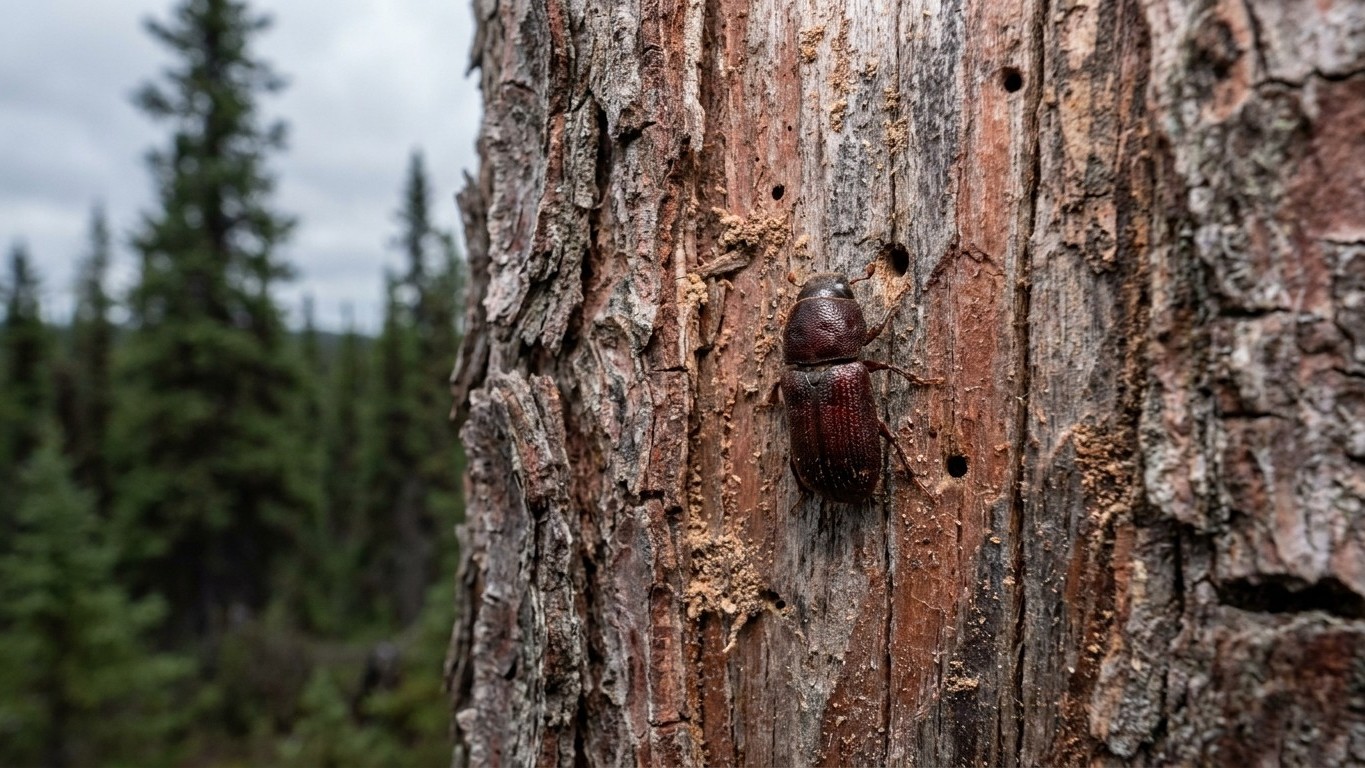
Spruce beetle activity in the Northwest Territories tends to spike in years following drought stress, windthrow events, or unusually warm summers…
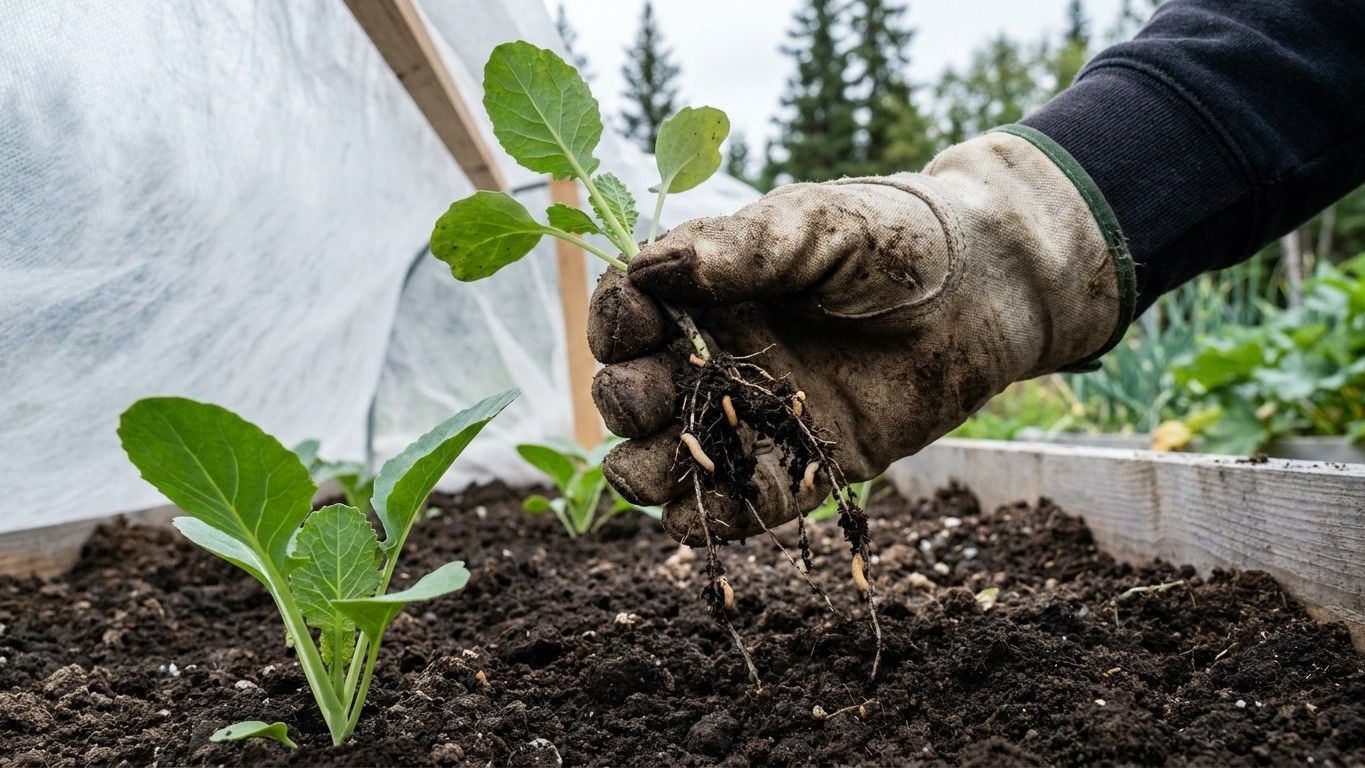
Root maggots hit brassica and onion crops hardest during the narrow window between late May and early July, when adult flies emerge from overwintering…
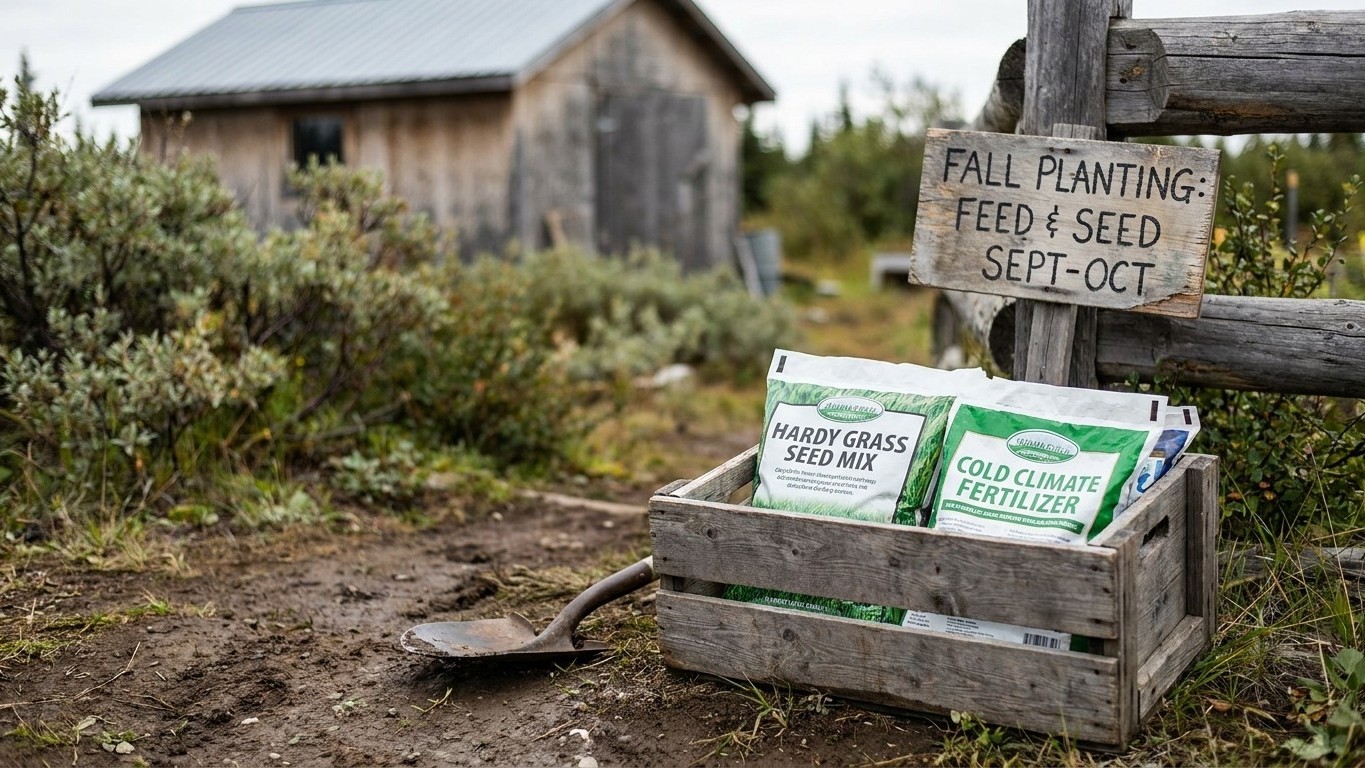
Cool-season grasses like Kentucky bluegrass and tall fescue are the only realistic lawn choice in the Northwest Territories, seeded in early fall before frost.
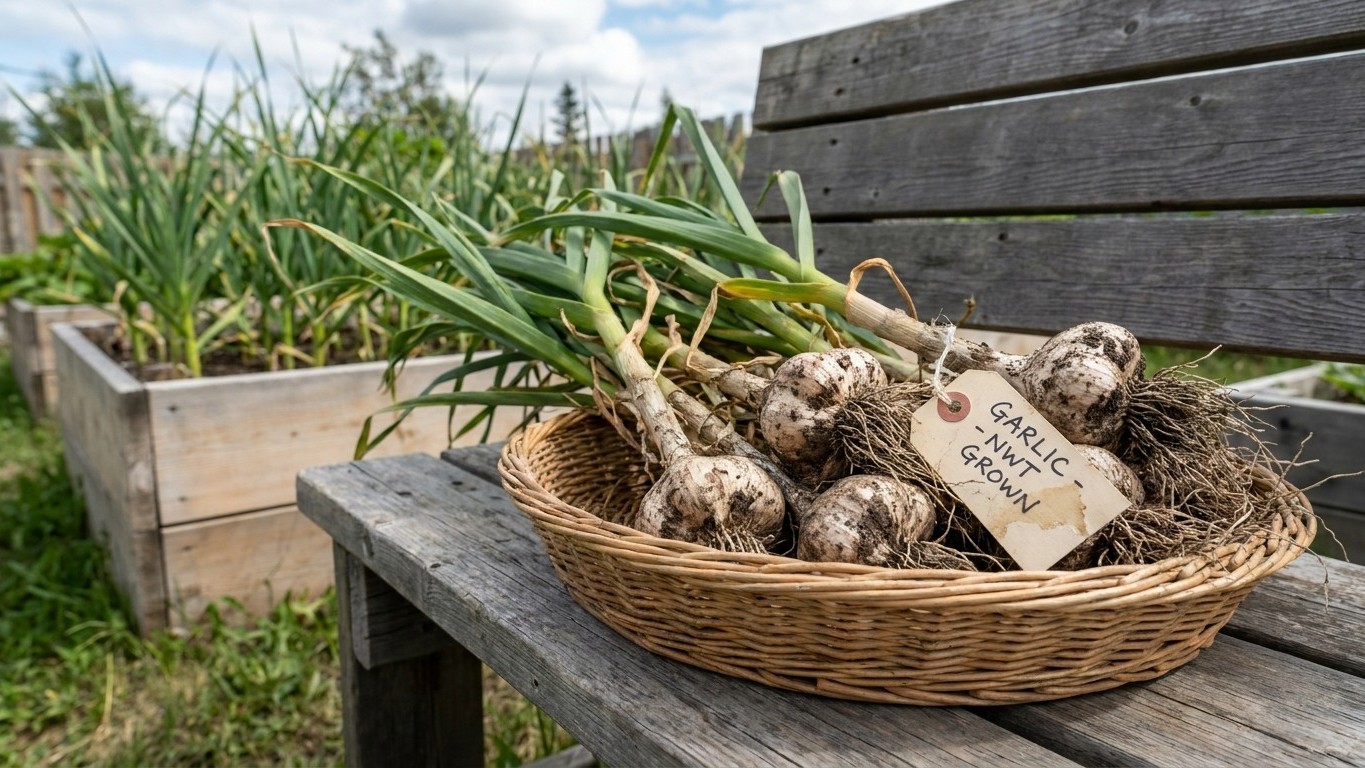
Northwest Territories’ average first fall frost lands September 18, so garlic goes into the ground in late August, hardneck varieties handling the cold most reliably.
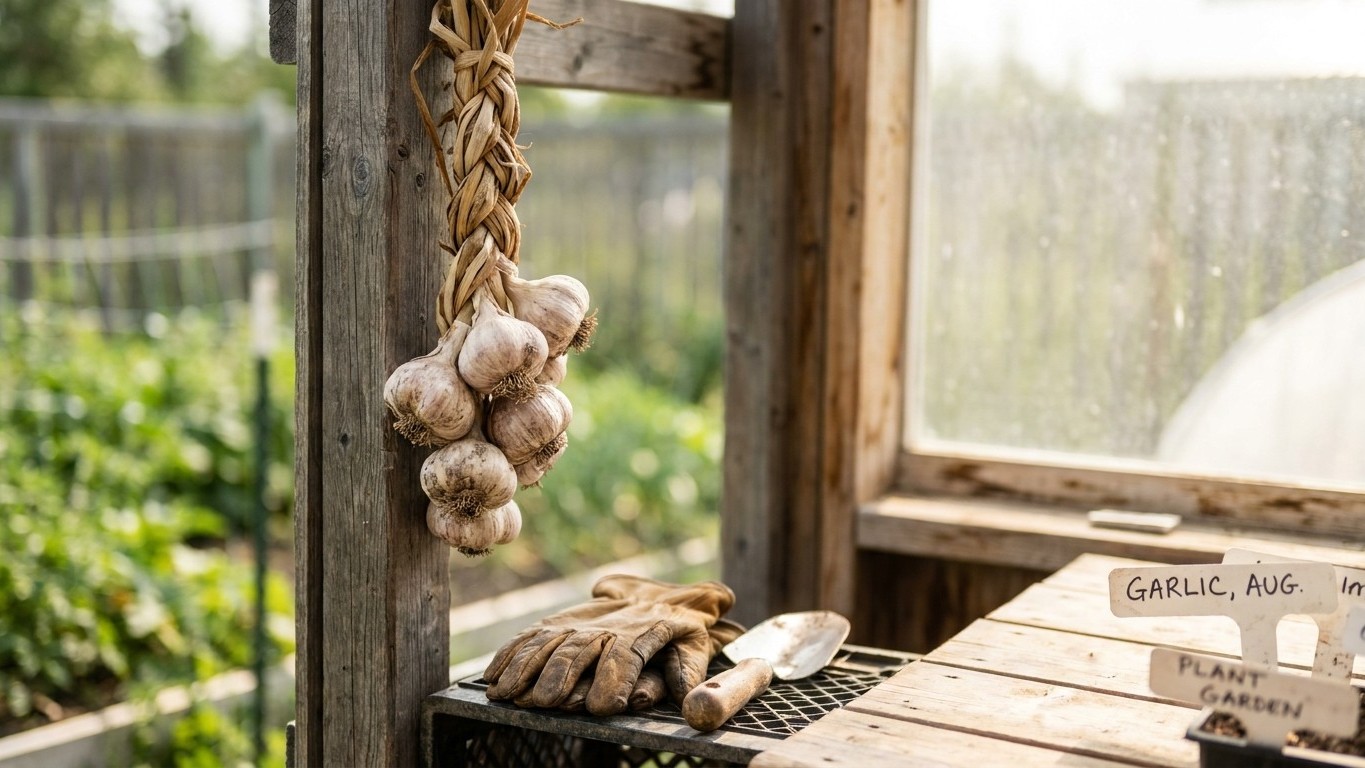
Garlic in Northwest Territories goes into the ground in late August, timed against Yellowknife’s average September 18 first frost figure.
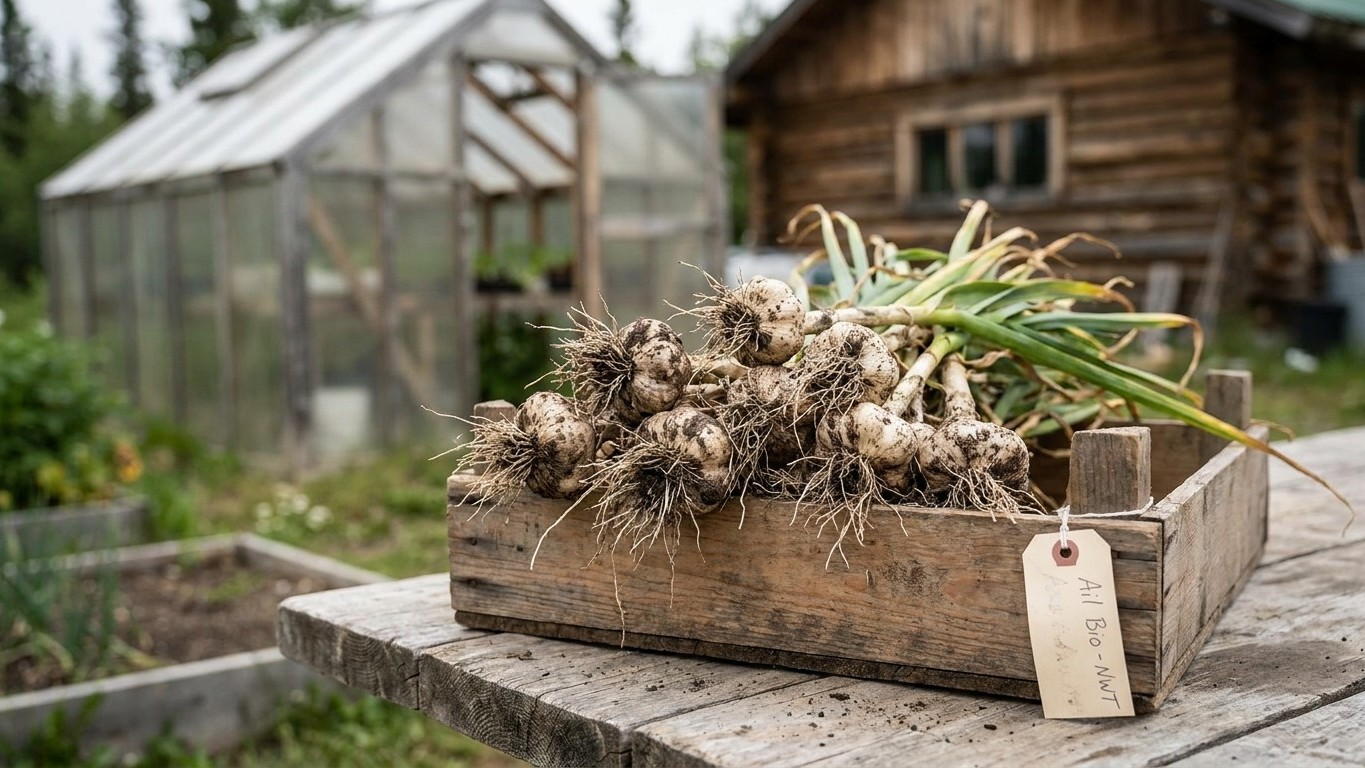
Northwest Territories’ long winter easily meets garlic’s chilling needs, but fitting root growth in before the ground freezes hard is the real challenge.