
Cut summer squash while the fruit is small and glossy and the skin dents under a fingernail. In Saskatchewan that usually starts between mid-July and early August and runs until the first hard frost. Then use it fast. It keeps about a week in the fridge, so a glut calls for freezing, cooking ahead, or giving it away. Cellar storage is not an option.
When summer squash are ready in Saskatchewan
Pick the first fruit as soon as it is small, glossy, and tender enough to dent with a thumbnail, which in Saskatchewan usually means late July through mid-September. Clemson Cooperative Extension puts first harvest at about 55 days after planting. A crop seeded or set out in late May or early June therefore starts bearing between roughly mid-July and early August.
Saskatoon’s mean last spring frost is May 18, and its mean first fall frost is September 18. Both come from Environment and Climate Change Canada’s 1981-2010 normals for the Saskatoon SRC station. Those are midpoints. In one year out of two the last frost lands after May 18, and in one year out of two the first fall frost arrives before September 18. Squash is frost tender, so most gardeners wait until the end of May or early June to plant, and they keep a bedsheet handy in September. The reference station has about 123 frost-free days between those two dates. Northern and upland districts run weeks behind Saskatoon, so shift every date in this article later if that is where you garden.
Hardiness zone tells you little here. Saskatoon sits in zone 3a of the Canadian system (see Natural Resources Canada’s plant hardiness site), which has no simple conversion to a USDA zone. Squash is an annual that dies at frost, so frost dates and summer warmth matter more than winter lows. For planting dates, spacing, and care that lead up to this point, see Growing Summer Squash in Saskatchewan.
How do you tell a ready summer squash by looking at it?
Look for a fruit that is young, with shiny skin and a stem that cuts cleanly. Once the skin turns dull and hard, the seeds are large and the flesh turns spongy. The plant also reads those seeds as a finished job. Summer squash stops setting new fruit once one fruit matures on the vine. Letting a single zucchini grow to baseball-bat size slows the whole plant, so harvest frequency is the yield.
In peak season that means walking the patch every day or two. Saskatoon Diefenbaker Int’l A averages 13.1 days a year above 30 °C, and a hot spell can take a fruit from tender to oversized in a couple of days. Summer rain is modest, about 168 mm (6.6 inches) across June, July, and August. August is the driest month at 43 mm (1.68 inches). Whether that is enough depends on your soil, since sand drains within the day and clay holds water for a week. A rain gauge on your own plot settles it, and deep watering at the base keeps the fruit setting through a dry August.
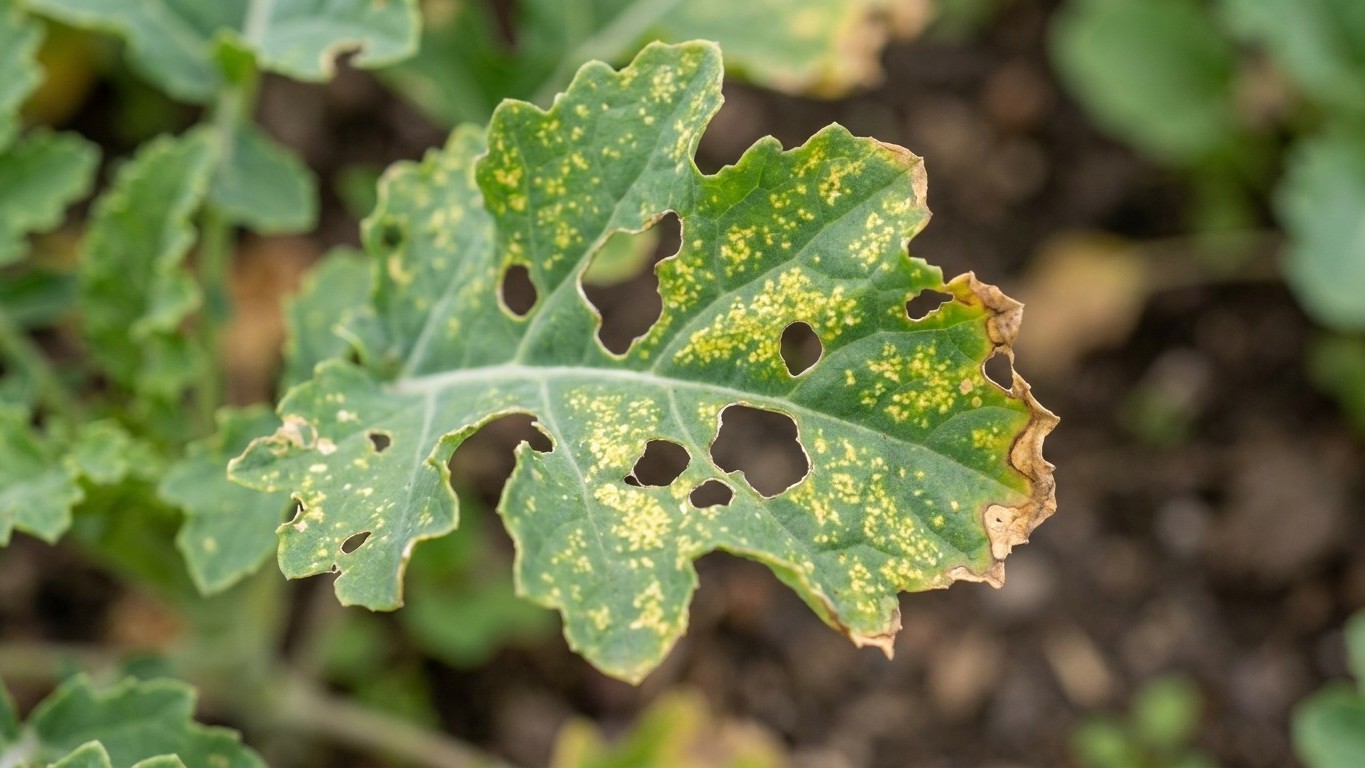
Chewed or scarred fruit still counts as harvest, and it should go to the kitchen first. What Eats Summer Squash in Saskatchewan, and When covers the usual culprits.
Keeping them, and for how long
Clemson Cooperative Extension’s Home & Garden Information Center says to store summer squash in a plastic bag in the refrigerator for up to 1 week. That is a maximum. It assumes fruit picked young, dry, and unbruised, and a cut, bruised, or overgrown fruit gives you less. Plan on a few days and treat the seventh day as a bonus.
Winter squash is the crop people have in mind when they talk about squash that stores. Butternut and its relatives have hard rinds and keep for months. Summer squash is picked immature, with a thin skin that scratches easily, and it softens, wrinkles, and goes slimy within days. No cellar, cold room, or clever wrapping changes that. A gardener with six plants and a counter full of zucchini needs a plan other than storage.
What can you do with a glut of summer squash?
The answer is to move it out of fresh storage quickly. Freezing is the easiest route, and shredded squash is the most useful form because it goes straight into muffins, quick breads, soups, and casseroles. Freeze it in measured portions so you can pull out exactly one recipe’s worth. Slices or cubes also freeze, though they come out soft and suit soups and stews better than a side dish. Ask your extension service for a tested method before you freeze or pickle anything. Plain summer squash is not a safe candidate for home canning, and the Government of Saskatchewan’s agriculture pages are a place to start for local guidance.
Cooking ahead gives you another week of use. Grilled slices, ratatouille, and baked fritters all hold in the fridge for days and reheat well. Giving the surplus away also works. Neighbours, coworkers, and local food banks tend to welcome fresh produce in August, as long as it is clean and fresh.
If the glut comes back every year, you probably planted too many. Two or three plants are plenty for most households. The Best Summer Squash to Grow in Saskatchewan helps you choose varieties that suit a short season without overproducing.
Where in the house that actually is
The closest match is the refrigerator crisper drawer, with the squash in a loosely closed plastic bag, because that is the setup the Clemson advice describes. Most of the week’s worth of keeping happens there. Fridges are often colder than some warm-season crops like, and the coldest spot is usually the back wall and the bottom shelf. Keep the bag toward the front of the drawer, and don’t push it against the back.
A heated room is the wrong answer. A kitchen counter is fine for the afternoon you plan to cook the squash, but a warm room speeds softening, so a fruit left out for two days may already be past its best. Leaving squash in a sunny window or next to a stove makes it worse.
A garage is a gamble. Early September in Saskatchewan can bring warm afternoons and near-freezing nights, and an attached garage swings with the weather. A fruit that freezes turns to mush when it thaws. A basement cold room might work for a day or two, but it has no tested record behind it for squash, so treat it as a short stop.
Put a thermometer in the crisper drawer overnight, and read it again in the morning before you trust the spot. Check the back of the drawer as well as the front. A drawer that reads at or below freezing will ruin the squash, and one that runs warm shortens the week. The same goes for any basement or garage you consider: leave a thermometer for a full day and night and see how far the reading swings. Adjust the fridge dial, or move the bag, based on what the thermometer says.
Common questions
What size should summer squash be when I pick it?
Pick small. The fruit should be glossy, with skin that dents under a fingernail and seeds you can barely feel. Fruit that has gone dull and hard-skinned is overgrown, and it also slows the plant’s next round of fruit.
Can I store summer squash in a cellar like winter squash?
No. Summer squash is a thin-skinned, immature fruit and does not cure or hold like a winter squash. The advice from Clemson Cooperative Extension is a plastic bag in the refrigerator for up to 1 week. For longer keeping, freeze it or cook it into something.
What should I do when frost is forecast?
Pick every usable fruit the day before, including the small ones. Saskatoon’s mean first fall frost is September 18, and in one year out of two it arrives earlier. A cold night can kill the plant, and fruit left outside is lost. Row cover or an old sheet over the plants can buy a few days if the frost is light and the forecast shows warmer weather coming.
How often should I check the plants?
Every day or two once fruit starts coming. A hot spell speeds everything up, and a zucchini can double in size over a weekend. Frequent picking also keeps the plant setting new fruit, which is how you keep it producing until frost.