When to Sow Carrots in Saskatchewan: Counting Back From the Last Frost
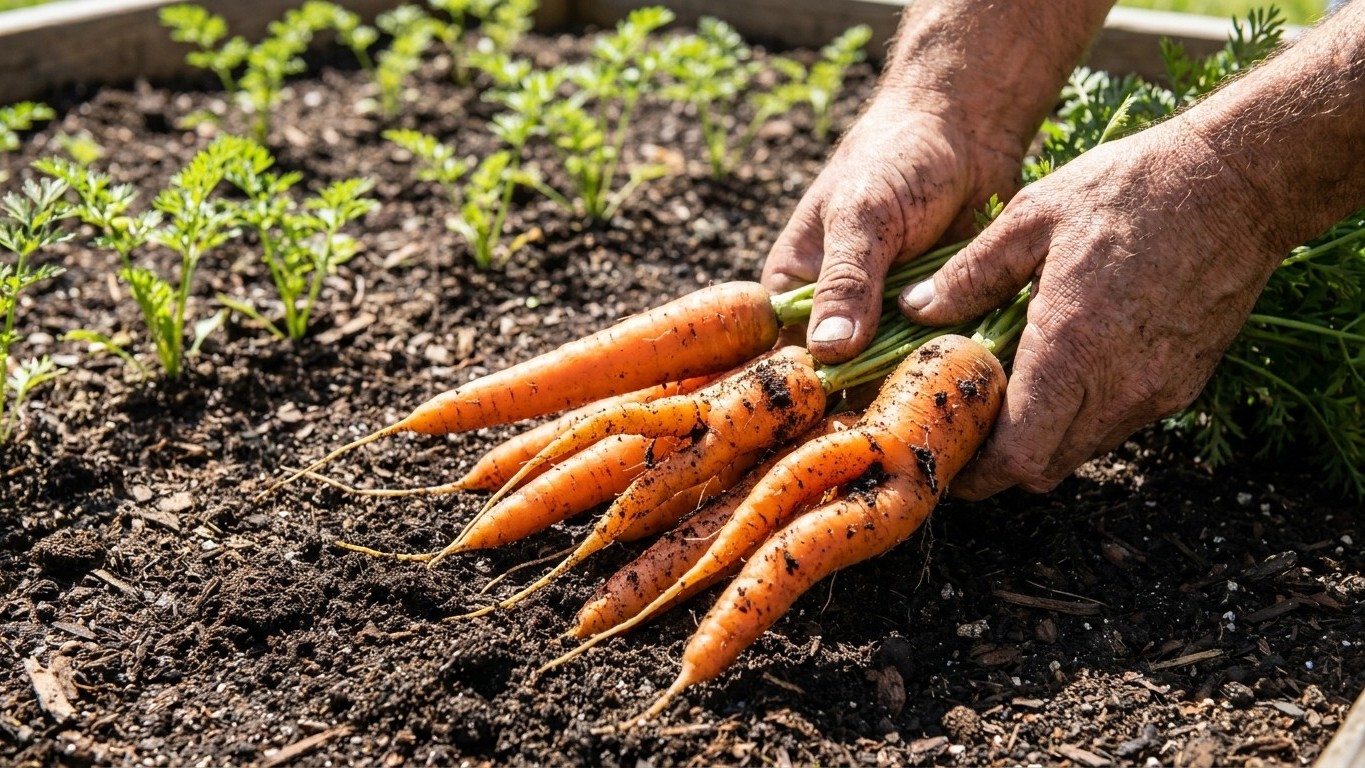
Carrots go into Saskatchewan ground as seed, not transplants, as soon as the soil can be worked in spring, since the crop tolerates cool soil and needs…
Home & garden, state by state
Everything we have worked out for Saskatchewan: what to plant and when, which varieties finish in time, the pests that actually turn up here, and the jobs that pay off month by month. We also cover the rest of the property, from lawns and soil to home care and energy, because a garden rarely stops at the vegetable bed.
The numbers first, because everything else follows from them. Measured at the weather station in Saskatoon, the last spring freeze falls around May 18 and the first fall freeze falls around September 18, 1,549 growing degree days in the year.
That is enough for early varieties, tight for anything late. Garlic does well: 34.8 weeks below 40 °F, comfortably past the six it needs to form a proper head.
Elsewhere on the property in Saskatchewan: the pests that turn up here.
Figures from Environment and Climate Change Canada. A state is not one climate: elevation, a large lake or the coast can move these dates by two weeks either way, so check your own county with the extension service before you spend money.
Carrots go into Saskatchewan ground as seed, not transplants, as soon as the soil can be worked in spring, since the crop tolerates cool soil and needs…
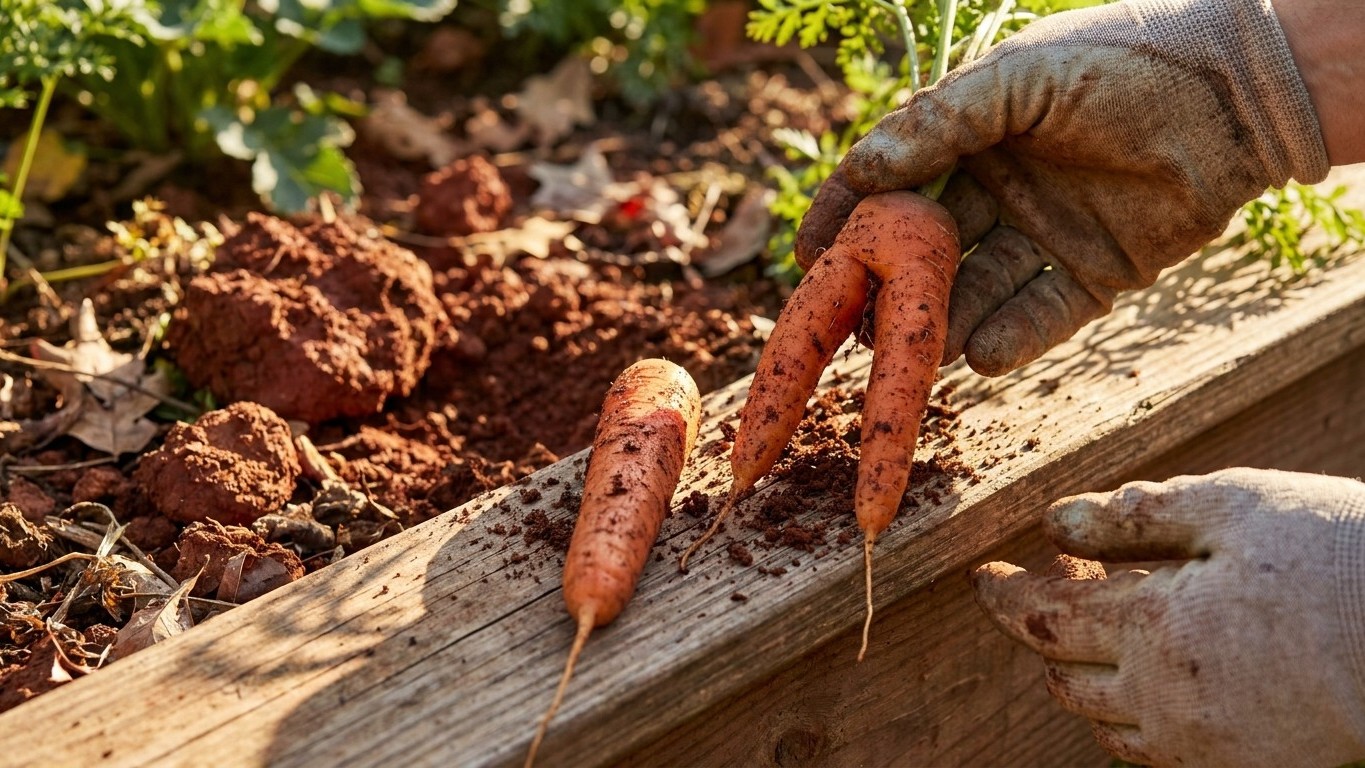
Saskatchewan’s dominant soil is a Chernozem, the dark, organic-rich prairie soil that covers 68 percent of the province’s mapped agricultural land.
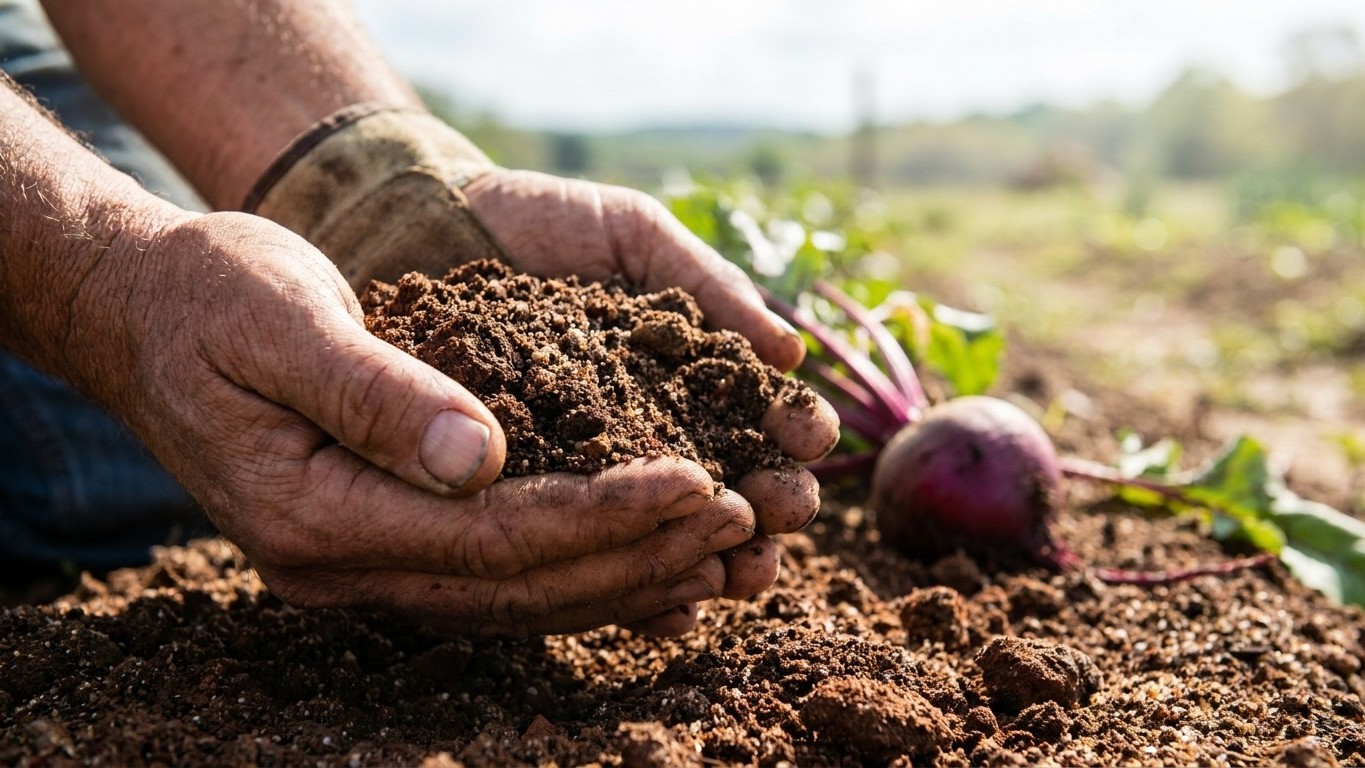
Saskatchewan’s dominant farmland soil is a Chernozem: dark, deep, well drained, running about 43 percent sand, 22 percent clay and 35 percent silt at the…
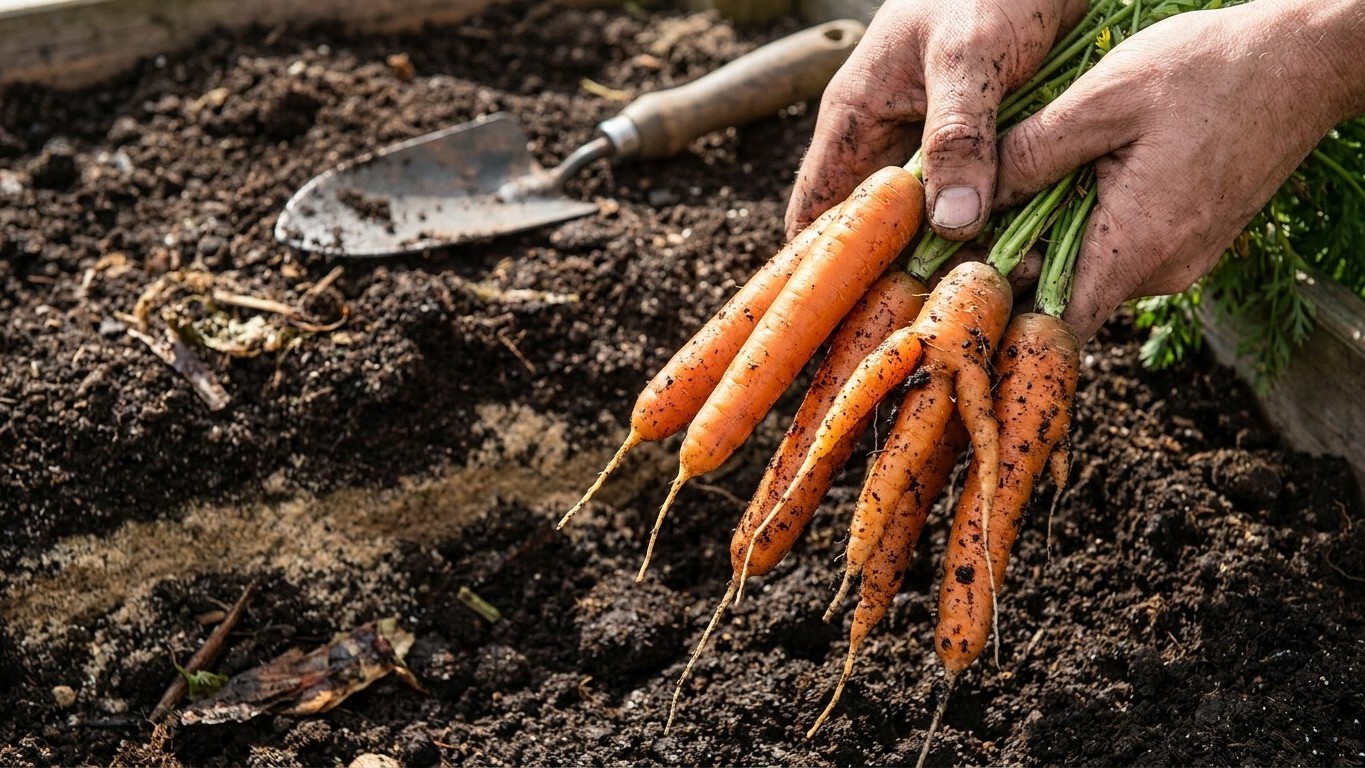
Saskatchewan’s farmland skews toward loamy, well-drained ground that carrots generally like, but that’s a provincial average, not your backyard.
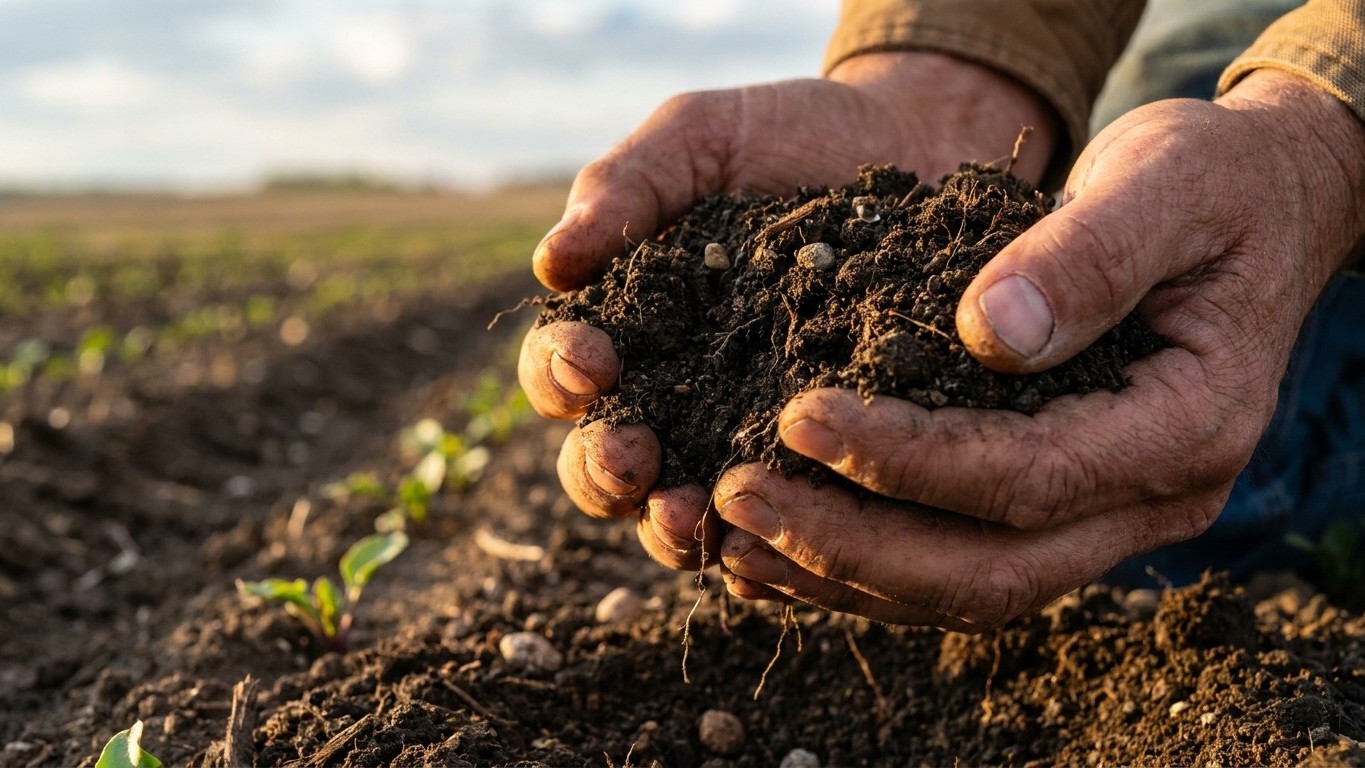
Saskatchewan’s dominant farmland soil, a Chernozem, already leans toward what a beet wants: loose, dark, rich in organic matter. The catch isn’t the dirt.
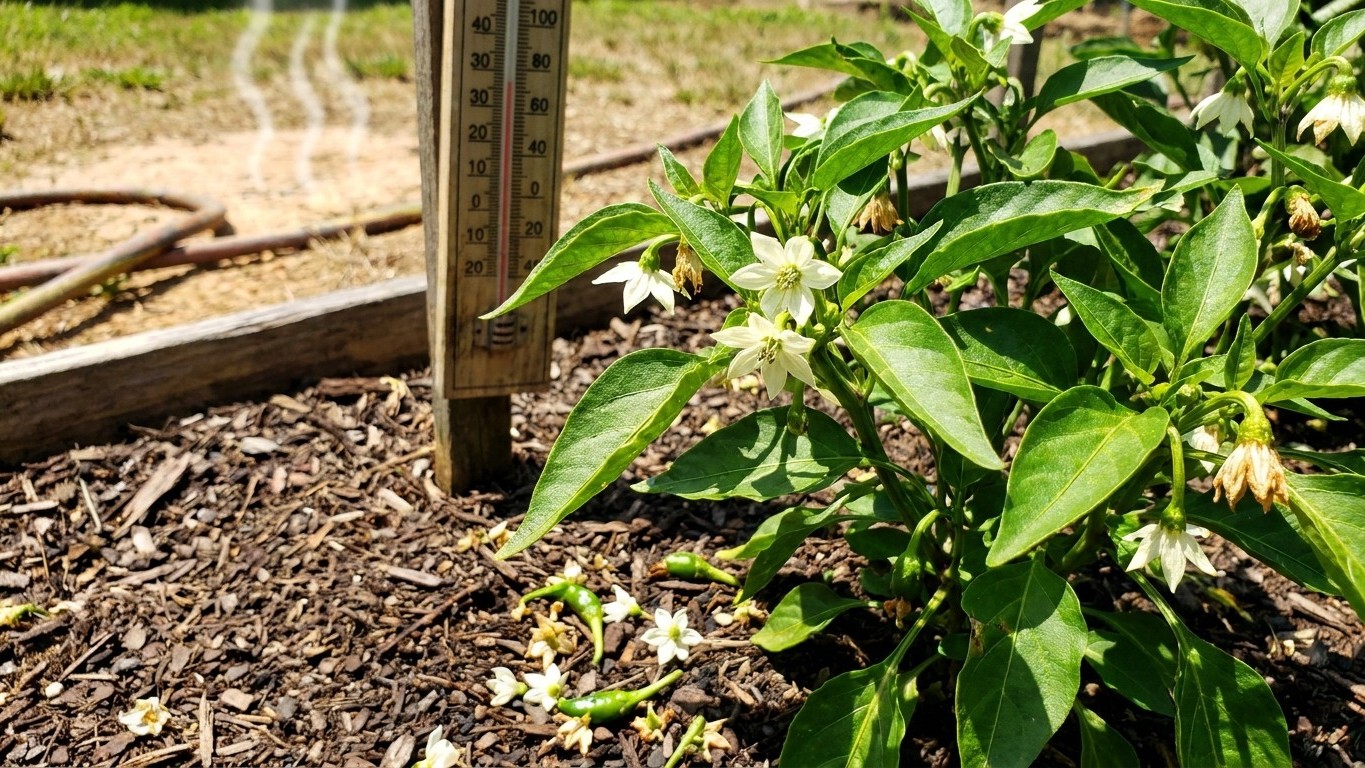
Peppers set fruit only inside a narrow temperature window: nights above 55°F and days below 90°F.
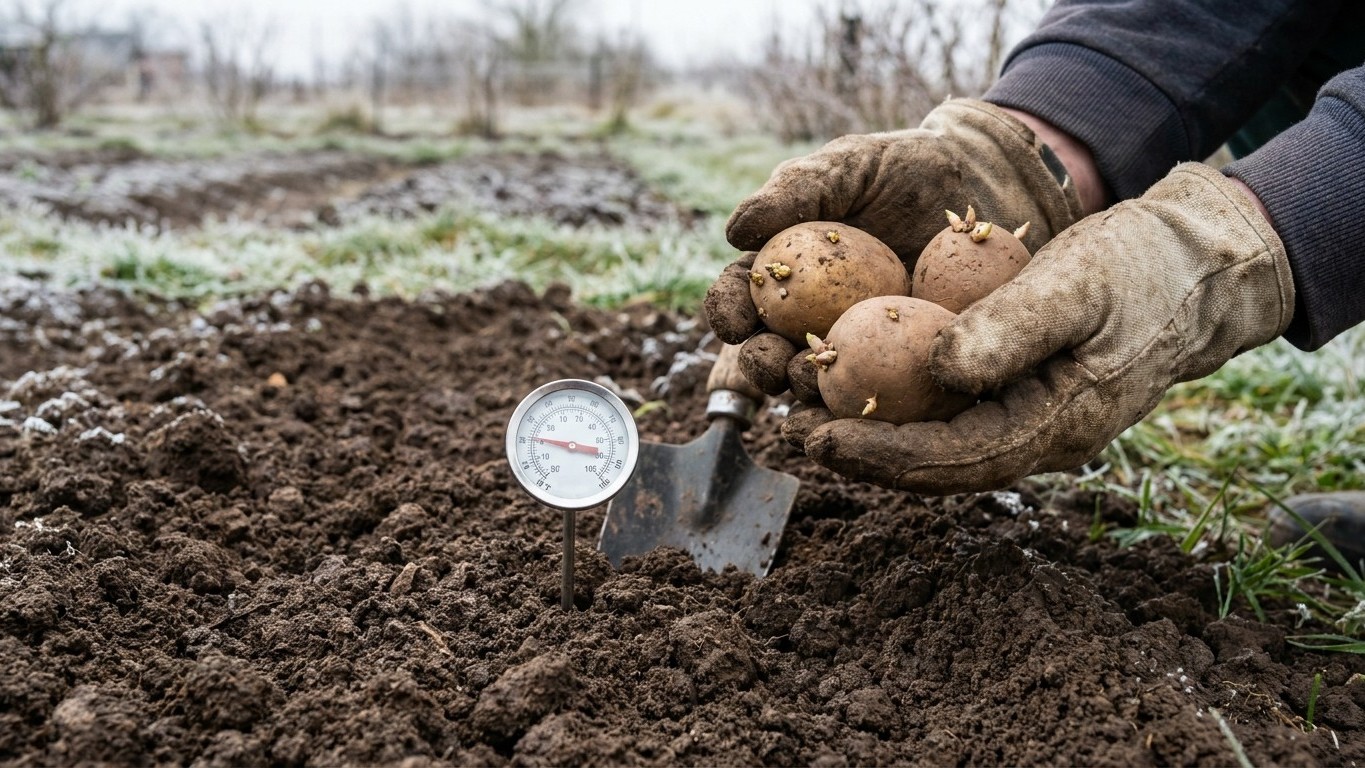
Potatoes go into Saskatchewan soil roughly two to three weeks before the last spring frost, not after it.
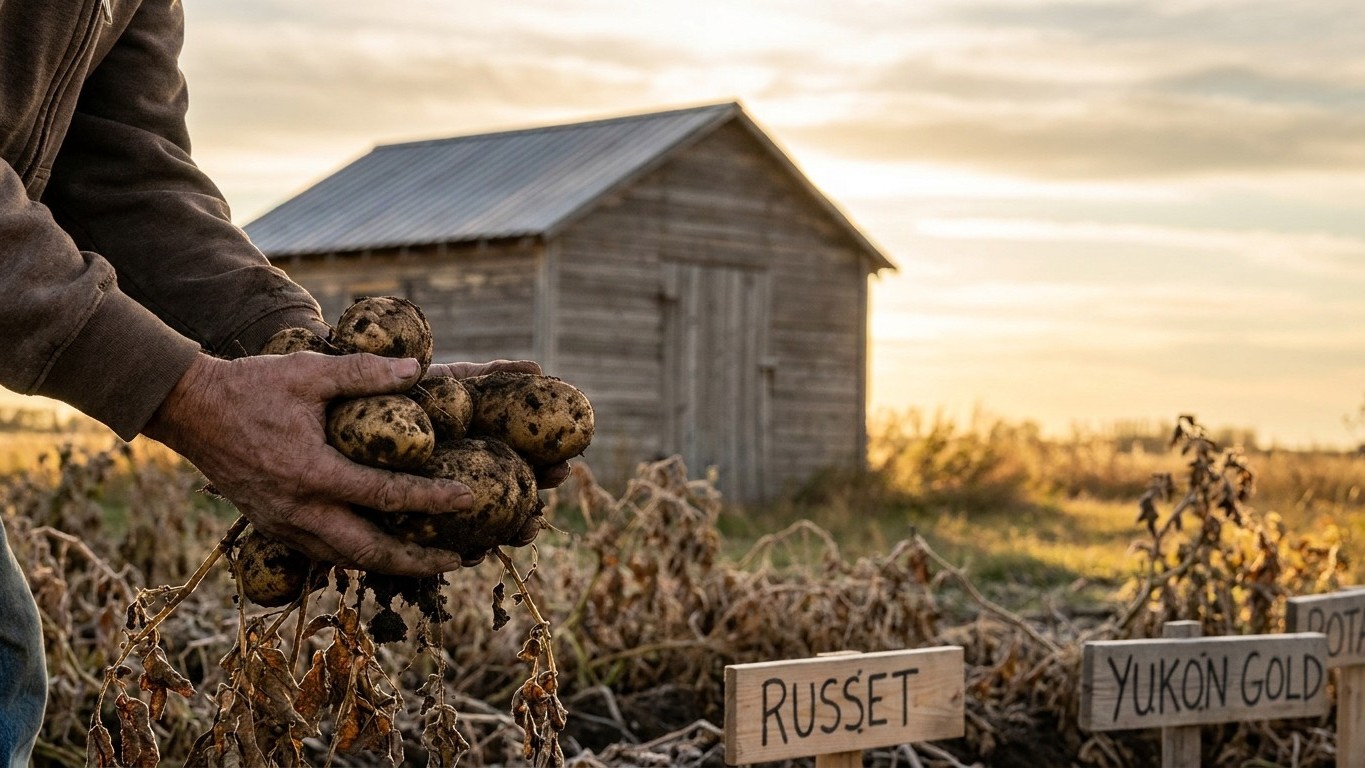
Potatoes need to come out of Saskatchewan ground well before the vines get killed off by cold in mid-September, and once they’re dug, an unheated garage…
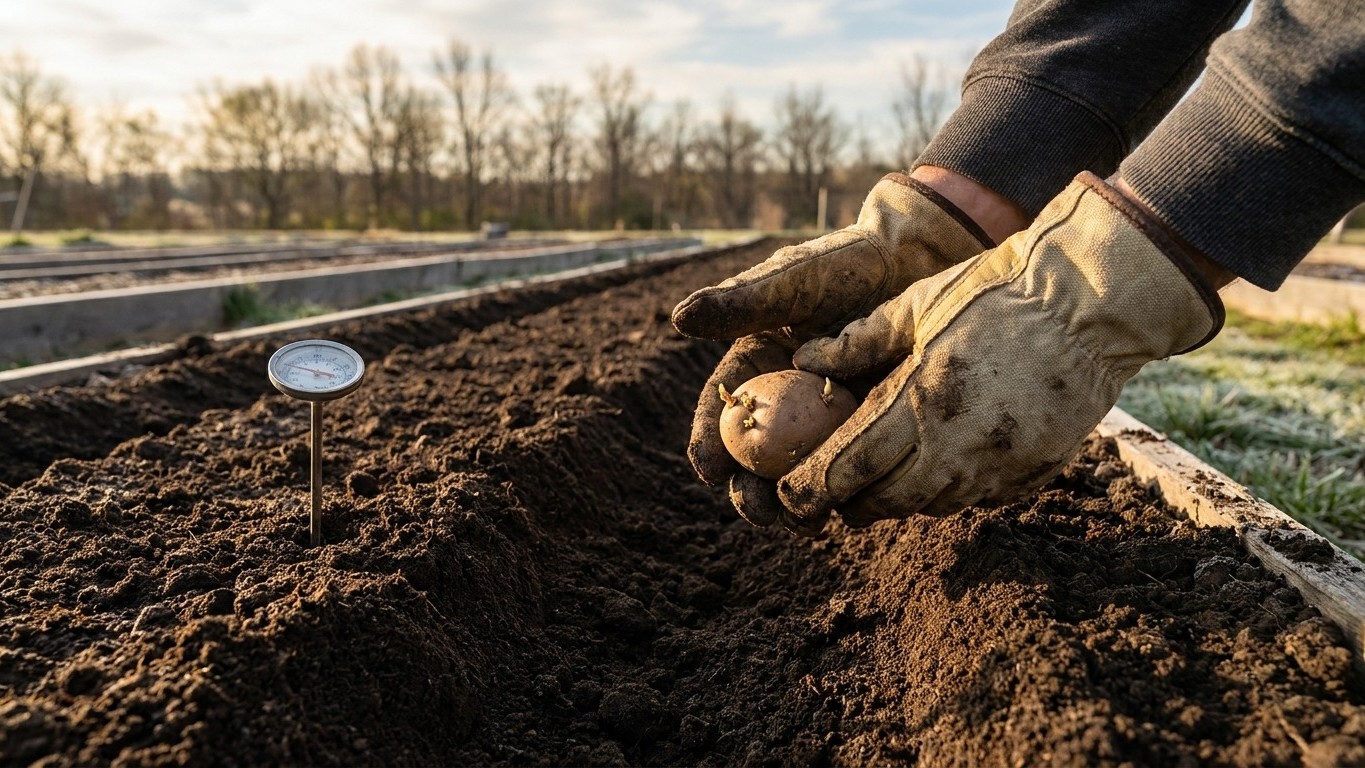
Saskatchewan gardeners get one real answer here: early- and mid-season potato varieties, planted the moment soil hits 50°F, timed against the Saskatoon…
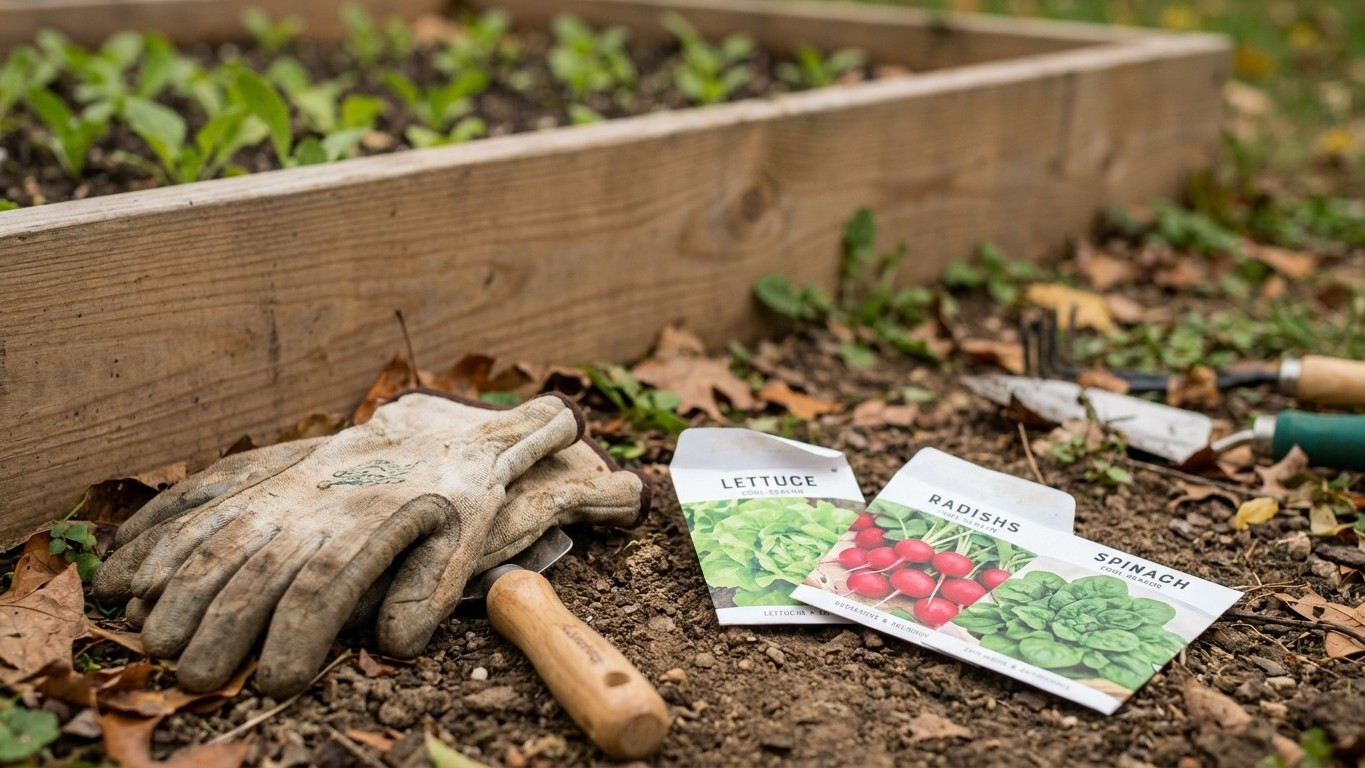
Early September in Saskatchewan still has some growing days left, but the average first fall frost lands on September 18, right in the middle of the month.