
Late June in South Dakota means the frost danger is over almost everywhere in the state, and the garden should already be full of warm-season crops. This is the month to direct-sow beans, squash, cucumbers and sweet corn, keep transplanting anything that got a late start, and start thinking about a second round of crops for fall harvest before the first freeze returns in late September.
What goes in the ground in June

The reference frost window for South Dakota runs April 29 to May 9, so by June the soil has had weeks to warm past the point where cold-sensitive roots sulk or rot. That’s the real trigger here, not the date on the calendar: soil temperature, not air temperature, decides whether a seed germinates or sits there. By June, garden soil across most of the state has climbed well into the range where beans, squash and melons germinate quickly instead of stalling.
Direct-sow bush beans, pole beans, summer squash, winter squash, cucumbers, melons and sweet corn now. These are all crops that either rot in cool spring soil or simply refuse to sprout below a certain threshold, so June is their real starting line in this climate, not April. Sweet corn benefits from a second sowing two to three weeks after the first, which staggers the harvest instead of dumping every ear on the table at once.
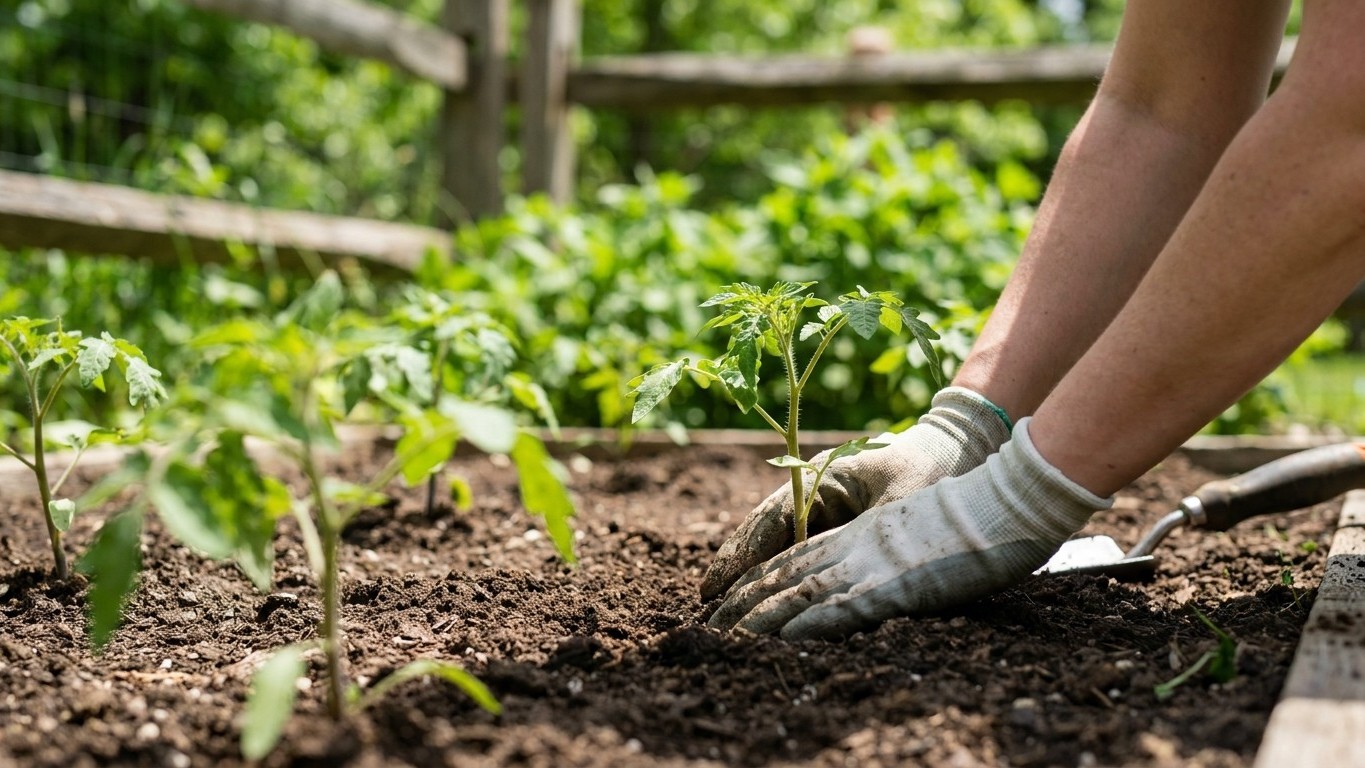
Transplants of tomatoes, peppers, eggplant and basil should already be settled into the garden, but if a late spring pushed that back, June still works as long as plants get hardened off properly first and go into moist, well-worked soil. Sun scald on a transplant that goes straight from a shaded porch to full afternoon sun is a common and avoidable setback.
Fast-growing crops like bush beans, cucumbers and summer squash can also be succession-sown every two to three weeks through June to keep production steady into fall rather than facing a single glut followed by nothing. Root crops like carrots and beets tolerate a June sowing too, though they’ll want consistent moisture to avoid the tough, bitter texture that comes with drought stress.
What to start under cover
Counting forward from the frost window that just closed makes June look like a month for outdoor planting only, but counting backward from the first fall frost (September 24 to October 4 at the reference station) tells a different story. Fall broccoli and cabbage typically need something like ten to twelve weeks from transplant to harvest, plus another four to six weeks as seedlings before they go outside. Add that up from late September and the math lands the seed-starting date for fall brassicas squarely in June.
Start broccoli, cabbage and cauliflower seed indoors or under a shaded cold frame this month for transplanting out in midsummer, once the worst of the heat has passed enough for young brassicas to establish without wilting daily. Starting them too early in a hot June often produces stressed, bolt-prone seedlings by the time they hit the garden; starting too late risks running out of cool fall weather before the heads mature.
The two failure modes worth naming plainly: seedlings started weeks too soon become rootbound and leggy sitting in trays waiting for outdoor conditions to cool, while seedlings started too late never catch up to the shrinking day length and hit frost before they’re finished. A four-inch pot and a light shuffle to bigger cells as roots fill in keeps brassica starts from stalling indoors.
Lettuce and other quick greens can also be started under light shade cover for a fall crop, sown a bit later than the brassicas since they mature faster, generally within six to eight weeks from seed to harvest.
What is ready to pick
June harvest in South Dakota draws mostly on what went into the ground in April and May. Spinach, lettuce and other cool-season greens sown as soon as soil was workable should be at or near full size now, and they need picking promptly, because rising June heat pushes lettuce and spinach toward bolting fast. Once a lettuce plant sends up a central stalk, the leaves turn bitter within days.
Radishes sown in early spring are usually long finished by June, but a fast crop sown in late May can still be pulling roots this month; check for a firm, rounded shoulder pushing up through the soil surface as the sign they’re ready, rather than pulling on a guess.
Peas planted as soon as the ground could be worked typically hit their peak in June before the heat toughens the pods. Pick pods while they’re still bright green and snap crisply; pods left too long on the vine turn starchy and dull the flavor, and leaving mature pods in place also signals the plant to slow down further production.
Strawberries and rhubarb, both perennial holdovers from earlier plantings, often come into full production in June as well. Rhubarb stalks are ready once they’ve reached a good length and the leaf has fully unfurled; never eat the leaf itself, only the stalk. Strawberries should be picked as soon as they color fully, since June heat and rain can turn overripe berries to mush or mold within a day or two.
The jobs that matter this month

Mulching is the single job that pays back the most in June. As temperatures climb, bare soil loses moisture fast and weeds move in to fill any gap, so a two- to three-inch layer of straw, shredded leaves or grass clippings around tomatoes, peppers and squash locks in moisture and keeps root zones several degrees cooler on a hot afternoon. Skipping it now often means fighting both drought stress and weed pressure by midsummer.
Staking and caging tomatoes and vining crops needs to happen before plants sprawl, not after. Once a tomato plant has flopped over and rooted new stems along the ground, trying to lift and cage it damages roots and stems that are already tangled with soil and neighboring plants. The same logic applies to cucumbers and pole beans on trellises: get the structure in early and let the plant grow into it.
Watering rhythm matters more in June than in almost any other month, since this is often when temperatures first climb into the range where plants lose water faster than light spring rains replace it. Deep, infrequent watering that soaks six to eight inches down encourages roots to grow deep and drought-tolerant; frequent shallow sprinkling does the opposite, training roots to stay near the surface where they dry out fast.
Pest scouting should be a weekly habit by June. Colorado potato beetles, squash bugs and cucumber beetles are all active in South Dakota gardens by this point, and catching the first cluster of orange squash bug eggs on the underside of a leaf is far easier to manage than dealing with a full infestation two weeks later. Succession sowing of beans, squash and greens also belongs on this month’s list, since spacing out plantings by two to three weeks spreads the harvest and hedges against any one planting failing to pest or weather.
What not to do in June
The most common June mistake is treating a warm afternoon as proof the soil is warm too. Air temperature swings fast; soil temperature lags behind by days, sometimes longer under mulch or shade. Planting heat-loving crops like melons or peppers into soil that’s still cool from a wet spring stretch often stalls germination or stunts young roots for weeks, even once the air outside feels summery.
Overcrowding is another classic June error, especially with squash and cucumbers, which look small and manageable as seedlings but sprawl fast once the heat hits. Crowded plants compete for water and light, and dense foliage traps humidity that invites powdery mildew and other fungal problems later in the season. Following the spacing guidance on the seed packet, even when it looks too generous in June, pays off in July.
Feeding heavy nitrogen to tomatoes and peppers once they’ve started flowering is a mistake worth naming specifically. Nitrogen pushed at the wrong point in the season drives leafy growth at the expense of fruit set, leaving a lush, dark green plant with few blossoms turning into fruit. A balanced or lower-nitrogen feed once flowering starts serves these crops better than repeating an early-season fertilizer routine.
Inconsistent watering during June heat is behind a lot of blossom end rot on tomatoes and peppers, a calcium-uptake problem triggered less by soil calcium levels than by uneven moisture. Sticking to a steady watering schedule, rather than swinging between drought and drenching, prevents most cases without any special product.
Checking this against your own county
A single frost window for South Dakota is a starting point, not a fixed rule for every yard. USDA hardiness zones across South Dakota run from 3b up to 5b, meaning a garden in the Black Hills or a low-lying river valley can run weeks behind or ahead of a garden elsewhere in the state. Elevation, local topography and even a nearby lake or river can shift a frost date noticeably from the station average.
Suburban and rural yards typically see a later last spring frost and an earlier first fall frost than an airport station reports, sometimes by one to two weeks or more at elevation. For a planting calendar built around actual local conditions, South Dakota State University Extension publishes county-level guidance at extension.sdstate.edu, and it’s worth checking before locking in a planting date based on state averages alone.
Common questions
Is it too late to plant tomatoes in South Dakota in June?
No. With the frost window closed since early May at the latest, tomato transplants set out in June still have a full season ahead before the first fall frost arrives in late September or early October.
Can I still start sweet corn from seed in June?
Yes, and a second sowing in early to mid-June is a common way to stagger the harvest rather than having every ear ripen the same week as an earlier planting.
Why is my lettuce turning bitter in June?
Rising temperatures push lettuce toward bolting, where the plant sends up a flower stalk and the leaves turn bitter within days. Harvesting promptly and providing afternoon shade can slow this down.
Should I start fall broccoli seed now if I already have a spring garden going?
Yes. Counting back from the first fall frost, fall brassicas typically need to start as seedlings in June to be ready for a midsummer transplant and a harvest before cold weather returns.
Gardeners who plant by the Moon can check the June 2027 moon planting calendar, a tradition rather than a proven method.