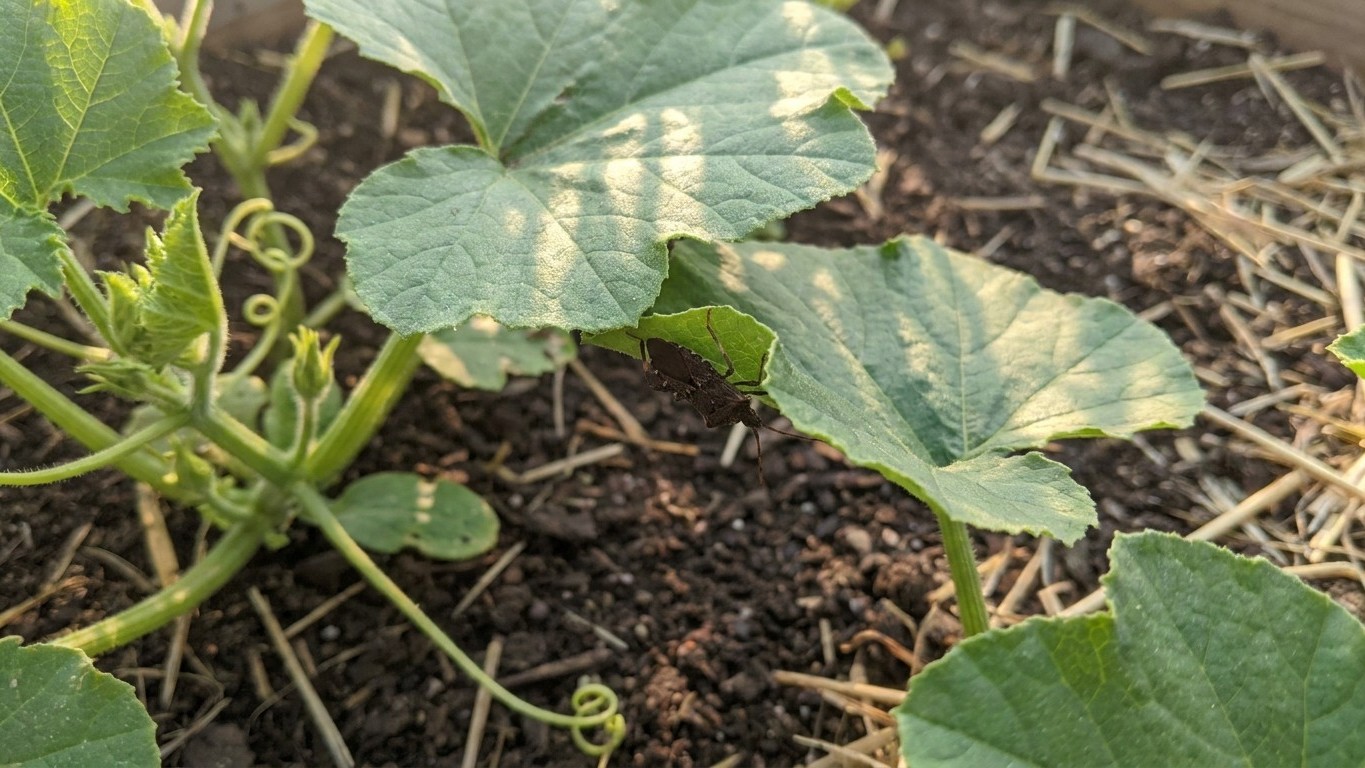

Squash bugs show up in South Dakota gardens once soil temperatures climb into the 60s, typically mid-to-late May in the southeast and closer to early June in the western part of the state. The insects survive the state’s brutal winters as adults tucked under leaf litter, wood piles, and garden debris, then emerge hungry right as squash and pumpkin vines start sprawling. Stopping them means acting before egg-laying peaks in July, because once nymphs hatch by the hundreds, control gets a lot harder.
When Squash Bugs Show Up in South Dakota

South Dakota’s growing season runs anywhere from about 120 days near Sioux Falls and Vermillion to under 100 days in parts of the northwest and Black Hills region, according to the general pattern reflected in USDA plant hardiness zones 3b through 5b across the state. That short window shapes squash bug behavior more than gardeners often realize. Overwintering adults need consistent soil warmth before they’ll leave their hiding spots, so the pests essentially wait out the state’s late, unpredictable springs.
Once they emerge, mated females start laying eggs on the undersides of leaves within a couple of weeks. In a state where June frosts aren’t unheard of in the Black Hills, this delay actually works in gardeners’ favor. Southeastern counties, with their longer frost-free stretch, usually see squash bug activity ramp up faster and stay active longer into September than the western half of the state.
Most South Dakota gardens deal with a single full generation per year. Egg-laying peaks in late June through July, nymphs feed heavily through August, and new adults emerge by early September looking for overwintering shelter before the first hard frost, which arrives anywhere from mid-September in the northern counties to early October in the southeast. In unusually warm years, a partial second generation can sneak in, which is why late-season vigilance matters just as much as early-season prevention.
Identifying Squash Bugs at Every Life Stage
Confusing squash bugs with beneficial insects is a common mistake, and it costs gardeners valuable response time. Adults measure about five-eighths of an inch, with flat, grayish-brown bodies and orange-and-brown striped edges along the abdomen. They move slowly and tend to cluster near the base of plants or hide under leaves during the heat of the day.
Eggs are the easiest early warning sign. Females lay them in tidy clusters of a dozen or more, bronze to reddish-brown in color, almost always on the underside of leaves near the veins. Crushing these clusters by hand before they hatch is one of the single most effective non-chemical controls available, and it takes about thirty seconds per plant if done during a regular garden walk-through.
Nymphs go through five stages before reaching adulthood, starting out pale green with black legs and gradually darkening to gray as they mature. Early instars are soft-bodied and vulnerable to contact insecticides and soaps; by the fourth and fifth instar, their exoskeleton hardens and most sprays stop working well. That biological detail explains why timing treatment to the nymph stage, rather than waiting for adults, makes such a difference in outcomes.
Signs of Damage to Watch For
Squash bugs feed by piercing plant tissue and sucking out sap, which causes leaves to develop yellow speckling that turns brown and brittle within days. Left unchecked on a heavily infested plant, entire vines can wilt suddenly, a symptom sometimes called “anasa wilt” after the insect’s scientific name, Anasa tristis. Unlike diseases that spread slowly, this wilting can appear almost overnight once a large nymph population is actively feeding, which catches a lot of gardeners off guard in late July.
What Actually Stops Squash Bugs
Prevention beats reaction with this pest, largely because adult squash bugs are tough to kill once they’ve matured. Row covers placed over young plants in late May block early-season egg-laying entirely, but they need to come off once flowers appear so pollinators can reach the blossoms. That timing window, roughly four to six weeks after planting depending on variety, is the trickiest part of using covers well.
The trap board method remains one of the oldest tricks in the book, and it still works. Laying a flat board or shingle near the base of squash plants gives adult bugs a shady hiding spot overnight. Flipping the board each morning and crushing whatever’s underneath, before the day heats up and the bugs scatter, can meaningfully reduce a local population over a few weeks.
Hand-picking remains surprisingly effective for home gardens of typical size. A daily or every-other-day check of leaf undersides during June and July, focused on removing egg clusters and squashing nymphs, keeps populations from reaching the explosive numbers that overwhelm a patch by August. Dropping adults into a bucket of soapy water works better than trying to crush them, since their hard shells can survive a light squeeze.
Diatomaceous earth applied around the base of plants and dusted lightly on leaves can help against soft-bodied nymphs, though it needs reapplication after rain. Insecticidal soap and neem oil sprays target the same vulnerable early-instar stage; timing the application for early morning or evening protects bees and other pollinators that are less active during those hours.
When Chemical Control Makes Sense
For infestations that outpace manual control, contact insecticides labeled for squash bugs, including products containing permethrin or carbaryl, work best when applied directly to nymphs rather than hardened adults. Spraying in the evening reduces harm to pollinators visiting during the day. Because South Dakota’s growing season leaves little room for a damaged crop to recover, many gardeners reserve chemical treatment for years when hand-picking and trap boards clearly aren’t keeping pace, usually signaled by wilting leaves appearing despite regular monitoring.
Reducing Squash Bug Problems Next Season
Fall cleanup matters more in South Dakota than in milder climates, since it directly targets where adults spend the winter. Clearing vines, mulch, and plant debris from cucurbit beds before the first frost removes the shelter adults rely on to survive the season’s harsh cold. Leaving even a small pile of dead squash leaves near the garden can give a handful of bugs enough cover to make it through January.
Crop rotation helps too, though it works best on a modest scale. Planting squash, pumpkins, and other cucurbits in a different section of the yard each year makes it harder for emerging adults to relocate their host plants quickly in spring. Choosing resistant varieties adds another layer of protection: butternut squash tends to tolerate squash bug feeding better than acorn or zucchini varieties, making it a reasonable substitution for gardeners who’ve struggled with repeat infestations.
Companion planting with nasturtiums or tansy near cucurbit beds is often suggested as a deterrent, though the evidence backing this practice is mostly anecdotal rather than research-based. Gardeners who want a lower-risk experiment can try it alongside proven methods like trap boards and fall cleanup, without relying on it as the sole line of defense.
One detail that surprises a lot of first-time squash growers in the state: a cold South Dakota winter doesn’t wipe out the local squash bug population the way it does with some other garden pests. Enough adults survive tucked into insulated debris that a mild population persists year over year in most established gardens, which is exactly why the fall cleanup step carries more weight here than it might for a gardener in a milder climate zone.
Related guides
- Squash bug in Iowa: When It Shows Up and What Stops It
- Squash bug in Tennessee: When It Shows Up and What Stops It
- Squash bug in Texas: When It Shows Up and What Stops It
- Squash vine borer in South Dakota
- Cabbage looper in South Dakota
- Asparagus beetles in South Dakota
- Squash bug in Idaho: When It Shows Up and What Stops It