Growing Hydrangeas in Utah: Types, Colour and Winter
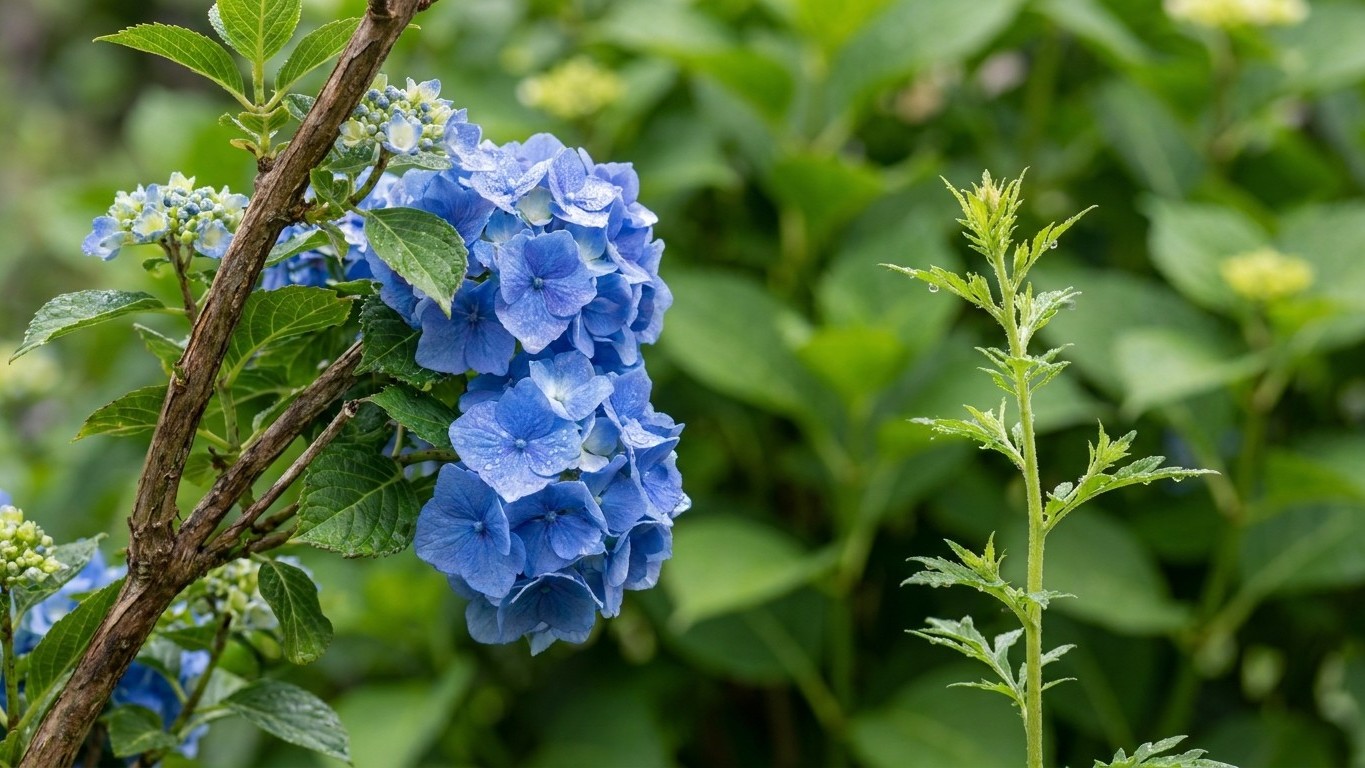
Hydrangeas grow well in Utah when the type fits the site. Panicle and smooth hydrangeas shrug off cold winters and bloom dependably.
Home & garden, state by state
Everything we have worked out for Utah: what to plant and when, which varieties finish in time, the pests that actually turn up here, and the jobs that pay off month by month. We also cover the rest of the property, from lawns and soil to home care and energy, because a garden rarely stops at the vegetable bed.
The numbers first, because everything else follows from them. Measured at the weather station in Salt Lake City, the last spring freeze runs April 12 to April 29 and the first fall freeze runs October 18 to October 29, USDA zones 4a-9a, 3,551 growing degree days in the year.
Garlic does well: 26.1 weeks below 40 °F, comfortably past the six it needs to form a proper head.
Elsewhere on the property in Utah: the pests that turn up here.
Figures from NOAA's 1991-2020 climate normals. A state is not one climate: elevation, a large lake or the coast can move these dates by two weeks either way, so check your own county with the extension service before you spend money.
Hydrangeas grow well in Utah when the type fits the site. Panicle and smooth hydrangeas shrug off cold winters and bloom dependably.
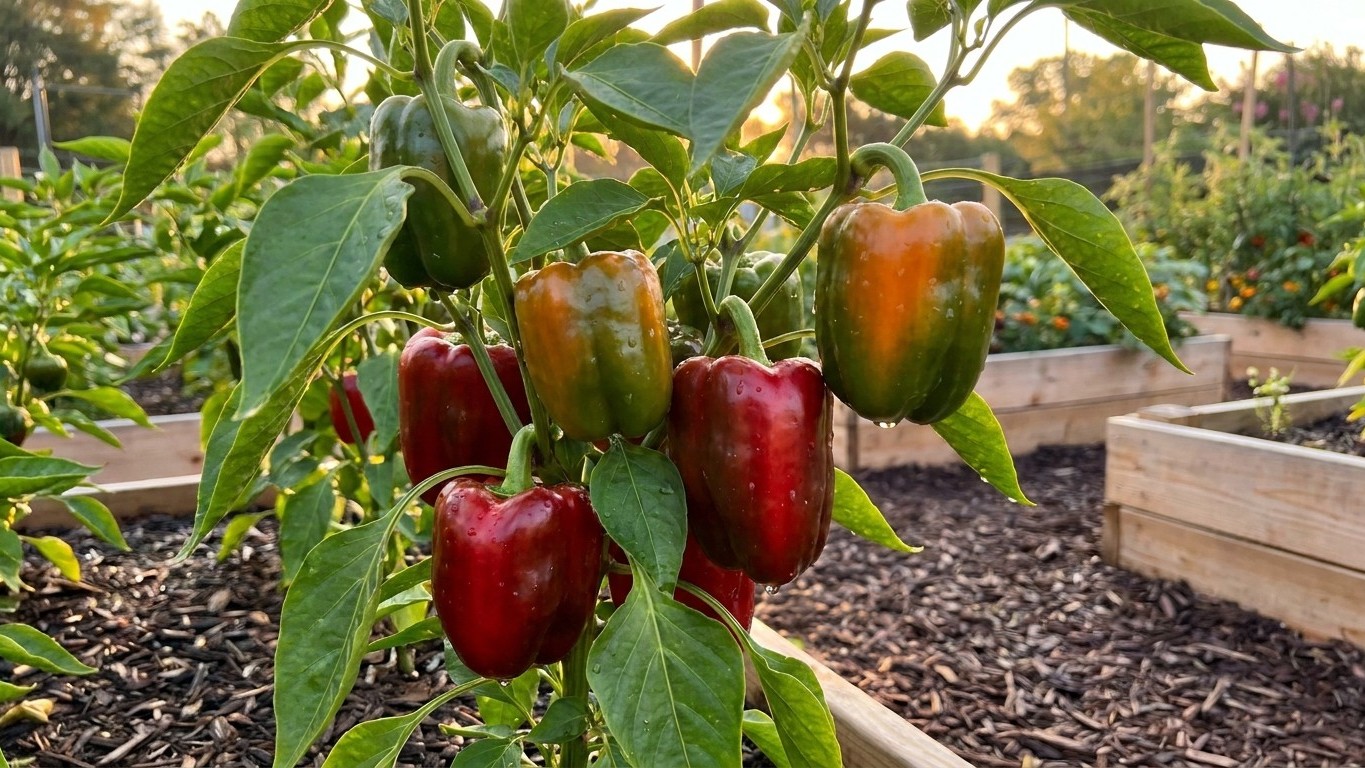
Pick a pepper when it is full size, firm and glossy, usually 70 to 85 days after the transplant went into the ground. Then keep it out of the refrigerator.
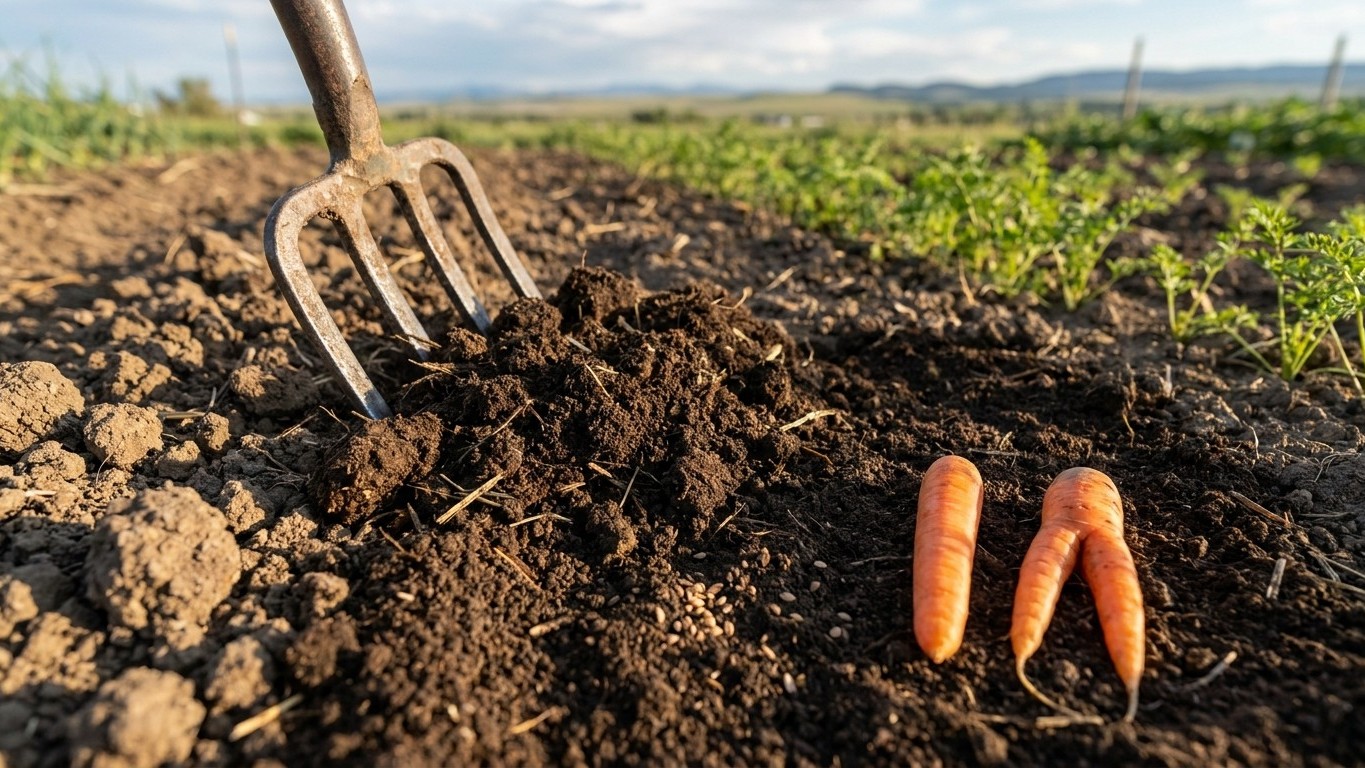
Pull carrots when the roots reach the width the seed packet describes for your variety.
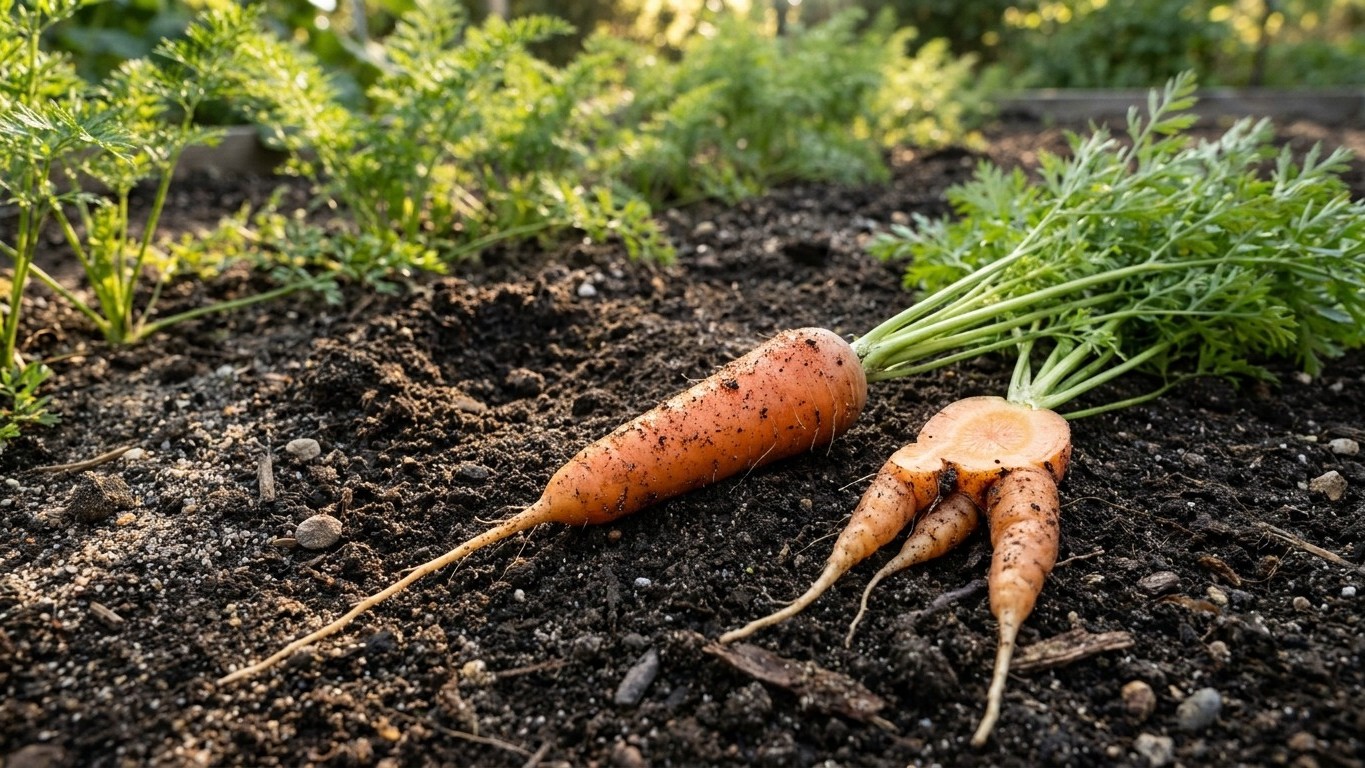
Carrots in Utah get eaten in two places: below ground, where insects feed on seedlings and roots, and above ground, where they chew or suck on the tops.
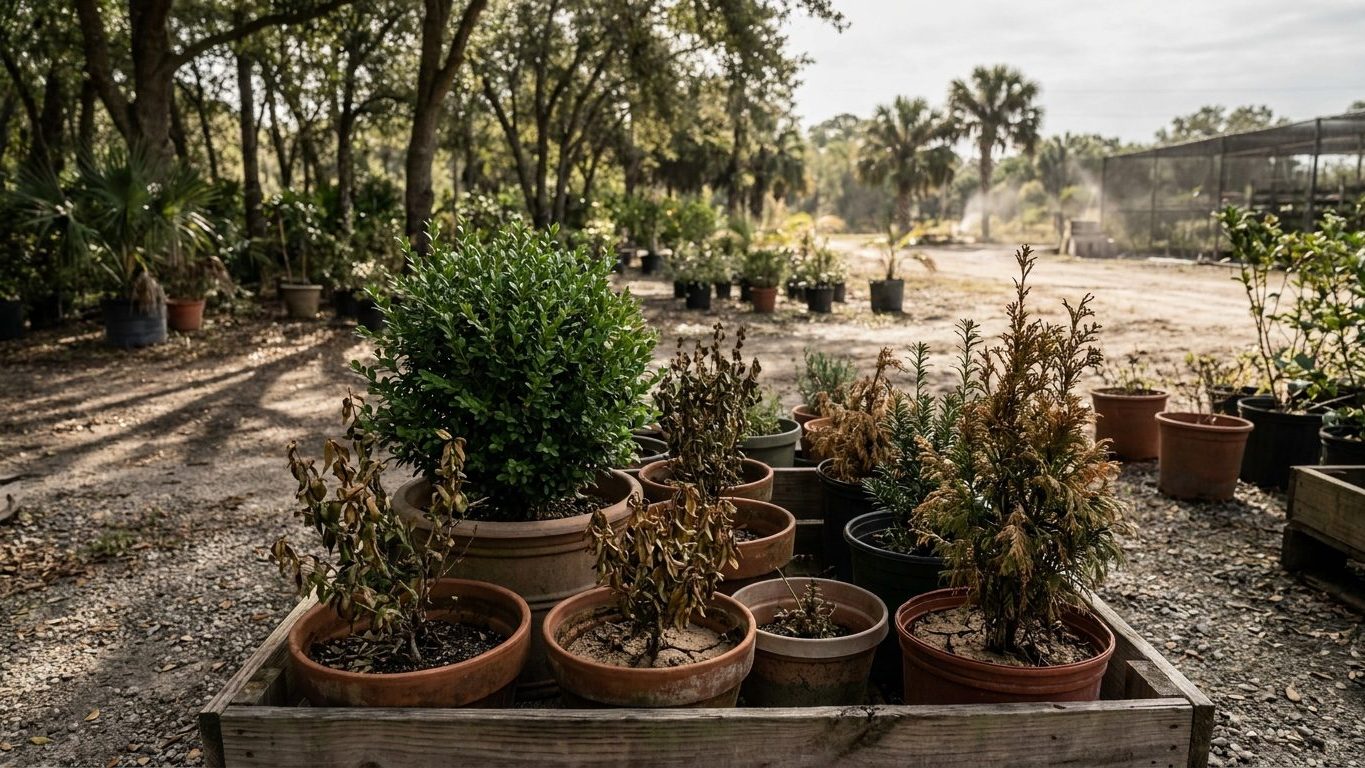
Utah runs from USDA zone 4a to 9a, and that spread sorts hedge plants into three groups.
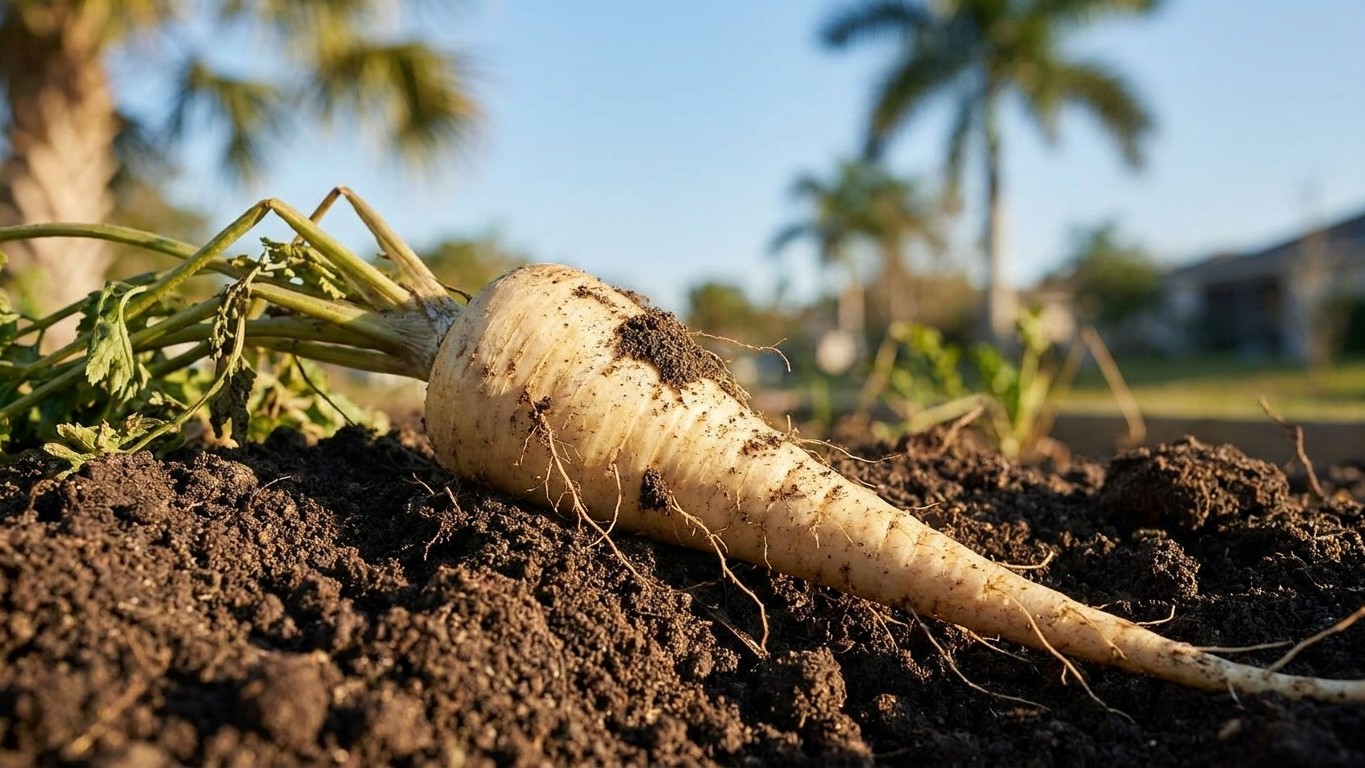
Lift Utah parsnips after several weeks of frost. In the Salt Lake valley that means mid-November at the earliest, then any day the ground stays workable…
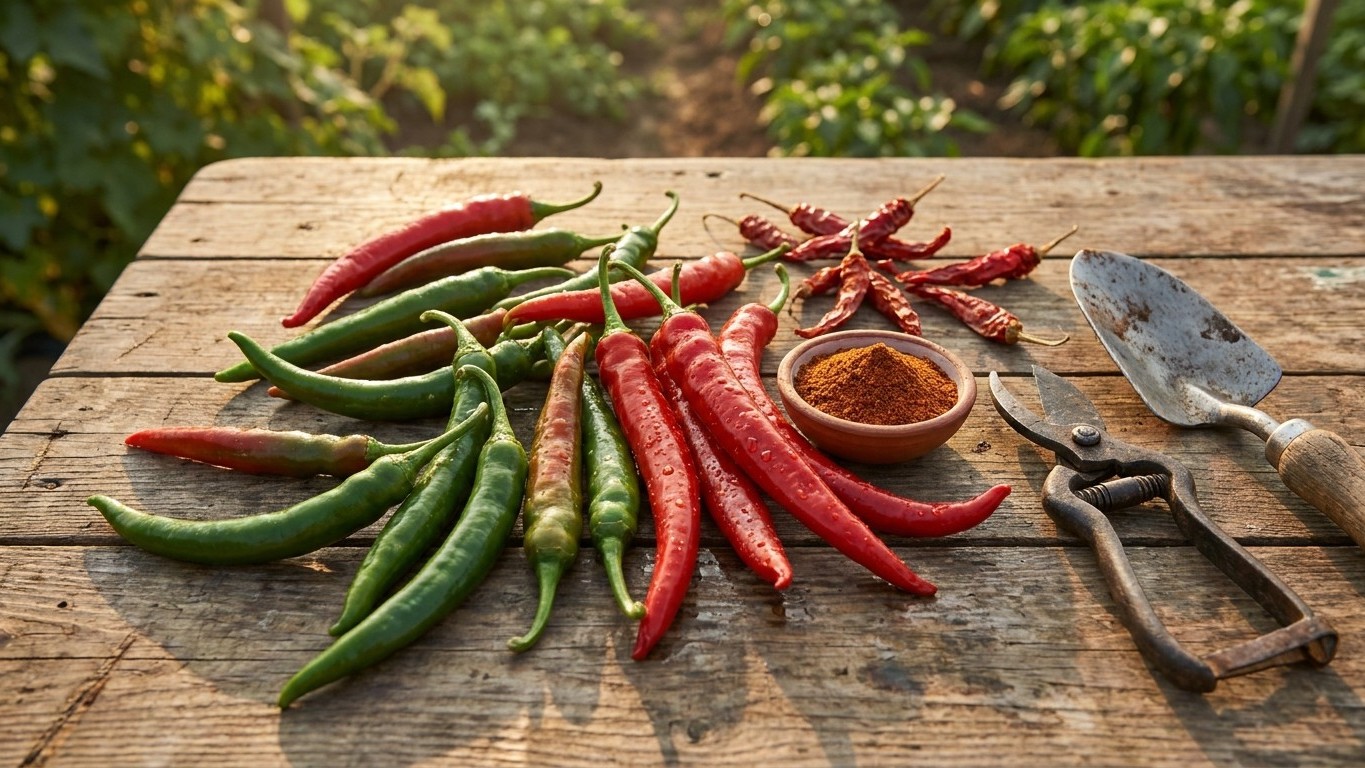
Before any insect shows up, the weather can take a pepper crop apart. At the Salt Lake City reference station, 52.1 days a year reach 90 F or hotter.
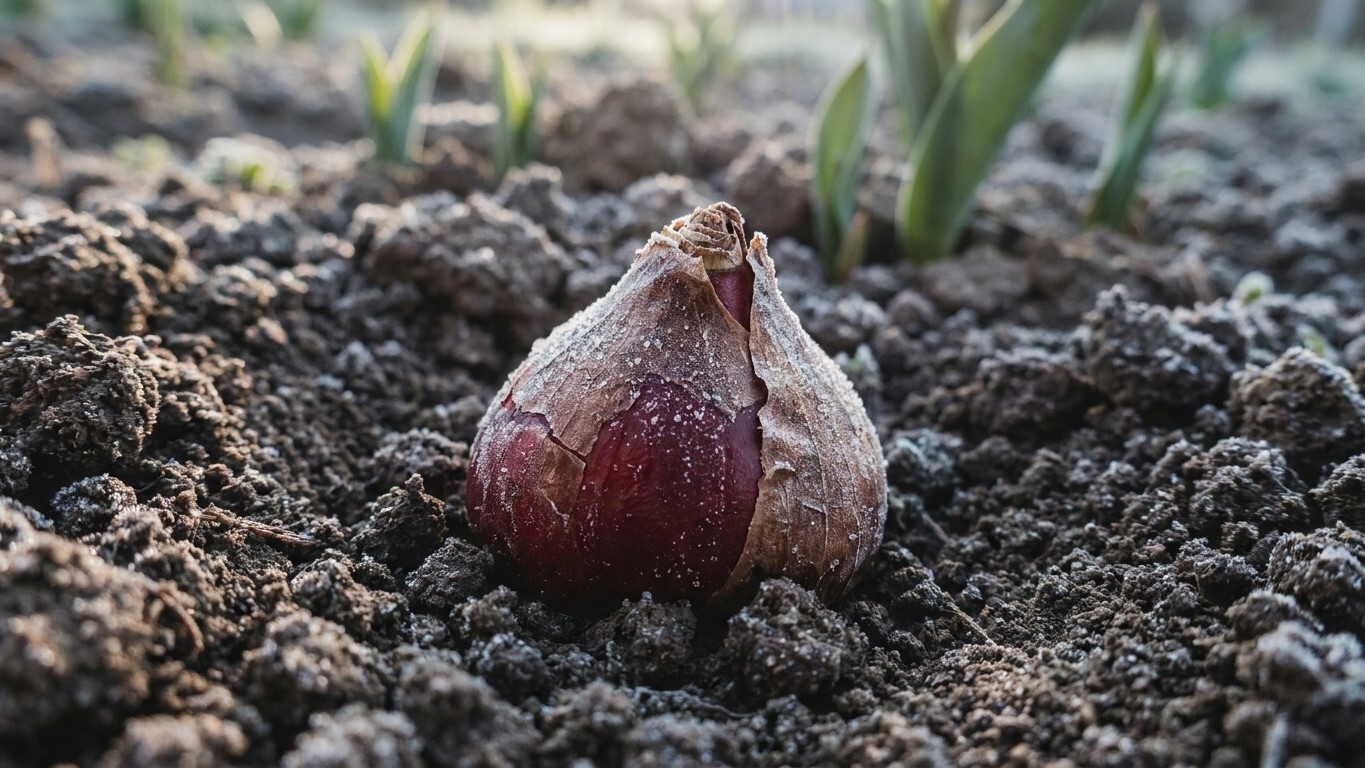
Garlic in Utah gets eaten in two shifts. Underground, wireworms, voles and pocket gophers go after cloves and bulbs from planting through winter.
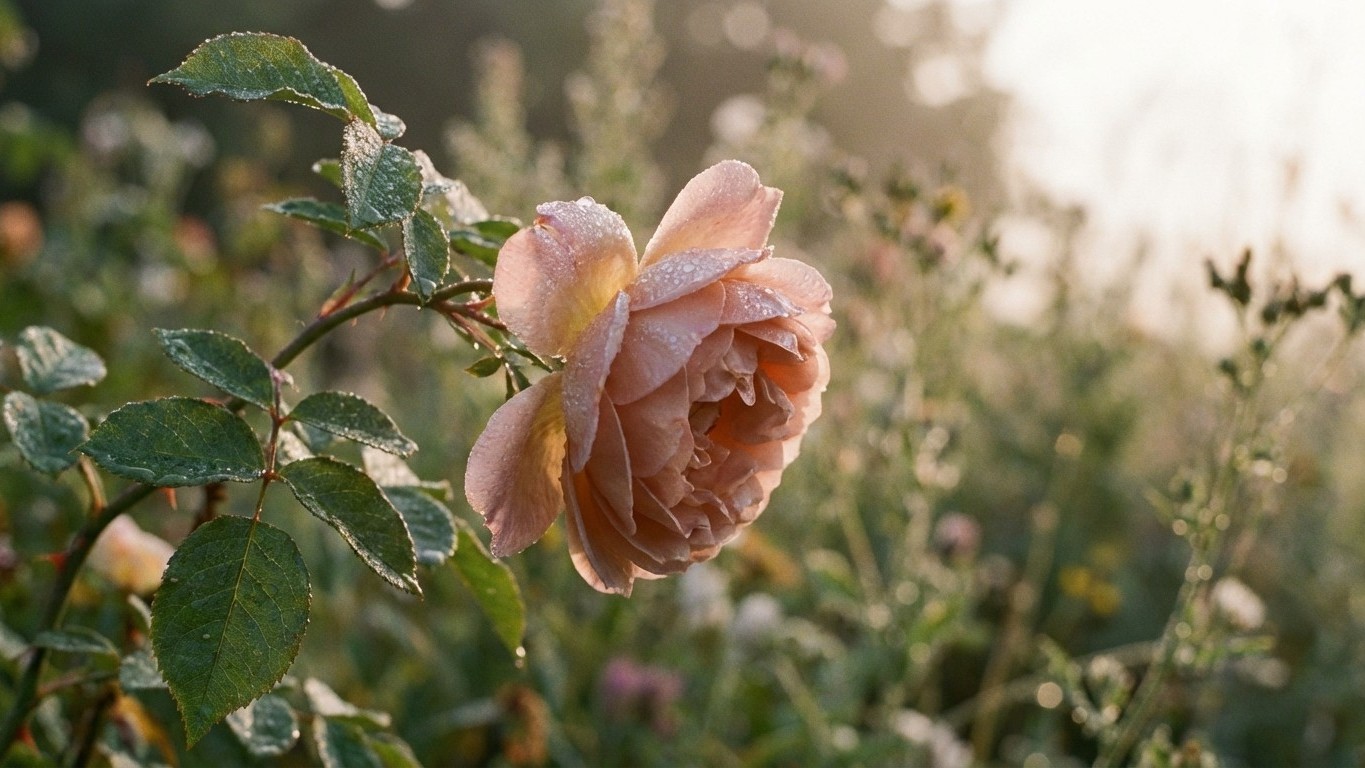
Most Utah gardeners get the best results planting dormant bare-root roses in March or early April, or container roses from mid-April through early…
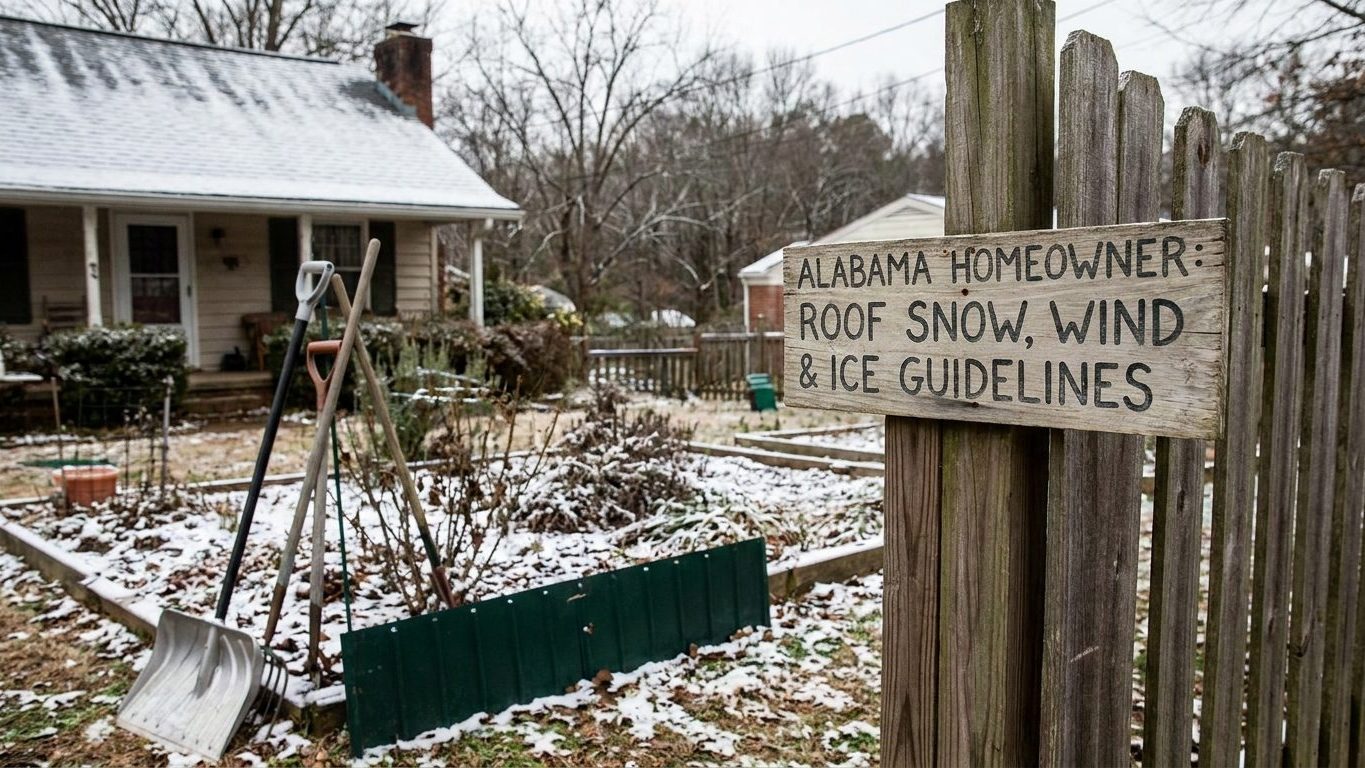
Utah’s roof snow load is set by address, not by city, and this page covers the state’s ground snow, wind speed and ice-barrier rules.