Does Insulation Keep a Home in Vermont Cool?
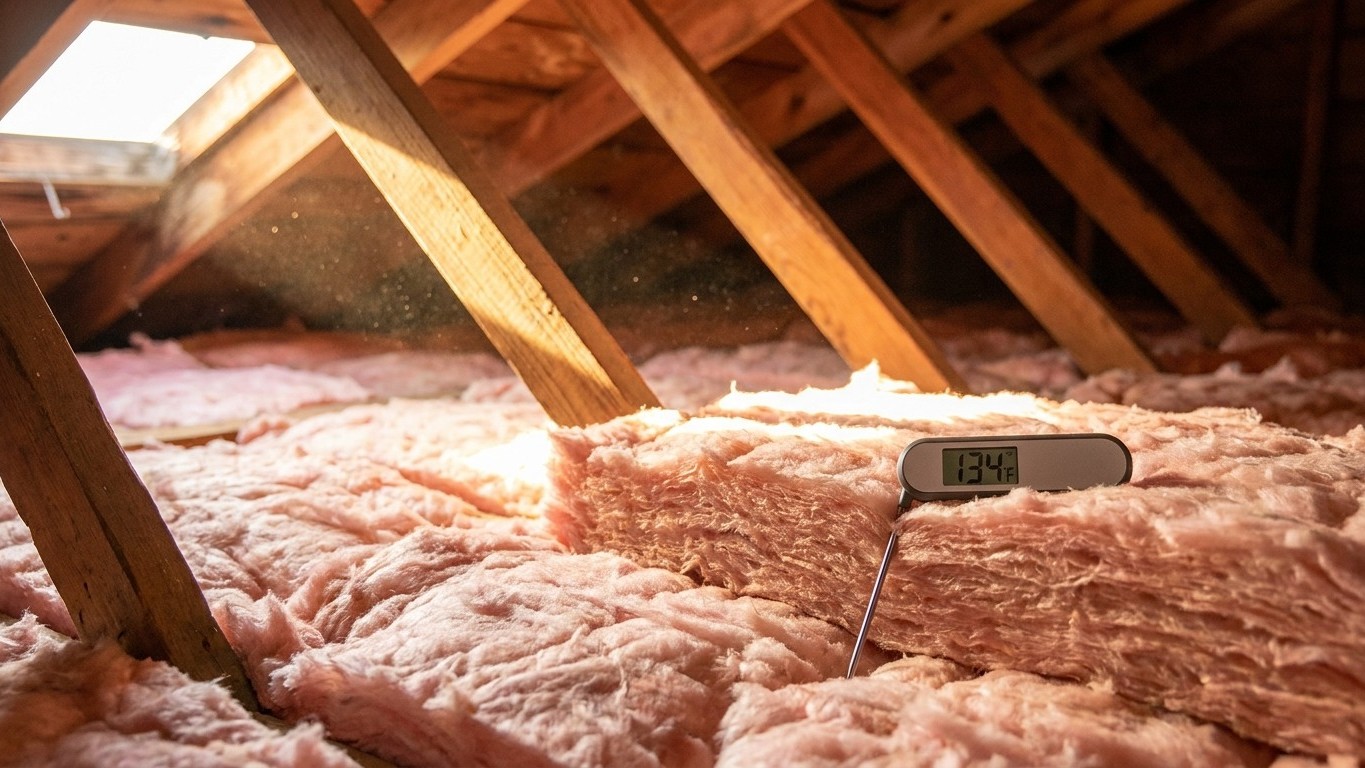
Yes, insulation makes a Vermont home cooler in summer, but the honest answer has a shape: this state’s hot season is short, so the bigger payoff from…
Home & garden, state by state
Everything we have worked out for Vermont: what to plant and when, which varieties finish in time, the pests that actually turn up here, and the jobs that pay off month by month. We also cover the rest of the property, from lawns and soil to home care and energy, because a garden rarely stops at the vegetable bed.
The numbers first, because everything else follows from them. Measured at the weather station in Burlington, the last spring freeze runs April 30 to May 10 and the first fall freeze runs October 3 to October 13, USDA zones 3b-5b, 2,644 growing degree days in the year.
Garlic does well: 30.4 weeks below 40 °F, comfortably past the six it needs to form a proper head.
Elsewhere on the property in Vermont: the pests that turn up here.
Figures from NOAA's 1991-2020 climate normals. A state is not one climate: elevation, a large lake or the coast can move these dates by two weeks either way, so check your own county with the extension service before you spend money.
Yes, insulation makes a Vermont home cooler in summer, but the honest answer has a shape: this state’s hot season is short, so the bigger payoff from…
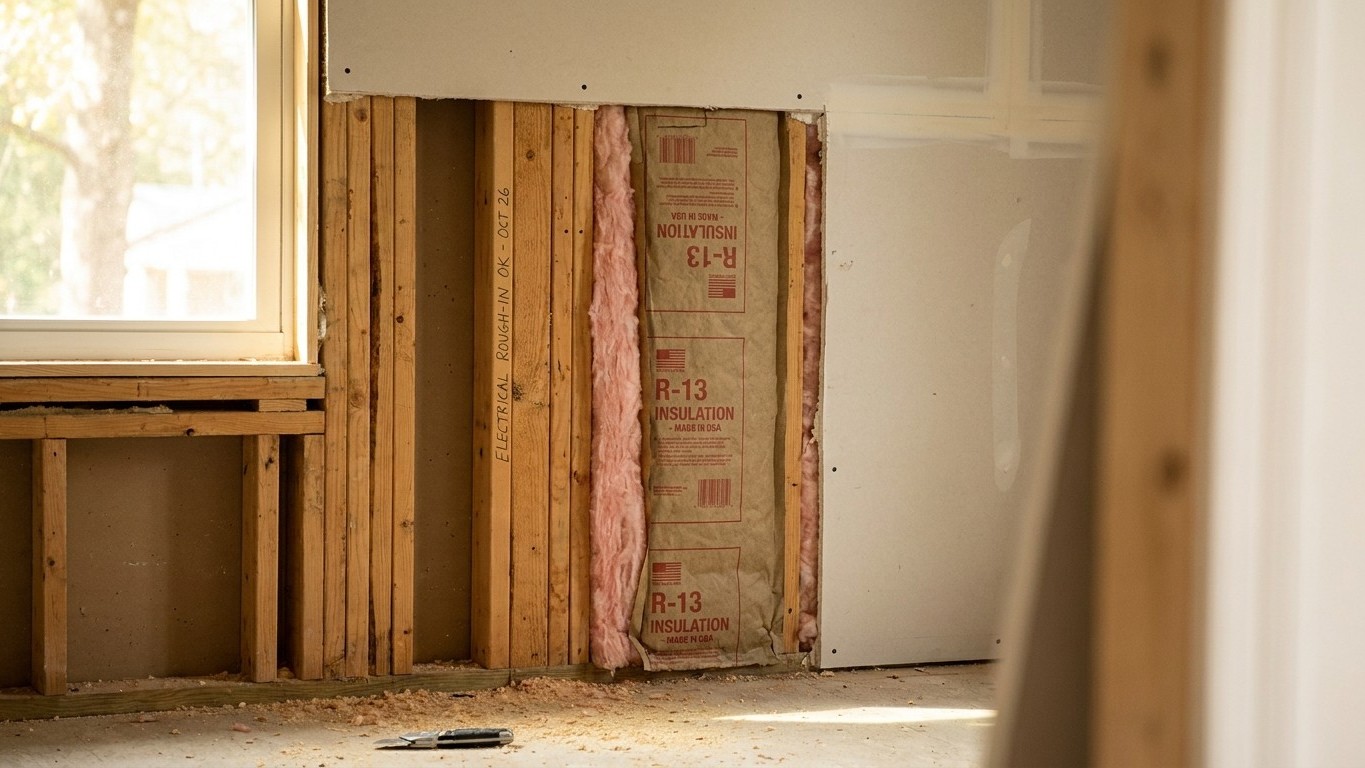
Vermont sits entirely in IECC climate zone 6A, and that single fact settles the question: under the 2021 International Residential Code, a frame wall in…
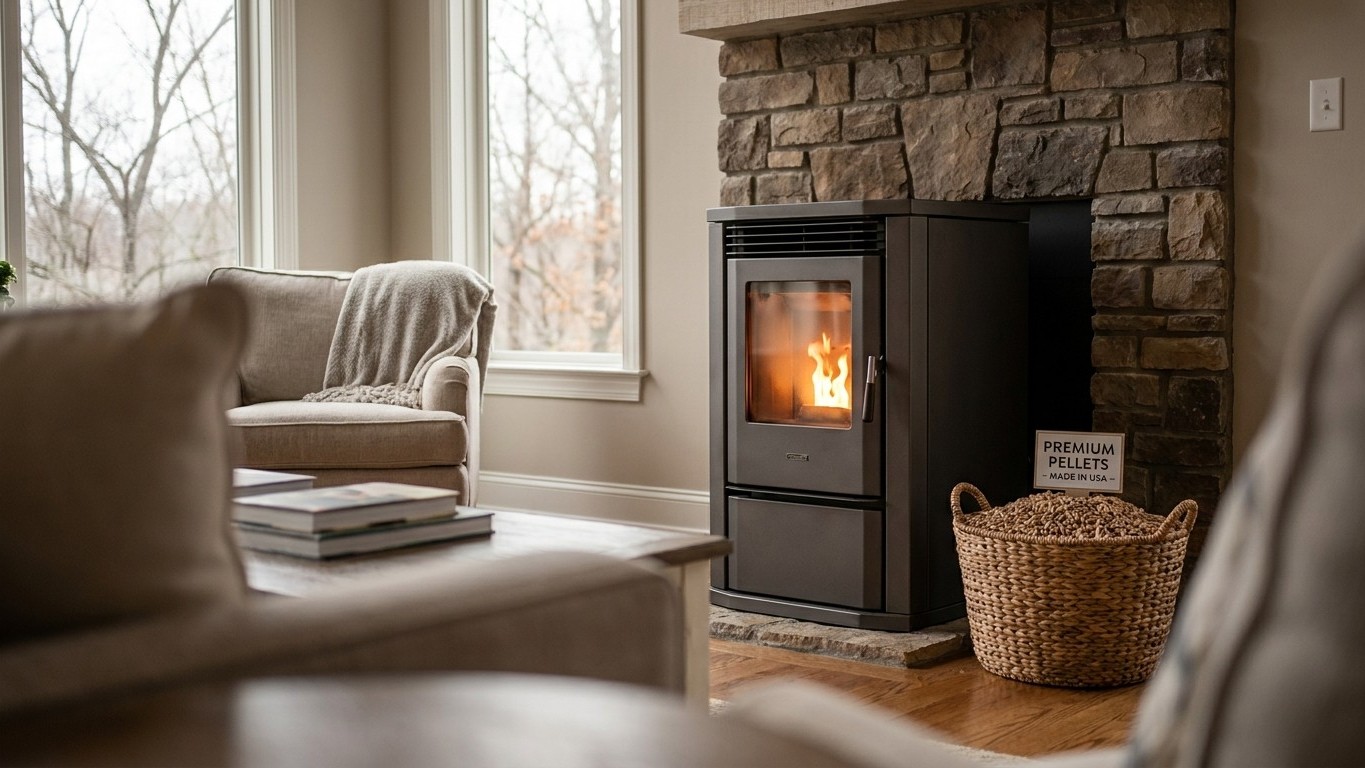
In Burlington, Vermont, winters run up about 6,960 heating degree days a year, one of the coldest tallies in the Northeast.
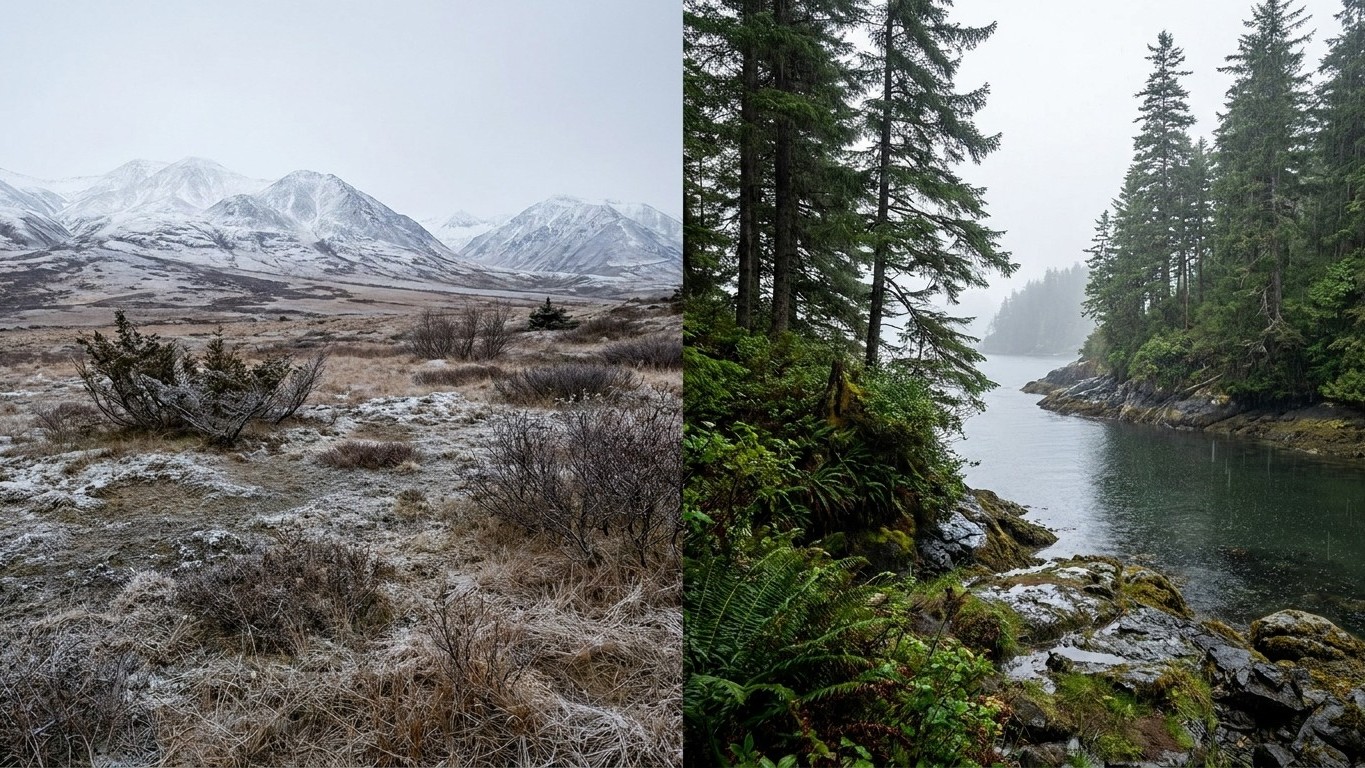
Vermont’s growing conditions run from the mild shoreline of Lake Champlain to the exposed ridgelines of the Green Mountains and the Northeast Kingdom, a…
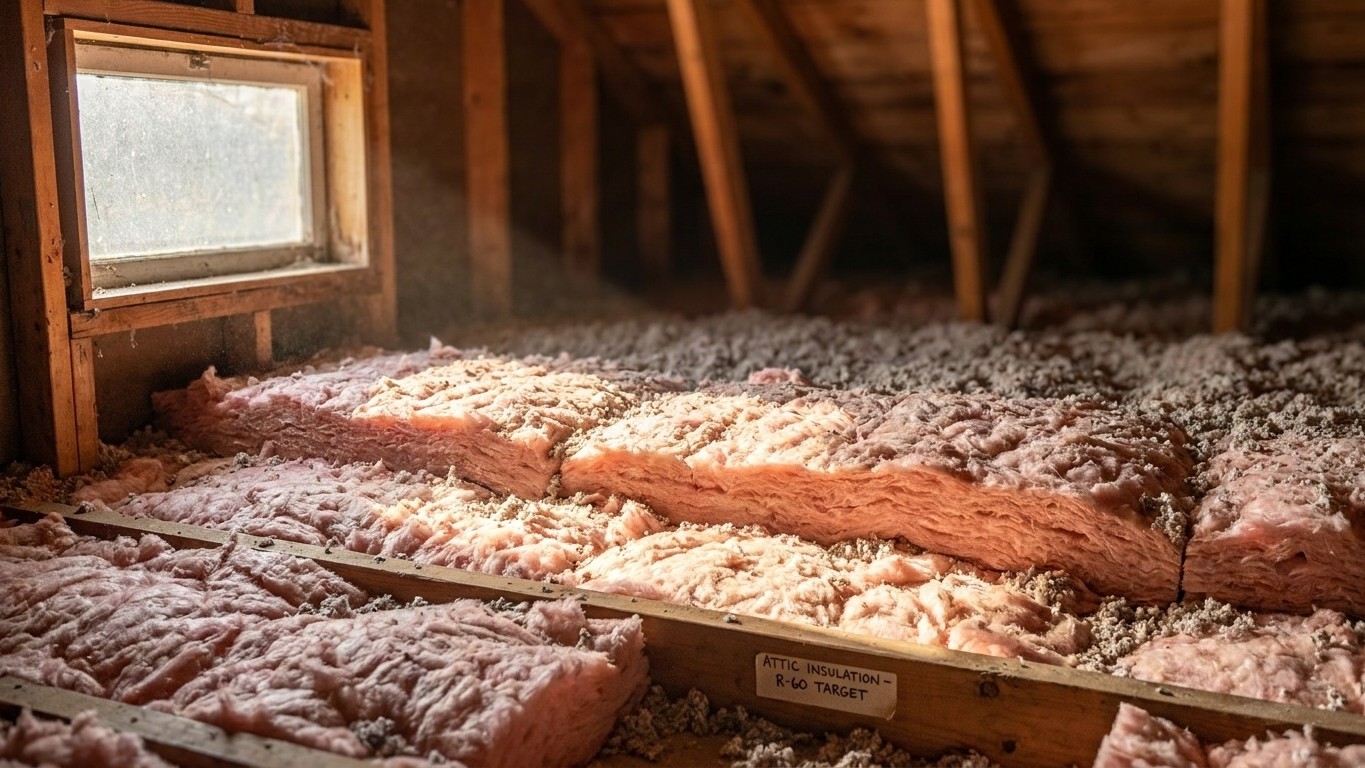
Vermont sits entirely in IECC climate zone 6A, so every county uses the same insulation row: attics need R60 if uninsulated (or R49 if topping up…
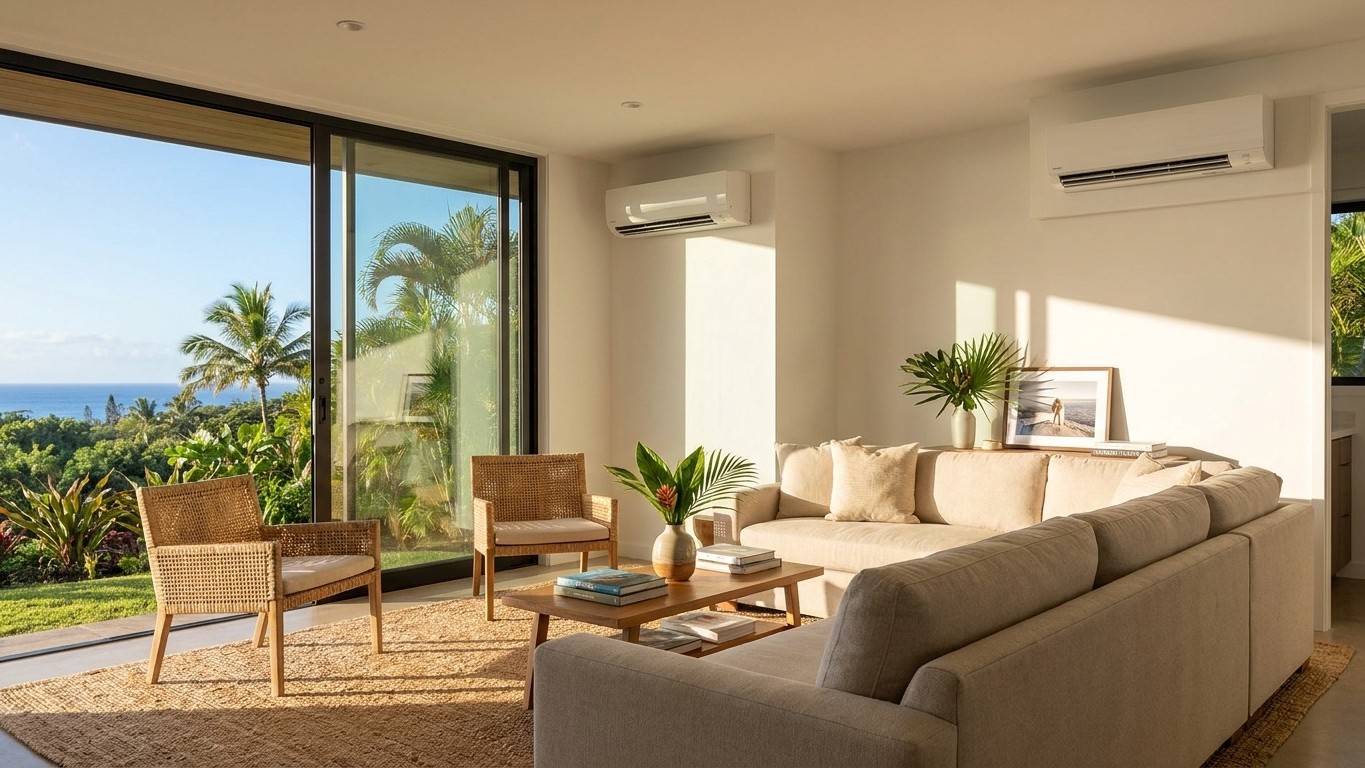
In Vermont, the honest answer is: briefly, and only in June. That’s the single month when the state’s combined heating and cooling demand drops low…
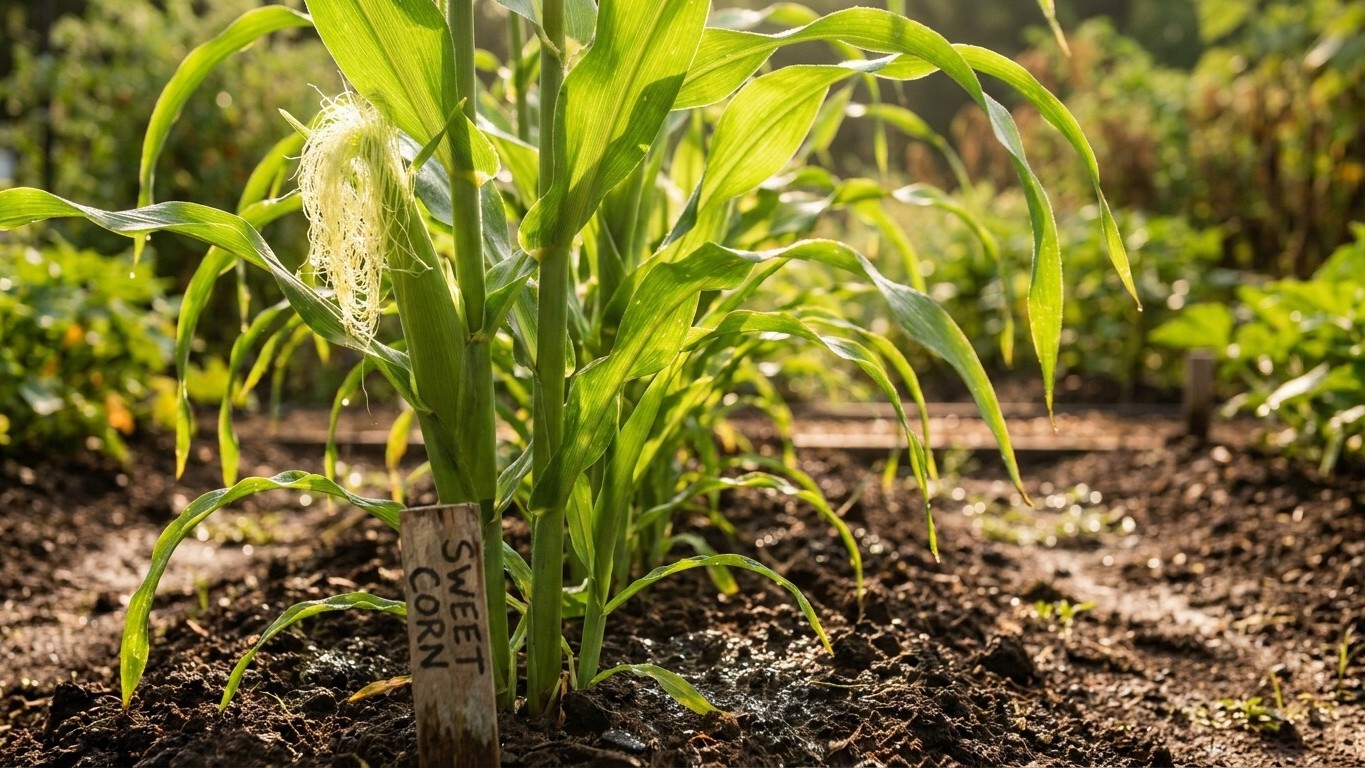
Yes, sweet corn can ripen in Vermont, but only if the calendar math actually works out.
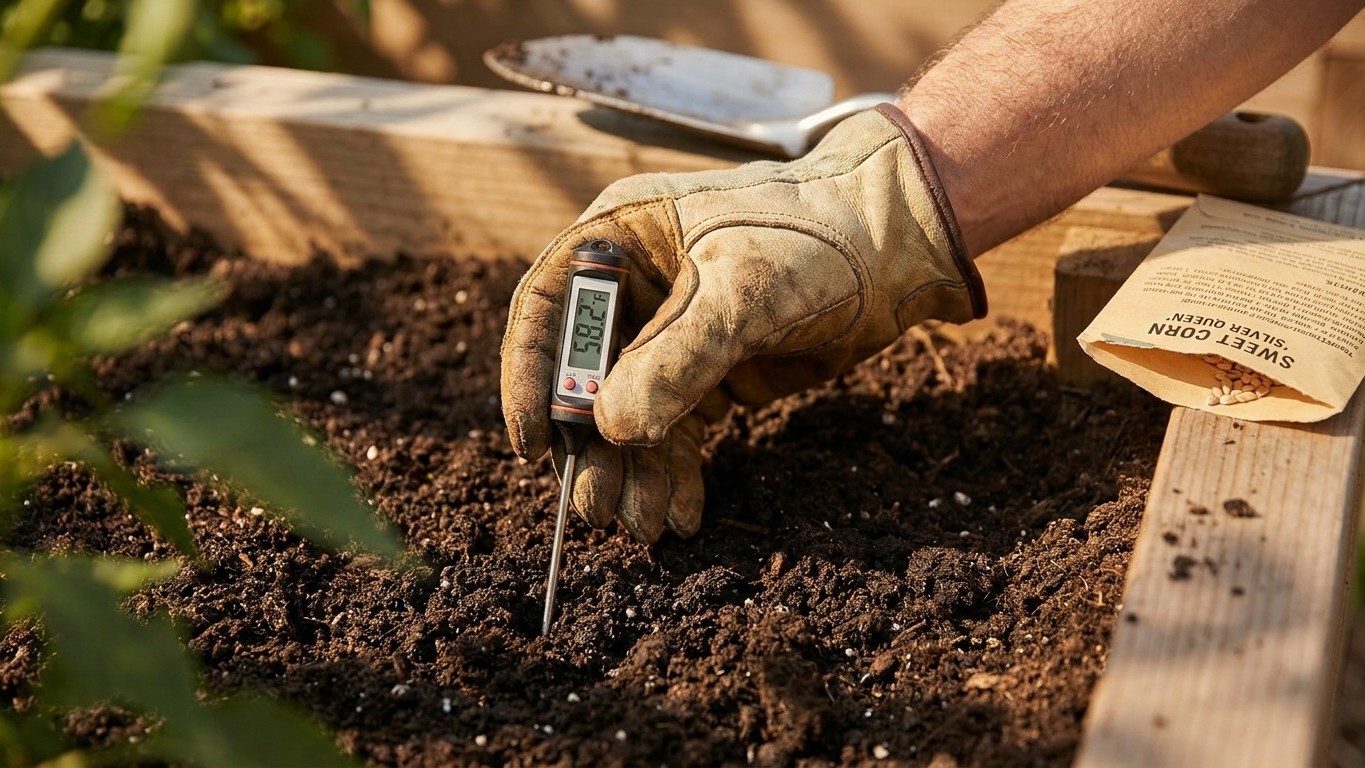
Sweet corn in Vermont goes into the ground once soil temperature holds above 60°F, not on the date of the last frost.
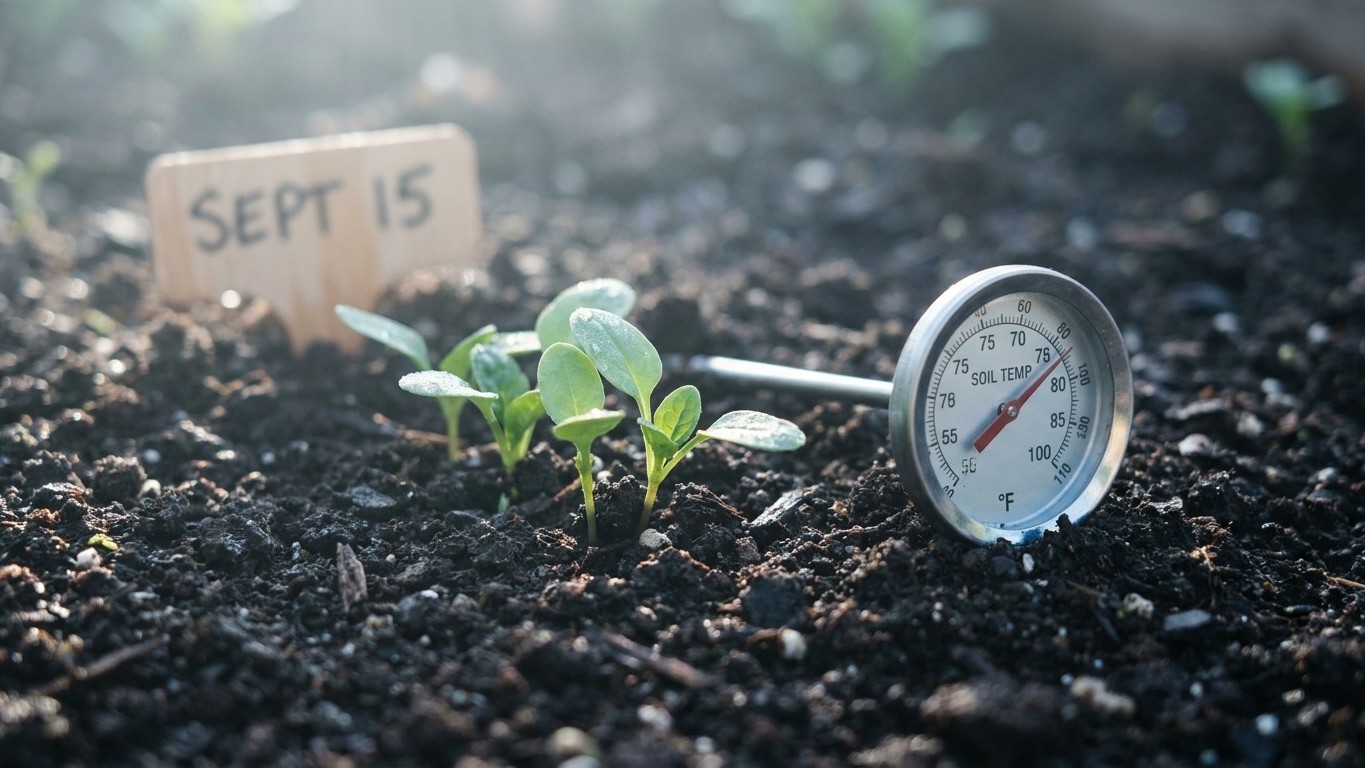
Autumn spinach in Vermont goes into the ground in the second half of July into mid-August, once midsummer soil has cooled and there’s still enough…
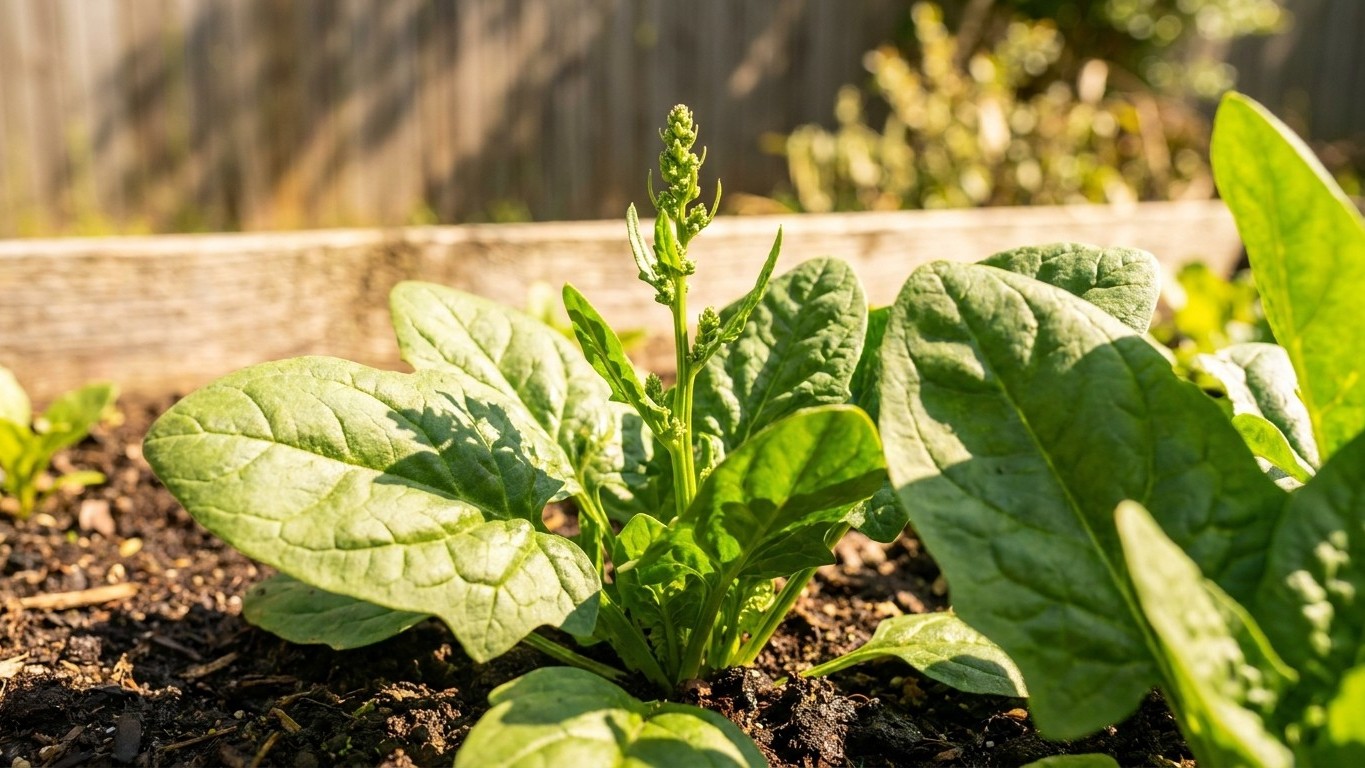
Yes, spinach in Vermont bolts early, and the reason is day length, not heat. On the summer solstice, Burlington sees 15 hours and 22 minutes of daylight…