What Eats Onion in Vermont, and When
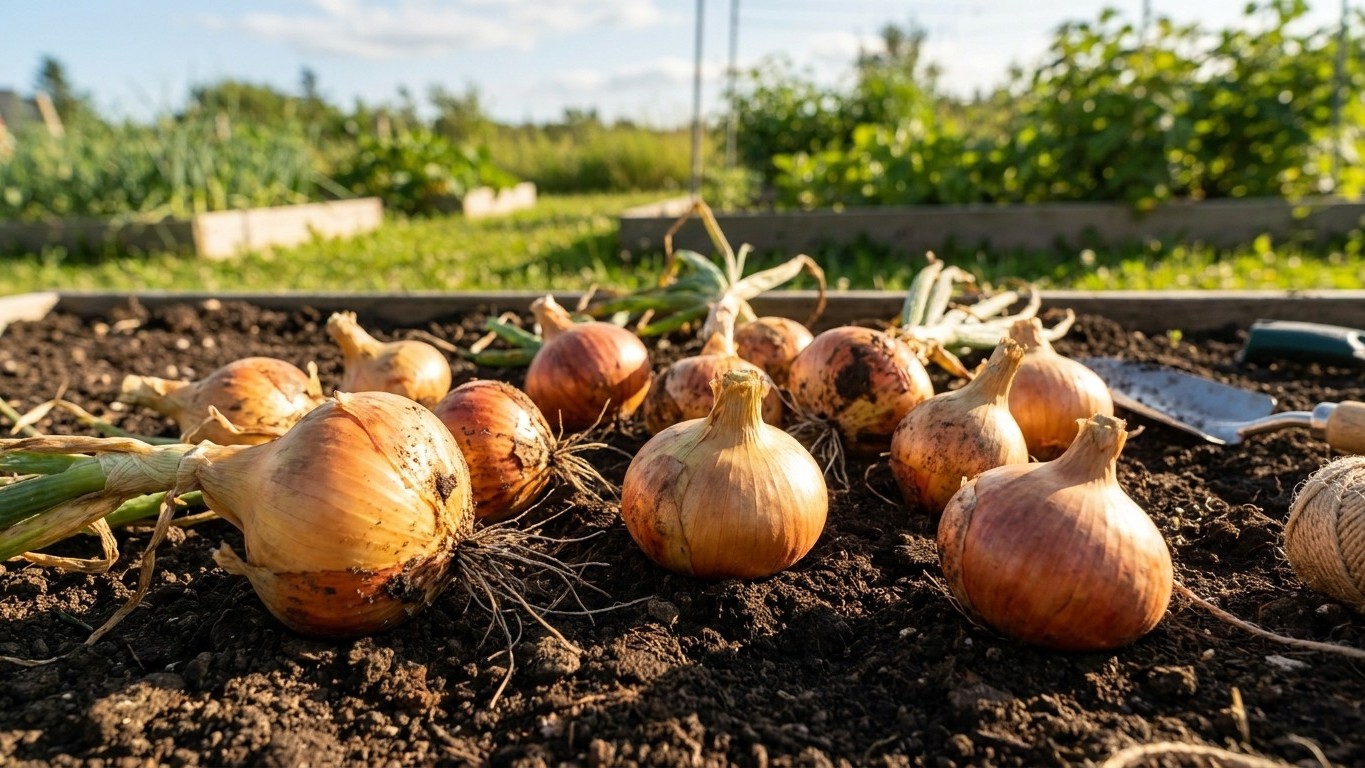
Three things eat onions in Vermont, and they show up in order: onion maggots in spring, thrips through the dry stretches of summer, and storage rot from…
Home & garden, state by state
Everything we have worked out for Vermont: what to plant and when, which varieties finish in time, the pests that actually turn up here, and the jobs that pay off month by month. We also cover the rest of the property, from lawns and soil to home care and energy, because a garden rarely stops at the vegetable bed.
The numbers first, because everything else follows from them. Measured at the weather station in Burlington, the last spring freeze runs April 30 to May 10 and the first fall freeze runs October 3 to October 13, USDA zones 3b-5b, 2,644 growing degree days in the year.
Garlic does well: 30.4 weeks below 40 °F, comfortably past the six it needs to form a proper head.
Elsewhere on the property in Vermont: the pests that turn up here.
Figures from NOAA's 1991-2020 climate normals. A state is not one climate: elevation, a large lake or the coast can move these dates by two weeks either way, so check your own county with the extension service before you spend money.
Three things eat onions in Vermont, and they show up in order: onion maggots in spring, thrips through the dry stretches of summer, and storage rot from…
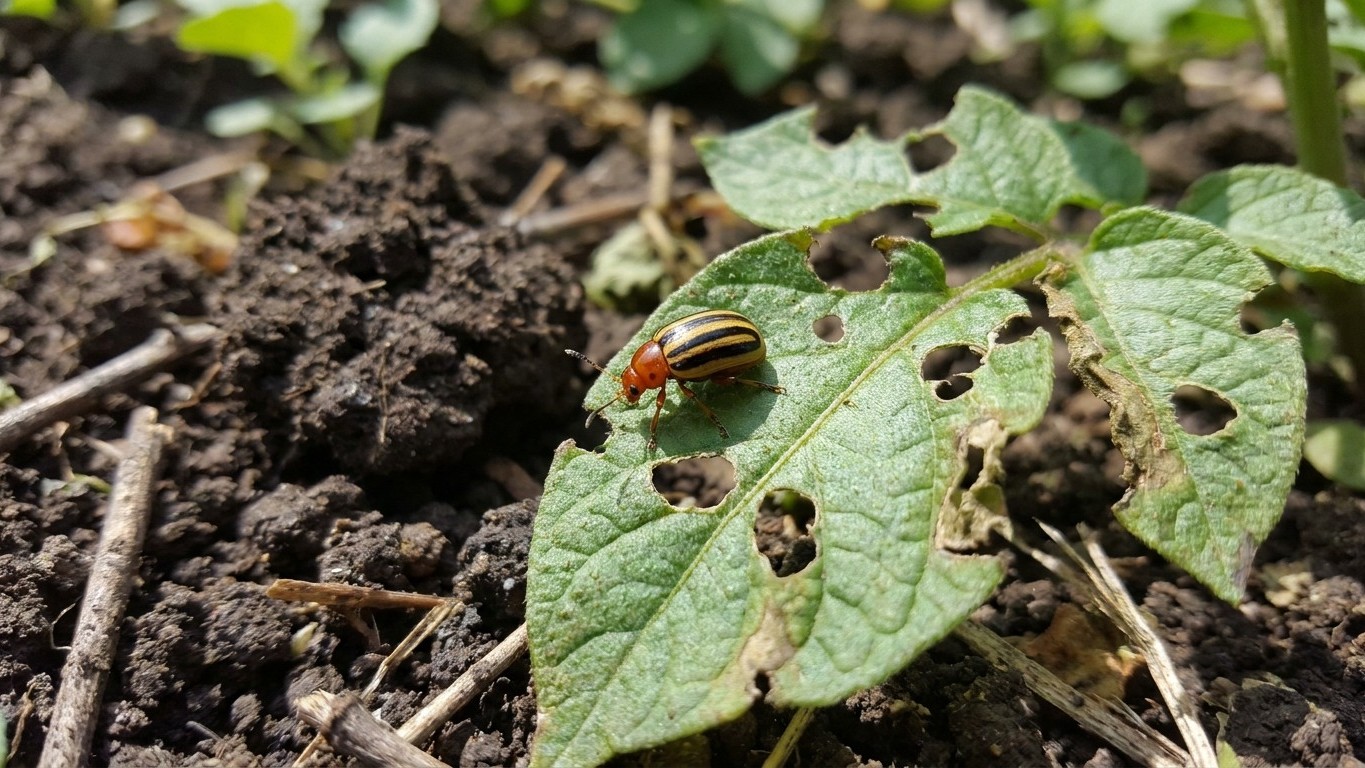
Of the pests the University of Vermont Extension documents in the state, three actually go after potatoes: Colorado potato beetle, flea beetles and white…
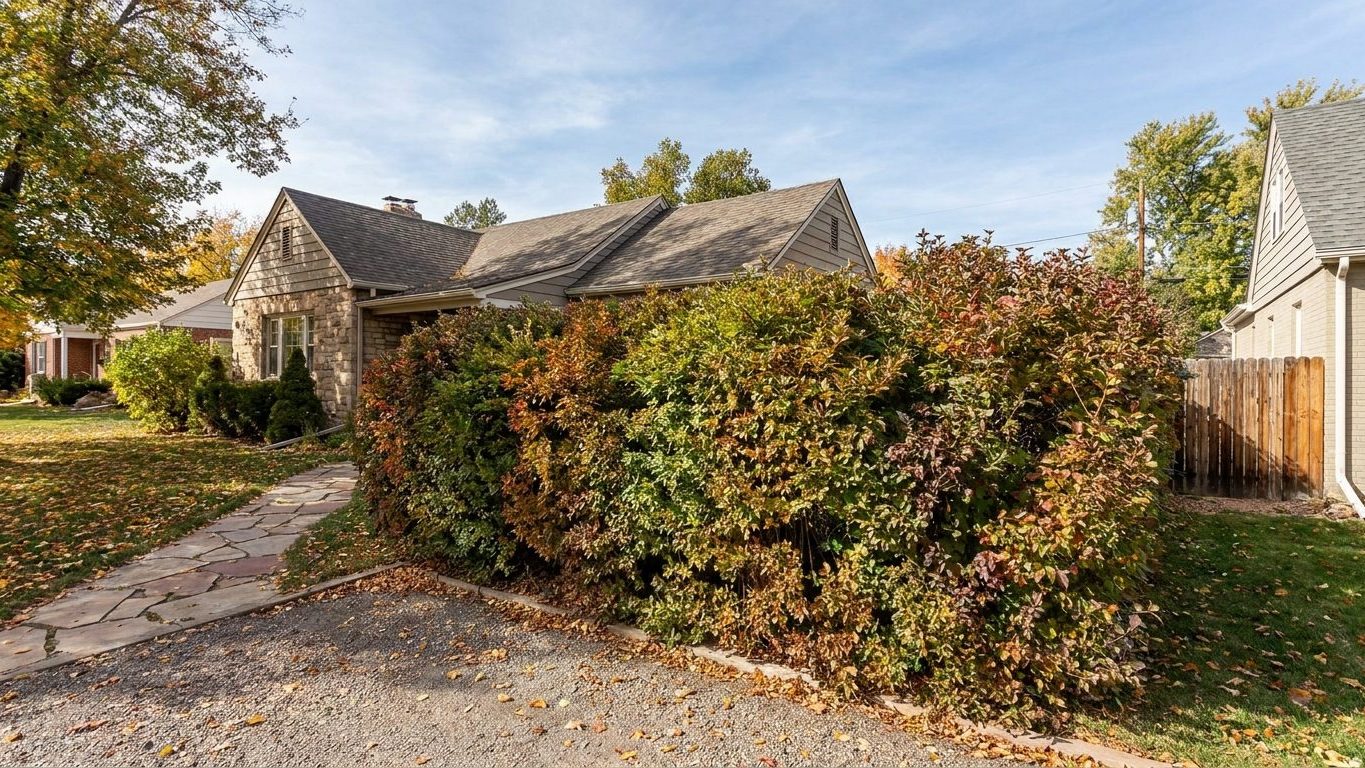
Short answer: Vermont has no statewide hedge height limit. No state statute sets a number in feet for how tall a hedge, fence, or living screen can grow.
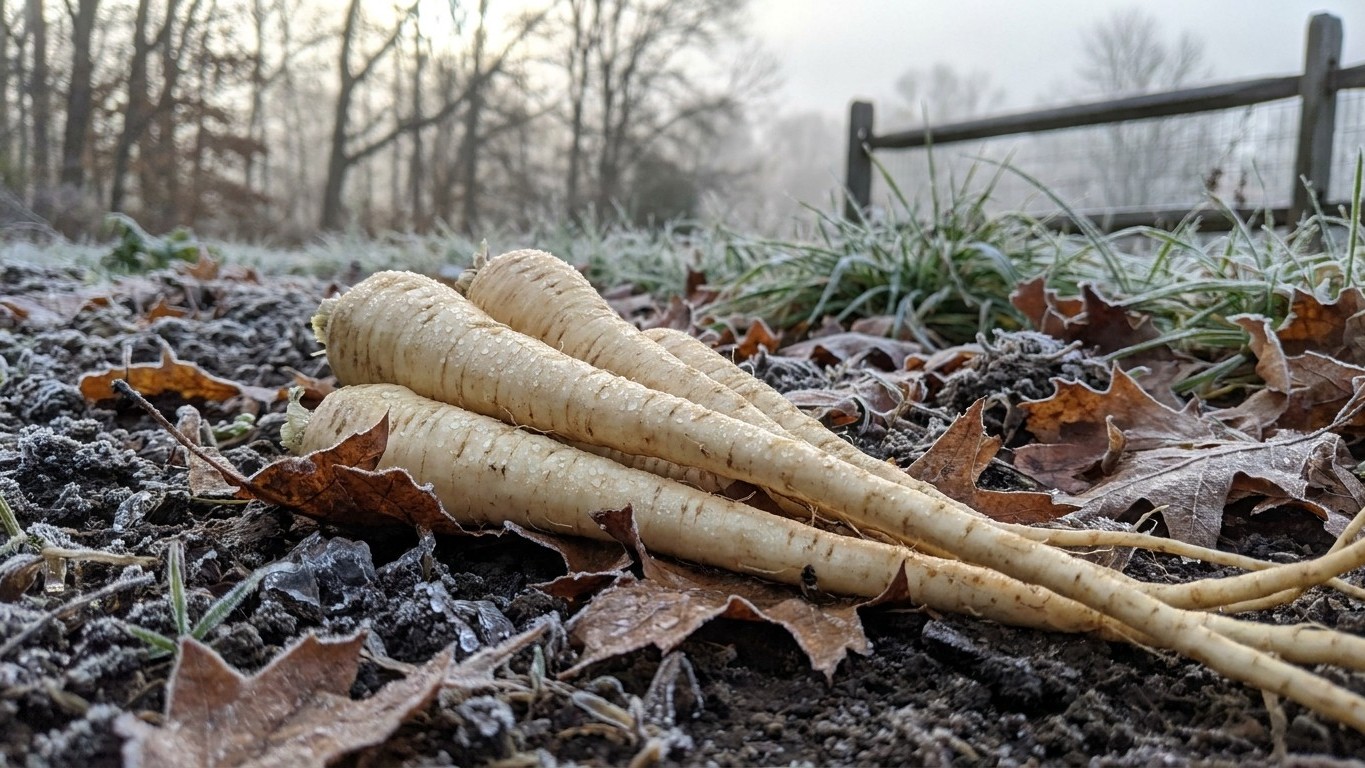
Vermont gardeners lose parsnip roots and seedlings to three main insects: flea beetles, white grubs, and dark-winged fungus gnats.
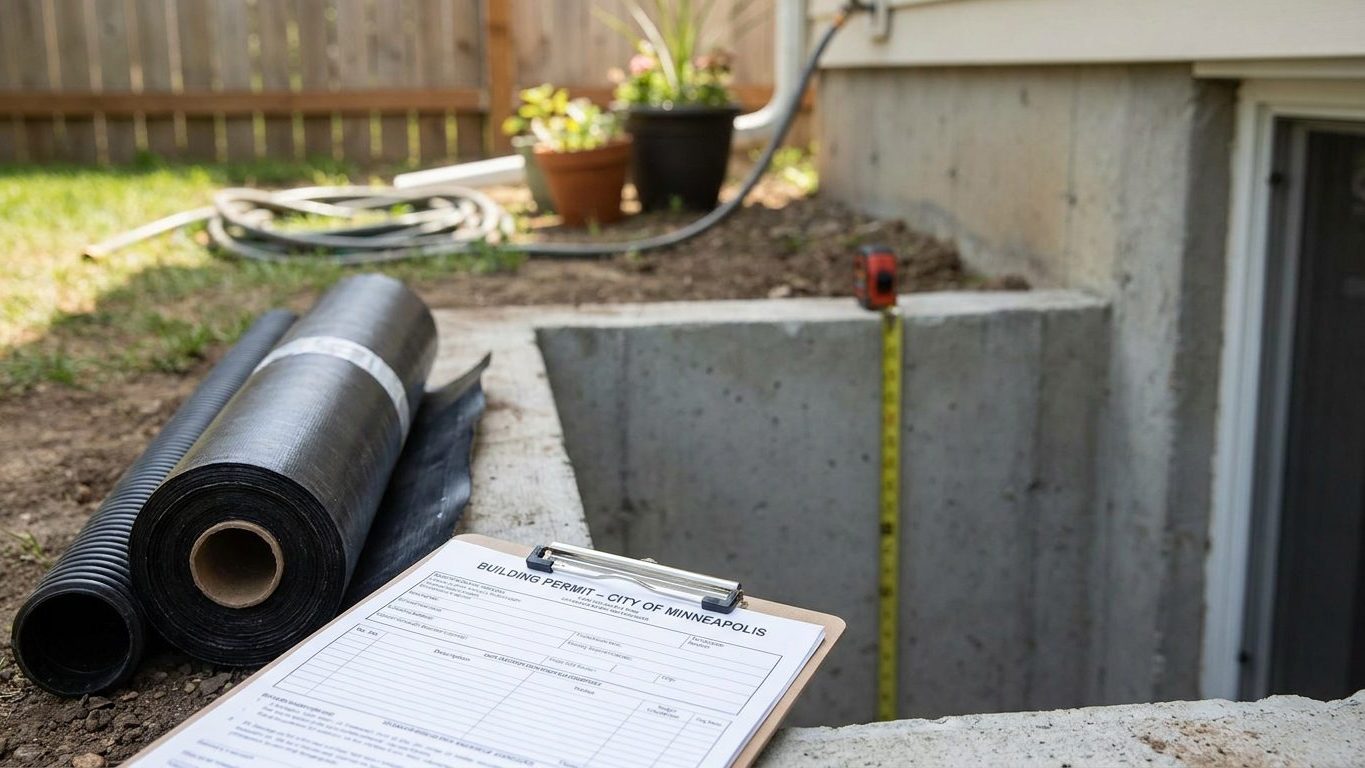
Vermont sets no statewide basement code, so permits, ceiling height, and egress rules come from your town, with only the energy standard applying statewide.
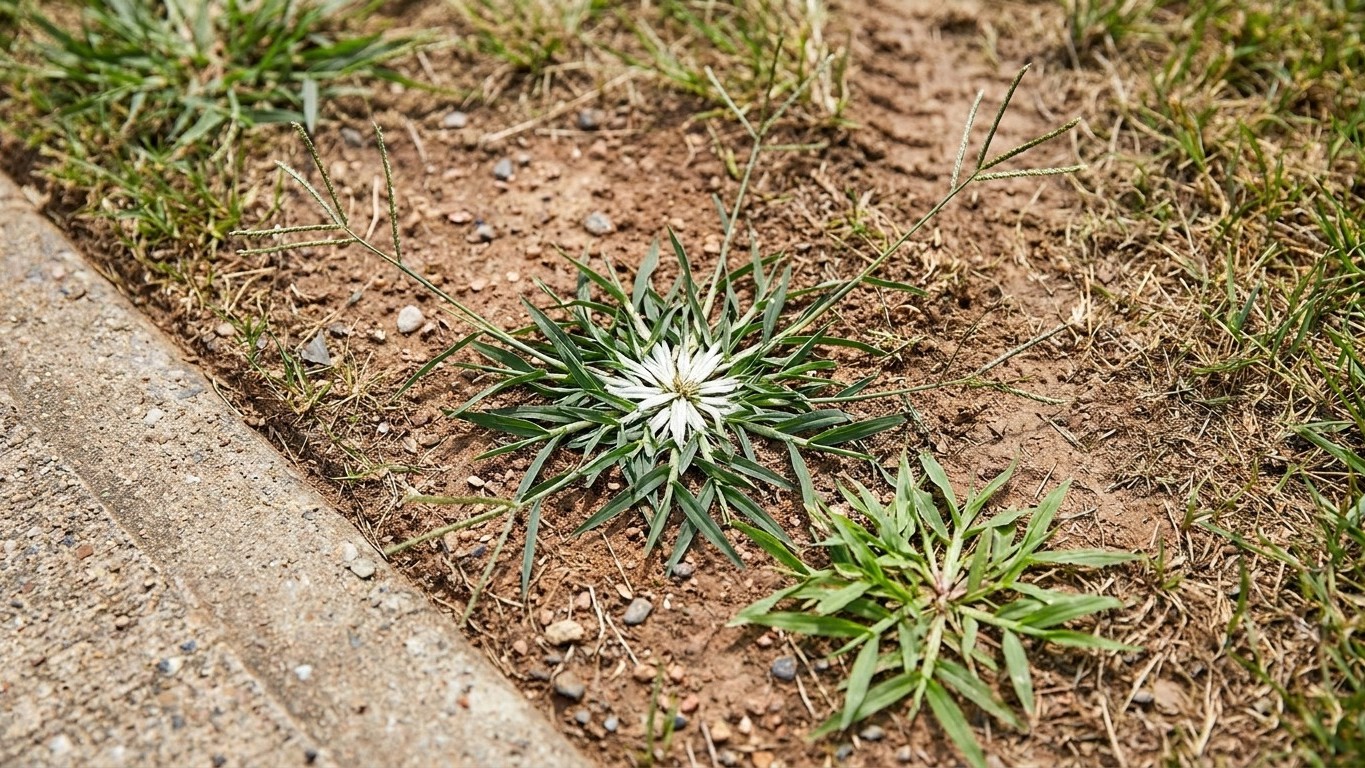
In most of Vermont, the window for overseeding a cool-season lawn runs from mid-August to early September, closing by mid-September in the Northeast…
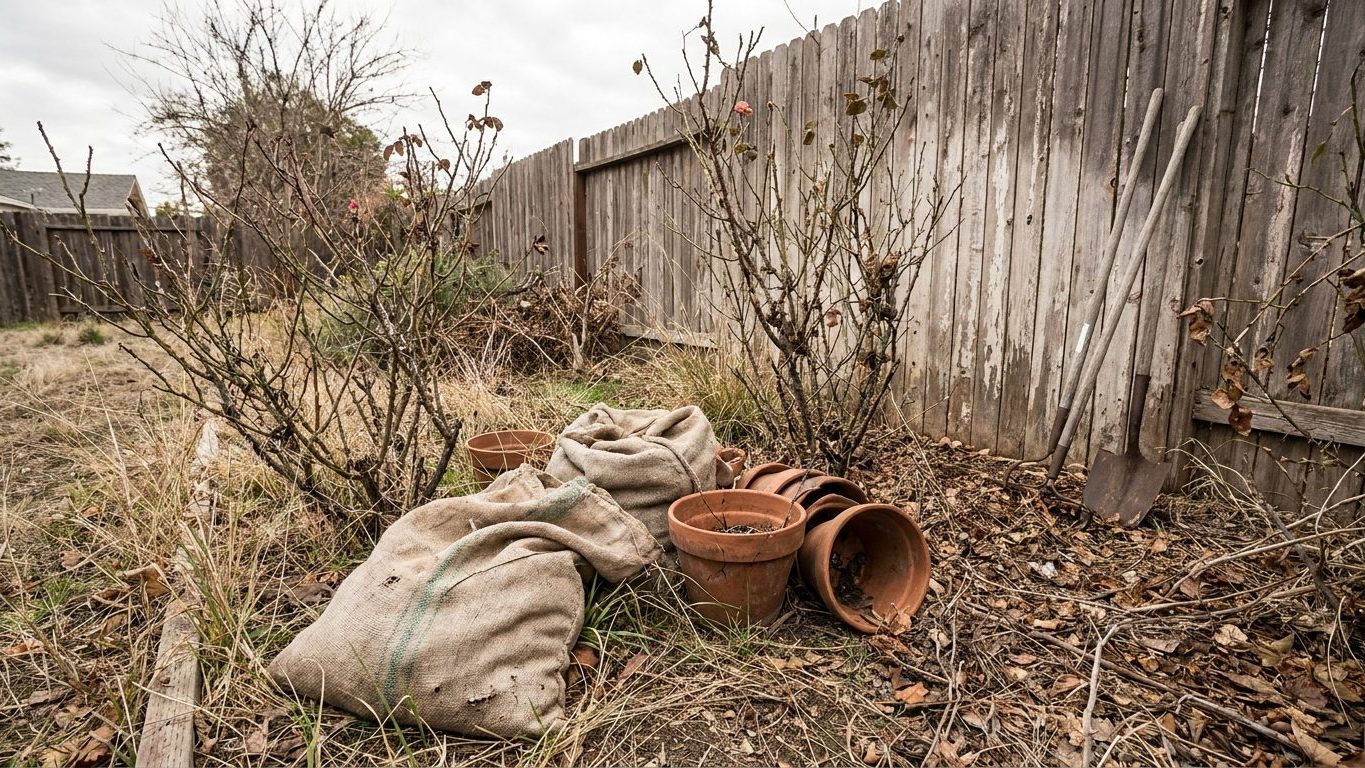
In Burlington, Vermont, the last spring frost typically falls between April 30 and May 10, and the first fall frost arrives between October 3 and October…
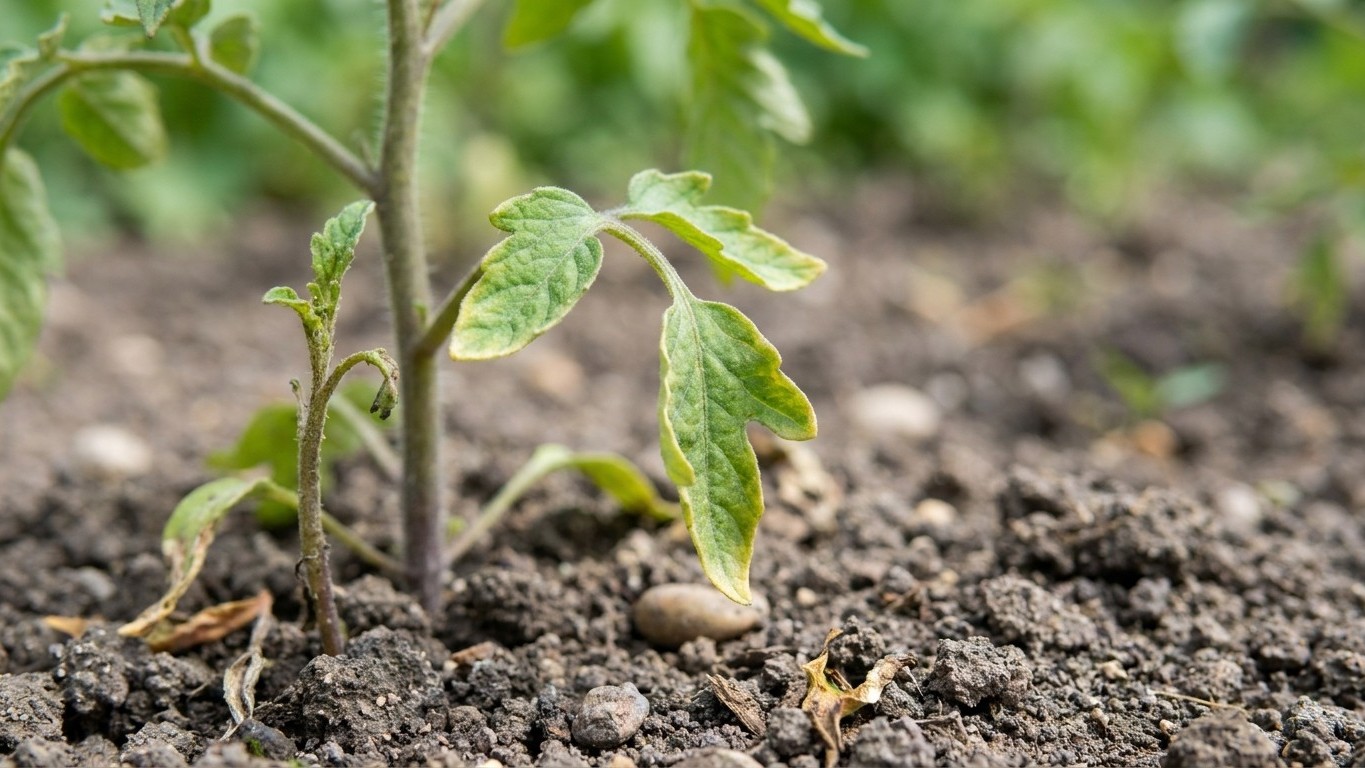
The short answer: most Vermont gardeners start picking tomatoes as soon as the fruit shows color, and switch to picking everything green once frost is…
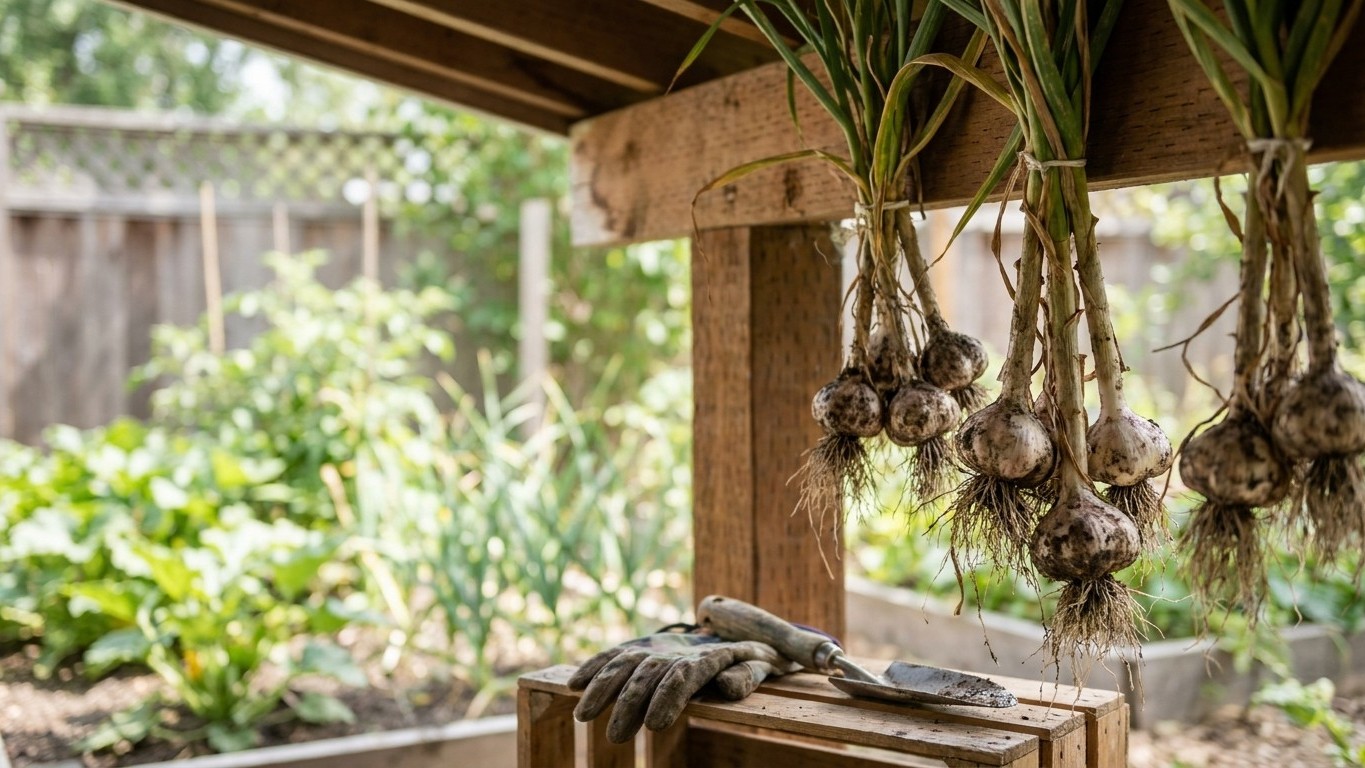
Garlic in Vermont comes out of the ground once the bottom leaves have died back but the top ones are still standing green, usually in the thick of summer…
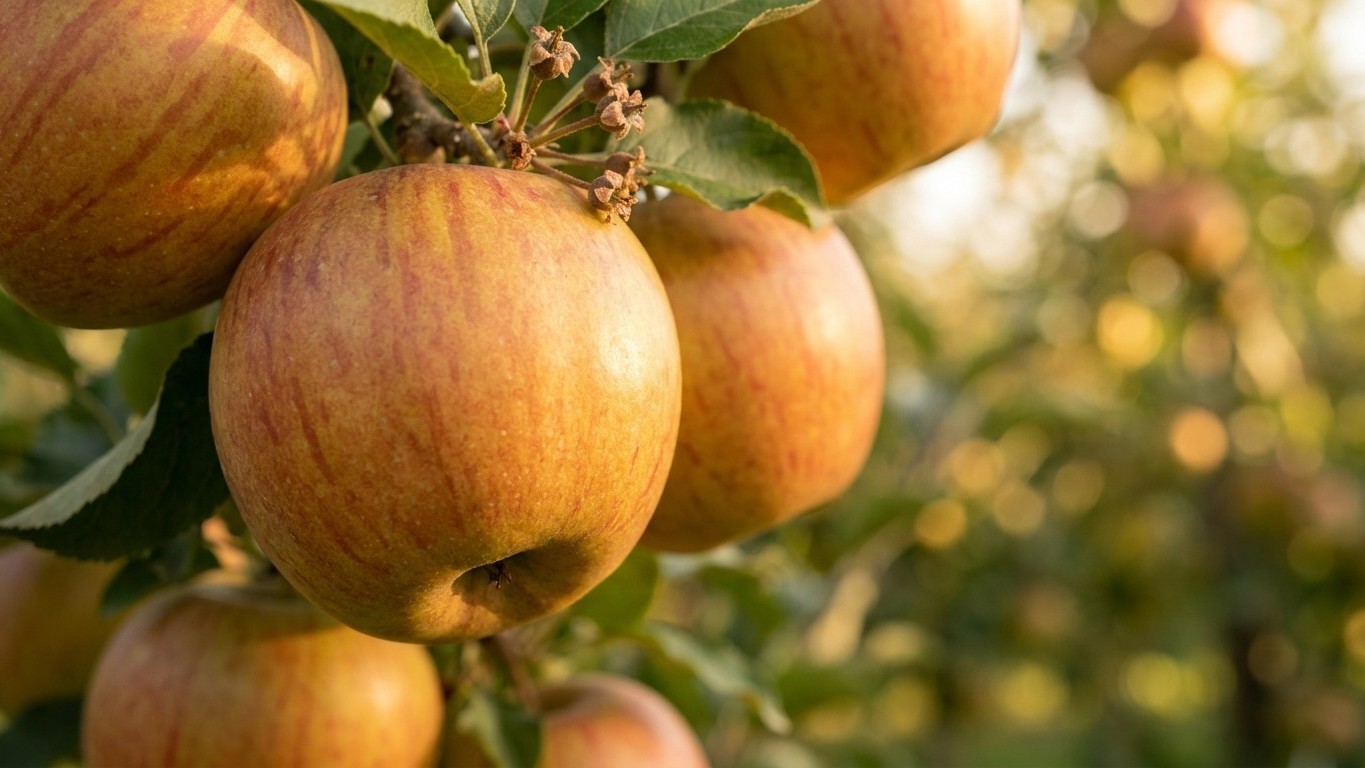
Most Vermont apples are ready between early September and mid-October, with exact timing set by variety and by how close an orchard sits to the state’s…