Growing Spinach in Vermont: When Will It Bolt?
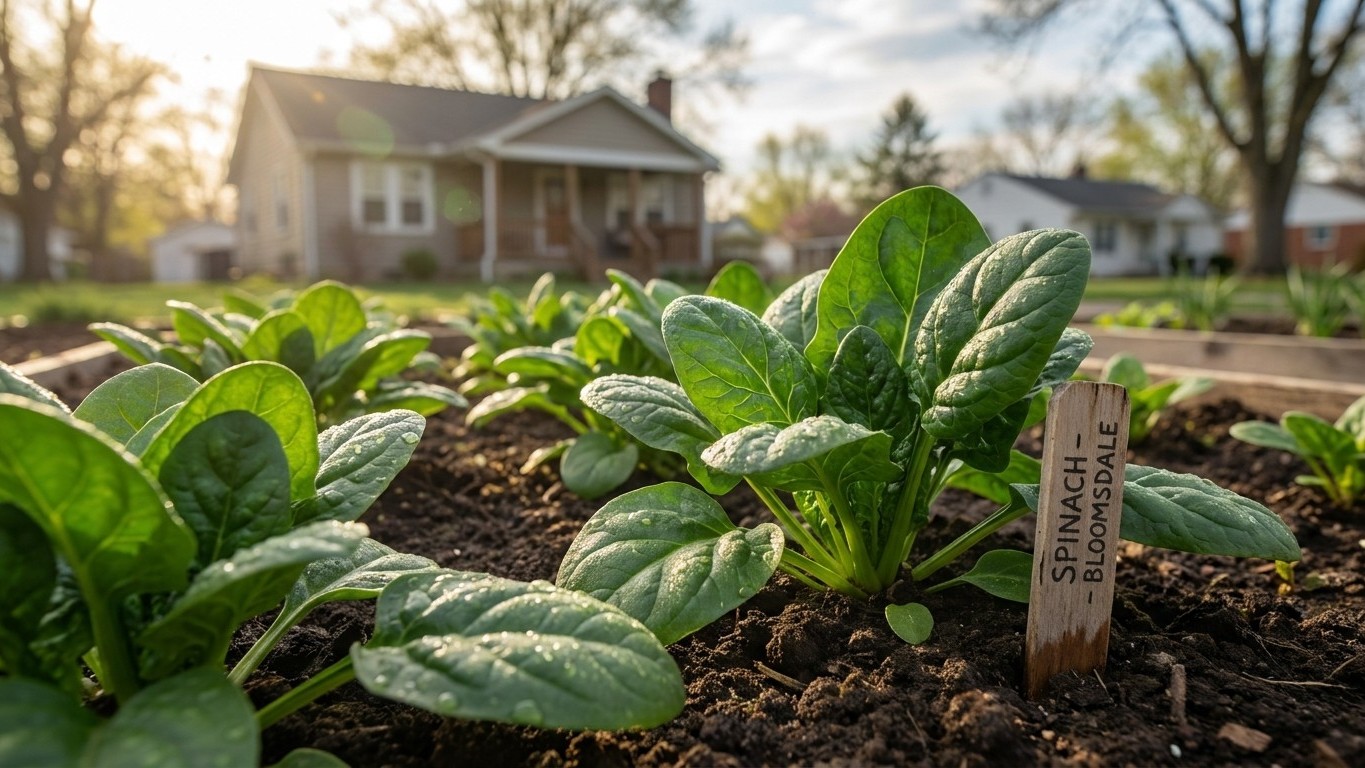
Vermont spinach bolts once the days grow long and stretch toward the solstice, not because of any heat wave.
Home & garden, state by state
Everything we have worked out for Vermont: what to plant and when, which varieties finish in time, the pests that actually turn up here, and the jobs that pay off month by month. We also cover the rest of the property, from lawns and soil to home care and energy, because a garden rarely stops at the vegetable bed.
The numbers first, because everything else follows from them. Measured at the weather station in Burlington, the last spring freeze runs April 30 to May 10 and the first fall freeze runs October 3 to October 13, USDA zones 3b-5b, 2,644 growing degree days in the year.
Garlic does well: 30.4 weeks below 40 °F, comfortably past the six it needs to form a proper head.
Elsewhere on the property in Vermont: the pests that turn up here.
Figures from NOAA's 1991-2020 climate normals. A state is not one climate: elevation, a large lake or the coast can move these dates by two weeks either way, so check your own county with the extension service before you spend money.
Vermont spinach bolts once the days grow long and stretch toward the solstice, not because of any heat wave.
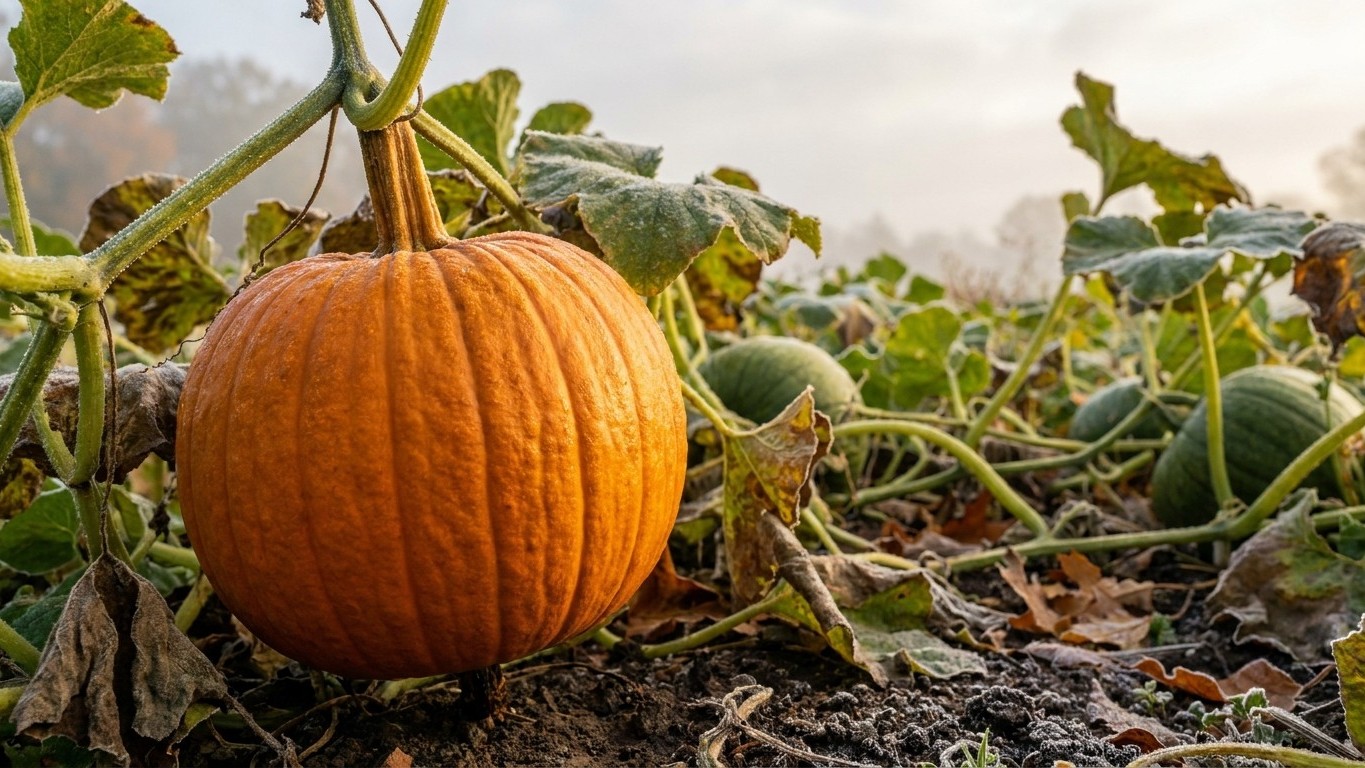
If you garden anywhere near Burlington, the math works in your favor most years, but only if the last flowers on the vine open before mid-to-late August.
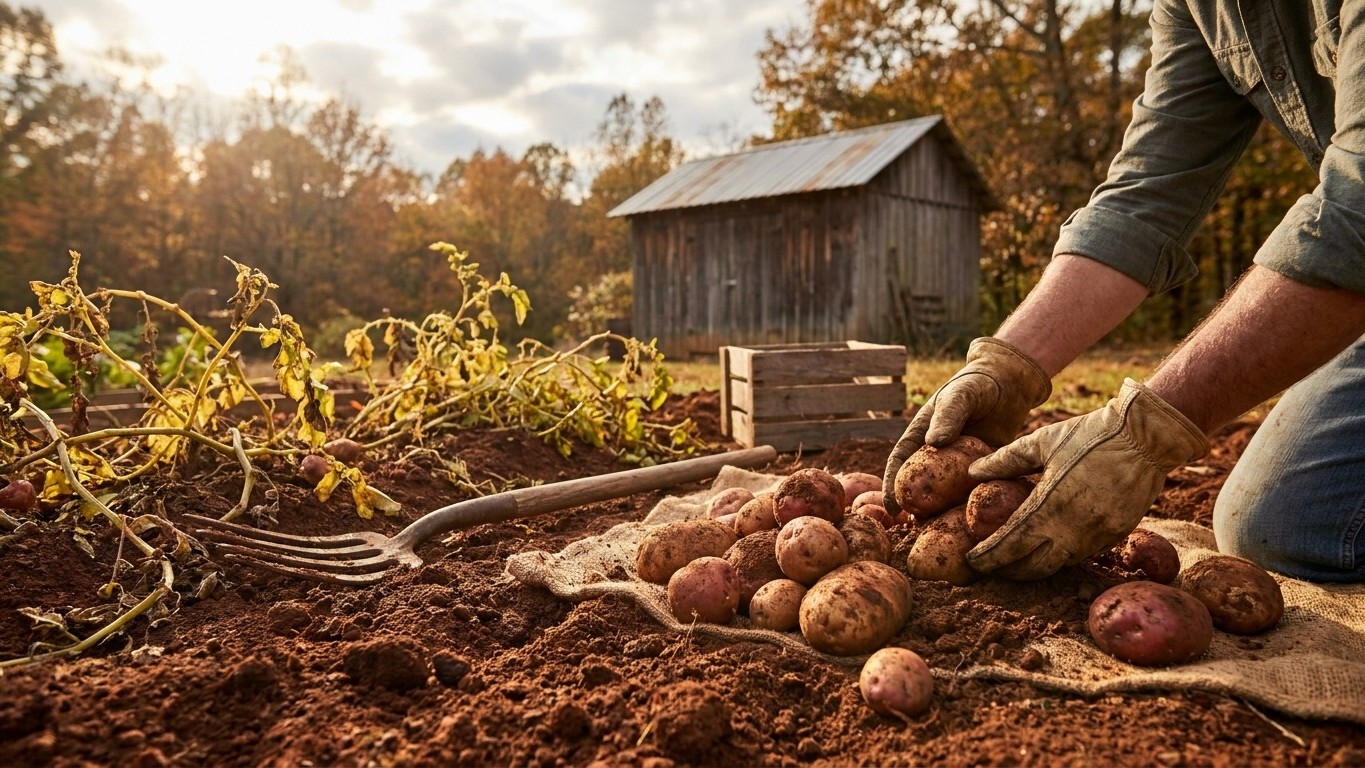
Vermont’s first fall frost lands anywhere from October 3 to October 13 depending on the year, based on the Burlington climate record, so the digging…
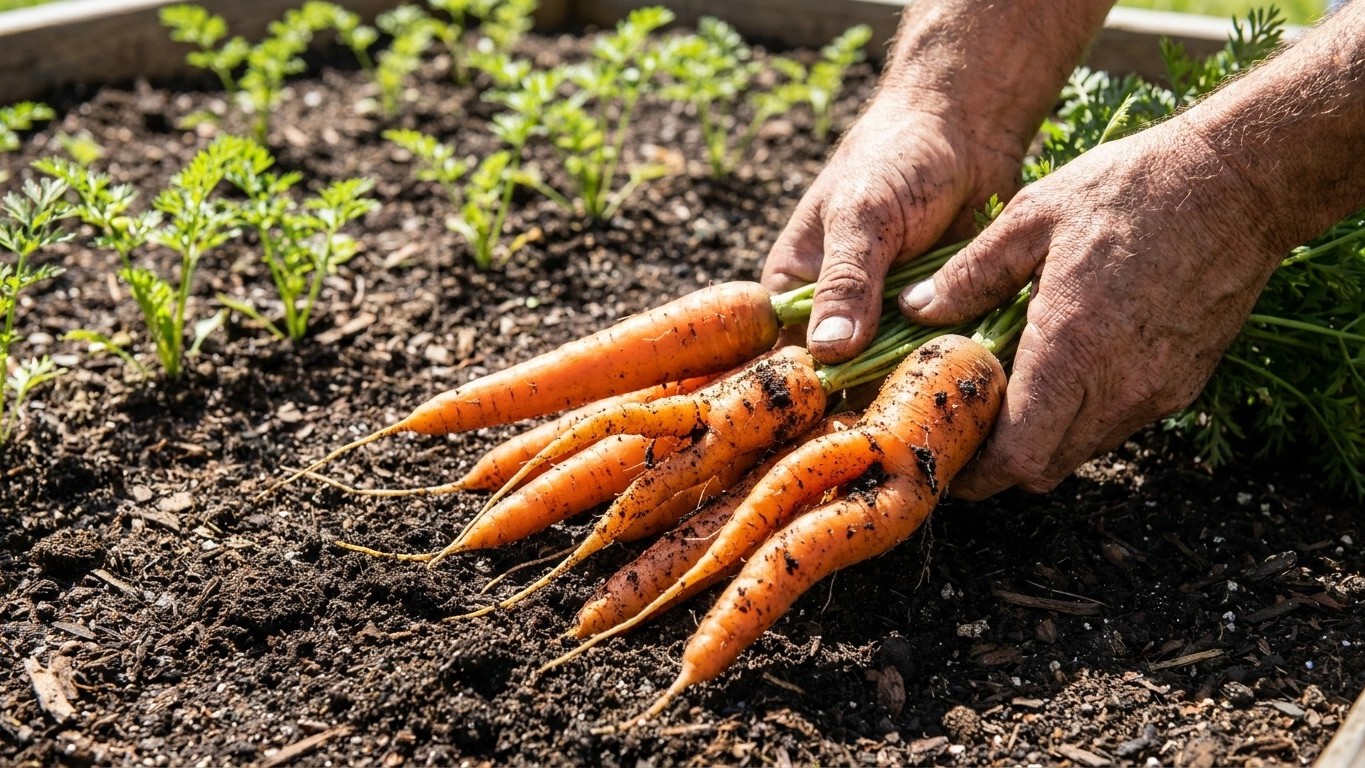
Carrots in Vermont go into the ground as seed, not as transplants, so the count that matters is days from sowing to harvest, not days from a nursery…
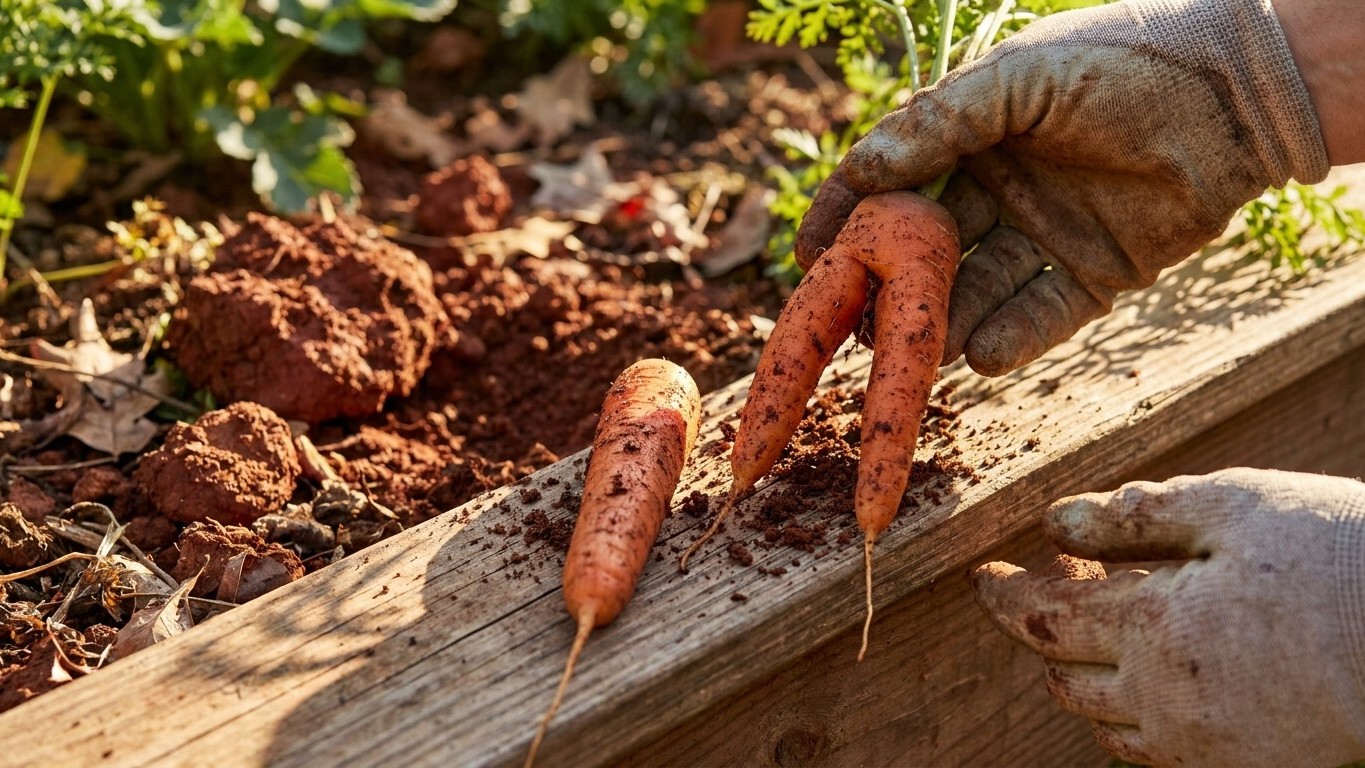
Not from the state’s own soil signature. Vermont’s official state soil, the Tunbridge series, runs sandy and well drained at the surface, which is the…
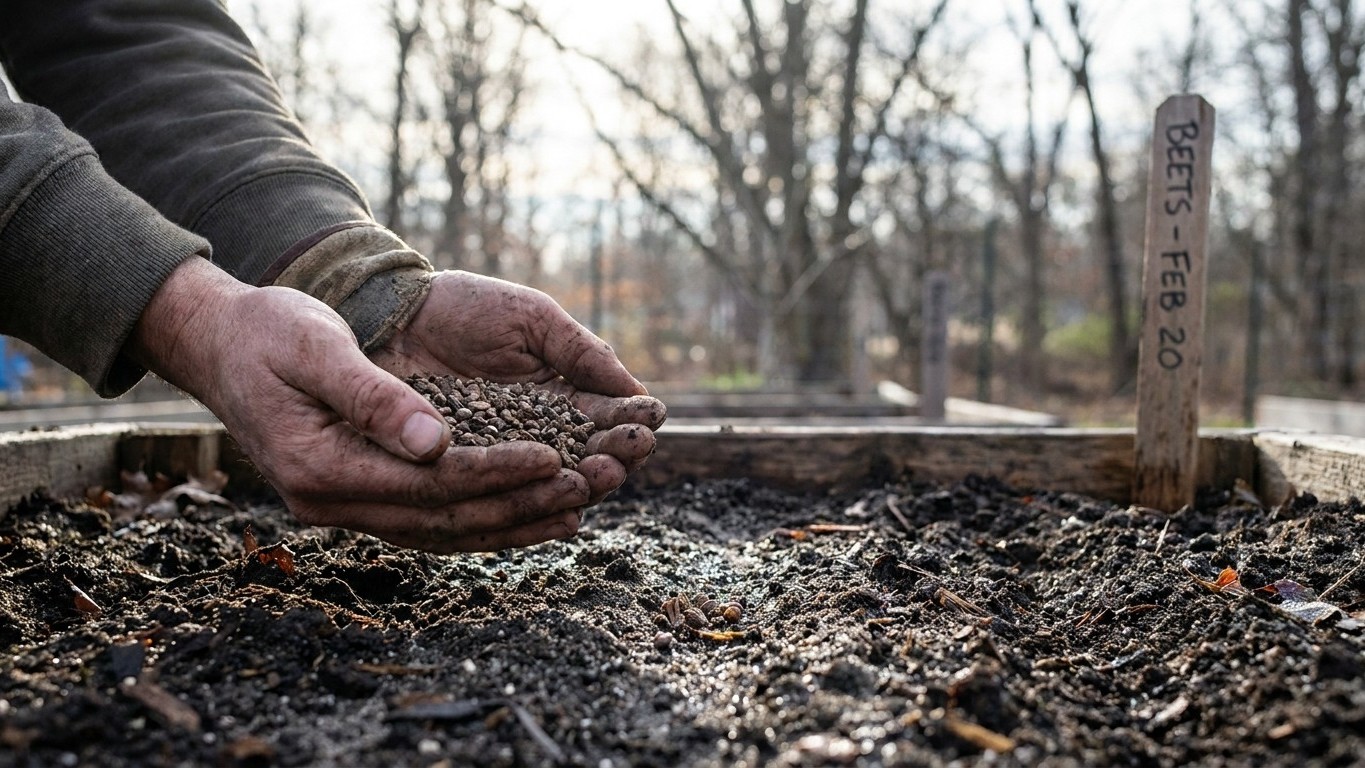
In most of Vermont, the window for sowing beets falls between mid-April and early May, roughly two to three weeks ahead of the last spring frost, which…
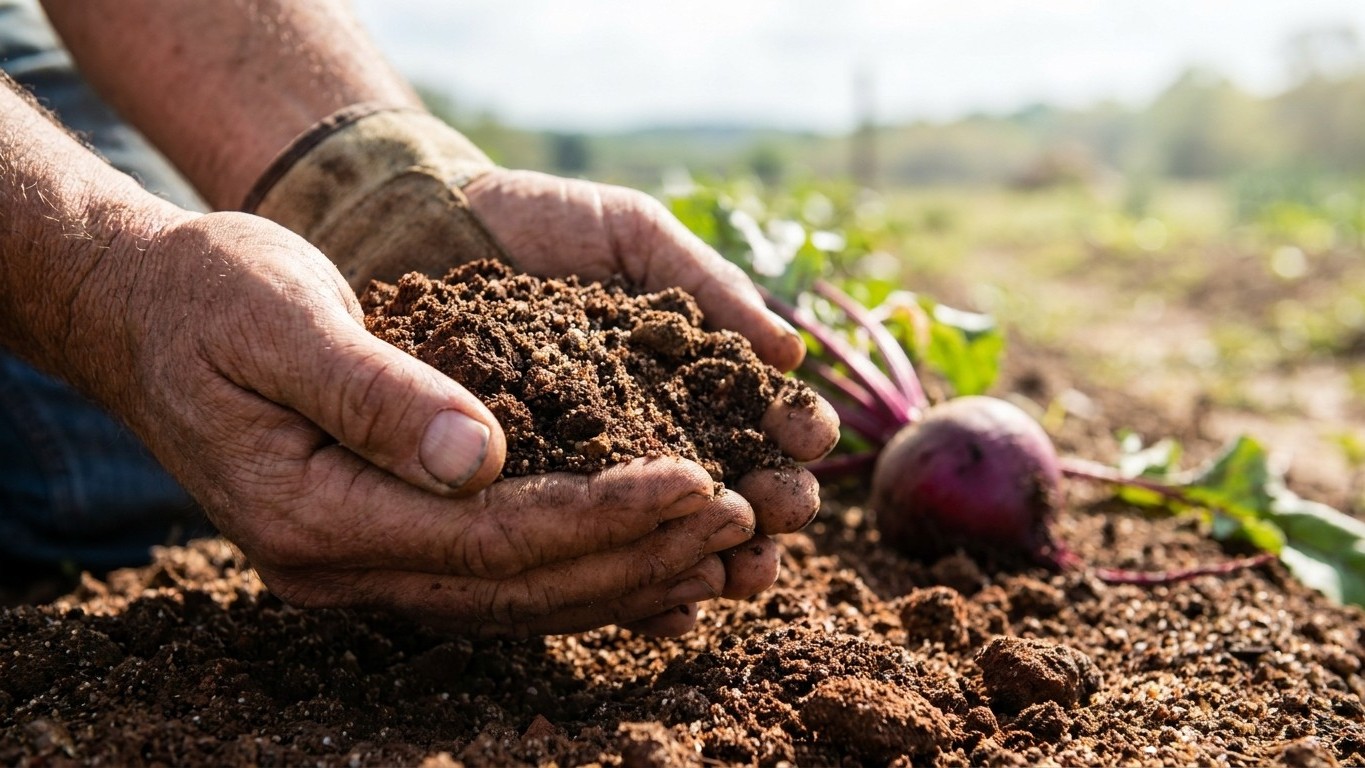
Vermont’s official state soil, the Tunbridge series, is a sandy, strongly acid Spodosol that drains fast and holds almost no natural buffering against…
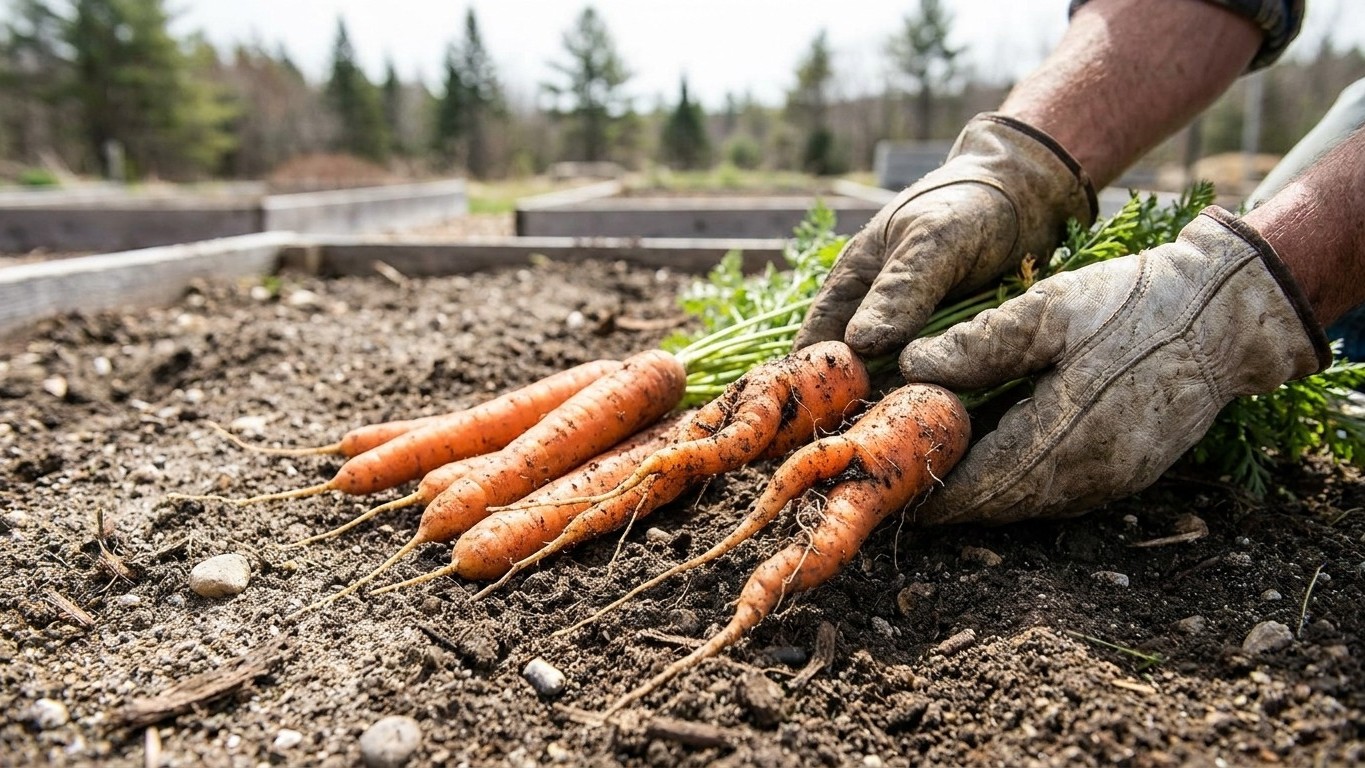
Vermont’s benchmark soil, the Tunbridge series, is sandy and well drained, which is exactly the texture carrots want.
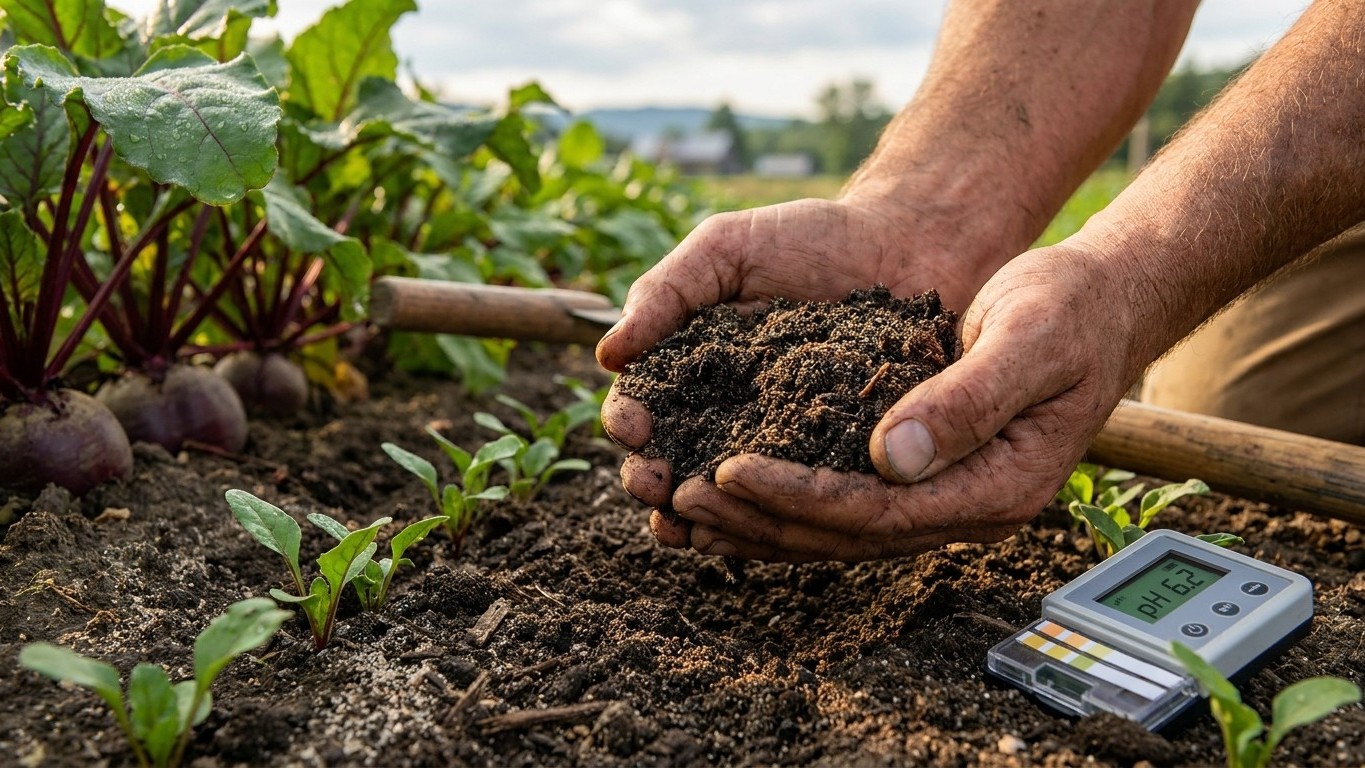
Vermont’s official state soil, the Tunbridge series, is sandy, strongly acid and naturally well drained, which is a mixed bag for beets: good drainage…
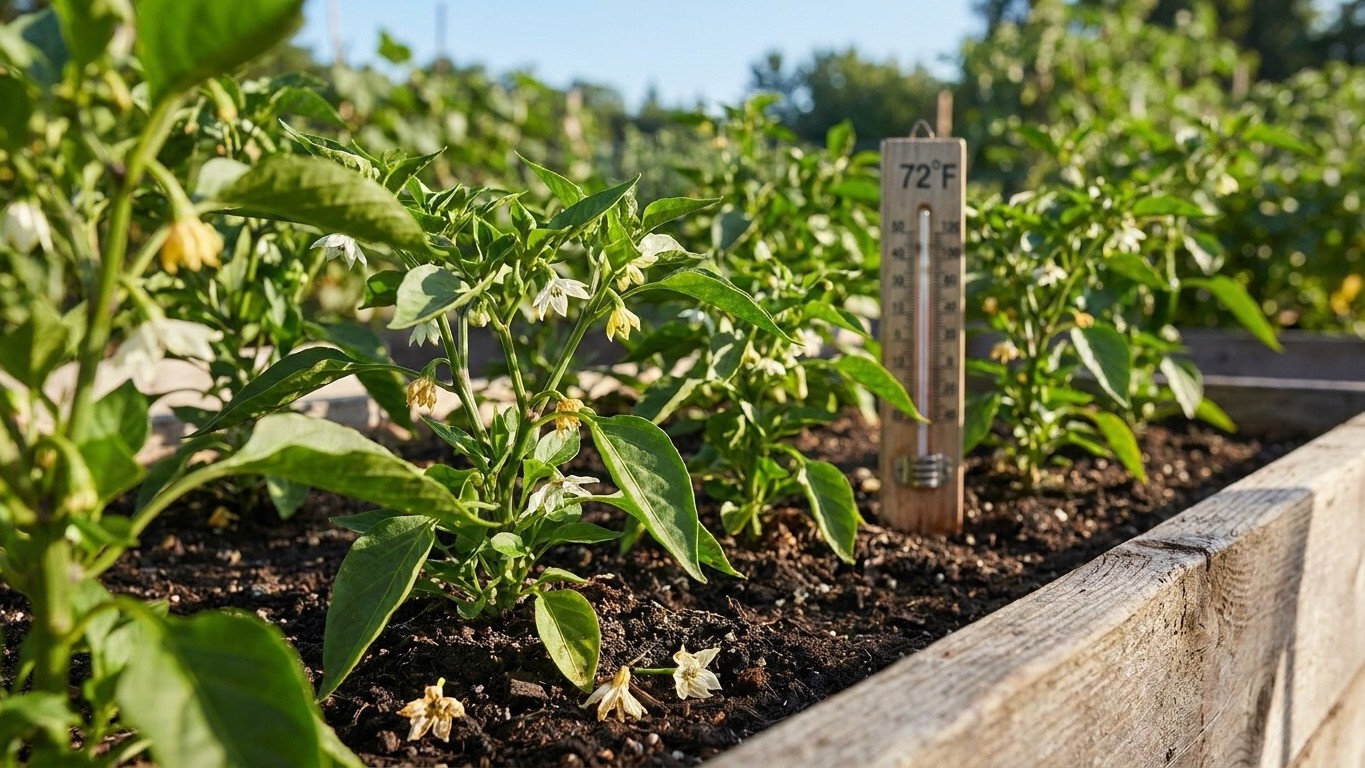
In Vermont, start pepper seed indoors 8 to 10 weeks before you plan to move transplants outside.