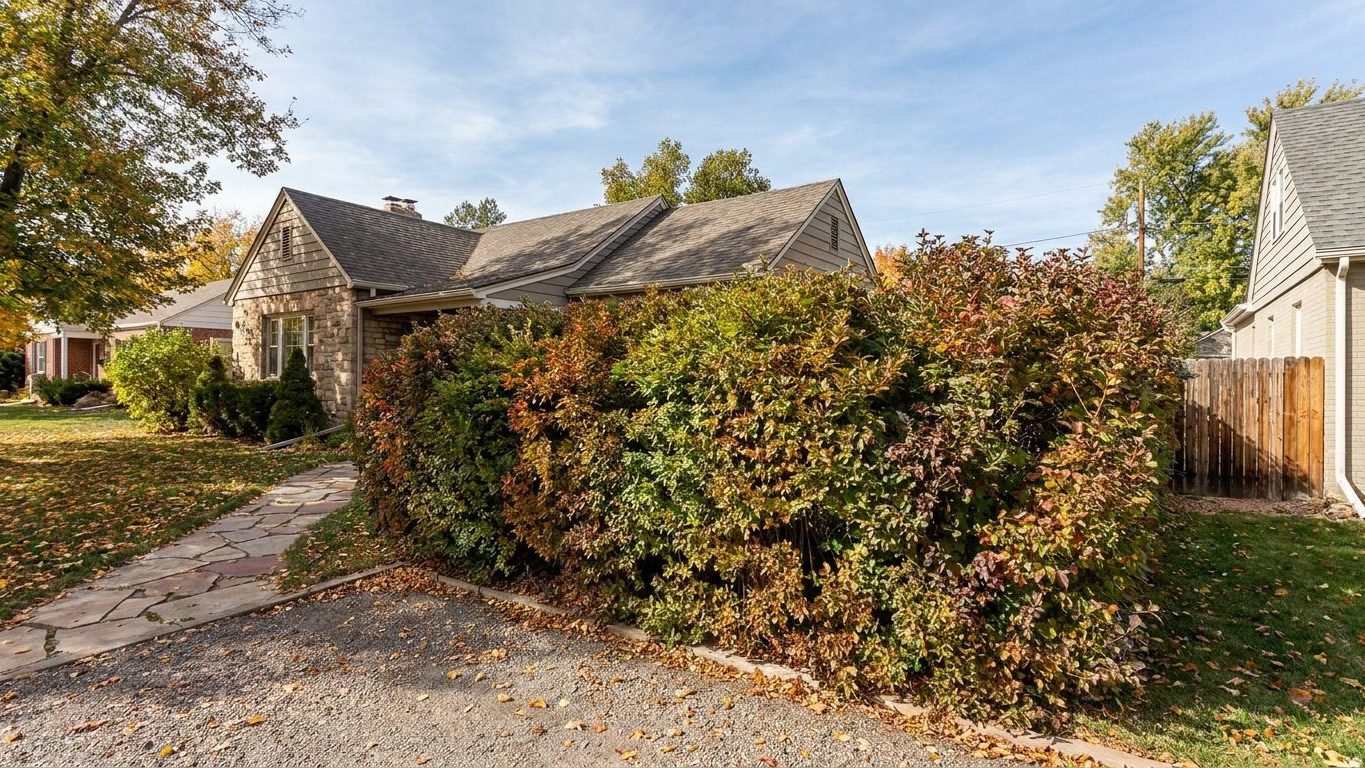

Virginia does not set a hedge height limit anywhere in state law. The number that decides whether your hedge is legal comes from your city or county zoning ordinance, and it changes from one municipality to the next. The one rule that shows up almost everywhere, regardless of the general height limit, is the sight triangle at corners and driveways.
There is no Virginia hedge height law
Search “hedge height law Virginia” and you’ll find pages that quote a single number, usually somewhere between three and six feet, as if it applied statewide. It doesn’t. Virginia’s General Assembly has never passed a statute capping how tall a hedge, shrub, or living screen can grow on private property. What exists instead is a patchwork of local zoning ordinances, each written and enforced by an individual city or county government.
This isn’t an oversight. Virginia is a Dillon Rule state, which means localities only have the powers the state explicitly hands them. Under Title 15.2 of the Virginia Code, the General Assembly grants cities, counties, and towns broad authority to write and enforce their own zoning ordinances, including rules on fences, walls, and landscaping. The state sets the framework; each locality fills in the actual numbers. That’s why a hedge that’s perfectly fine in one town can be a code violation in the very next one, even though both sit inside the same state and the same general legal system.
The commercial sites that publish a flat statewide figure are doing something they shouldn’t: treating a local ordinance, sometimes just one they happened to find, as if it were universal. A homeowner in a dense urban neighborhood, a suburban subdivision, and a rural county each answer to a different zoning authority, and those authorities routinely set different limits for front-yard hedges, side-yard hedges, and rear-yard hedges within the same jurisdiction. Some ordinances don’t mention hedges at all, only fences, which raises its own problem covered in the next section.
Why this matters more than it sounds like it should
A wrong number isn’t just a technicality. If you plant a privacy hedge based on a figure you read online, and your actual local ordinance sets a lower limit for street-facing screens, you could end up ordering a costly trim, or worse, a removal, years after the hedge has matured and become the reason you liked your yard in the first place. The fix is cheap and takes an afternoon: find your actual local rule before you plant, not after a neighbor or a code officer flags it.
How to find the rule that actually applies to you
Every Virginia city and county publishes its zoning ordinance somewhere, and almost all of them post it online for free. The trick is knowing where to look and what section to search, because “hedge height” rarely appears as its own heading.
Start with the locality’s name plus “municipal code” or “zoning ordinance.” Most Virginia jurisdictions host their code through one of three publishing platforms, and once you know which one your locality uses, navigation gets much faster on future searches too.
| Platform | Web address | How to search it |
|---|---|---|
| Municode | library.municode.com | Search box at the top; type “hedge” or “fence height” |
| American Legal Publishing | codelibrary.amlegal.com | Browse by chapter, look for “Zoning” then “Fences and Walls” |
| eCode360 | varies by locality (linked from the city or county website) | Use the built-in search function, not general web search |
Once you’ve found the code, go straight to the zoning chapter rather than a general “property maintenance” section. Look for the words “fences,” “walls,” and “accessory structures” first, since that’s where height tables usually live. Then check whether the ordinance separately defines “hedge,” “living screen,” or “vegetative buffer.” This distinction matters more than most homeowners expect.
Call before you assume
If the online code is vague, outdated, or you simply can’t find the relevant clause, call the zoning or planning department directly. Every Virginia locality has one, and staff there field this exact question routinely. Ask specifically: “What’s the maximum height for a hedge or vegetative screen in my zoning district, and does that differ for corner lots or street-facing yards?” Have your parcel address or tax map number ready, since some jurisdictions apply different limits by zoning district (residential, agricultural, mixed-use) even within the same town. A five-minute phone call at this stage beats a certified letter from code enforcement two years from now.
The branches that cross the line
Height limits govern how tall a hedge can be on your own property. A separate, older body of law governs what happens when your hedge grows sideways, onto someone else’s land. This isn’t a Virginia-specific statute; it comes from a long-standing common law principle recognized in courts across most of the country, sometimes called the “right of self-help.”
The general rule works like this: if branches, roots, or foliage from your hedge cross the property line onto a neighbor’s land, that neighbor is generally allowed to trim the encroaching growth back to the boundary line, at their own expense, without asking your permission first. What they can’t do is go further than the property line and cut into the part of the hedge that sits on your side, and they can’t take action that kills the plant outright, such as poisoning the roots or stripping bark. Doing either can expose them to a claim for damages.
Two things make this principle trickier in practice than it sounds. First, it comes from case law, meaning it developed through court decisions over time rather than a single clear-cut statute, so the exact boundaries can shift depending on the jurisdiction and the specific facts of a dispute. Second, it says nothing about height. A hedge can be entirely legal under your local zoning ordinance and still trigger a legitimate trimming right for a neighbor if it physically crosses the line, regardless of how tall it is.
What this means for day-to-day decisions
If you’re planting near a shared boundary, plan for mature spread, not just mature height. A hedge variety that stays within your local height limit but pushes three feet sideways at maturity is setting up a future encroachment conversation whether or not anyone ever mentions “the law.” For an actual dispute, whether about height, encroachment, or damage from trimming, the right next step is a conversation with the neighbor first and, if that fails, a local attorney who handles property matters. This is general legal background, not a substitute for advice on a specific situation.
What to check before you plant
Beyond the general height limit in your zoning ordinance, a few near-universal restrictions apply regardless of what the base rule says, and they’re the ones homeowners most often overlook.
- The sight triangle: at intersections and driveway entrances, most ordinances prohibit anything, hedge included, that blocks a driver’s line of sight, and that limit is typically far lower than the general residential fence or hedge height. It exists purely for visibility and safety, and it applies even in jurisdictions with otherwise generous height allowances.
- HOA covenants: if your property sits inside a homeowners association, its rules are private contract terms, separate from municipal zoning, and they can be stricter than the local ordinance. Meeting the city’s height limit doesn’t automatically mean you’ve met the HOA’s.
- Utility easements: planting a hedge inside a marked utility right-of-way can mean it’s removed at your expense if a utility company needs access. Check your property survey or call 811 before planting anything near a utility line.
The practical sequence, in order: pull up your local zoning code (or call the planning department), confirm whether the ordinance uses the word “hedge” or only “fence,” ask specifically about sight-triangle rules for your lot type, then check your HOA documents if you have one, and finally verify utility easements with a locate request. Each step takes a few minutes; skipping one is what turns a straightforward planting project into a letter from code enforcement, an HOA notice, or a utility crew standing in your yard with a chainsaw.
Common questions
Is there a statewide maximum hedge height in Virginia?
No. Height limits come entirely from municipal or county zoning ordinances. There is no single number that applies across the state, and any source claiming otherwise is describing one locality’s rule as if it were universal.
Does the fence height limit automatically apply to hedges?
Not necessarily. Many ordinances regulate fences as structures and hedges or living screens under a separate definition, or don’t address hedges at all. Check which term your specific code uses before assuming the fence limit carries over.
Can my neighbor cut my hedge if it grows over the property line?
Generally yes, up to the boundary line, at their own expense, and without killing the plant. This comes from common law principles recognized broadly, not a specific Virginia statute, and the exact limits can vary by circumstance.
Where do I actually find my local ordinance?
Search your city or county name plus “municipal code.” Most Virginia localities publish through Municode (library.municode.com), American Legal Publishing (codelibrary.amlegal.com), or eCode360. Look in the zoning chapter under “fences” or “accessory structures,” and call the zoning department directly if the wording is unclear.