
Pick summer squash when the fruit is glossy, small and tender. Once picked, it keeps about a week in the refrigerator, so a bumper crop needs freezing or sharing. Planting details live in Growing Summer Squash in Washington.
When summer squash are ready in Washington
Summer squash is ready when the skin is glossy and thin enough to dent with a fingernail, and the fruit is still on the small side. In western Washington the first fruit arrives roughly 55 days after sowing, which puts the first picking between mid-July and early August for seed sown in late May or early June.
How do you know a summer squash is ready to pick?
Look at the skin first. A young zucchini or yellow squash shines. When the surface goes dull and the rind resists a fingernail, the fruit has turned to seed production and the flesh will be spongy and full of tough seeds. On the youngest fruit the dried blossom often still clings to the tip.
Size matters more than most gardeners expect. A plant sets new fruit only while it has none maturing, so one forgotten, oversized squash tells the plant its job is done. Harvest frequency is the yield. In peak season that means checking often, because fruit hides under the big leaves and can grow quickly. Cut it with a knife, since pulling tears the vine.
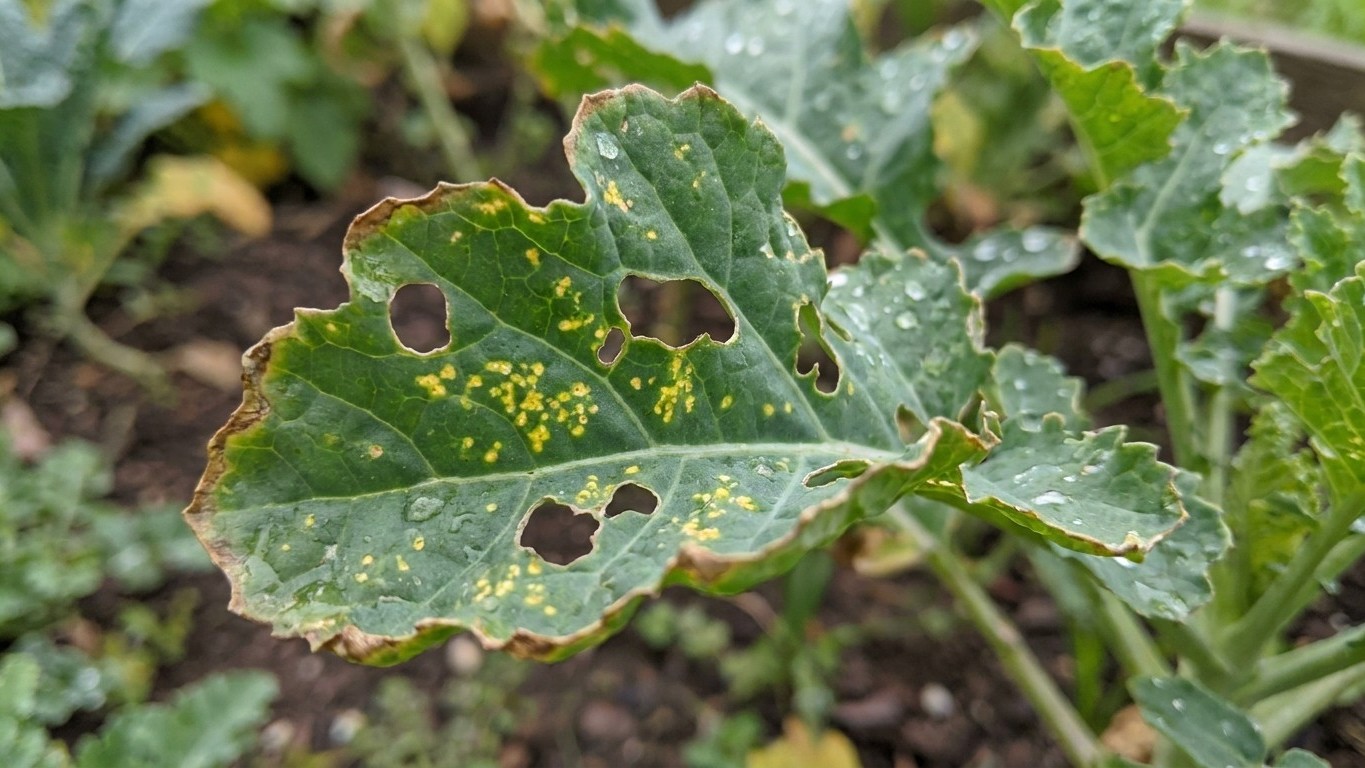
Shape and days to harvest shift a little from one variety to the next. The Best Summer Squash to Grow in Washington covers which types suit the cool maritime side of the state. Gnawed fruit or holes in the skin point to a different problem, and What Eats Summer Squash in Washington, and When explains who is likely responsible.
How do Washington’s frost dates and summer weather shape the window?
At the Seattle-area reference station, NOAA’s 1991-2020 Climate Normals put the last spring freeze between February 27 and March 18 and the first fall freeze between November 13 and November 30. That is a long frost-free stretch, but it does not mean you can sow early. Summer squash is frost-tender and wants warm soil, and cold wet ground plus low spring light hold the seedlings back well past the last freeze. Late May is the realistic start, which is why the harvest does not begin until July.
Once the plants are going, the weather is kind. The reference station averages only 3.0 days a year at 90°F or more, so heat stress that stops blossoms from setting is uncommon on the west side. Rain thins out fast in summer. NOAA’s monthly normals show 1.45 inches in June, 0.6 inches in July and 0.97 inches in August, about 3.0 inches across the three months. July is the driest, right when the plants carry the most fruit.
How often you water depends on your soil. Clay holds moisture for a week. These are normals for one station over thirty years, and a slope, a rain shadow or a city lot changes them, so a rain gauge on your own plot settles the question.
East of the Cascades this timeline does not carry over. The high desert has a much shorter frost-free season, and the USDA Plant Hardiness Zone Map (2023) runs from 4a to 9a across the state, so dates on the dry side and in the mountains differ a great deal. Your county WSU Extension office can give local frost dates.
Keeping them, and for how long
Summer squash is a vegetable to eat, freeze or give away, because it does not store. Clemson Cooperative Extension’s guidance is to keep it in a plastic bag in the refrigerator for up to 1 week. That is a maximum under good conditions, with fruit picked fresh, dry and unbruised. A squash that was nicked by the knife, left in the sun on a counter all afternoon or picked oversized will go soft sooner.
The short life comes from how the fruit is built. Summer squash is picked immature, with thin skin and flesh that is mostly water. Winter squash is harvested fully mature with a hard rind and can sit in a cool room for months. Gardeners who plan to hold a glut in a basement or garage the way they would butternut are setting themselves up for a bag of mush.
What can you do when a dozen squash show up at once?
Freezing is the main answer. Shred the fruit, squeeze out the water and pack it in portions sized for a loaf of bread or a pan of fritters. Sliced or cubed squash freezes well. Frozen squash turns soft once thawed, so it suits soups, sauces, casseroles and baking far better than a grill. For exact steps and timings, use the home food preservation guidance from WSU Extension and follow it to the letter.
Pickles and relishes are the other route, but only from tested recipes. Squash is a low-acid vegetable, and a made-up canning recipe can be unsafe, so stick to published, tested ones from an extension service.
Fresh use deals with plenty of fruit too. A single plant can bury a household in a good July, so the practical plan is a rotation:
- Eat the freshest, smallest fruit first, sautéed, grilled or raw in salads.
- Shred the overgrown ones for bread, muffins or fritters.
- Bring a bag to a neighbor, a coworker or a local food bank, many of which welcome fresh garden produce.
Picking smaller fruit more often also eases the glut. A plant kept stripped of mature fruit keeps flowering, but a plant left to ripen big squash shuts down, and then you have a few huge fruit instead of a steady supply of tender ones.
Where in the house that actually is
The refrigerator is the place Clemson names, and in a typical house it is the only spot that stays steady enough for a week. Within it, the crisper drawer is usually the gentlest zone. The back of a shelf, near the cooling vent, can run cold enough to injure produce.
Which rooms are too warm, and which swing too much?
A kitchen counter or pantry in a heated house runs too warm. Squash shrivels and softens there within days, well short of the week the fridge allows. A garage looks like a cool alternative, but it follows the weather. On a hot August afternoon in western Washington it can bake, and on a cold snap in November or December it can drop toward freezing. Neither extreme suits a fruit made of water. An unheated porch has the same problem on a smaller scale.
The crisper drawer comes closest, and the only way to know what it really does is to measure it. Check the temperature in the crisper drawer with an appliance thermometer. Skipping the check can cost you a whole harvest, since squash that sits too cold goes slimy quickly. If the reading is low, move the bag away from the back wall or ease the fridge dial up a notch.
Dry the fruit before bagging, because wet skin invites rot. Leave the stem stub on, keep the bag loosely closed and check it every couple of days. Any squash with a soft spot or a damp patch should be cooked that day or cut away. The fruit that goes in the fridge first should be the one you plan to eat first, with the rest headed for the freezer.
Common questions
Can I store summer squash the way I store winter squash?
No. Winter squash has a hard rind and keeps for months in a cool room. Summer squash has thin skin and lasts up to about 1 week in the refrigerator in a plastic bag, so longer storage means freezing or preserving it.
How often should I check the plants for ripe fruit?
Every day or two during July and August. Fruit can grow quickly, and a single mature squash left on the vine makes the plant stop setting more.
When does the harvest end in western Washington?
Fruiting usually slows when nights cool, often before the first fall freeze. At the Seattle-area reference station the mean first freeze falls between November 13 and November 30, but a frost can end the crop at any point once it arrives.
Do these dates work east of the Cascades?
They do not. Eastern Washington is high desert with a far shorter growing season, and the state spans USDA hardiness zones 4a to 9a. Check frost dates with your county WSU Extension office, and count about 55 days from sowing once the soil has warmed.