When to Plant Garlic in Washington: Counting Back From the First Frost
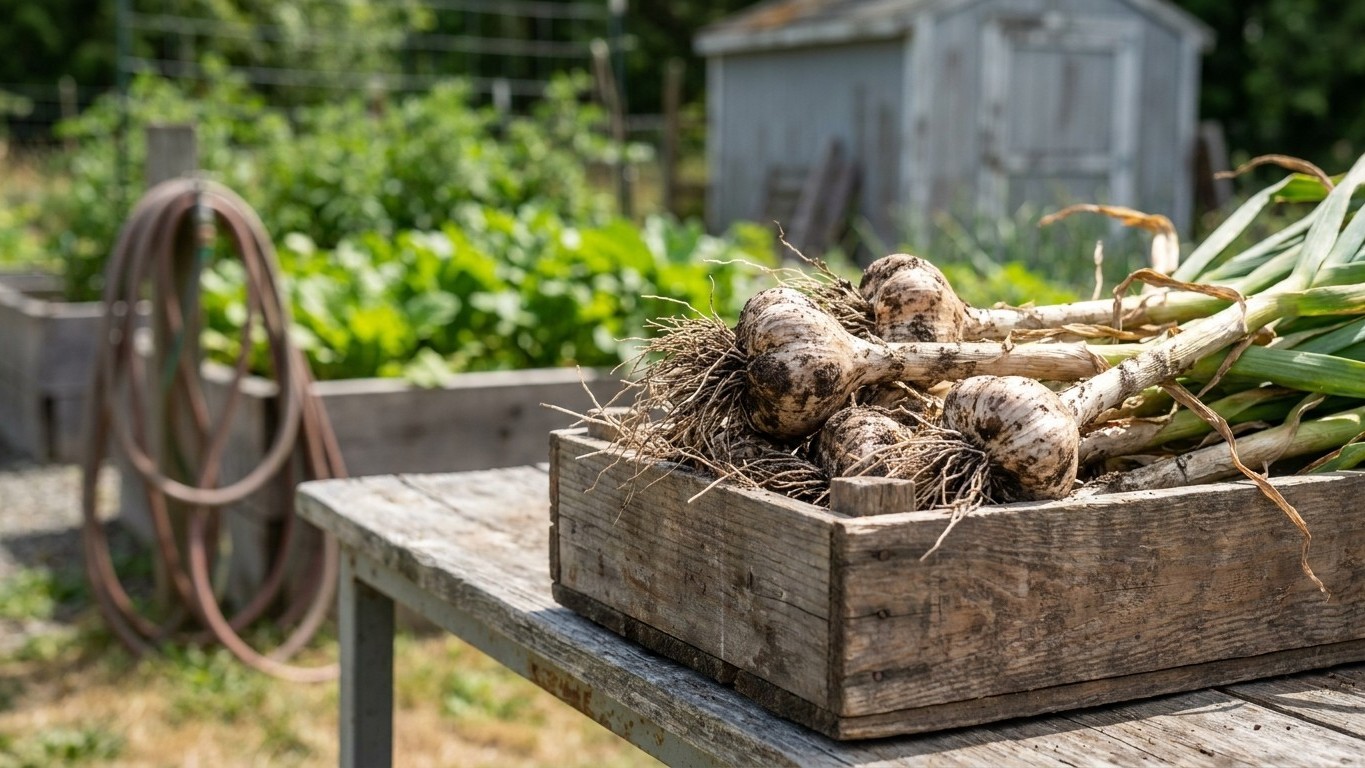
Washington garlic goes in the ground based on NOAA’s fall frost data for Seattle, with the calculation shown so any county can adjust the date.
Home & garden, state by state
Everything we have worked out for Washington: what to plant and when, which varieties finish in time, the pests that actually turn up here, and the jobs that pay off month by month. We also cover the rest of the property, from lawns and soil to home care and energy, because a garden rarely stops at the vegetable bed.
The numbers first, because everything else follows from them. Measured at the weather station in Seattle, the last spring freeze runs February 27 to March 18 and the first fall freeze runs November 13 to November 30, USDA zones 4a-9a, 2,353 growing degree days in the year.
That is enough for early varieties, tight for anything late. Garlic does well: 17.4 weeks below 40 °F, comfortably past the six it needs to form a proper head.
Elsewhere on the property in Washington: the pests that turn up here.
Figures from NOAA's 1991-2020 climate normals. A state is not one climate: elevation, a large lake or the coast can move these dates by two weeks either way, so check your own county with the extension service before you spend money.
Washington garlic goes in the ground based on NOAA’s fall frost data for Seattle, with the calculation shown so any county can adjust the date.
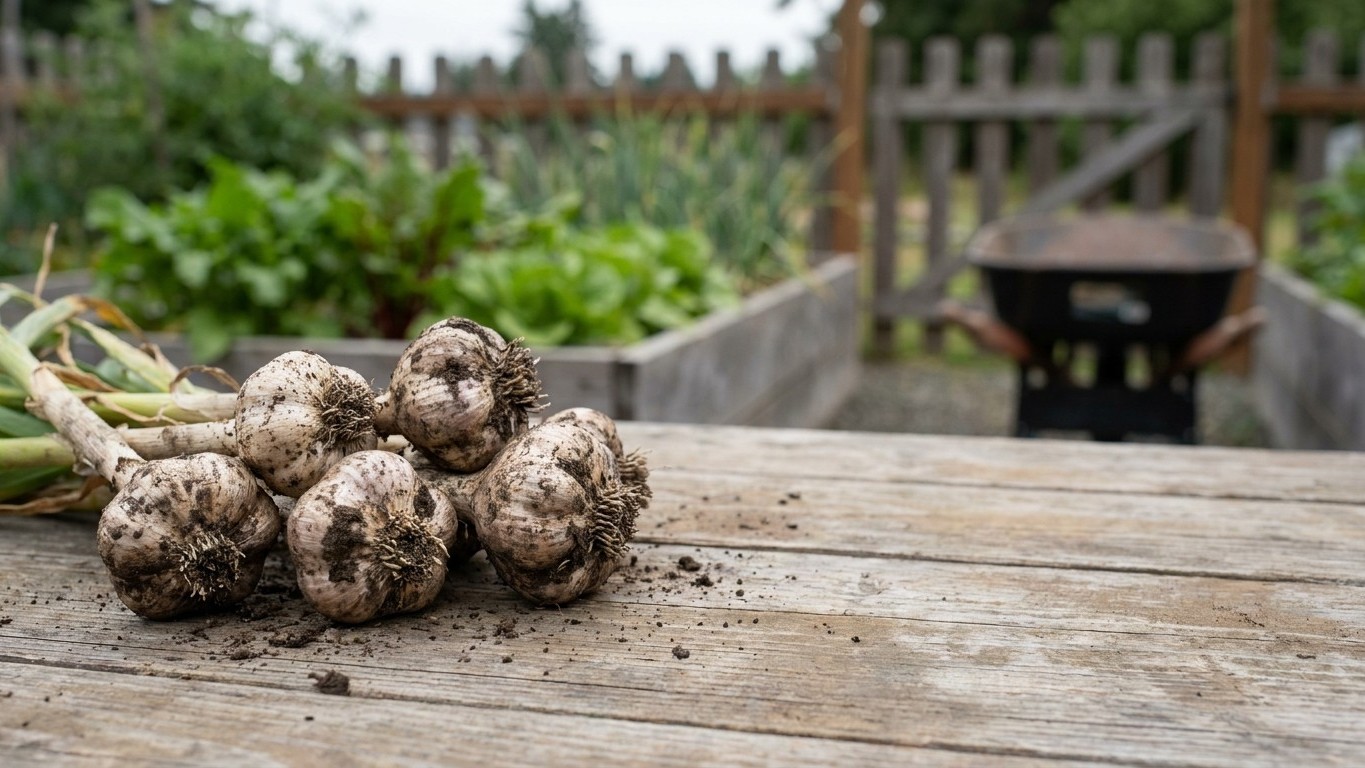
Washington’s mild, wet winters supply plenty of chill for garlic, but timing the planting date to the fall frost window determines whether cloves divide into full heads.
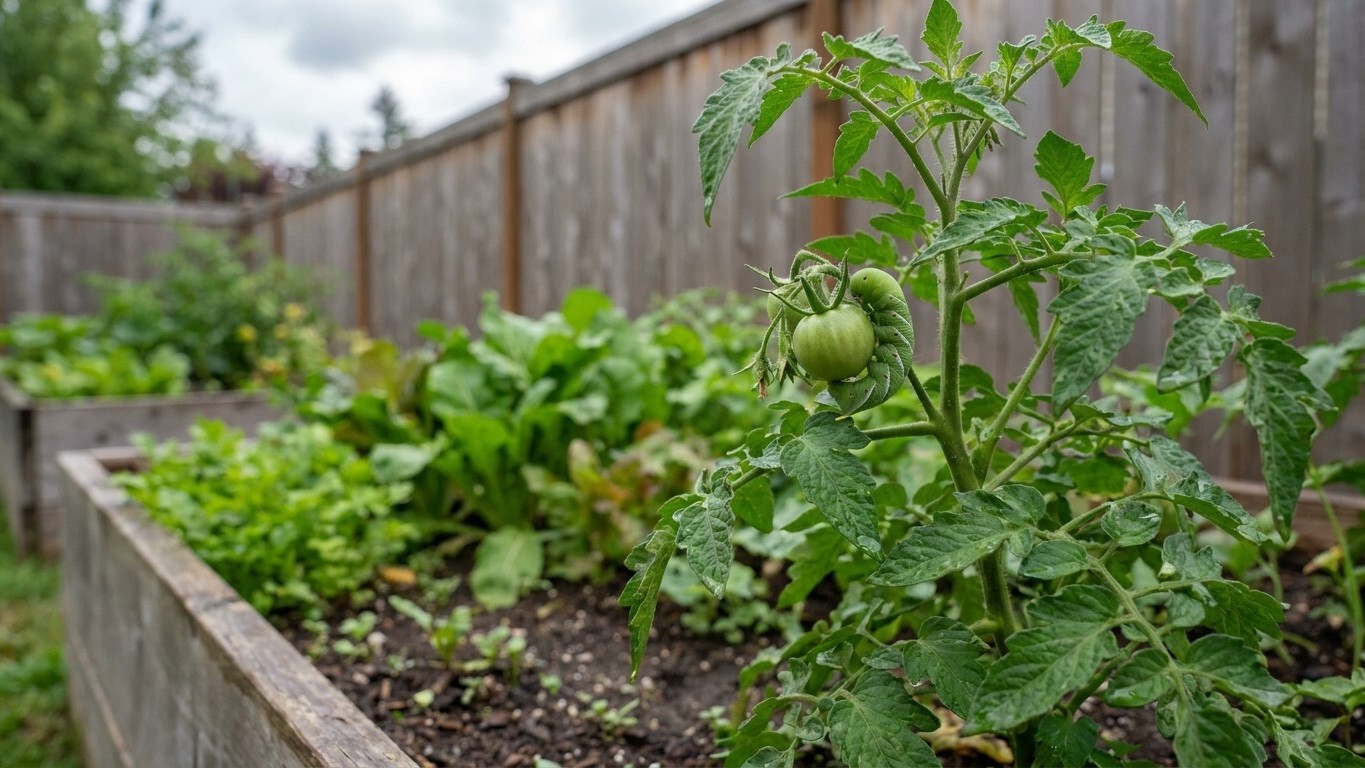
A season-by-season rundown of which tomato pests actually turn up in Washington gardens, how to identify each one, and what works.
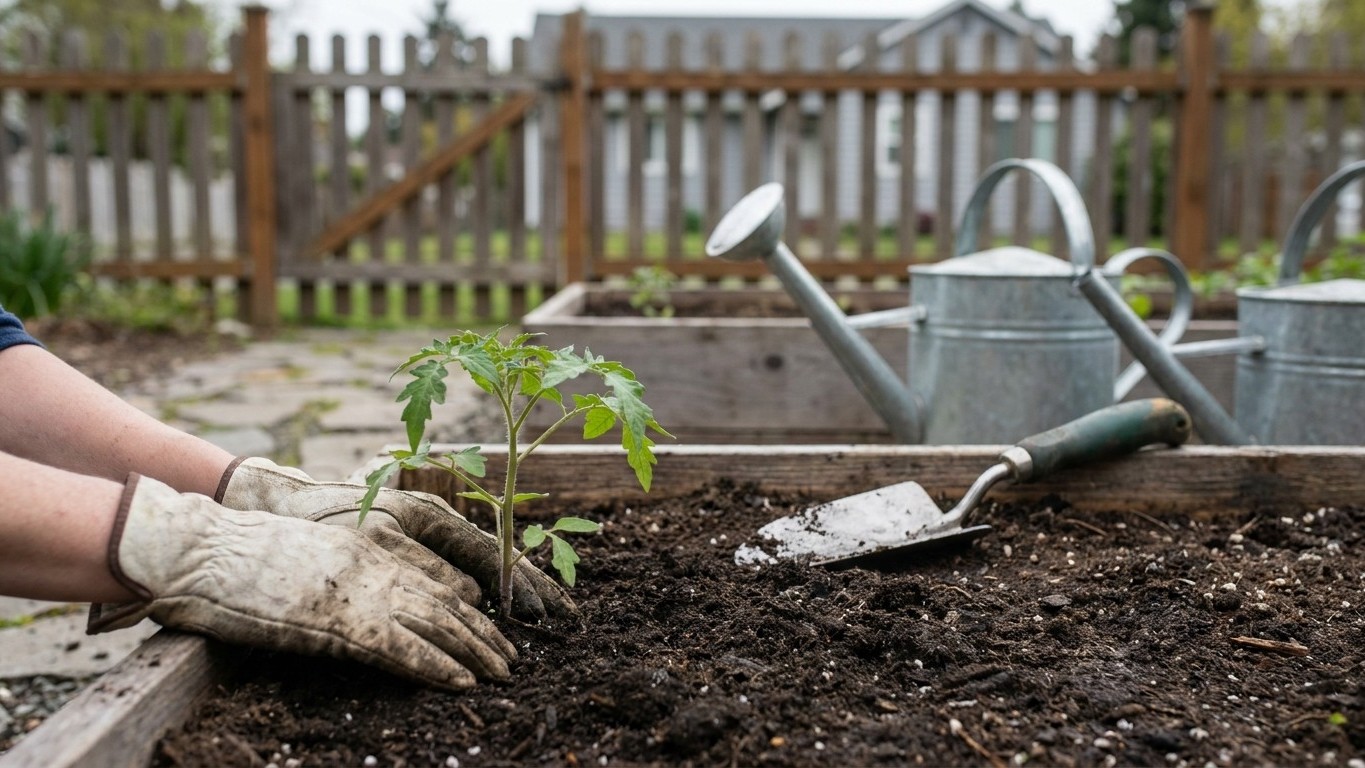
Explains how to use Seattle’s NOAA frost window and a tomato variety’s days to maturity to work out a realistic planting date anywhere in Washington.
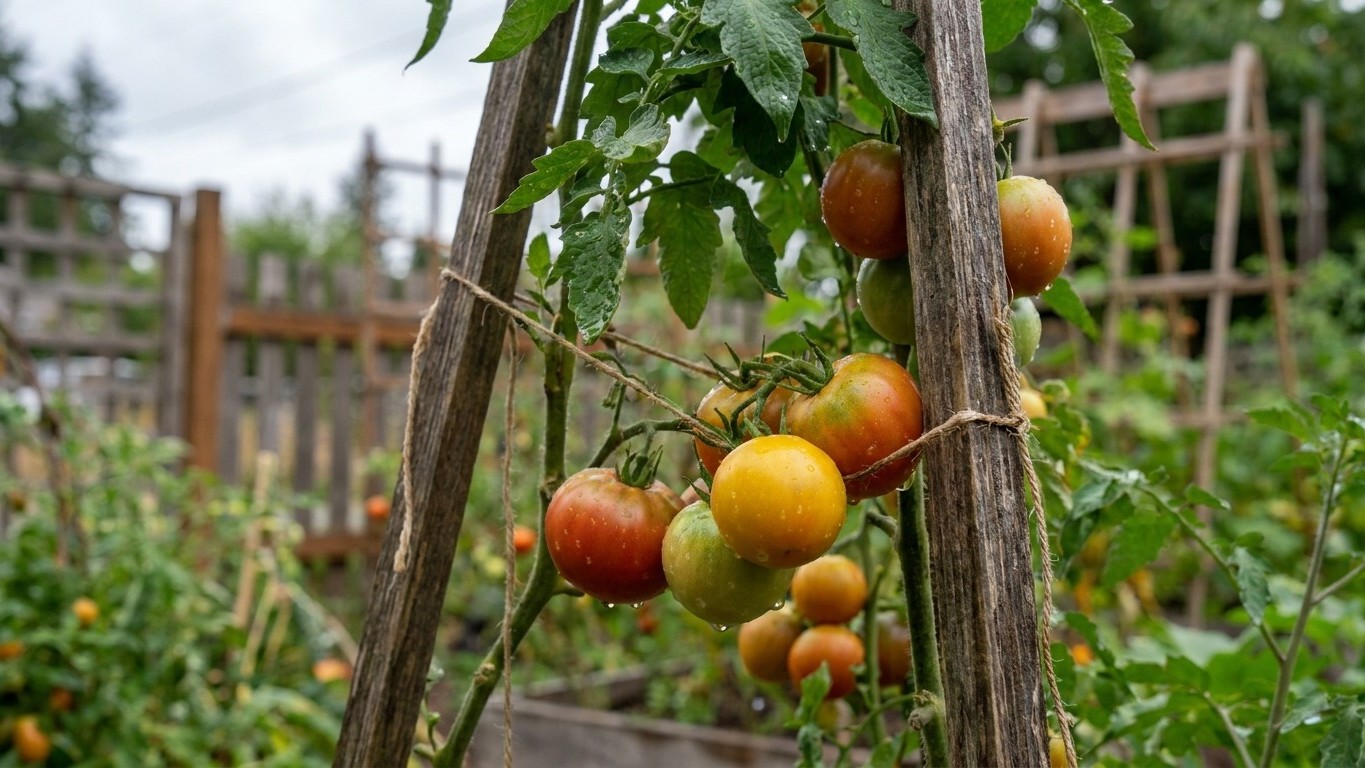
Nine tomato varieties matched to Seattle’s frost window, from 55-day cherry tomatoes to 78-day paste types, with the days-to-maturity math shown.
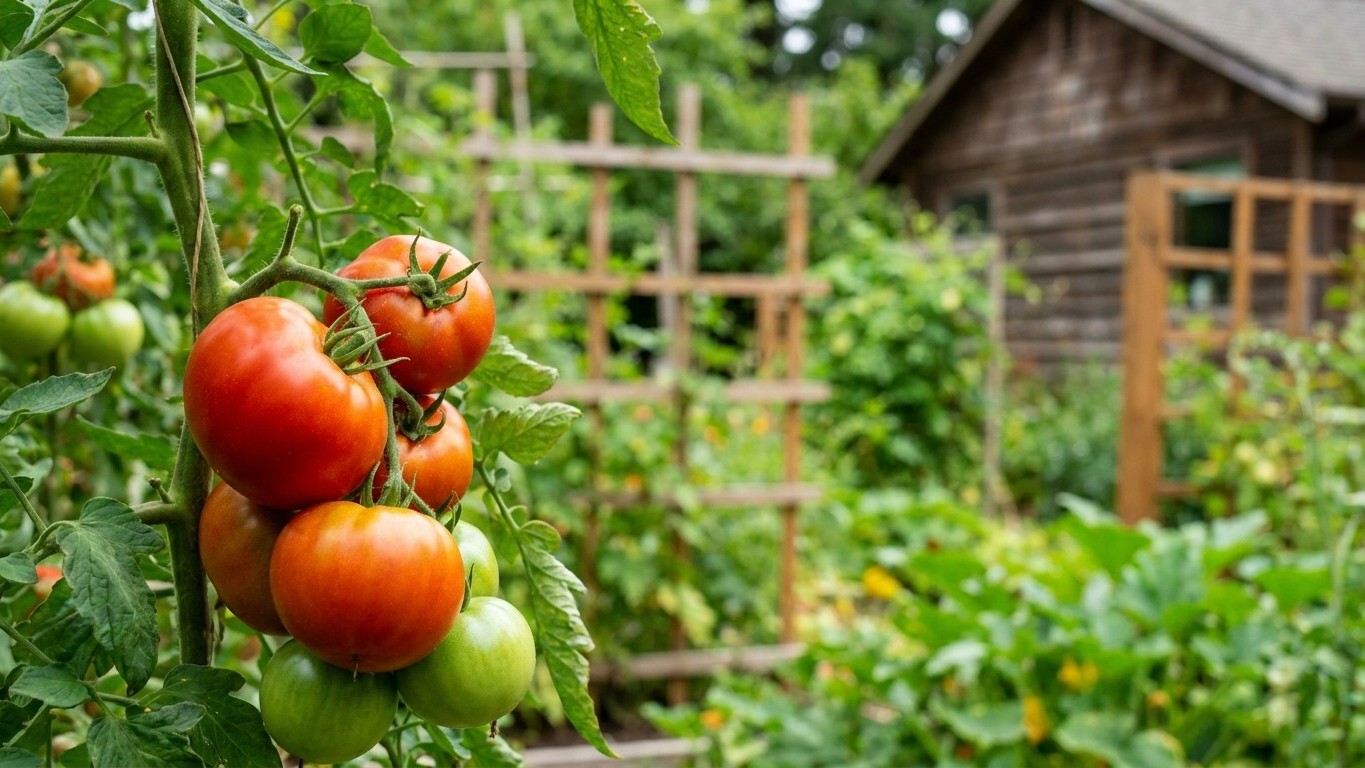
Seattle’s last frost falls between late February and mid-March per NOAA, but cool soil delays transplanting, and variety choice depends on local disease pressure.