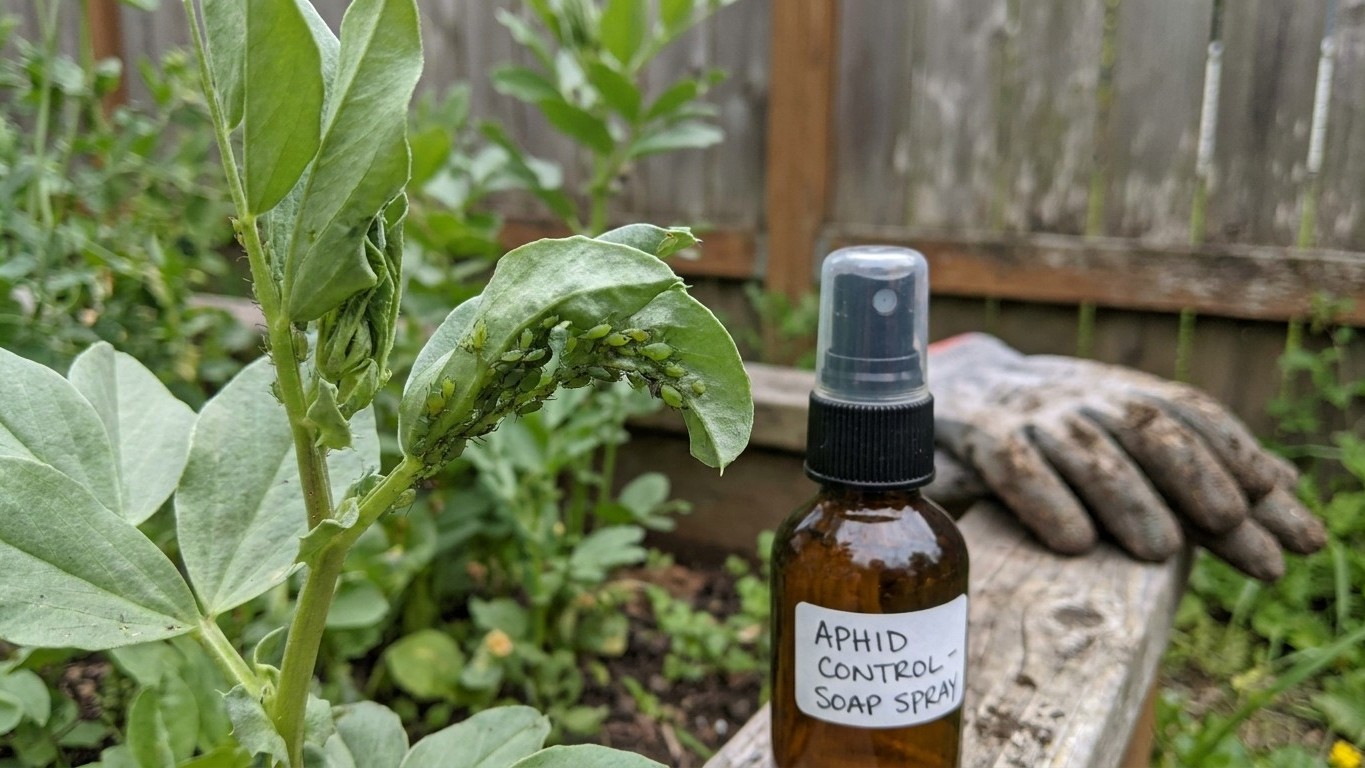

Washington gardens run into fourteen pests that WSU Extension’s Hortsense fact sheets flag as the ones home growers report most often, from slugs sliming through cool spring beds to Aphids in Washington that gardeners battle on tender new growth to Spider mites in Washington that growers spot on stressed foliage in dry summer heat to Carrot rust fly in Washington that growers watch for near root crops to Cabbage maggot in Washington that growers find tunneling into brassica roots to the Western spotted cucumber beetle Washington gardeners spot chewing on squash and cucumber vines to Brown marmorated stink bug in Washington marking up tomatoes as summer ends. Learn to spot the earliest arrivals, slugs and cutworms, before they take out a tray of seedlings, since that’s the damage that’s hardest to undo once it happens.
What Washington gardens actually deal with

Fourteen pests keep turning up in Washington vegetable gardens, and which ones you’re fighting depends on the season and where you stand in the state. Cool, damp spring beds bring Slugs in Washington gardens face first alongside cutworms, the two that can wipe out a tray of seedlings before you notice anything’s wrong, while Flea beetles Washington growers watch for tend to show up a bit later, riddling leaves with small shot holes, and as potato plants fill in, the Colorado potato beetle Washington gardeners battle can strip foliage fast if it goes unchecked. Walk your beds this week and look for slime trails or severed stems at soil level — catching either one now is the difference between a minor setback and starting over.
Wireworms

Wireworms in Washington that gardeners deal with are the larval stage of click beetles: slender, hard-shelled, shiny yellow-brown to dark brown, and a half inch to an inch long, living in the soil rather than on foliage. They chew into planted seeds and the roots of young transplants, leaving gaps in a row that look like poor germination rather than pest damage. There’s no quick rescue once they’re established. Rotating out of a bed that’s shown wireworm damage for a season or two is the only real fix.
Cutworms and armyworms

Cutworm larvae are smooth, gray-brown to black caterpillars, one to two inches long, that curl into a tight C when disturbed and feed at the soil line, severing stems so a seedling topples over with no warning. Armyworms are green to brown caterpillars with pale stripes running the length of the body, feeding on leaves in groups rather than cutting stems outright. A cardboard collar pushed an inch into the soil around a transplant blocks cutworms completely and costs almost nothing.
Cabbage maggot

Cabbage maggot‘s adult is a small gray fly that looks like a slimmed-down housefly, but it’s the larva that does the damage: a white, legless maggot about a third of an inch long that tunnels into the roots of brassicas. Above ground the plant just wilts or stalls with no obvious cause until you pull it and find the roots riddled and soft. Floating row cover laid over the bed at transplanting keeps the egg-laying fly off the plants entirely.
Flea beetles

Flea beetles are tiny, shiny black or bronze beetles, a sixteenth to an eighth of an inch, that jump like fleas the moment a leaf is disturbed. Adults chew small round shot-holes across seedling leaves, and a bad infestation can skeletonize young brassicas and eggplant before they get a real start. Row cover installed right after seeding or transplanting keeps the adults from ever landing on the crop.
Carrot rust fly

Carrot rust fly adults are small, shiny greenish-black flies with a yellow head and legs, easy to miss in the garden, but the larva, a pale yellow-white maggot, tunnels into carrot roots and leaves rust-colored trails that only show up at harvest. There’s no fixing a tunneled root once it’s grown. The only real defense is a row cover kept on from seeding through harvest, since the adult fly has to reach the soil surface to lay eggs.
Onion maggot and onion thrips
Onion maggot follows the same pattern as its cabbage cousin: a small gray fly whose white larva tunnels into the bulb, usually first noticed as a plant that yellows and pulls out of the ground with a soft, rotting base. Onion thrips are a different insect entirely, tiny pale yellow to brown slivers barely a sixteenth of an inch long that rasp the leaf surface and leave silvery-white streaks. Crop rotation away from the onion family for a season breaks the maggot’s cycle, and clearing plant debris where thrips overwinter keeps them from building up again.
Aphids
Aphids are tiny, pear-shaped, soft-bodied insects, a sixteenth to an eighth of an inch, colored green, black or gray depending on the species, clustered on the undersides of leaves and along new stem growth. Both nymphs and adults feed by sucking sap, and a heavy colony leaves foliage curled and stunted, coated in sticky honeydew that molds into a black film. A strong water spray dislodges small colonies, and lady beetles and lacewings, left undisturbed, usually keep populations from getting that far.
Imported cabbageworm and loopers
The imported cabbageworm‘s adult is a white butterfly with a few black spots, easy to mistake for a pretty visitor, but its larva is a velvety green caterpillar about an inch long that chews ragged holes through cabbage, broccoli and kale. Loopers are a separate caterpillar, also green, that arches into a distinctive loop as it crawls because it’s missing a pair of middle legs. Hand-picking works on a small planting, and Bacillus thuringiensis (Bt) sprays applied while larvae are still small knock both down without harming bees.
Colorado potato beetle
Colorado potato beetle adults are rounded, yellow-orange beetles about three-eighths of an inch long with black stripes down the wing covers, while the larvae are reddish-orange, humpbacked grubs marked with black spots. Both stages feed on potato and eggplant foliage, and a heavy infestation can strip a plant to bare stems within a couple of weeks. Hand-picking adults and larvae off the undersides of leaves, done every few days, keeps a small planting under control without a spray.
Western spotted cucumber beetle
Western spotted cucumber beetle adults are greenish-yellow, about a quarter inch long, with eleven black spots across the wing covers, and they feed on leaves, flowers and young fruit of cucumbers, squash and melons. Beyond the direct feeding damage, the beetle can spread bacterial wilt as it moves from plant to plant, which is often the bigger problem of the two. Row cover kept on until flowering, then removed for pollination, limits its access during the most vulnerable seedling stage.
Spider mites
Spider mites are barely visible without a hand lens, pale yellow to red and about the size of a pinhead, but the damage is unmistakable: fine, pale stippling across the leaf surface and, in bad cases, a silky webbing on the undersides. They build up fastest during hot, dry stretches, the same conditions that push mite populations in a state like Nevada to levels that need attention all summer. A strong jet of water on the undersides of leaves, repeated every few days, knocks mite numbers down without a spray.
Brown marmorated stink bug
Brown marmorated stink bug adults are shield-shaped, mottled brown, about three-quarters of an inch long, with a distinctive white band on each antenna, and the nymphs share the same mottled coloring in smaller, rounder bodies. Both stages feed on developing fruit and pods, leaving discolored, sunken blotches that only show up at harvest even though the bug is long gone by then. Sealing up garden structures and hand-removing bugs in early morning, when they’re sluggish, does more than any spray currently available to home gardeners.
Corn earworm and earwigs
Corn earworm larvae range from pale green to brown with faint stripes, and they feed down inside the tip of the ear, hidden from view until you peel back the husk at harvest. Earwigs are dark reddish-brown, elongated insects about three-quarters of an inch long with a pair of pincers at the rear end, feeding on soft seedlings and ripening fruit at night. A rolled, damp newspaper left in the bed overnight traps earwigs by morning, no bait needed.
Telling damage apart

The first job isn’t naming the exact species. It’s ruling out the wrong category entirely: insect, disease, or a watering problem. Each leaves a different signature, and treating the wrong one wastes a season.
Reading the damage pattern
- Ragged holes and chewed edges mean a chewing insect: caterpillars, beetles, or slugs, usually feeding at night or on overcast days.
- Fine stippling or a bronzed, dusty look on leaves points to spider mites or thrips rasping the surface rather than biting through it.
- Sticky residue or a black sooty film on leaves and stems is the calling card of aphids, which excrete honeydew that molds over.
- Sudden wilting with no chewed leaves visible usually means a root- or stem-feeding pest, cabbage maggot, onion maggot, or wireworm, working underground.
- A seedling that topples over cleanly at the soil line is a cutworm signature, not disease.
- Yellowing that starts at leaf edges and moves inward, with no visible pest, is more often a watering or nutrient problem than an insect at all.
Disease damage tends to spread in a pattern that follows moisture and airflow rather than a feeding trail: circular leaf spots, powdery coatings, or a soft, mushy rot at the stem base. Insect damage is usually irregular and clustered near where the pest is currently feeding, and you can often find the culprit itself if you check at the right time of day. Watering faults, too much or too little, show up as uniform wilting or scorch across a whole plant rather than the localized holes or streaks a pest leaves behind.
Overwatered plants often show yellowing lower leaves and a general limpness even when the soil is wet, a pattern gardeners sometimes mistake for a root pest and treat with an insecticide that does nothing. Underwatered plants scorch at the leaf margins first, never showing the chew marks or slime trails a real pest leaves. When in doubt, dig a few inches into the root zone before reaching for any product. If the roots are white and firm, look harder for an insect. If they’re brown and mushy, the problem is water or a soil-borne disease, not something Bt or a bait will fix.
What actually works
Prevention first
Crop rotation breaks the cycle for soil-dwelling pests that overwinter where their host crop grew. Move brassicas, onions and carrots to a different bed each year and cabbage maggot, onion maggot and carrot rust fly all lose their head start. Timing helps too. Delaying transplanting until the soil warms can let seedlings outgrow their most vulnerable stage before a pest’s emergence peaks.
Physical barriers do more work than any spray for the pests that spend their whole life cycle above ground. Floating row cover stops cabbage maggot flies, flea beetles, carrot rust flies and cucumber beetles from ever reaching the plant, provided it’s sealed at the edges and removed for pollination on crops that need it. A cardboard or plastic collar pushed an inch into the soil around a transplant stops a cutworm cold. Beer traps and copper tape reduce slug pressure in a small bed, though neither eliminates it outright.
Encouraging predators pays off over a full season rather than overnight. Ground beetles and birds eat slug eggs and young slugs, lacewings and lady beetles eat aphids by the hundred, and leaving some flowering plants in or near the vegetable bed keeps those predators around. Skipping broad-spectrum insecticide sprays is part of that strategy, since they kill the predators along with the pest and often lead to a worse aphid or mite rebound a few weeks later.
Targeted intervention
Once a pest is identified, Bacillus thuringiensis (Bt) sprays work well against cabbageworm and looper caterpillars while leaving bees and predatory insects alone, and iron phosphate slug baits work better and more safely around pets than the older metaldehyde baits. Insecticidal soap or a strong water spray knocks back aphids and spider mites without leaving a residue that harms beneficial insects.
Some remedies popular in garden forums simply don’t hold up. Ultrasonic pest repellers have no measurable effect on insect pests, coffee grounds scattered around plants don’t deter slugs in any consistent way, and companion planting a single “pest-repellent” herb rarely reduces damage enough to matter on its own. The interventions that actually move the needle are the boring ones: barriers installed before the pest arrives, rotation planned the season before, and a spray chosen for the specific pest rather than a general “bug killer” picked off a shelf.
What control costs
Home garden pest control ranges from free to an ongoing seasonal expense, and the cheapest options are usually the most labor-intensive rather than the other way around. Hand-picking costs nothing but time and works well on anything large enough to see and grab: Colorado potato beetle, cabbageworm, slugs at night with a flashlight. It has to be repeated every few days through the pest’s active season, which adds up over a summer but never shows up on a receipt.
Row cover and other barriers cost money up front, fabric plus whatever holds the edges down, but that cost is paid once for material that can be reused for several seasons if it’s stored out of UV light between uses. The trade-off is timing rather than money. Cover has to go on before the pest arrives and come off for pollination on crops that need insects to set fruit, so it takes planning rather than daily attention.
Biological controls, Bt sprays, insecticidal soap, iron phosphate bait, sit in the middle. A bottle or bag lasts multiple applications, but each one has to be reapplied on a schedule, often every week or two, or after rain washes it off. Broad-spectrum chemical insecticides are the most expensive option over a season, not because a single bottle costs more, but because killing off the predators that would otherwise keep pests in check means spraying again, and again, all summer.
Comparing the methods
| Method | Money cost | Time cost | Repeat frequency |
|---|---|---|---|
| Hand-picking | None | High | Every few days |
| Row cover / barriers | Moderate, one-time | Low once installed | Reusable for several seasons |
| Biological controls (Bt, soap, iron phosphate bait) | Low to moderate | Moderate | Weekly or after rain |
| Broad-spectrum insecticide | Highest over a season | Low per application | Frequent, often escalating |
For a typical home vegetable bed, the cheapest overall approach combines barriers installed early with hand-picking for anything that gets through, which saves money and avoids the follow-on problems that come with repeated spraying.
Local help
WSU Extension is the go-to resource for identifying an unfamiliar pest and for tracking outbreaks as they move through the state. Its county extension offices take specimen photos or samples and can confirm whether what’s chewing through your kale is a looper or something else entirely. Pest pressure in Seattle-area gardens, where the WSU Hortsense fact sheets draw most of their observations, doesn’t match what a grower sees in Spokane or the Yakima Valley, so a local call still beats a guess from an article.
Common Beetle Pests to Watch For
Beetles make up a big share of the trouble Washington gardeners deal with, and timing them right is half the battle. If you’re growing potatoes, keep an eye out for the Colorado potato beetle, which shows up as soon as soil temperatures climb past 50°F, arriving mid-to-late April in the Columbia Basin and a bit later, often early May, around the cooler Puget Sound. Around that same stretch of warming soil, the wet side of the Cascades and the warmer Yakima area start seeing flea beetles, small pests that begin chewing on seedlings once ground temperatures reach the low 50s, sometimes as early as mid-April in the warmer spots. West of the Cascades, gardeners should also watch for the western spotted cucumber beetle, whose activity tracks soil warmth rather than a fixed date on the calendar, with the practical window opening as the last frost stretch of late February to mid-March passes. Each of these pages breaks down exactly when these beetles emerge in your part of the state and what actually stops them once they do.
Common questions
Why do I keep finding slugs even after I put out beer traps?
Beer traps only catch the slugs that wander into them, and a bed can hold far more than the trap ever reaches. They work best as one part of a slug plan, combined with reducing daytime hiding spots like boards and thick mulch, rather than as the whole solution.
Is it too late to use row cover if I already see damage?
Row cover stops a pest from reaching the plant, so it does nothing for damage already done, but installing it now can prevent a second generation from finishing off what’s left. Pull off the current pests by hand first, then cover.
Can I use the same insecticide for every pest I find?
No. A product effective against caterpillars like Bt does nothing to aphids or spider mites, and a spray meant for soft-bodied insects can be useless against a beetle’s hard shell. Identify the pest first, since the wrong product wastes money and can still knock back the predators that would otherwise help.
Why did my aphids come back worse after I sprayed?
A broad-spectrum spray often kills the lady beetles and lacewings that were already eating the aphids, and aphids reproduce faster than their predators can recover. The population rebounds within a couple of weeks with nothing left to check it, which is why insecticidal soap or a plain water spray is usually the better first move.