West Virginia Soil: What You Are Digging Into, and How to Improve It
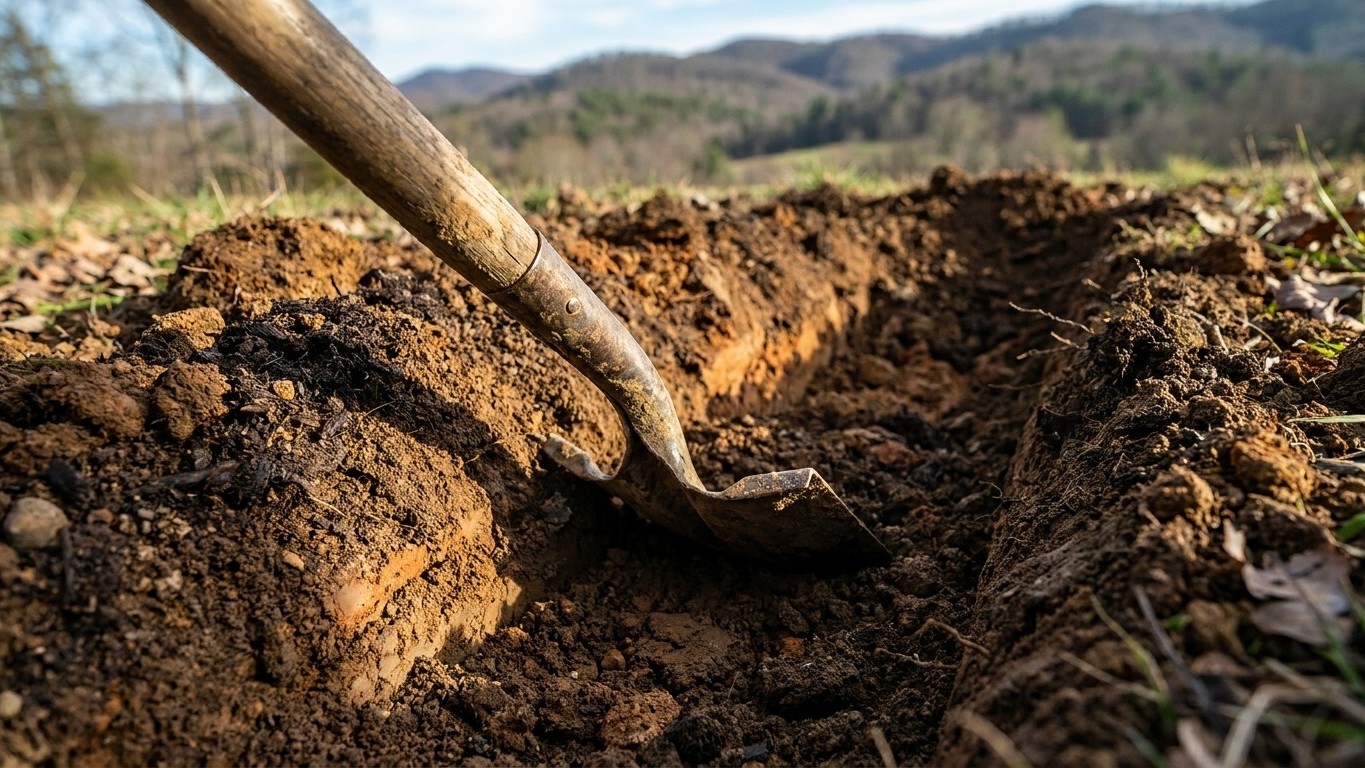
Dig a shovel into ground almost anywhere in West Virginia’s hill country and you’re likely hitting the Monongahela series, the soil the state named its…
Home & garden, state by state
Everything we have worked out for West Virginia: what to plant and when, which varieties finish in time, the pests that actually turn up here, and the jobs that pay off month by month. We also cover the rest of the property, from lawns and soil to home care and energy, because a garden rarely stops at the vegetable bed.
The numbers first, because everything else follows from them. Measured at the weather station in Charleston, the last spring freeze runs April 9 to April 23 and the first fall freeze runs October 18 to November 1, USDA zones 5a-7a, 4,159 growing degree days in the year.
Garlic does well: 21.8 weeks below 40 °F, comfortably past the six it needs to form a proper head.
Elsewhere on the property in West Virginia: the pests that turn up here.
Figures from NOAA's 1991-2020 climate normals. A state is not one climate: elevation, a large lake or the coast can move these dates by two weeks either way, so check your own county with the extension service before you spend money.
Dig a shovel into ground almost anywhere in West Virginia’s hill country and you’re likely hitting the Monongahela series, the soil the state named its…
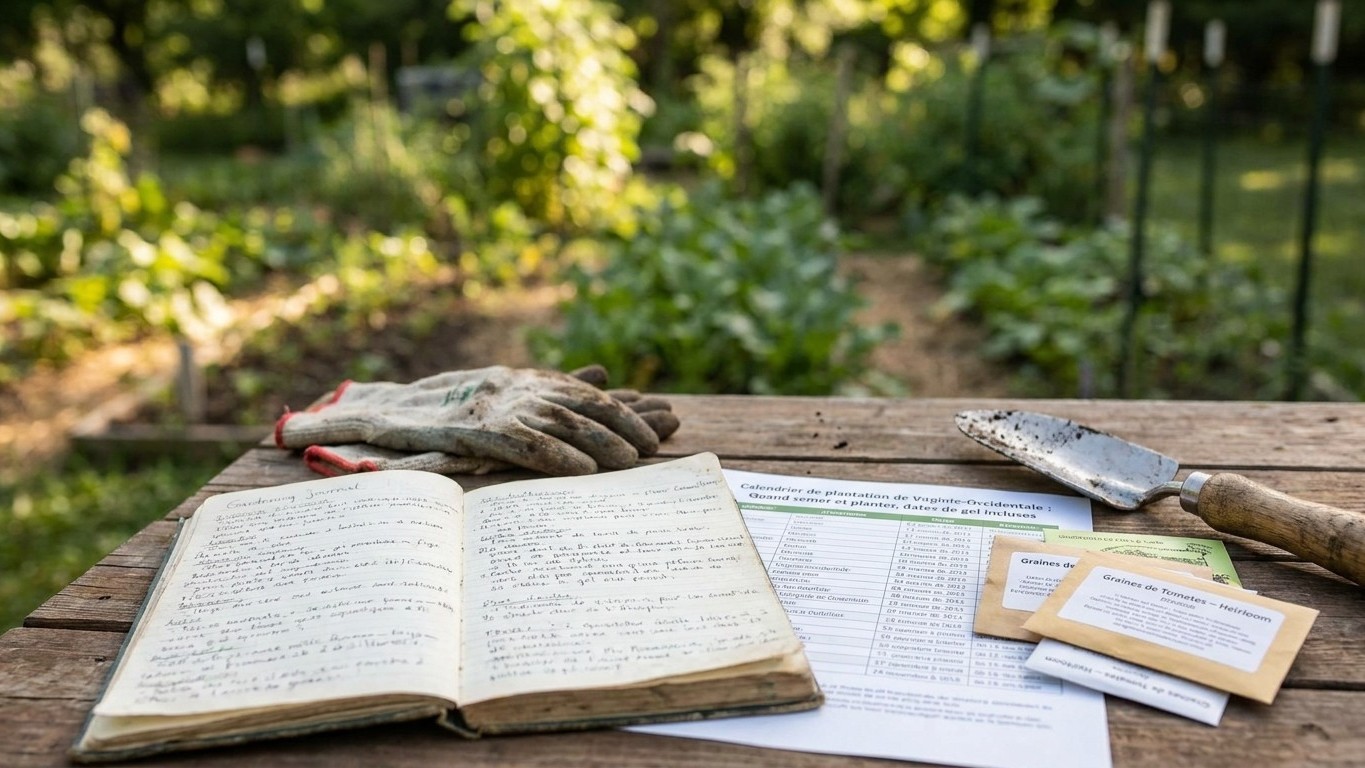
A practical look at West Virginia’s spring and fall frost dates from NOAA, with sowing windows for cool-season, warm-season, and fall vegetable crops.
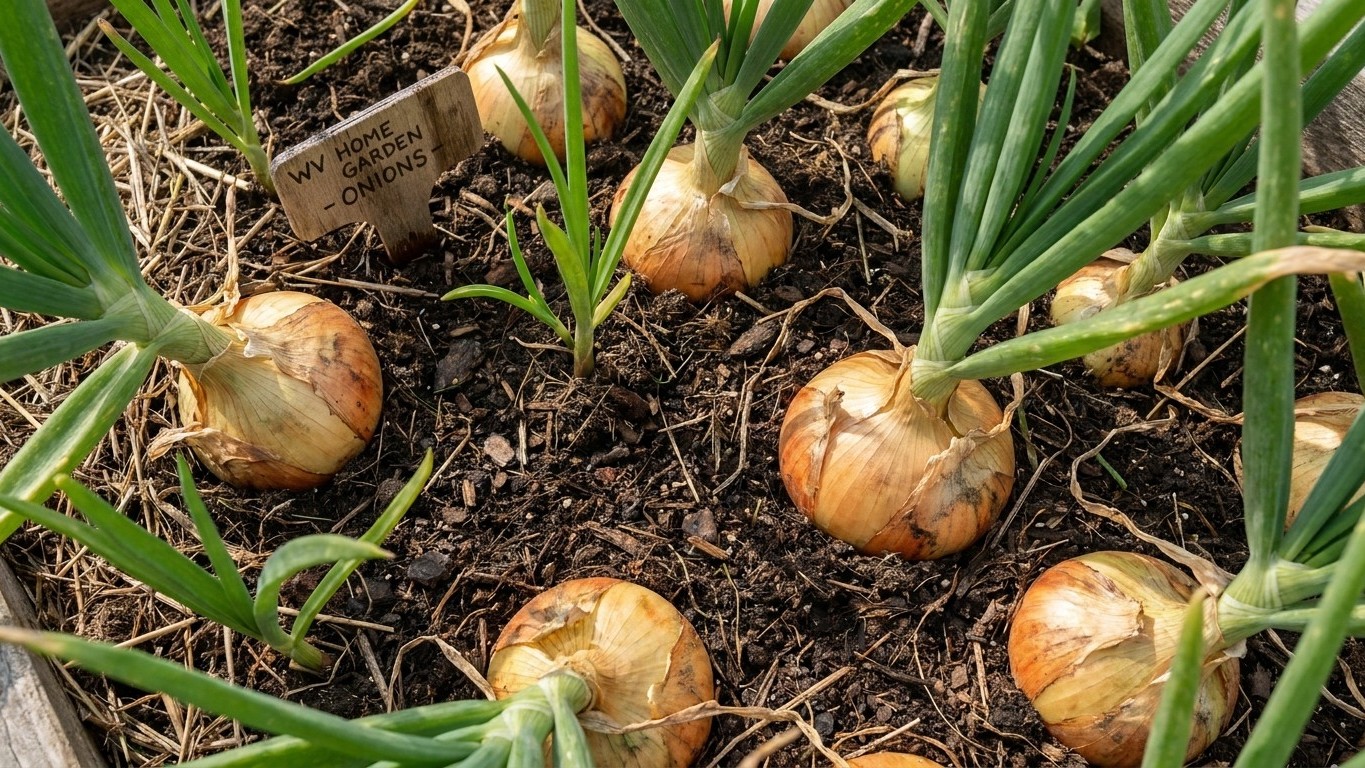
At 38.38 degrees north, Charleston gets 14 hours and 41 minutes of daylight on the longest day of the year.
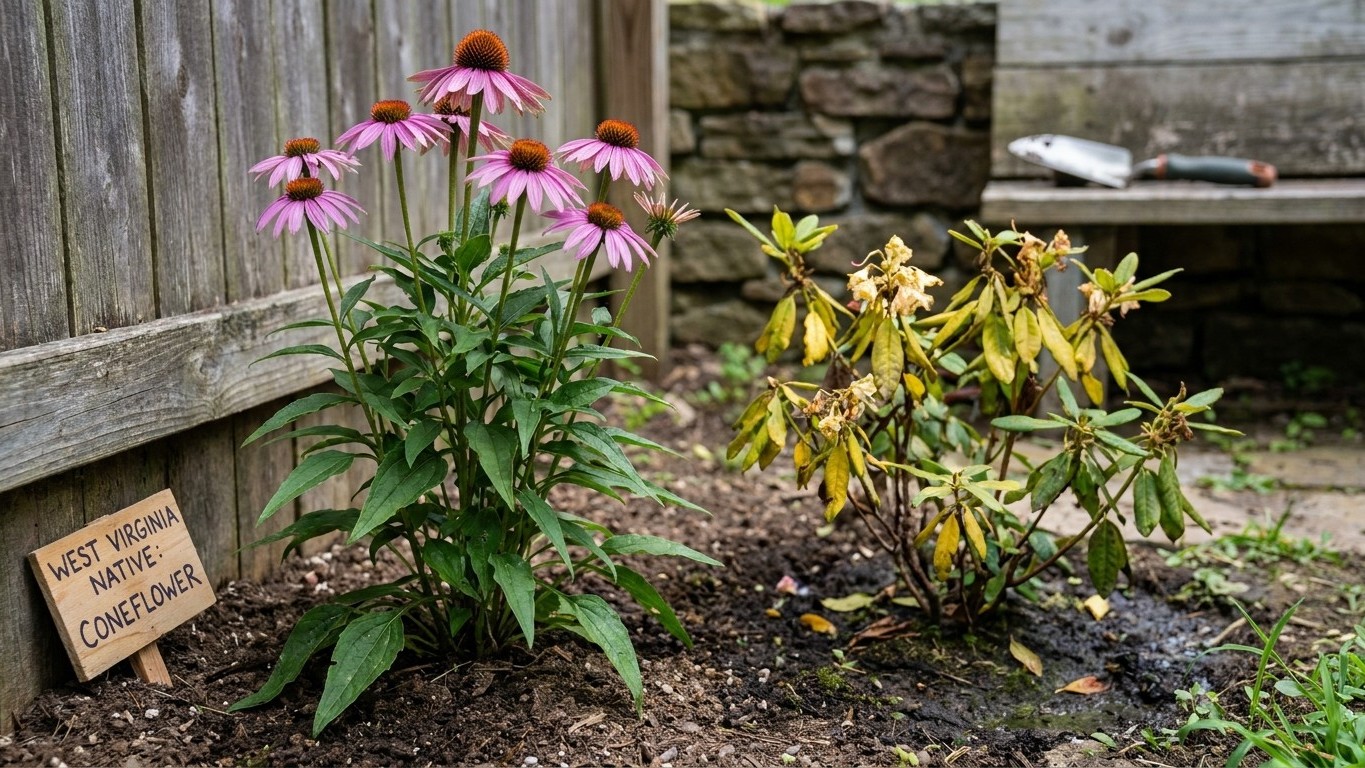
A look at which flowers hold up through West Virginia’s cold winters and humid summers, and which ones fail no matter how well you plant them.
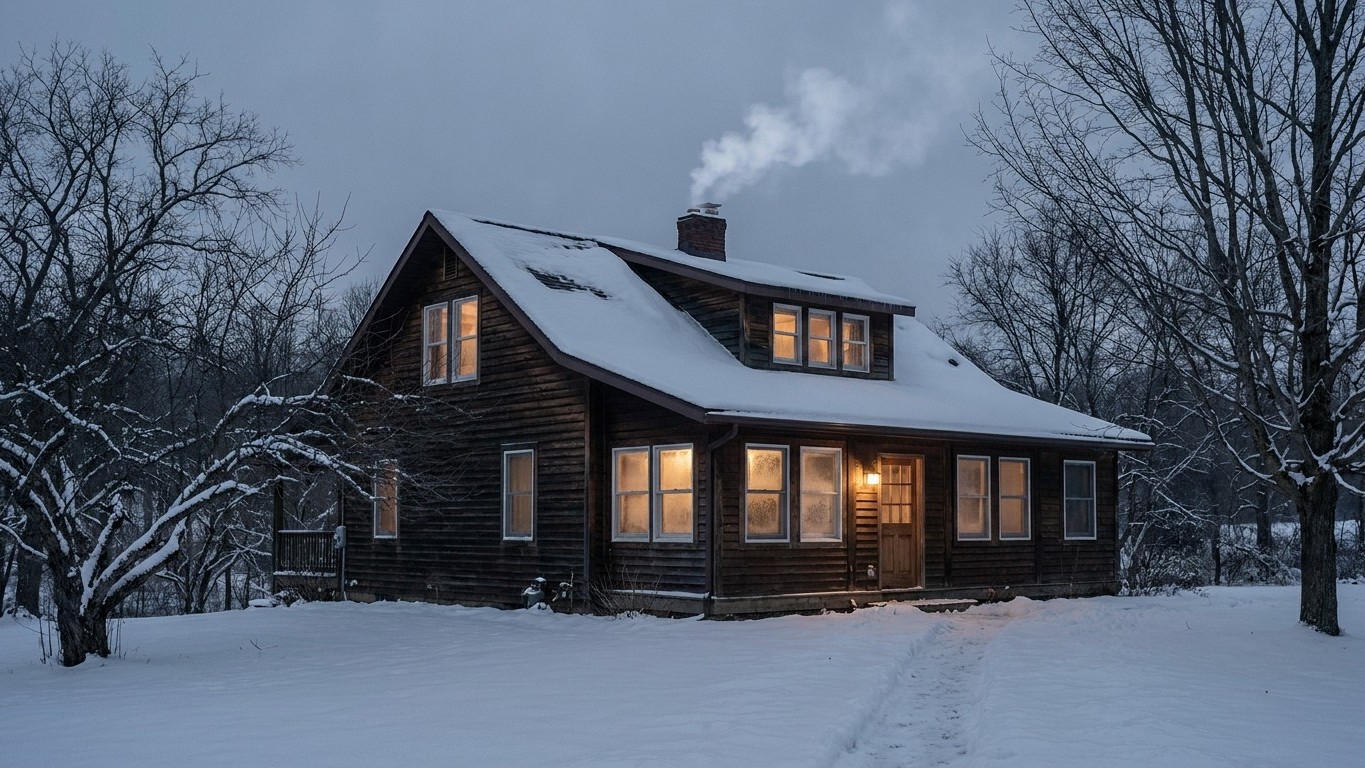
West Virginia winters hover just below freezing most nights from December through February, which means furnaces and wood stoves run in long, steady…
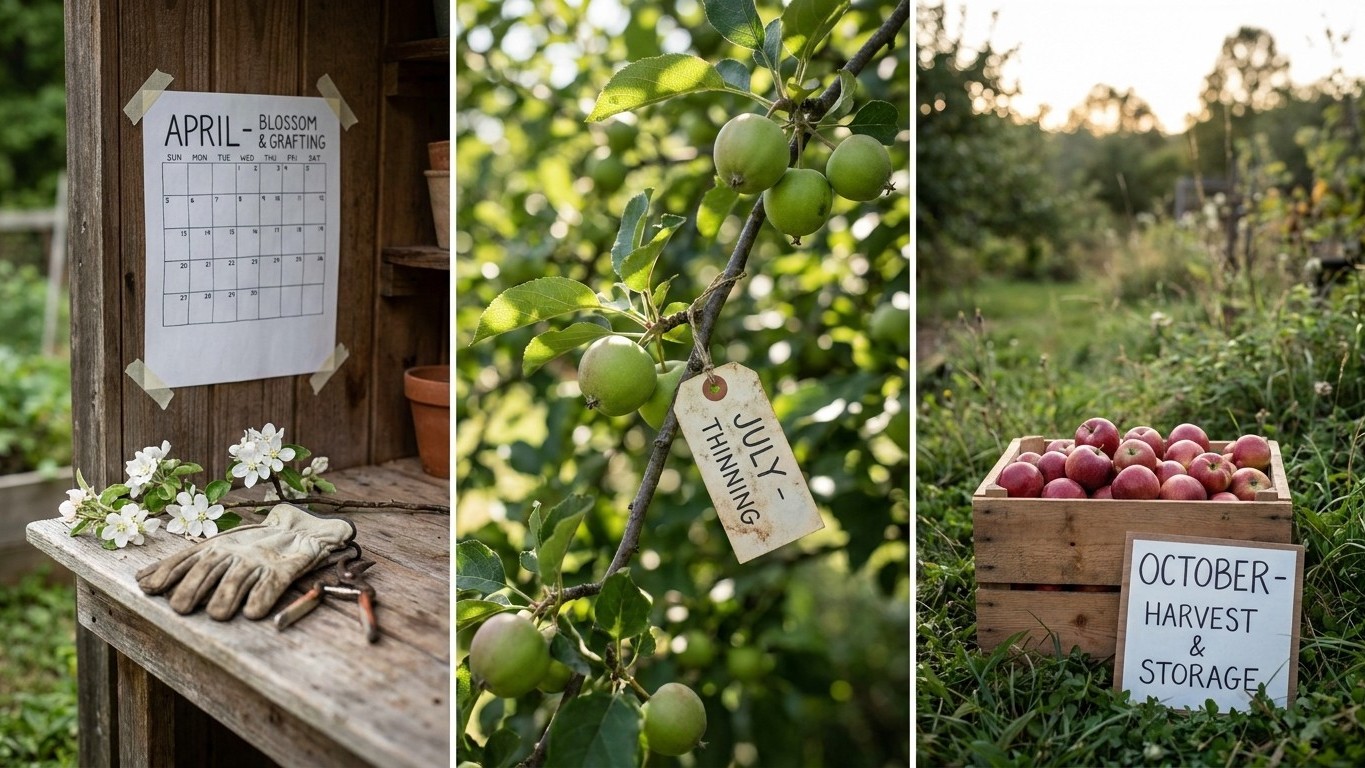
West Virginia’s apple stages, from dormancy to harvest, are timed against Charleston’s NOAA frost dates, with adjustments for elevation and region.
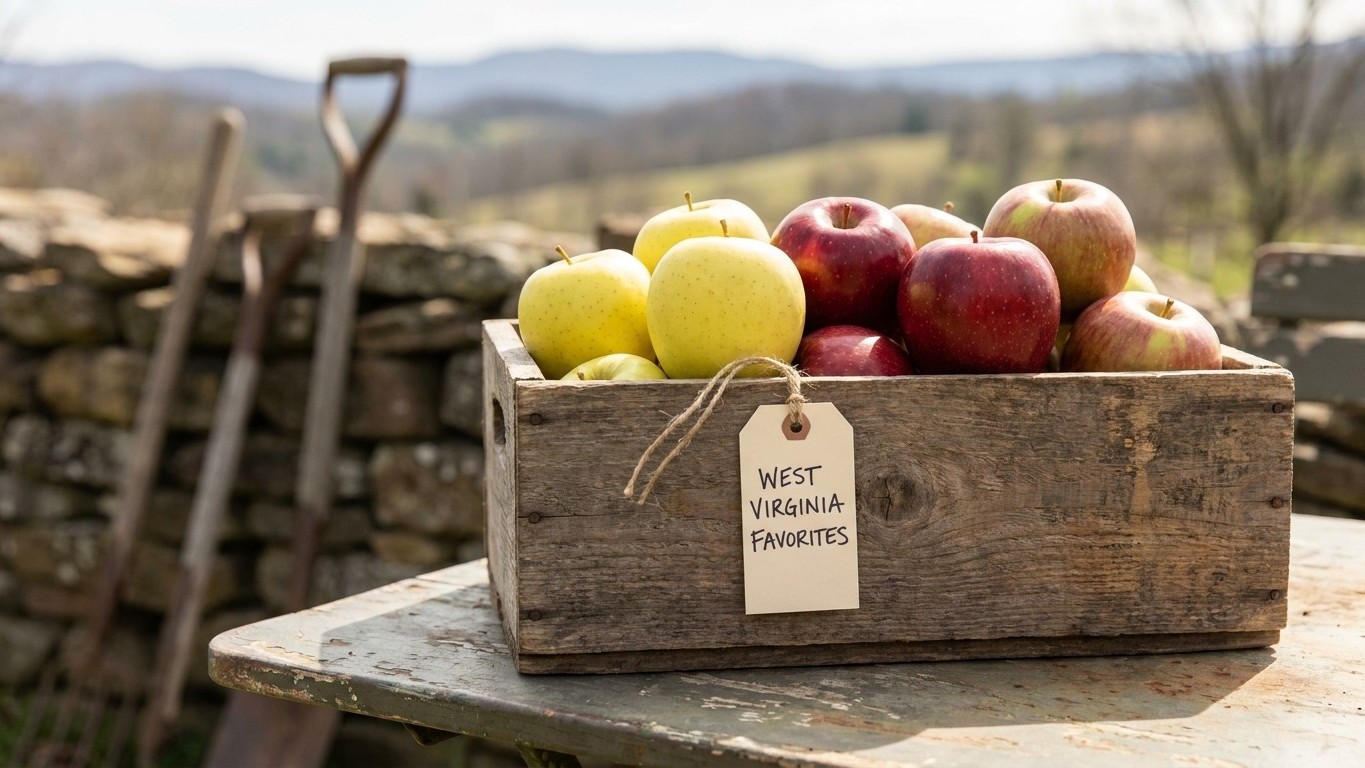
West Virginia apple growers need to match rootstock hardiness, bloom timing and winter chill to their own elevation, not a single statewide variety pick.
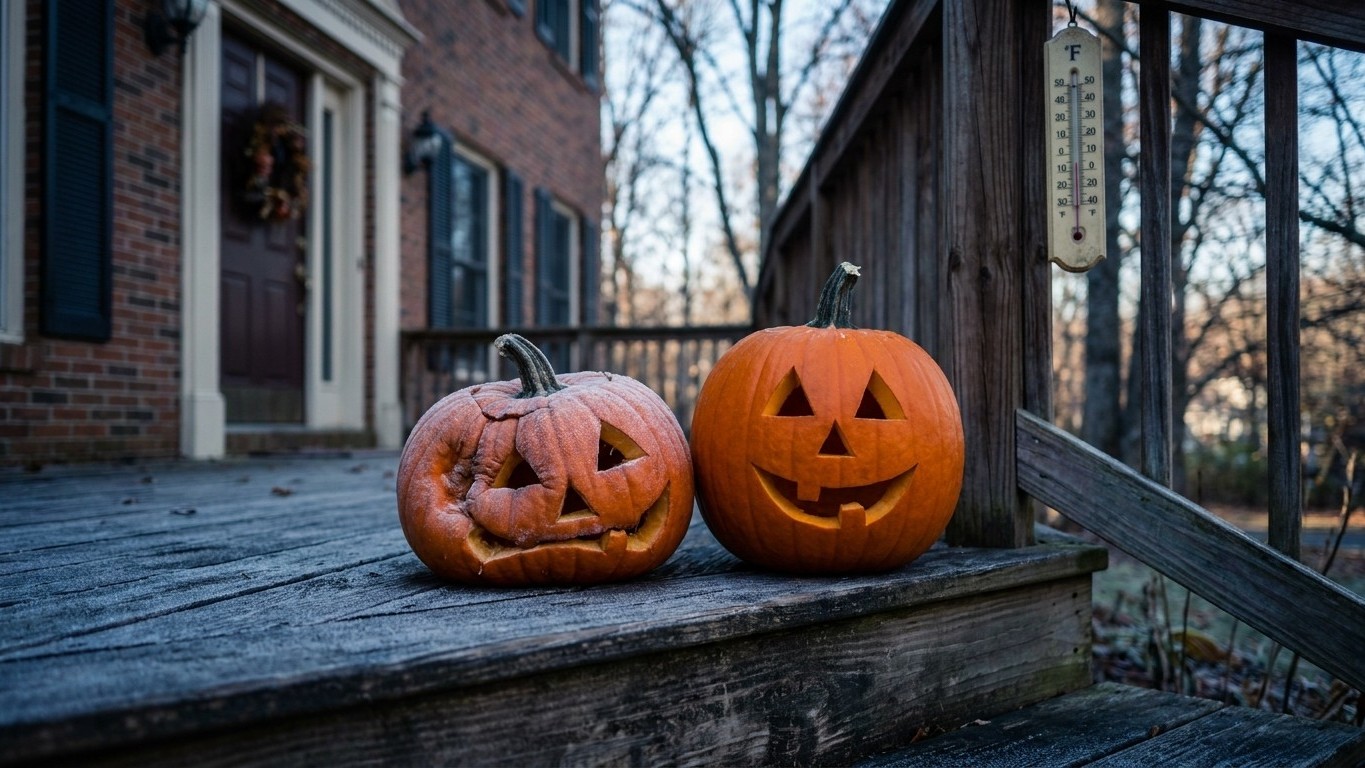
Charleston’s mean first fall frost lands somewhere between October 18 and November 1, which means West Virginia’s frost window doesn’t fall neatly before…
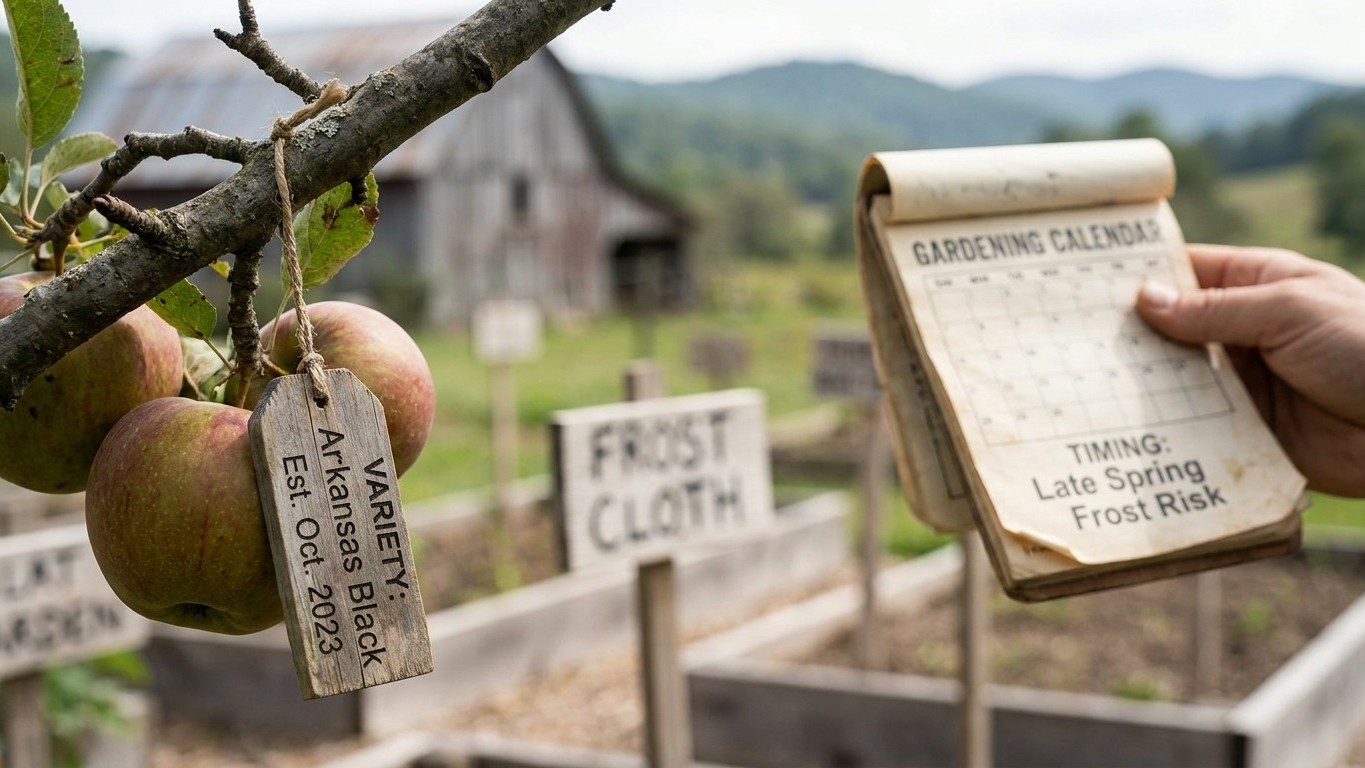
West Virginia spans USDA zones 5a to 7a, and last-frost timing at Charleston shifts earlier or later depending on elevation and variety bloom time.
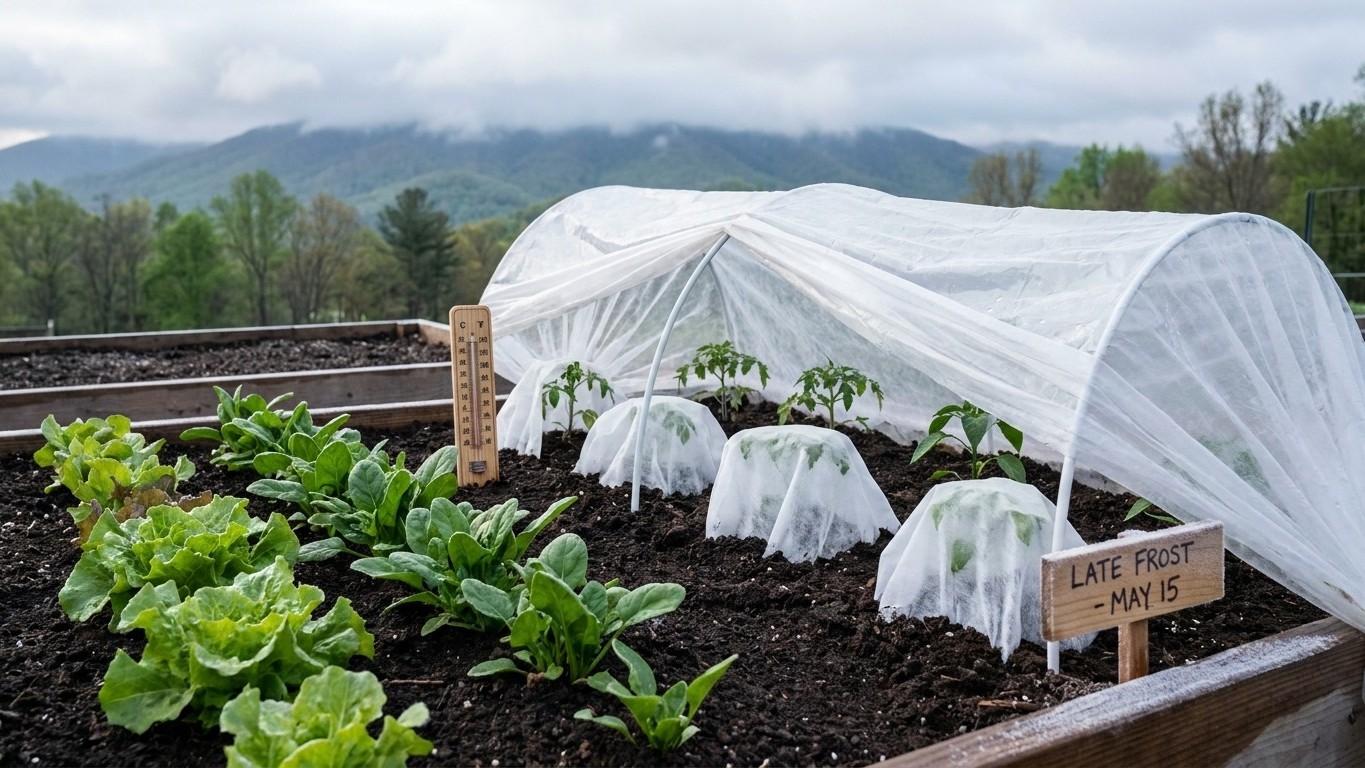
West Virginia gardeners work with a frost-free window that runs roughly six months at low elevation and considerably less in the mountains, inside a…