When to Cut Spinach in Wisconsin, and How Long It Really Keeps
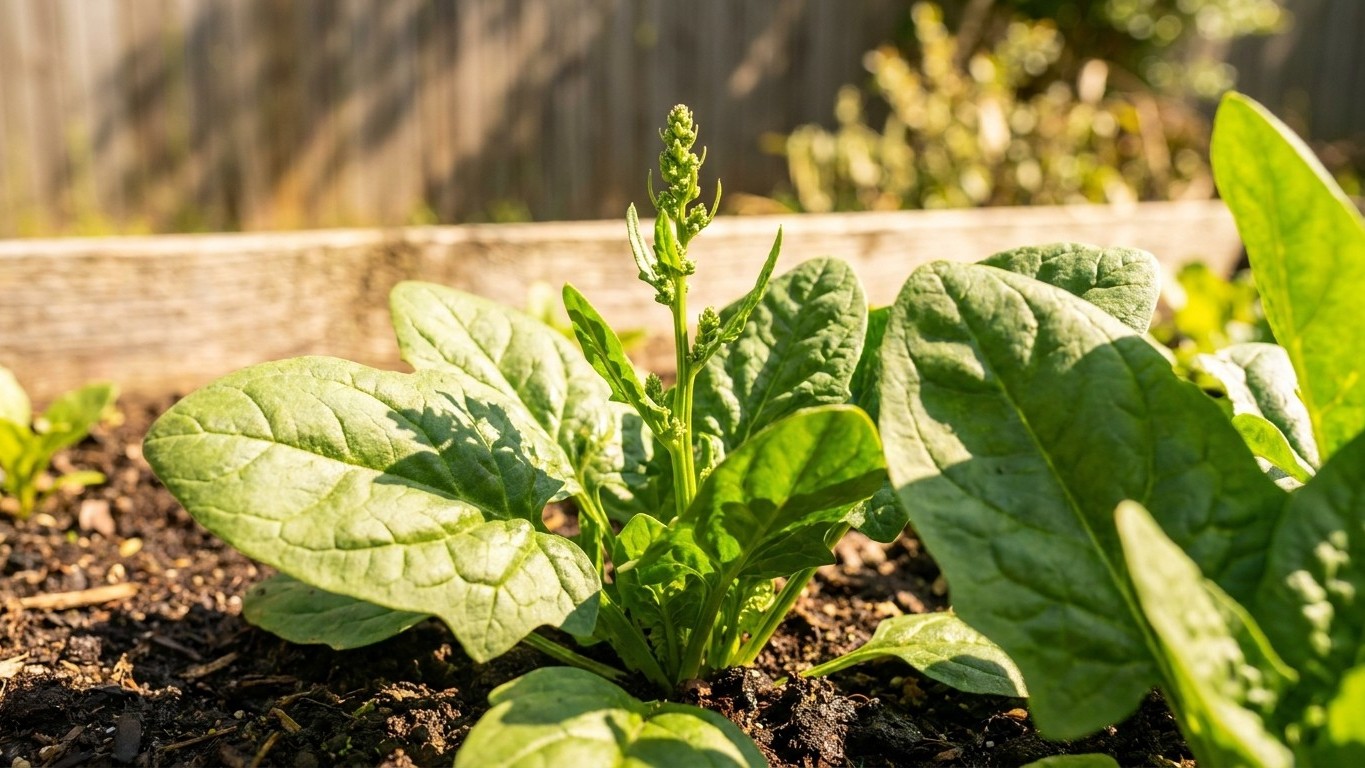
Cut spinach while the leaves are a good eating size and the center of the plant is still a flat rosette.
Home & garden, state by state
Everything we have worked out for Wisconsin: what to plant and when, which varieties finish in time, the pests that actually turn up here, and the jobs that pay off month by month. We also cover the rest of the property, from lawns and soil to home care and energy, because a garden rarely stops at the vegetable bed.
The numbers first, because everything else follows from them. Measured at the weather station in Milwaukee, the last spring freeze runs April 16 to April 29 and the first fall freeze runs October 17 to October 29, USDA zones 3b-6a, 2,808 growing degree days in the year.
Garlic does well: 26.1 weeks below 40 °F, comfortably past the six it needs to form a proper head.
Elsewhere on the property in Wisconsin: the pests that turn up here.
Figures from NOAA's 1991-2020 climate normals. A state is not one climate: elevation, a large lake or the coast can move these dates by two weeks either way, so check your own county with the extension service before you spend money.
Cut spinach while the leaves are a good eating size and the center of the plant is still a flat rosette.
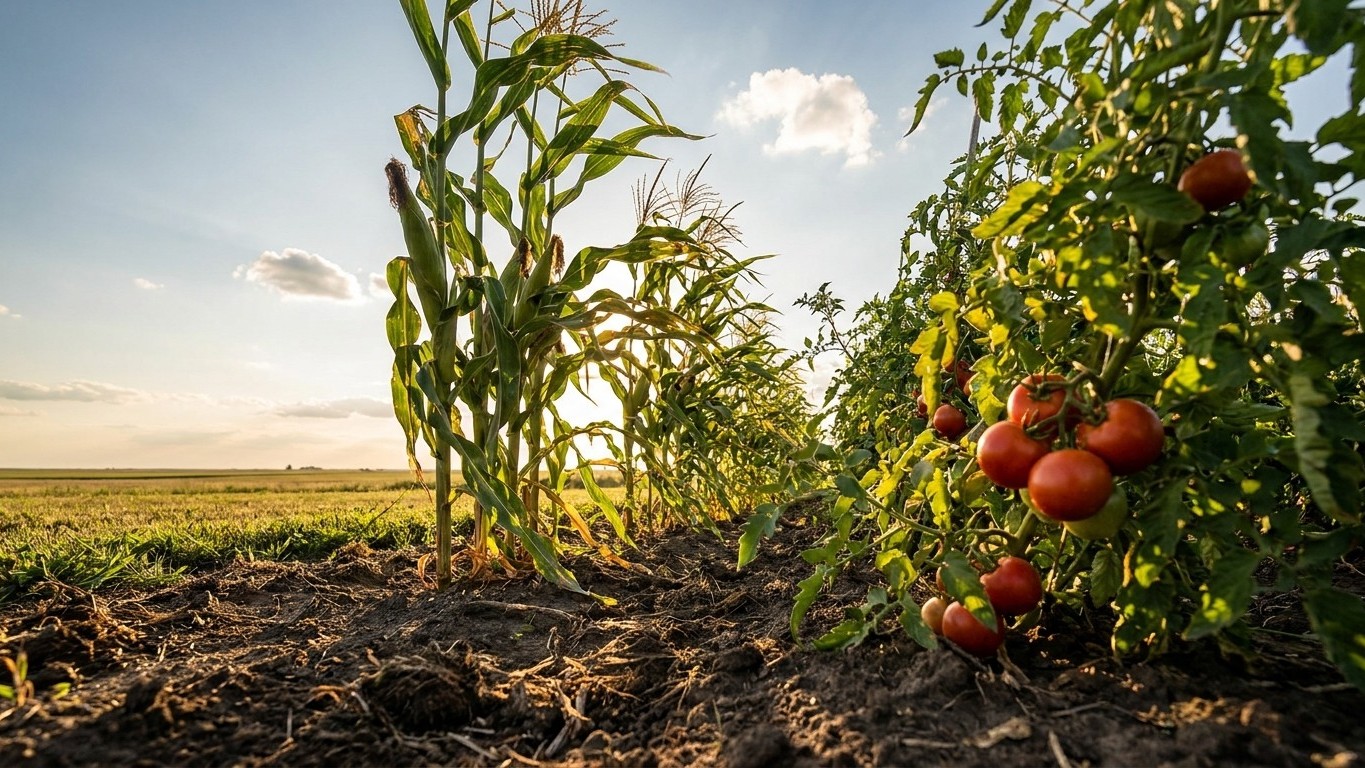
Sweet corn is ready when the silks are dry and brown, the husks are still green and moist, and a punctured kernel gives milky juice.
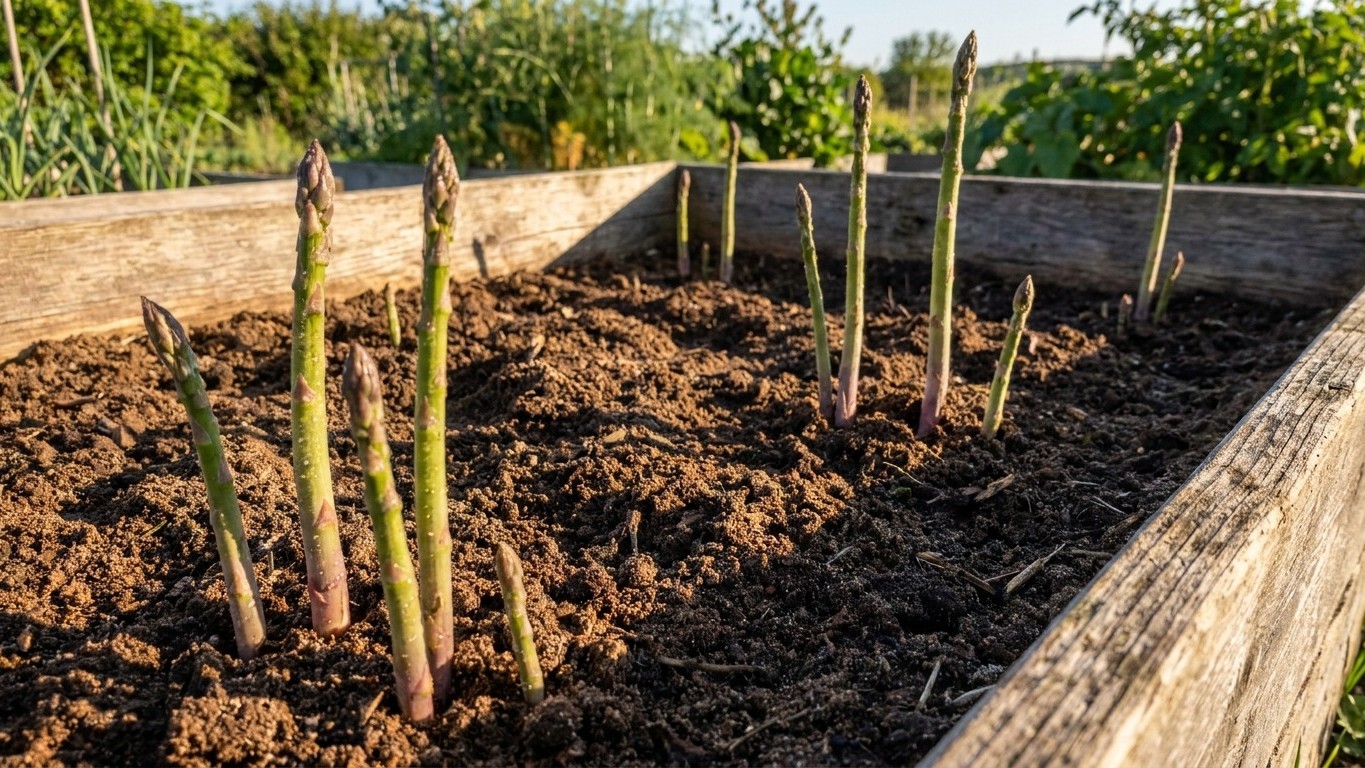
Asparagus gets eaten at three points: on the spears in spring, on the ferns through summer, and at the soil line on young shoots.
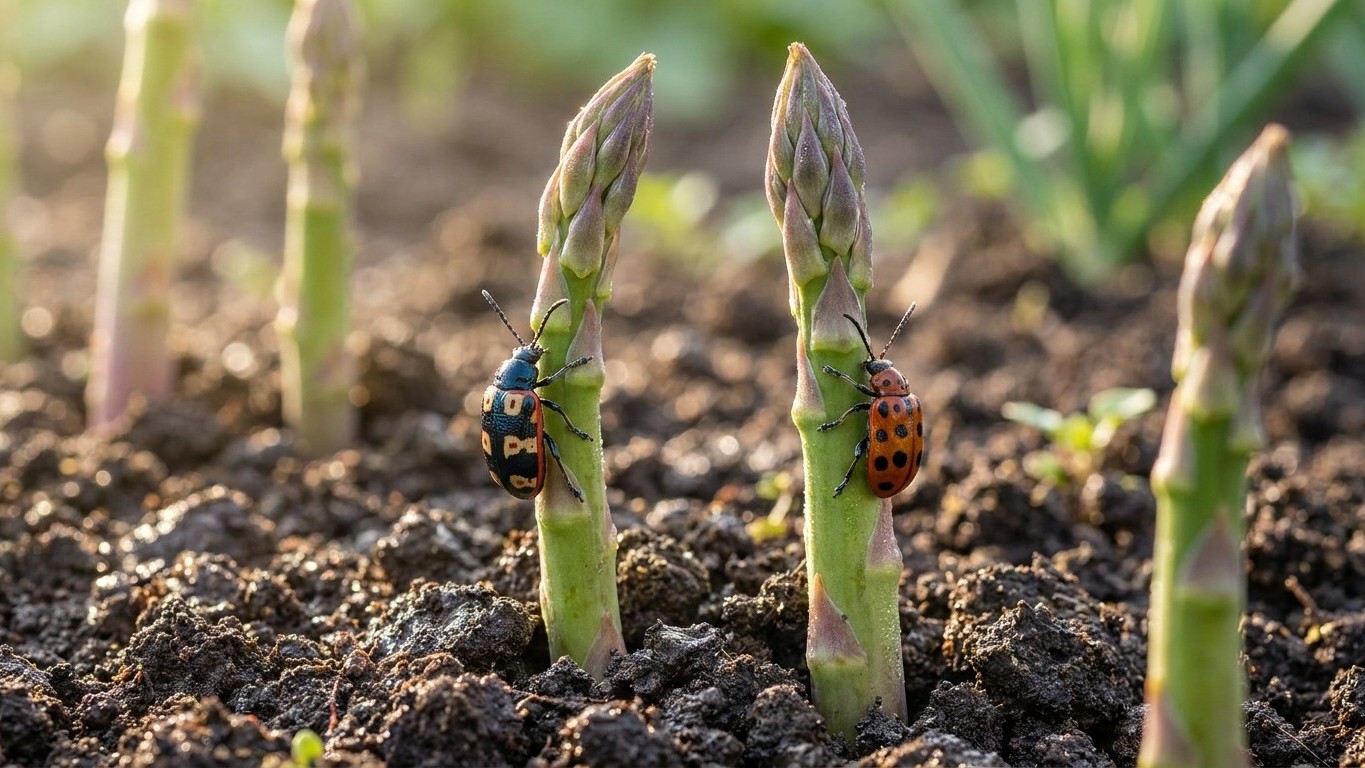
Stop cutting when most of the spears coming up are thinner than a pencil. That signal matters more than any calendar date.
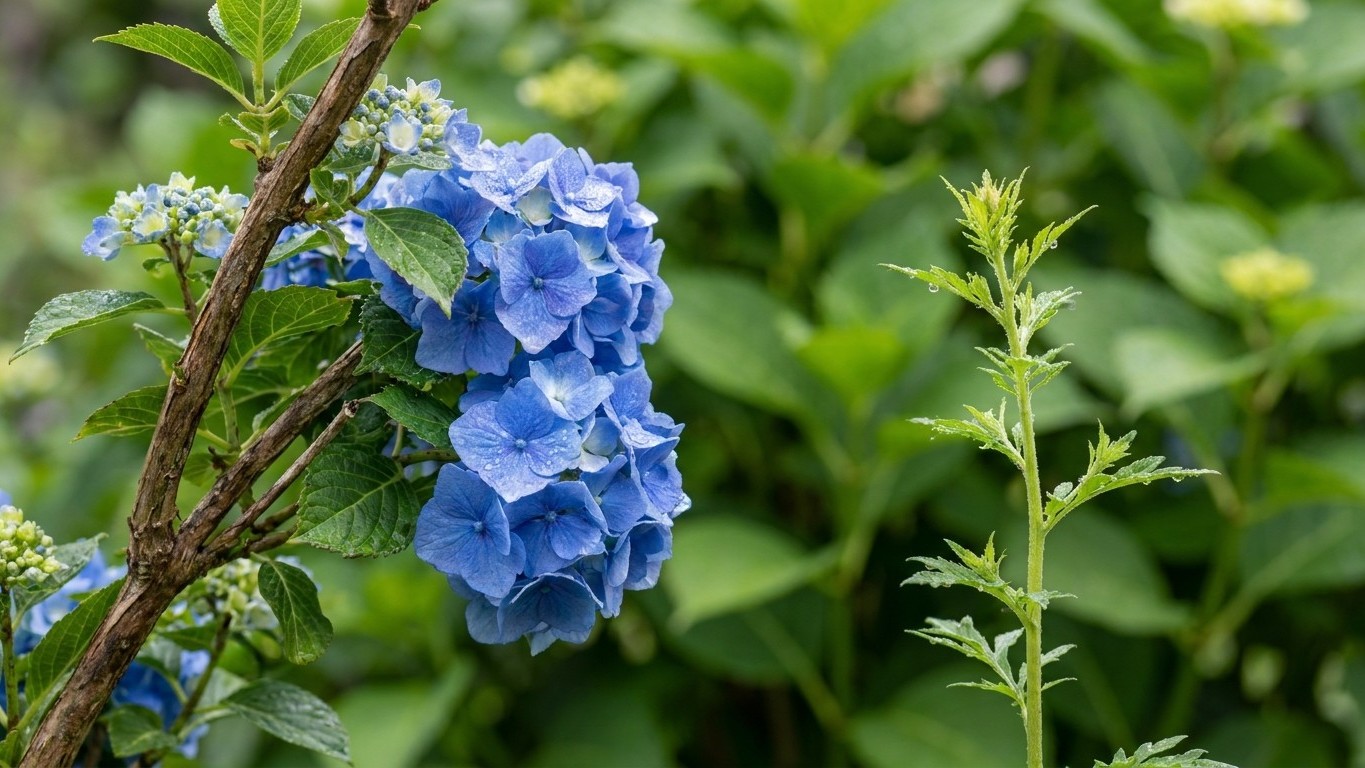
Plant hydrangeas in Wisconsin from mid-May on, once the last spring freeze has passed, and choose panicle or smooth types if you want blooms every year.
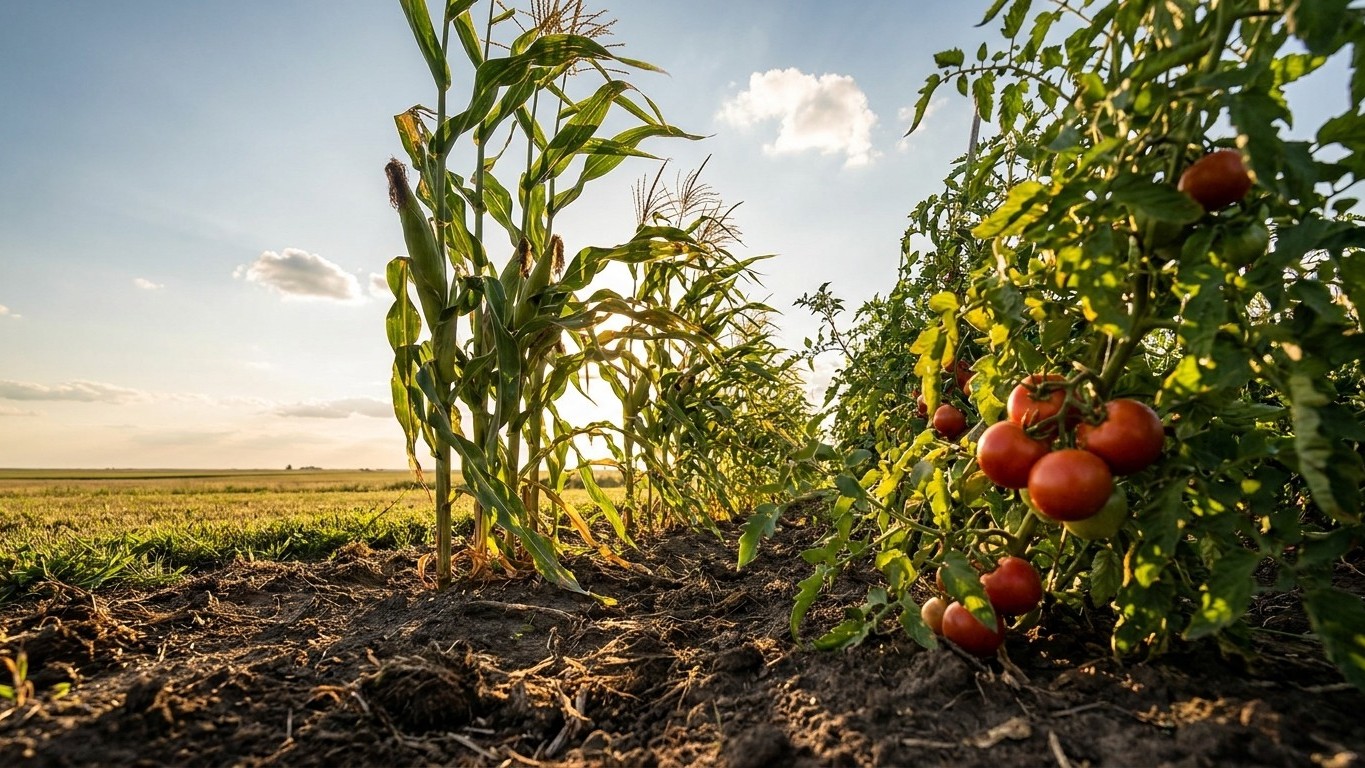
Sweet corn in Wisconsin gets eaten at three points: the seed and seedling in cool spring soil, the leaves through midsummer, and the ear from the first…
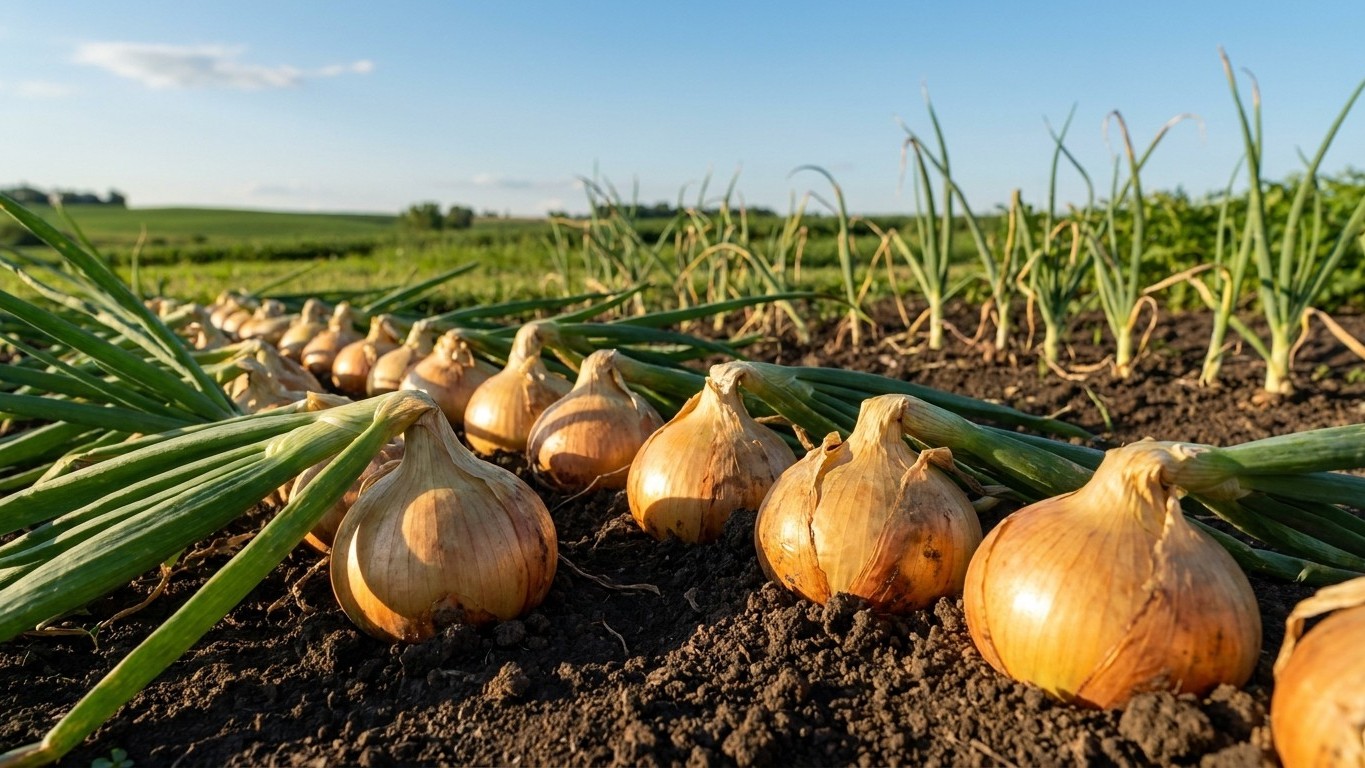
Lift onions when most of the tops have flopped over and turned yellow, which in Wisconsin means late summer, with the week set by variety and planting…
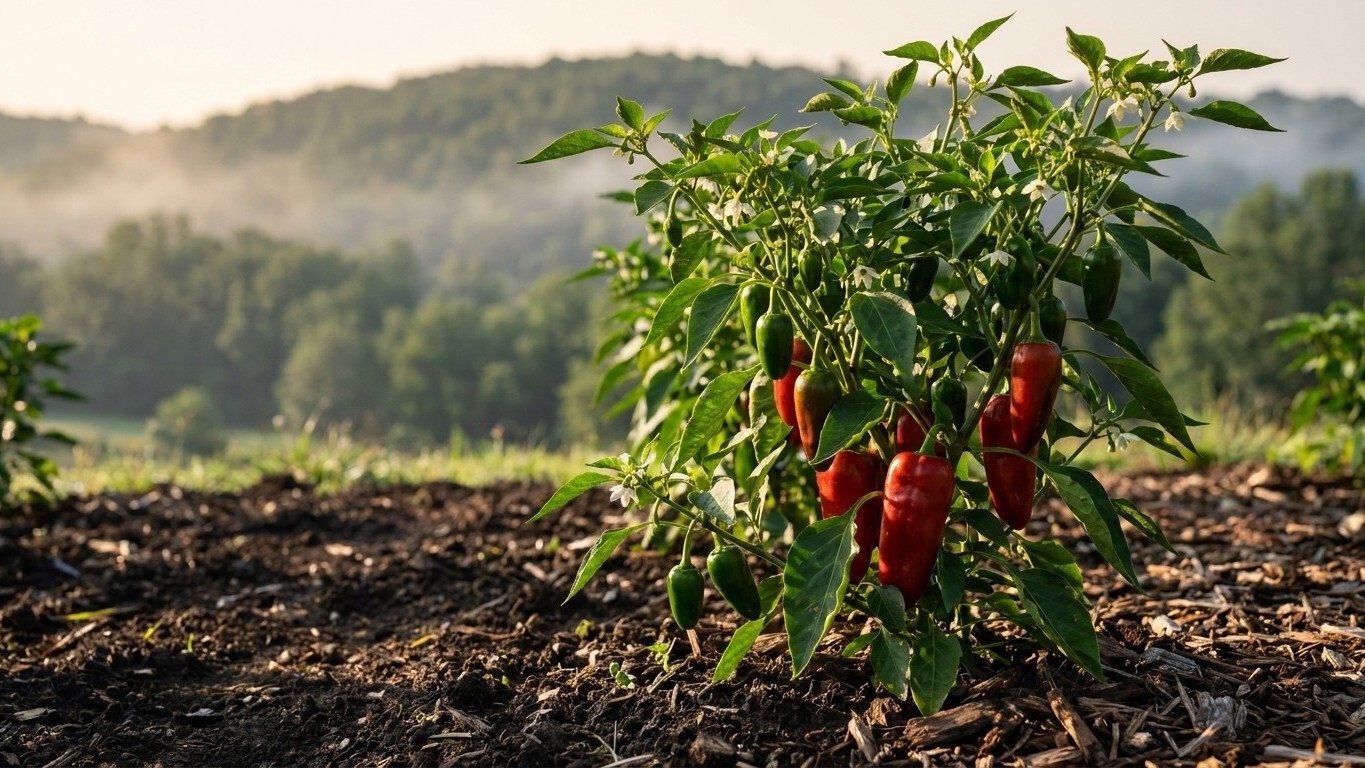
Pick peppers when the fruit has reached full size and feels firm, roughly 70 to 85 days after transplanting. Then keep them out of the refrigerator.
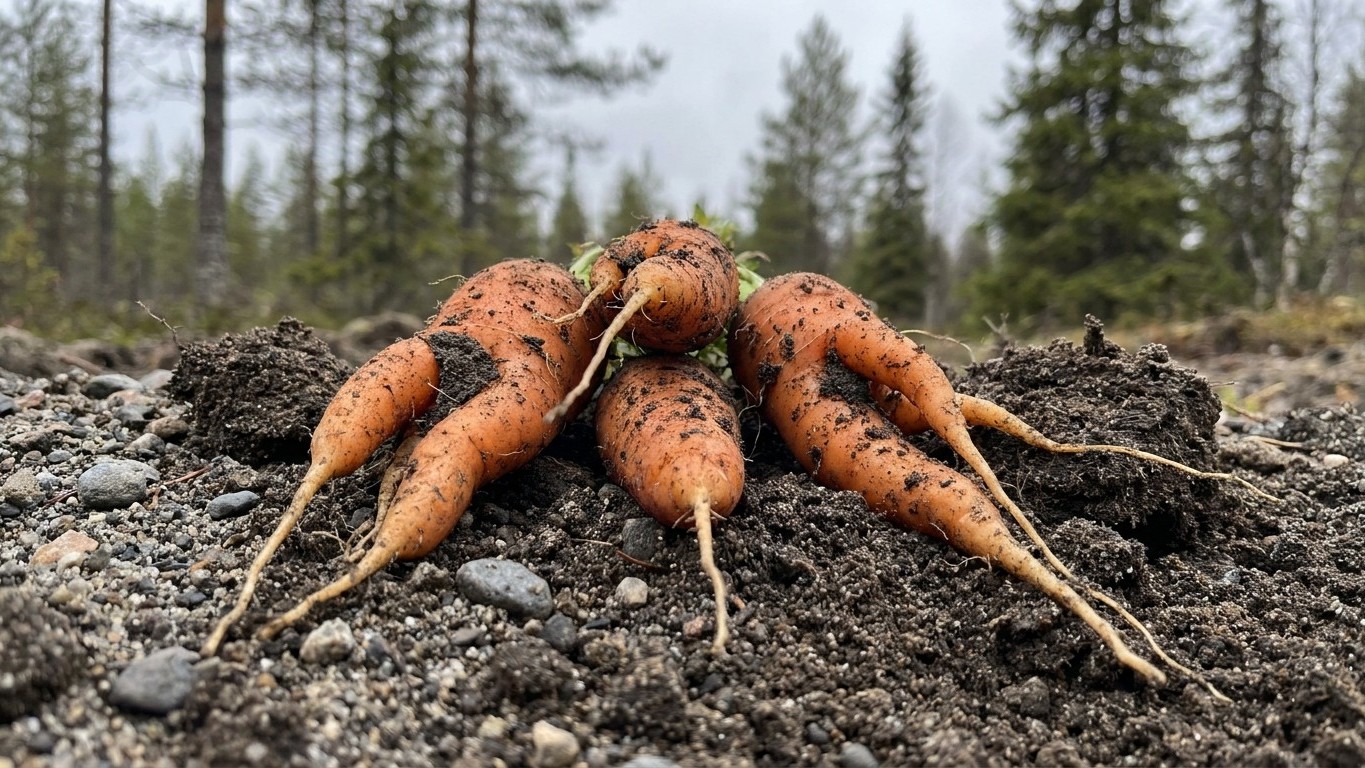
Pull carrots when the roots reach the width the seed packet promises, usually 70 to 100 days from seeding and before the ground freezes solid.
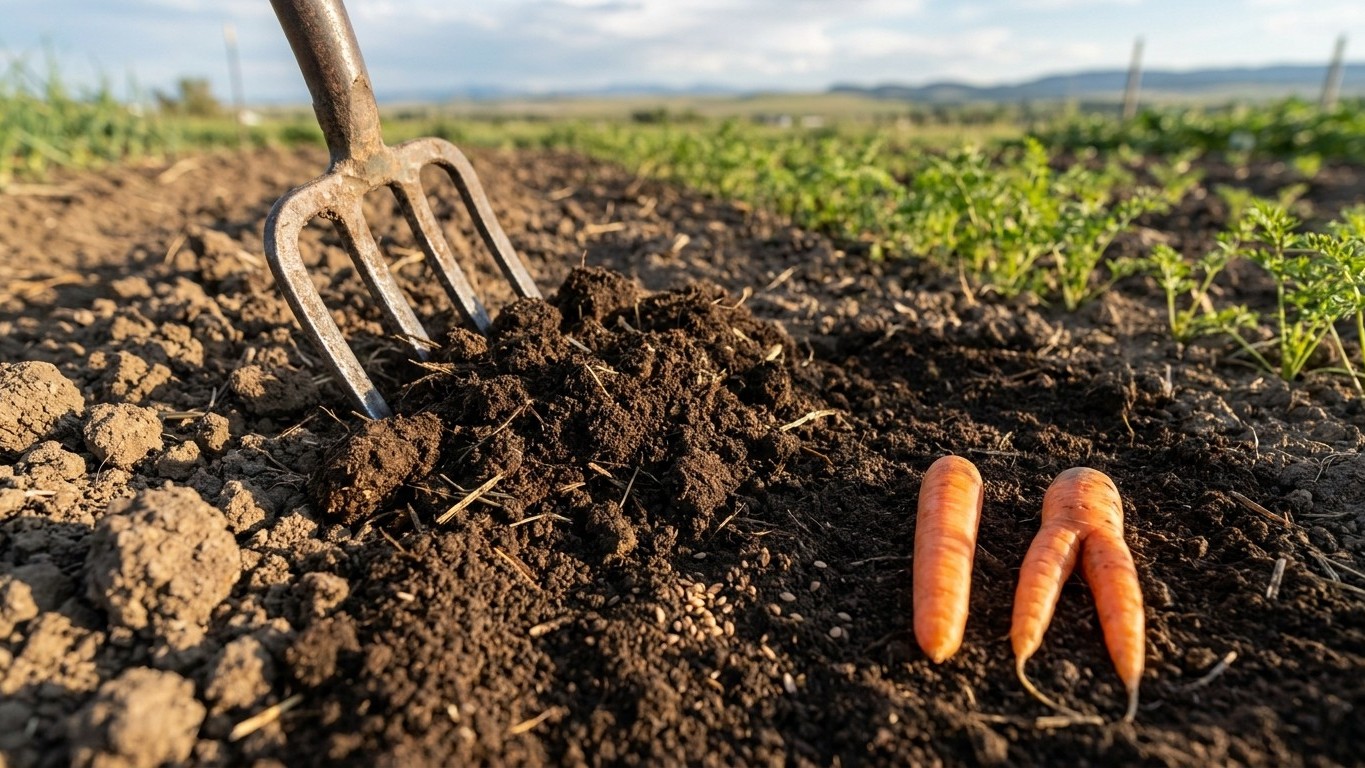
Carrots in Wisconsin lose tissue at three stages. Seedlings get cut or chewed soon after they sprout, tops get nibbled through the leafy stretch of…