Garden Pests in Wyoming: What Shows Up, When, and How to Stop It
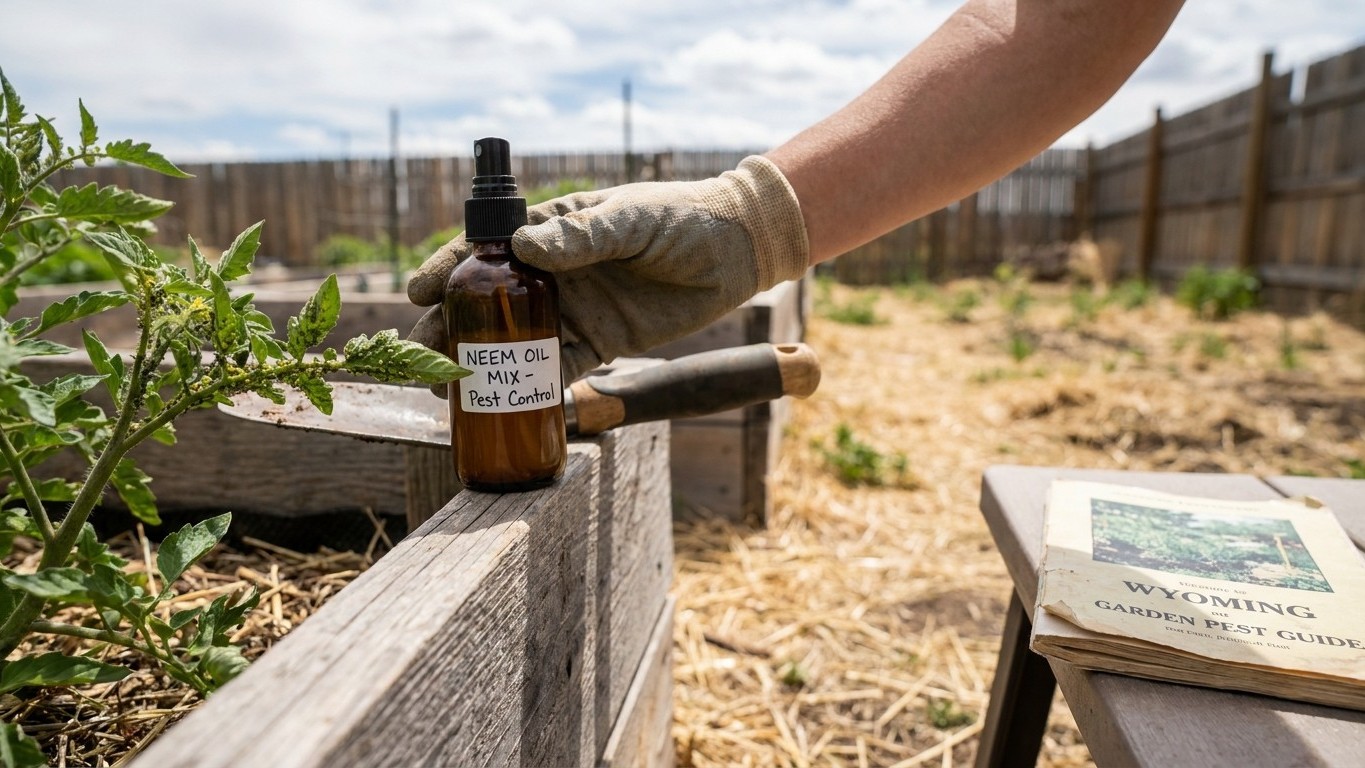
A season-by-season look at the pests University of Wyoming Extension flags for home vegetable gardens, how to tell their damage apart, and what actually controls them.
Home & garden, state by state
Everything we have worked out for Wyoming: what to plant and when, which varieties finish in time, the pests that actually turn up here, and the jobs that pay off month by month. We also cover the rest of the property, from lawns and soil to home care and energy, because a garden rarely stops at the vegetable bed.
The numbers first, because everything else follows from them. Measured at the weather station in Cheyenne, the last spring freeze runs May 7 to May 18 and the first fall freeze runs September 24 to October 5, USDA zones 3a-6a, 2,552 growing degree days in the year.
Garlic does well: 30.4 weeks below 40 °F, comfortably past the six it needs to form a proper head.
Elsewhere on the property in Wyoming: the pests that turn up here.
Figures from NOAA's 1991-2020 climate normals. A state is not one climate: elevation, a large lake or the coast can move these dates by two weeks either way, so check your own county with the extension service before you spend money.
A season-by-season look at the pests University of Wyoming Extension flags for home vegetable gardens, how to tell their damage apart, and what actually controls them.
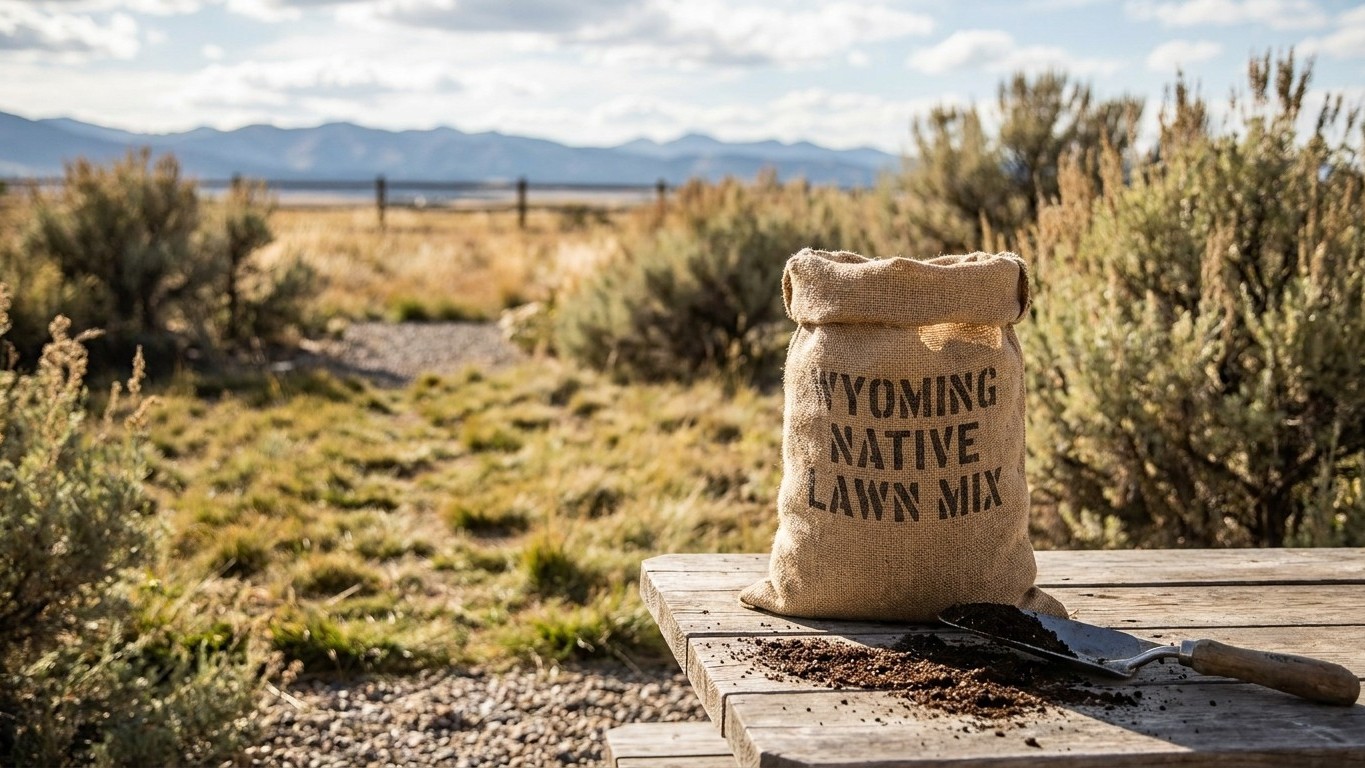
Cool-season grasses like Kentucky bluegrass and tall fescue suit Wyoming lawns, best seeded in late summer ahead of the first fall frost near Cheyenne.
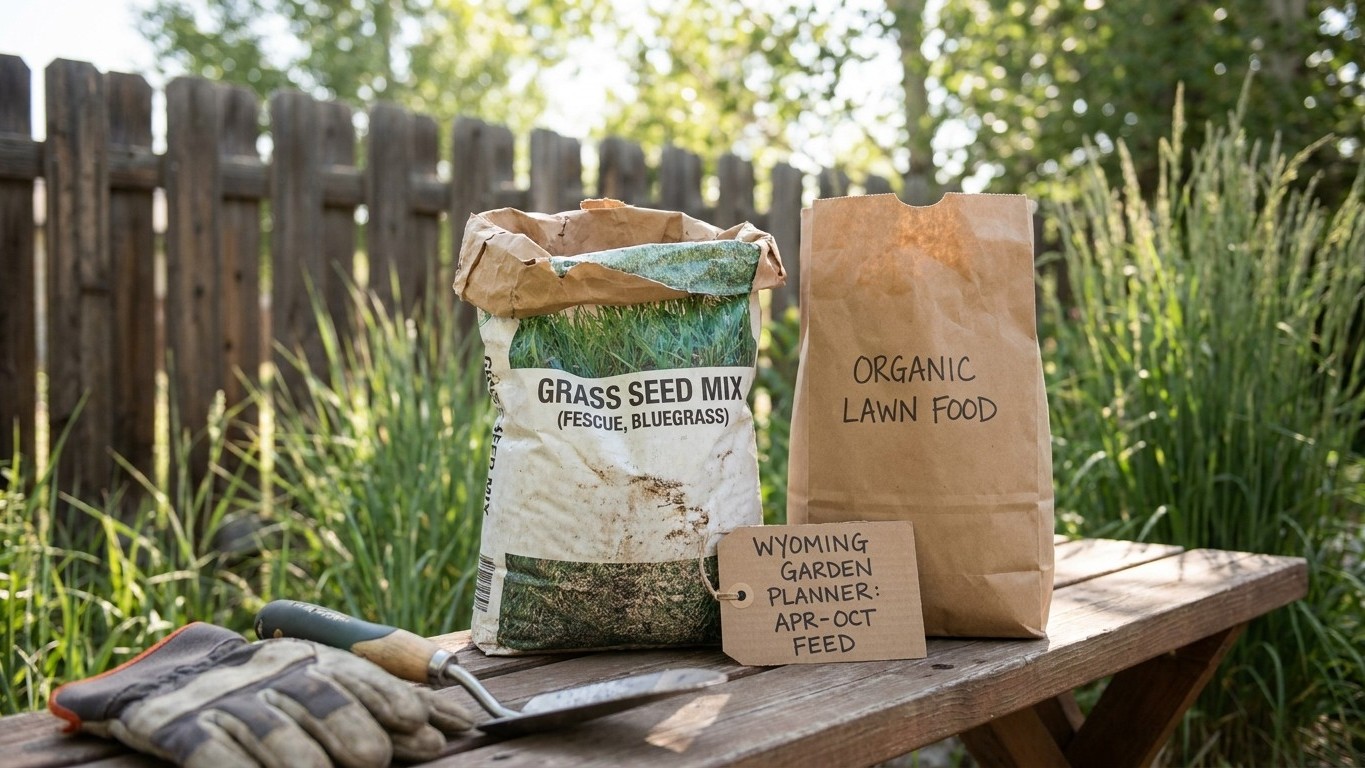
NOAA’s Cheyenne climate normals rule out warm-season grass, so Wyoming lawns run on cool-season species seeded a few weeks ahead of the first fall frost.
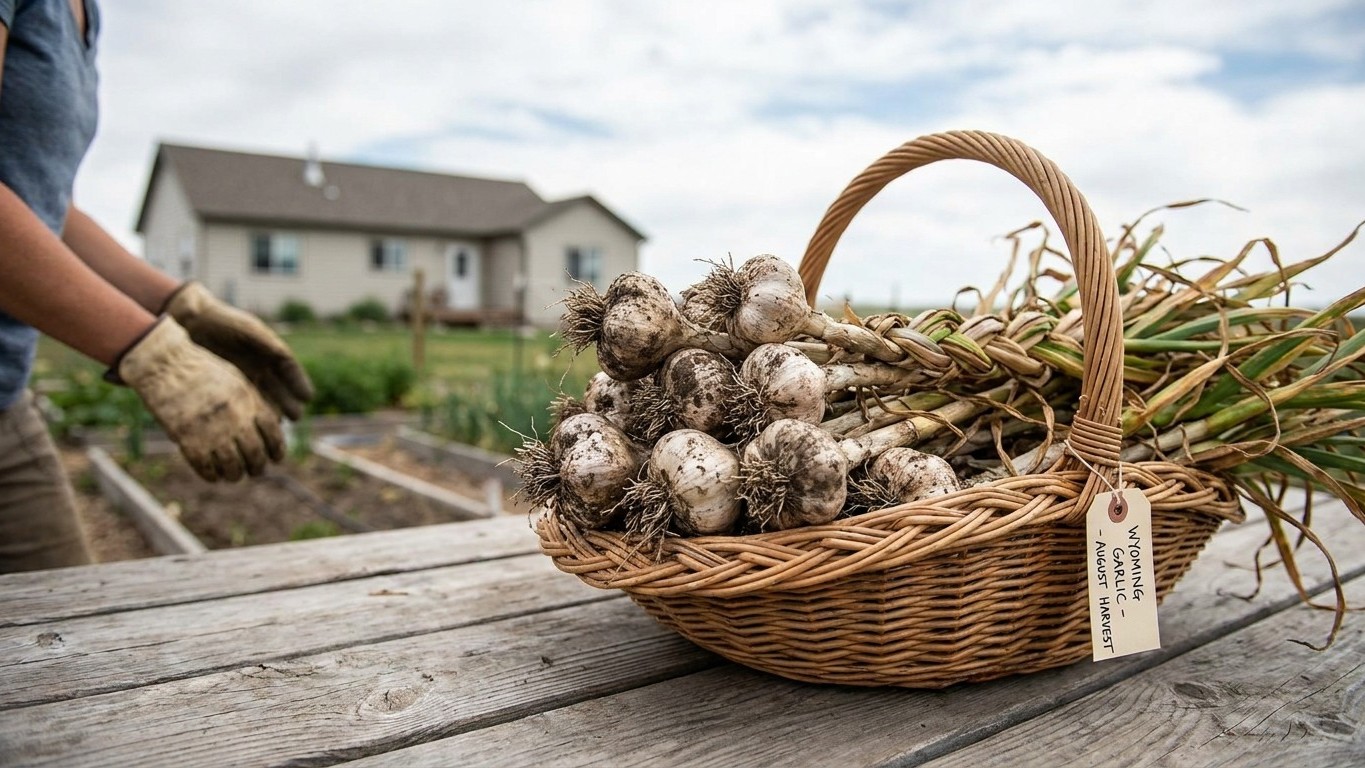
Wyoming garlic planting dates run early to mid-September, calculated from NOAA’s Cheyenne frost data and adjusted for elevation.
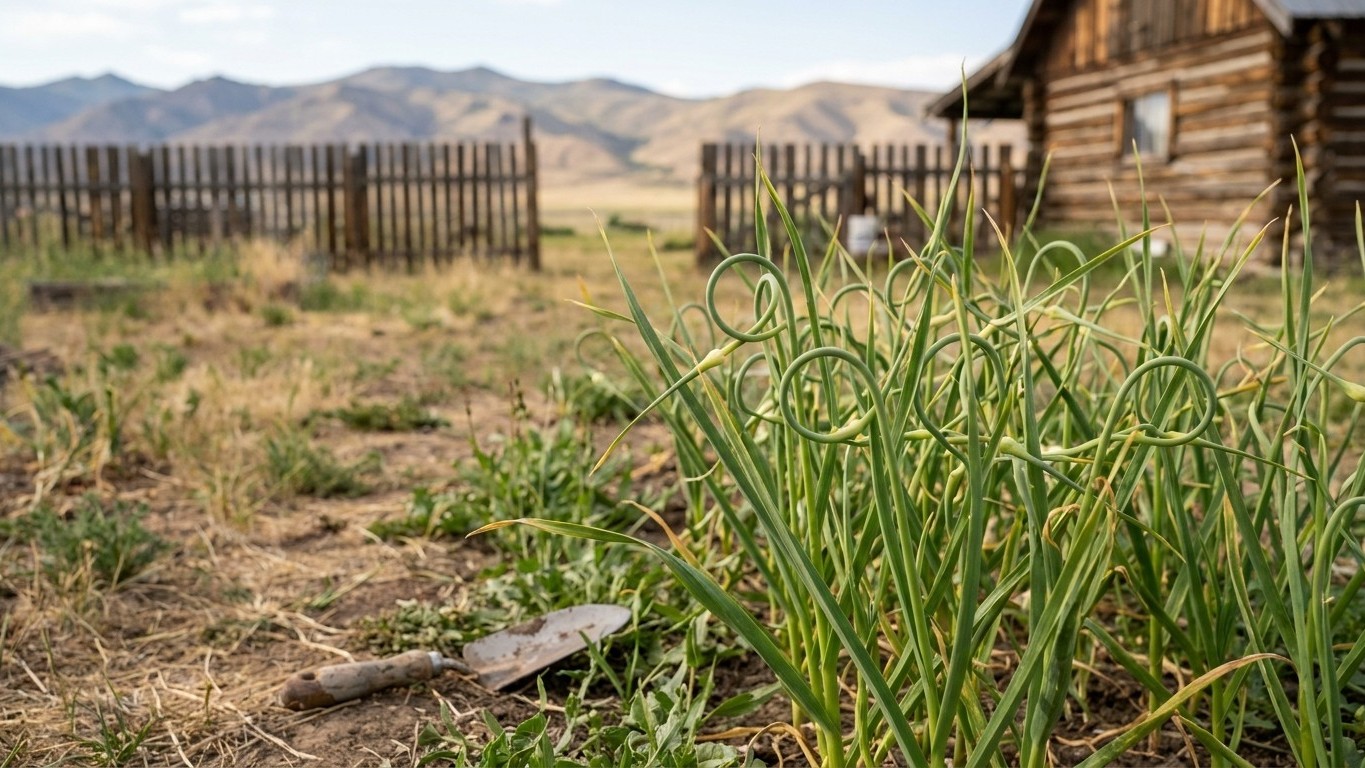
Wyoming’s winter cold comfortably exceeds what garlic needs to clove, making hardneck varieties the reliable choice, with softnecks workable in milder pockets.
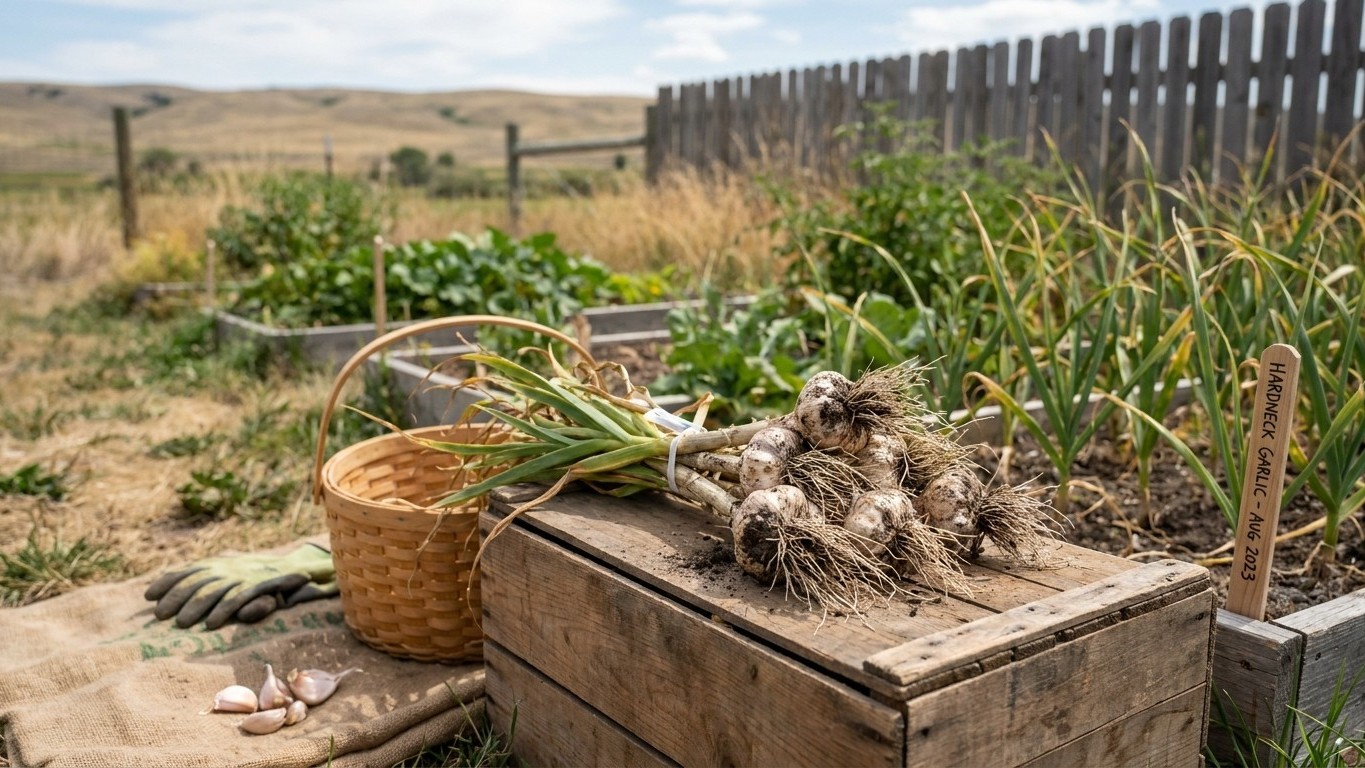
Wyoming’s long winter clears the cold garlic needs, and the planting window, cultivar picks, and disease risk here follow from that fact.
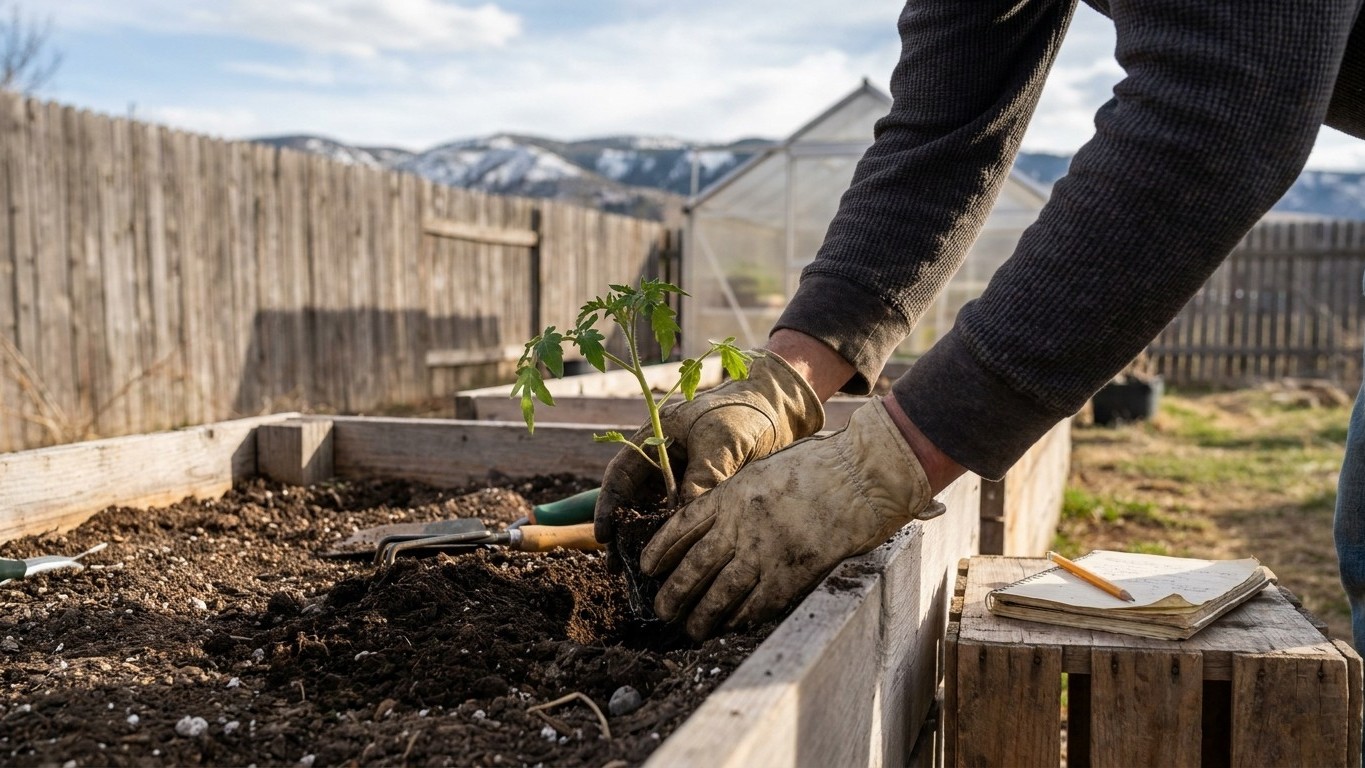
Wyoming tomato planting dates depend on counting backward from NOAA’s Cheyenne frost window, adjusted for your own county’s elevation and microclimate.
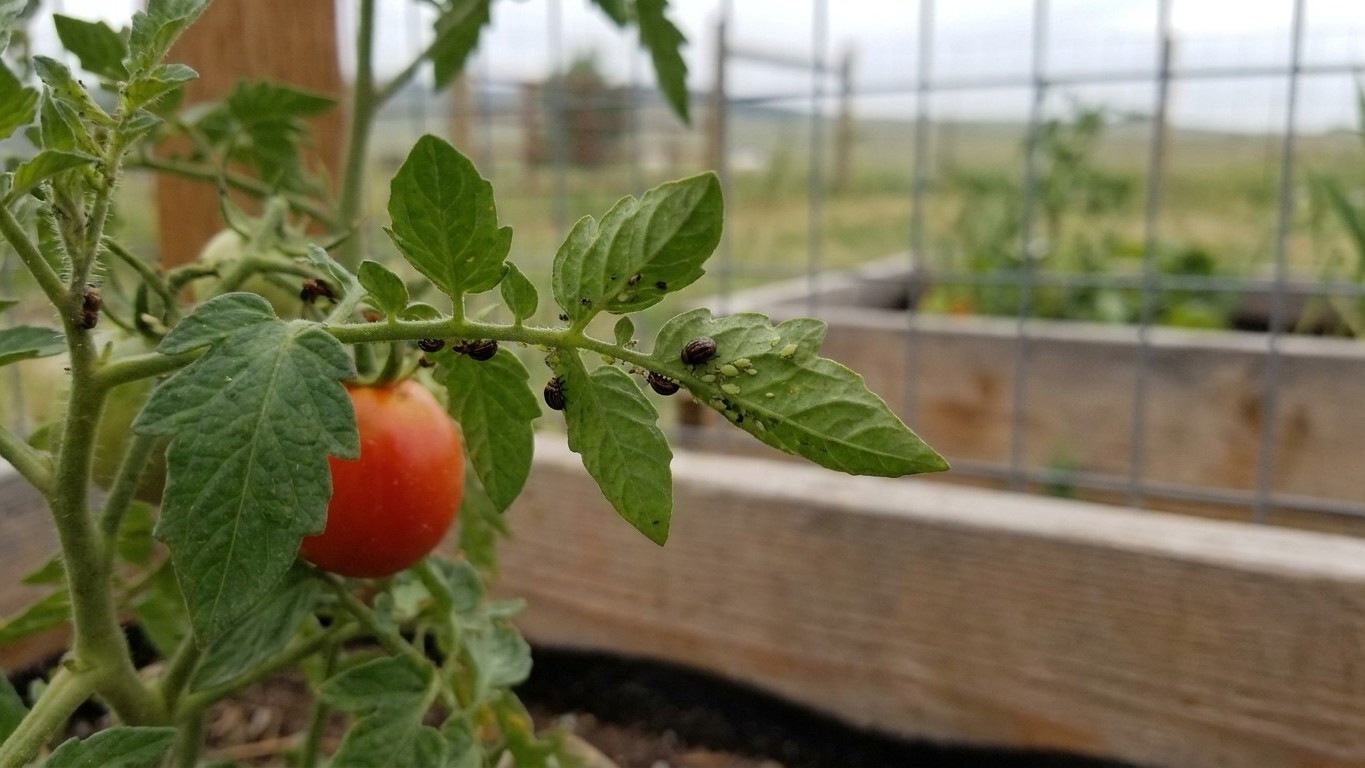
A season-by-season rundown of the tomato pests that actually turn up in Wyoming gardens, from early cutworms to mid-summer blister beetles, and how to handle each one.
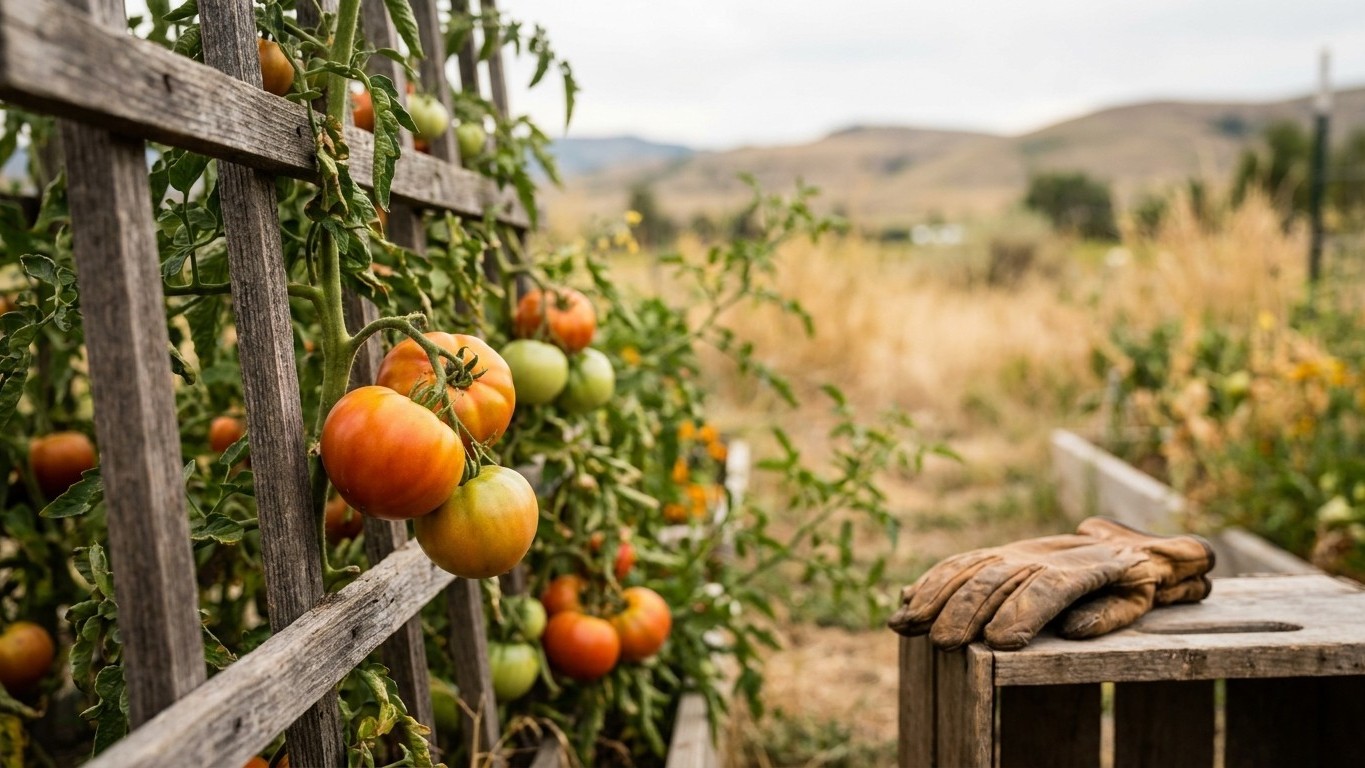
Wyoming gardeners can use Cheyenne’s frost window and days-to-maturity figures to pick tomato varieties that ripen before the first fall freeze.
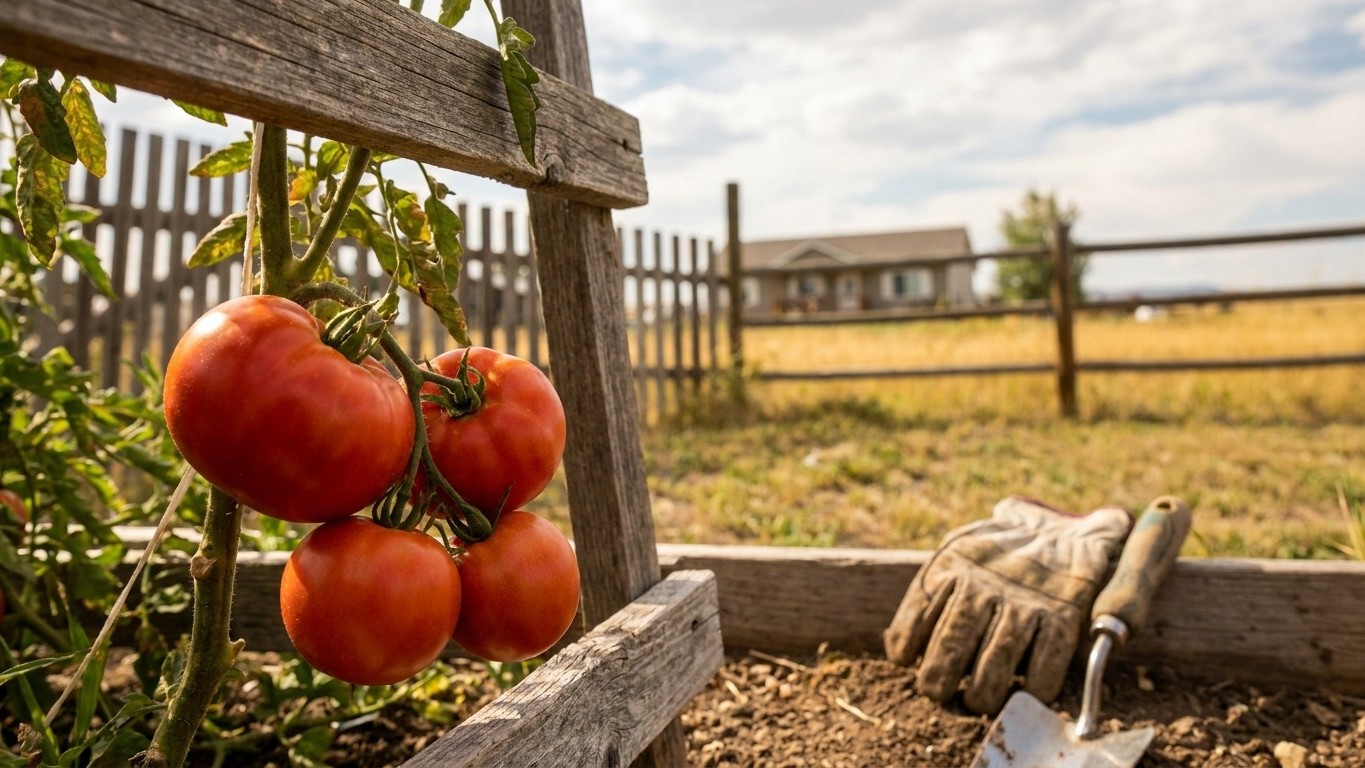
Wyoming’s tomato season is short and frost-prone, so this guide gives Cheyenne’s frost dates, matching varieties by days to maturity, and season-extension steps that make a harvest possible.