Yukon Lawn Care: What to Plant and When to Feed It
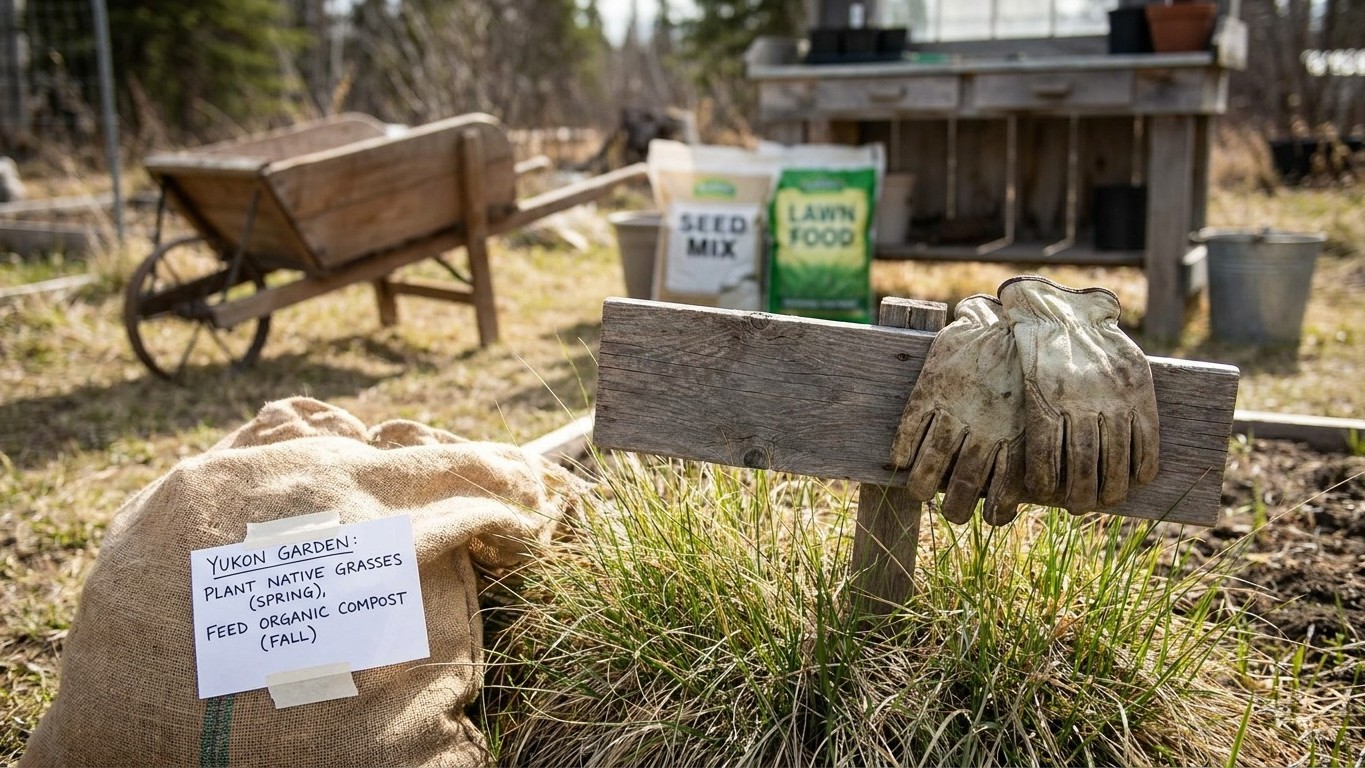
Explains which cool-season grasses suit Yukon’s short summers, when to seed them against Whitehorse’s frost dates, and how much nitrogen to apply and when.
Home & garden, state by state
Everything we have worked out for Yukon: what to plant and when, which varieties finish in time, the pests that actually turn up here, and the jobs that pay off month by month. We also cover the rest of the property, from lawns and soil to home care and energy, because a garden rarely stops at the vegetable bed.
The numbers first, because everything else follows from them. Measured at the weather station in Whitehorse, the last spring freeze falls around June 5 and the first fall freeze falls around August 25, 600 growing degree days in the year.
That is little accumulated warmth: tomatoes need a tunnel or a greenhouse here, whatever the frost dates suggest. Garlic does well: 39.1 weeks below 40 °F, comfortably past the six it needs to form a proper head.
Elsewhere on the property in Yukon: the pests that turn up here.
Figures from Environment and Climate Change Canada. A state is not one climate: elevation, a large lake or the coast can move these dates by two weeks either way, so check your own county with the extension service before you spend money.
Explains which cool-season grasses suit Yukon’s short summers, when to seed them against Whitehorse’s frost dates, and how much nitrogen to apply and when.
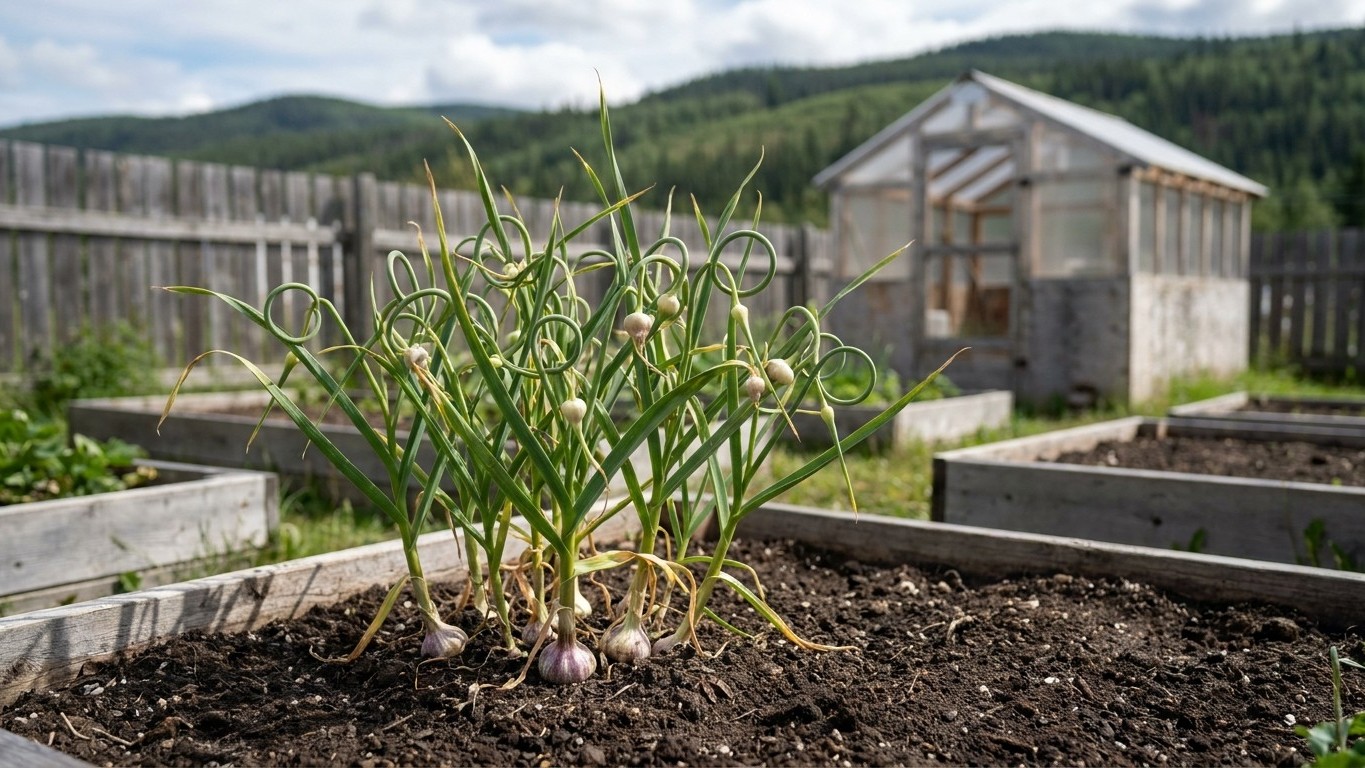
Environment Canada’s Whitehorse normals put the average first fall frost at August 25, but garlic goes in early August to root before the ground cools.
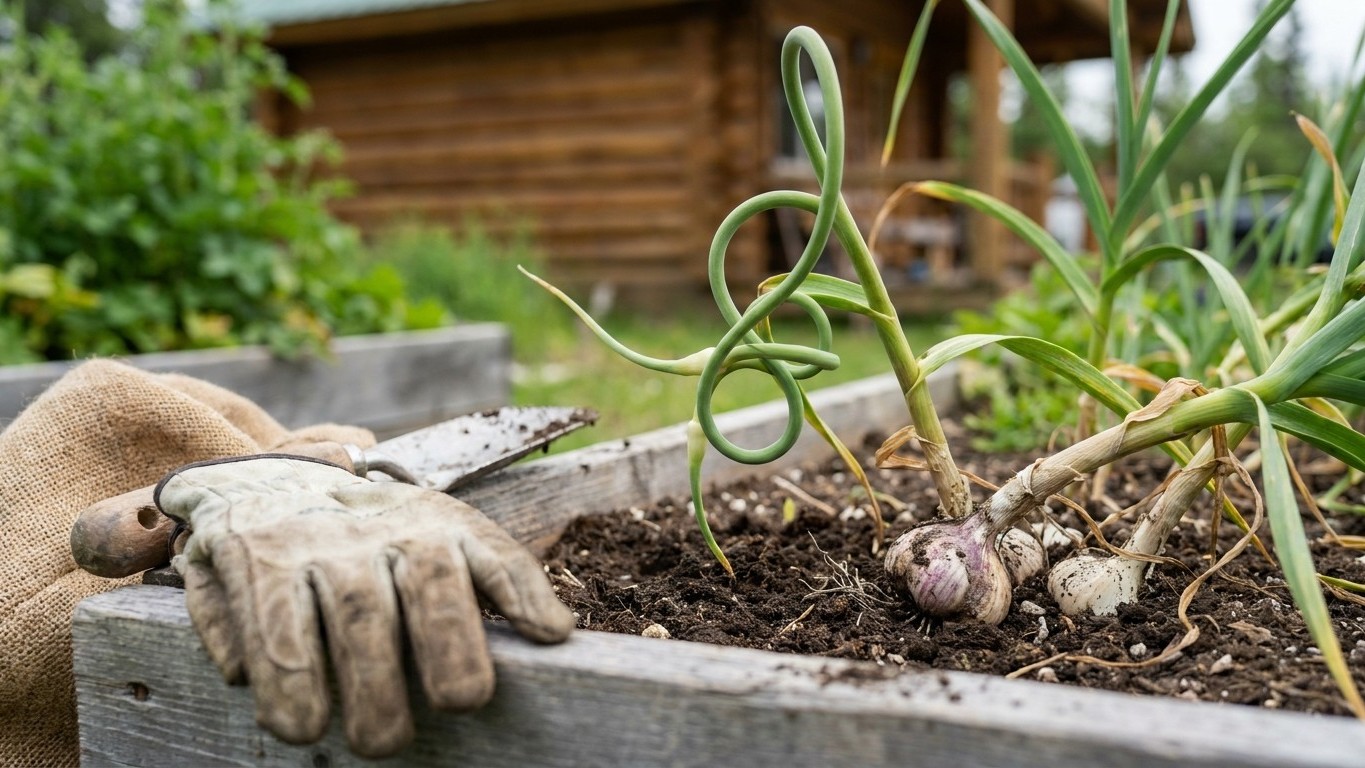
Yukon’s long, cold winters suit almost any garlic cultivar. The real decision is which one to plant, and when, before Whitehorse’s mean frost date.
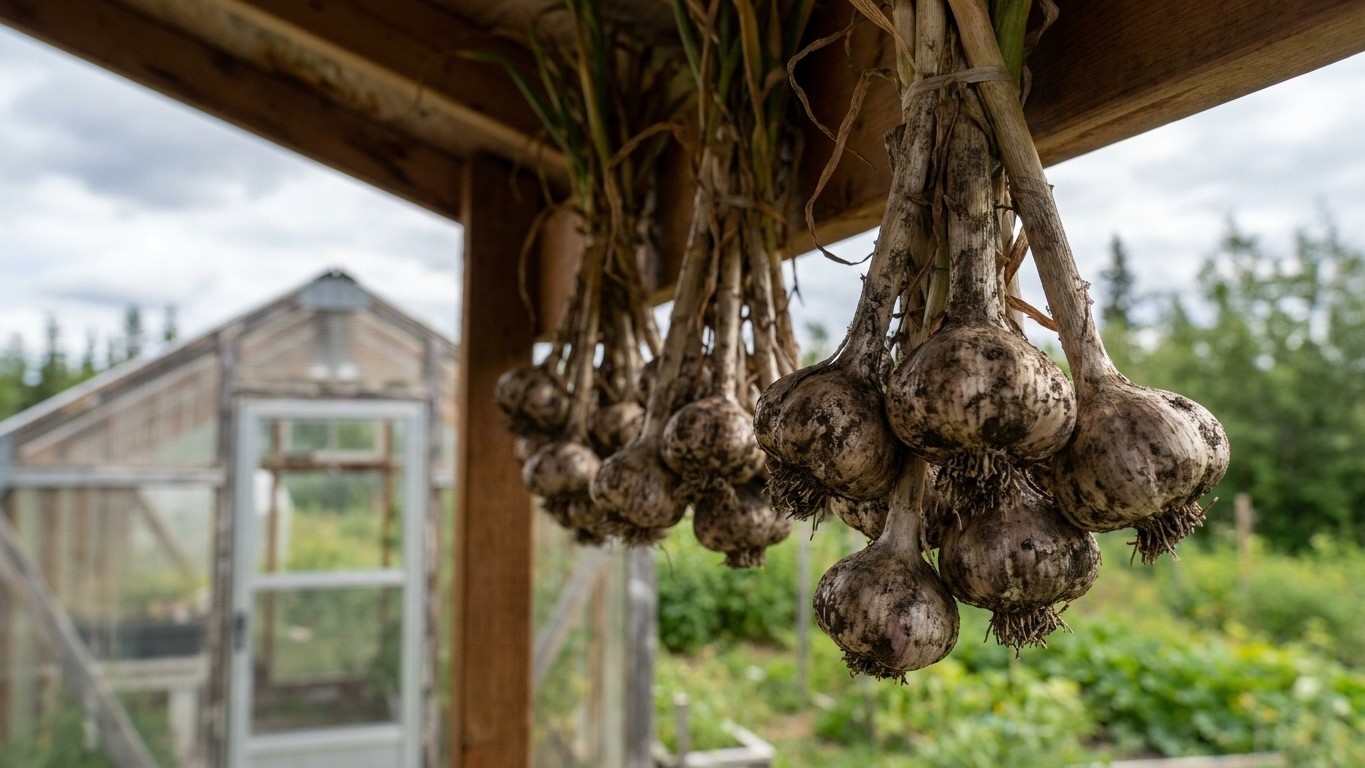
Yukon’s long, cold winter easily meets garlic’s vernalization needs, so planting timing around the first fall frost decides whether cloves divide well or rot.
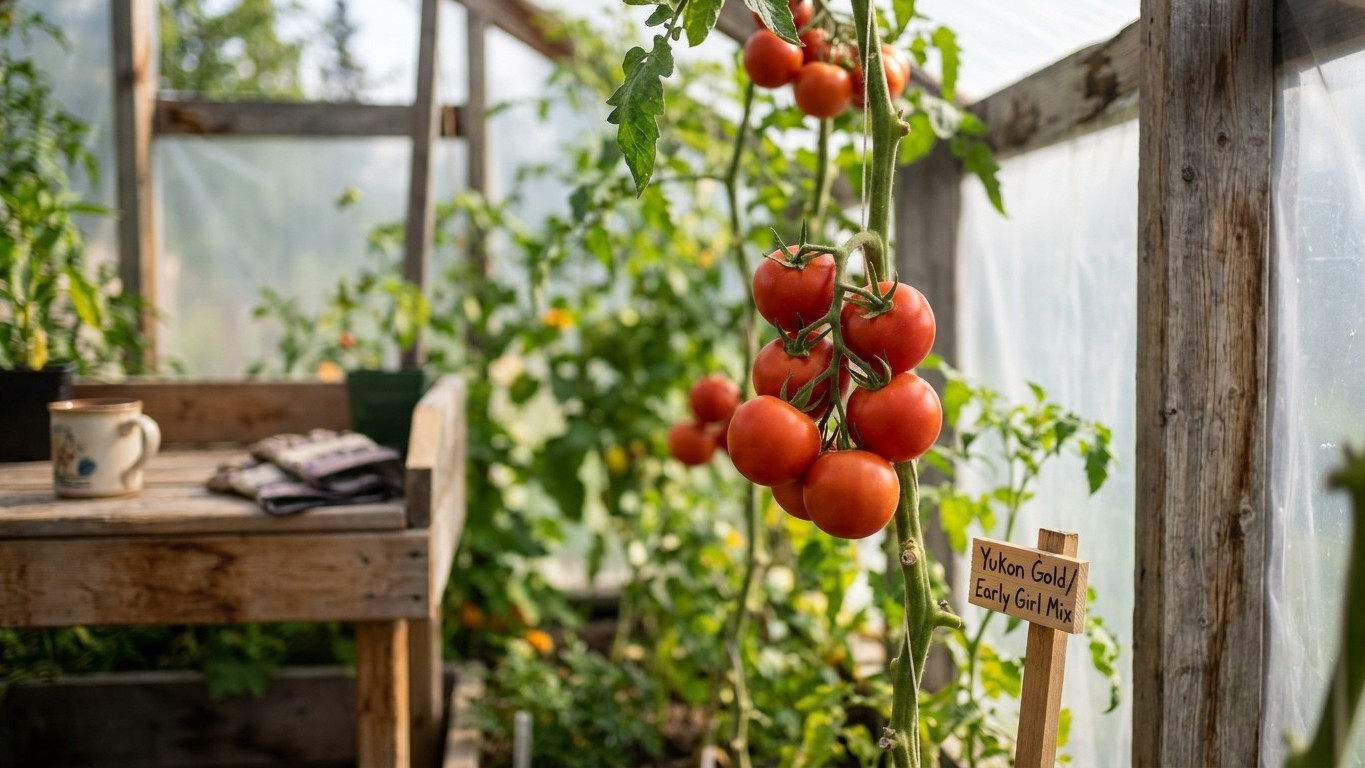
Yukon gardeners get about 80 frost-free days on average at Whitehorse, so timing transplants and choosing fast-maturing varieties determines whether tomatoes ripen before fall frost.
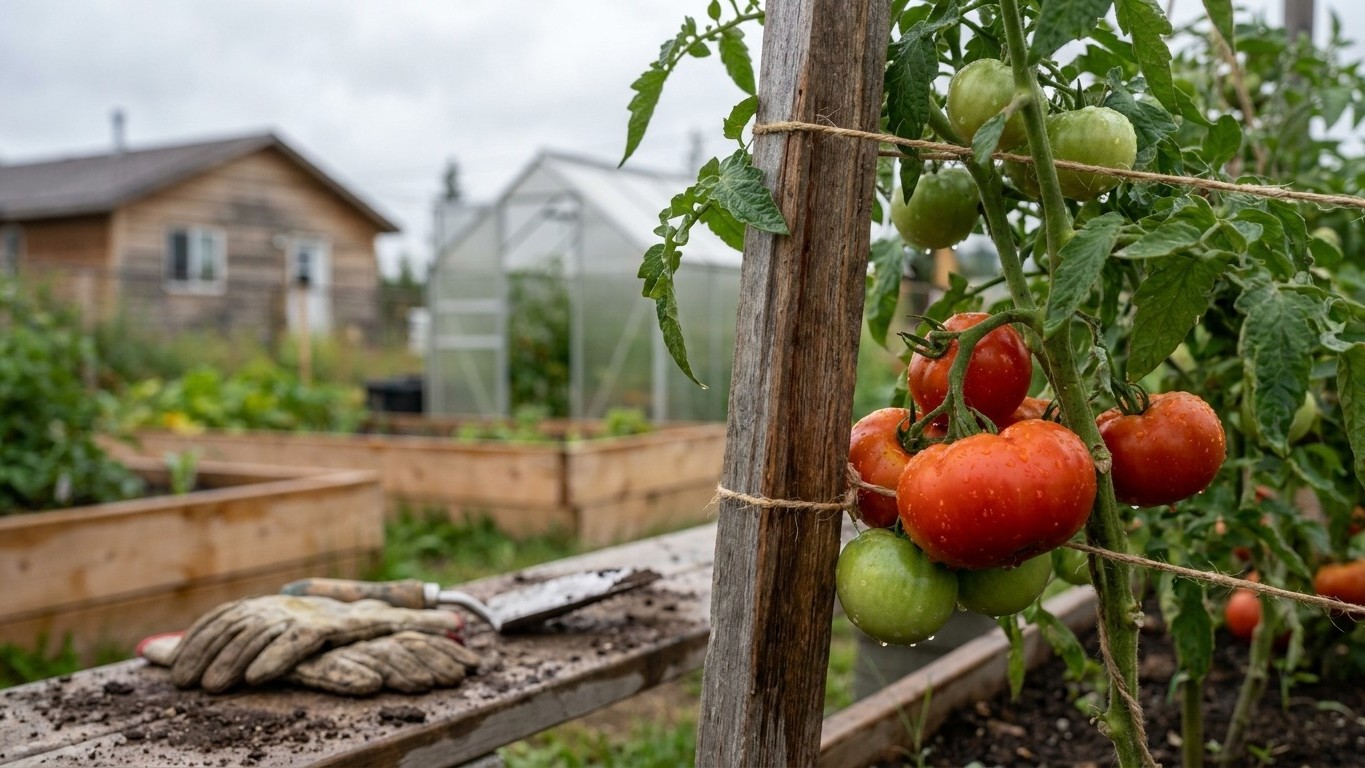
Yukon’s mean frost dates from Environment and Climate Change Canada mark an eleven-week tomato season, and this page shows how to count safe planting dates from it.
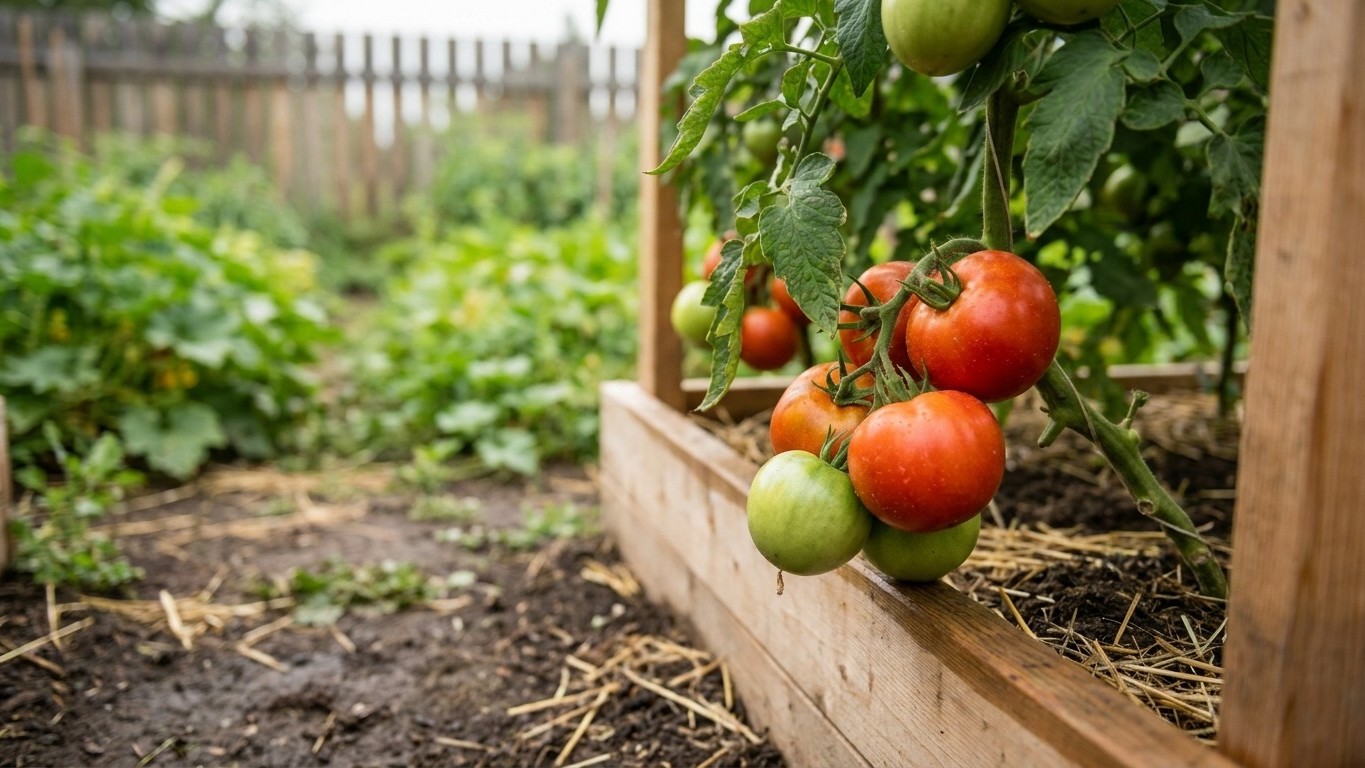
Whitehorse’s frost dates leave about eleven weeks for tomatoes to ripen, and this page lists the catalogue varieties whose days-to-maturity numbers actually fit that window.