When to Carve a Pumpkin in Yukon
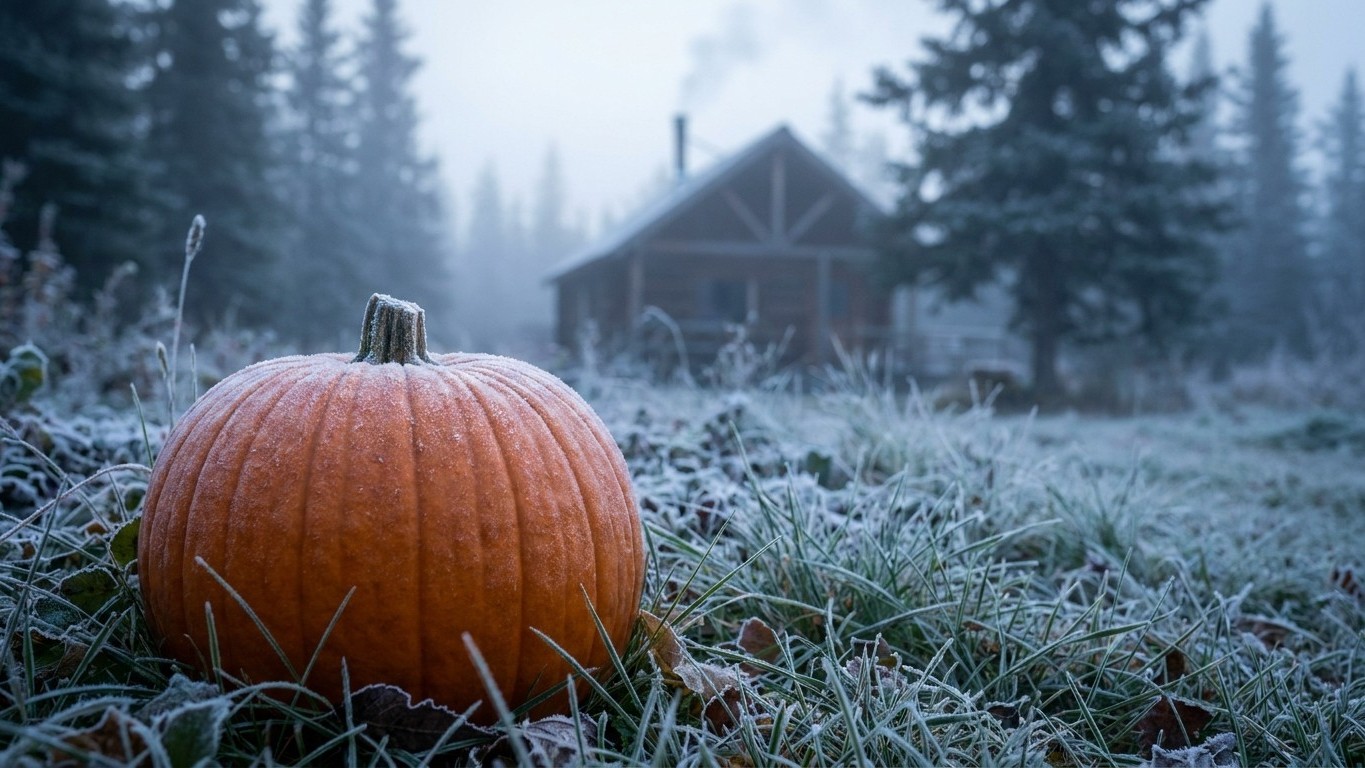
Frost in Yukon arrives around August 25, on average, more than two months before Halloween.
Home & garden, state by state
Everything we have worked out for Yukon: what to plant and when, which varieties finish in time, the pests that actually turn up here, and the jobs that pay off month by month. We also cover the rest of the property, from lawns and soil to home care and energy, because a garden rarely stops at the vegetable bed.
The numbers first, because everything else follows from them. Measured at the weather station in Whitehorse, the last spring freeze falls around June 5 and the first fall freeze falls around August 25, 600 growing degree days in the year.
That is little accumulated warmth: tomatoes need a tunnel or a greenhouse here, whatever the frost dates suggest. Garlic does well: 39.1 weeks below 40 °F, comfortably past the six it needs to form a proper head.
Elsewhere on the property in Yukon: the pests that turn up here.
Figures from Environment and Climate Change Canada. A state is not one climate: elevation, a large lake or the coast can move these dates by two weeks either way, so check your own county with the extension service before you spend money.
Frost in Yukon arrives around August 25, on average, more than two months before Halloween.
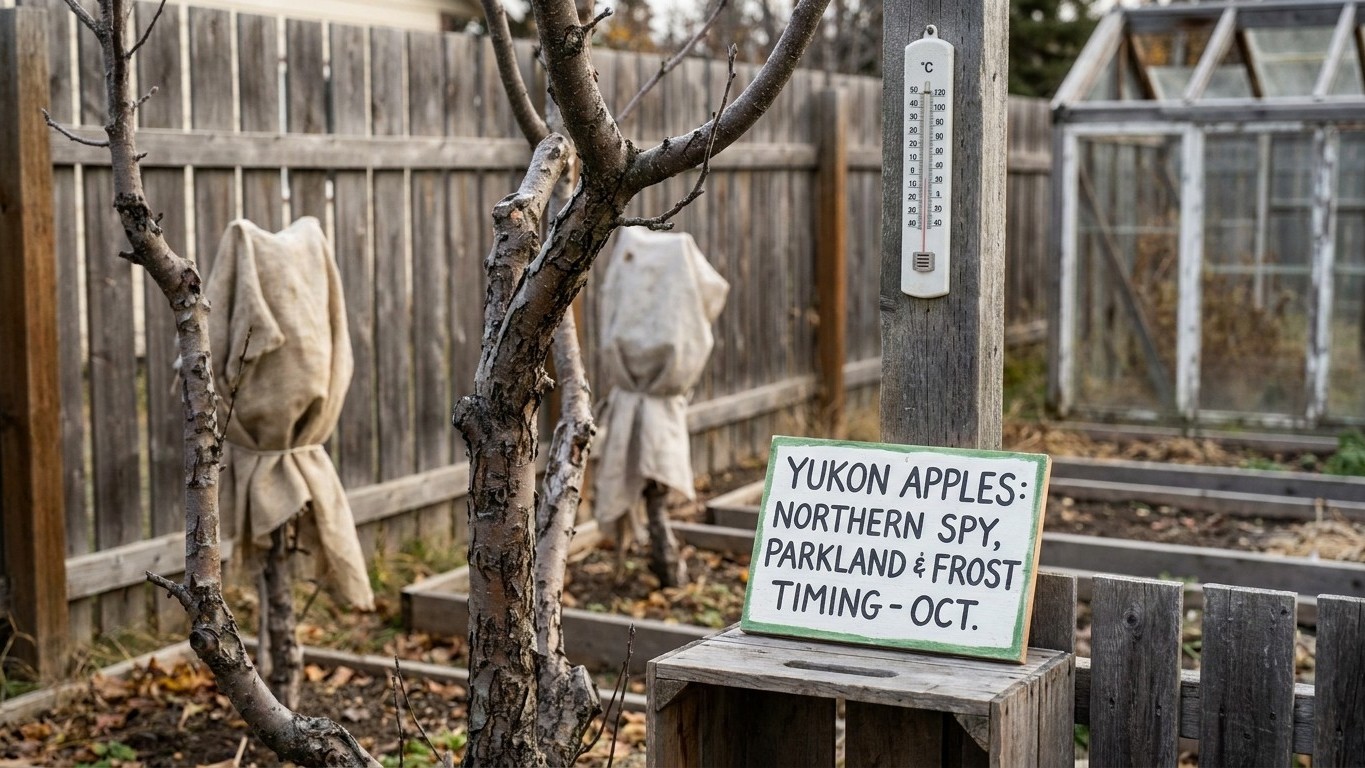
Whitehorse’s brutal winter minimum and short frost-free window mean only a handful of Prairie-bred apple cultivars can survive and ripen fruit in the Yukon.
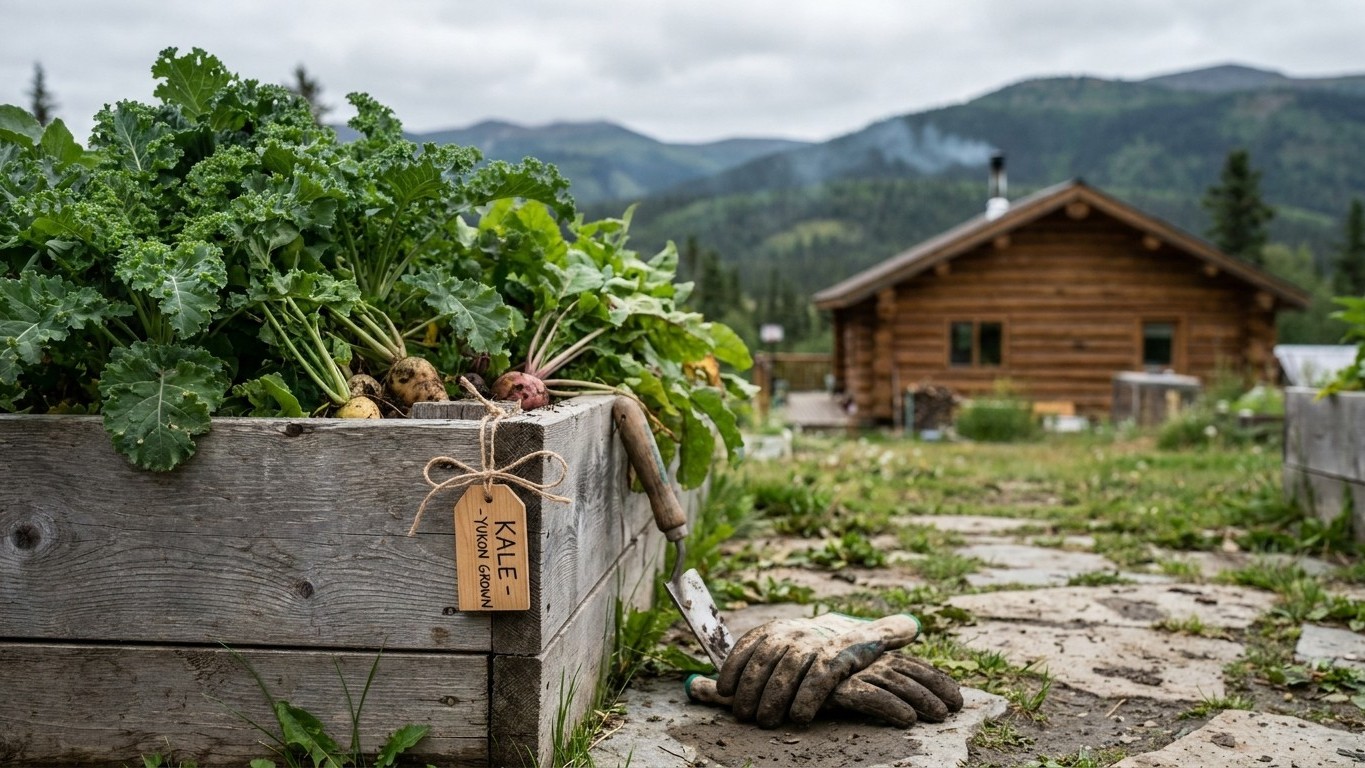
Yukon’s frost-free window runs about 81 days on average, ruling out long-season crops and shaping everything else a gardener can plant.
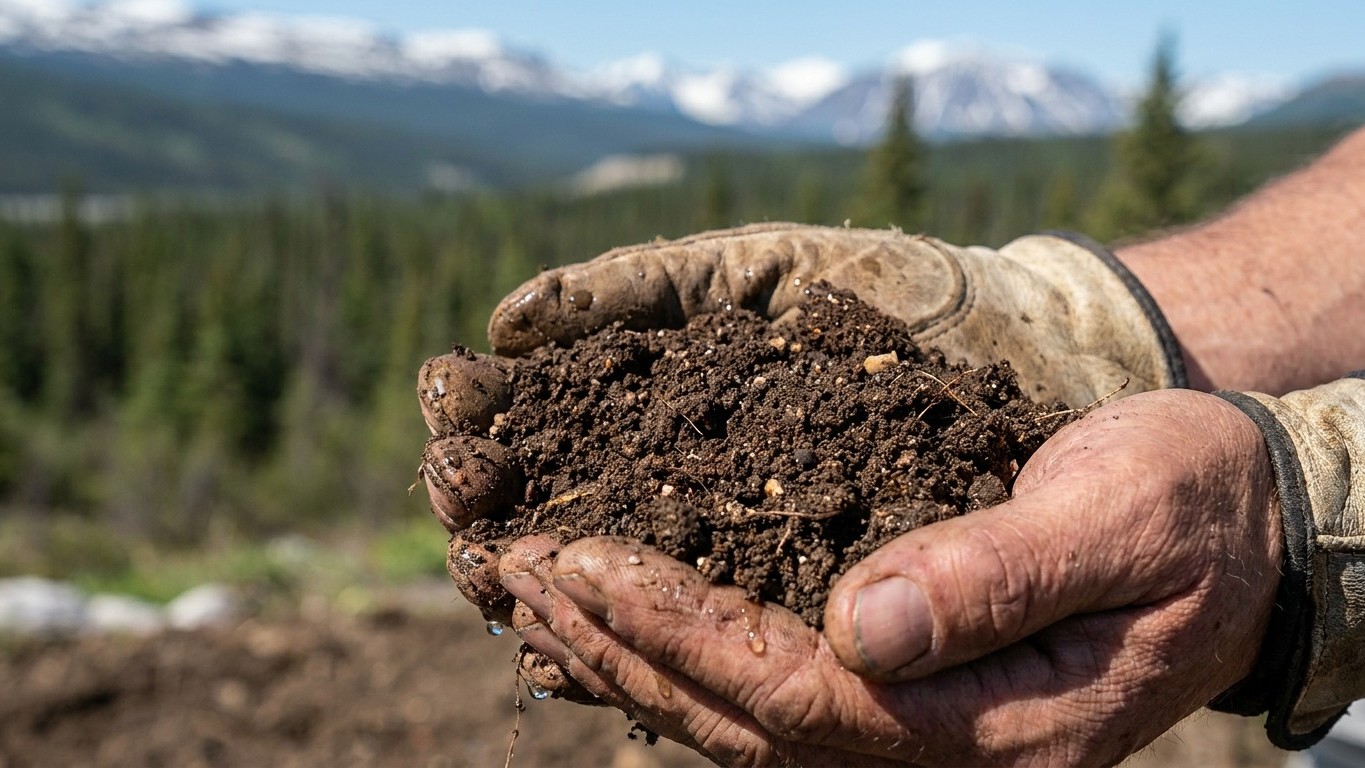
Under most Yukon gardens sits a Brunisol: a young soil whose layers are still sorting themselves out, running near neutral at a median pH of 6.8…
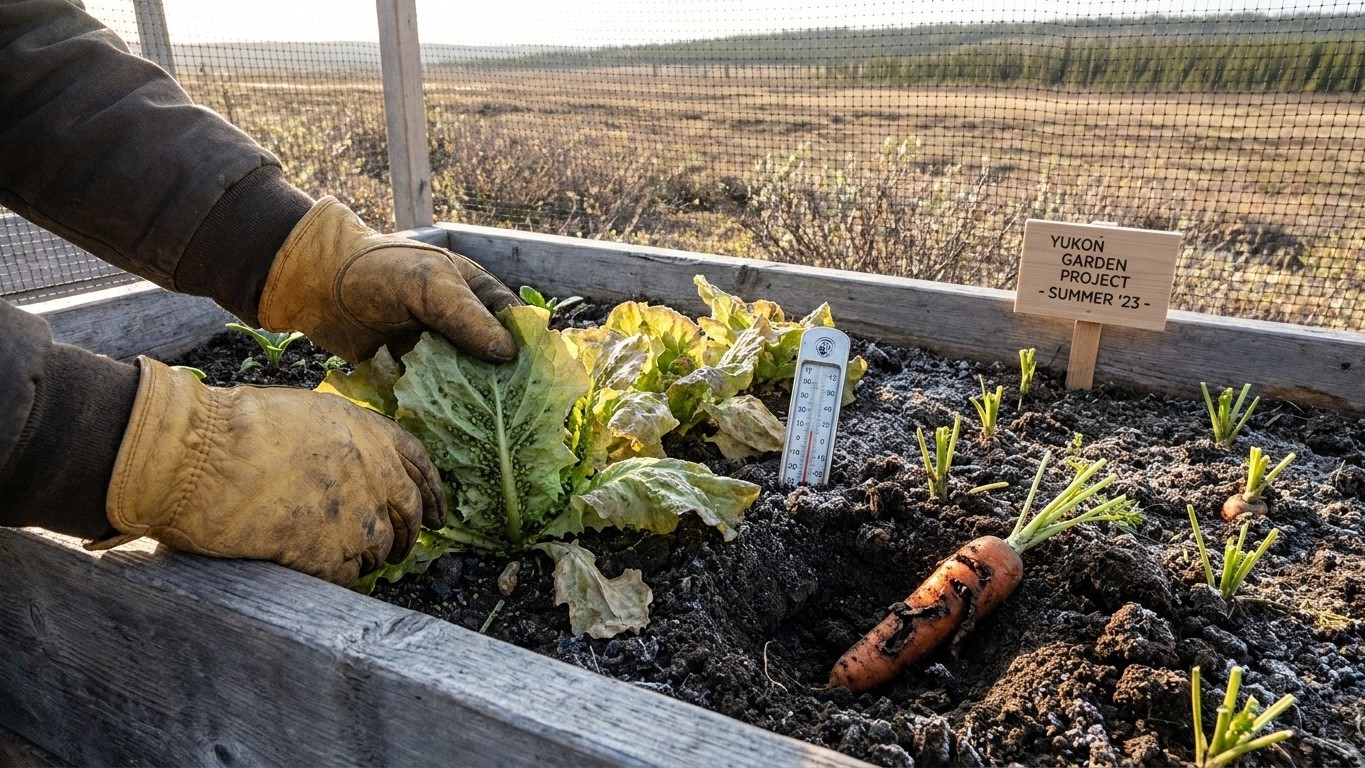
Yukon’s brutal winters do half the pest control work before a single seed goes in the ground.
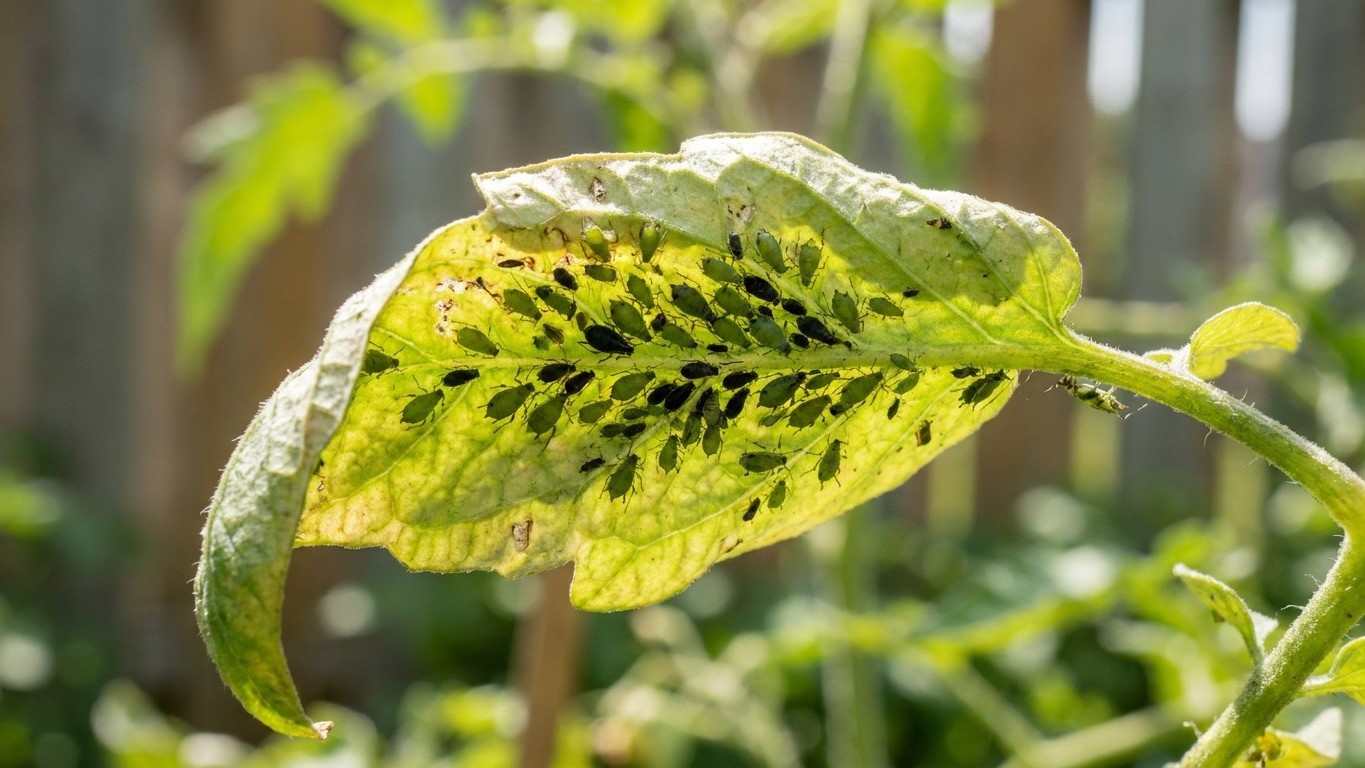
Aphids arrive in Yukon gardens later than almost anywhere else in North America, usually not until mid-June, and they disappear just as fast once the…
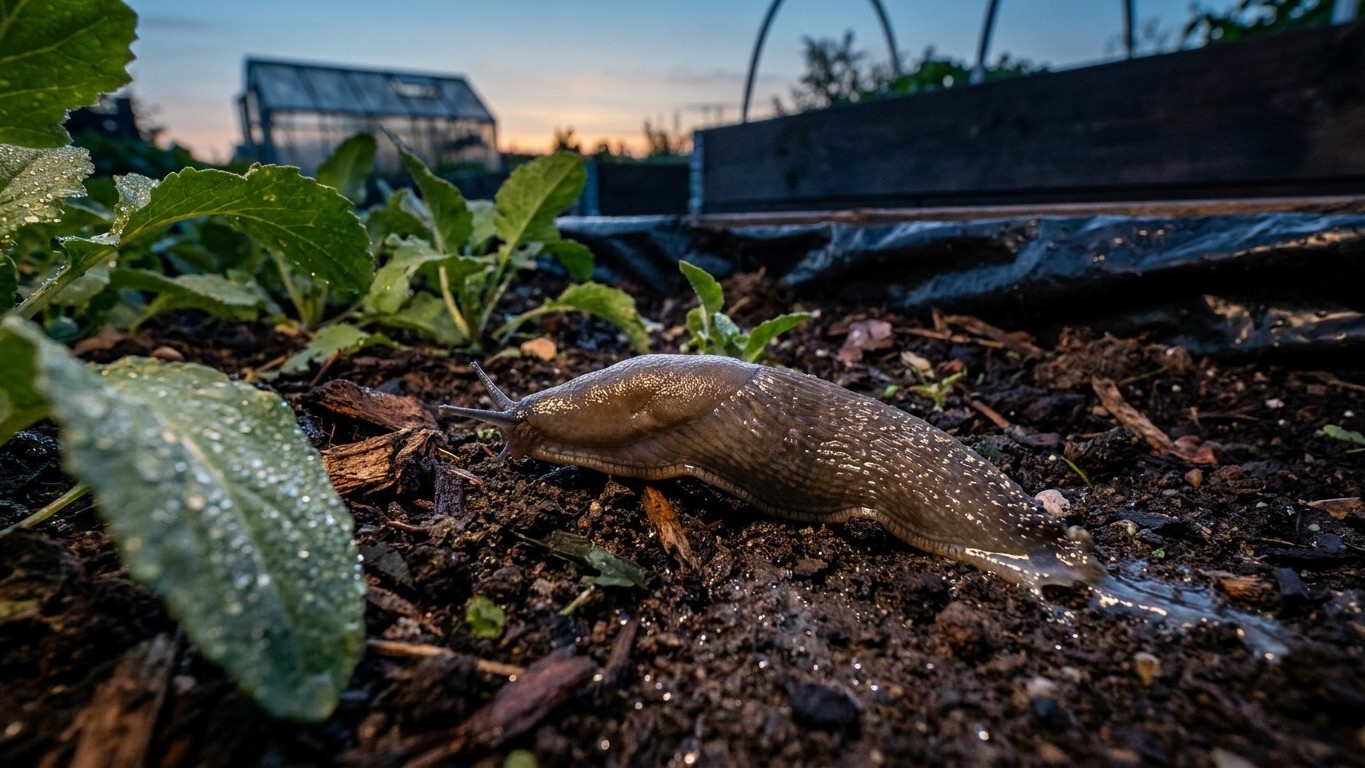
Slugs show up in Yukon gardens once soil temperatures climb past 50°F, which usually happens in mid-to-late June around Whitehorse and even later near…
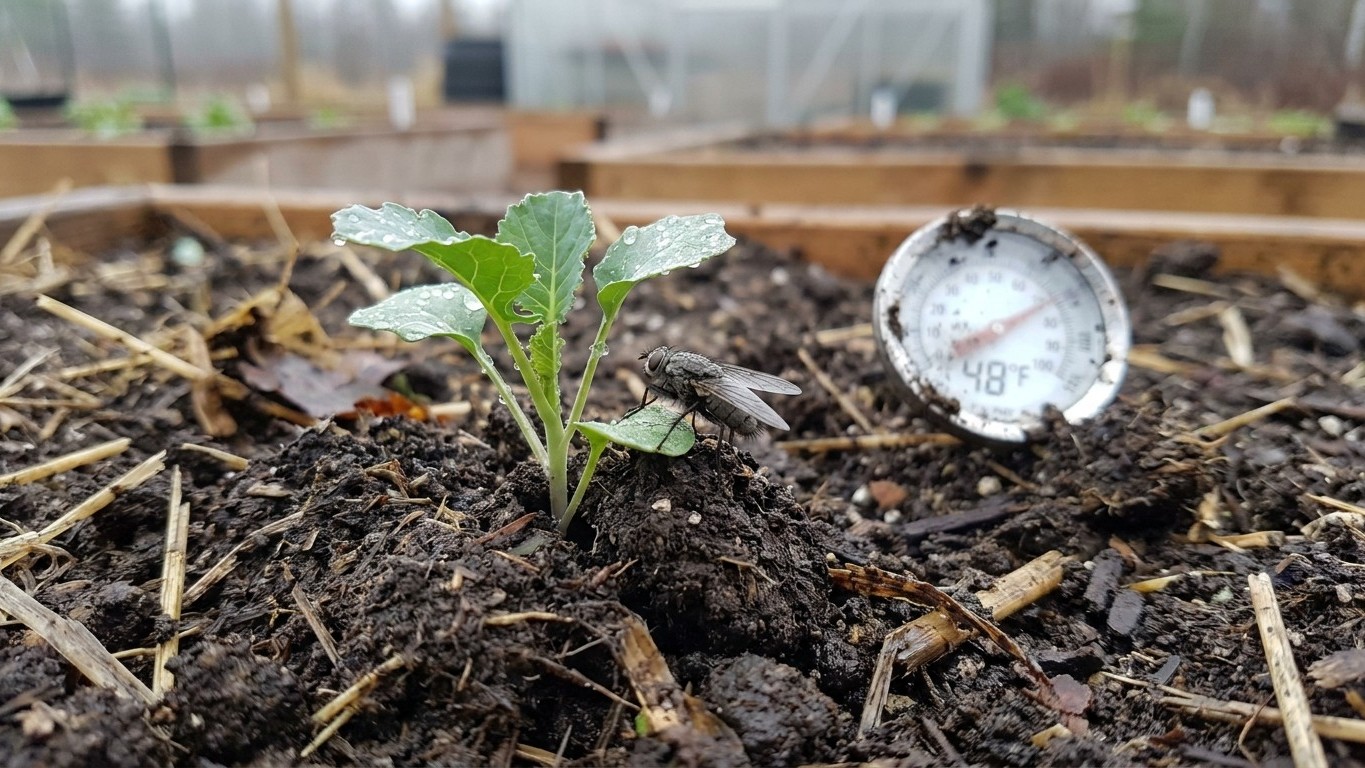
Root maggot flies start laying eggs in Yukon gardens as soon as the soil hits roughly 45 to 50 degrees Fahrenheit, which in the Whitehorse area typically…
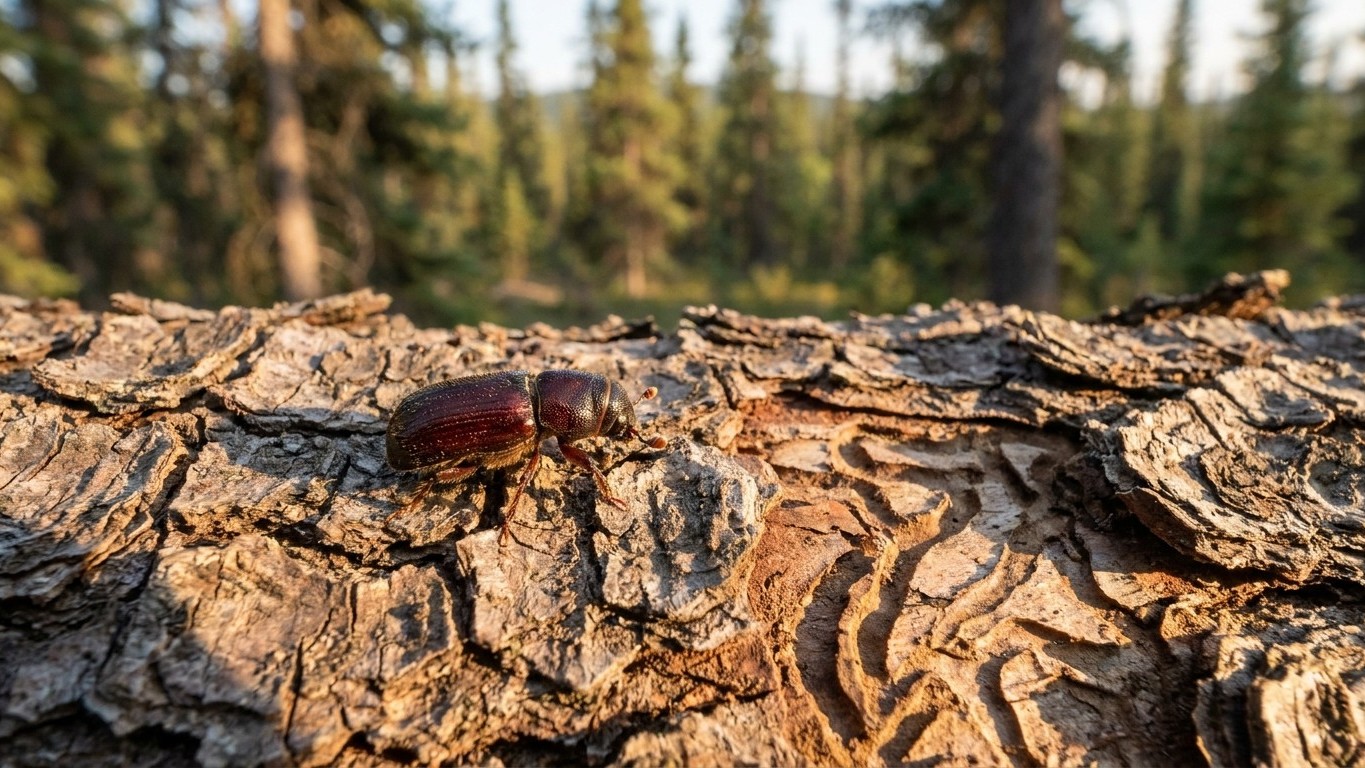
Spruce beetles show up in Yukon forests in late May through July, when adult beetles emerge from dead or dying spruce and fly to new hosts.
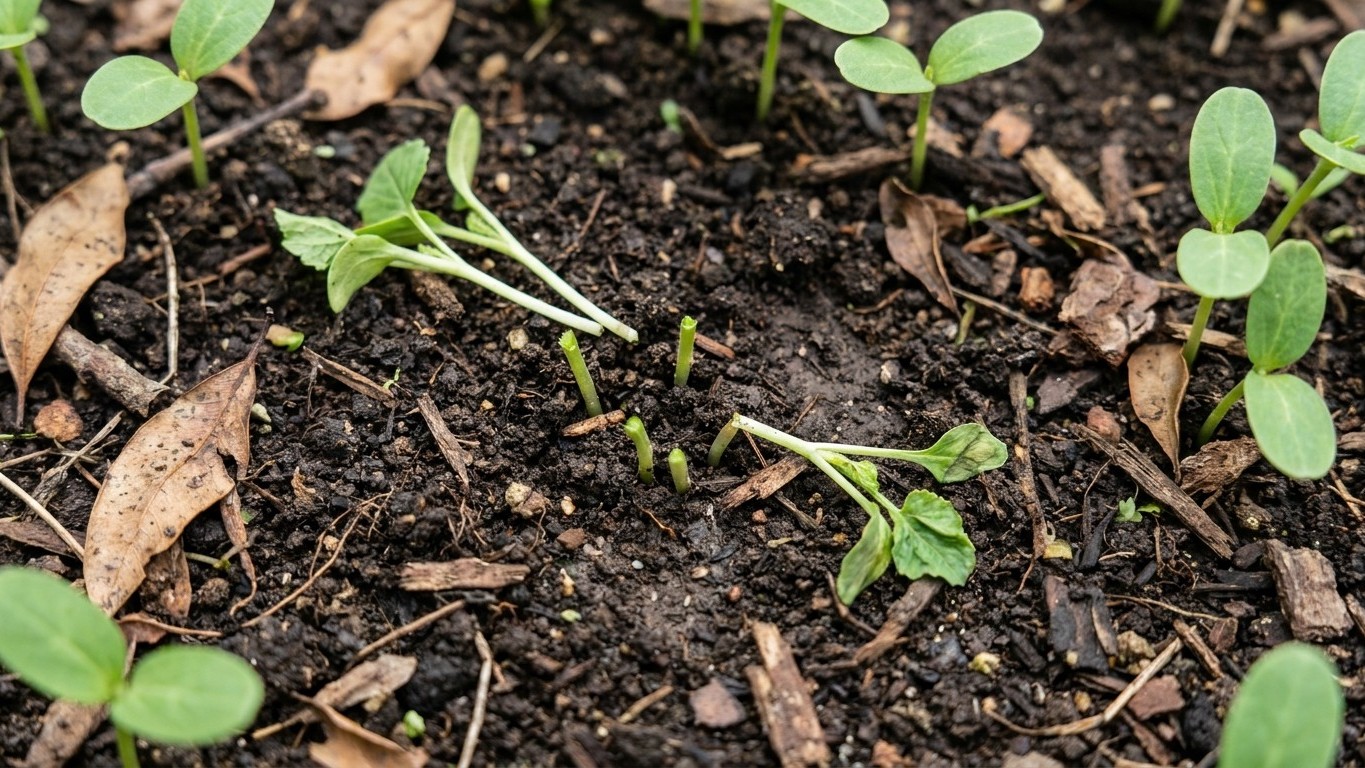
Cutworm larvae become active in Yukon gardens once soil temperatures climb past roughly 50°F, which typically lands between mid-May and early June…