How Much Insulation Does a Home in Yukon Need?
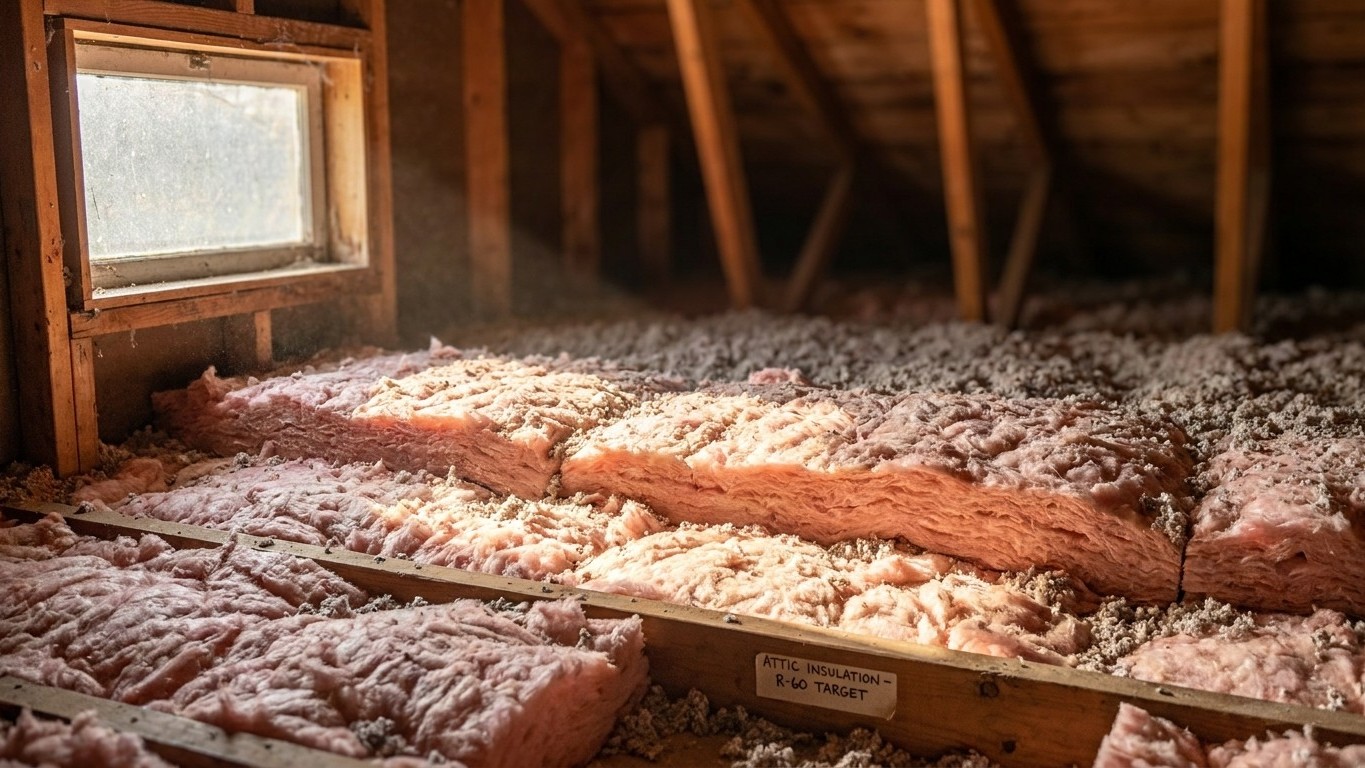
The only hard number available for Yukon comes from a single weather station: Whitehorse A, at roughly 6,584 heating degree days a year, sits in climate…
Home & garden, state by state
Everything we have worked out for Yukon: what to plant and when, which varieties finish in time, the pests that actually turn up here, and the jobs that pay off month by month. We also cover the rest of the property, from lawns and soil to home care and energy, because a garden rarely stops at the vegetable bed.
The numbers first, because everything else follows from them. Measured at the weather station in Whitehorse, the last spring freeze falls around June 5 and the first fall freeze falls around August 25, 600 growing degree days in the year.
That is little accumulated warmth: tomatoes need a tunnel or a greenhouse here, whatever the frost dates suggest. Garlic does well: 39.1 weeks below 40 °F, comfortably past the six it needs to form a proper head.
Elsewhere on the property in Yukon: the pests that turn up here.
Figures from Environment and Climate Change Canada. A state is not one climate: elevation, a large lake or the coast can move these dates by two weeks either way, so check your own county with the extension service before you spend money.
The only hard number available for Yukon comes from a single weather station: Whitehorse A, at roughly 6,584 heating degree days a year, sits in climate…
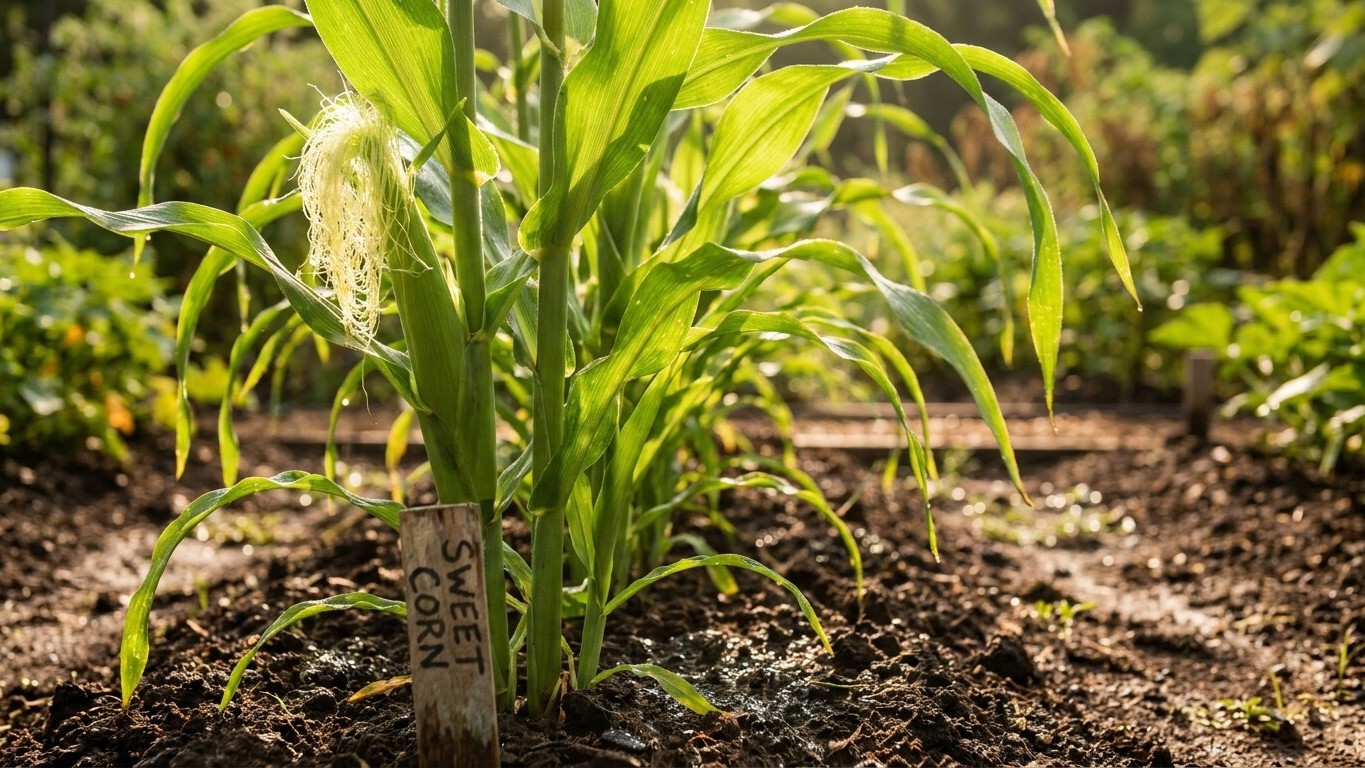
Sweet corn’s fit in Yukon comes down to timing, not willpower. With soil needing to warm past 60°F before germination even starts, and the growing window…
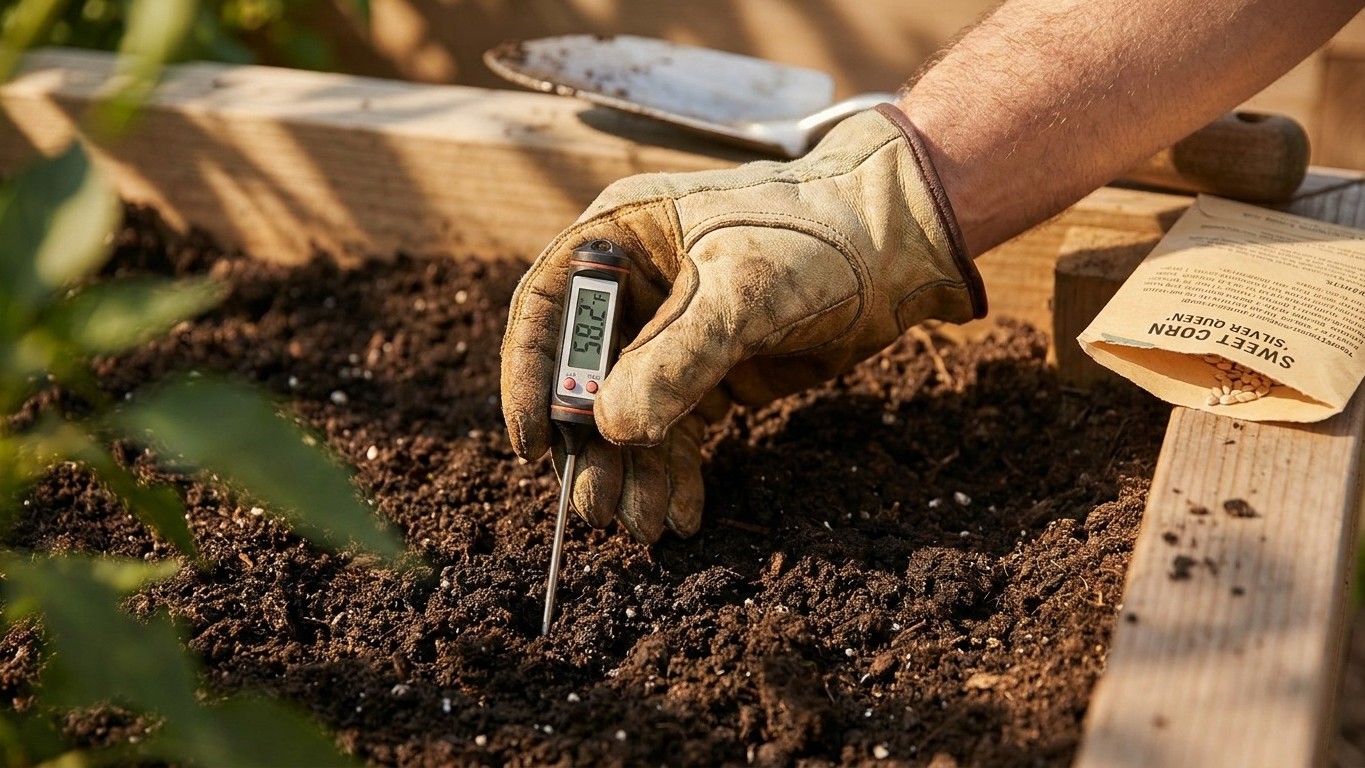
The soil in Yukon gardens rarely reaches the 60 F mark sweet corn needs until well after the average last spring frost of June 5 passes.
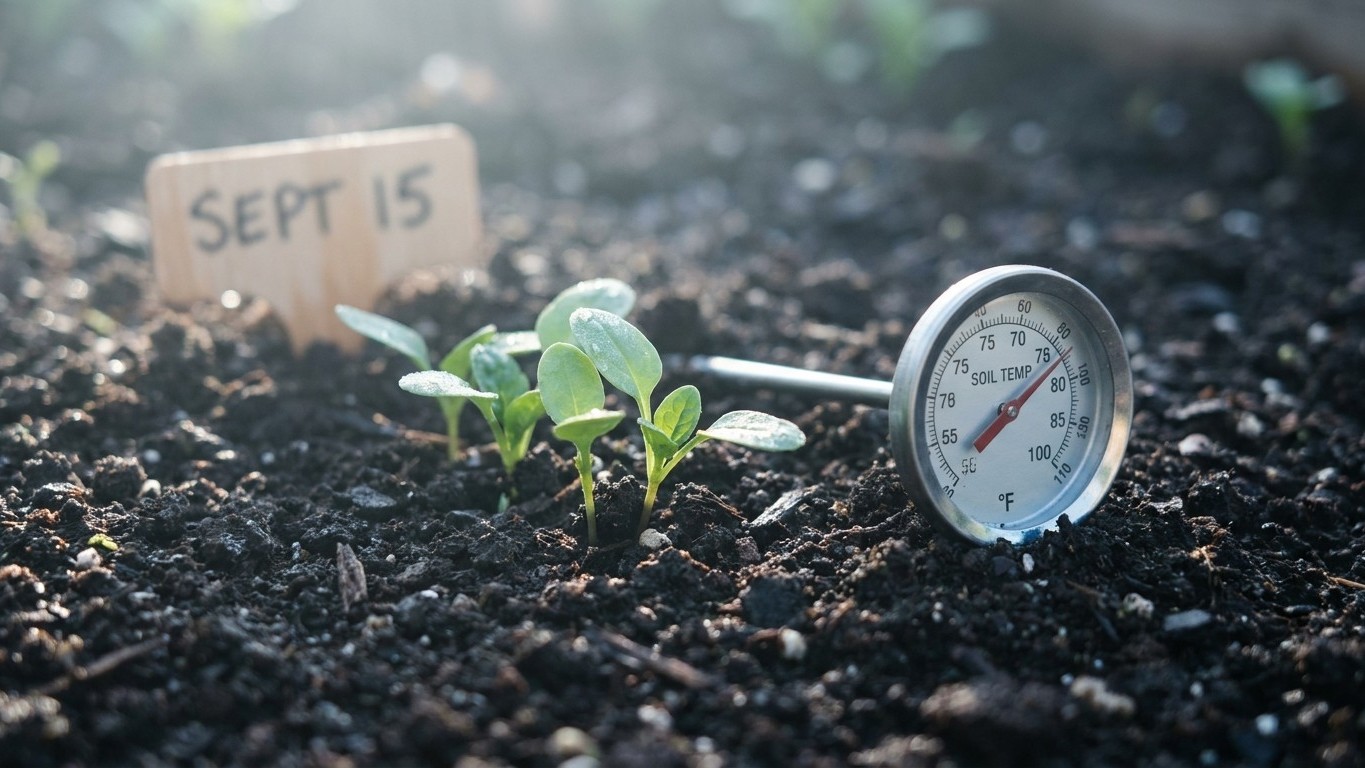
In the Yukon, the realistic window for sowing autumn spinach runs from roughly mid-June to early July, counting back 50 to 75 days from a harvest you’d…
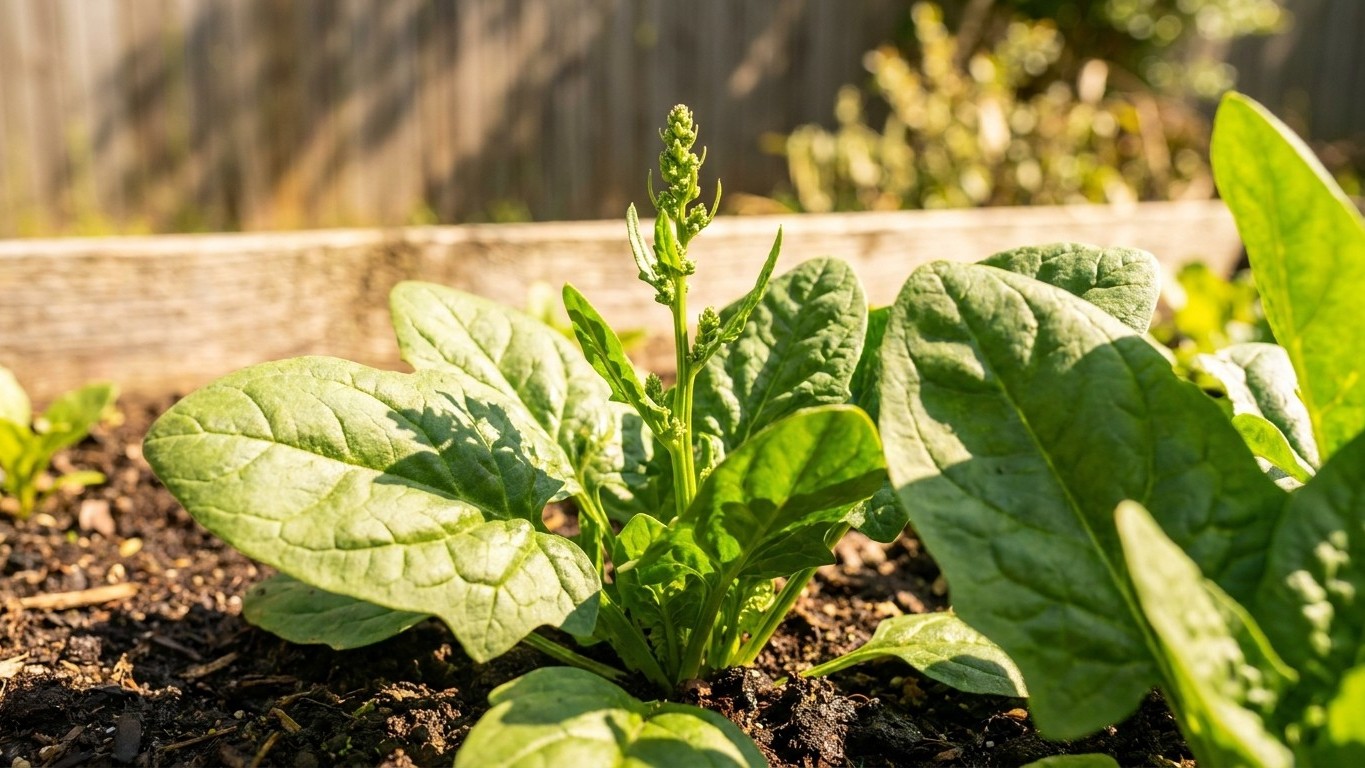
Yes, spinach bolts early almost every year in the Yukon. The trigger isn’t heat, this territory averages zero days a year above 90 F, it’s the light…
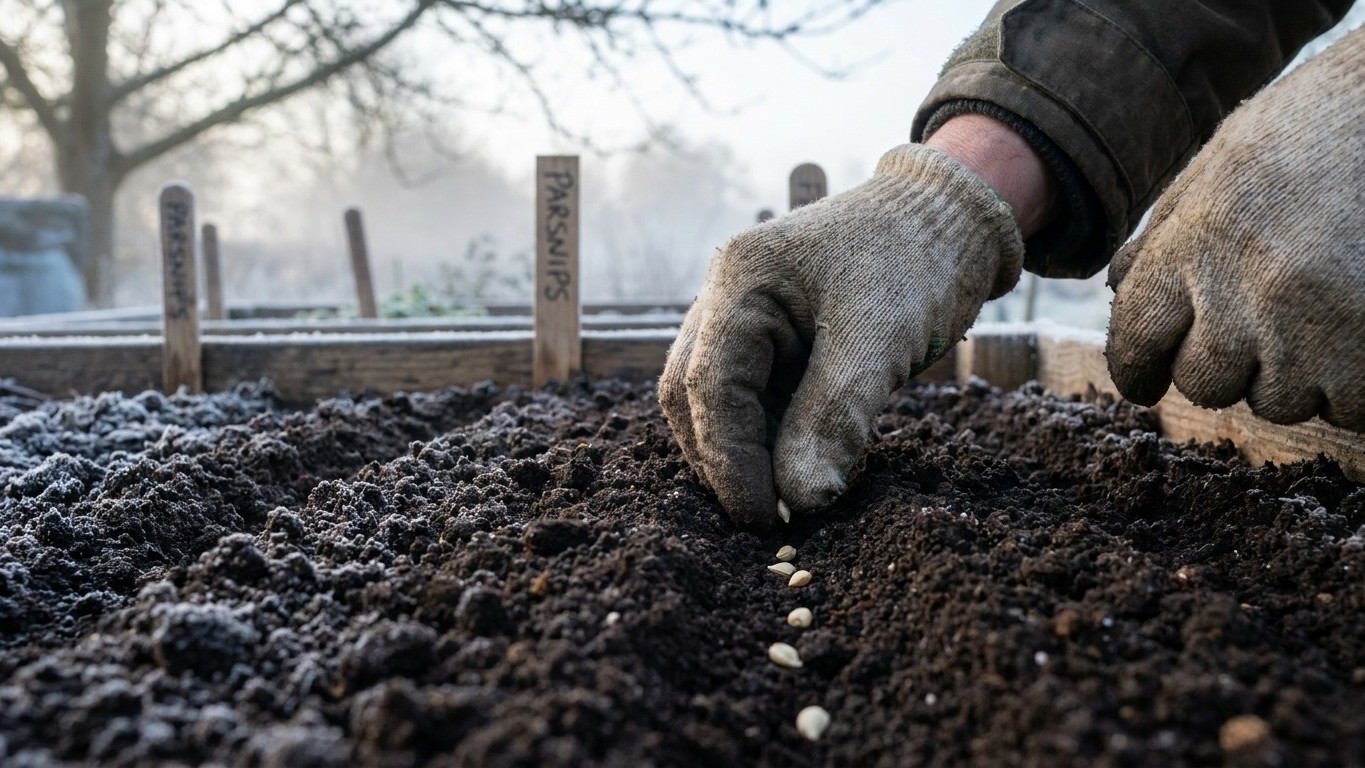
Sow parsnips in Yukon in mid to late May, about two to three weeks ahead of the average last spring frost on June 5.
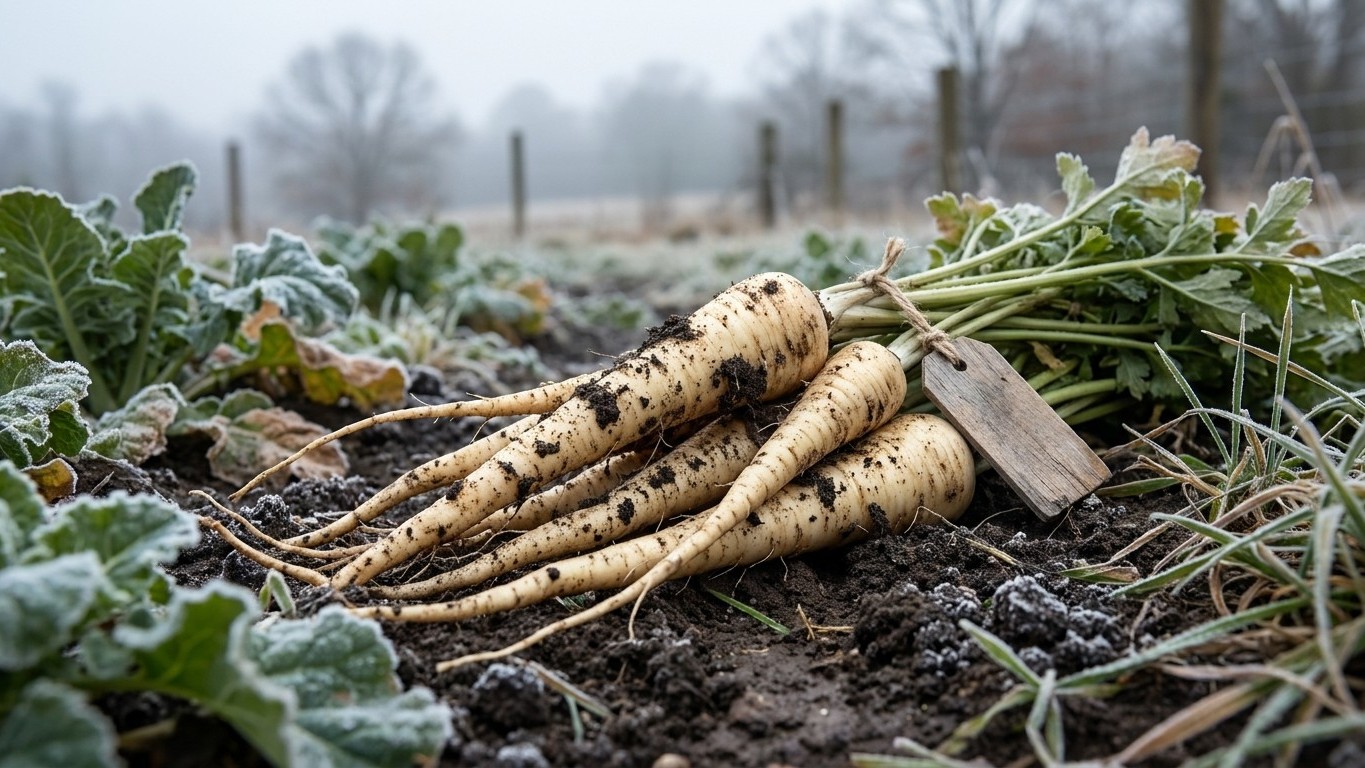
Yes, but only if you leave the roots in cold ground long enough to feel it. Whitehorse’s coldest month averages a mean minimum of -2.6°F, plenty of…
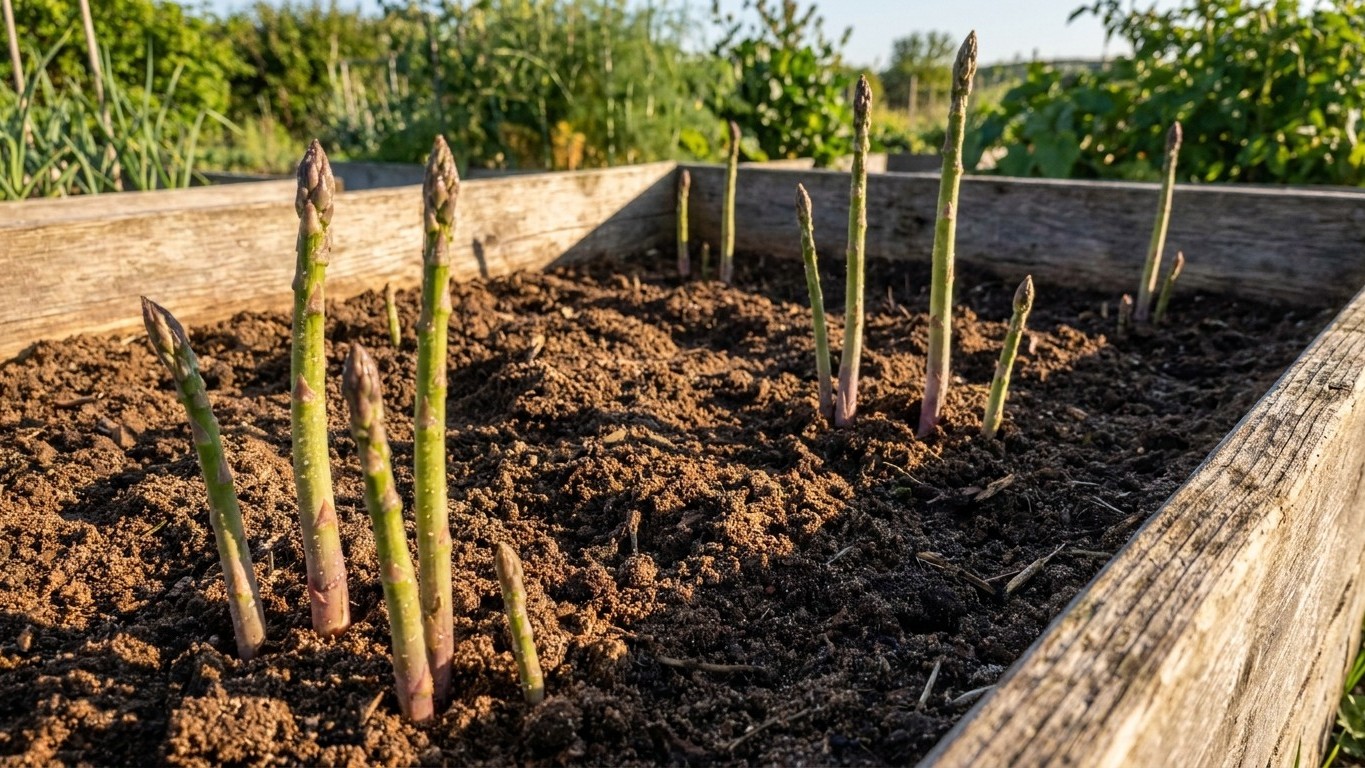
Yes, in most cases, but the territory’s ground carries a built-in caveat. The dominant Yukon soil is imperfectly drained, and asparagus asks for exactly…
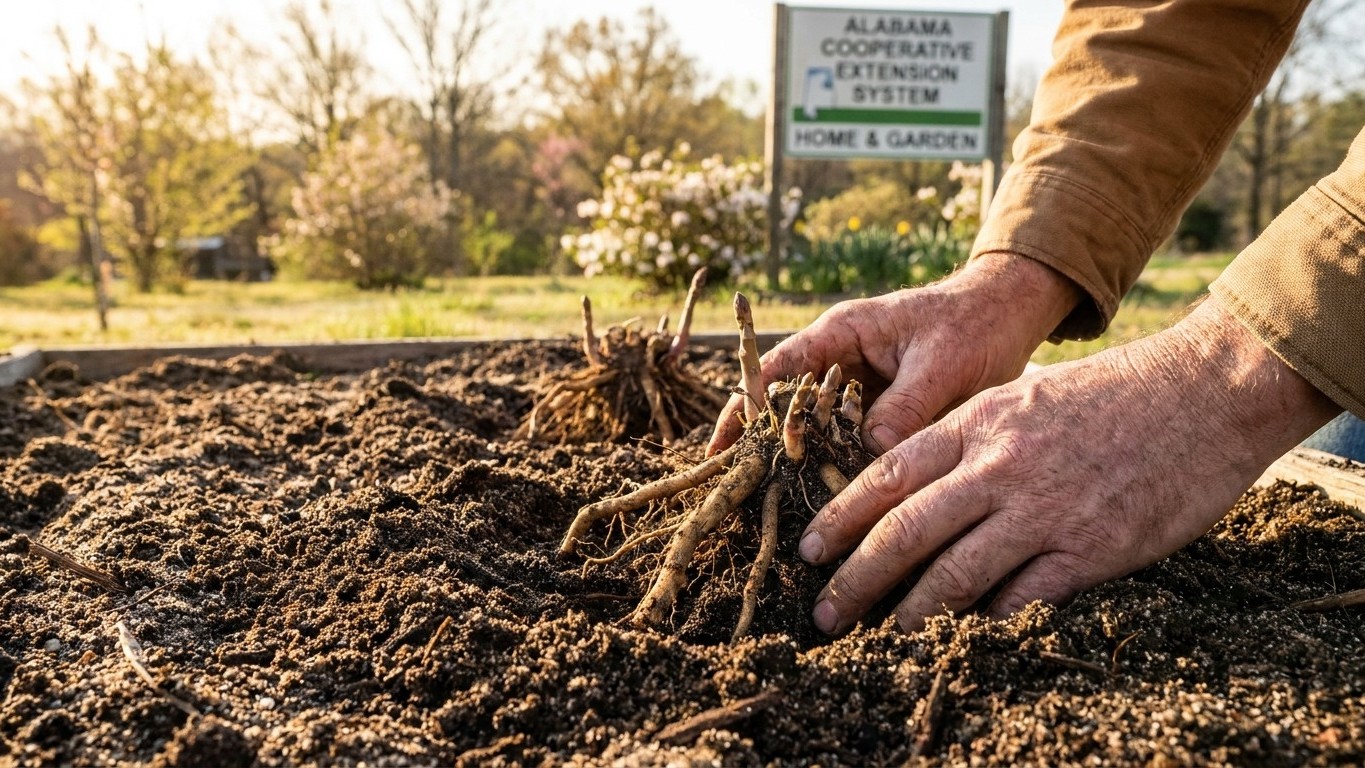
Around early June is when asparagus crowns go into the ground in Yukon, timed to the territory’s average last spring frost.
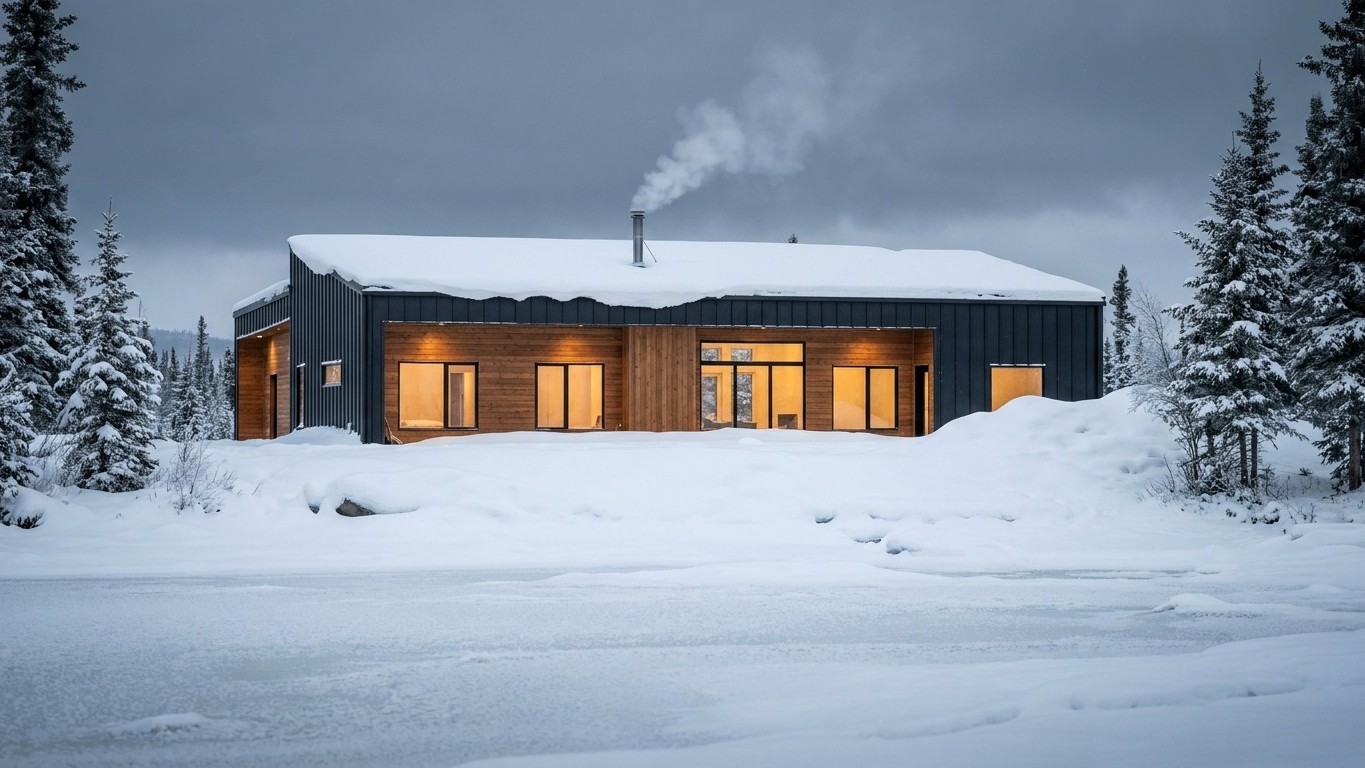
In Whitehorse, the heating season never really ends. Every month of the year, including July, averages below the 18°C mark that defines heating demand…