Why Peppers Fail to Set Fruit in Yukon
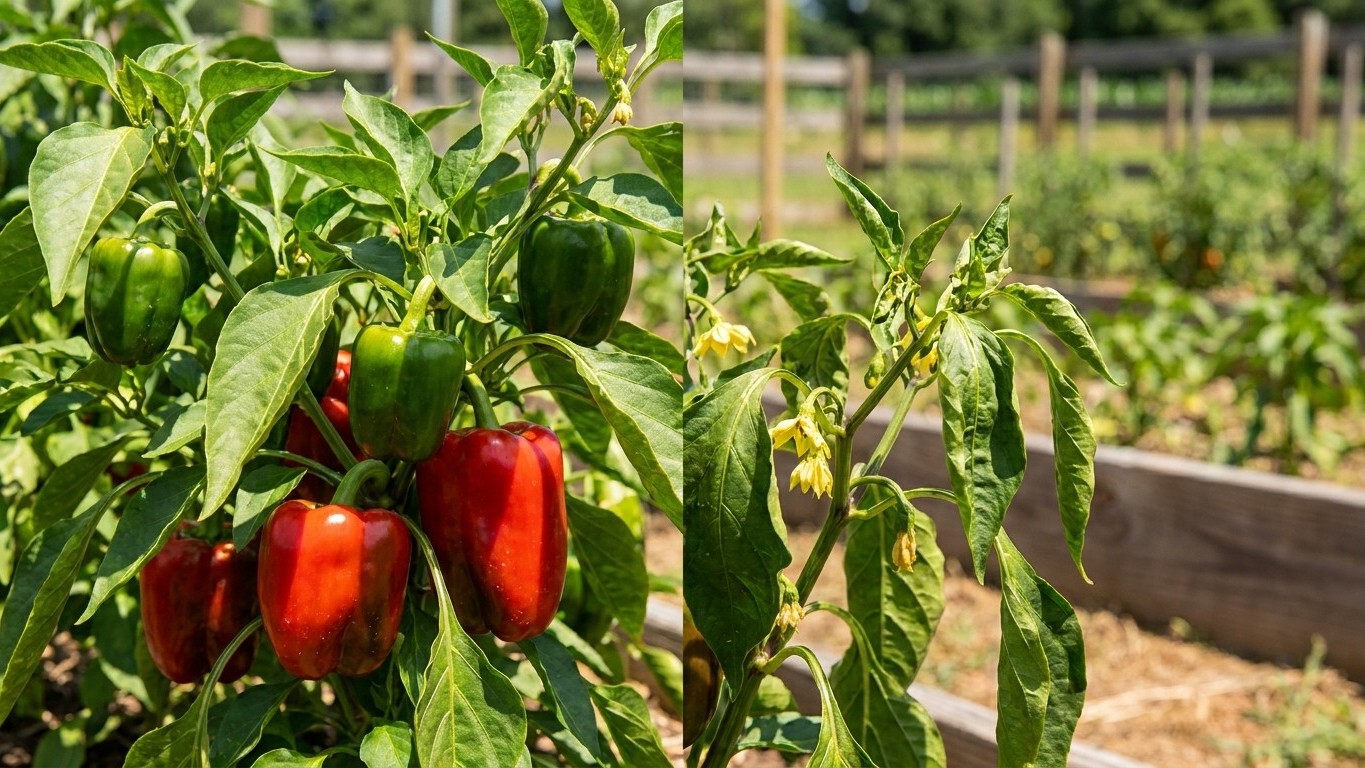
Peppers drop their flowers when days run too hot or nights run too cool, and fruit never sets on a plant that has dropped them.
Home & garden, state by state
Everything we have worked out for Yukon: what to plant and when, which varieties finish in time, the pests that actually turn up here, and the jobs that pay off month by month. We also cover the rest of the property, from lawns and soil to home care and energy, because a garden rarely stops at the vegetable bed.
The numbers first, because everything else follows from them. Measured at the weather station in Whitehorse, the last spring freeze falls around June 5 and the first fall freeze falls around August 25, 600 growing degree days in the year.
That is little accumulated warmth: tomatoes need a tunnel or a greenhouse here, whatever the frost dates suggest. Garlic does well: 39.1 weeks below 40 °F, comfortably past the six it needs to form a proper head.
Elsewhere on the property in Yukon: the pests that turn up here.
Figures from Environment and Climate Change Canada. A state is not one climate: elevation, a large lake or the coast can move these dates by two weeks either way, so check your own county with the extension service before you spend money.
Peppers drop their flowers when days run too hot or nights run too cool, and fruit never sets on a plant that has dropped them.
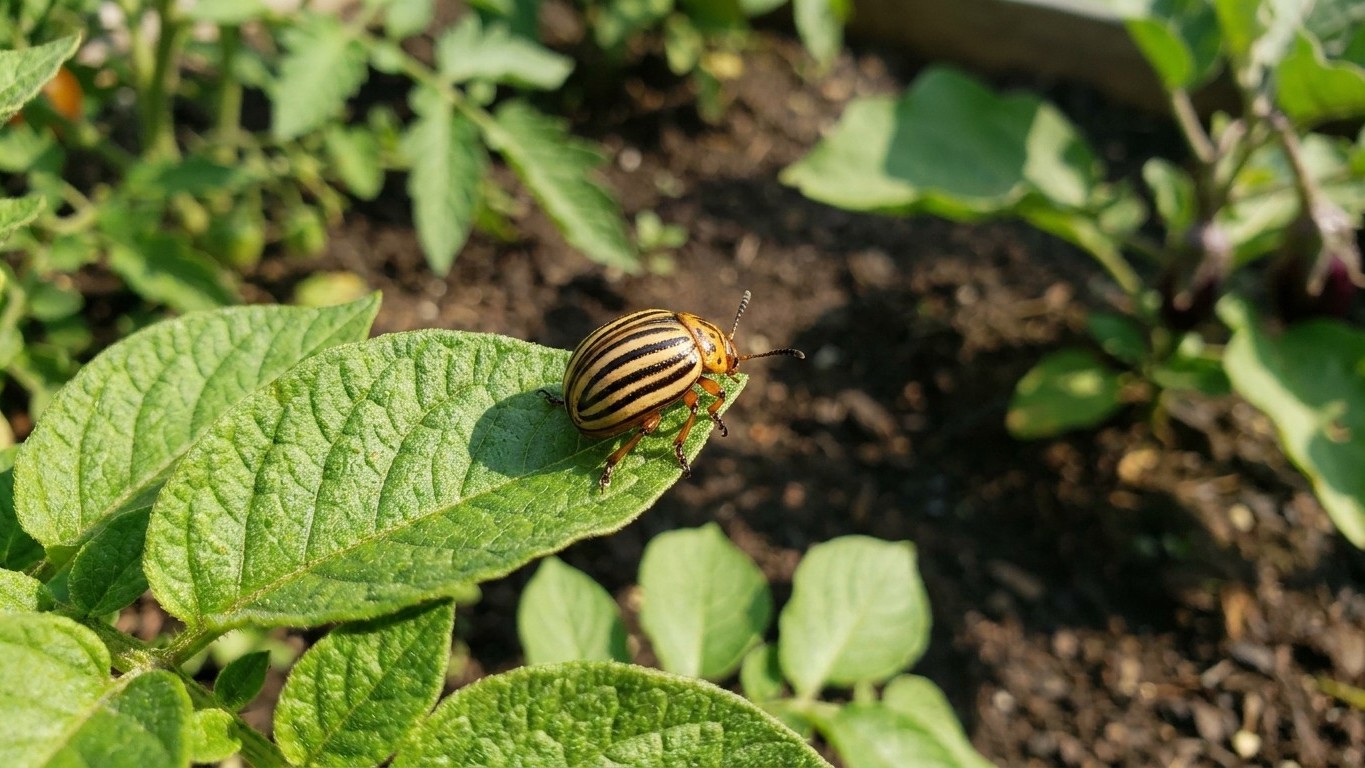
Four of the five pests documented for this area feed on potato: aphids, cutworms, root maggots and slugs. The fifth, spruce beetle, belongs to the forest.
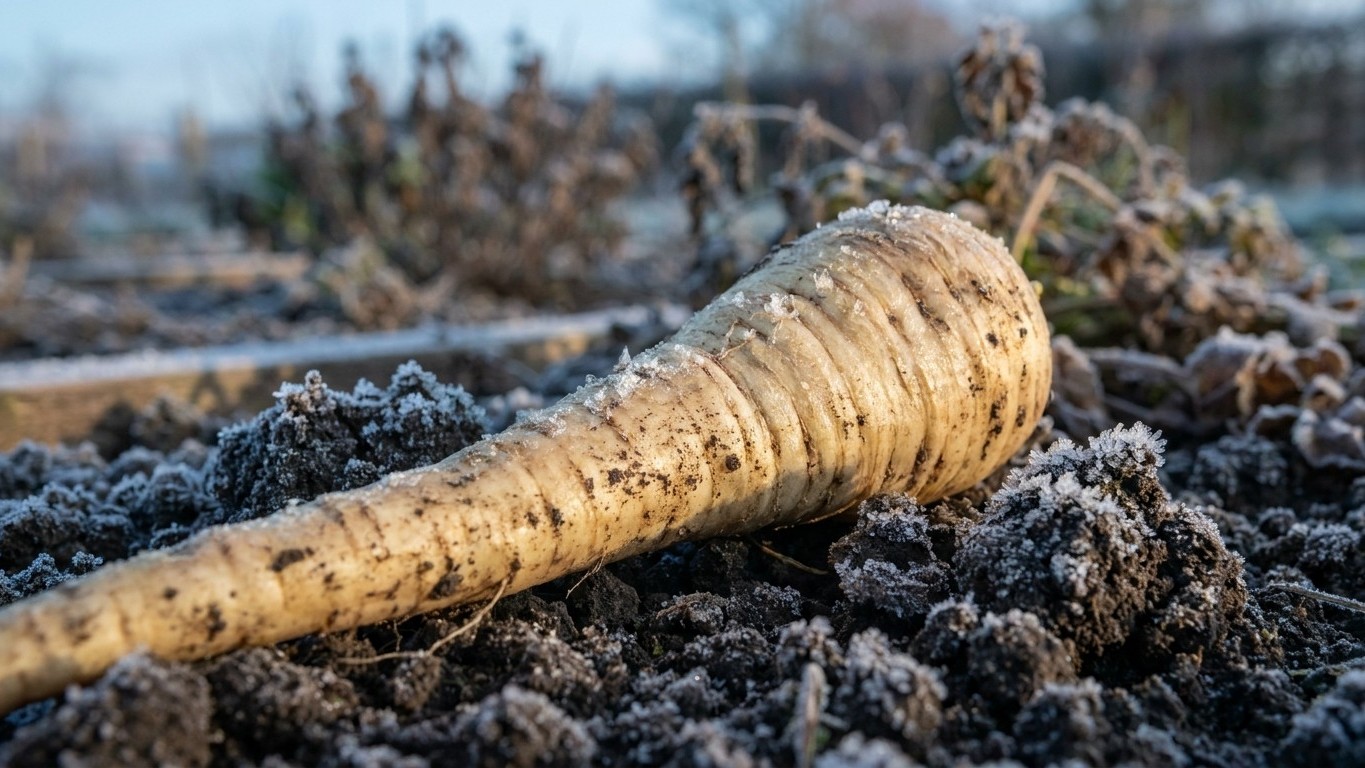
Four of the pests documented for Yukon gardens can go after parsnips: aphids, cutworms, root maggots and slugs.
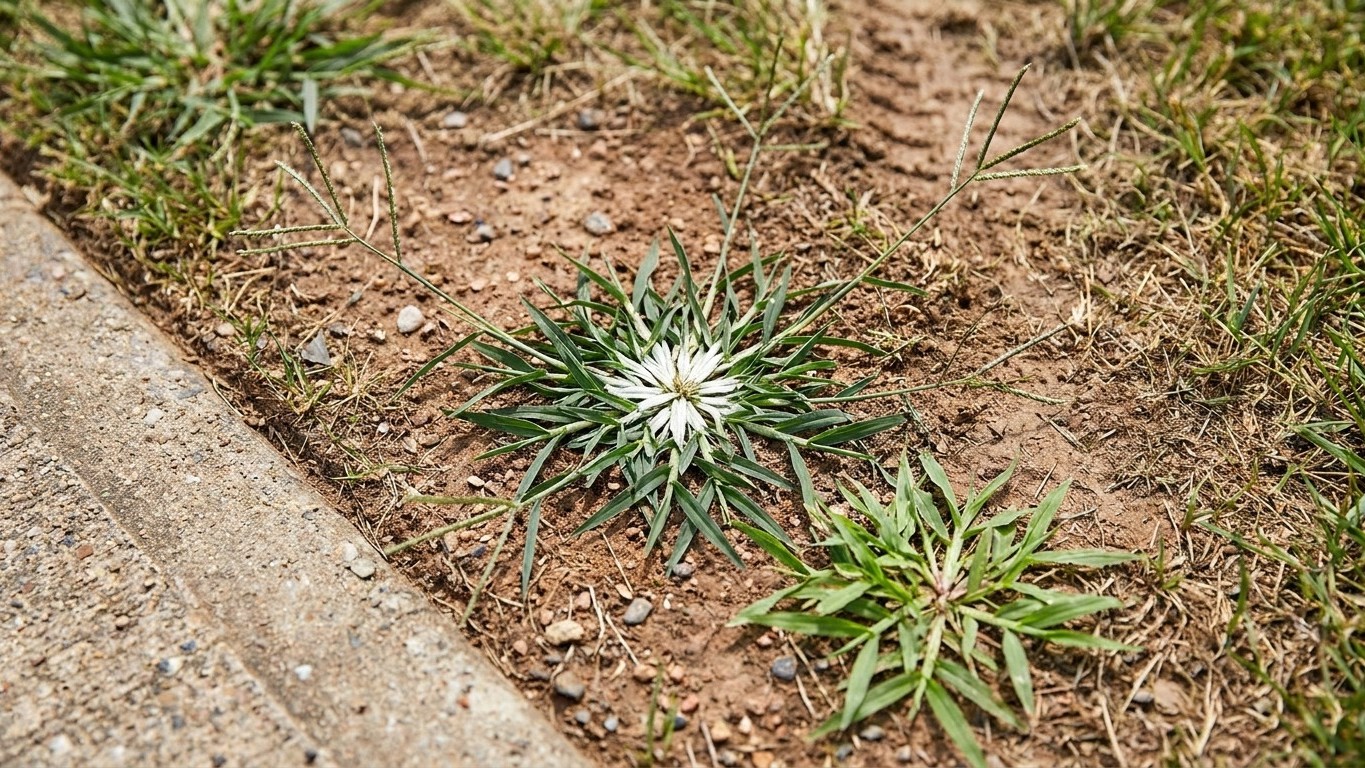
The short answer: aim to finish sowing by mid-July, not late summer. Yukon’s cool-season lawns need roughly 45 days of growing weather to root before the…
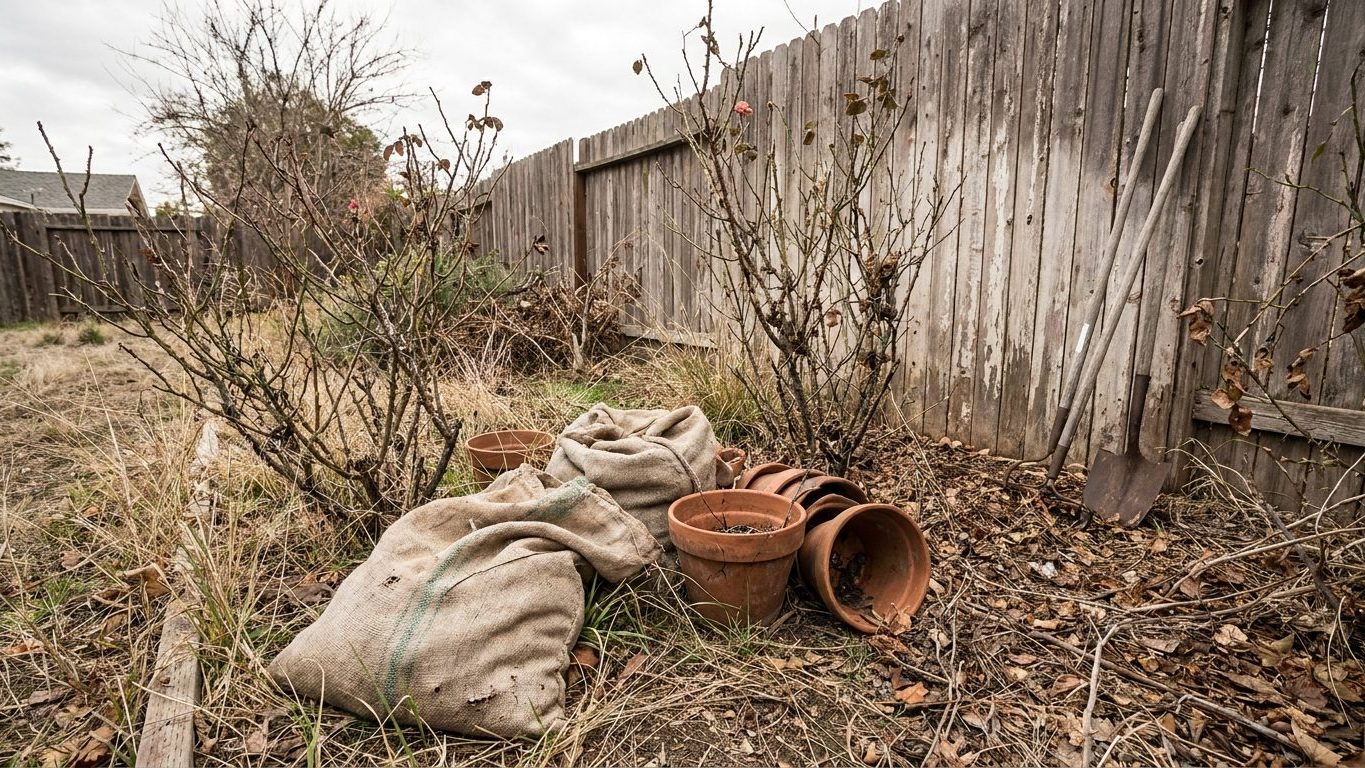
Whitehorse’s climate normals put Yukon’s average last frost on June 5 and first fall frost on August 25, an eleven-week season gardeners should treat as a guideline, not a guarantee.
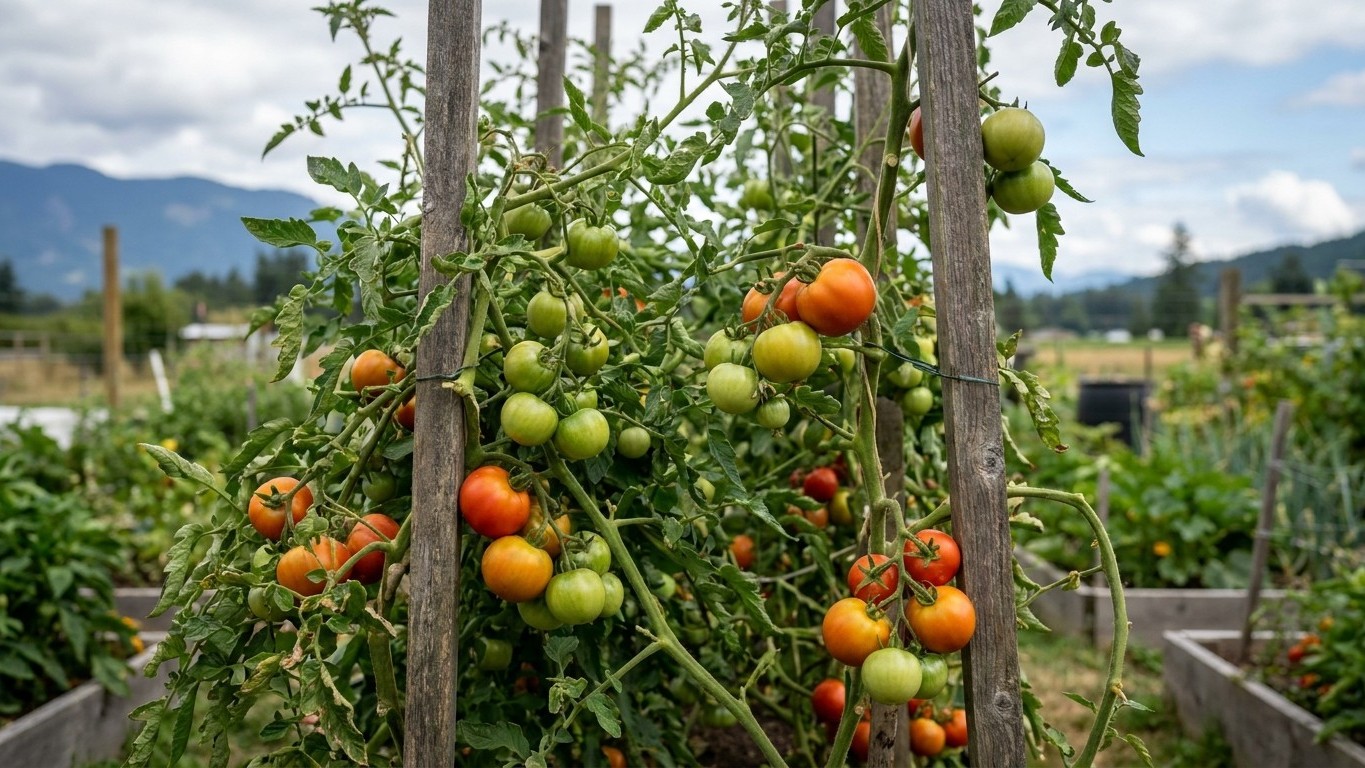
The short answer: plan to bring in your tomato harvest, ripe or not, by late August, because the Whitehorse area averages a first fall frost around…
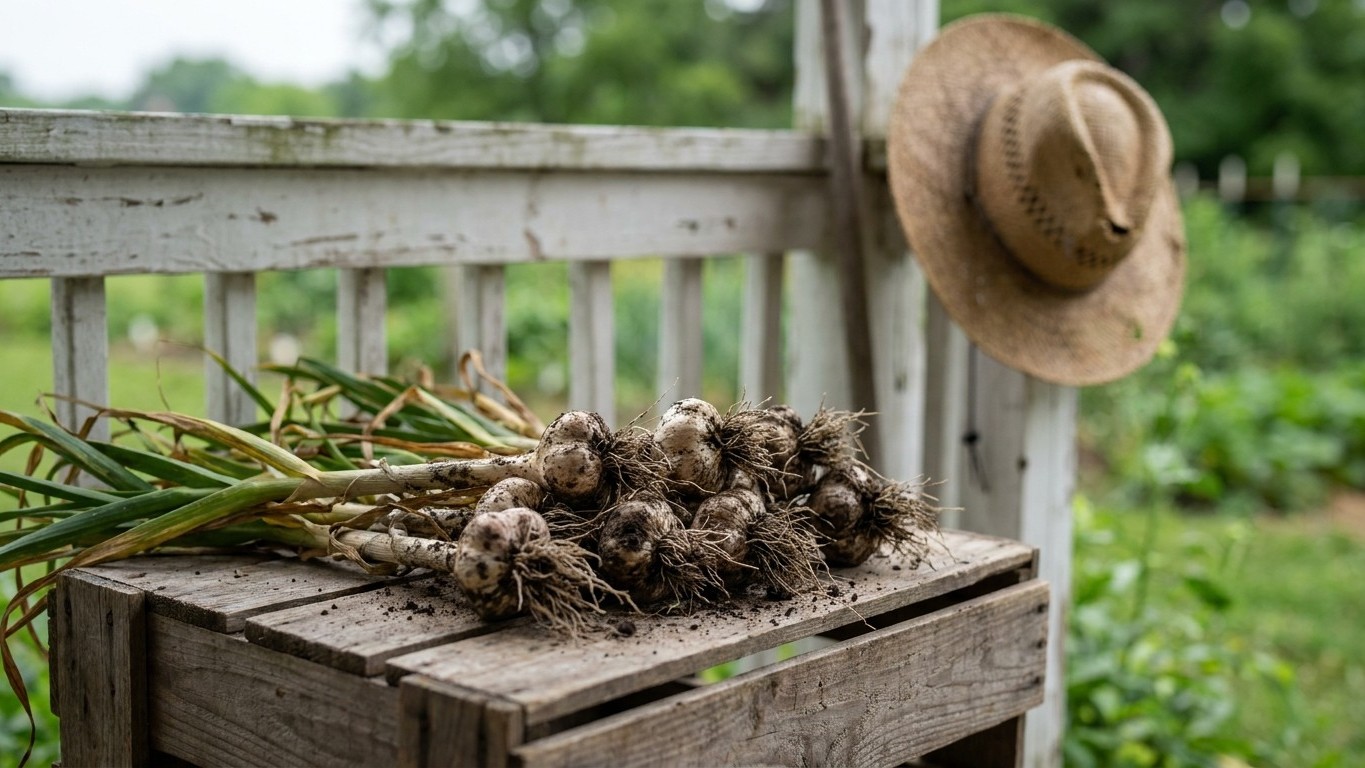
Garlic planted last fall in Yukon is usually ready to lift in early to mid-July, once the lower leaves have browned while five or six upper leaves are…
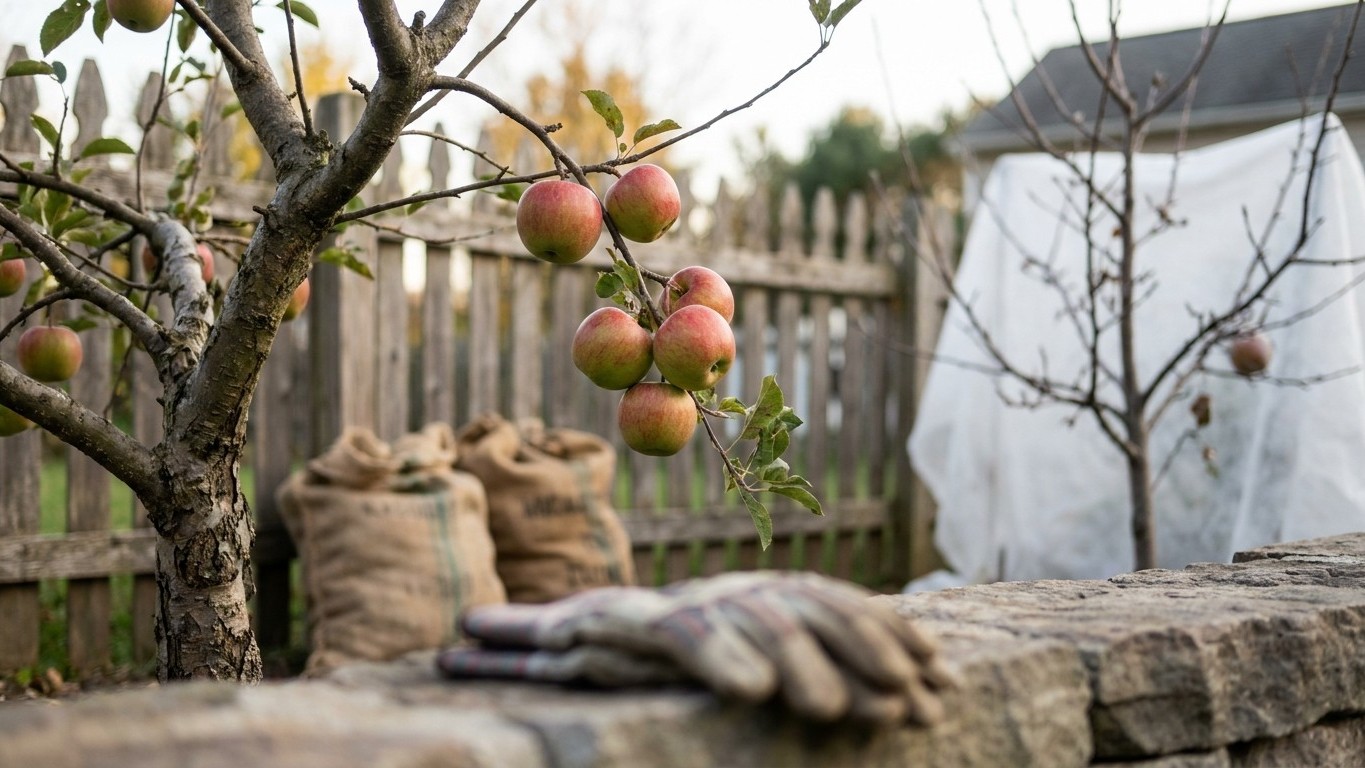
Yukon’s growing season is too short for most apples to ripen on the calendar most gardeners know.
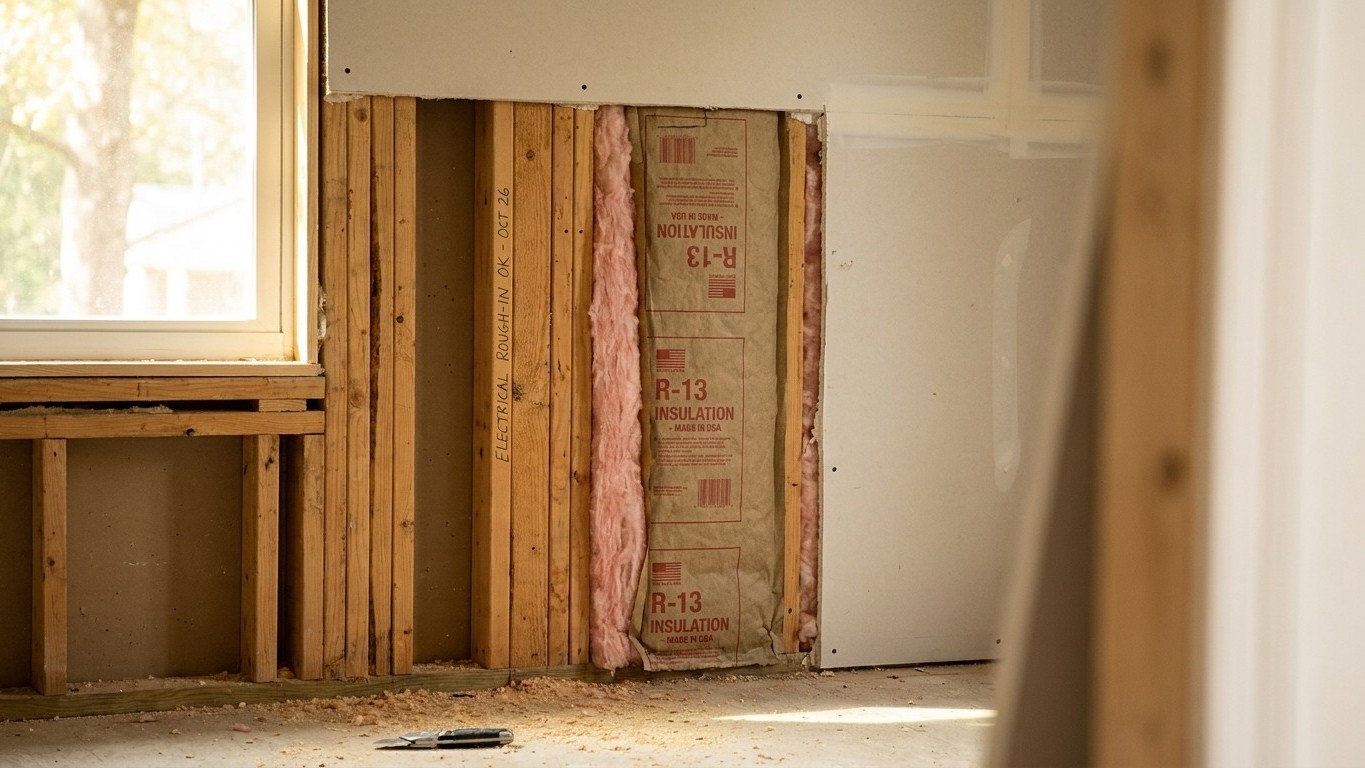
Yes, Yukon walls need a vapour barrier under the National Building Code of Canada, Part 9.25.4.
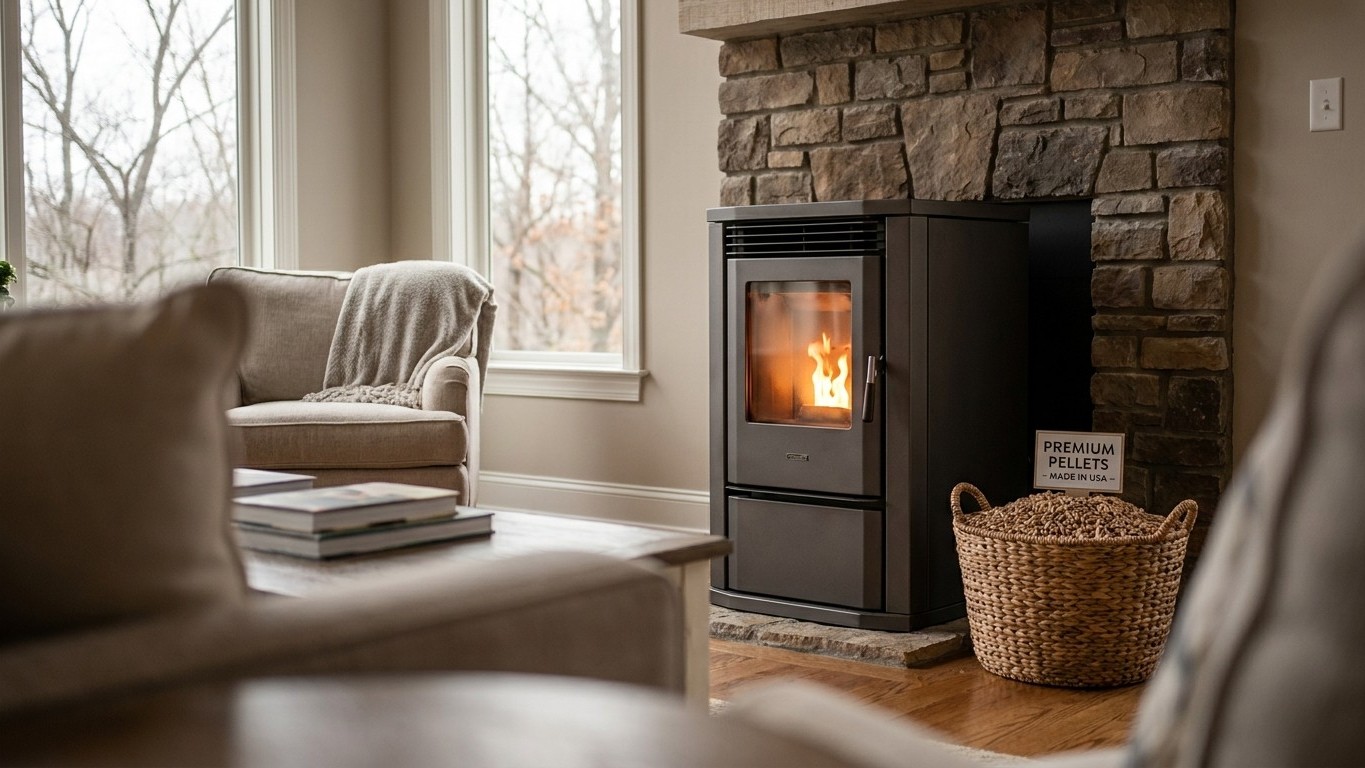
Whitehorse racks up about 6,584 heating degree days a year below 18°C, and the heating season here never really closes.