
September in Missouri belongs to fall crops. With the first freeze landing somewhere between October 18 and October 29 depending on where you garden, there’s still a five-to-seven-week window to get cool-season vegetables sown directly in the ground and harvested before hard frost shuts things down. Warm-season planting is over. What goes in now is greens, roots, and a handful of quick legumes, all counted backward from that frost date.
What goes in the ground in September

The decision this month isn’t the calendar, it’s the math: days to maturity plus a buffer for shrinking daylight, subtracted from your local frost date. With the first fall freeze arriving October 18 to October 29 across the state, a crop that needs 30 days can still go in the first half of September almost anywhere. A crop needing 60 days is a much tighter call, especially if you’re gardening north of Kansas City rather than in the Bootheel.
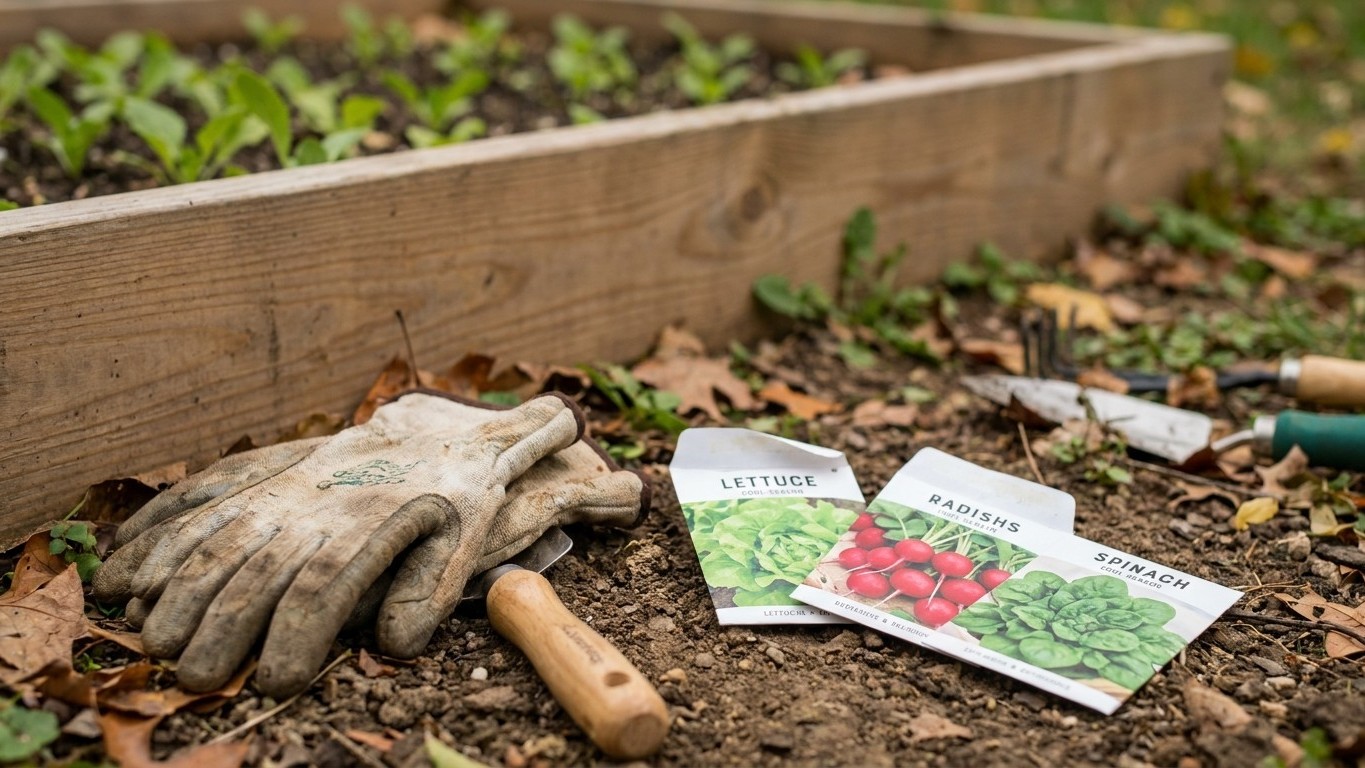
Spinach, lettuce, arugula, and mustard greens are the safest bets right now. Soil is still warm from summer, which speeds germination, and all four will tolerate the light frosts that show up before the real freeze does. Radishes and turnips fall in the same category: fast, frost-tolerant, and forgiving if you sow a week later than planned. Kale and collards can still be direct-sown in the first half of the month for a late-fall harvest, and both actually sweeten after a touch of frost.
Fall peas are the gamble crop. They need roughly 60 days and don’t like heat, so an early-September sowing in full sun with consistent moisture is workable in the northern half of the state, but southern Missouri gardeners have more room to spare. Garlic and shallots are not a September crop here. Missouri’s planting window for garlic runs closer to October and November, once soil temperatures drop into the 50s at a four-inch depth, so hold your seed garlic and don’t rush it into September ground.
What you should not plant now: beans, squash, cucumbers, sweet corn, or anything warm-season. Even the fastest bean variety can’t reliably finish before the earliest frost date in the northern counties, and a late-summer planting just invites disappointment.
What to start under cover
Working backward from the October 18-29 frost window, anything you want as a fall transplant should already be started or should go into trays in the first week or two of September at the latest. Lettuce, spinach, and Asian greens started under cover now give you transplants ready in three to four weeks, which lands them in the garden with enough time to size up before growth slows in the cooling soil.
The two ways this goes wrong are opposite problems. Start too early, say in mid-August for a crop that only needs three weeks, and you end up with leggy, rootbound seedlings sitting in cell trays waiting for garden space that isn’t quite frost-appropriate yet. Start too late, past the third week of September for anything needing more than four weeks to size up, and the transplant goes into the ground just as daylight and soil temperature both start working against it, leaving you with a plant that stalls instead of finishing.
A cold frame or an unheated hoop house changes this math in your favor. Seedlings started under cover and then transplanted into a frame can push the effective harvest window two to three weeks past the open-ground frost date, since the frame is buffering against the first few light freezes rather than the hard one. This is also the month to start biennials like kale and Swiss chard destined for cold-frame overwintering, since they need real root development before the days get short.
If you’re unsure whether a particular crop needs starting under cover or can go straight into the ground, the deciding factor is almost always days to maturity against the calendar you’re working with, not the crop’s cold tolerance.
What is ready to pick
September is peak harvest for everything planted back in spring. Tomatoes, peppers, eggplant, and summer squash are still producing, though tomato ripening slows noticeably once nights start dropping into the 50s. Winter squash and pumpkins are approaching harvest: the tell is a hardened rind that resists a thumbnail push and a stem that’s started to dry and turn brown, not green.
Sweet corn wraps up early in the month for anything planted on a normal spring schedule. Melons are a judgment call, since a cantaloupe slips easily off the vine when ripe while a watermelon needs the thump test and a dulled, matte rind on the side facing the ground.
Beans that are still setting pods should keep producing through the first couple of weeks before slowing as nights cool. Basil and other tender herbs are worth a final big harvest before any light frost, since a single cold night can blacken the leaves overnight.
This is also the point where stored crops start earning attention. Onions and garlic pulled earlier in the season should be curing in a dry, ventilated spot, and any bulb that’s gone soft or started sprouting needs to come out of storage before it spreads rot to the rest. The same check applies to any potatoes already dug: a soft or green-tinged tuber gets pulled and composted, not left next to the good ones.
The jobs that matter this month
Soil preparation for fall beds pays off directly this month, since the crops going in now have a shorter window to establish roots before growth slows. Working compost into beds as you clear spent summer plants gives fall greens and roots a head start they won’t get later once temperatures drop further.
Mulching matters differently now than in July. The goal isn’t cooling the soil anymore, it’s evening out moisture as rainfall patterns shift and holding soil temperature steady enough for germinating fall seed. A light mulch over newly seeded rows also helps prevent the crusting that can stop small seeds like lettuce and carrots from pushing through.
Staking and supporting late tomatoes and peppers is worth doing now rather than skipping it because the season feels like it’s winding down. A plant that topples in a September storm loses its last few weeks of production, which is often the sweetest fruit of the year on tomatoes that ripen slowly in cooler weather.
Succession sowing of quick crops, radishes, lettuce, spinach, in the first half of the month still has time to produce a second or third round before frost. Pest scouting doesn’t stop either: squash vine borer and cucumber beetle pressure often peaks in late summer, and cleaning up spent squash and cucumber vines promptly denies overwintering pests a place to hide.
Order garlic seed stock now if you haven’t already. Good varieties from mail-order suppliers sell out well before Missouri’s October planting window opens, and waiting until October to order often means settling for whatever’s left.
What not to do in September
The classic mistake is treating a warm afternoon as permission to plant warm-season crops. A string of 80-degree days in early September doesn’t change the fact that first frost is coming October 18-29, and a bean or squash sown now simply won’t have time to produce before it’s killed by cold.
The opposite mistake is waiting too long on cool-season direct-sowing because the heat hasn’t broken yet. Soil temperature and daylight both matter for germination, and pushing spinach or lettuce sowing into the last week of September in the northern half of the state cuts into the buffer you need before frost arrives.
Heavy nitrogen feeding at this point in the season is a mistake gardeners repeat every year on perennials, fruit trees, and anything meant to go dormant. A nitrogen boost now pushes soft new growth that won’t have time to harden off before frost, leaving those tender shoots vulnerable to cold damage that a plant fed earlier in the season would have avoided.
Don’t uncover cold frames or remove protective mulch after a few mild days expecting summer to hold. Missouri Septembers can swing from 85-degree afternoons to a light frost within the same week, especially as the month wears on, and a frame opened too early can lose tender fall transplants overnight.
Finally, don’t leave curing onions and garlic exposed to rain or heavy dew. Moisture during curing is the single biggest cause of storage rot later in winter.
Checking this against your own county
A statewide frost window is a starting point, not an instruction for your specific yard. The reference station used here sits north of Kansas City, and Missouri’s own climate data shows the downtown Kansas City area running roughly five days earlier in spring, with southern Missouri milder still on both ends of the season. Elevation, local cold pockets, and how close you are to a lake or river can shift these dates by a week or two in either direction.
For a planting calendar built around your specific county, the University of Missouri Extension is the source to check before finalizing a September planting plan.
Common questions
Is September too late to plant a fall garden in Missouri?
No. With the first fall frost landing between October 18 and October 29, there’s still enough time in early September for fast greens, radishes, and turnips, and enough time in the first half of the month for kale, collards, and fall peas.
Can I still plant garlic in September in Missouri?
It’s early. Missouri’s garlic planting window typically opens in October and runs into November, once soil temperatures cool further. Hold your seed garlic rather than planting it in September soil that’s still too warm.
What USDA hardiness zone is Missouri in?
Missouri spans USDA Hardiness Zones 5b through 7b, based on the USDA Plant Hardiness Zone Map. That’s a wide range across the state, so a zone-based recommendation for the northern border won’t match conditions in the Bootheel.
Why does the frost date matter more than the calendar date?
Because “September” covers wildly different conditions depending on whether frost arrives October 18 or October 29 in your area, and depending on whether you’re gardening near the northern reference station or in the milder southern part of the state. Counting backward from your local frost window, rather than from a fixed date, gives a more reliable planting decision.
Gardeners who plant by the Moon can check the September 2027 moon planting calendar, a tradition rather than a proven method.