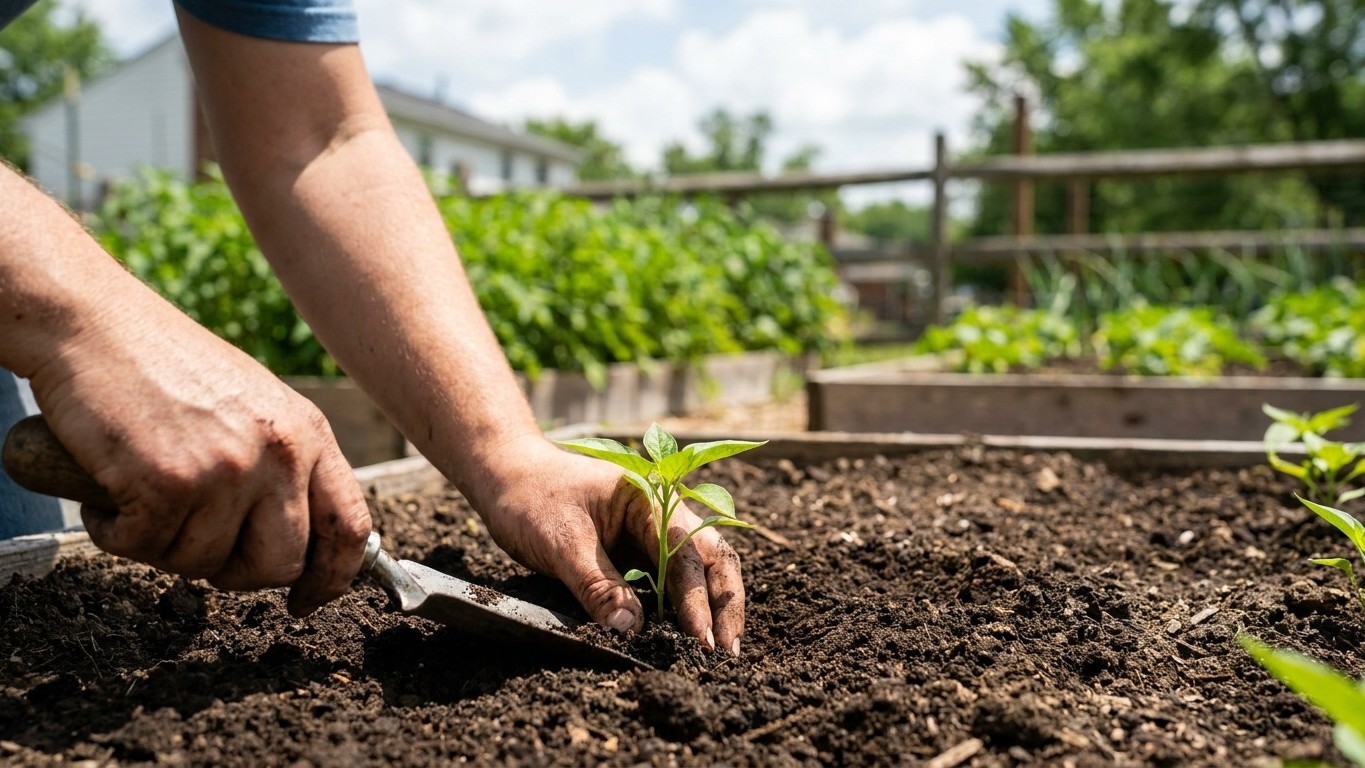

July in New Jersey means warm soil and a garden already in full swing. With the last spring frost long past (typically March 29 to April 6 near Newark) and the first fall frost still months away (November 4 to November 16), gardeners have real room to keep sowing beans, cucumbers, and summer squash, while also starting the fall brassica transplants that will feed the household well into autumn.
What goes in the ground in July

The math that matters this month isn’t the calendar, it’s the number of days left before the ground turns cold again. Starting from a frost window of November 4 to November 16, most of New Jersey has somewhere between 95 and 130 days of open growing season remaining, depending on how close a garden sits to the coast or how far inland it lies. That’s enough time for a lot, but not for everything.
Bush beans and pole beans still go in without hesitation. So do cucumbers, summer squash, and zucchini, all of which move fast enough to produce a full harvest before cold weather returns. Sweet corn works too, but only in the first half of the month; corn needs a longer runway and a late-July planting risks an unfinished crop when frost arrives.
Root crops earn their place now as well. Carrots and beets sown in early to mid-July mature into cool fall weather, which actually improves their flavor, a phenomenon most gardeners notice but rarely plan for on purpose. Kale, collards, and Swiss chard direct-sown this month will size up nicely by the time nights turn crisp.
Fall brassica transplants deserve special mention. Broccoli, cabbage, and Brussels sprouts started as seedlings earlier can go into open ground now, giving them enough head start to mature before the days shorten too much. Skip anything that needs 90-plus days from seed unless it went in the ground weeks ago; the frost window simply won’t allow it.
What to start under cover
Counting backward from the November 4 to November 16 frost window is the only reliable way to time fall starts, and it works the same everywhere: take the days-to-maturity listed on the seed packet, add two to three weeks for transplant shock and slower fall growth, then subtract that total from the earliest frost date in the range.
Broccoli and cabbage, which typically need 60 to 70 days to maturity, should be started indoors or under light shade cloth in the first half of July for a fall harvest with margin to spare. Wait past mid-month and the arithmetic gets tight, especially in northern counties where frost tends to arrive on the earlier end of that range.
Lettuce and spinach present a different problem: heat, not time. Seeds started in July often refuse to germinate in warm soil, so many gardeners start them indoors in a cooler spot or under shade cloth outdoors, then transplant once soil temperatures ease in late summer.
The two failure modes are worth naming directly. Start too early under cover and transplants sit too long, becoming rootbound and leggy before the ground is ready for them. Start too late and there’s no cushion left before frost cuts the season short. Splitting the difference, starting in the early-to-mid part of the month for most fall brassicas, gives the widest margin for error.
What is ready to pick
July is when the garden starts paying back the spring’s work in earnest. Tomatoes begin coloring up, and the test is simple: fruit should give slightly under gentle pressure and pull free from the vine with little resistance. Green beans are ready when pods snap cleanly rather than bend, usually before the seeds inside bulge visibly.
Cucumbers and summer squash move fast this time of year, sometimes doubling in size within a couple of days, so daily checks matter more than a weekly walk-through. Zucchini left too long turns woody and seedy; picking at 6 to 8 inches keeps the texture tender.
Sweet corn signals readiness through its silks, which turn brown and dry while the husk stays green. A quick peek at the kernels, plump and milky when pressed, confirms it. Blueberries planted in earlier seasons are usually at peak production now, and early peach varieties in the southern part of the state often start ripening as well.
Garlic planted the previous fall should be curing by now if it hasn’t already been pulled; leaves that are mostly brown with a few green ones remaining signal the right pull time. Basil, if harvested regularly by pinching stems above a leaf node, keeps producing rather than bolting to flower.
The jobs that matter this month
Water and mulch
Consistent watering matters more in July than almost any other month. Most vegetable gardens need about 1 to 1.5 inches of water a week, delivered slowly and deeply rather than in frequent shallow doses that encourage weak roots. A 2 to 3 inch layer of mulch around tomatoes, squash, and peppers holds that moisture in and keeps soil temperatures from swinging too widely, which matters directly for preventing blossom end rot.
Succession sowing and support
Beans, lettuce, and cucumbers all benefit from staggered plantings every two to three weeks through mid-summer, which spreads the harvest out instead of dumping it all at once. Tomatoes and pole beans that haven’t been staked or caged yet need it now, before the vines sprawl and become far harder to manage without damaging stems.
Pest scouting
This is peak season for squash vine borers, Japanese beetles, and tomato hornworms. Checking the undersides of squash leaves for the borer’s small orange eggs, and hand-picking beetles into soapy water in the cooler morning hours, catches problems before they spread. Hornworms are large but well camouflaged; a blacklight at dusk makes them glow and much easier to spot.
Harvesting on a regular rhythm, rather than letting produce sit, keeps plants signaling that they should keep flowering and fruiting instead of shutting down early.
What not to do in July
The most common mistake this month is planting a long-season warm crop too late and running out of days before frost. Winter squash and pumpkins that need 100-plus days are a gamble if started much past the first week of July; the frost window of November 4 to November 16 simply doesn’t leave room for a late start to finish.
Overwatering is the quieter problem. Daily shallow watering in hot weather feels responsible but actually encourages fungal disease and shallow root systems that struggle once a dry spell hits. Deep, less frequent watering trains roots to grow downward, where moisture is more stable.
Nitrogen fertilizer applied to tomatoes and peppers late in the season pushes lush green foliage at the expense of fruit set, which is the opposite of what most gardeners want in July. A balanced or lower-nitrogen feed, or none at all if soil was well prepared earlier, usually serves better once plants are established and flowering.
Uncovering fall brassica transplants too early after a mild stretch, or skipping row cover against cabbage moths, invites damage that’s much harder to undo once caterpillars are established than to prevent with cover from the start.
Checking this against your own county
The frost dates and hardiness range cited here come from one reference weather station, and they shift by county, elevation, and distance from the coast. A garden in the Highlands or the northwestern hills often sees frost arrive earlier and soil warm later than one near the Jersey Shore or in the Delaware Bay lowlands, sometimes by a week or two in either direction.
The Rutgers New Jersey Agricultural Experiment Station publishes county-specific guidance and a planting calendar that accounts for these local differences far than any single statewide reference can.
Common questions
Is it too late to plant tomatoes in July in New Jersey?
Starting tomatoes from seed in July is risky given the season remaining, but transplants of fast-maturing varieties can still be set out early in the month with a reasonable shot at ripe fruit before frost.
Can I still plant sweet corn in July?
Yes, but only in the first half of the month. Corn needs a long runway to mature, and planting after mid-July cuts too close to the November frost window in most of the state.
Why won’t my lettuce germinate when I sow it in July?
Lettuce seed often goes dormant in hot soil. Starting it indoors in a cooler spot, or shading the sowing area outdoors, usually solves the problem until temperatures ease later in summer.
How do I know when to pull garlic in July?
Garlic is generally ready when the lower leaves have browned but a few upper leaves remain green. Pulling too early sacrifices size; waiting too long risks the bulb splitting open in the ground.