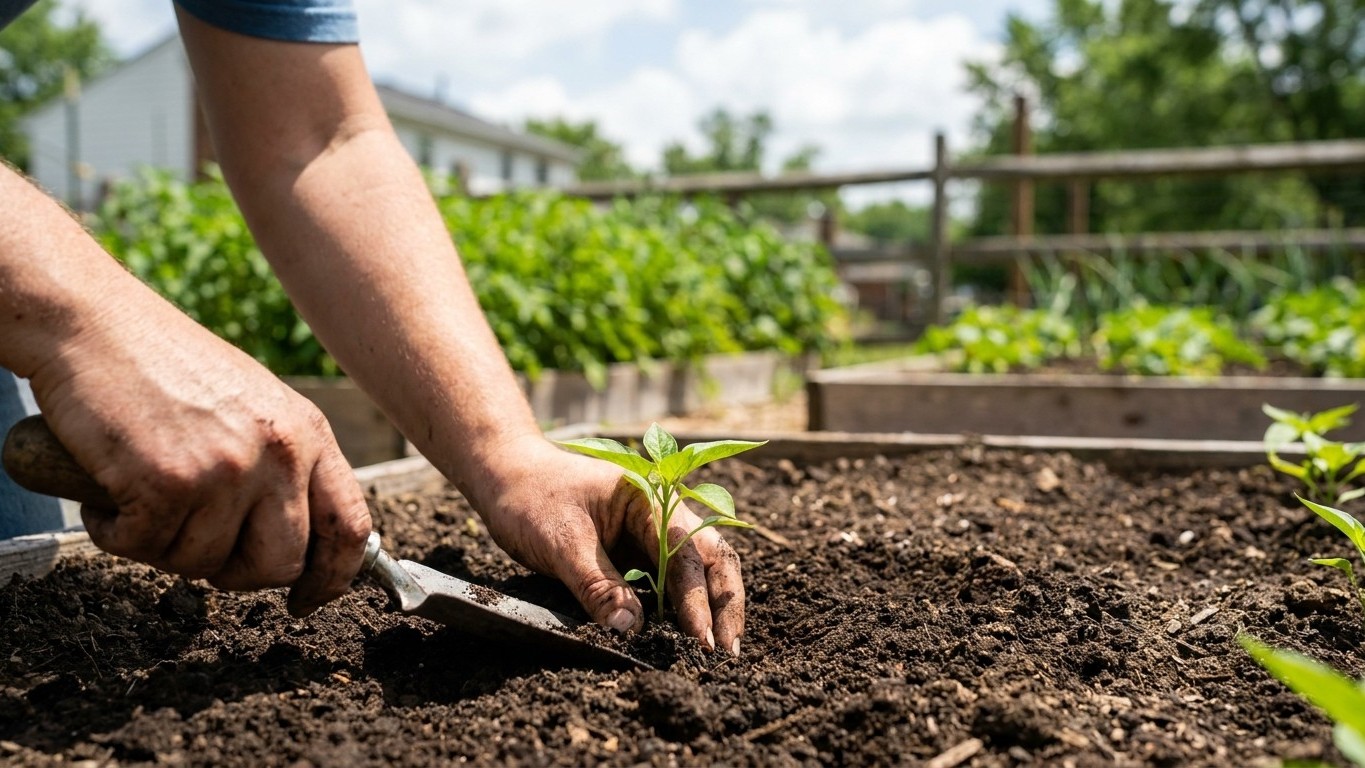

July in Oregon means full-summer planting west of the Cascades: gardeners can still direct-sow bush beans, beets, carrots, and summer squash, while starting broccoli, cabbage, and kale seedlings for the fall garden. The state’s last spring frost (March 6 to March 21) is long behind, and the first fall frost isn’t expected until November 11 to November 27, leaving a wide window still open. East of the mountains, in the high desert, the same logic applies but on a much tighter clock.
What goes in the ground in July
By July, frost isn’t the variable that decides what goes in the ground. That question was settled back in March. What decides now is arithmetic: how many days a crop needs to mature, measured against how many days are left before the first fall frost arrives sometime between November 11 and November 27. A packet that says “55 days to maturity” sown in early July still has a comfortable margin. A packet that says “90 days” is cutting it close, even in the mild Willamette Valley.
Soil temperature still matters, though less dramatically than in spring. Beans and squash germinate poorly in cold, waterlogged soil, but by July most beds have warmed well past that threshold. The real risk in Oregon’s dry-summer climate is the opposite problem: soil crusting and drying out faster than seeds can germinate, which means a light daily watering for the first week after sowing matters more than soil temperature itself.
Quick reference for July sowing
| Crop | Method | Typical days to maturity | July note |
|---|---|---|---|
| Bush beans | Direct sow | 50-60 | Good succession crop through mid-July |
| Beets | Direct sow | 50-60 | Fine through most of the month |
| Carrots | Direct sow | 60-75 | Sow by early-to-mid July for fall harvest |
| Summer squash / zucchini | Direct sow | 45-55 | Last realistic window for a second planting |
| Cucumbers | Direct sow | 50-60 | Early July only, west of the Cascades |
| Sweet corn | Direct sow | 65-90 | Only in the warmest valley pockets, first week of July |
Garlic and shallots are already out of the ground by this point in most of Oregon, not going in. If soil is dry and hard, hold off on any direct sowing until after the next watering or rain softens the top few inches, since seeds sown into brick-hard clay simply sit and rot.
What to start under cover
July is when the fall garden actually gets built, and it starts under cover, not in open ground. Broccoli, cabbage, and cauliflower for fall harvest need six to eight weeks as transplants before they go outside, so seed started now in trays or a shaded nursery bed produces plants ready to set out in late August or early September. Count backward from the first fall frost (November 11 to November 27): a cabbage needing 70 days in the ground, plus a six-week head start indoors, needs to be seeded in July to have any real chance of heading up before the cold arrives.
Kale and collards for a fall and winter harvest can go either way, direct-sown outdoors or started under cover for a head start, and both routes work in July. Winter density lettuce and other cold-hardy greens are worth starting in trays now too, since they’ll spend late summer establishing before the shorter days of fall slow their growth.
The two ways this goes wrong are mirror images of each other. Start too early under intense July heat and light, without shade cloth or consistent moisture, and seedlings bolt or stall before they’re ever transplanted. Start too late, waiting until August thinking there’s plenty of time, and the fall frost window closes on plants that never had the chance to size up. A shaded cold frame or a length of shade cloth over trays solves most of the early-start problem in Oregon’s dry, bright July.
What is ready to pick
July is when the harvest basket starts filling up in earnest. Garlic, pulled and cured in June in most of the state, is drying in a shed or garage by now. Bush beans planted in May are producing their first flush, and they’re ready when pods snap cleanly rather than bending. Zucchini and other summer squash need daily checking, since a fruit that looks modest one day can turn into an oversized club the next, and the plant keeps producing more heavily when fruit is picked young.
Blueberries ripen through July across most of western Oregon, and the tell is simple: a berry that’s fully blue but still tart needs another day or two, while one that falls into your hand with the lightest touch is at peak sweetness. Early raspberry varieties are often finishing their first flush by mid-month. In the warmer valley floors, the first tomatoes of the season start coloring up late in July, though most of the crop is still weeks away.
Cucumbers should be picked at moderate size rather than left to grow large, since oversized fruit turns bitter and seedy while also signaling the plant to slow down production. Peas, if a spring planting is still going, wind down quickly once daytime heat sets in, so any pods left on the vine should come off promptly before they toughen.
The jobs that matter this month
Watering rhythm is the single biggest job in an Oregon July, because the state’s dry-summer pattern means almost no rain falls between June and September in most of the state. Deep, infrequent watering, soaking the root zone thoroughly once or twice a week rather than sprinkling daily, builds deeper roots and more drought-tolerant plants. Shallow daily watering does the opposite, training roots to stay near the surface where they dry out fastest.
Mulching pays for itself directly in water saved. A few inches of straw, bark, or shredded leaves over bare soil cuts evaporation dramatically and keeps root zones several degrees cooler during the hottest stretch of the year, which matters for anything still setting fruit. Staking and caging need to happen now, not later, since tomatoes, pole beans, and sprawling squash vines only get harder to support once they’re heavy with fruit and tangled together.
Succession sowing keeps the harvest steady rather than feast-or-famine: a new short row of bush beans or lettuce every two to three weeks through mid-July means fresh pickings continue into fall instead of stopping all at once. Pest scouting matters more in July than almost any other month, since aphid populations and cabbage worm larvae build quickly in warm weather. Checking the undersides of leaves weekly and hand-picking or hosing off small infestations early prevents the kind of outbreak that’s much harder to control by August.
Deadheading flowering annuals and cutting back the first flush of perennial flowers keeps plants producing rather than going to seed early, and thinning heavy fruit clusters on apple and stone fruit trees now, while the fruit is still small, produces larger and better-quality fruit at harvest than letting the tree carry an overloaded crop.
What not to do in July
The most common July mistake in Oregon isn’t planting too early, it’s planting too late while believing there’s still plenty of season left. A long-season crop like corn or a full-size melon sown in mid-July, in most of the state, simply won’t finish before the first fall frost arrives, and the gardener finds this out in October rather than in time to do anything about it.
Letting watering lapse during a stretch of hot, dry weather and then flooding the bed to compensate causes real damage rather than fixing anything. Tomatoes and squash respond to that kind of feast-or-famine watering with blossom end rot and split fruit, since inconsistent moisture disrupts how the fruit takes up calcium as it grows. A steady, deep watering schedule avoids the problem entirely.
High-nitrogen feeding is another classic misstep once plants have moved from establishing to fruiting. A tomato or squash plant fed heavy nitrogen in July puts out lush green growth at the expense of flowers and fruit, which is the opposite of what the gardener wants at this point in the season. A lower-nitrogen, higher-phosphorus and potassium feed supports the fruiting push instead.
Uncovering cold frames or removing shade cloth too readily after a mild stretch of weather also backfires, since a sudden heat spike, common in Oregon summers, can scorch young fall transplants that had just started to harden off.
Checking this against your own county
A state-wide month is a starting point, not an instruction. Oregon spans coastal fog belts, the mild Willamette Valley, high mountain passes, and true high desert east of the Cascades, and elevation alone can shift a planting window by weeks in either direction. The frost dates cited here come from a single reference station and describe the western valleys; gardeners in Bend, Klamath Falls, or anywhere above a few thousand feet should expect a shorter, later, and less forgiving season.
The most reliable next step is checking local data directly through Oregon State University’s Extension Service, which maintains county-level guidance and planting calendars built for the state’s specific microclimates rather than a single statewide average.
Common questions
Is it too late to plant tomatoes in Oregon in July?
Starting tomatoes from seed in July is too late for most of the state, but setting out an already-started transplant of a fast-maturing variety can still produce a harvest before the first fall frost in the warmer valley areas.
What vegetables can still be direct-sown in Oregon in July?
Bush beans, beets, carrots, and a last round of summer squash all work well when sown in early-to-mid July, since they mature quickly enough to finish before fall frost arrives.
When should fall broccoli and cabbage seedlings be started for Oregon?
Starting seed under cover in July, then transplanting six to eight weeks later in late August or early September, gives these crops enough time to mature before the first fall frost window of November 11 to November 27.
Does the July planting advice for western Oregon apply to central and eastern Oregon?
No. The frost dates and season length described here reflect conditions west of the Cascades; the high desert regions of central and eastern Oregon have a shorter growing season and should be checked against county-level Extension Service data rather than a statewide calendar.