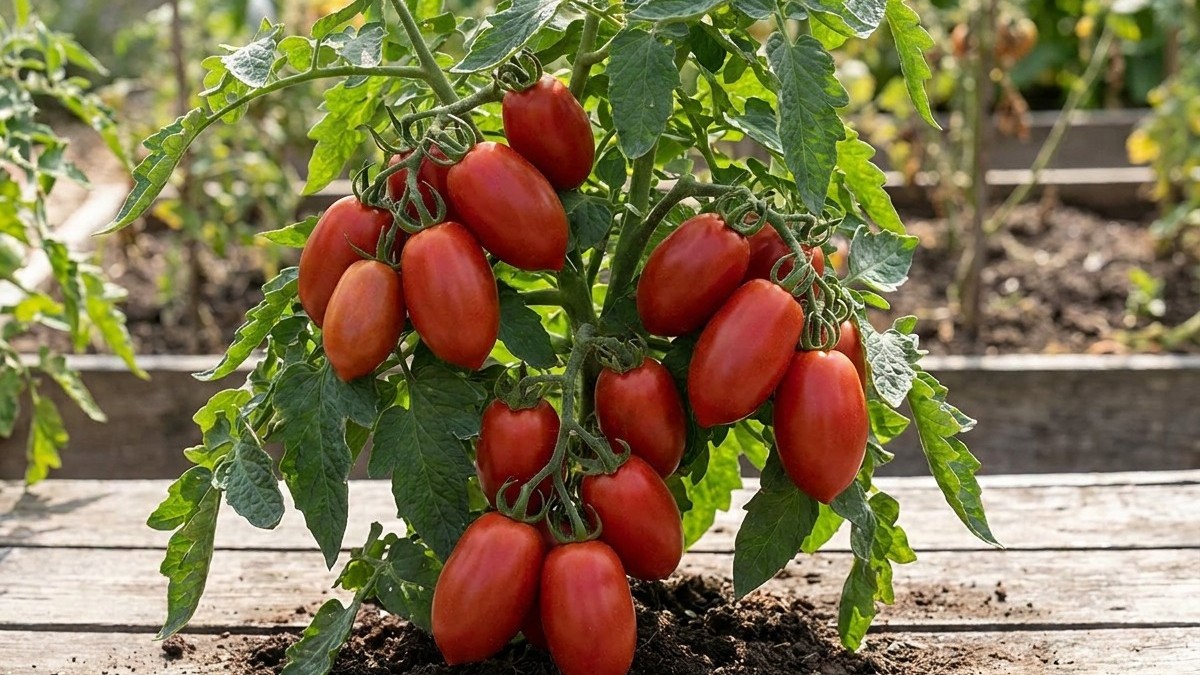

The short answer: start watching your vines in late October, and have every tomato off the plant before the first fall frost, which arrives statewide between November 7 and November 20. That’s the hard-freeze window recorded at the Little Rock reference station. But the real trigger for picking isn’t that date at all. It’s a lighter frost that shows up weeks earlier and quietly ends the ripening season before the killing freeze ever touches the vine.
When to Pick Tomatoes in Arkansas
Two different frost thresholds matter here, and mixing them up is the single biggest reason gardeners lose a full week of ripe fruit. The 32-degree hard freeze that ends the season outright falls between November 7 and November 20 across the state, based on NOAA’s 1991-2020 climate normals from station USW00013963. That’s the number most people quote. But tomato vines and fruit start suffering real damage well before the mercury hits 32. At the 36-degree light-frost threshold, which is what actually matters for a tender crop like tomatoes, NWS Little Rock puts the safe growing window at April 3 through October 31. That’s nearly three weeks earlier than the hard-freeze date most gardeners circle on the calendar.
So the picking clock really starts ticking around the last week of October in central Arkansas. Once nighttime lows start flirting with the upper 30s, any tomato still holding color, green, breaker stage, or blushing, needs to come off the plant. Waiting for the “official” freeze means picking fruit that’s already been chilled enough to turn mealy or develop internal graying, a texture problem that shows up days later on the counter, long after the tomato looked fine in the garden.
Zone differences change the calendar
Arkansas spans USDA Hardiness Zones 6b through 8a, a range built entirely on average extreme winter minimum temperatures, not on frost timing itself. Still, it’s a useful shorthand for how much the state varies. Gardeners in the cooler 6b pockets of the Ozarks and northern counties should expect the light-frost risk to arrive on the earlier end of the window, while growers in the warmer 8a stretch along the southern border and the Delta often get an extra week or two of ripening time before that first chill. The Little Rock dates above are the reference point; if you’re gardening well north or south of the capital, adjust your picking schedule a few days in either direction rather than treating November 7 as a fixed deadline everywhere.
Color stage matters as much as the calendar. A tomato at the “breaker” stage, showing just a blush of pink or yellow at the blossom end, will finish ripening off the vine with very little loss in flavor. Fully green, hard tomatoes are a different story, and that’s where most of the season’s leftover crop ends up once frost is closing in.
What to do with the green ones
Every Arkansas garden ends the season with a basket of green tomatoes that never got the chance to turn. What you do with them depends almost entirely on how mature they are, and that’s worth sorting out before frost forces a rushed, all-at-once harvest.
Mature green tomatoes, fully sized, with a slight waxy sheen and a whitish-green color rather than a dark, glossy green, are the ones worth setting aside to ripen indoors. They’ve already done the hard work of developing sugars and structure; all they need is time and warmth. Immature green tomatoes, the small, hard, glossy ones still clinging tight to the vine, rarely ripen well no matter how long you wait. Those are better used right away rather than stored.
Using them green
- Fried green tomatoes, sliced and breaded, the classic Southern use for the firm, tart fruit that won’t ripen in time
- Green tomato relish or chow-chow, which uses the acidity of unripe fruit to good effect
- Pickled green tomatoes, packed with dill and garlic much like cucumber pickles
- Green tomato salsa verde, a tart alternative to tomatillo-based versions
A frost-killed plant doesn’t necessarily mean a wasted harvest. The trick is triage: pull everything before the freeze hits, sort by maturity on a table or in a shallow box, and decide within a day or two which pile is headed for the skillet and which one is headed for a paper bag on the counter. Waiting too long to sort means the whole batch softens at different rates, and the ripe ones start pulling moisture and rot risk onto the green ones sitting next to them.
Ripening indoors, and how long they keep
Mature green tomatoes ripen indoors through the same process that happens on the vine, just slower and without direct sun. Ethylene gas, produced naturally by the fruit itself, triggers the color change and softening. Speeding that up or slowing it down comes down to two things: temperature and airflow.
Room temperature, roughly the mid-60s to low-70s, ripens tomatoes steadily over one to three weeks depending on how mature they were at picking. Warmer spots speed things up but also raise the risk of soft spots and rot, especially in Arkansas’s humid fall air. Cooler spots, down in the 55-degree range, slow ripening considerably and can stretch storage out closer to a month, though flavor tends to be less developed than fruit that ripened in warmer conditions.
Methods that actually work
A single layer of tomatoes in a cardboard box, stems down, not touching each other, works better than a crowded paper bag for most home gardeners because it makes it easy to spot and pull rotting fruit before it spreads. Adding a ripe banana or apple to a partially closed bag concentrates the ethylene the tomatoes are already producing and speeds things along by several days. Direct sunlight isn’t necessary and can actually cause uneven ripening or soft patches on the sun-facing side, so a kitchen counter out of direct light works as well as anything.
Once ripe, a tomato holds for roughly a week at room temperature before quality starts to slide, and refrigeration extends that only marginally while flattening the flavor considerably, a tradeoff most gardeners decide isn’t worth it for fruit they grew specifically for the taste. Checking the box every couple of days and pulling ripe fruit as it turns keeps the whole batch from ripening unevenly or rotting together.
What goes wrong here
Humidity is the recurring problem with ripening tomatoes indoors in Arkansas, and it shows up differently depending on the month. Fruit picked during a wet, muggy stretch in late September or early October often carries surface moisture and minor skin cracks that turn into soft rot spots within days of coming inside, regardless of how carefully they’re stored. Wiping fruit dry before boxing it up and giving it real airflow, rather than stacking tomatoes several layers deep, cuts that risk substantially.
Picking too early out of frost anxiety is the other common misstep. Gardeners who pull everything green at the first cool snap in late September, weeks before the actual light-frost window near the end of October, end up with a large batch of immature fruit that never develops real flavor no matter how it’s ripened. Watching the forecast rather than reacting to the season’s first chilly night saves a lot of bland tomatoes.
Cracking is a third issue, usually tied to a dry spell followed by a heavy rain right before harvest, a pattern common across Arkansas falls. The fruit swells faster than the skin can stretch, and those cracks become entry points for rot once the tomato is sitting in a box indoors. There’s no fix once it’s happened, only earlier picking after a hard rain rather than waiting for full color on the vine. For growing-season problems like this one, and for other pest and disease pressure that shows up before harvest, the University of Arkansas Cooperative Extension Service is the standing resource for county-level guidance.
Common questions
Should I pick all my tomatoes at once before the first frost?
Only the ones that will actually be damaged by a light frost, generally anything showing color or approaching full size. Very small, hard green tomatoes rarely ripen well regardless, so there’s less urgency to save those specifically for indoor ripening.
Does a light frost really hurt tomatoes that a hard freeze wouldn’t?
Yes. The fruit and vine tissue start showing cold damage well before the 32-degree hard freeze that finishes the plant off entirely. That’s why the 36-degree light-frost window from NWS Little Rock, running to October 31, matters more for picking decisions than the later hard-freeze dates.
Can I ripen a tomato that’s still fully green and glossy?
Sometimes, but expect inconsistent results. Fully immature fruit, the small, hard, dark-green kind, often shrivels or rots before it colors up. Mature green fruit with a lighter, waxy look ripens far more reliably.
Why do my indoor tomatoes rot before they finish ripening?
Usually surface moisture from a humid harvest, crowding in a bag or box that traps that moisture, or a small skin crack that let bacteria in before the tomato ever came inside. Drying fruit off and spacing it out in a single layer solves most of it.