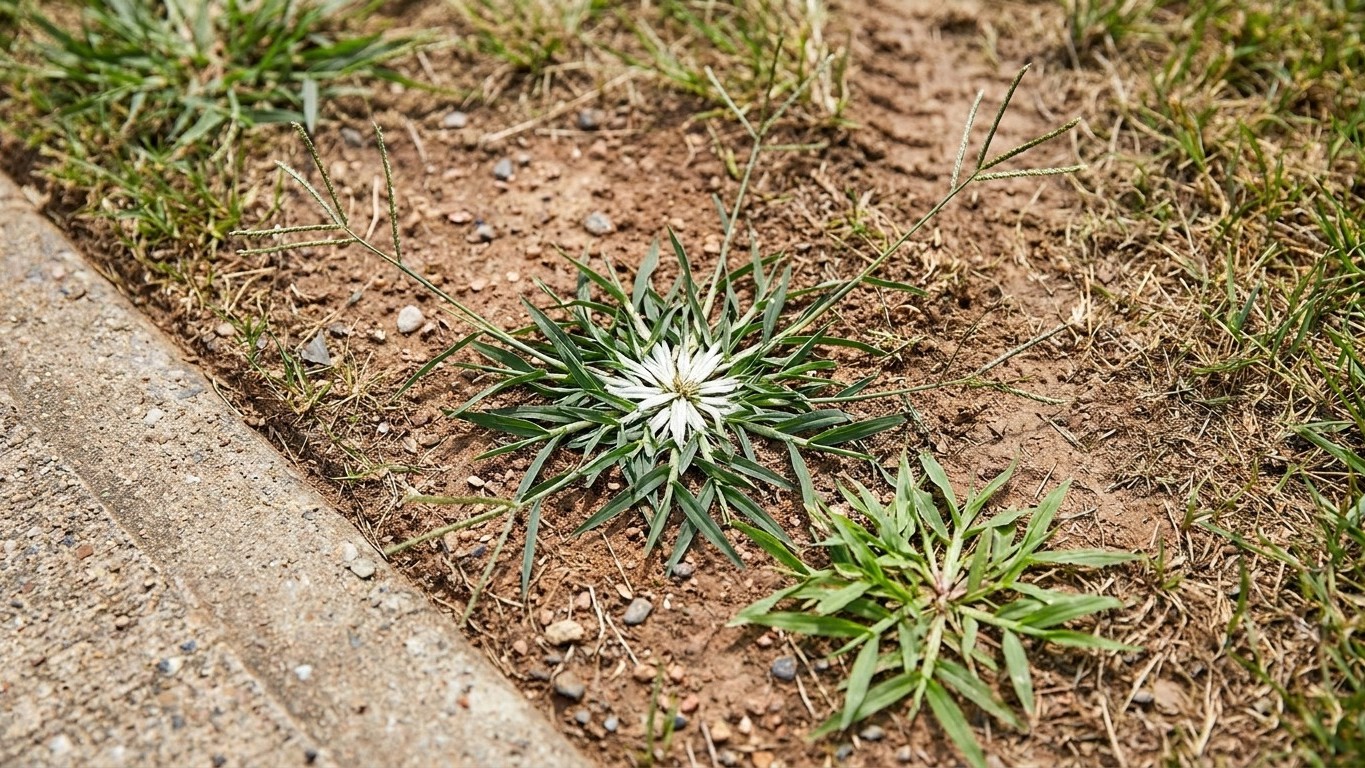

The short answer: South Carolina lawns get overseeded in spring and summer, not fall, because the recommended grasses here are warm-season types that need warm, rising soil to germinate. The real question isn’t a date on a calendar. It’s how many weeks of warm soil you have left before the ground turns against a new seedling.
The overseeding window in South Carolina
South Carolina sits in a warm lawn zone, at least around the reference climate station used to set that classification. That single fact flips the whole calendar. Cool-season grasses like fescue or ryegrass get overseeded in fall up north because they thrive in cool soil. Warm-season grasses do the opposite: they stall out and rot in cold, wet ground, and they only germinate reliably once the soil itself has warmed up and is still climbing.
Clemson Cooperative Extension lists the species that actually hold up in South Carolina conditions: Bahiagrass, Bermudagrass, Carpetgrass, Centipedegrass, Seashore Paspalum, St. Augustinegrass, and Zoysiagrass. Every one of them is a warm-season grass, so there’s no fall-seeding tradition to borrow here the way there is further north.
Two boundaries, not one date
The window has an opening and a closing, and both move depending on where in the state you’re standing. The early edge is set by soil temperature, not the calendar: seed goes down once soil at a two-inch depth reads 65 to 70°F and is still rising, which typically happens sometime in spring. The late edge is set by working backward from the first fall freeze. NOAA’s 1991-2020 climate normals for the reference station (USW00013880) put that freeze window between November 20 and December 5. Turfgrass guidance from Clemson and Penn State Extension calls for roughly 45 days of active growing weather before that freeze hits, which means new seed needs to be down and germinating no later than early-to-mid October in most of the state, and earlier than that as you move toward the mountains.
That 45-day cushion matters because grass sown too late germinates just fine, then dies over winter anyway. It never had time to build the root mass to survive a freeze. The seed didn’t fail. The calendar did.
Location changes both ends of this window more than most homeowners expect. Peninsular Charleston runs milder than the airport station used for the official normals, which can push the safe cutoff later into fall. The Upstate, up around Greenville and Spartanburg, runs several weeks tighter at both ends, meaning a shorter growing season and less margin for a late-sown lawn to catch up before frost.
The soil temperature that actually decides it
Forget the date on the seed packet. The number that actually matters is the one you get from a soil thermometer, pushed two inches into the ground and read in mid-morning before the sun has heated the surface layer unevenly. Clemson and Penn State Extension turfgrass guidance both point to the same threshold: 65 to 70°F, and rising. Below that, warm-season seed sits dormant or rots. Above it and climbing, germination rates jump.
The “rising” part is the detail most guides skip, and it’s the one that trips people up in late summer. Soil in August can easily sit above 70°F in South Carolina, but by then it’s often already past its peak and starting to cool as day length shortens. Seed sown into warm-but-falling soil starts slower and weaker, eating into that 45-day establishment window before you’ve even noticed a problem.
Why the calendar lies to you
Two houses a mile apart can have soil temperatures a week or more out of sync. A south-facing yard with sandy soil and no shade warms faster than a shaded, clay-heavy lot on the north side of a tree line. Elevation plays a role too, which is part of why the Upstate consistently lags the coastal plain. None of that shows up on a generic seeding calendar printed for the whole state, which is exactly why the soil thermometer beats the wall calendar every time.
The practical routine is simple enough: buy an inexpensive soil thermometer, check the same spot at the same time of morning for a few days running, and watch the trend rather than a single reading. Once you’ve got three or four consecutive mornings at 65°F or better and still climbing, you’re in the window. Skip the check and you’re guessing, and a guess that’s off by two or three weeks either direction can cost you a season.
How much seed, and what it costs to guess
Seed rates for South Carolina’s warm-season lawns are published as pounds per 1,000 square feet, and they vary a lot by species. Two grasses on Clemson’s own recommended list, Seashore Paspalum and St. Augustinegrass, aren’t seeded at all. They’re established from sod or plugs, so if you’re shopping for seed and one of these is on your wish list, you’re shopping for the wrong product.
| Grass | New lawn seeding rate |
|---|---|
| Bahiagrass | 5 to 10 lb per 1,000 sq ft |
| Bermudagrass | 1 to 2 lb per 1,000 sq ft |
| Carpetgrass | 2 to 3 lb per 1,000 sq ft |
| Centipedegrass | 0.25 to 0.5 lb per 1,000 sq ft |
| Zoysiagrass | 1 to 2 lb per 1,000 sq ft |
| Seashore Paspalum | Sod or sprigs only, not seed |
| St. Augustinegrass | Sod or plugs only, not seed |
Overseeding is half the rate, not the same rate
Those figures above are for a brand-new lawn started from bare ground. If you already have turf and you’re overseeding to thicken it, the rate drops to half of what’s listed. That’s easy to overlook, and it’s an expensive mistake in both directions. Too much seed on existing turf just creates seedlings competing for the same light and water, thinning the stand rather than filling it in. Too little seed on bare or thin patches leaves gaps that weeds fill faster than grass does, especially in the warm, humid stretch of a South Carolina summer. Measuring the actual square footage of the area before buying, rather than eyeballing a bag size at the store, is the cheapest insurance available here.
The three weeks after you sow
Getting the timing and the rate right doesn’t finish the job. The stretch right after seed goes down is where a lot of otherwise well-planned overseeding jobs fall apart, usually from inconsistency rather than neglect. Seedbeds need to stay consistently moist, not soaked and not allowed to dry out between waterings, until the new grass has rooted enough to handle a missed day. That often means light, frequent watering rather than the deep, occasional soaking an established lawn prefers.
Foot traffic is the other quiet killer. New seedlings and the fine root hairs they’re putting down don’t hold up to being walked on, and a single afternoon of kids or a dog cutting across a freshly seeded patch can undo weeks of careful watering. Keeping the area marked off, even with something as simple as a few stakes and string, pays for itself.
Don’t mow too early
Mowing before the new grass has reached its normal mowing height for that species pulls seedlings right out of loose, unsettled soil, roots and all. Wait until the stand is established enough to tolerate a first cut, and keep that first mow on the high end of the range rather than scalping it to make it look finished.
Every one of these details matters more inside the 45-day establishment window than it would on an established lawn, because there’s no cushion left for a mistake to be corrected later. Seed sown close to the late edge of the window and then under-watered for even a few days can miss its shot at rooting deeply enough to survive the first freeze that follows.
Common questions
Can I overseed a South Carolina lawn in fall like they do up north?
Not with the species Clemson recommends for this state. All seven, Bahiagrass, Bermudagrass, Carpetgrass, Centipedegrass, Seashore Paspalum, St. Augustinegrass, and Zoysiagrass, are warm-season grasses that need warm, rising soil to germinate. Fall soil in South Carolina is cooling, not warming, which is the opposite of what these species need.
What if I’m in the Upstate rather than near the coast?
Work with a shorter window on both ends. The Upstate runs several weeks tighter than the coastal reference station used for the state’s climate normals, meaning soil warms later in spring and the first fall freeze arrives earlier. Test soil temperature locally rather than relying on advice built around a milder part of the state.
How do I know if my soil is actually ready, without a thermometer?
There isn’t a reliable shortcut published in the guidance here. A two-inch soil thermometer read at mid-morning is the method Clemson and Penn State Extension both point to, and it costs very little compared to a failed seeding attempt.
Where can I get South Carolina-specific advice for my county?
Clemson Cooperative Extension maintains local offices and publications tailored to conditions across the state, including soil and variety guidance beyond what applies statewide. Their extension portal is a reasonable starting point.