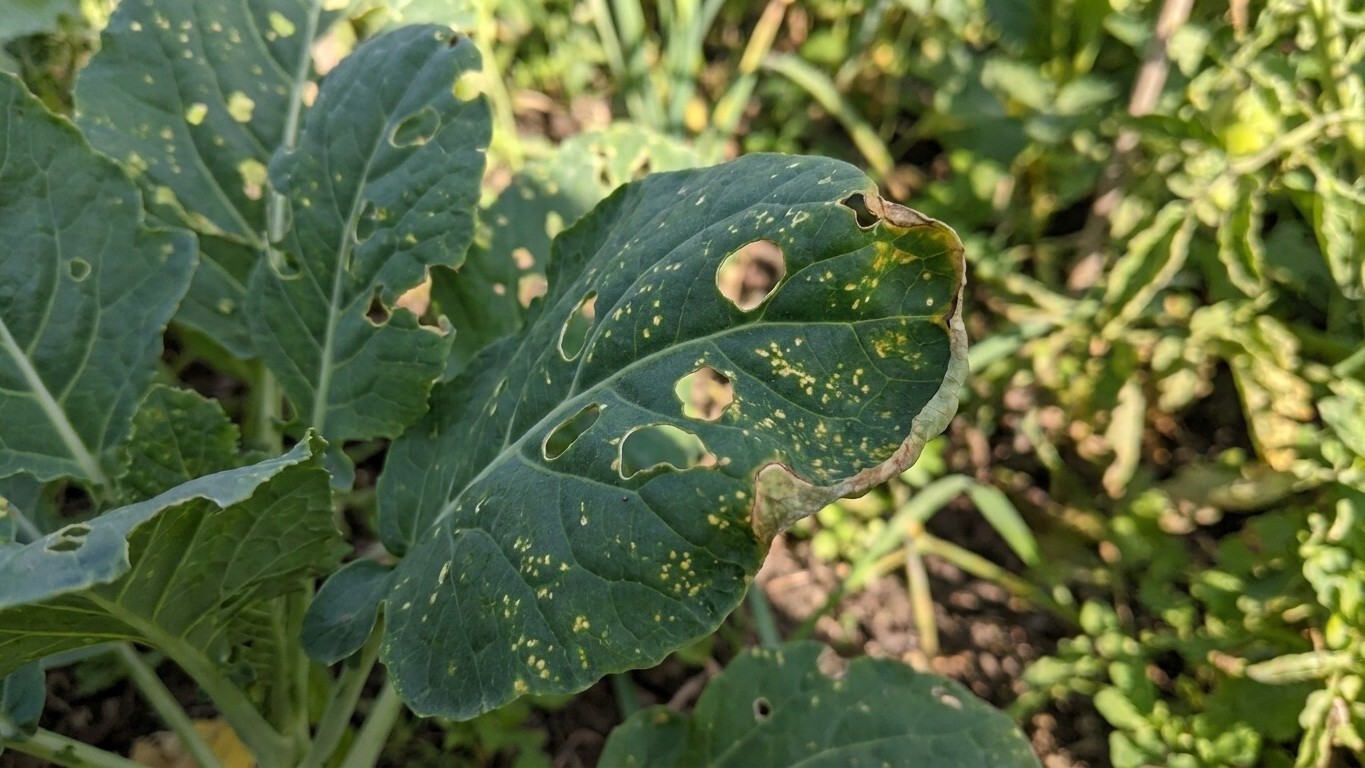

For most of Wisconsin, the winter squash worth planting are the fast finishers: acorn, delicata and buttercup mature well inside even a tight growing season and don’t need much summer heat to size up. Hubbard and other slow, heat-hungry types are the ones that struggle statewide, and butternut only earns a reliable spot on the list when started from transplants rather than seeded straight into cool spring soil.
The short answer for Wisconsin
The math behind the season
Subtract the two frost dates and Wisconsin’s real growing math shows up: as few as 171 days between the latest last-frost date (April 29) and the earliest first-frost date (October 17), stretching to as many as 196 days in years and locations where frost holds off until April 16 in spring and October 29 in fall. Winter squash counts its maturity in days from seeding or transplant to harvest, and that window is the number that decides which types belong in a Wisconsin garden.
Layer on the heat data and the picture sharpens. Milwaukee’s reference station logs a mean of just 7.0 days a year above 90F, a modest heat load next to squash country farther south or west. Varieties bred around high heat units, many kabocha strains and some giant hubbard types among them, rely on sustained warmth to thicken skins and convert sugars for storage. Wisconsin summers don’t supply much of it, so those varieties often size up late and store poorly here even when they technically beat the frost.
Best types by maturity date
Put the two numbers together and the decision by type gets simple: pick anything whose seed packet lists fewer than 100 days to maturity, and treat anything over 110 as a gamble.
| Variety | Typical days to maturity | Fit for Wisconsin’s season |
|---|---|---|
| Acorn | 80-85 | Fits easily, even in short years |
| Delicata | 80-100 | Fits easily |
| Buttercup | 95-105 | Fits in most years |
| Butternut (short-season types) | 85-100, best from transplant | Reliable with a transplant head start |
| Spaghetti | 88-100 | Workable, tight in a late spring |
| Hubbard | 100-120 | Risky statewide, often too slow |
Butternut deserves the asterisk: started from a transplant rather than direct-seeded, it buys back the two to three weeks that cool Wisconsin spring soil otherwise costs a squash seed sitting in the ground waiting to germinate.
What will not work here
Timing failures
The clearest failure in Wisconsin gardens is timing. Winter squash listed at 110 days or more to maturity, most true hubbard types and many large pumpkins grown as “winter squash,” plants nearly at the edge of the season even in a favorable year. A hubbard direct-seeded the week soil finally warms in a cold spring, then hit by frost on October 17, has had roughly 171 days to do a job that needs 110 to 120, minus the two or three weeks lost to slow early growth in cool soil. The math rarely closes, and it closes even less often in a short-season year at the tighter end of the range.
Humidity and rainfall failures
Humidity is the second failure point, and it has nothing to do with variety choice. Wisconsin gets a meaningful amount of summer rain, about 11.4 inches across June, July and August, spread fairly evenly rather than dumped in one stretch. That rainfall, combined with muggy July and August air, creates conditions where powdery and downy mildew spread fast on squash foliage set at tight spacing. Vines planted 18 inches apart with no airflow between them, an arrangement that survives fine in a drier climate, mildew out by August here and take the whole planting down before fruit finishes sizing.
The third failure is a scheduling error more than a variety error: counting on July’s rain to carry fruit through its bulking stage without checking. July is the driest of the three summer months at 3.4 inches, arriving during the exact weeks winter squash fruit is doubling in size on the vine. A week without rain in July stalls fruit development faster on sandy soil than on clay, and skipping a check because “it rained last month” often means smaller, thinner-walled squash at harvest.
What changes across Wisconsin
Zone 3b to 6a, not one Wisconsin
Wisconsin’s USDA Plant Hardiness Zone Map range runs from 3b to 6a, built from the average annual extreme minimum winter temperature rather than summer length, but the two track closely enough here to matter for squash timing. A zone 3b county in the far north sits at the cold end of that spread and typically works with a season well short of the state’s 196-day best case, while a zone 6a pocket, mostly near Lake Michigan and in the far southwest, sits at the mild end and can push closer to it.
There is no single Wisconsin answer, because the statewide frost range (April 16 to April 29 in spring, October 17 to October 29 in fall) comes from one reference station, not a promise for every county. Lake Michigan holds its warmth into autumn and delays the first freeze along the shore, sometimes by two or three weeks compared to inland spots at the same latitude. Inland southern Wisconsin typically freezes in early October, and the state’s north freezes far earlier still, a gap that can swing a 100-plus-day variety from viable to impossible depending on which side of that line a garden sits.
The practical shift for a northern or higher-elevation garden isn’t a different list, it’s a harder deadline: acorn and delicata go from safer bet to closer to mandatory, and butternut needs transplants to have any real cushion. A southern, lakeshore garden has more room to try buttercup or a mid-season spaghetti squash, since its fall side stretches later than the statewide figures alone suggest. None of this tells an individual reader which zone their own garden sits in; the USDA map, not this page, answers that down to the county.
Where to check this for your own county
What the county page adds
Everything above comes from one reference station and a statewide hardiness range, useful for comparing squash types against each other but not a substitute for what University of Wisconsin-Madison Division of Extension publishes for an individual county. The extension service is organized by county office, each with its own horticulture staff and, in most cases, its own vegetable variety trial results specific to that county’s soil and season.
What to look for once there: the county’s own planting calendar, built from local frost data rather than the wider statewide range used in this article, and any variety trial reports from that county’s horticulture educator, since Wisconsin’s extension system runs regional vegetable trials naming the specific acorn, butternut or delicata cultivars that performed best in that particular soil and season, not just the type. A gardener in Bayfield County and one in Kenosha County are working from meaningfully different numbers behind the same statewide hardiness range, and the county page is where that difference gets specific.
Many county offices also take direct calls or emails from home gardeners, a free service and often faster than digging through a website archive of trial reports. A county recommendation beats a state one every time, because it’s built closer to the actual garden. This page answers what grows well in Wisconsin broadly; the county office answers what grows well two miles from a specific reader’s house.
Checking this against your own garden
Three checks, no tools needed
Every date in this article describes an average built from thirty years of station data, and a reader’s own garden will run early, late or right on schedule depending on things no weather normal captures: slope, tree cover, pavement nearby, soil type. Three simple checks correct for that better than any calendar date.
Soil warmth by feel comes first. Winter squash germinates poorly in cold, wet soil regardless of the date on the seed packet; a handful of soil that feels genuinely warm, not just air-temperature mild, signals it’s safe to direct-seed even if that day falls earlier or later than the state’s typical frost window suggests.
The first flush of male flowers is the second signal, and it’s often misread. Squash plants produce male flowers, on plain stems with no swelling behind the bloom, for one to two weeks before the first female flowers appear, so an early flush of males doesn’t mean fruit is coming yet. It does mean the plant has banked enough heat units to start flowering, a decent proxy for how warm that specific yard has actually run.
First true leaves, the second set that appears after the rounded seed leaves, mark the third checkpoint. Seedlings pushing true leaves within a week or two of emergence are growing in conditions close to ideal for the species; a longer stall points to a colder or shadier spot than the garden’s general reputation suggests, useful for deciding whether that particular yard runs closer to the state’s short-season end or its long one, whatever the map says.