
Pick summer squash by size and skin, not by the calendar: harvest at 4 to 6 inches, when the skin is glossy and a thumbnail sinks in easily, checking plants every one to two days. In north Florida that means spring plantings maturing from mid-April into early May, with a second round after the summer heat breaks. A glut doesn’t go in a cellar, it goes in the freezer, a jar, or a neighbor’s kitchen within the week, because summer squash simply doesn’t keep.
When summer squash are ready in Florida
The plant tells you before the calendar does. Zucchini and yellow squash are ready at 4 to 6 inches long, skin still thin and shiny, seeds barely formed. Let one fruit go past that size and mature on the vine, and the whole plant slows down or stops setting new fruit. That’s the mechanism worth remembering: harvest frequency is yield. A squash plant checked every day out-produces the same plant checked once a week, even in identical soil and weather.
Where the calendar does matter is figuring out when to plant in the first place. Around Jacksonville and the rest of north Florida, NOAA’s 1991-2020 climate normals put the last spring freeze between February 16 and March 7, and the first fall freeze between November 26 and December 13, based on freeze-probability data from station USW00013889. Squash goes in the ground once that spring frost risk has passed, and Clemson Cooperative Extension’s guidance is that summer squash is ready to harvest about 55 days after planting. Run the math on the north Florida frost window and the first pickings land roughly April 12 to May 1 for spring-planted squash, with a second flush possible from a fall planting made once the worst of summer heat and pest pressure eases.
Why the season looks different south of Jacksonville
That frost-based window applies to north Florida, and specifically to an inland airport station rather than the coast, where a freeze skipped three of the last thirty falls entirely. It does not apply to Orlando or Miami. Florida spans USDA hardiness zones 8b through 11b, and once you’re south of the frost line, the growing calendar flips. Central and south Florida gardens are effectively frost-free, so the main vegetable season runs through fall, winter, and spring, and summer becomes the difficult stretch instead of the productive one. The reference station also averages 73.2 days a year at or above 90°F, and that heat load, not a frost date, is what shuts down squash production in the hottest parts of the state, blossoms drop, pollination falters, and pests build up fast in the warmth.
Keeping them, and for how long
Here’s the fact worth writing down before anything else: summer squash is not a storage crop. Clemson Cooperative Extension’s Home & Garden Information Center is direct about it, store summer squash in a plastic bag in the refrigerator for up to 1 week. That’s the ceiling, not a guarantee, and it assumes the squash went into the fridge clean, dry, and unbruised right after picking. A squash left on the counter overnight, or one that got knocked around in a harvest basket, will fall short of that week.
Compare that to winter squash, which can hold for months in the right conditions, and the difference in strategy becomes obvious. Summer squash’s thin skin and high water content mean it has no dormancy to lean on. Once picked, it’s on a countdown, and refrigeration only slows that countdown, it doesn’t pause it. That’s why a heavy harvest week in a Florida garden turns into a logistics problem faster than gardeners expect: a handful of zucchini plants can produce more in three days than a household eats in a week, and the fridge simply runs out of runway before the squash does.
The practical answer to a glut isn’t a cooler spot in the house, since there isn’t one that extends the timeline meaningfully. It’s processing the surplus fast: shredding and freezing for future baking, slicing and freezing for stir-fries, pickling refrigerator-style spears, or roasting and freezing in portions. Given the one-week ceiling, freezing within a day or two of picking keeps far more usable squash than letting it sit and hoping the fridge buys extra time it can’t provide.
Where in the house that actually is
For that one-week window, the crisper drawer of a standard kitchen refrigerator is the closest thing a Florida house has to proper squash storage, sealed in a plastic bag as Clemson’s guidance describes. That’s not the same as a root cellar setup for potatoes or winter squash, and it shouldn’t be treated as one. A domestic fridge set for meat and dairy runs cold enough for summer squash without freezing it, which is the main risk to watch for: a drawer packed too close to the back wall or set too aggressively cold can chill squash to the point of soft, water-soaked spots within a day.
A garage or an enclosed porch is not a substitute in Florida, even in the cooler months. Outside of a short window around January, garage temperatures swing with the outdoor air, and Florida’s humidity means anything left unrefrigerated softens and starts showing surface mold well before a week passes. Counters are worse still, especially given how much of the state’s summer arrives wet: June through August average about 21.2 inches of rain at the reference station, with July alone averaging 6.77 inches, and that humidity load doesn’t stop at the garden fence. It follows produce indoors unless the room is air-conditioned.
The fix is simple but easy to skip: check that crisper drawer with an actual thermometer rather than trusting the dial, since refrigerator zones vary more than most people assume, and a squash held a few degrees too warm won’t make it anywhere near the full week Clemson describes.
What goes wrong here
Three failures show up more often in Florida gardens than elsewhere, and all three trace back to the state’s heat and moisture. The first is rot in the field before the squash even reaches the kitchen. With summer rainfall running around 21.2 inches over June, July, and August, fruit sitting on wet soil or under dense, humid foliage develops soft spots and fungal blemishes fast, especially where afternoon thunderstorms leave the garden damp overnight. Mulching to keep fruit off bare soil and picking promptly after a heavy rain both reduce that risk.
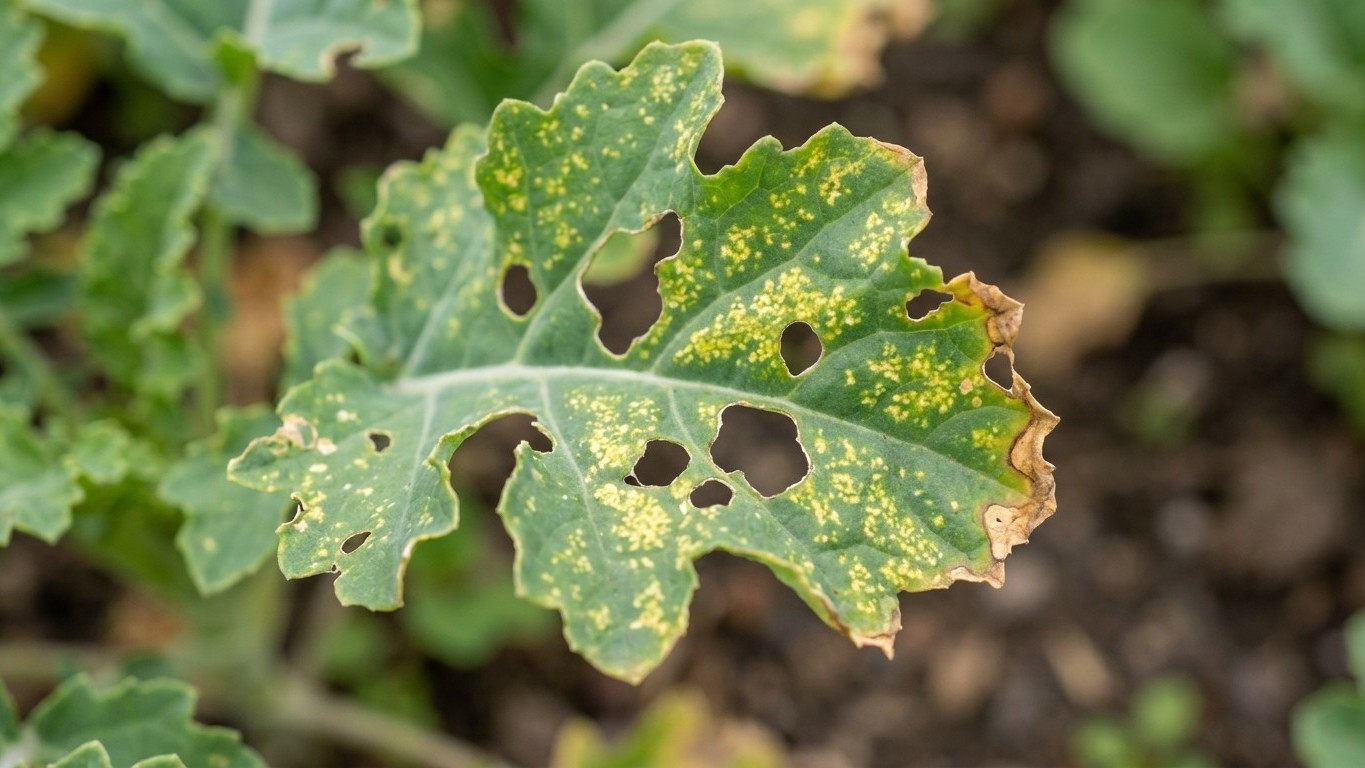
The second failure is pest pressure building through the heat of the season. UF/IFAS Extension documents melonworm, pickleworm, aphids, whiteflies, and root-knot nematodes as pests affecting Florida vegetable crops, and all five can hit squash plantings, particularly as days above 90°F pile up and pest cycles speed up. Melonworm and pickleworm both bore into fruit and vines, and by the time damage is visible on the outside of a squash, the inside is often compromised. Regular inspection of vines and fruit, not just the harvest basket, catches this earlier than a weekly glance does.
The third failure is the glut itself, and it’s the one gardeners create by accident. Skip a day or two of picking during peak production, and a handful of squash balloon past ideal size while the plant simultaneously slows new fruit set. The fridge’s one-week limit means that surplus has to be processed almost immediately; skip it and rot sets in within 48 hours in Florida’s humidity, not the gentler timeline gardeners in cooler, drier climates sometimes get away with. A local UF/IFAS county extension office, listed through the statewide directory at sfyl.ifas.ufl.edu, is the most reliable place to check pest identification and timing specific to a given part of the state.