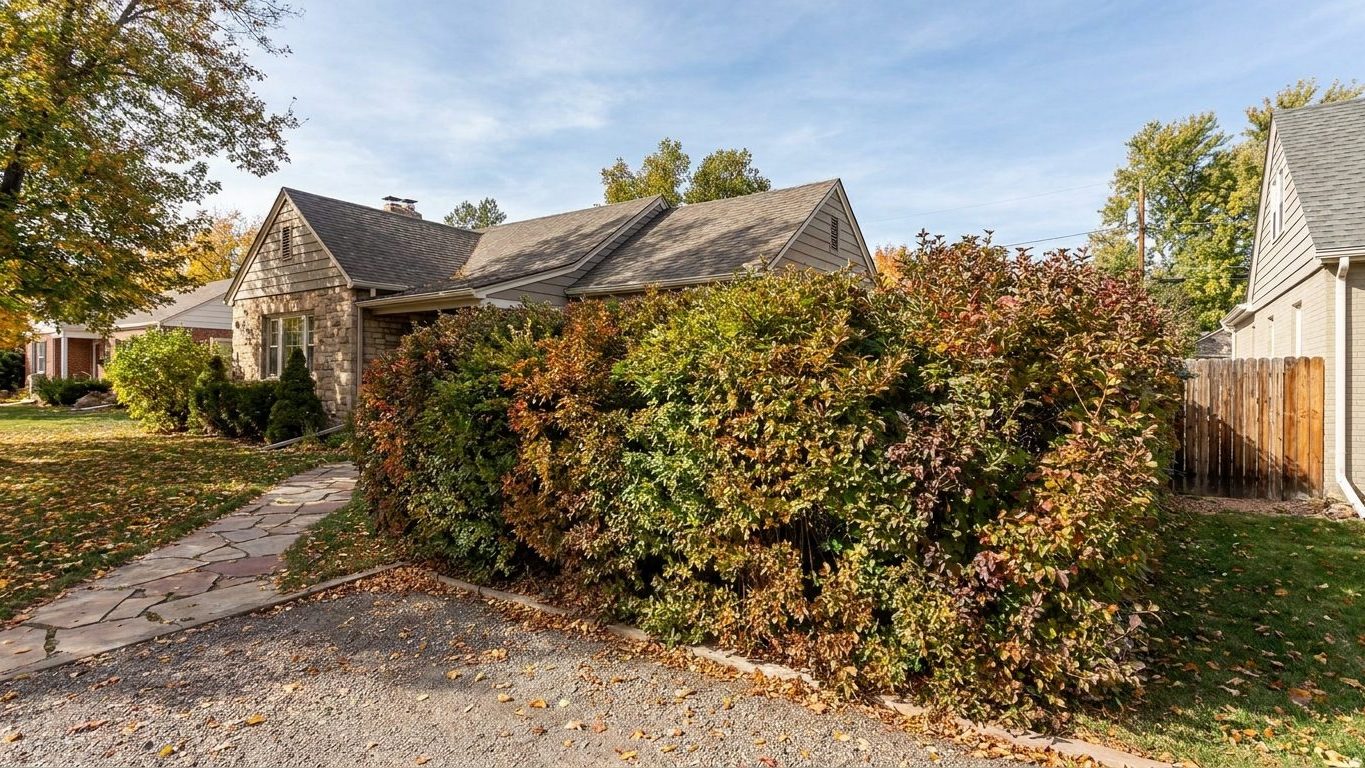

New Hampshire has no statewide hedge height limit. Unlike setback rules for buildings, which sometimes show up in state statute, how tall a hedge can grow is decided city by city and town by town, through local zoning and nuisance ordinances. If you live in Manchester, Nashua, or a small township near Lake Winnipesaukee, the number that applies to your yard was written by that municipality, not by the state legislature in Concord.
There is no New Hampshire hedge height law
Search “New Hampshire hedge height law” and you’ll find pages that quote a single figure, usually 6 feet, as if it applied everywhere from Portsmouth to Keene. That confidence is misplaced. New Hampshire’s Revised Statutes Annotated (RSA) do not contain a section that caps the height of a hedge, a shrub row, or a living screen anywhere in the state. Fences get occasional statutory mention in boundary and partition contexts, but a hedge is a plant, not a built structure, and the legislature has left plant height entirely to local government.
That gap is not an oversight. Height limits for hedges, fences, and other yard features are considered a land-use question, and land use in New Hampshire is handled through home rule: cities and towns adopt their own zoning ordinances, and those ordinances are the only place a real number will show up. One town might cap hedges along a front yard at 4 feet. A neighboring town might allow 8 feet in a side yard but only 3 feet near a sidewalk. Both rules would be entirely legal, because both come from the same source of authority, and neither tells you anything reliable about the town next door.
This is also why commercial aggregator sites that publish “state hedge laws” tables are structurally wrong for New Hampshire, and for every other state. Height regulation for hedges is a municipal function nationwide. A site that assigns one number to an entire state either found a single city’s code and mislabeled it as statewide, or invented a figure that matches no published ordinance at all. Neither version helps you if a neighbor complains, or if you get a letter from code enforcement.
No city ordinance is cited in this article with a specific height figure, because none has been verified here yet for New Hampshire municipalities. Rather than repeat an unverified number, the more useful move is to show you exactly where your town’s real rule lives and how fast you can pull it up yourself, which is the subject of the next section. That search takes less time than most people expect, usually under fifteen minutes if you know which chapter to open.
One more thing worth knowing: many of New Hampshire’s smaller towns run on a fairly bare-bones zoning ordinance, sometimes just a few dozen pages. Some of those documents address fences in detail and say nothing about hedges at all. That silence does not mean hedges are unregulated. It usually means the town treats a hedge as landscaping rather than a structure, which shifts any dispute toward general nuisance law and visibility rules instead of a specific height cap. Knowing which category your town falls into changes how you plan a project and how you respond if a dispute arises.
How to find the rule that actually applies to you
Most American municipalities, New Hampshire’s included, publish their full zoning code online through one of three services. Learning these three names saves you from generic web searches that mostly turn up unrelated blog posts.
| Publisher | Web address pattern | What to look for |
|---|---|---|
| Municode | library.municode.com | Search your city name, then open the Zoning or Land Use chapter |
| American Legal Publishing | codelibrary.amlegal.com | Same structure, search by municipality name in the code library |
| eCode360 | ecode360.com | Browse by state, then town; codes are organized as searchable chapters |
Start by typing your town’s name plus “municipal code” or “zoning ordinance” into a search engine. If your town is on one of those three platforms, it will usually appear in the first few results. Once you’re in the code, do not search for “hedge” first. Search for “fence” and for “accessory structure” and read both sections carefully, because this is where the article’s most important warning comes in.
Check which word your code actually uses
A hedge is often not treated as a fence in municipal code, even though most homeowners assume the fence height limit automatically applies to a living screen. Many ordinances define “fence” narrowly, as a built or manufactured barrier, wood, vinyl, chain-link, wire, and treat hedges and shrub rows under a separate heading, sometimes called “vegetative screening” or “living fences,” or leave the height question out entirely and fold it into general nuisance or visibility language instead. Some towns fold both concepts under a single “screening” definition that catches everything from lattice panels to arborvitae. Others say nothing about height for plantings at all, which usually means the fence limit does not apply and the operative rule becomes the sight-triangle requirement covered next.
Read the definitions section of the ordinance first, not the height table. That’s where the town tells you whether “fence” includes living material. Skipping that step is the single most common reason homeowners misjudge their own situation, either assuming a limit exists when it doesn’t, or assuming freedom to plant tall when a screening rule actually caps it.
If the online code is confusing or looks outdated, call the town’s planning or zoning department directly. In most New Hampshire municipalities this is the same office that issues building permits, and staff there field hedge and fence questions regularly. Ask specifically: “Does the zoning ordinance regulate hedge height, and if so, in which section?” A five-minute phone call is often faster than parsing a fifty-page PDF, and it gives you a source you can point to later if a dispute comes up with a neighbor or with code enforcement.
The branches that cross the line
Even where no ordinance addresses hedge height, one issue comes up almost everywhere: what happens when your hedge grows into a neighbor’s yard, or into the sightline of a driveway or intersection. Two separate principles cover this, and they don’t come from the same source.
The sight triangle is nearly universal
At a street corner, or where a driveway meets a road, most municipal codes set a “sight triangle” or “clear vision zone.” Nothing planted, built, or parked inside that triangle may block a driver’s view of cross traffic or pedestrians. Where this rule exists, it typically sets a maximum height for anything in the triangle that is far lower than the general fence or hedge limit elsewhere on the same property, often somewhere in the range of a couple of feet, though the exact figure depends entirely on the ordinance and is not published here as a universal number. The logic is safety, not aesthetics, and it applies with or without a general hedge-height rule on the books. If your property sits on a corner lot, or your driveway meets a road with limited visibility, this is the rule to check first.
Encroaching branches follow a different, older rule
Separate from any municipal height limit is the question of what happens when your hedge’s branches, or your neighbor’s, cross the property line. In most states, this is governed by longstanding legal principles rather than a specific statute: a property owner whose land is invaded by an overhanging branch or an intruding root may cut back the growth up to the boundary line, at their own expense, but may not go beyond the property line onto the other person’s land, and may not take an action that kills the plant outright. This is a common-law principle built up through court decisions over time, not something written into New Hampshire statute with a specific number attached, and the exact boundaries of what’s allowed can vary depending on how local courts have interpreted it. Treat it as a general rule of thumb, not a guaranteed legal outcome. If a dispute escalates, particularly one involving a hedge that’s died or triggered a disagreement about property value, talking to a local attorney is the appropriate next step.
What to check before you plant
Planting a hedge is a multi-year commitment, and the height question is easiest to resolve before you put anything in the ground, not after a screen has grown eight feet tall and a neighbor is upset. A short checklist covers most of what matters:
- Pull up your municipality’s zoning code and check whether “fence” or “accessory structure” definitions include living plantings, and if a separate “screening” or “hedge” section exists
- Check whether your lot has a corner, driveway apron, or intersection nearby that would trigger a sight-triangle restriction, and note the visibility zone it creates
- Confirm your property line with a survey or existing pins rather than a fence, an old hedge row, or a neighbor’s memory, since planting even a few feet off can create a boundary dispute years later
- Ask your town’s planning or zoning office directly if the code is unclear, and get the answer in writing if the situation is borderline
- Choose a species based on its realistic mature height and growth rate, not the size it will look like from a nursery container, since a shrub can outgrow a permitted height within a handful of growing seasons
Homeowners associations add another layer that runs on top of, not instead of, municipal law. An HOA covenant can set a hedge height stricter than the town’s ordinance, and in a dispute, both rules can apply at once, with the stricter one controlling in practice. If your property is inside an HOA, that document is worth reading before your zoning code, since HOA rules are often less forgiving and more specifically written around aesthetics rather than safety.
None of this is legal advice, and none of it substitutes for reading your specific municipal ordinance or, for a genuine dispute with a neighbor, talking to a lawyer licensed in New Hampshire. What this checklist does is put you in the room with the right document, and the right office, before a hedge becomes a problem instead of a hedge.
Common questions
Does New Hampshire have a statewide fence or hedge height law?
No. New Hampshire’s state statutes do not set a height limit for hedges or fences. Height regulation happens at the municipal level, through each city or town’s own zoning ordinance.
Where do I find my town’s actual hedge rule?
Search your municipality’s zoning code on Municode, American Legal Publishing, or eCode360, whichever platform your town uses, and read the fence and accessory structure sections, or call your local planning and zoning department directly.
Can my neighbor cut branches from my hedge that grow onto their property?
In most states, yes, up to the property line, at their own expense, and without killing the plant. This comes from general legal principle rather than a specific New Hampshire statute, so treat it as a rule of thumb and consult an attorney for an actual dispute.
Is a hedge automatically covered by my town’s fence height limit?
Not necessarily. Many zoning codes define “fence” as a built structure and address hedges or living screens under a separate heading, or not at all. Check the definitions section of your local ordinance before assuming the fence rule applies to plantings.