
Arkansas runs from USDA zone 6b in the Ozark highlands to zone 8a in the southern lowlands, and that spread decides which hedge plants make it and which ones die a slow death in July heat. Of the twelve hedge species tracked for this region, eight hold everywhere in the state and four only hold in part of it. None fail outright everywhere.
What actually holds in Arkansas
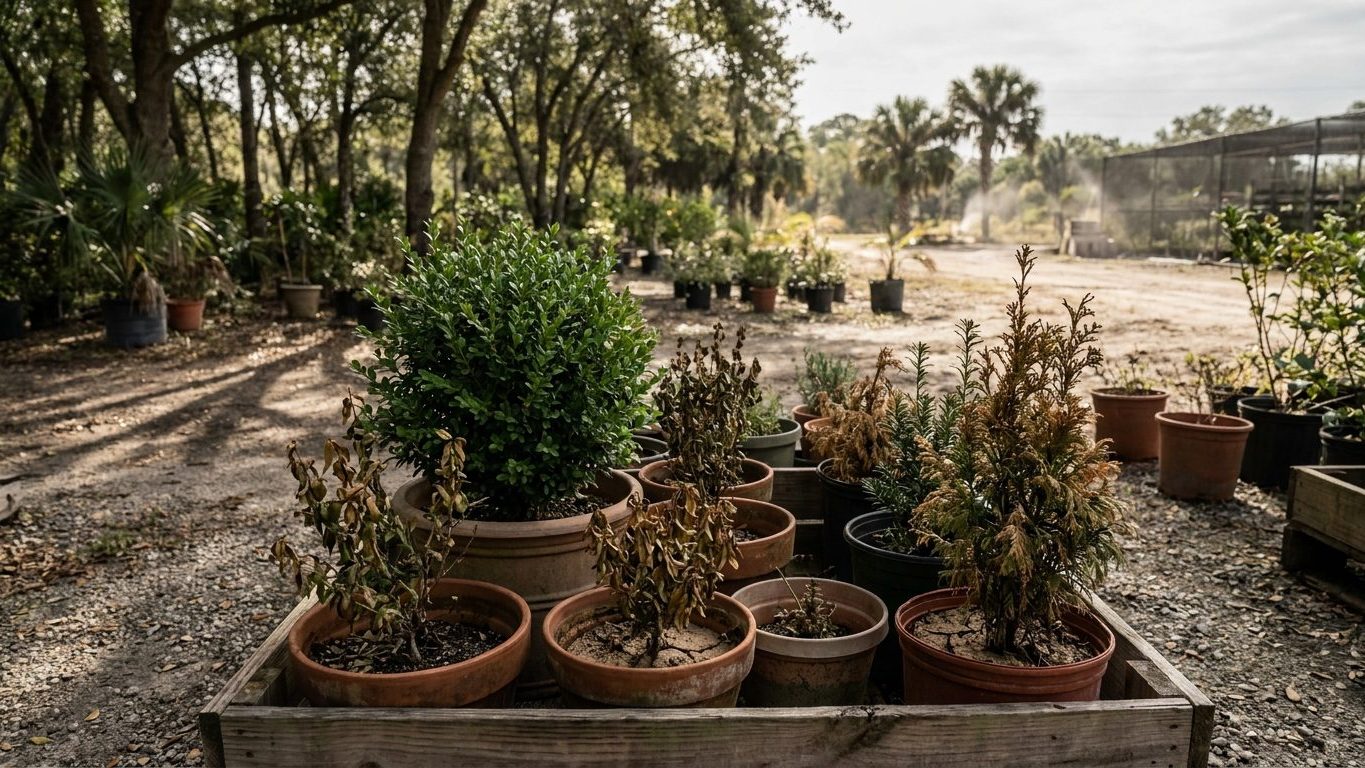
Start with the plants that will not make it to the warm end of the state. Privet (Ligustrum vulgare), Yew (Taxus x media), Arborvitae (Thuja occidentalis), and Eastern hemlock (Tsuga canadensis) are all rated for zones 6b, 7a, and 7b only. That leaves out zone 8a, which covers the warmer southern and southeastern stretch of the state. These four aren’t cold-sensitive here at all. The limit that cuts them off is heat and humidity, not a hard freeze. “Holds” in this context means survives, not thrives. A privet hedge in zone 7b can look fine for years and still be living on borrowed time if a run of hot, wet summers pushes it past what its roots can handle.
That distinction matters more than most gardeners assume. A plant rated for a zone range isn’t guaranteed to look good there, just to survive the winter low. Arborvitae in particular struggles with wet feet and summer stress even inside its rated zones, so gardeners in the northern part of the state shouldn’t take “hardy here” as a promise of a trouble-free hedge.
Everything else on this list, eight species in total, is hardy across the whole state, 6b through 8a. That’s the safer bet if you don’t know your exact zone or you’re planting near the zone boundary and don’t want to gamble.
| Common name | Where it holds | Growth rate | Height as a hedge |
|---|---|---|---|
| Privet | Zones 6b, 7a, 7b only | 2 to 3 feet a year | 4 to 12 feet |
| Yew | Zones 6b, 7a, 7b only | 6 to 12 inches a year | 3 to 8 feet |
| Arborvitae | Zones 6b, 7a, 7b only | 6 to 9 inches a year | 4 to 15 feet |
| Eastern hemlock | Zones 6b, 7a, 7b only | 12 to 24 inches a year | 10 to 20 feet |
| Boxwood | Statewide, 6b to 8a | 3 to 6 inches a year | 2 to 6 feet |
| American hornbeam | Statewide, 6b to 8a | 12 inches a year | 6 to 15 feet |
| Leyland cypress | Statewide, 6b to 8a | 3 to 4 feet a year | 15 to 25 feet |
| Inkberry holly | Statewide, 6b to 8a | 6 to 12 inches a year | 5 to 15 feet |
| Winterberry holly | Statewide, 6b to 8a | 6 to 12 inches a year | 5 to 15 feet |
| Eastern red cedar | Statewide, 6b to 8a | 12 to 24 inches a year | 8 to 20 feet |
| Cherry laurel | Statewide, 6b to 8a | 1 to 2 feet a year | 6 to 15 feet |
| Arrowwood viburnum | Statewide, 6b to 8a | 12 to 24 inches a year | 6 to 10 feet |
The hedges you can never cut back down
One field in the data matters more than any of the growth rates or heights: whether the plant regrows from old wood. Three species on this list do not. Arborvitae, Leyland cypress, and Eastern red cedar will not push new growth from bare, leafless wood once you cut past the green. Take a hedge trimmer too deep into an overgrown Leyland cypress and the brown gap you create stays a brown gap. There’s no rejuvenation cut that fixes it, no waiting a season for it to fill back in. The only remedy is replacing that section of the hedge.
This changes how you have to prune these three from day one. Arborvitae is pruned late winter before growth starts, or again in midsummer, and the cuts need to stay inside the green growth every time. Eastern red cedar takes the same caution: light cuts only, done in late winter, never a hard cutback. Leyland cypress is the trickiest of the three because it’s also the fastest grower on this entire list, gaining 3 to 4 feet a year. That speed tempts people to let it get away for a season and “deal with it later.” With this plant, later doesn’t work. It has to be shaped from late spring through midsummer, every year, before it outgrows the size you want.
Compare that to a plant like boxwood, yew, privet, or American hornbeam, all of which do regrow from old wood. Those hedges tolerate a hard rejuvenation cut if they get overgrown or lopsided. Privet in particular is built for aggressive pruning, needing it twice a season (spring and midsummer) just to keep its 2-to-3-foot annual growth in check, but at least a mistake with the shears grows back.
The practical takeaway: if you’re planting Arborvitae, Leyland cypress, or Eastern red cedar, commit to pruning it on schedule every year, from the start. These are not plants you can neglect for a few seasons and correct later with a hard cutback.
Matching the plant to the job
A low formal edge along a walkway asks for something different than a screen blocking a neighbor’s view, and the plant list here splits cleanly along those lines. For a tight, clipped, low border, boxwood is the classic choice, growing just 3 to 6 inches a year and topping out at 2 to 6 feet, which keeps maintenance light. Inkberry holly works as a broadleaf evergreen alternative in the same low-to-mid range, with the advantage of being statewide hardy rather than zone-limited.
For a taller, structured hedge with more presence, American hornbeam reaches 6 to 15 feet and holds its shape densely once established, though it drops its leaves in winter. If year-round privacy at real height is the goal, Leyland cypress and Eastern red cedar both function as fast screens rather than clipped hedges, reaching 15 to 25 feet and 8 to 20 feet respectively, with the pruning caution from the section above attached to both.
For anyone gardening with wildlife in mind, two natives stand out. Arrowwood viburnum makes an informal 6-to-10-foot border that flowers and fruits, pruned right after flowering to preserve next year’s bloom. Winterberry holly loses its leaves in winter but produces berries that carry through the cold months, useful for anyone who wants a hedge that feeds birds rather than just blocking a view. Cherry laurel rounds out the list as a dense, glossy evergreen for anyone wanting a solid green wall between 6 and 15 feet, pruned once in late spring after it flowers.
None of these choices are locked in by zone the way privet or Arborvitae are. All eight statewide-hardy species will survive from the Ozarks to the southern border, so the deciding factor is really the job the hedge needs to do, not whether it will live through winter.
The ground you are planting into
Arkansas’s official state soil is the Stuttgart series, an Alfisol classed as a loam-to-silt mix: about 30 percent sand, 16 percent clay, and 54 percent silt, with organic matter around 1.8 percent and a surface pH near 5.6, slightly acid. It’s also described as somewhat poorly drained. None of the hedge shrubs on this list need alkaline soil, so a pH in the mid-5s is not a problem for boxwood, viburnum, or the hollies. The bigger issue is the drainage. A soil that sheds water slowly is exactly the wrong match for Eastern red cedar or Leyland cypress, both of which prefer to dry out between waterings, and standing water around the roots is a common way to lose a young cypress hedge in its first year.
That said, the Stuttgart series describes a representative soil profile for the state, not the dirt in any one backyard. River bottoms drain differently than hill country, and any lot a builder has graded or filled will bear little resemblance to a natural soil survey. Before planting a hedge row, a soil test through the University of Arkansas Cooperative Extension Service will tell you your actual pH and drainage, which matters more than any statewide figure.
Timing the planting matters just as much as the soil. Average last spring frost across the reference station falls between March 12 and March 28, and first fall frost lands between November 7 and November 20, based on NOAA’s 1991-2020 climate normals. Those dates come from a single station, so treat them as a guide for planning a fall or early-spring planting window rather than an exact date for every corner of the state. Fall planting, once soil temperatures cool but before the ground freezes, generally gives a hedge more time to root in before summer heat arrives.
Common questions
What’s the fastest-growing hedge for Arkansas?
Leyland cypress grows fastest on this list, gaining 3 to 4 feet a year, and it’s hardy statewide. The tradeoff is that it does not regrow from old wood, so it needs yearly shaping from the start rather than an occasional hard cutback.
Can I plant a hedge in Arkansas without testing or amending the soil?
You can, but it’s a gamble. The state’s representative soil, the Stuttgart series, runs slightly acid and somewhat poorly drained, which suits most hedge shrubs but works against species like Eastern red cedar and Leyland cypress that want sharper drainage. A soil test through your local extension office will tell you what you’re actually working with.
Will Arborvitae or Privet survive anywhere in Arkansas?
Both survive in zones 6b, 7a, and 7b, which covers most of the state, but neither is rated for zone 8a, the warmer southern stretch. In that zone, the failure shows up as heat and humidity stress over time, not a winter kill.
Which hedge plants are best for attracting wildlife in Arkansas?
Arrowwood viburnum and winterberry holly are the two standouts. Both are statewide-hardy, and both provide either flowers, fruit, or berries that carry food value into the colder months, unlike a purely ornamental evergreen hedge.