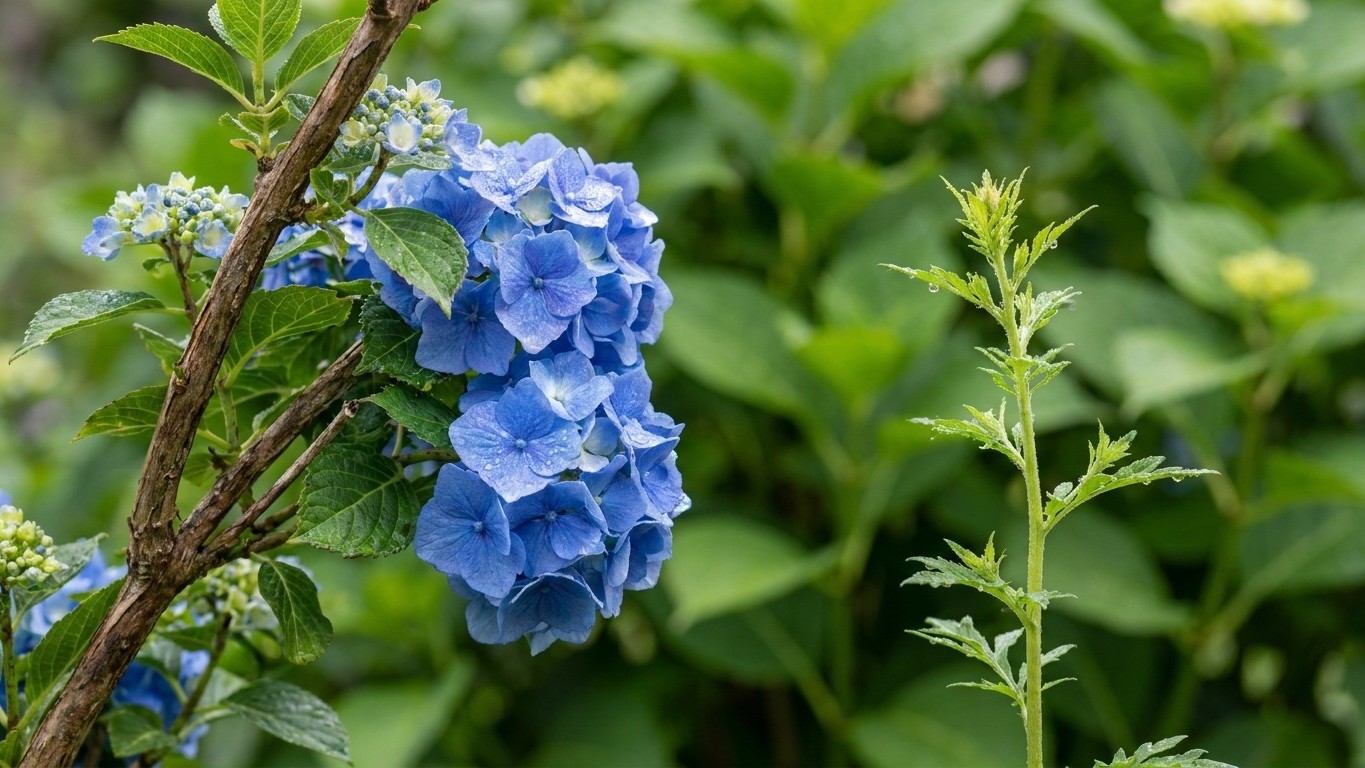

Most hydrangeas in western Oregon get through winter with little help. The danger sits at the edges of the season: a hard freeze in November before the plant has hardened off, or one in March after the buds have started to swell. Bigleaf hydrangeas, which carry next summer’s flowers on last year’s stems, are the ones worth protecting. Panicle and smooth types bloom on new growth and shrug off most cold damage. A thick mulch and a cover ready for a forecast freeze handle most of the work.
What this comes down to in Oregon

At Portland, the reference city for western Oregon, the last spring freeze at 32°F typically falls between March 6 and March 21, and the first fall freeze between November 11 and November 27 (NOAA’s U.S. Climate Normals, 32°F freeze probabilities, 30 to 70 percent band). Hydrangeas need protecting around those two windows, because the middle of a mild maritime winter rarely does the damage. Portland sits west of the Cascades, so central and eastern Oregon, which are high desert, run on a much shorter season and should not borrow these dates.
Which hydrangeas need winter protection in Oregon?
It depends on where the plant sets its flower buds. Bigleaf (Hydrangea macrophylla) and mountain (H. serrata) hydrangeas form buds in late summer and carry them at the stem tips all winter. Kill those buds and the shrub still leafs out green, but you get a summer of foliage and no flowers. Oakleaf hydrangeas also flower on old wood, though they tolerate cold better.
Panicle (H. paniculata) and smooth (H. arborescens) hydrangeas bloom on wood grown that same season. A freeze that burns their stem tips costs them a little height and nothing else. If your garden is mostly these two, you can skip most of what follows.
When does winter protection matter most in Portland?
Flower buds are most vulnerable at two moments. In fall, a plant that has not yet gone dormant, often because late fertilizer or a warm October kept it growing, takes cold badly. In late winter, a run of mild days wakes the buds, and a freeze in the March 6 to March 21 window finds them soft and swollen. A deep midwinter freeze is the less common threat on the west side, since buds that are fully dormant handle a lot of cold.
The USDA Plant Hardiness Zone system, which rests on one variable, the average annual extreme minimum temperature, puts Oregon anywhere from 4a to 9b on the current 2023 map. That is a wide spread, and Portland and a high-desert town like Bend sit at very different spots on it. For west-side gardens, protection means a few inches of mulch, a cover for a forecast freeze, and pots moved to shelter. East of the Cascades, the cold itself can reach the stems.
Working it out for your own garden
A calendar date will not survive a move or an odd year, but a method will. Start with the reference windows, then adjust for your own site, and use what the plant is doing as the final signal.
For fall, finish mulching and have covers on hand about two weeks before the first-freeze window opens. With the window running November 11 to November 27 at Portland, that puts your deadline somewhere between late October and mid-November. Skip heavy fertilizing after midsummer so the shrub is not pushing soft growth when the first freeze arrives.
For spring, leave covers within reach until roughly two weeks after the last-freeze window closes. At Portland that window ends around March 21, so keep them handy into early April. Remove mulch in stages as new leaves open. When the forecast shows a freeze after the buds have swollen, cover the plant that evening and uncover it the next morning once temperatures climb.
How do you tell winter injury from other hydrangea problems?
Wait until the shrub should be leafing out, then scratch the bark of a questionable stem with a fingernail. Green and moist underneath means the stem is alive. Brown and dry means it is dead. Prune only to the first healthy bud, and not before growth starts, because hydrangeas often resprout lower than you expect.
Here is a worked comparison. A bigleaf with swollen buds takes a freeze in the March window. The leaves emerge fine, but the stem tips are black and no flower heads form. A panicle hydrangea in the same bed takes the same freeze, loses a few inches of tip growth, and then blooms on schedule from new wood. Same cold night, very different cost, which is why species often matters as much as how severe the winter was.
Other problems look different. Yellowing leaves and sagging stems in a wet, poorly drained bed point to waterlogged roots from winter rain, not cold. Scattered brown spots on leaves that did open point to a leaf disease rather than freeze injury. Uniform dieback from the stem tips downward, with live wood lower down, is cold.
What changes across the state
Oregon is several climates under one name. The Willamette Valley and the coast have mild, wet, maritime winters. Cold snaps there tend to be short, so the job is protecting against a brief hit at the wrong time. The coast adds wind and salt spray on exposed sites, which can dry out tender foliage and buds as much as frost does.
| Area | Winter character | What protection looks like |
|---|---|---|
| Willamette Valley and Portland area | Mild and wet, with short cold snaps | Mulch, covers for forecast freezes, shelter for pots |
| Coast | Mildest temperatures, wind and salt | Windbreak, little cold protection |
| Columbia Gorge | East winds can bring sharp cold | Sheltered siting, wrapped or caged bigleaf shrubs |
| Southern Oregon valleys | Warmer summers, colder clear nights | Frost cloth on open nights, mulch |
| Cascade foothills and mountains | Snow cover, colder winters | Let snow insulate, favor new-wood types |
| Central and eastern Oregon | High desert, large swings, short season | Heavy mulch, caging, mostly panicle or smooth types |
Elevation and the Cascade crest do most of the sorting. Cold air also pools in low spots and valley floors on still nights, so a hydrangea at the bottom of a slope can see a freeze that one a short way up misses. East of the mountains, the season opens later in spring and closes earlier in fall than the Portland windows, and midwinter cold can reach the stems themselves. There, bigleaf hydrangeas are a gamble without serious protection, and panicle hydrangeas are the safer bet.
The mistakes this state punishes

A costly error is reacting to a warm spell. February in western Oregon can deliver a week of mild weather, and gardeners strip the mulch or unwrap the shrubs. The buds swell, and then a freeze arrives in the March 6 to March 21 window. Keep protection in place until the window has passed, even when the garden feels like spring.
Late feeding is the fall version of the same mistake. Nitrogen in August or September pushes soft growth that will not have hardened by the time the first freeze window opens in November. Stop feeding by midsummer and let the plant slow down on its own.
Wrapping is a third trap, and it comes from the wet winters. Plastic sheeting holds moisture against stems and invites rot and fungus in a climate that stays damp for months. Use breathable frost cloth or burlap, or a wire cage filled with dry leaves, and pull it off on mild days.
Pruning at the wrong time can cost you flowers. Cutting a bigleaf hydrangea back in fall or winter removes the buds you were trying to protect. Wait until growth starts and cut only what is dead.
Finally, potted hydrangeas freeze faster than ones in the ground because their roots have no soil insulating them. Move pots against a house wall or into an unheated garage before the fall window opens, and keep them out of saucers that hold standing water.
Checking this against your county
The Portland windows are a starting point for the west side of the state and will not match every garden. Your county’s Oregon State University Extension office can tell you how local conditions shift those dates, and many offer Master Gardener help with specific plants. For the broader picture of site, soil, and care, see our guide to growing hydrangeas in Oregon.
Common questions
Do hydrangeas need winter protection in Portland?
Panicle and smooth types rarely do. Bigleaf and mountain hydrangeas benefit from mulch and a cover ready for a freeze, mainly in the November and March windows, since their flower buds sit exposed on old wood.
When should I cover hydrangeas in Oregon?
Cover them on evenings when a freeze is forecast, especially after buds have swollen in late winter. At Portland, the last spring freeze typically falls between March 6 and March 21, so keep covers close until that window passes.
Should I cut hydrangeas back before winter?
Leave bigleaf, mountain, and oakleaf types alone, since cutting removes next summer’s buds. Panicle and smooth hydrangeas bloom on new wood and can be pruned in late winter. Leaving old stems on bigleaf shrubs also adds a little protection to the buds below.
Can potted hydrangeas stay outside through winter?
In mild west-side spots, yes, if they sit against a sheltered wall and drain freely. Before a hard freeze, move them into an unheated garage or porch. East of the Cascades, bring pots into shelter for the whole cold season.