Growing Spring Bulbs in Containers in Alberta
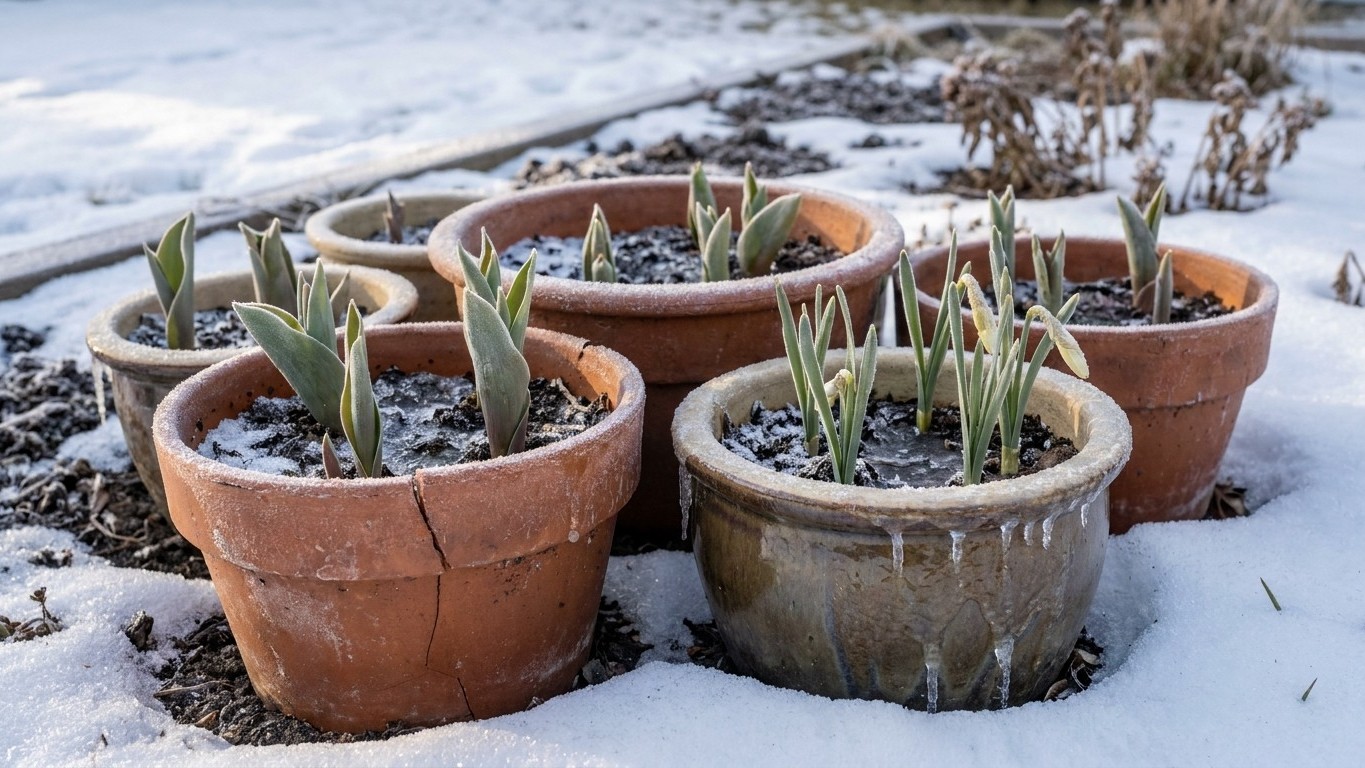
In Alberta, the threat to spring bulbs in pots isn’t a lack of cold winter chill.
Home & garden, state by state
Everything we have worked out for Alberta: what to plant and when, which varieties finish in time, the pests that actually turn up here, and the jobs that pay off month by month. We also cover the rest of the property, from lawns and soil to home care and energy, because a garden rarely stops at the vegetable bed.
The numbers first, because everything else follows from them. Measured at the weather station in Calgary, the last spring freeze falls around May 21 and the first fall freeze falls around September 16, 1,171 growing degree days in the year.
That is little accumulated warmth: tomatoes need a tunnel or a greenhouse here, whatever the frost dates suggest. Garlic does well: 39.1 weeks below 40 °F, comfortably past the six it needs to form a proper head.
Elsewhere on the property in Alberta: the pests that turn up here.
Figures from Environment and Climate Change Canada. A state is not one climate: elevation, a large lake or the coast can move these dates by two weeks either way, so check your own county with the extension service before you spend money.
In Alberta, the threat to spring bulbs in pots isn’t a lack of cold winter chill.
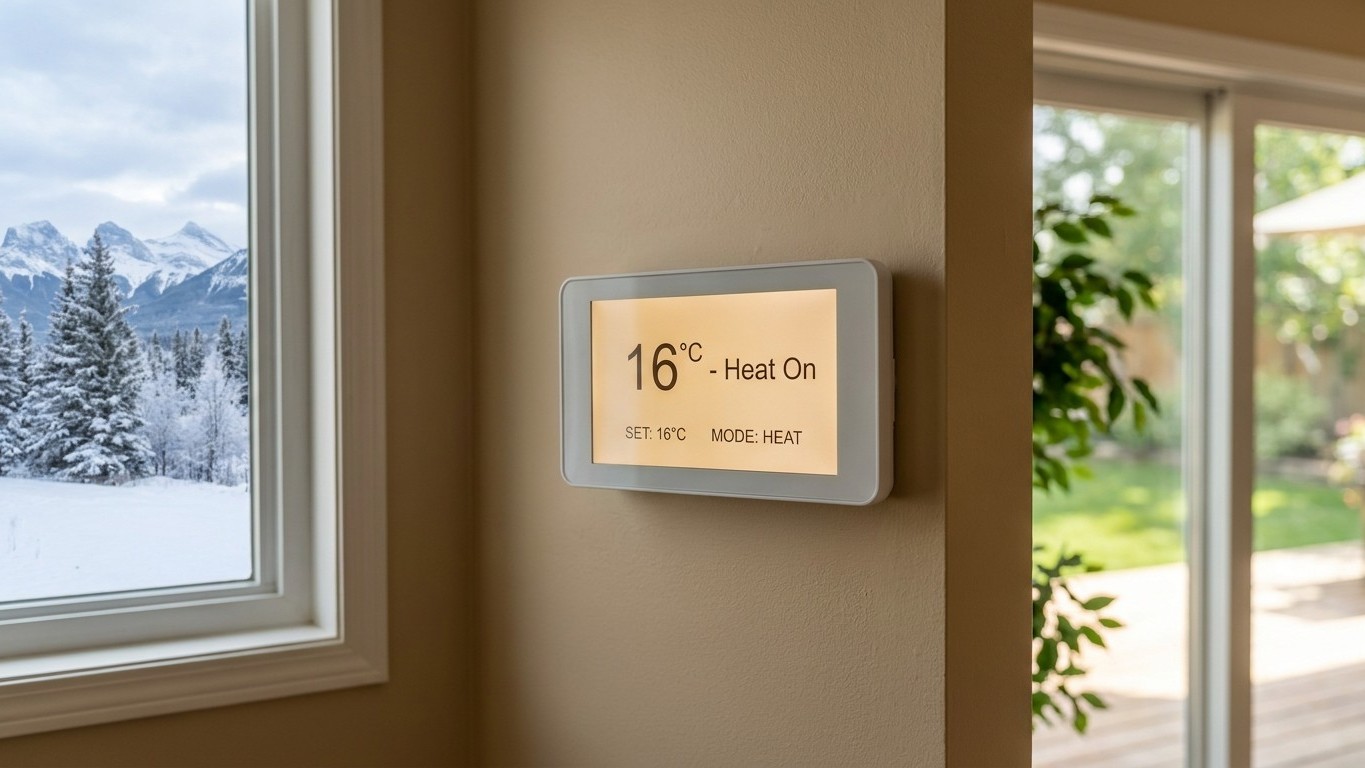
In Calgary and across Alberta, there’s no single month when the furnace gets its seasonal wake-up call, because the season never really ends.
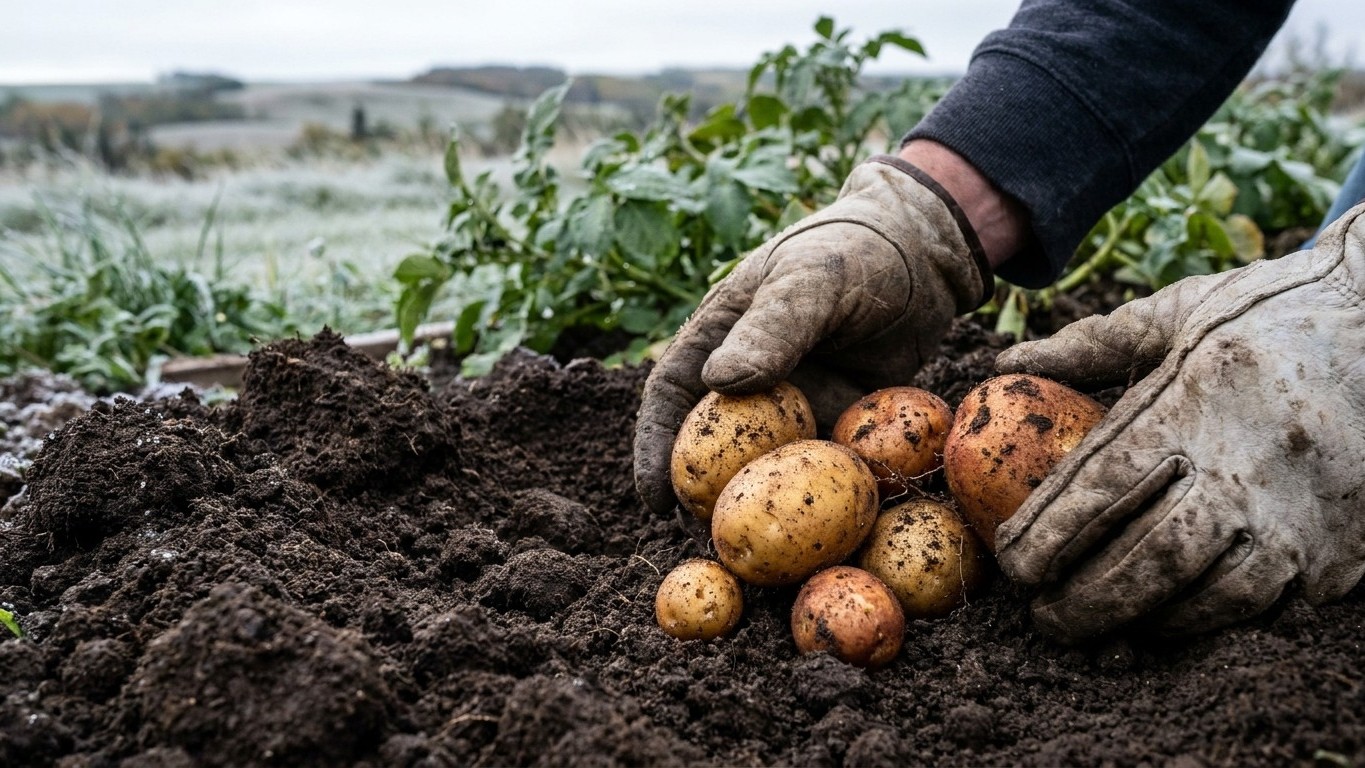
Calgary logs an average of zero days a year at 90°F or above, according to Environment and Climate Change Canada’s Canadian Climate Normals.
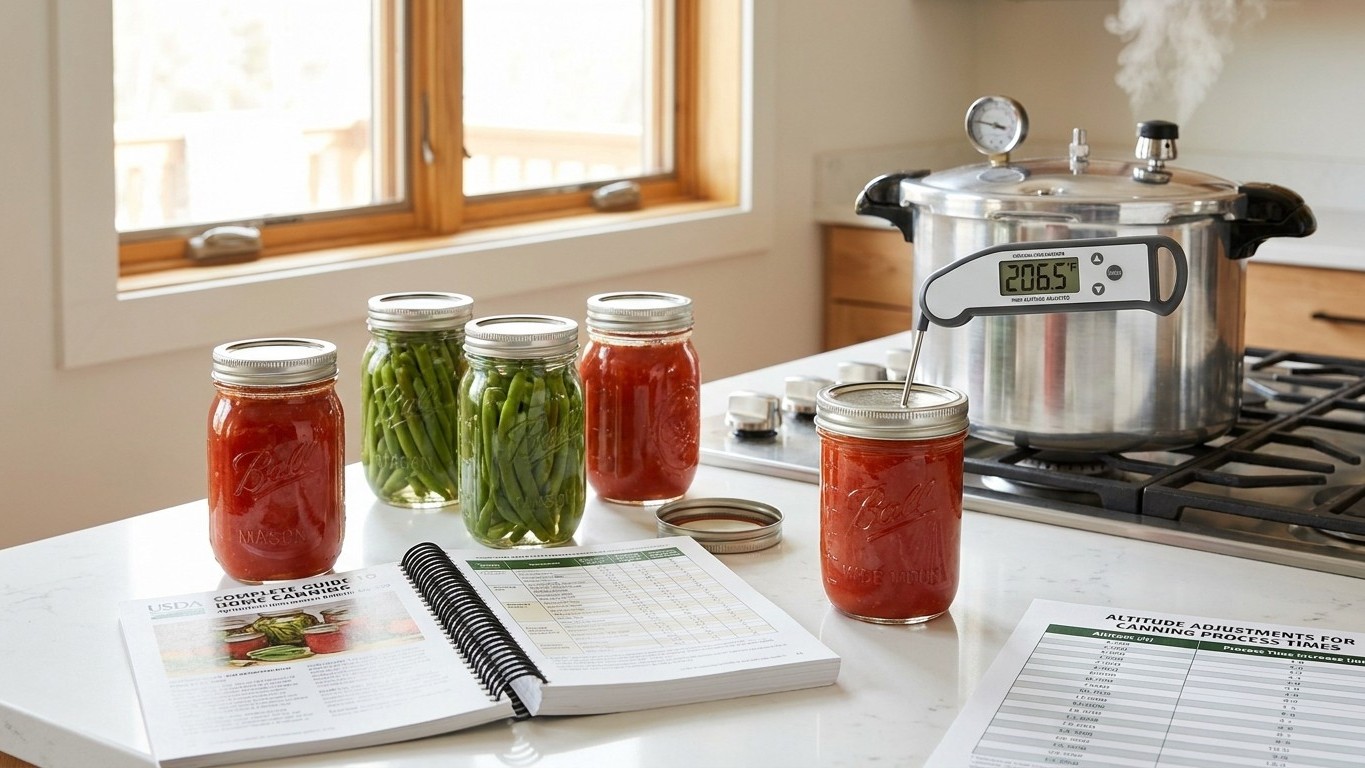
Most of Alberta sits high enough that canning adjustments aren’t optional. Whether you’re processing a boiling-water batch of tomatoes or running a…
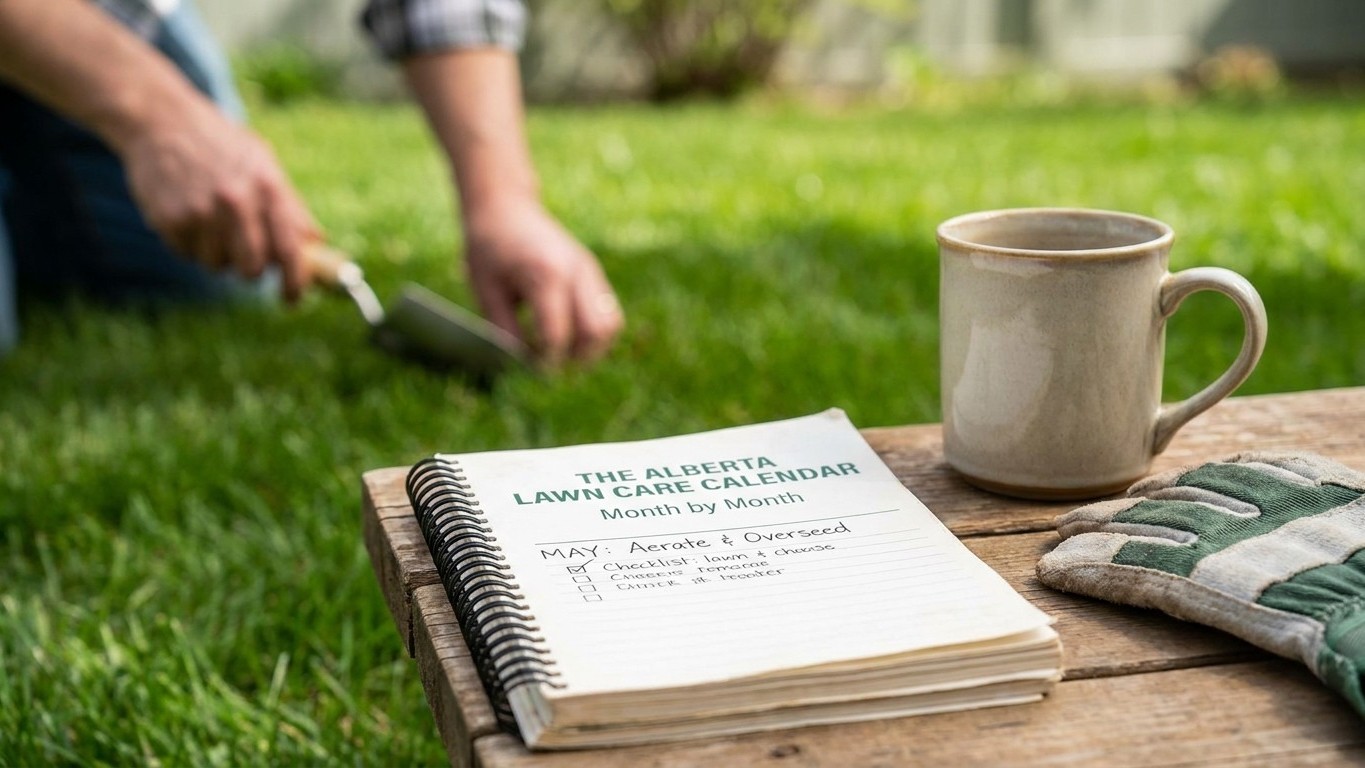
A month-by-month look at how Alberta’s cool-season lawn calendar tracks Calgary’s mean frost date, mowing heights, nitrogen timing, and dormancy.
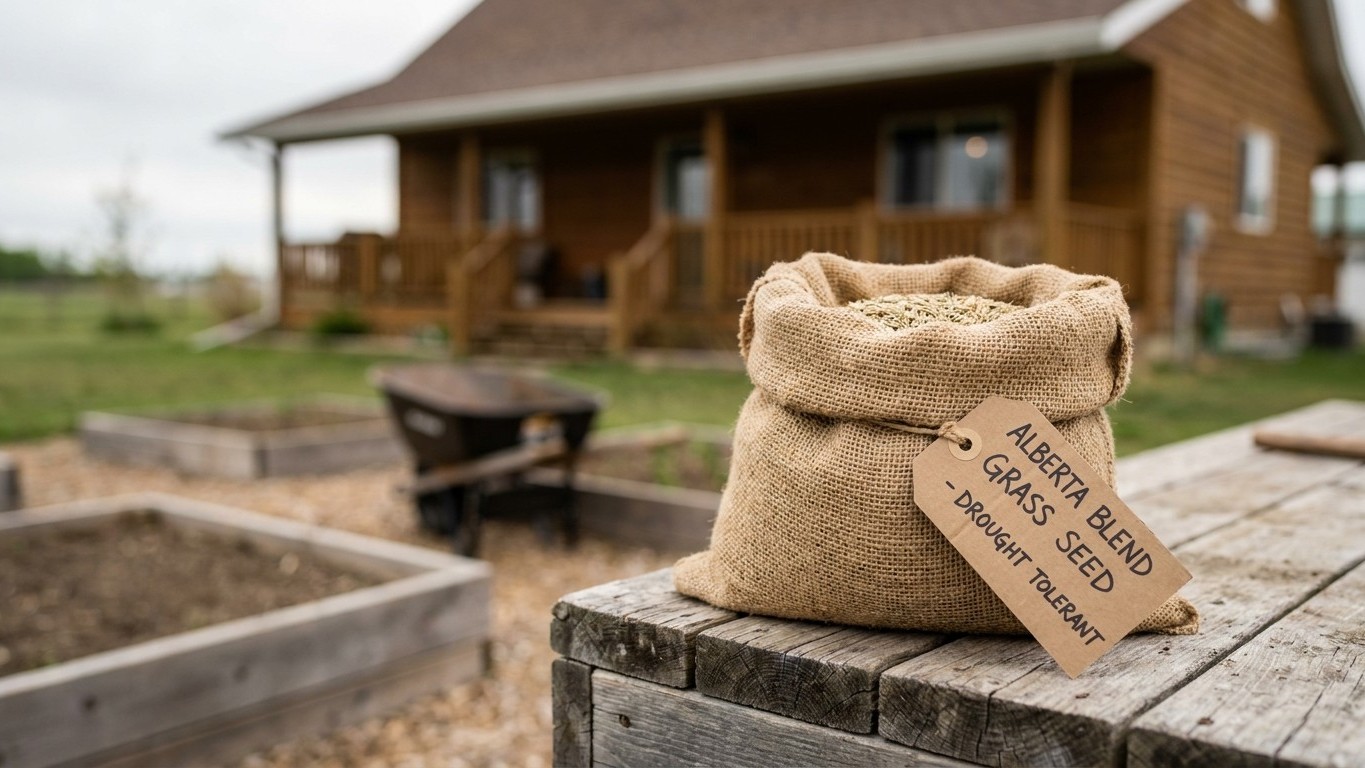
Alberta’s cool climate favors five grass species over warm-season turf, and each one trades speed of establishment for winter survival and shade tolerance.
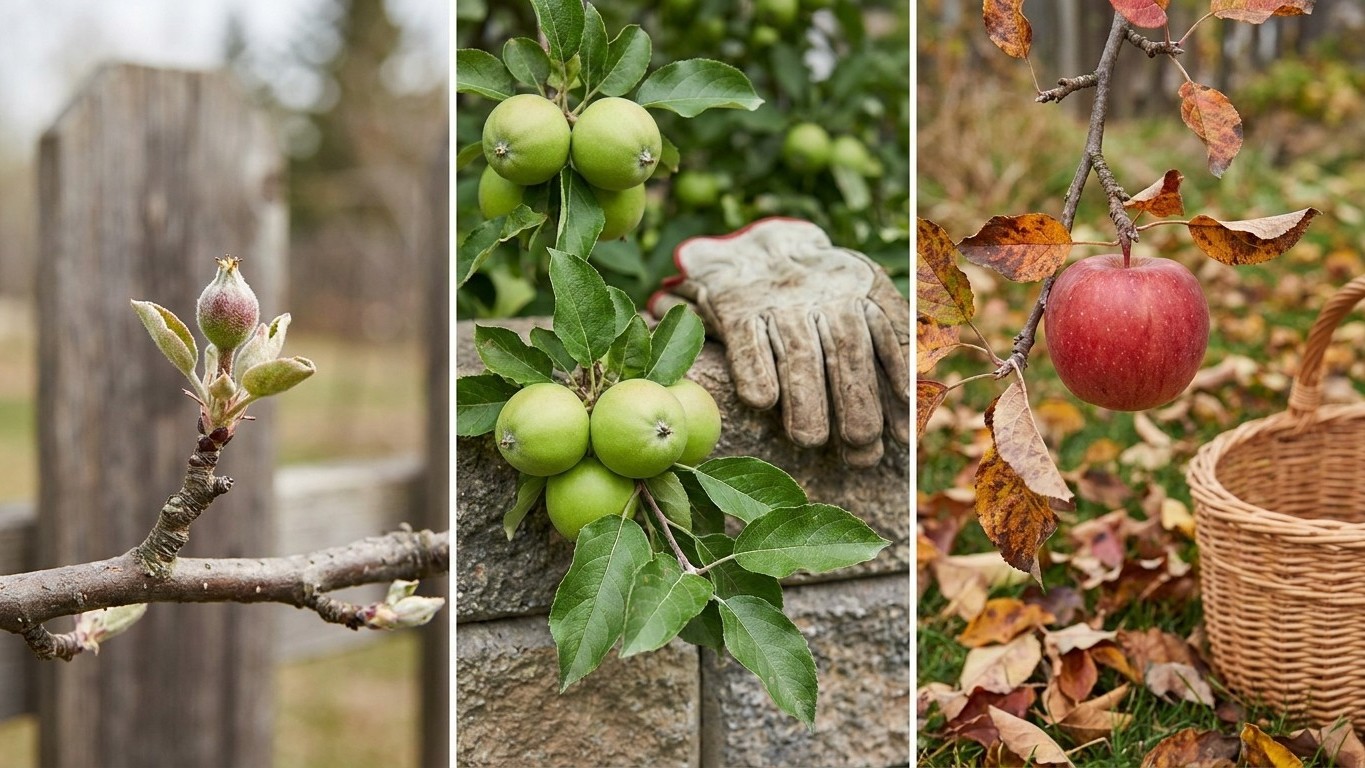
Explains each apple growth stage from dormancy to harvest in Alberta, timed against Calgary’s average frost dates from Environment and Climate Change Canada.
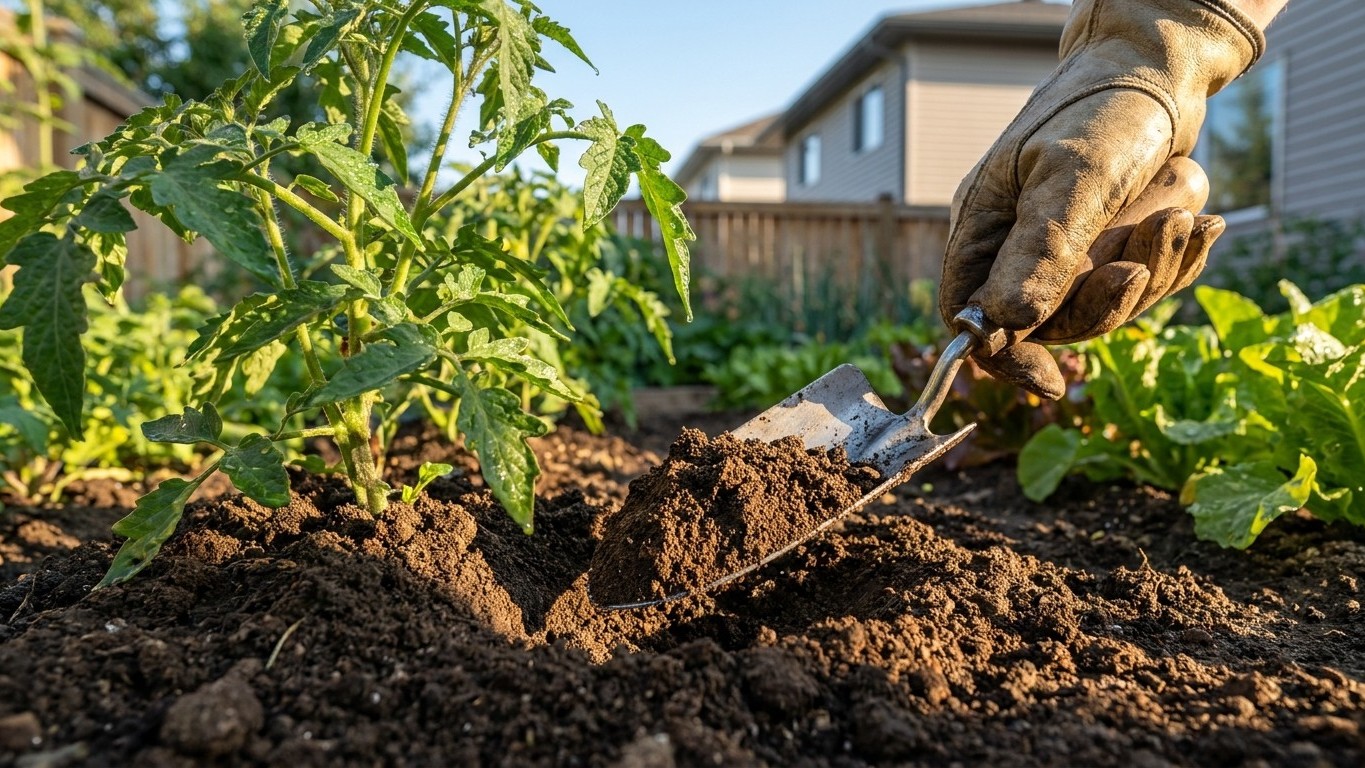
Alberta gardens do best on 1 to 1.5 inches of water a week, applied in one or two deep soakings rather than short daily sprinkles, from roughly the last…
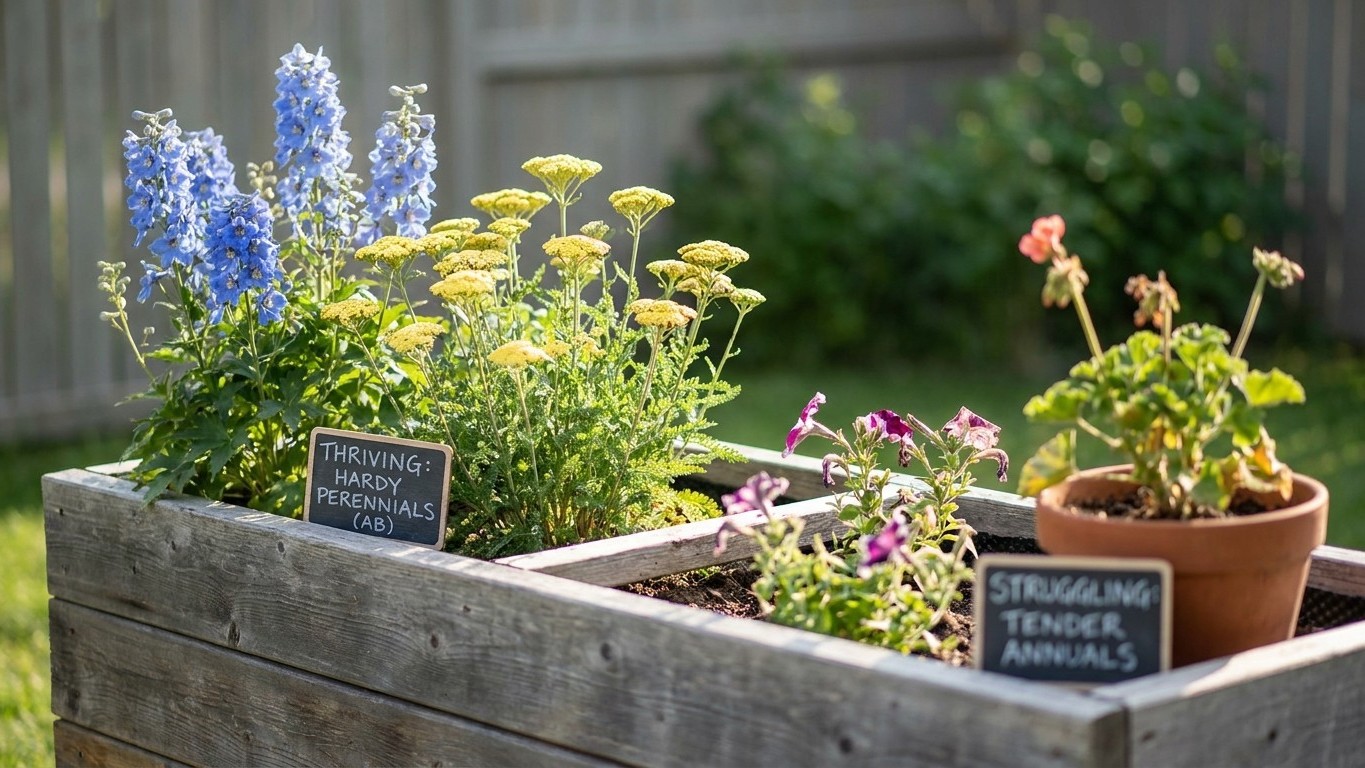
Alberta’s short, cool summers favor cold-hardy perennials like peonies and iris, while tropical heat-lovers such as hibiscus and canna struggle badly.
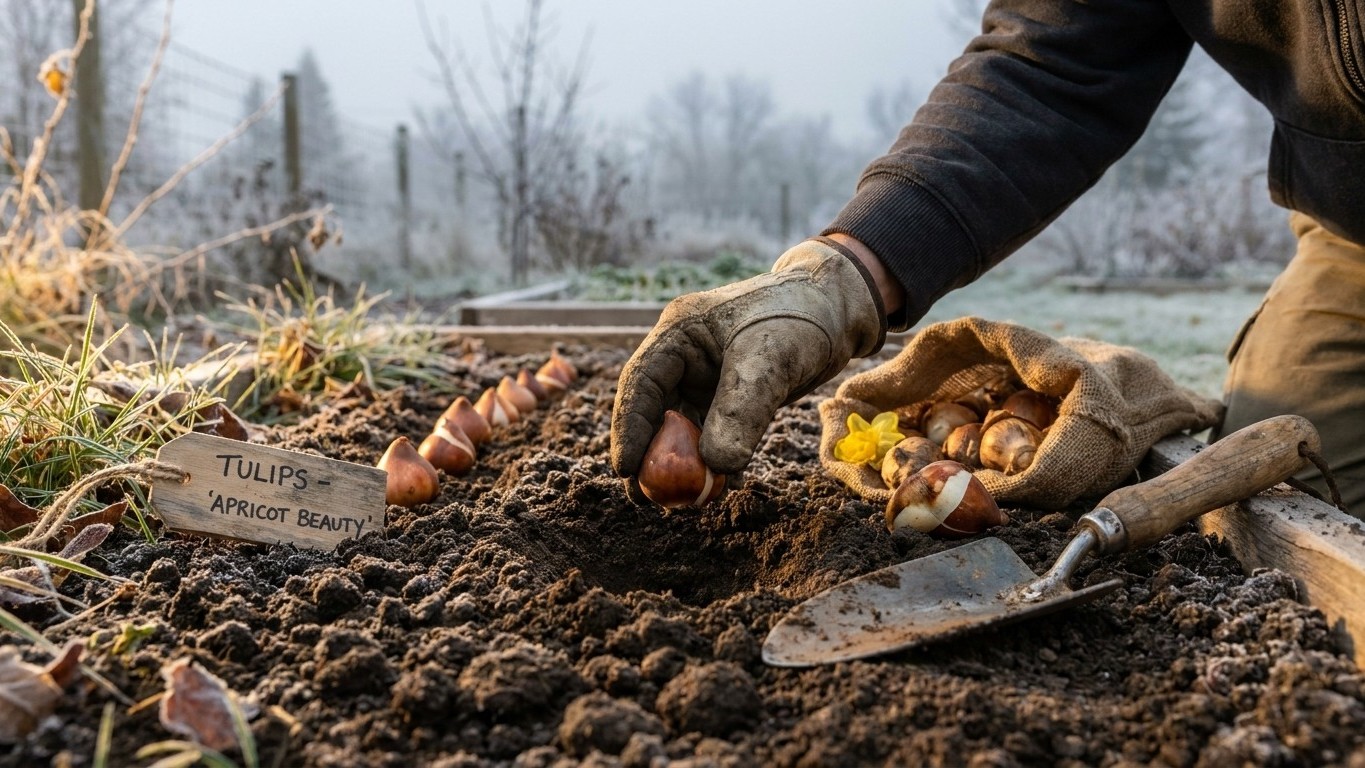
Spring bulbs need cold to flower, and Alberta has more of it than almost any bulb could ask for.