Tomato Pests in Alberta: Which Ones Actually Show Up Here
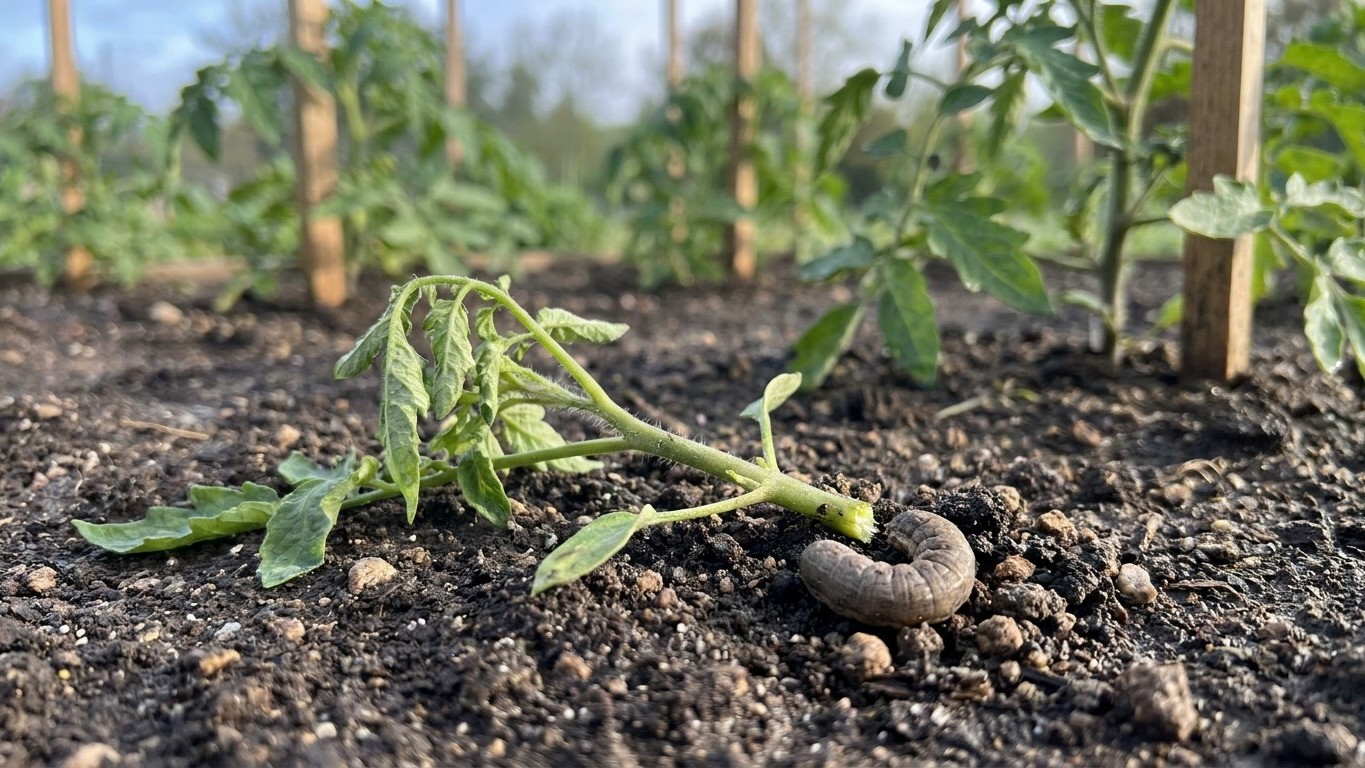
Only a handful of insects reliably damage tomatoes in Alberta, and the short, cool growing season keeps several common North American tomato pests out…
Home & garden, state by state
Everything we have worked out for Alberta: what to plant and when, which varieties finish in time, the pests that actually turn up here, and the jobs that pay off month by month. We also cover the rest of the property, from lawns and soil to home care and energy, because a garden rarely stops at the vegetable bed.
The numbers first, because everything else follows from them. Measured at the weather station in Calgary, the last spring freeze falls around May 21 and the first fall freeze falls around September 16, 1,171 growing degree days in the year.
That is little accumulated warmth: tomatoes need a tunnel or a greenhouse here, whatever the frost dates suggest. Garlic does well: 39.1 weeks below 40 °F, comfortably past the six it needs to form a proper head.
Elsewhere on the property in Alberta: the pests that turn up here.
Figures from Environment and Climate Change Canada. A state is not one climate: elevation, a large lake or the coast can move these dates by two weeks either way, so check your own county with the extension service before you spend money.
Only a handful of insects reliably damage tomatoes in Alberta, and the short, cool growing season keeps several common North American tomato pests out…
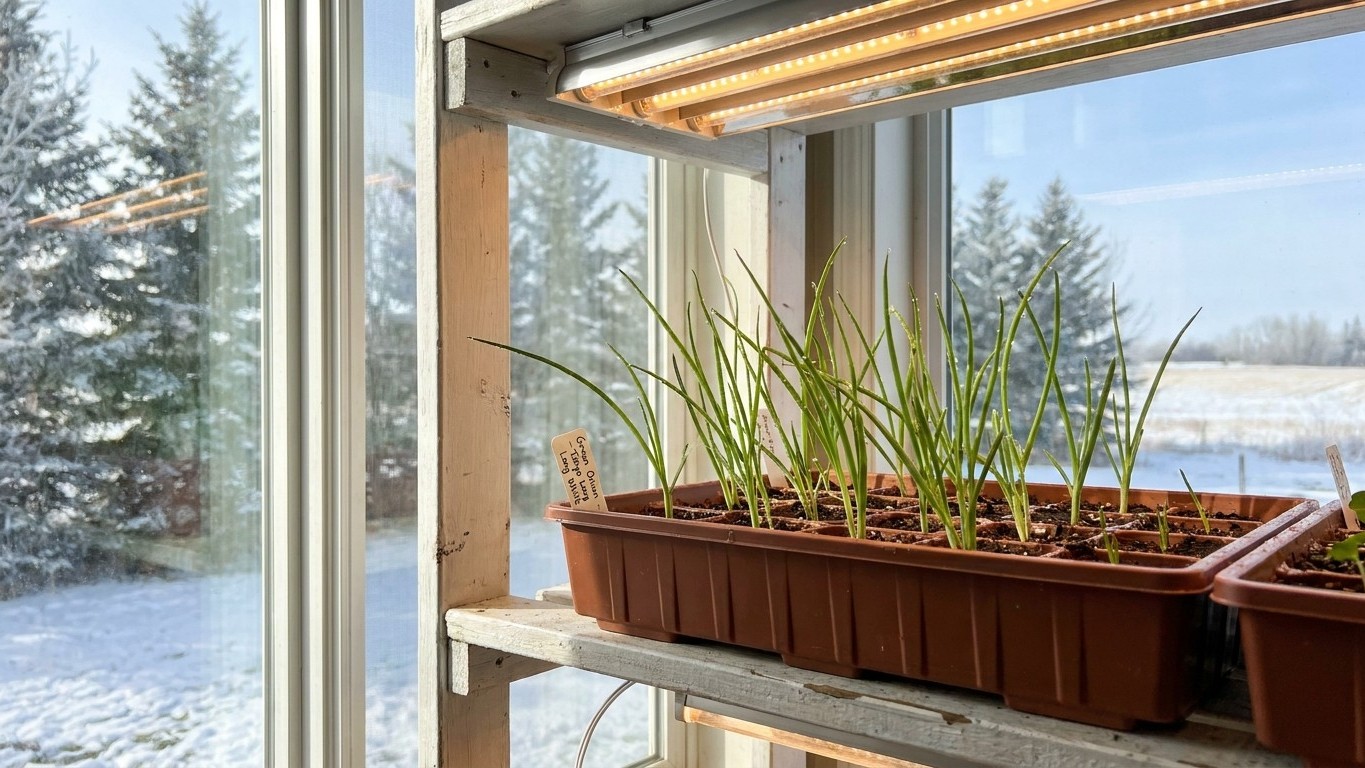
In Alberta, onion planting happens on a windowsill before it happens in the garden.
Calgary sits at 51.11 degrees north, and on the summer solstice the city gets 16 hours and 20 minutes of daylight.
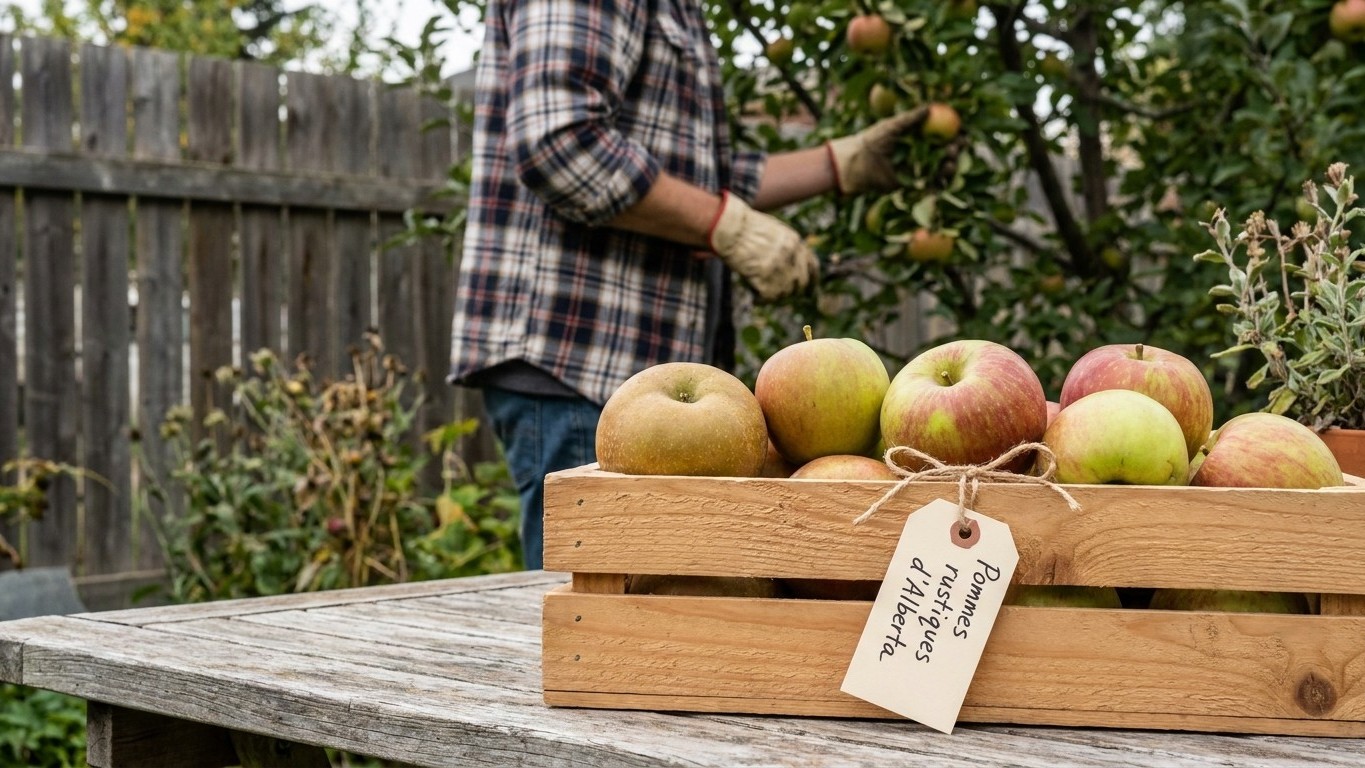
Alberta’s severe winter cold, not its short growing season, determines which apple varieties can survive, using Calgary’s ECCC climate normals as the benchmark.
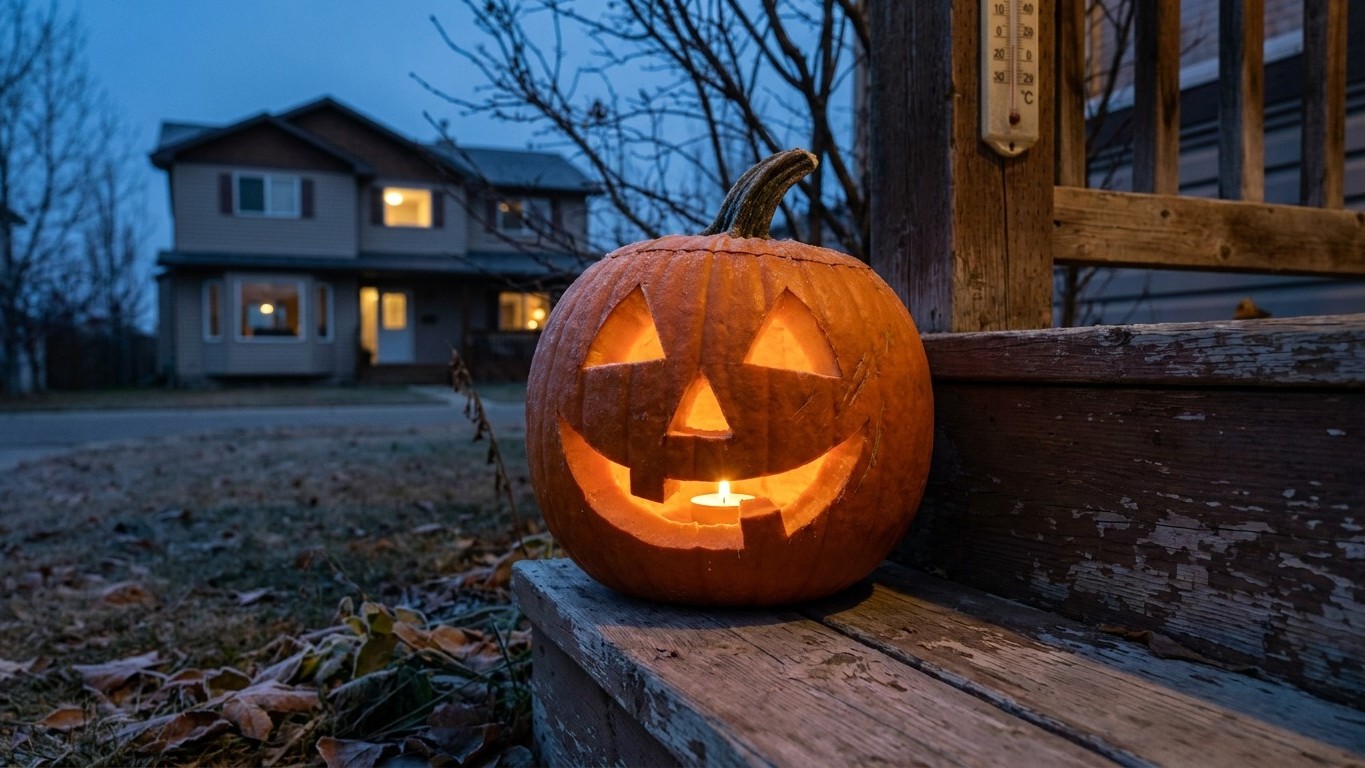
Frost arrives here around September 16 on average, a figure drawn from three decades of Calgary climate data.
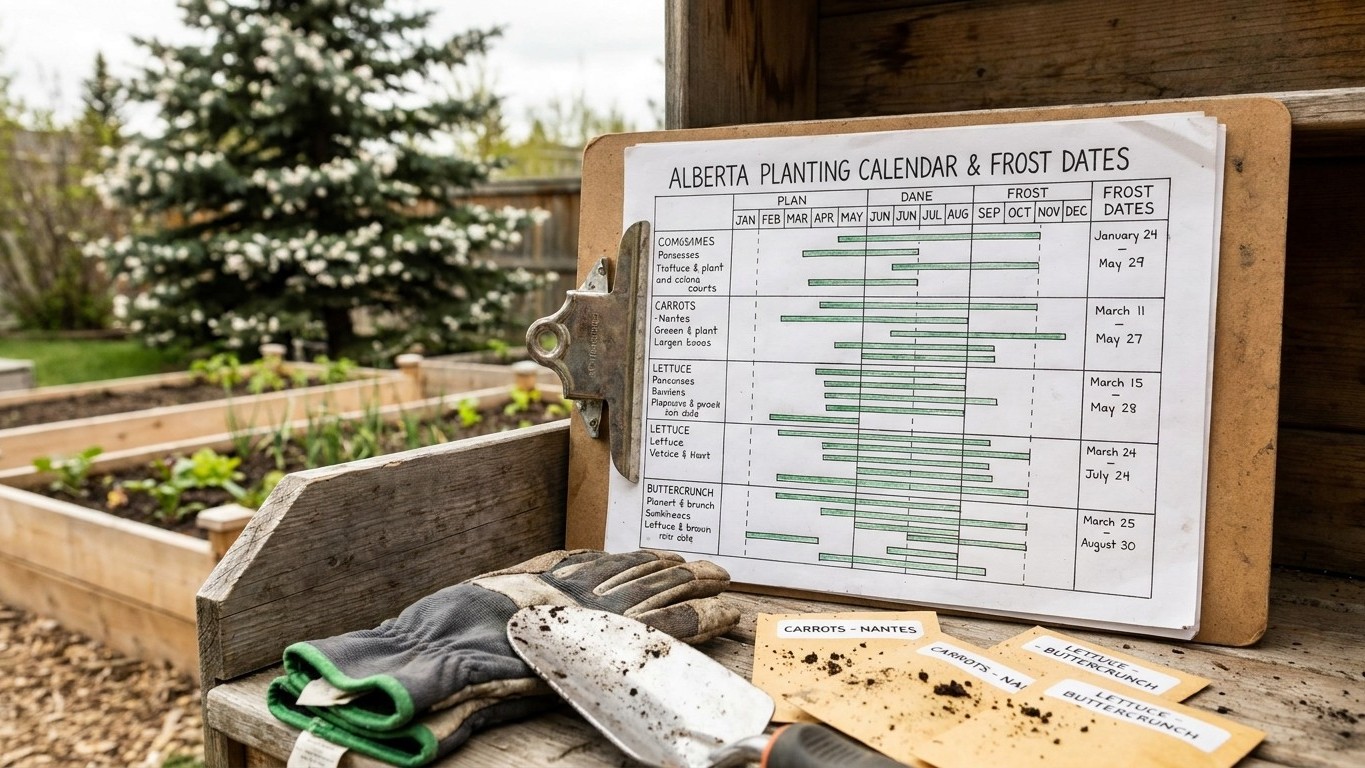
Environment Canada’s Calgary-area normals put the mean frost-free window at about 118 days, running from May 21 in spring to September 16 in fall.
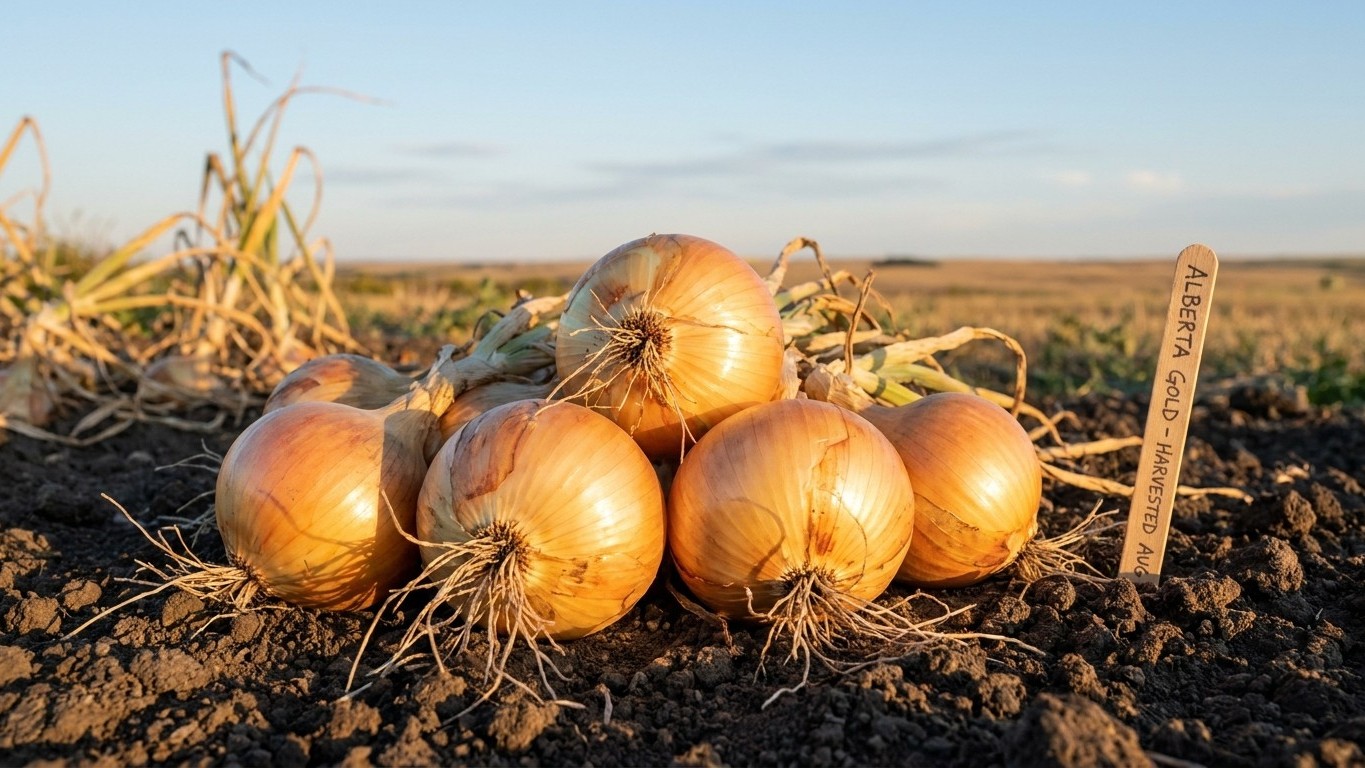
At 51.11 degrees north, Alberta’s growing season gets 16 hours and 20 minutes of daylight on the longest day of the year.
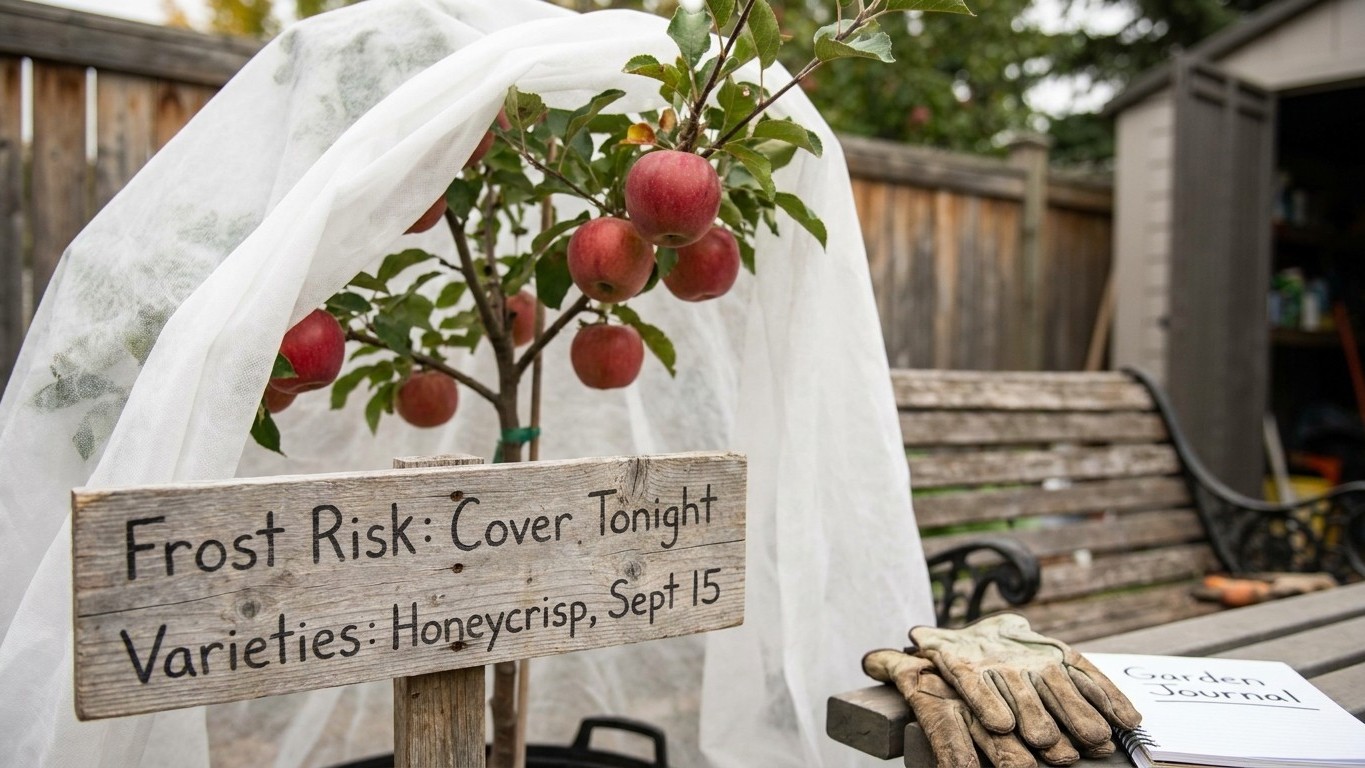
Alberta’s cold winters, short frost-free season and long-chill requirement narrow the apple choices to a handful of prairie-hardy cultivars that actually fruit here.
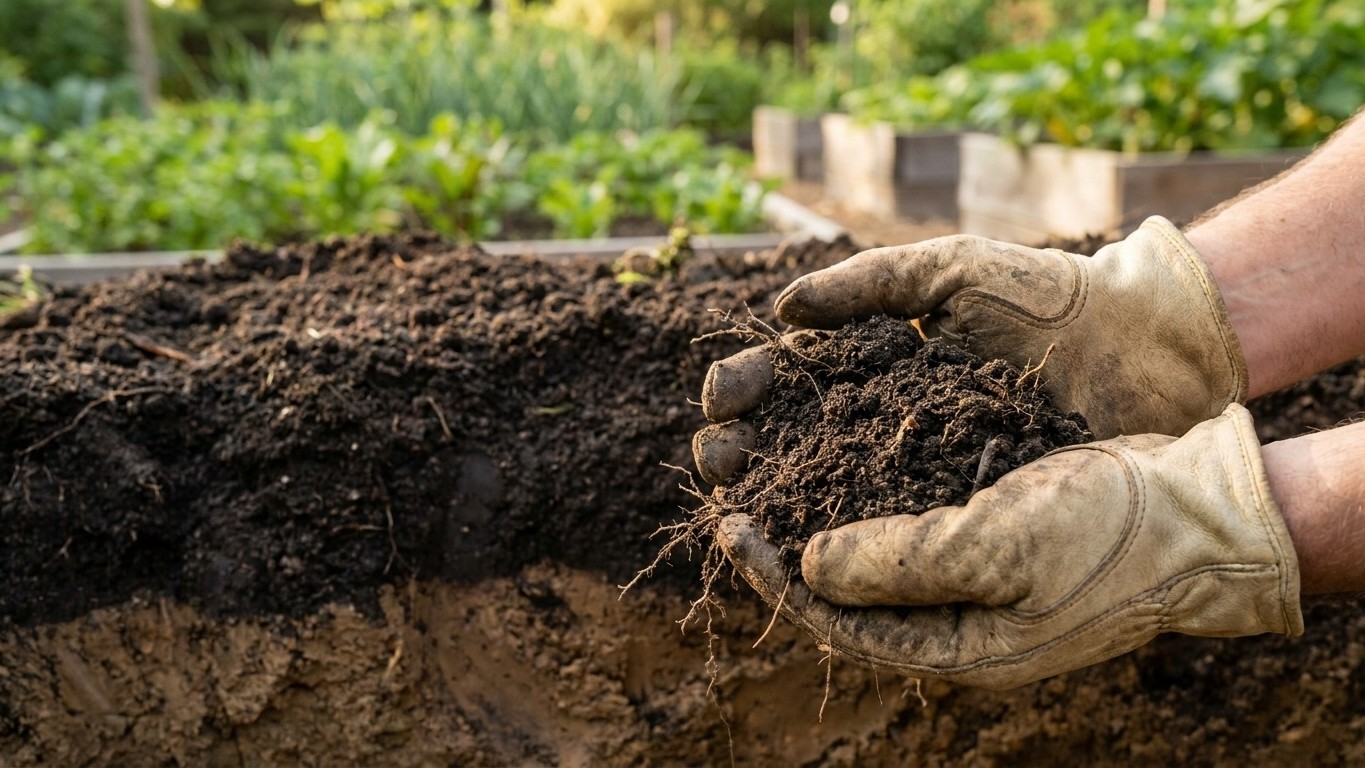
Most gardens across Alberta’s farmed and settled regions sit on some version of Chernozem, the dark, humus-rich soil that built the province’s grain…
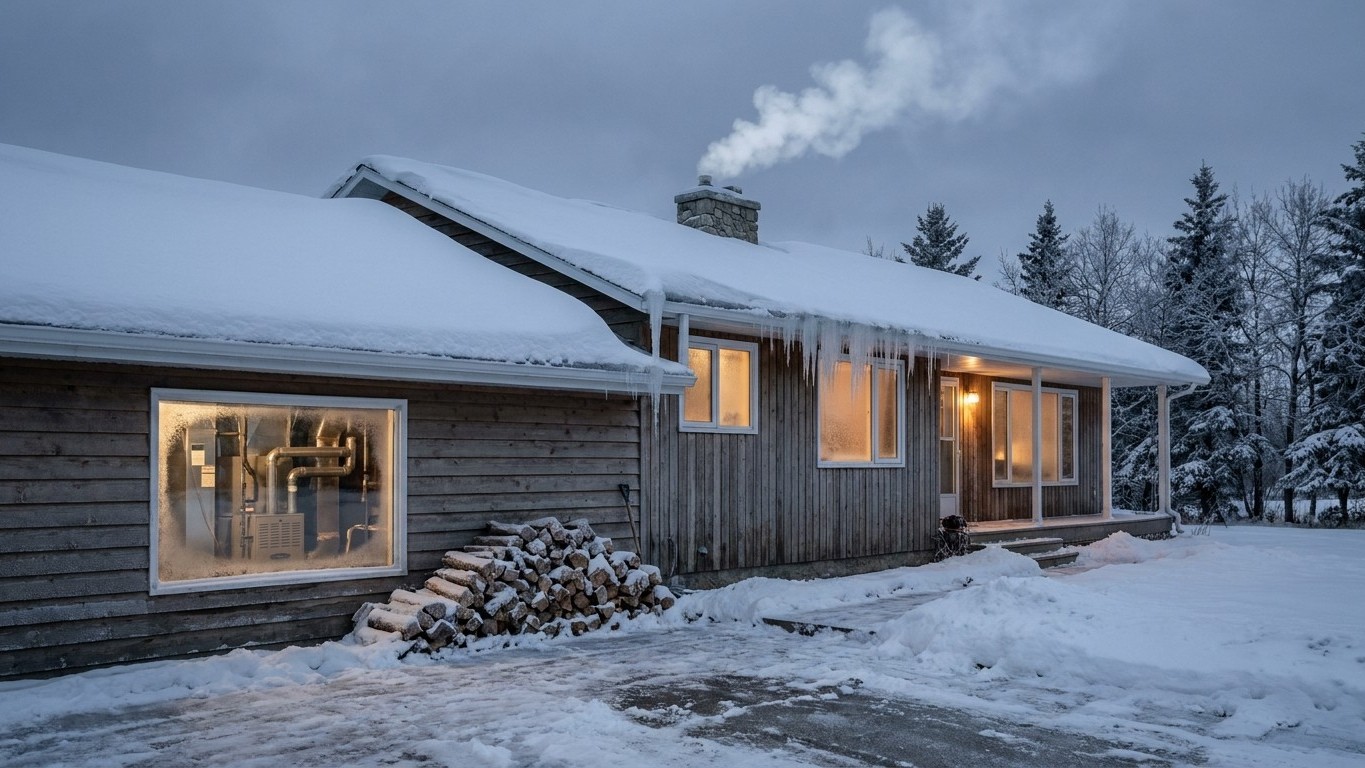
Alberta winters don’t just dip below freezing, they camp out there for months at a stretch.