Arizona Planting Calendar: When to Sow and Plant, Frost Dates Included
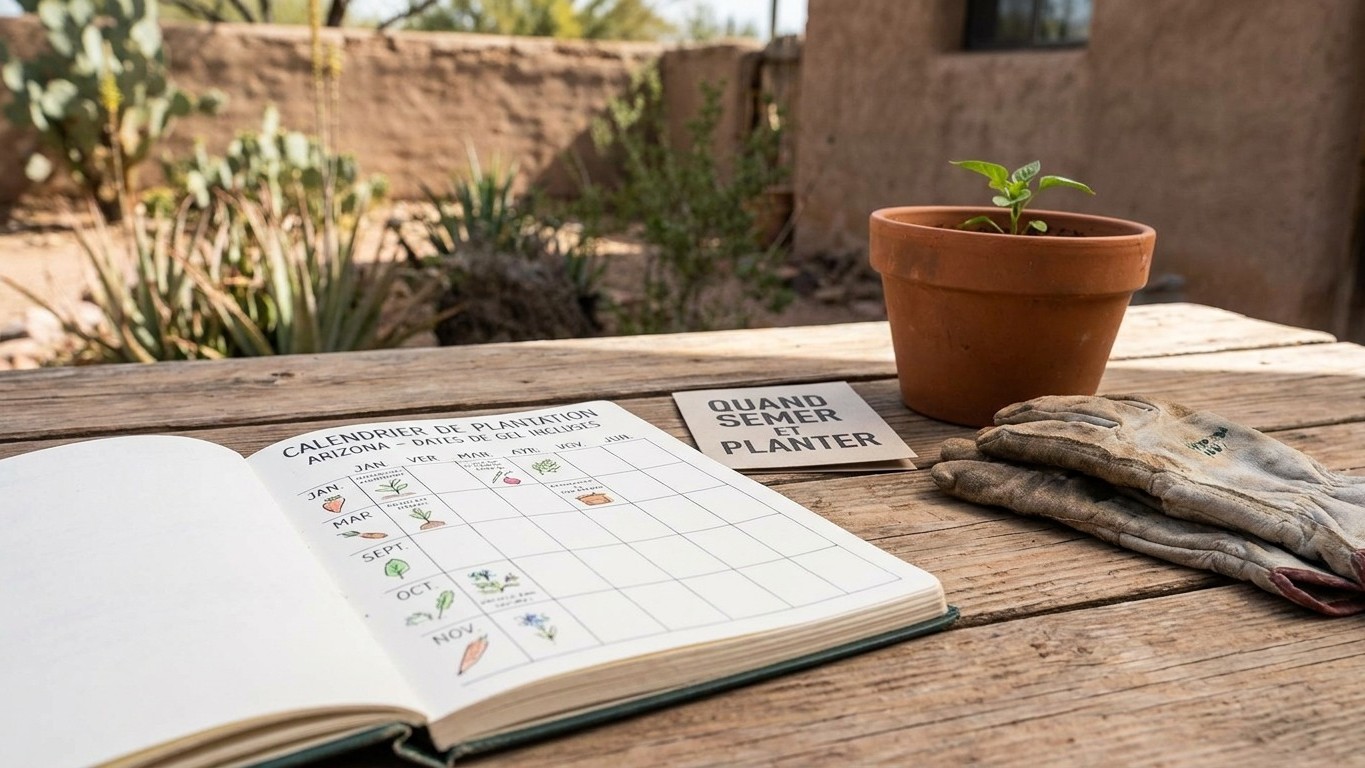
Explains why Arizona’s low desert rarely freezes, why summer heat controls planting instead, and which fast tomato varieties beat the heat shutdown.
Home & garden, state by state
Everything we have worked out for Arizona: what to plant and when, which varieties finish in time, the pests that actually turn up here, and the jobs that pay off month by month. We also cover the rest of the property, from lawns and soil to home care and energy, because a garden rarely stops at the vegetable bed.
The numbers first, because everything else follows from them. Measured at the weather station in Phoenix, the last spring freeze falls around no freeze in most years; a rare cold snap can bring 32F between late December and mid January and the first fall freeze falls around no reliable fall freeze; see the note, USDA zones 4b-10b, 8,014 growing degree days in the year.
Heat, not frost, is what shortens the season here: above 86 °F tomato pollen goes sterile, so growers run a spring crop and an autumn one rather than a single long season. Garlic is the awkward one: only 0 weeks below 40 °F, where it needs six to split into cloves. Chill the cloves before planting, or grow a softneck type.
Elsewhere on the property in Arizona: the pests that turn up here.
Figures from NOAA's 1991-2020 climate normals. A state is not one climate: elevation, a large lake or the coast can move these dates by two weeks either way, so check your own county with the extension service before you spend money.
Explains why Arizona’s low desert rarely freezes, why summer heat controls planting instead, and which fast tomato varieties beat the heat shutdown.
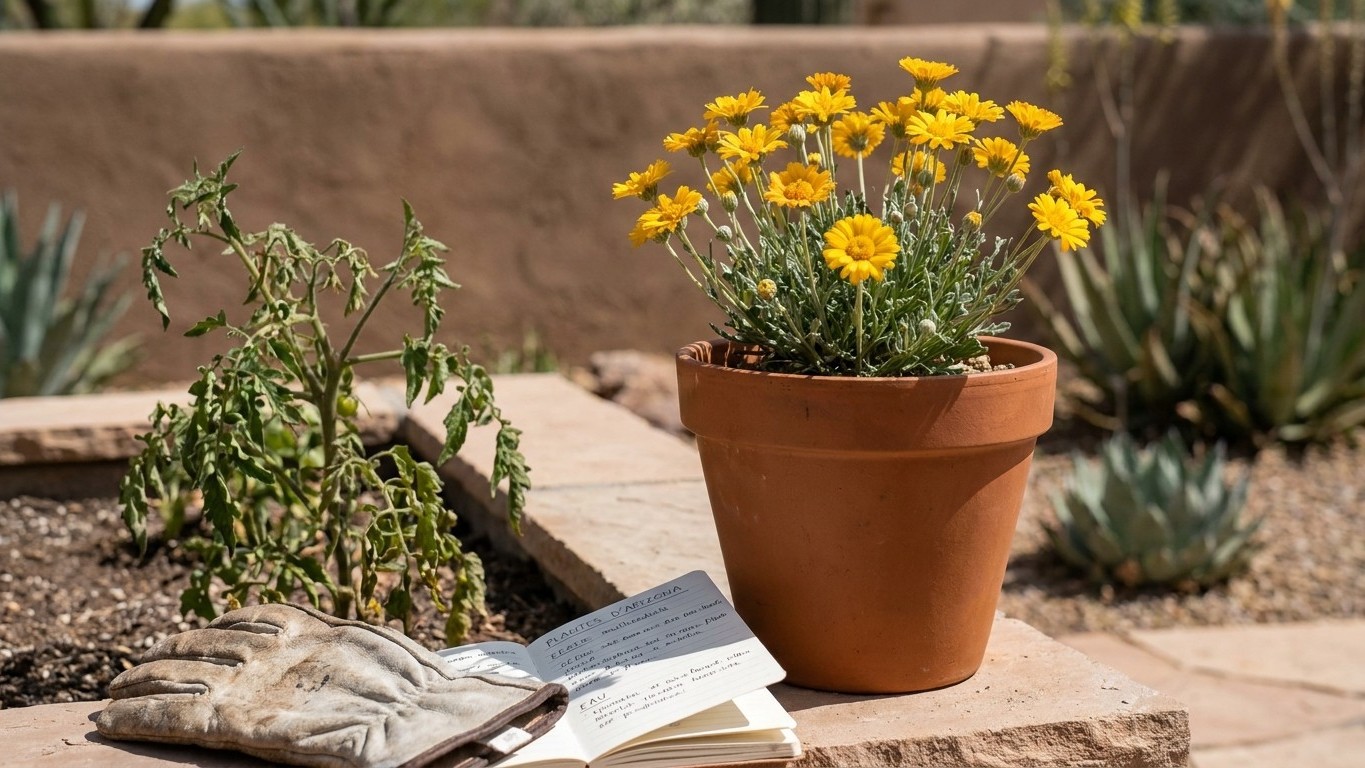
A practical look at which flowers handle Arizona’s heat and mild winters, which need extra water, and which never should have been planted here.
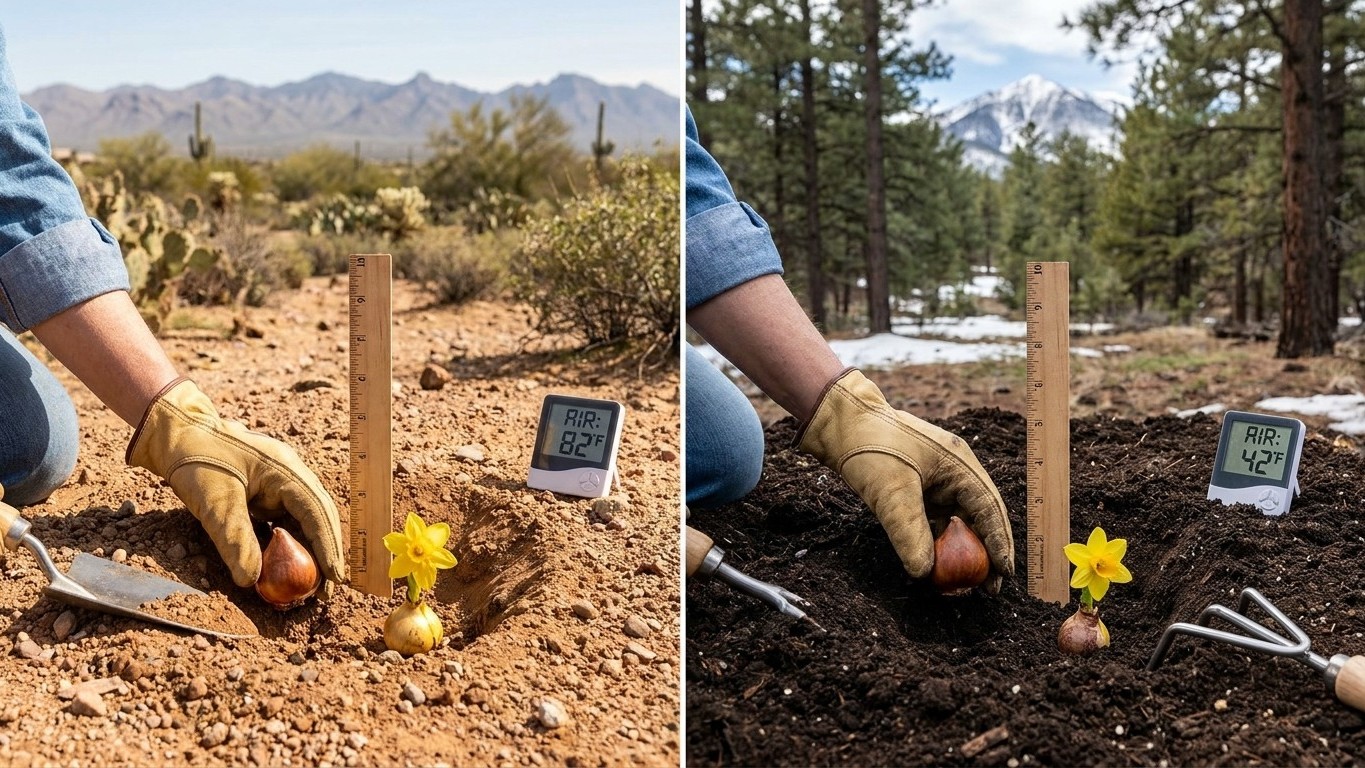
Arizona is really two planting climates wearing one state name. In the low desert around Phoenix, winter barely gets cold at all, and that changes…
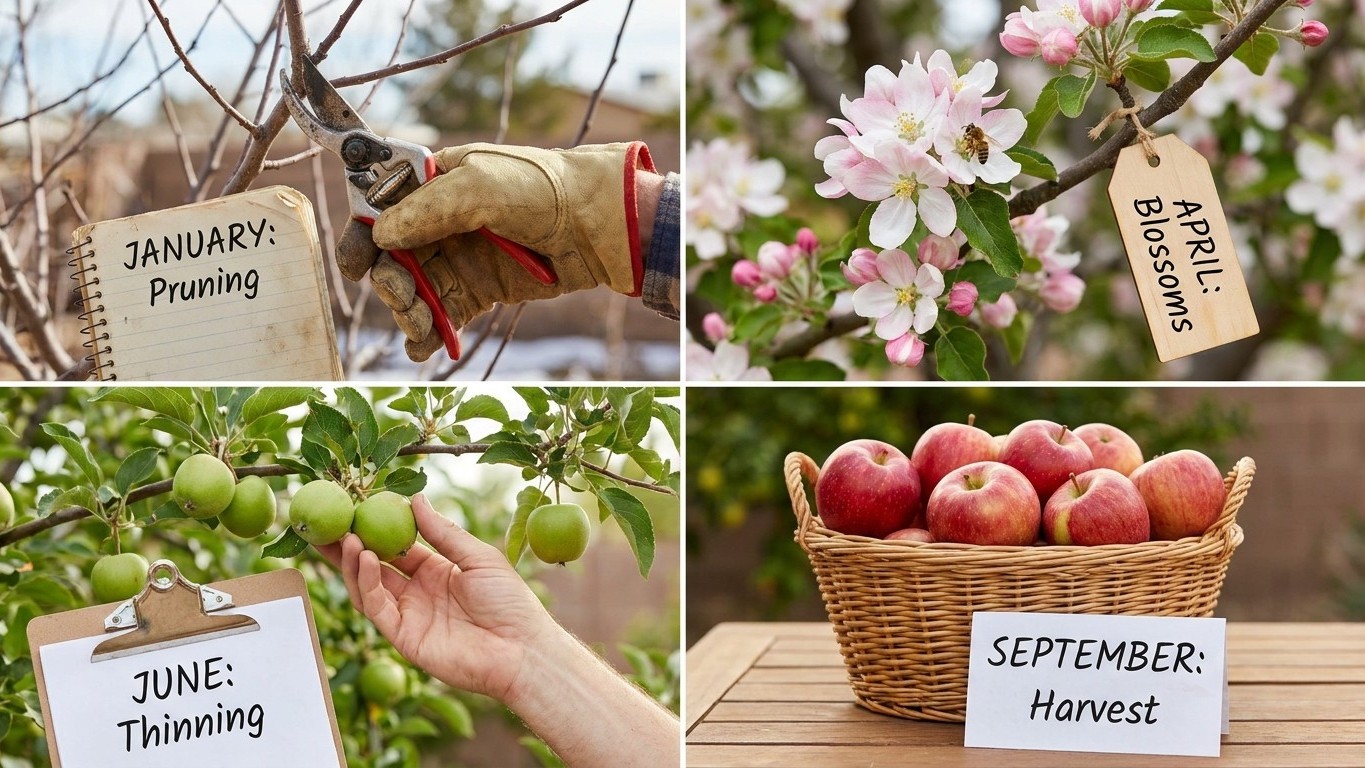
Arizona’s apple calendar runs on winter chill and summer heat, not frost dates, so timing depends on your elevation and the cultivar’s chill requirement.
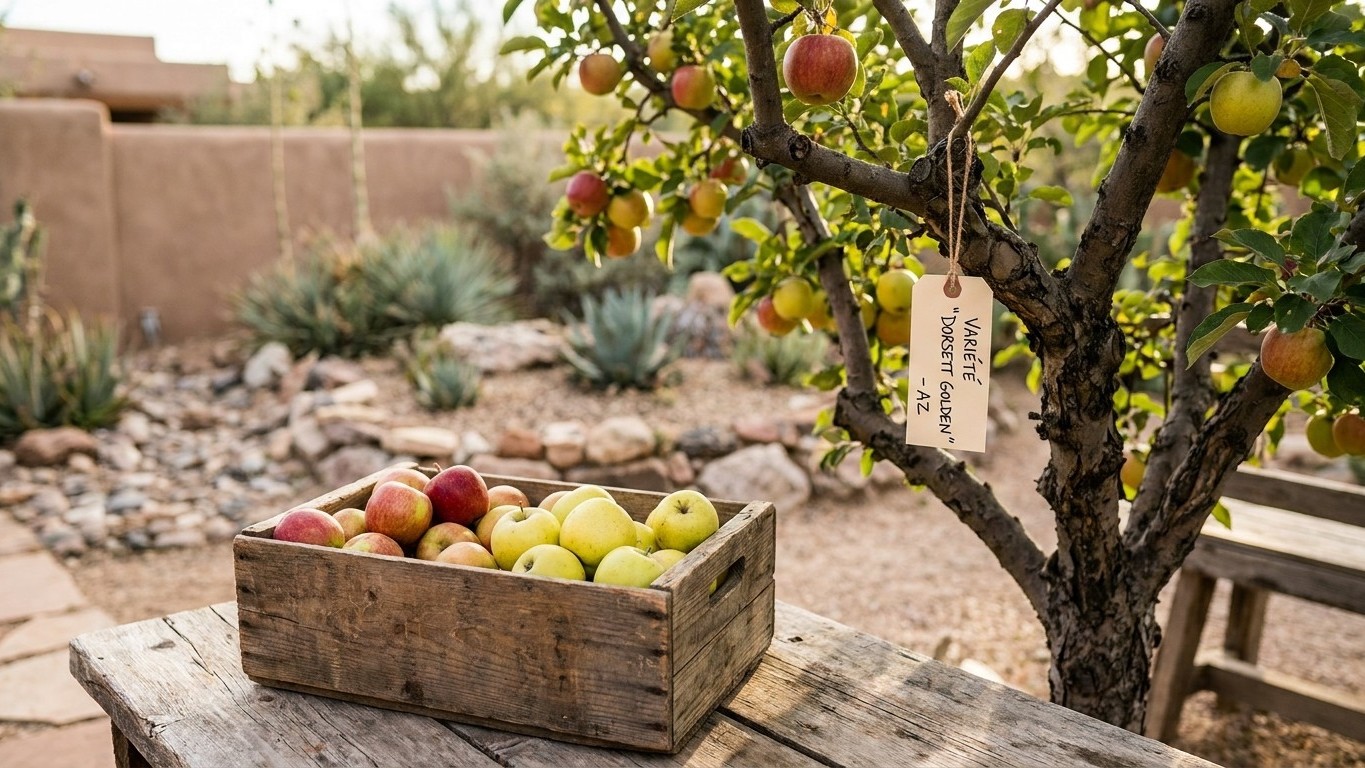
Arizona’s low desert rarely gets enough winter chill for most apple varieties, so choice depends on chill category, elevation, and local extension guidance.
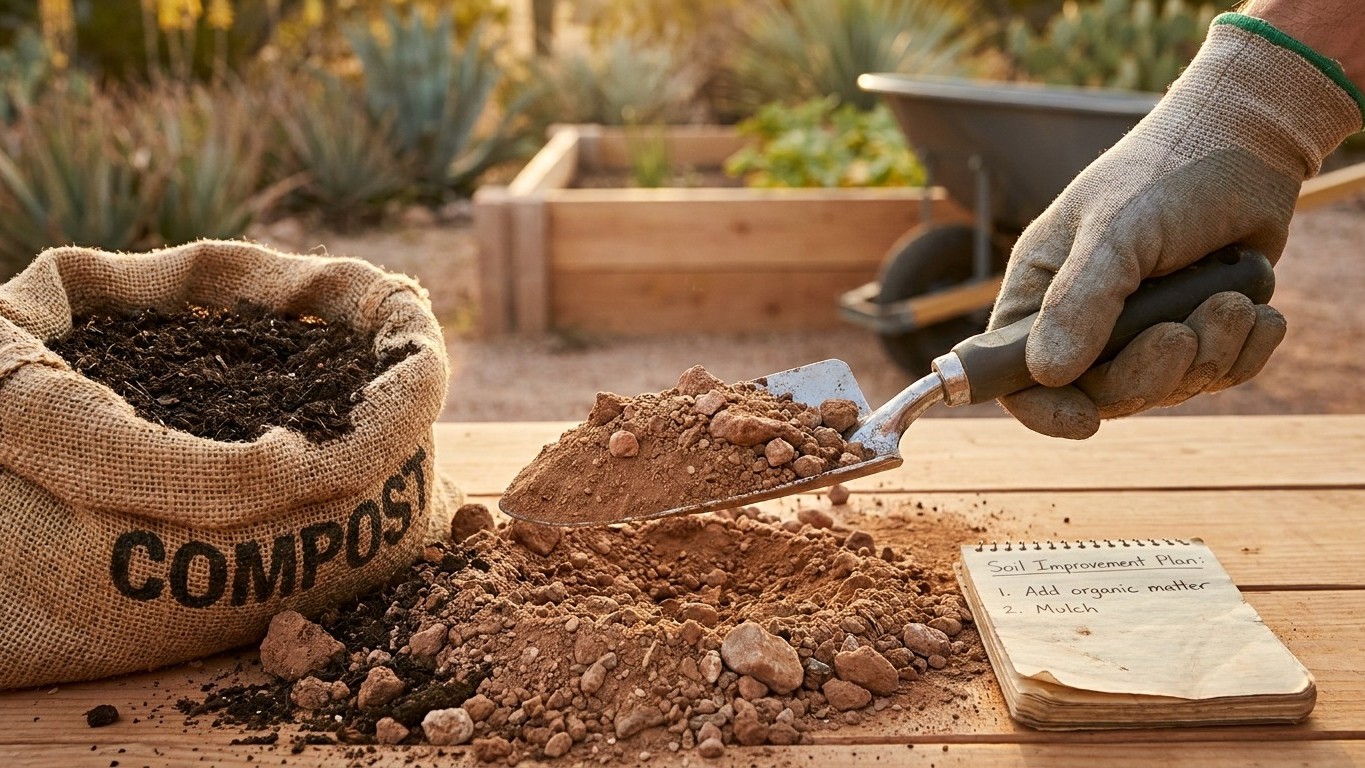
Arizona’s representative soil is sandy and alkaline with little organic matter, and simple tests show exactly what your own garden needs to grow well.
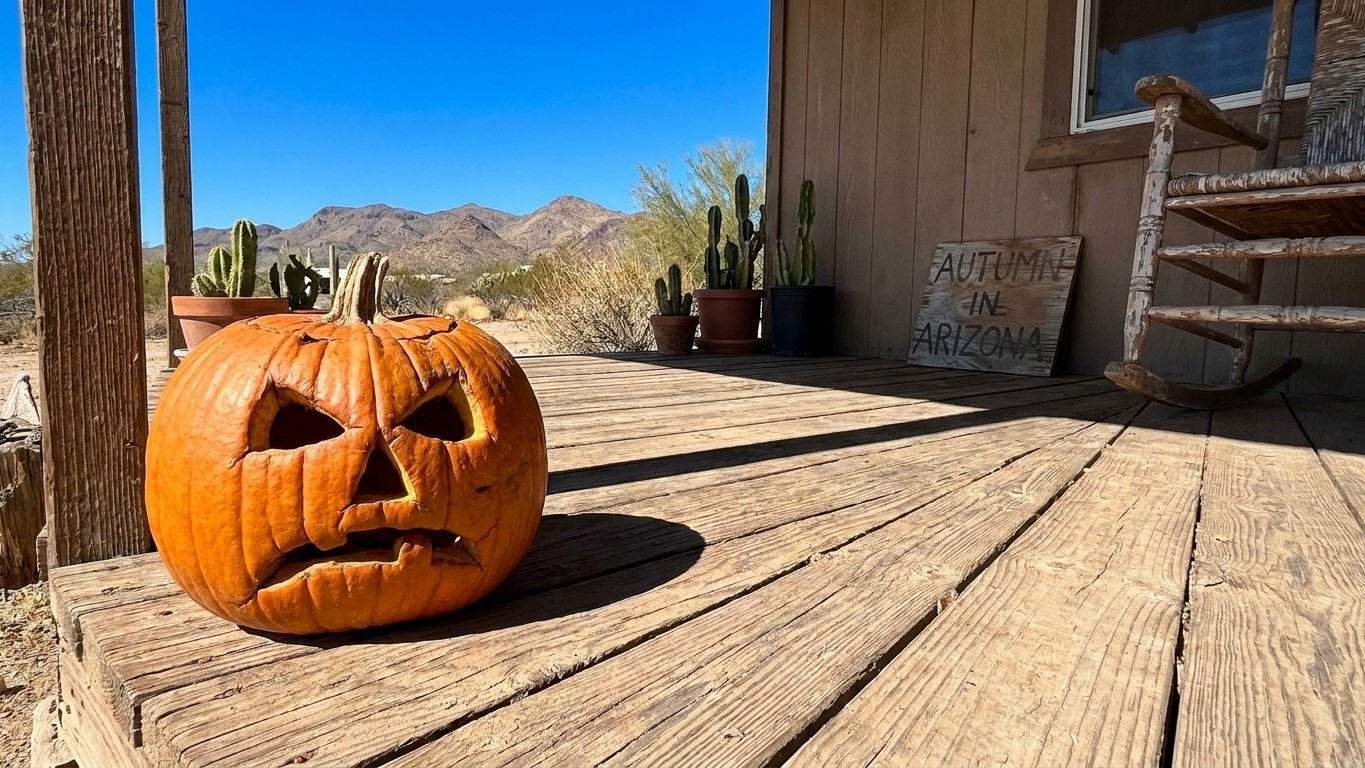
Phoenix’s reference station shows no reliable fall freeze at all, with a frost-free season that NOAA records as running a full 365 days.
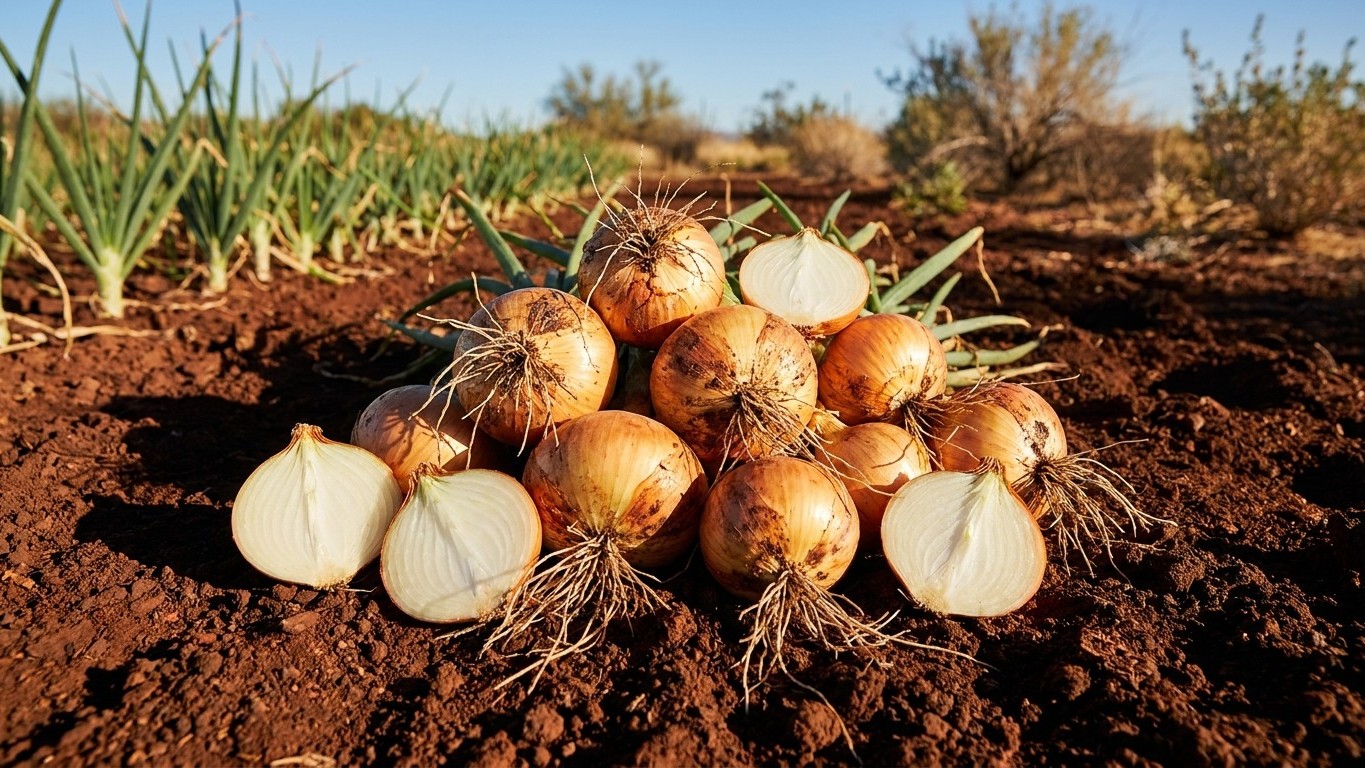
If you garden in Phoenix or anywhere near the Arizona low desert, the day length on your longest day sits at 14 hours and 13 minutes.
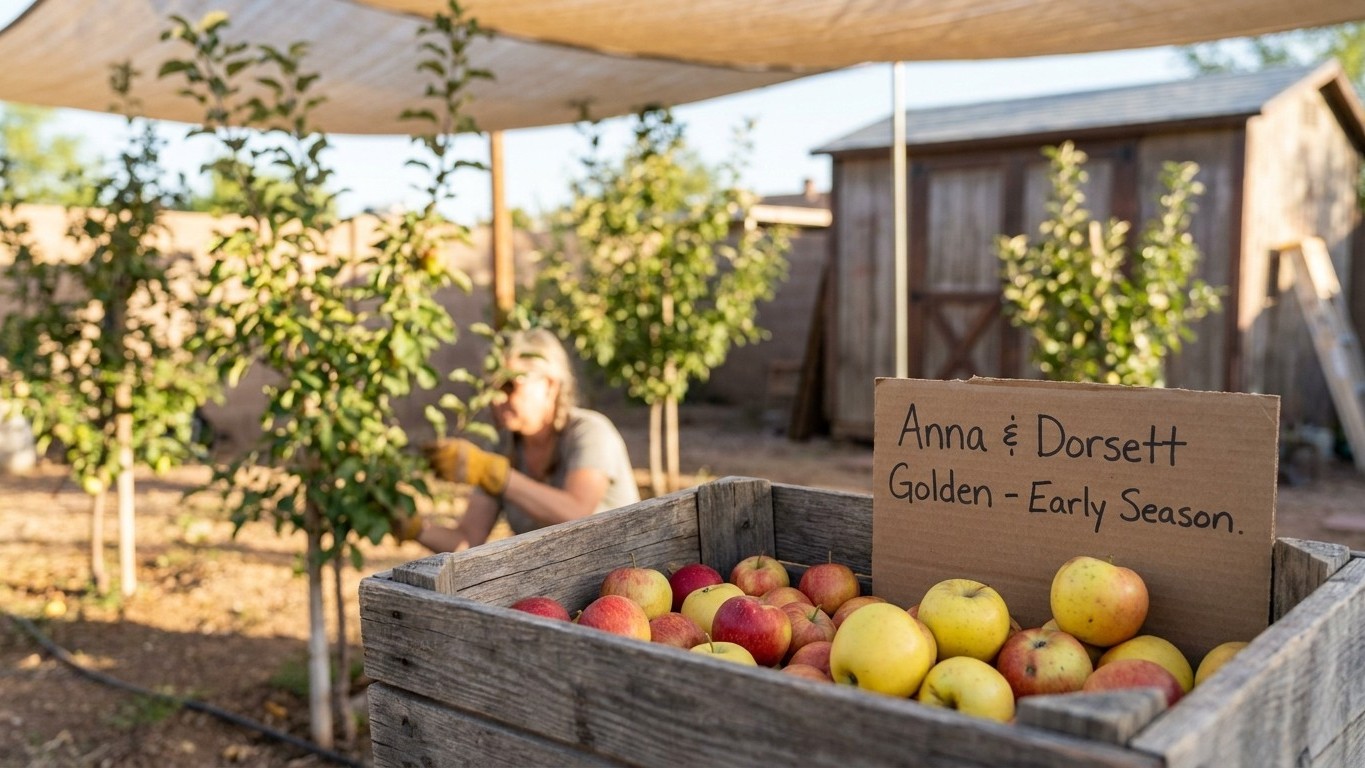
Arizona’s low desert and high country need different apple varieties, chill hours and frost timing, so pick based on your elevation, not the state.
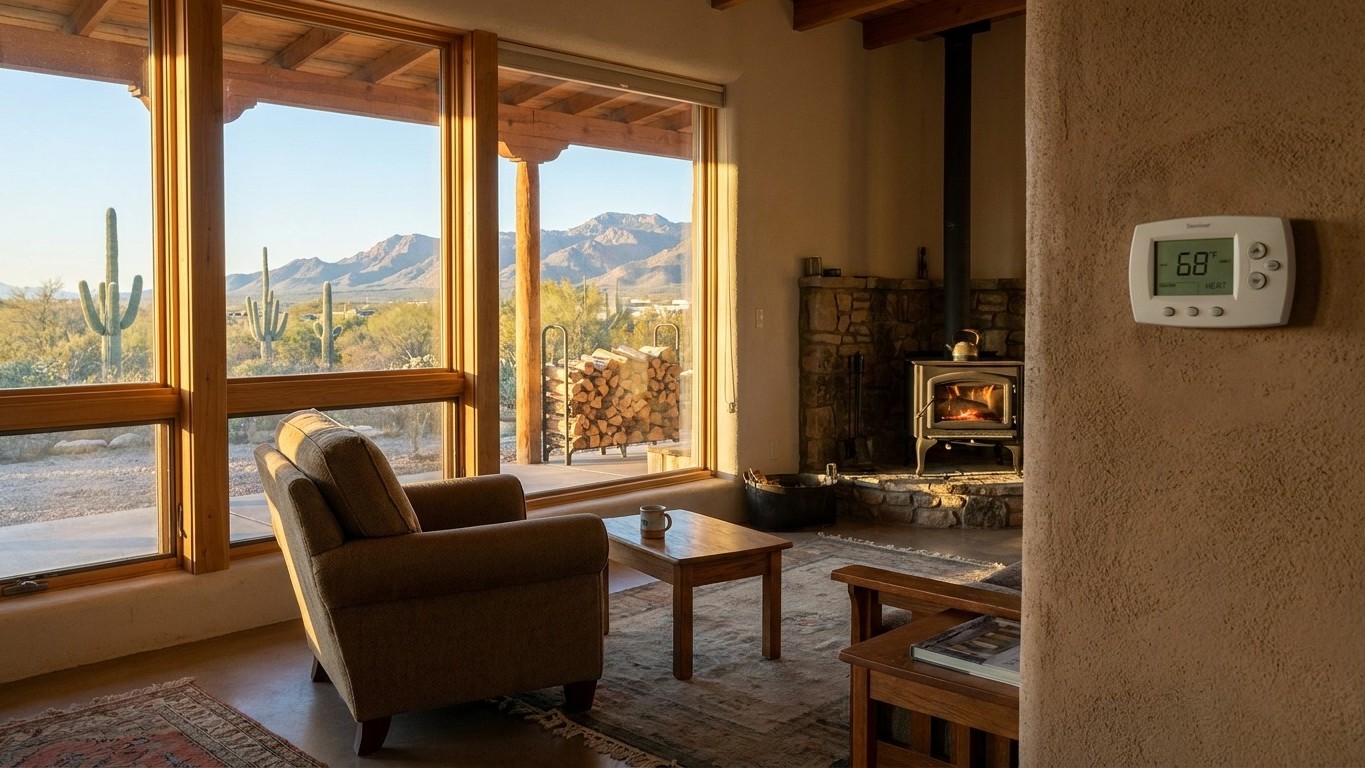
Winter in Arizona doesn’t hit like it does in Minnesota or Maine, but that doesn’t mean the furnace stays off.