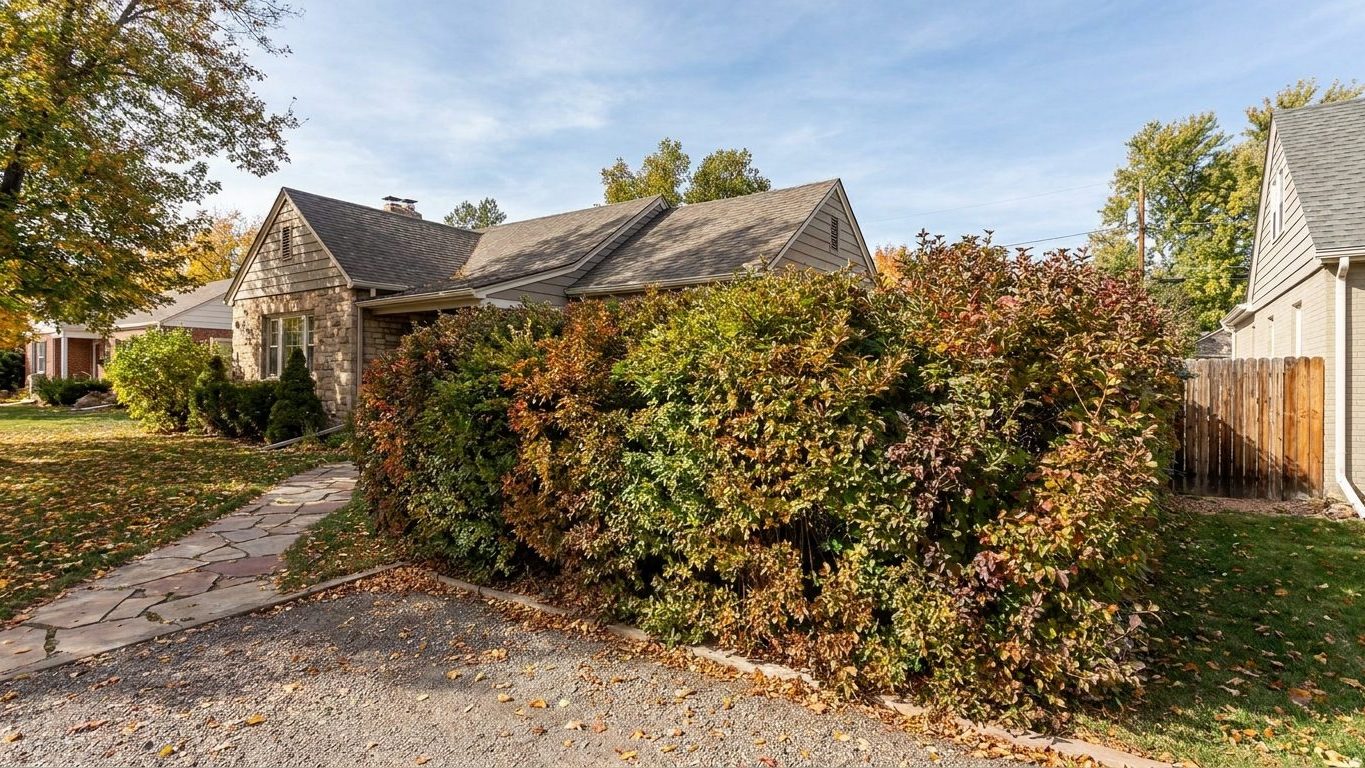

Arkansas has no state law setting a maximum hedge height. No statute anywhere in the Arkansas Code caps how tall a hedge, shrub row, or living fence can grow on private property. The real limit, if one exists at all, comes from your city’s zoning code, which means the answer changes depending on which side of a municipal line your yard sits on.
There is no Arkansas hedge height law
This surprises a lot of homeowners because fences feel like the kind of thing a state legislature would regulate. They don’t, in Arkansas or anywhere else in the country. Height limits for hedges and fences are a local land-use decision, handled through municipal zoning ordinances rather than state statute. Little Rock, Fayetteville, Fort Smith, and every other Arkansas city or town writes its own rule, or chooses not to write one at all.
That local-only structure is exactly where a lot of the advice floating around online goes wrong. A site will publish a single number, say a hedge can be six feet tall, and present it as if it applies to the whole state. It doesn’t. That number, if it’s accurate anywhere, belongs to one specific city’s zoning code and nowhere else. Move ten miles down the road into the next town and the rule could be completely different, or absent entirely.
Why cities, not the state, own this rule
Zoning authority in Arkansas is delegated to municipal governments. Cities decide setbacks, lot coverage, fence materials, and yes, how tall a hedge can grow along a front yard, a side yard, or a corner lot. The state sets broader frameworks for how cities can zone, but it does not dictate the specific inch-and-foot numbers that end up in a local code. Those get debated and voted on by a city council or planning commission, often years apart from neighboring towns doing the same thing.
There’s a second wrinkle. Some Arkansas municipalities regulate fences in detail but say nothing about hedges specifically. A living hedge and a wooden fence are not automatically treated the same way in every code, even when they serve the same purpose along a property line. Before assuming a fence height limit applies to your boundary shrubs, you need to check what word the ordinance actually uses.
Unincorporated areas add a third layer. Outside city limits, in the open county, zoning coverage is often thin or nonexistent for residential landscaping. That can mean there’s technically no ordinance-based height cap at all, though other legal principles, like the sight triangle at a road intersection, can still apply regardless of zoning.
So the honest answer to “How High Can a Hedge Be in Arkansas” is: it depends entirely on your municipality, and possibly on whether your property sits inside city limits in the first place. That’s not a dodge. It’s how land use law actually works in this state and every other one.
How to find the rule that actually applies to you
Since the state stays silent, the useful work happens at the city level. Most American municipalities publish their full code of ordinances online through one of three services: Municode (library.municode.com), American Legal Publishing (codelibrary.amlegal.com), or eCode360. Searching your city’s name along with one of those platform names usually gets you to the right page within a minute or two.
Once you’re in the code, don’t search the whole document for “hedge.” Go straight to the zoning chapter or the land development chapter. Inside that chapter, look for sections titled “fences,” “accessory structures,” or sometimes “obstructions” or “screening.” Height limits for boundary landscaping tend to live in one of those spots, often broken out by zone: front yard, side yard, rear yard, and corner lot each get their own number in a well-written code.
Check the wording before you trust the number
Read the definitions section first. Some codes define “fence” broadly enough to include “any structure or vegetation used to enclose, divide, or screen a yard,” which would sweep hedges in under the same height cap as a wooden or vinyl fence. Other codes define fence narrowly as a built structure, leaving hedges unaddressed, or address them only through a separate landscaping or nuisance ordinance. If the word “hedge,” “shrub,” or “vegetation” doesn’t appear anywhere near the fence section, don’t assume the fence number applies to your bushes. It might, under a general reading of the code, but it might not, and that gap is exactly where disputes start.
If the online code is confusing, out of date, or silent on the point, skip the guesswork and call the city directly. Ask for the planning department or the zoning or code enforcement office; in smaller Arkansas towns this might be a single staff person at city hall who handles all of it. Ask specifically: “Does our zoning code set a height limit for hedges or living fences, and if so, where is it in the code?” That question gets you either a section number to read yourself or a direct answer on the spot, and it’s the fastest way to close the gap between what a general search engine tells you and what actually applies to your address.
Keep a copy of whatever section you’re pointed to. Ordinances get amended, and having the exact citation, chapter and section number, protects you later if a neighbor or an inspector disagrees with your reading of it.
The branches that cross the line
Even in places with no hedge-specific height rule, one restriction shows up almost everywhere: the sight triangle. At intersections, and often at driveway entrances onto a street, codes require that nothing, fence, hedge, parked trailer, block a driver’s line of sight. This rule usually sets a height limit far lower than the general yard fence height, sometimes measured from the street pavement rather than the ground at your property line. It exists for public safety, not privacy, and it tends to apply on corner lots even in towns whose code says nothing else about hedge height at all.
If your hedge sits near a corner or flanks a driveway, that sight triangle requirement is worth checking specifically, separate from whatever general fence height number you find. A hedge that’s perfectly legal along a straight side yard can still be a code violation, or a safety hazard, right at the corner where the yard meets the street.
What happens when a hedge crosses onto the neighbor’s yard
Height rules govern how tall a hedge can grow. A separate, older set of principles governs what happens when branches or roots physically cross the property line. In most states, the general common law rule is that a neighbor whose property is invaded by overhanging branches or encroaching roots may trim that growth back, at their own expense, up to the boundary line and no further. They generally may not reach onto your side of the line to cut, and they typically may not do anything that kills the plant outright, such as cutting it back so severely that it can’t survive.
This principle comes from case law built up over decades, not from a single statute, and the exact contours (how much notice is required, what counts as “reasonable” trimming, whether the trimming neighbor owes anything for damage beyond the branches) vary by jurisdiction. Treat it as a general rule of thumb rather than a guaranteed local right. If a dispute over encroaching branches or roots is heading toward something contentious, a local attorney familiar with Arkansas property law is a better source than any general explainer, this one included.
Worth noting: this branch-trimming principle is independent of whatever height limit, if any, your city’s zoning code sets. A hedge could be well under the legal height limit and still be subject to a neighbor trimming back the portion that crosses onto their land.
What to check before you plant
A height number, even the correct local one, is only part of the picture. A few practical checks before you put a hedge row in the ground can save a lot of grief later.
- HOA covenants. If your property is part of a homeowners association, its covenants can set landscaping rules stricter than anything in the city code, including specific hedge heights, approved plant species, or setback distances from a shared property line. HOA rules apply on top of municipal zoning, not instead of it.
- Utility easements. Overhead power lines and buried utility lines often run through easements along the edges of residential lots. Planting a hedge that will eventually reach fifteen or twenty feet inside that corridor can create a conflict with the utility company down the road, sometimes resulting in the plants being cut back or removed at the utility’s discretion.
- Property line accuracy. A hedge planted a foot or two off from the actual boundary, based on an old fence line or a guess, can end up entirely or partly on a neighbor’s land. A recent survey, or at least a look at your plat map, is worth the time before planting anything meant to last for decades.
- Corner lot sight triangle. As covered above, if you’re near an intersection or a driveway apron, check that specific rule before choosing a mature height for your hedge species.
- Call 811 before digging. Before any planting that involves real digging, calling 811 to have underground utility lines marked is standard practice nationwide and free in every state.
None of these checks require a lawyer or a permit application in most cases. They’re the kind of thing a quick call to city hall, a look at your HOA’s document packet, or a five-minute 811 request handles before you’ve bought a single plant.
Common questions
Is there a statewide hedge height limit in Arkansas?
No. There is no Arkansas statute setting a maximum hedge height. Any height limit that exists comes from an individual city or town’s zoning ordinance, so the rule differs from one municipality to the next.
Can a homeowners association set a stricter hedge height than the city allows?
Yes, generally. HOA covenants can impose landscaping restrictions, including hedge height limits, that are more restrictive than the underlying municipal zoning code. Both sets of rules typically apply at once, and the stricter one usually governs.
What if my hedge blocks visibility at a corner or driveway?
Sight triangle requirements at intersections and driveways are close to universal in local codes, even where no general hedge height rule exists. These limits are usually set well below normal yard fence heights and are enforced for traffic safety, so check this rule specifically if your hedge sits near a corner.
Can my neighbor cut my hedge if it grows over the property line?
In most states, a neighbor whose land is affected by overhanging branches or encroaching roots may trim the growth back to the boundary line at their own expense, without killing the plant. This comes from general property law principles rather than a specific Arkansas statute, and the details can vary, so treat it as a rule of thumb rather than a guarantee, and consult a local attorney if a real dispute develops.