Garden Pests in Arkansas: What Shows Up, When, and How to Stop It
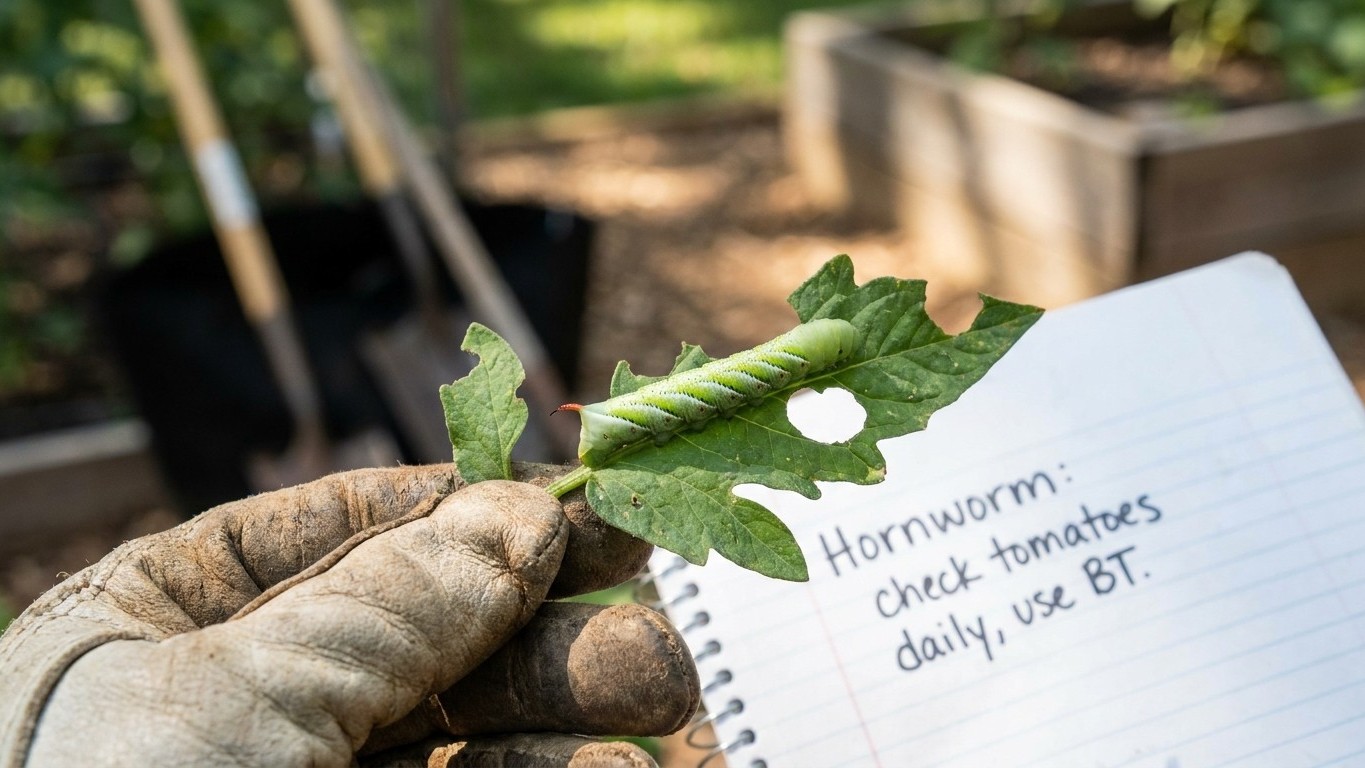
A rundown of the seven pests Arkansas’s extension service tracks in home gardens, how to spot each one, and when they peak.
Home & garden, state by state
Everything we have worked out for Arkansas: what to plant and when, which varieties finish in time, the pests that actually turn up here, and the jobs that pay off month by month. We also cover the rest of the property, from lawns and soil to home care and energy, because a garden rarely stops at the vegetable bed.
The numbers first, because everything else follows from them. Measured at the weather station in Little Rock, the last spring freeze runs March 12 to March 28 and the first fall freeze runs November 7 to November 20, USDA zones 6b-8a, 5,606 growing degree days in the year.
Garlic does well: 13 weeks below 40 °F, comfortably past the six it needs to form a proper head.
Elsewhere on the property in Arkansas: the pests that turn up here.
Figures from NOAA's 1991-2020 climate normals. A state is not one climate: elevation, a large lake or the coast can move these dates by two weeks either way, so check your own county with the extension service before you spend money.
A rundown of the seven pests Arkansas’s extension service tracks in home gardens, how to spot each one, and when they peak.
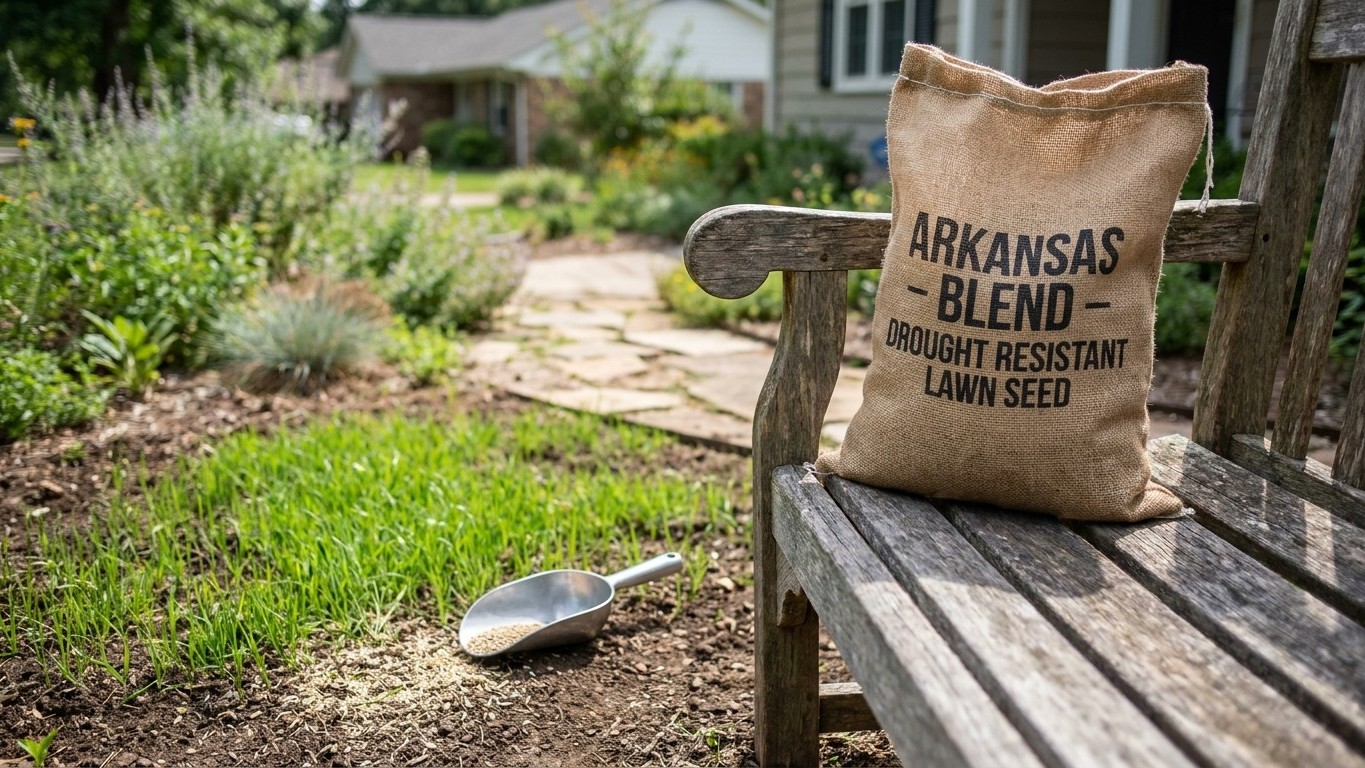
Arkansas lawns need a warm-season grass, and this guide ranks Bermudagrass, Zoysiagrass, Centipedegrass, St. Augustinegrass and three others by cost, not by a single winner.
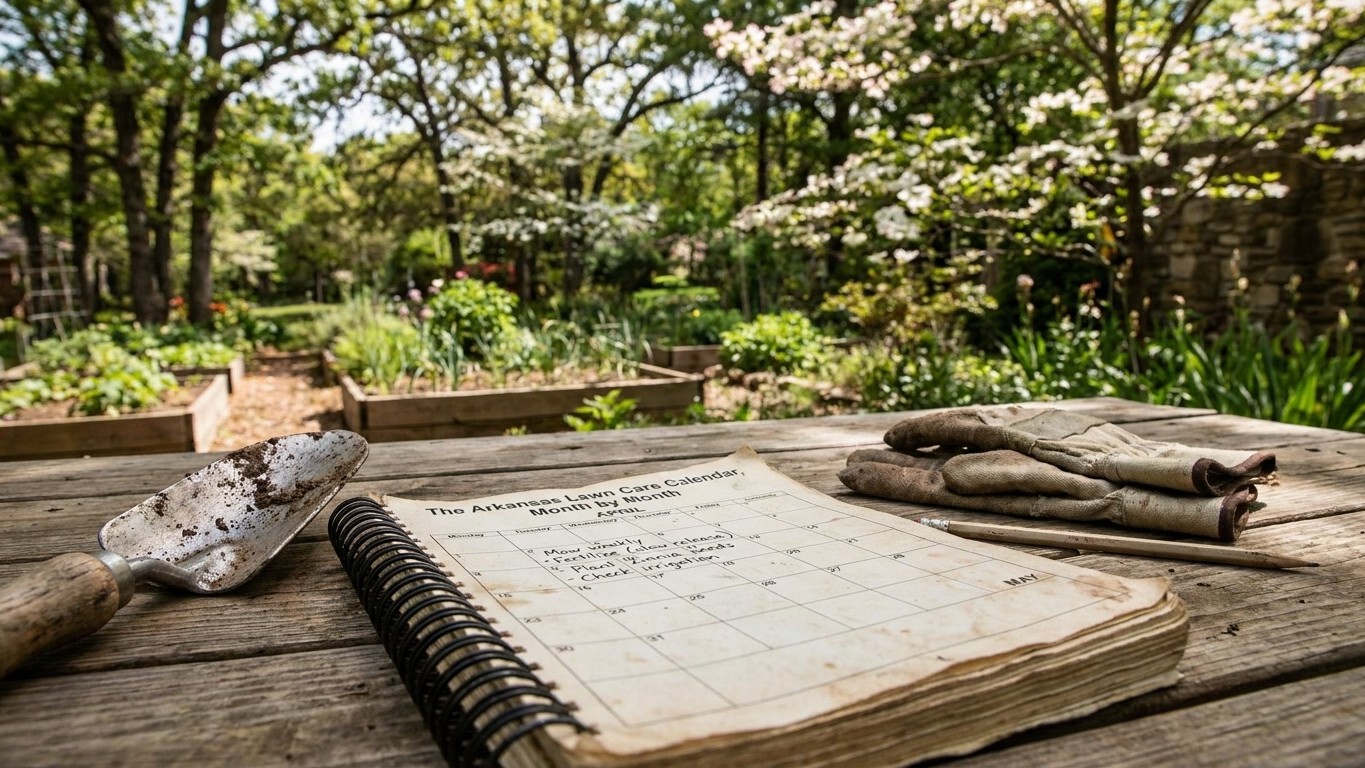
A month-by-month guide to mowing, feeding, aeration and frost timing for warm-season lawns across Arkansas, anchored to Little Rock’s climate normals.
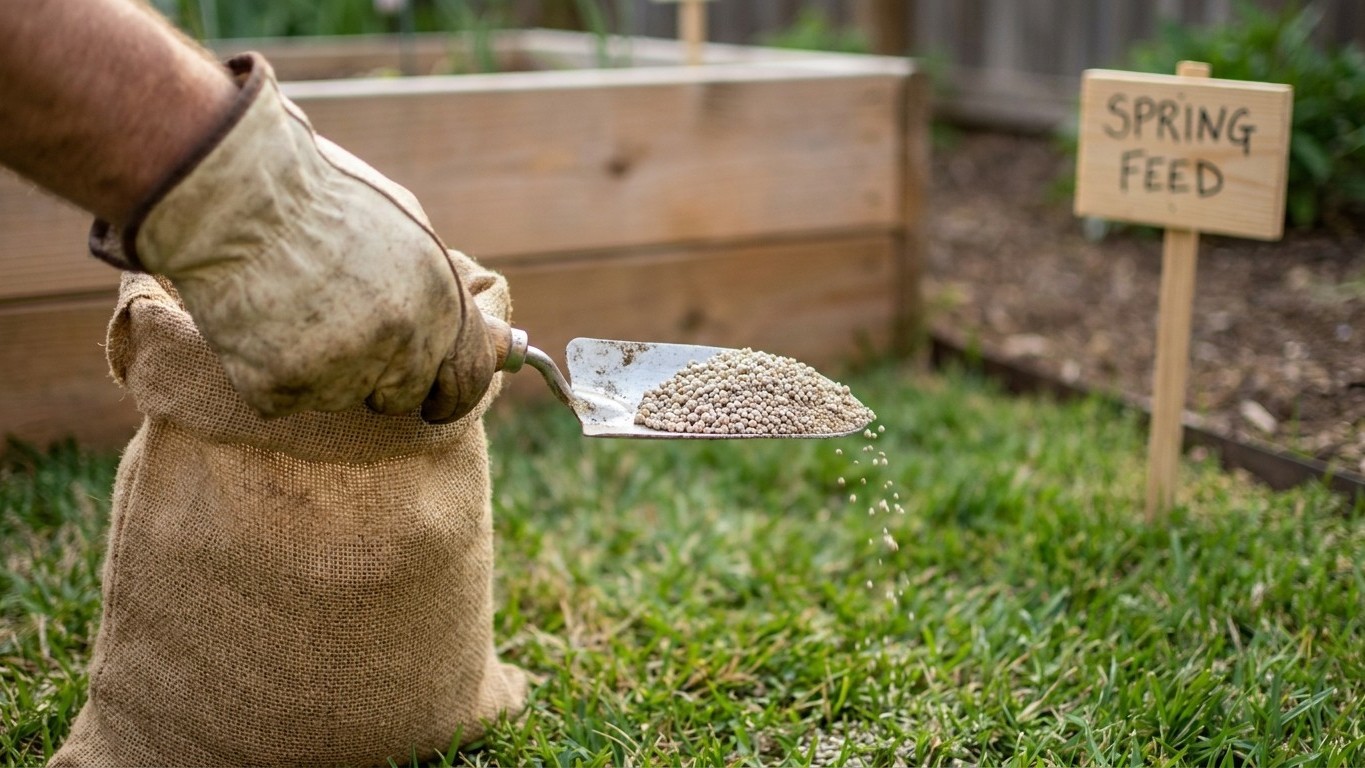
Arkansas lawn care explained through Little Rock’s own climate normals, with species, planting windows, feeding rates, and common failures named.
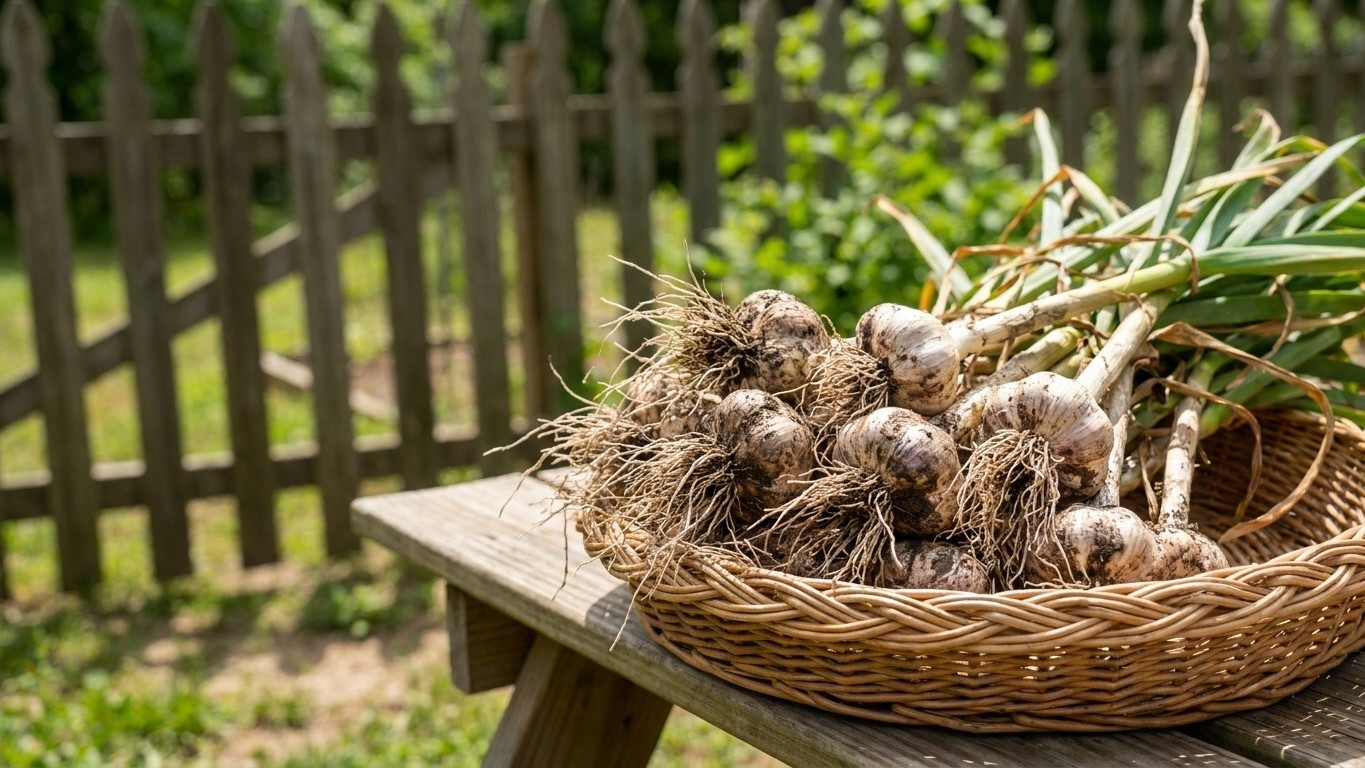
Softneck garlic like Inchelium Red and Lorz Italian handles Arkansas’s mild winters more reliably than hardnecks, which need sustained cold to bulb well.
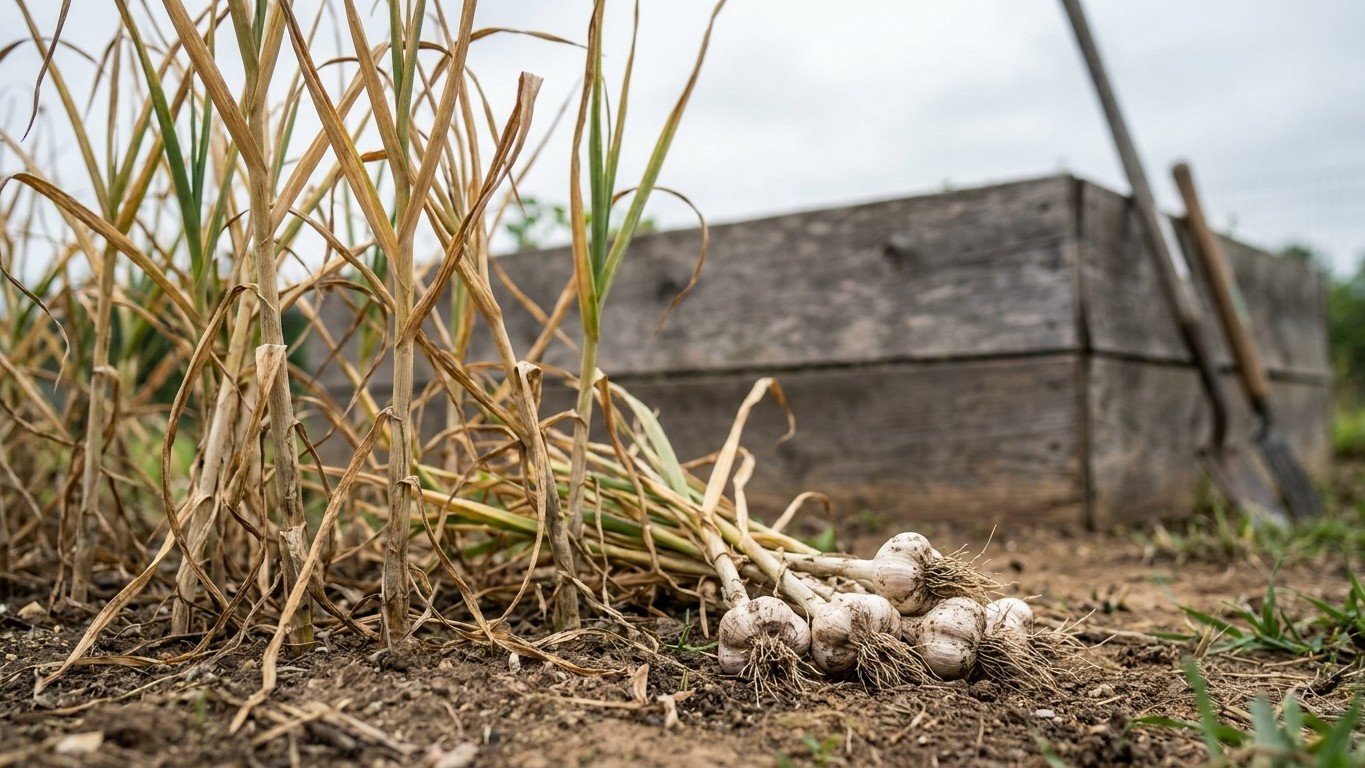
Garlic in Arkansas goes into the ground in mid to late October, about three to four weeks before NOAA’s Little Rock frost normals show the first freeze.
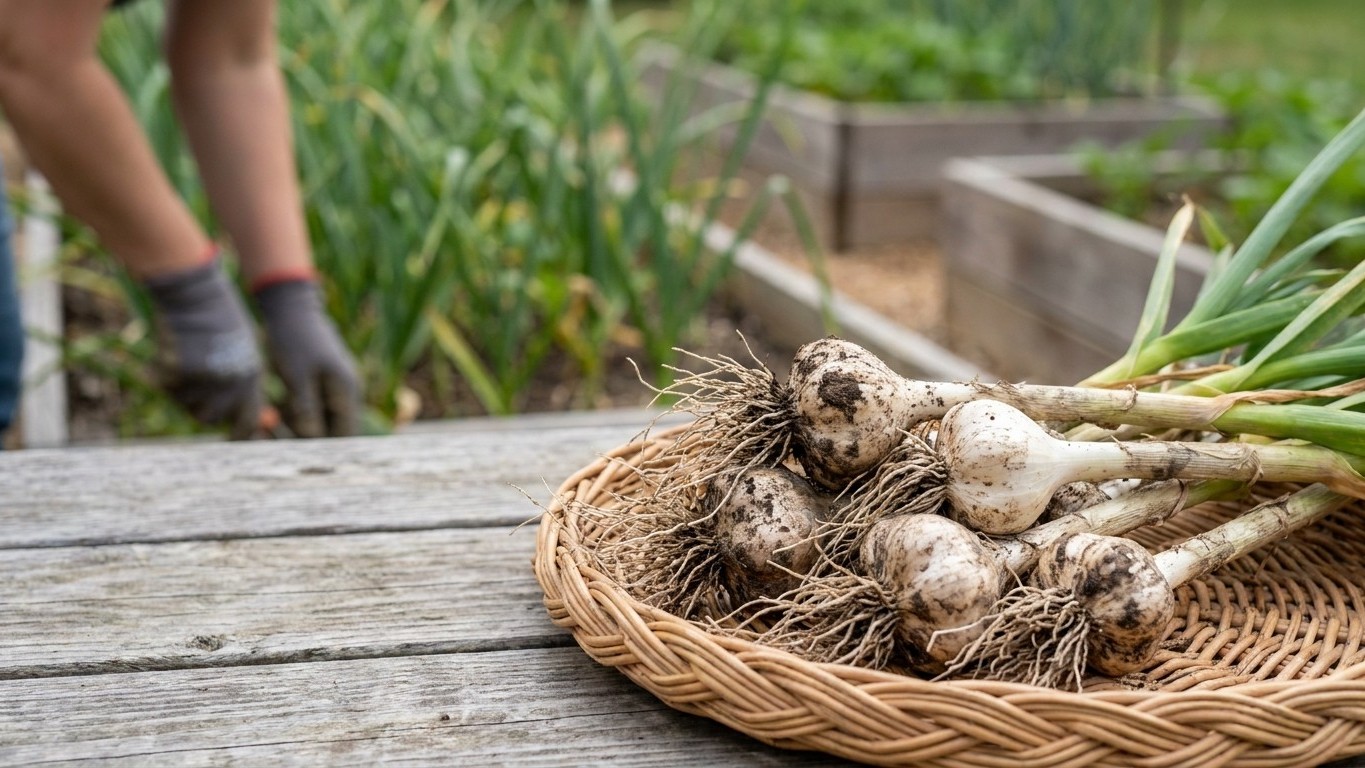
A frost-date breakdown of when to plant garlic in Arkansas, which cultivars fit the state’s winters, and what the local disease pressure actually is.
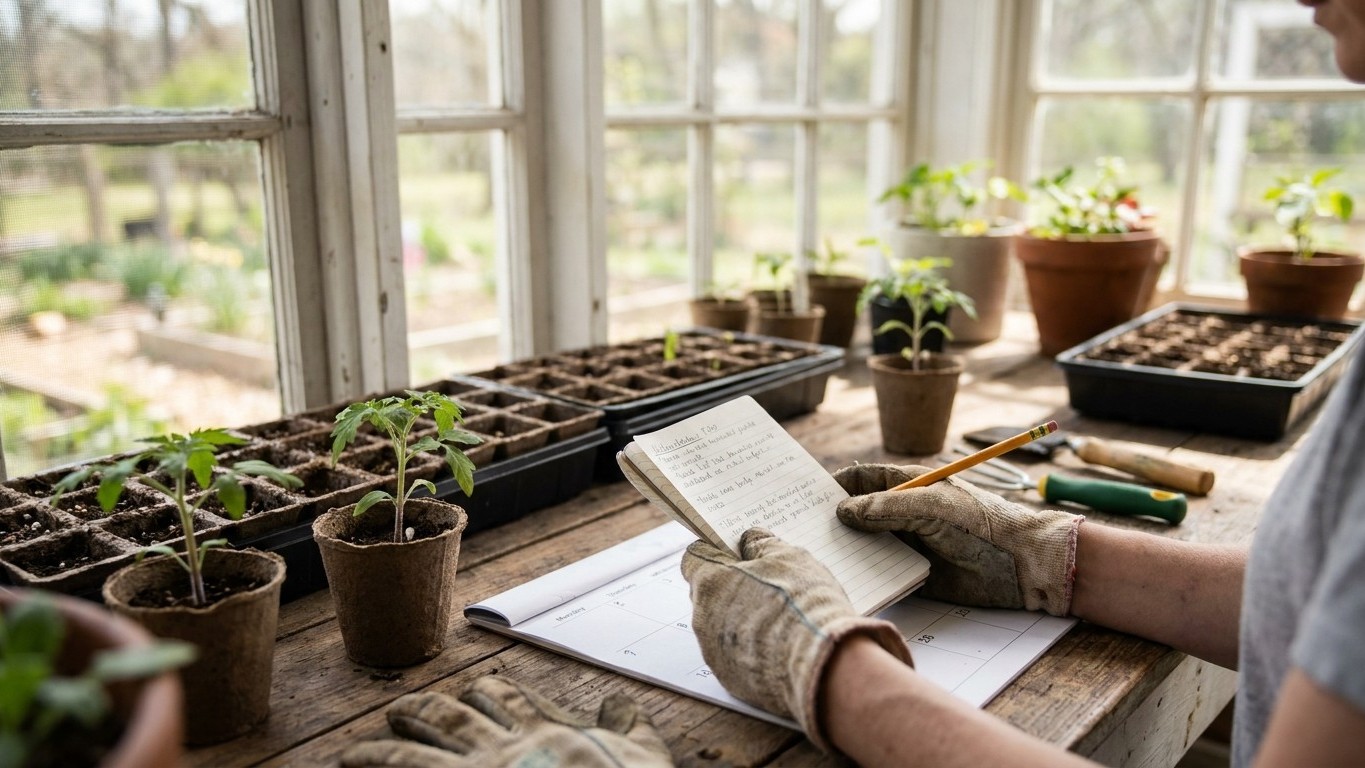
Arkansas gardeners can use NOAA’s Little Rock frost data and the state’s light-frost threshold to time tomato transplants without losing plants to a late cold snap.
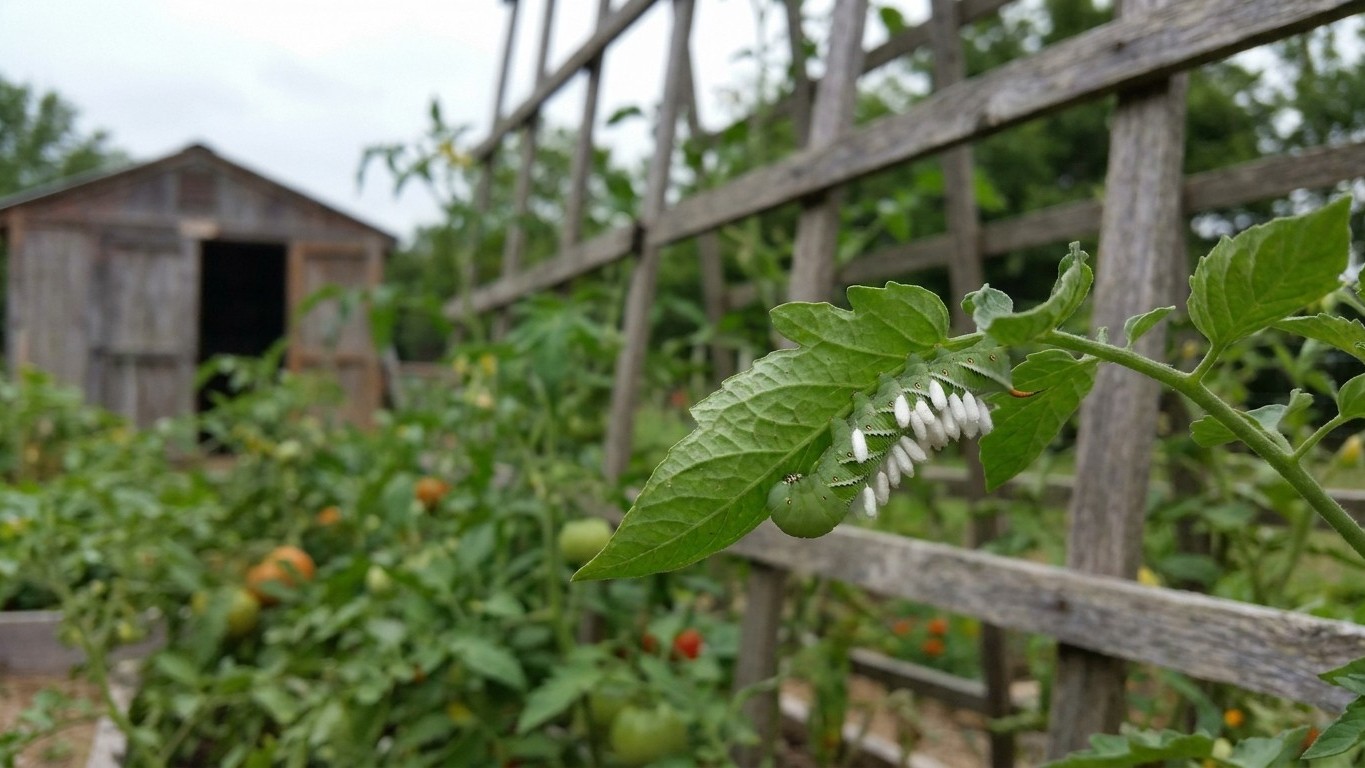
A season-by-season look at the tomato pests common in Arkansas gardens, how to identify each one, and which control actually works.
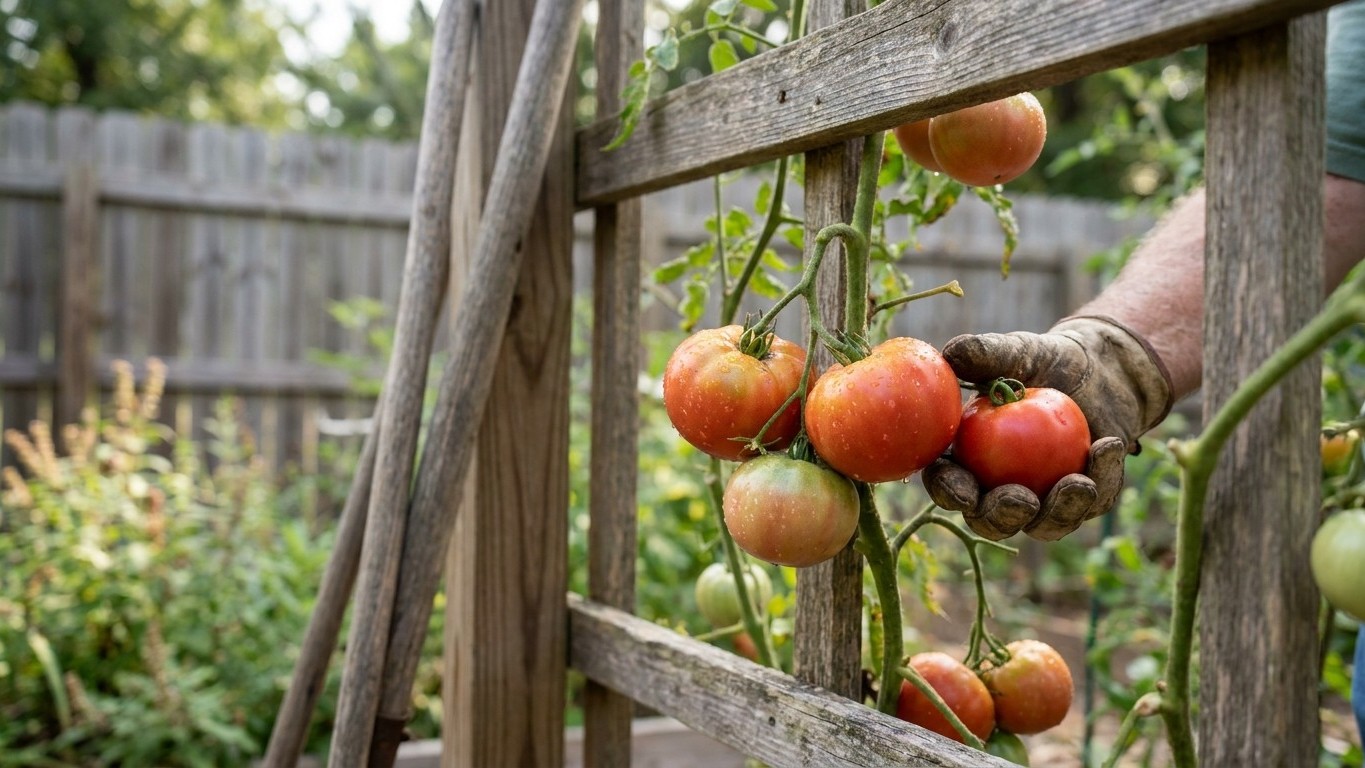
Little Rock’s frost-free window is long enough for most tomatoes to ripen; disease resistance, not days to maturity, decides the real winners here.