When to Carve a Pumpkin in Arkansas
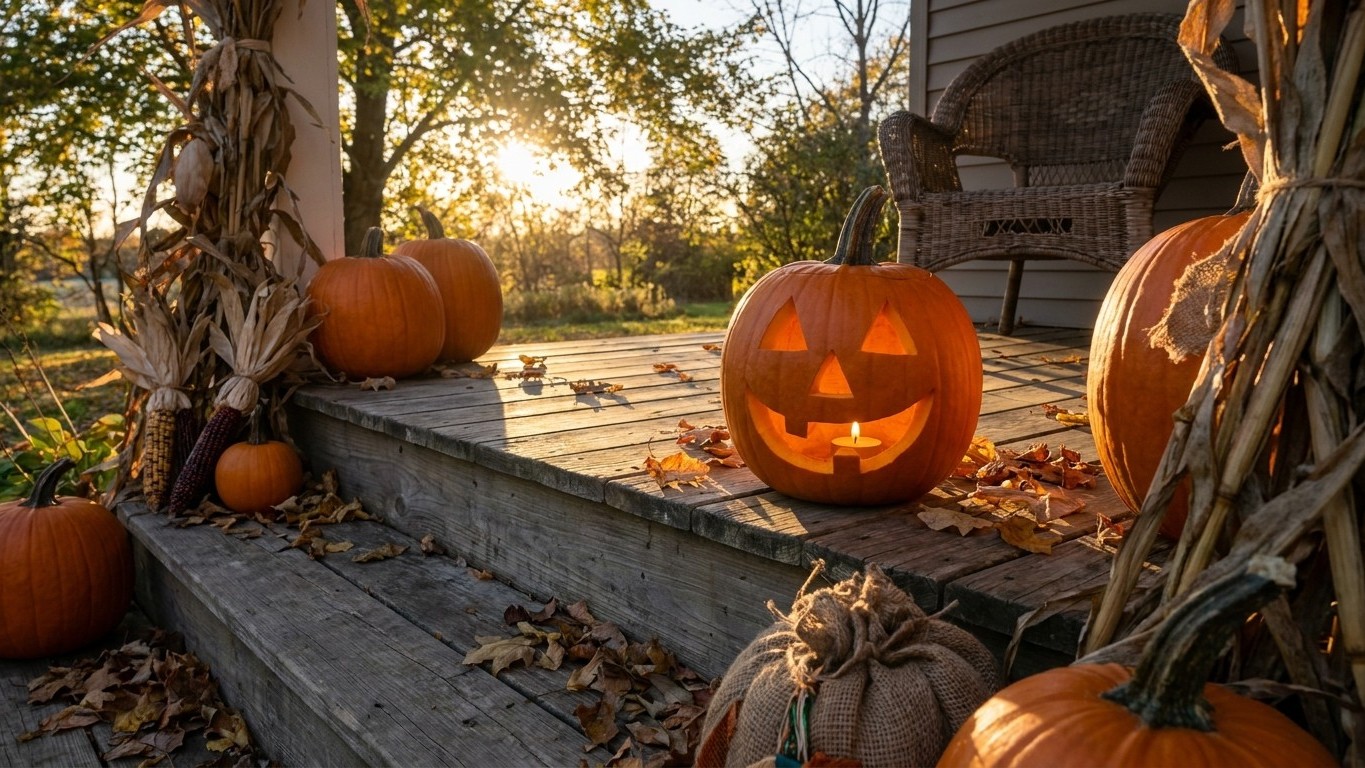
Arkansas pumpkin carvers get a rare gift: frost almost never shows up before Halloween.
Home & garden, state by state
Everything we have worked out for Arkansas: what to plant and when, which varieties finish in time, the pests that actually turn up here, and the jobs that pay off month by month. We also cover the rest of the property, from lawns and soil to home care and energy, because a garden rarely stops at the vegetable bed.
The numbers first, because everything else follows from them. Measured at the weather station in Little Rock, the last spring freeze runs March 12 to March 28 and the first fall freeze runs November 7 to November 20, USDA zones 6b-8a, 5,606 growing degree days in the year.
Garlic does well: 13 weeks below 40 °F, comfortably past the six it needs to form a proper head.
Elsewhere on the property in Arkansas: the pests that turn up here.
Figures from NOAA's 1991-2020 climate normals. A state is not one climate: elevation, a large lake or the coast can move these dates by two weeks either way, so check your own county with the extension service before you spend money.
Arkansas pumpkin carvers get a rare gift: frost almost never shows up before Halloween.
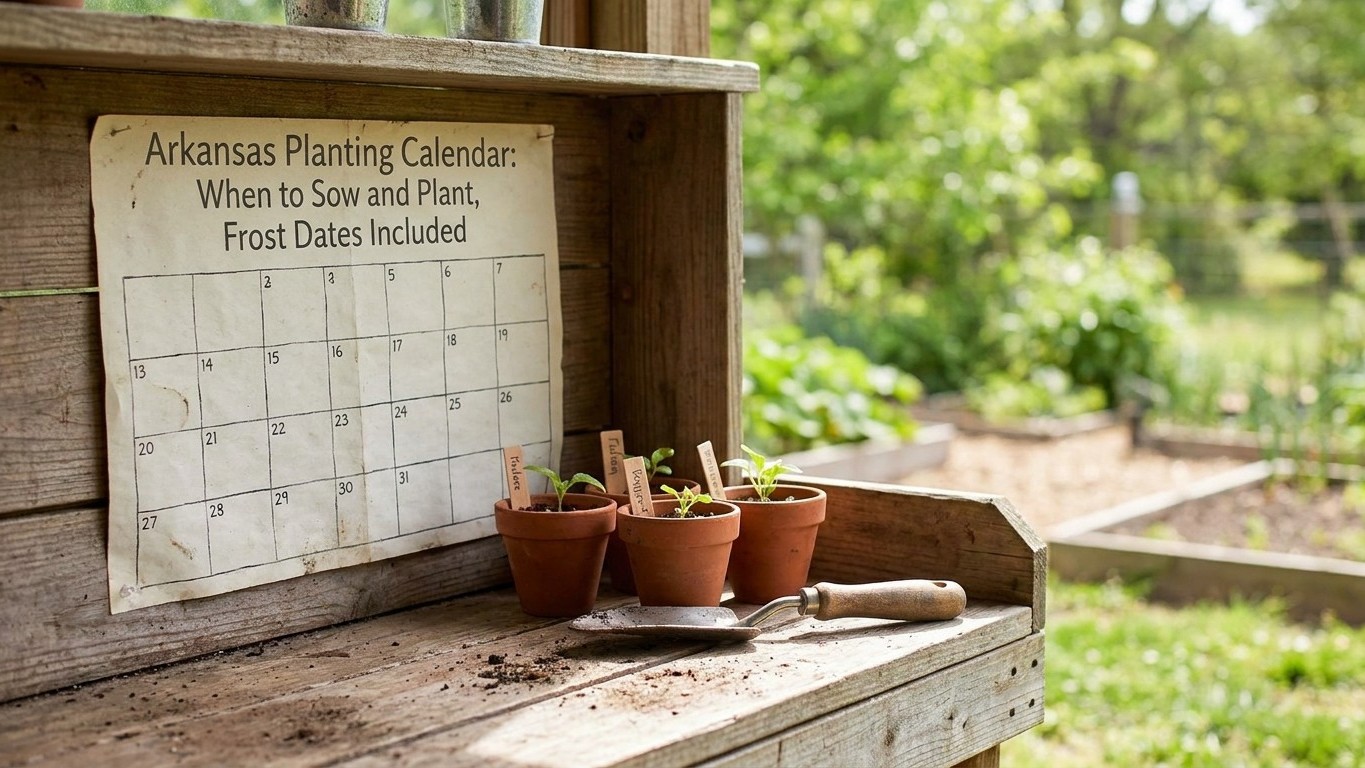
Little Rock’s NOAA frost normals give Arkansas a 224-to-253-day growing season, running from mid-to-late March through early-to-mid November, with warmer and cooler counties on either side.
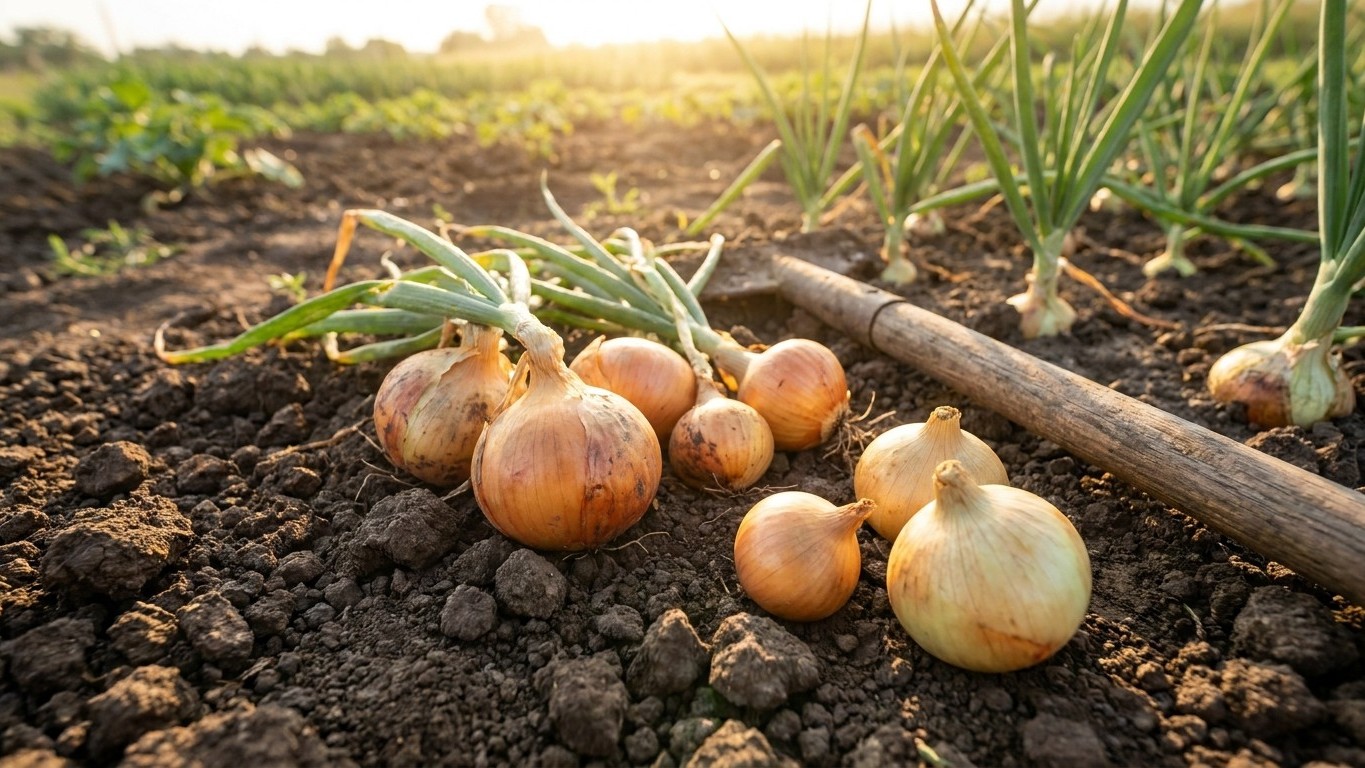
Arkansas sits at 34.73 degrees north latitude, measured at Little Rock, and on the longest day of the year the sun gives that spot 14 hours and 20…
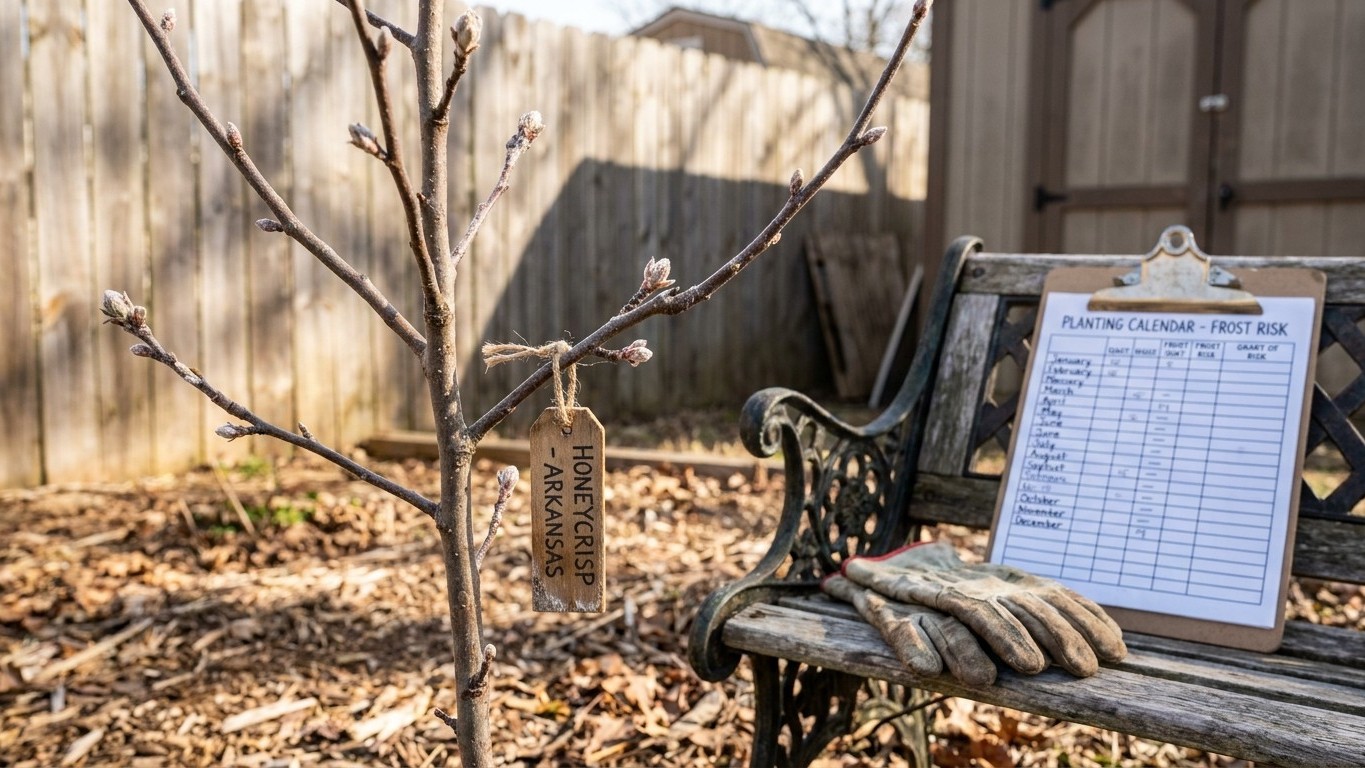
Arkansas’s USDA zones 6b to 8a and mild Little Rock winters support apples if you choose a moderate-chill variety and a compatible pollinizer.
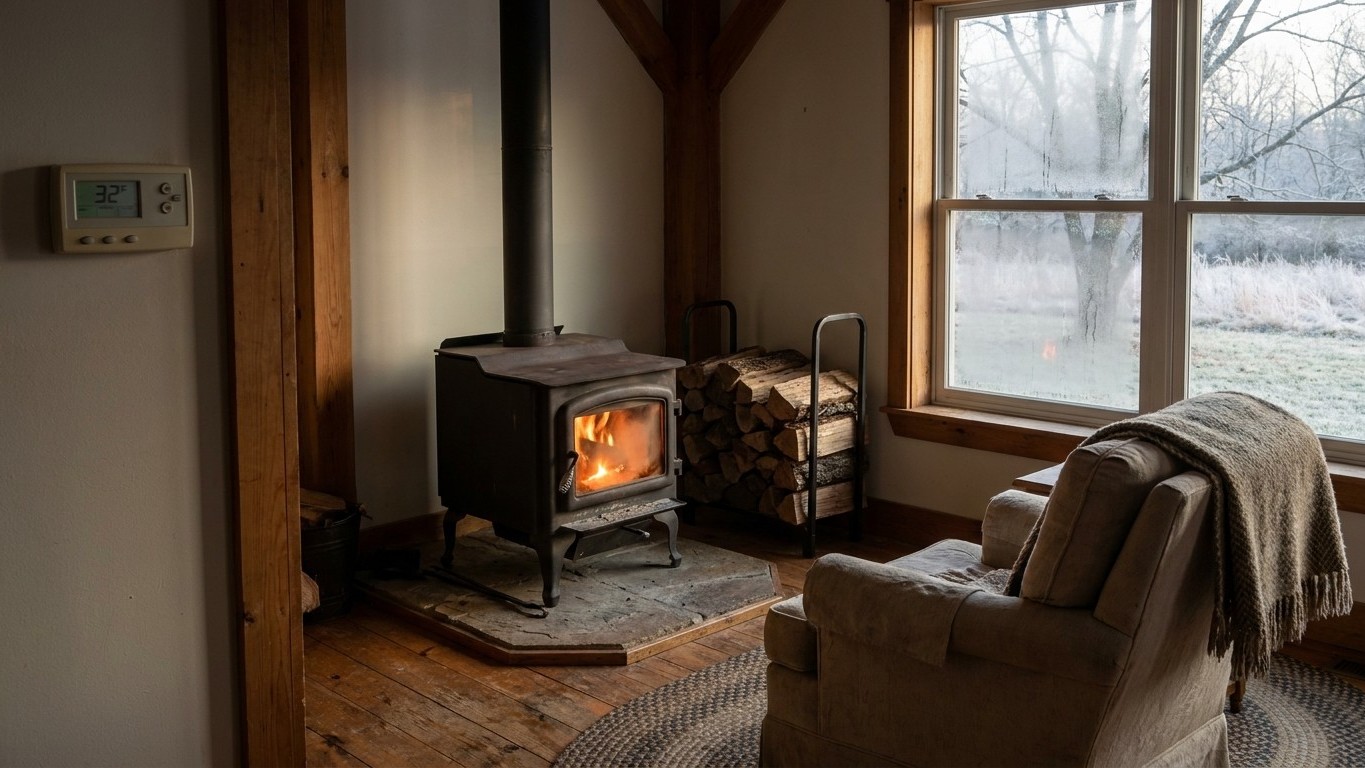
Little Rock’s coldest month bottoms out at a mean daily minimum of 30.9°F, a number that lands right at the edge of freezing rather than deep into it.
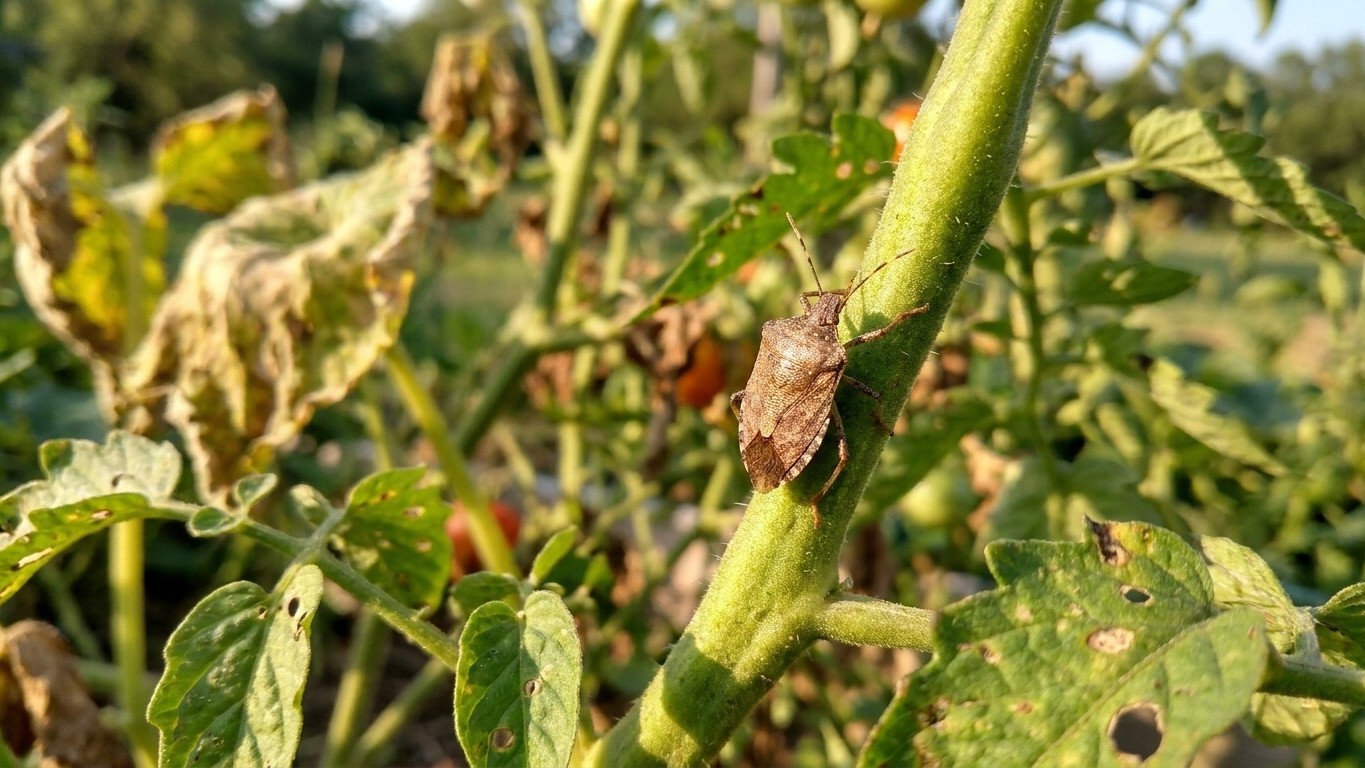
Stink bugs show up across Arkansas gardens from late spring through fall, tracking the same warm-season stretch that brings on most of the state’s other…
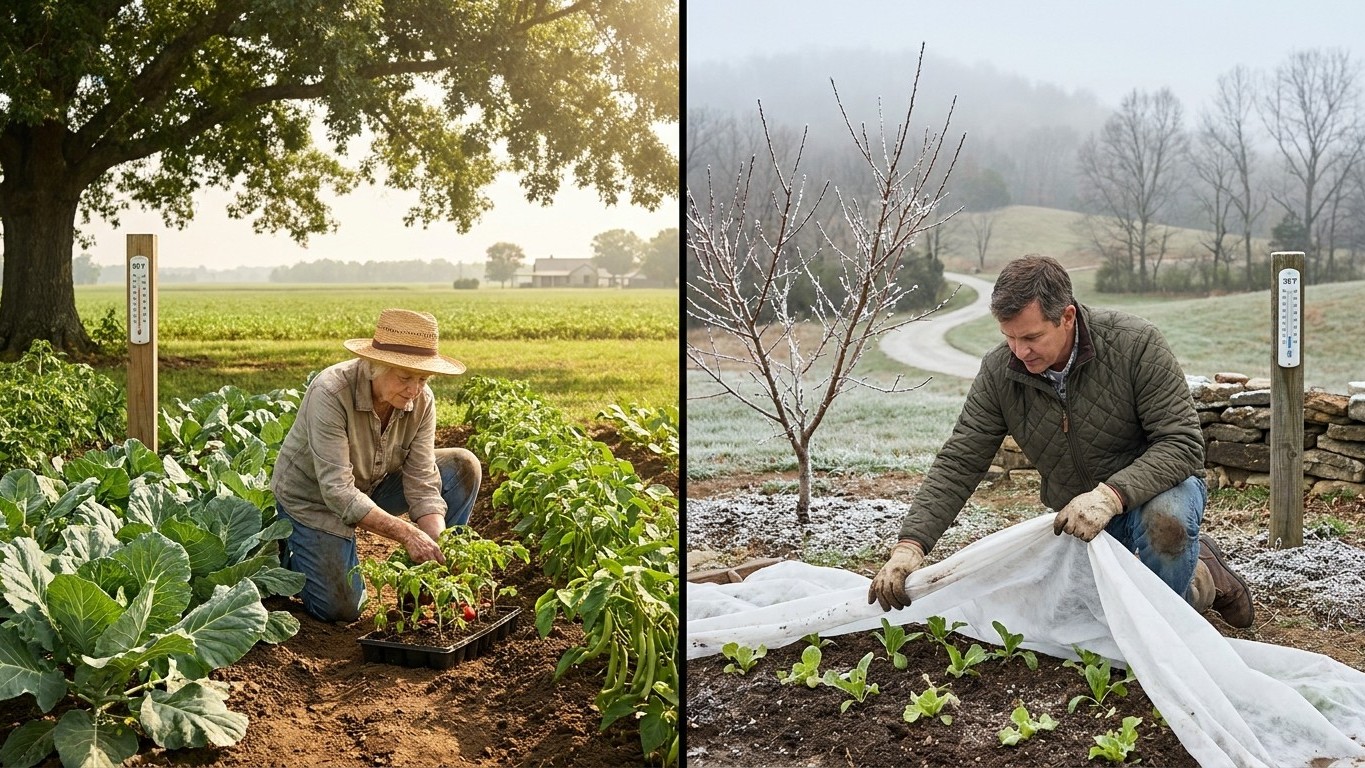
Arkansas gardeners work with a split personality of a state: humid subtropical summers that punish anything planted too early, and winters mild enough in…
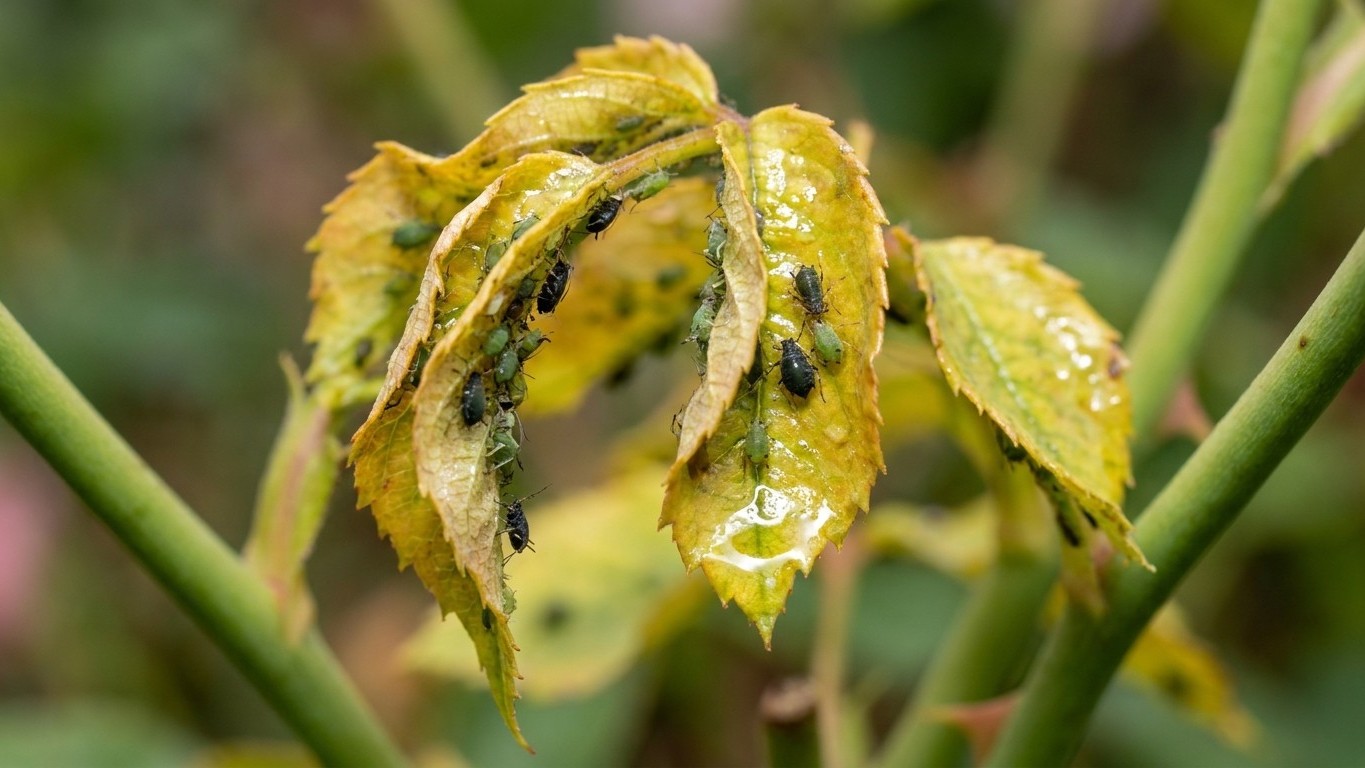
Aphids show up in Arkansas as early as late March in the southern Delta and stick around through October, with population spikes tied to two things…
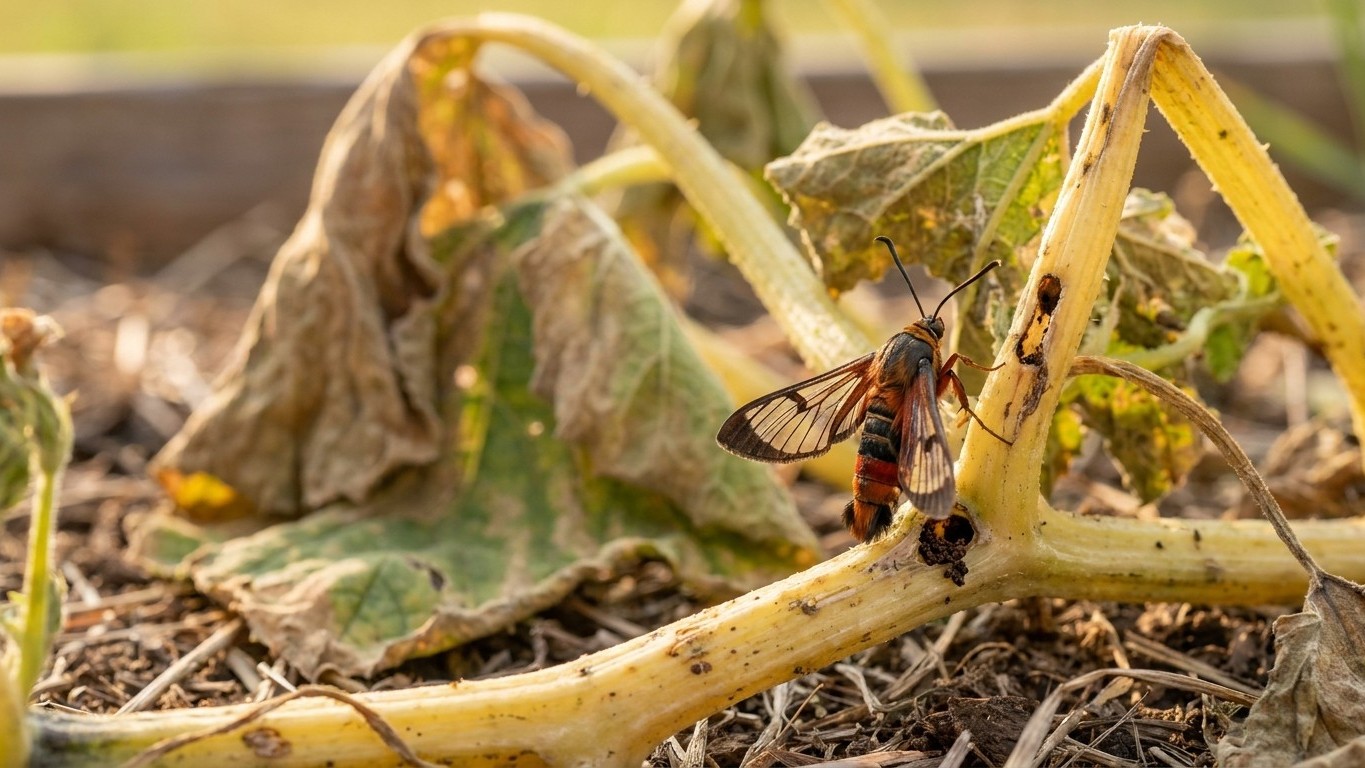
Squash vine borer moths start showing up in Arkansas gardens as early as mid-May in the southern half of the state and typically no later than early June…
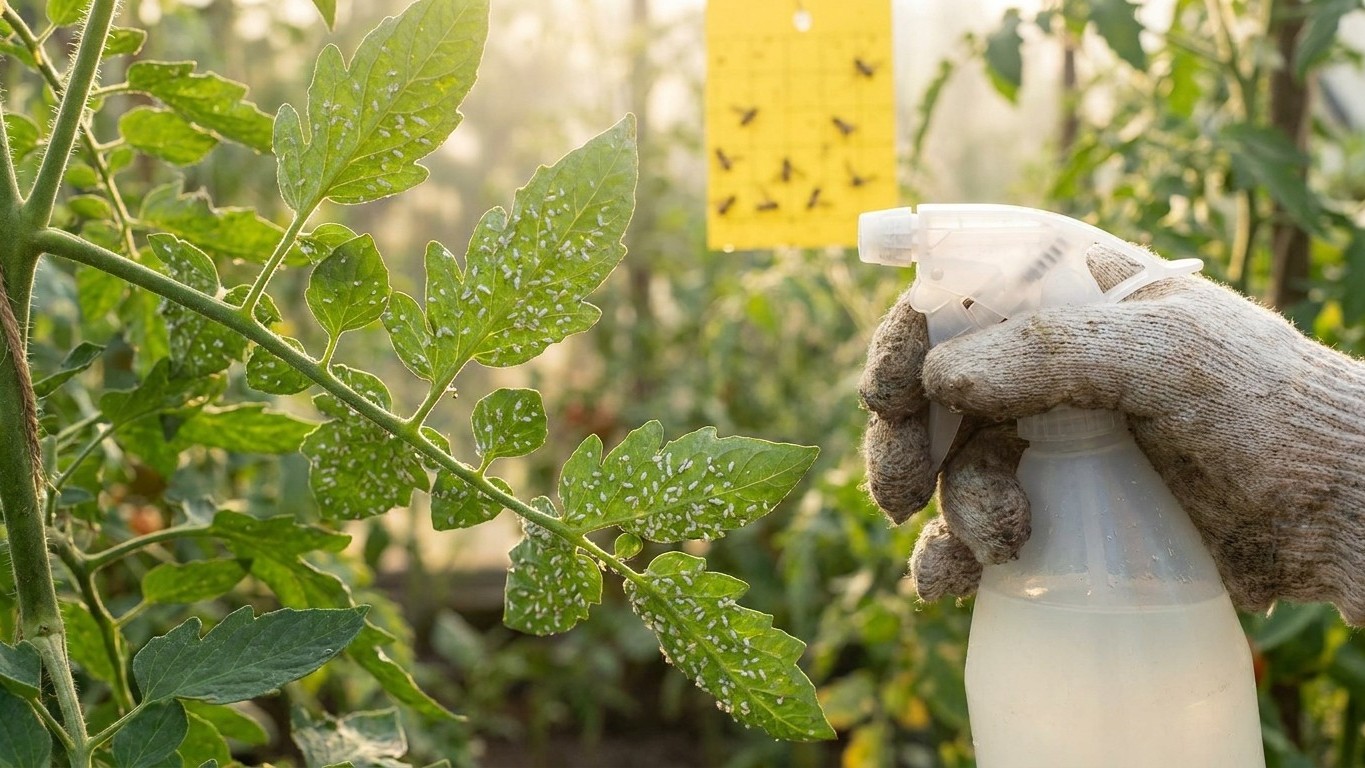
Whiteflies become active in Arkansas as soon as daytime temperatures hold steady above 70°F, which usually means late April in the southern Delta and…