When Does the Heating Season Start in British Columbia?
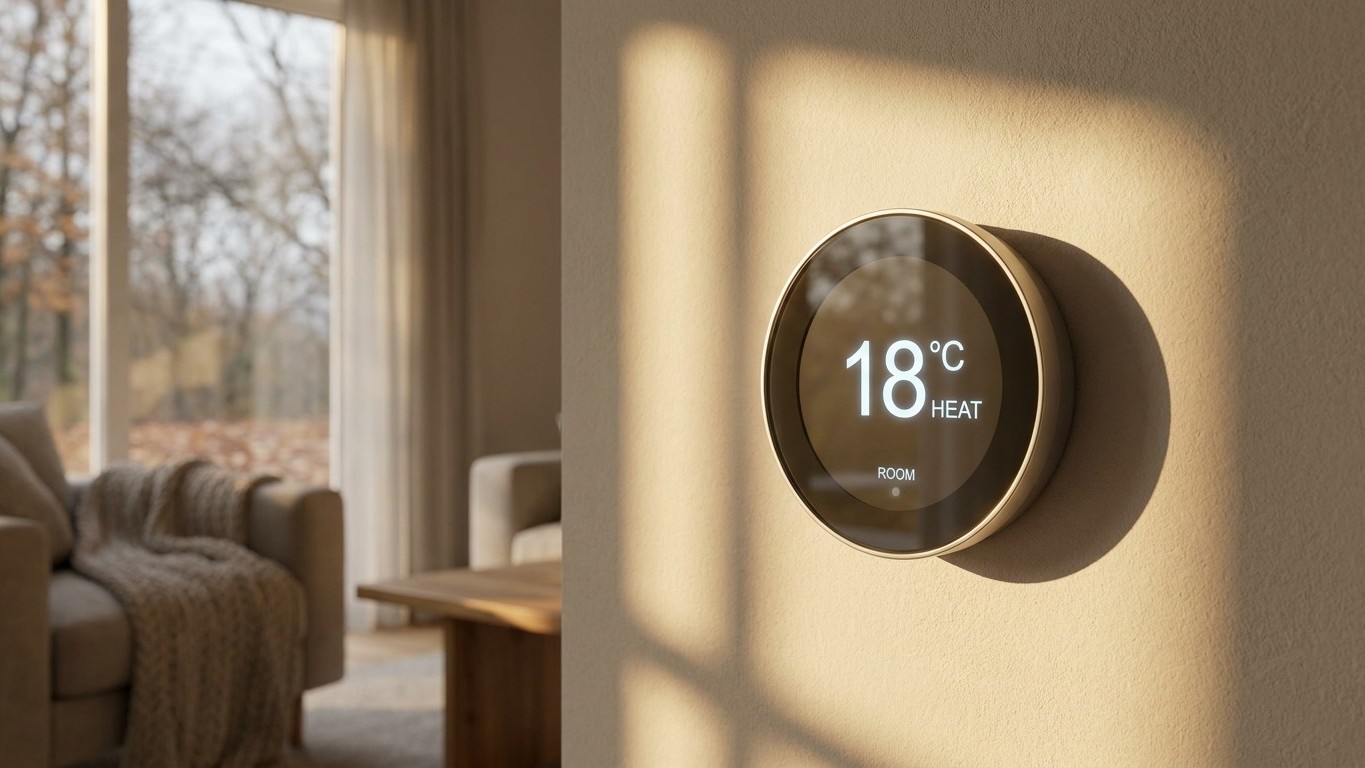
The heating season in British Columbia has no single “on” date, but the pattern behind it is clear once you look at the degree-day math.
Home & garden, state by state
Everything we have worked out for British Columbia: what to plant and when, which varieties finish in time, the pests that actually turn up here, and the jobs that pay off month by month. We also cover the rest of the property, from lawns and soil to home care and energy, because a garden rarely stops at the vegetable bed.
The numbers first, because everything else follows from them. Measured at the weather station in Vancouver, the last spring freeze falls around March 18 and the first fall freeze falls around November 10, 1,738 growing degree days in the year.
That is enough for early varieties, tight for anything late. Garlic does well: 21.8 weeks below 40 °F, comfortably past the six it needs to form a proper head.
Elsewhere on the property in British Columbia: the pests that turn up here.
Figures from Environment and Climate Change Canada. A state is not one climate: elevation, a large lake or the coast can move these dates by two weeks either way, so check your own county with the extension service before you spend money.
The heating season in British Columbia has no single “on” date, but the pattern behind it is clear once you look at the degree-day math.
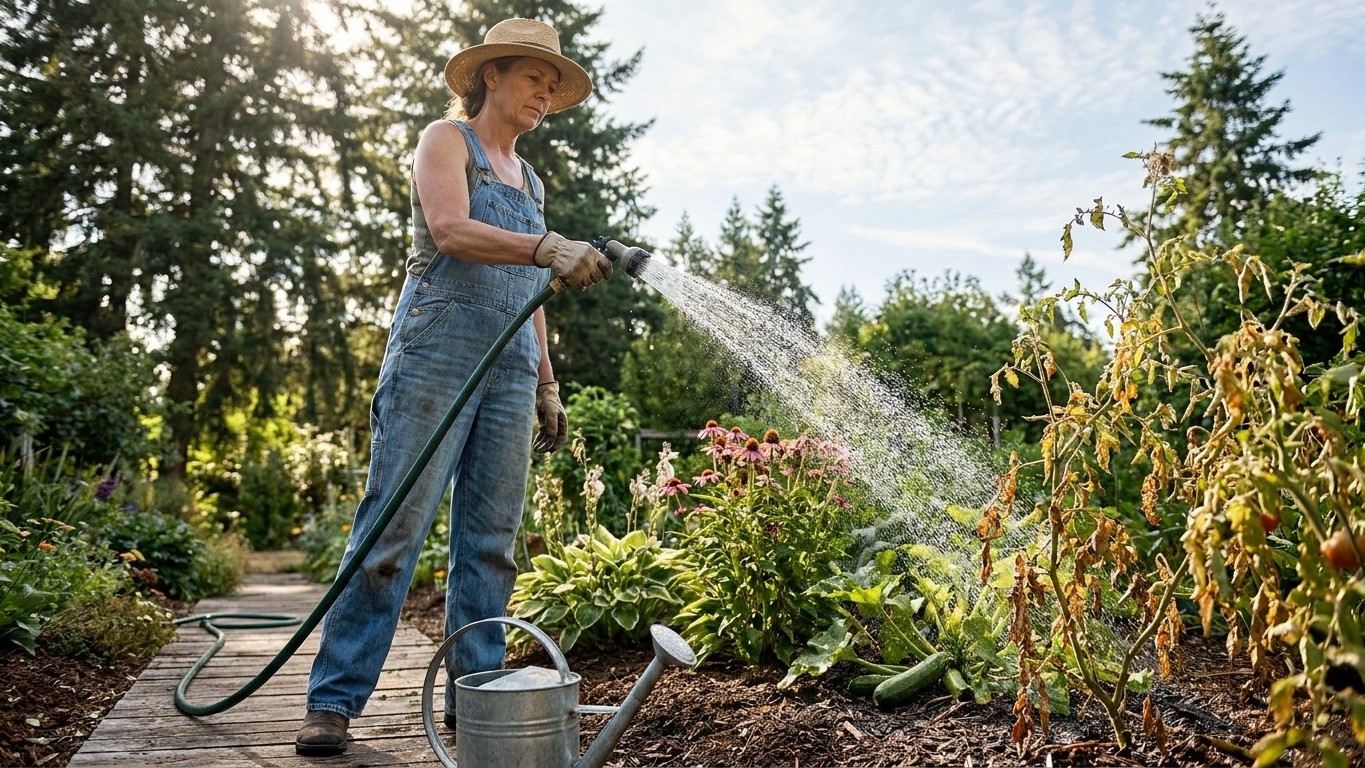
Vancouver’s reference station gets just 1.4 inches of rain in July, its driest summer month, and averages 0.0 days a year at or above 90F.
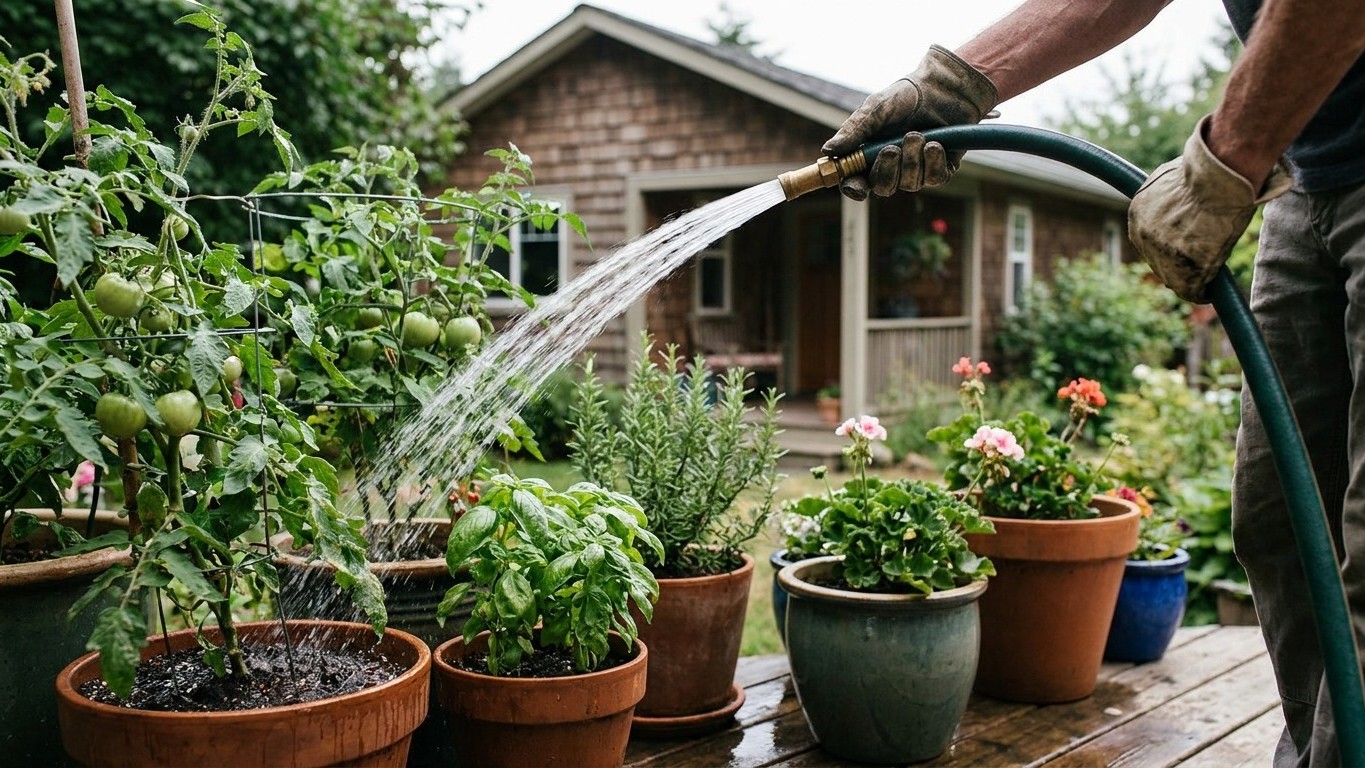
British Columbia’s coast gets more summer rain than most of the American West, but its driest month still leaves a real gap between what falls from the…
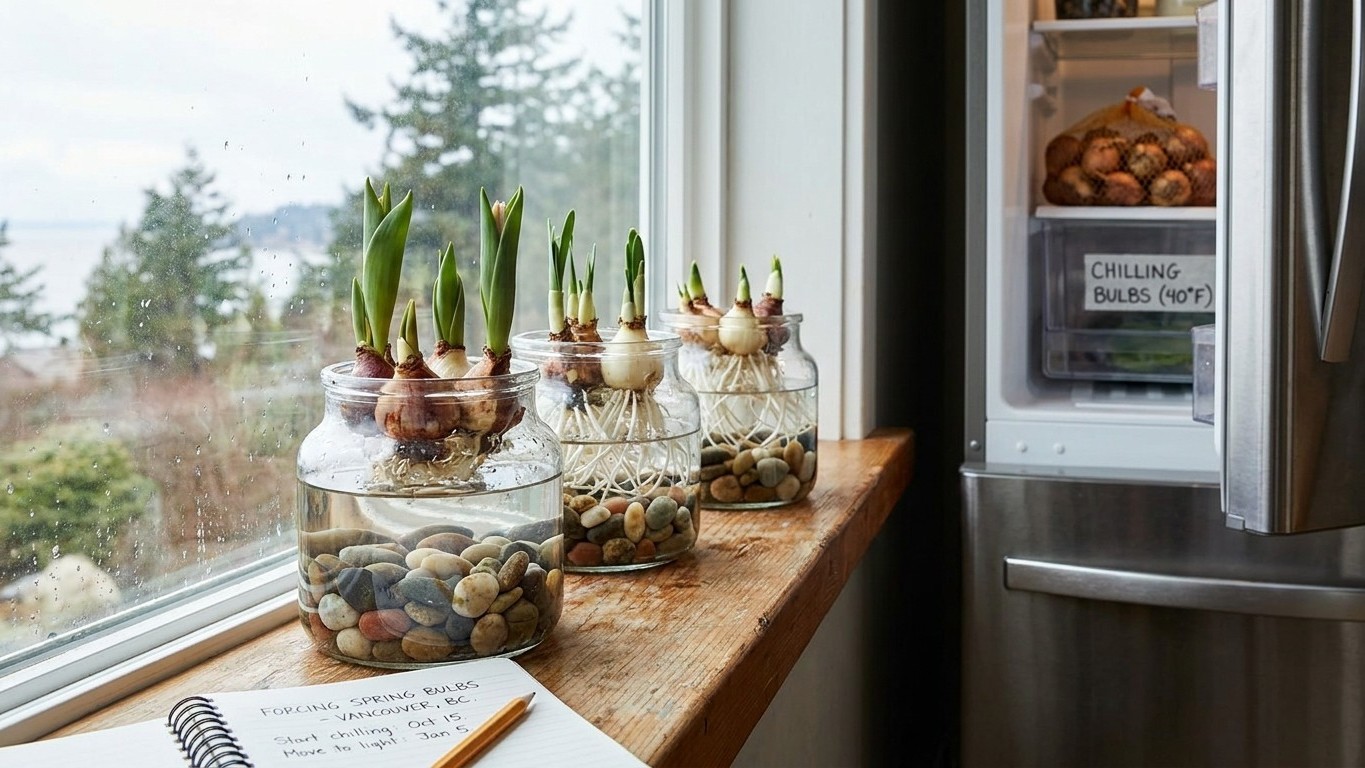
Vancouver’s coldest month averages a nightly low of just 33.5°F, and that single number explains why so many gardeners here end up chilling tulip and…
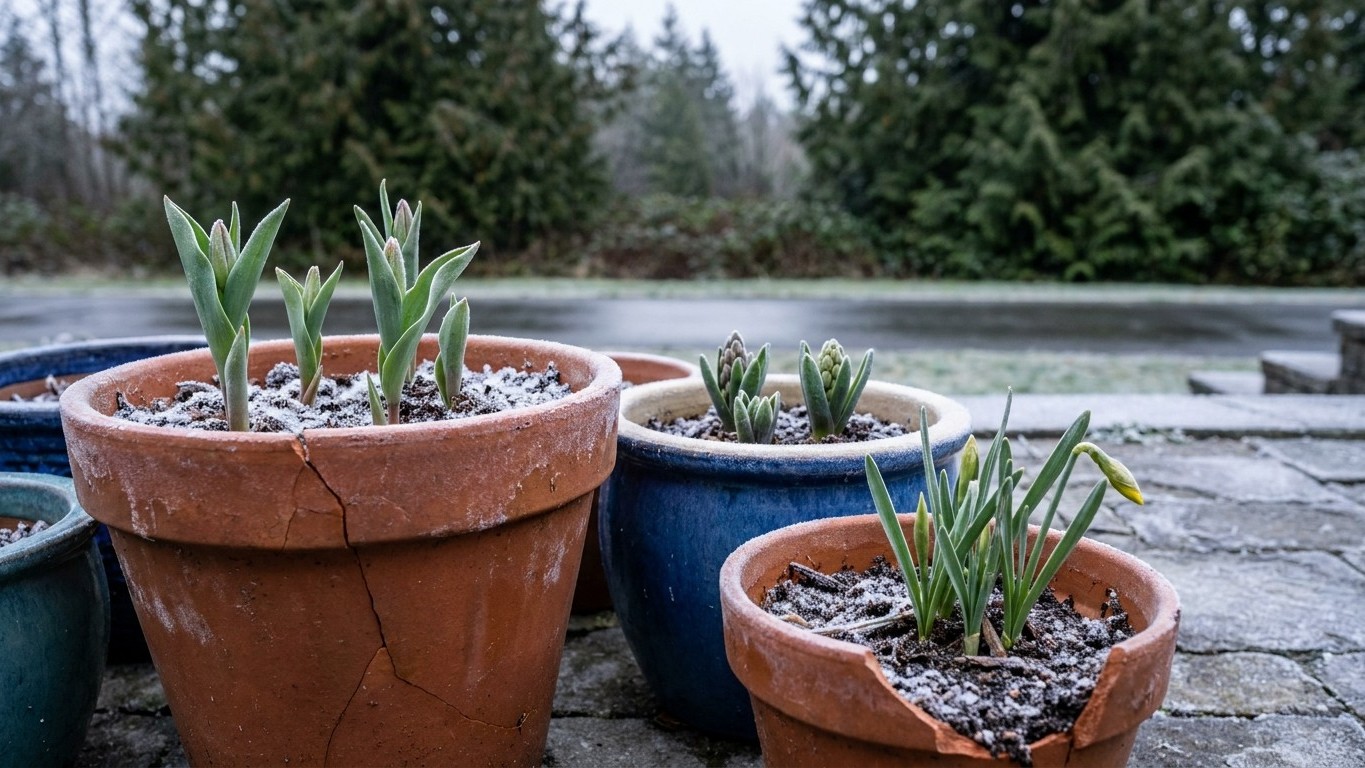
Spring bulbs in pots face two separate problems in British Columbia, and only one applies here.
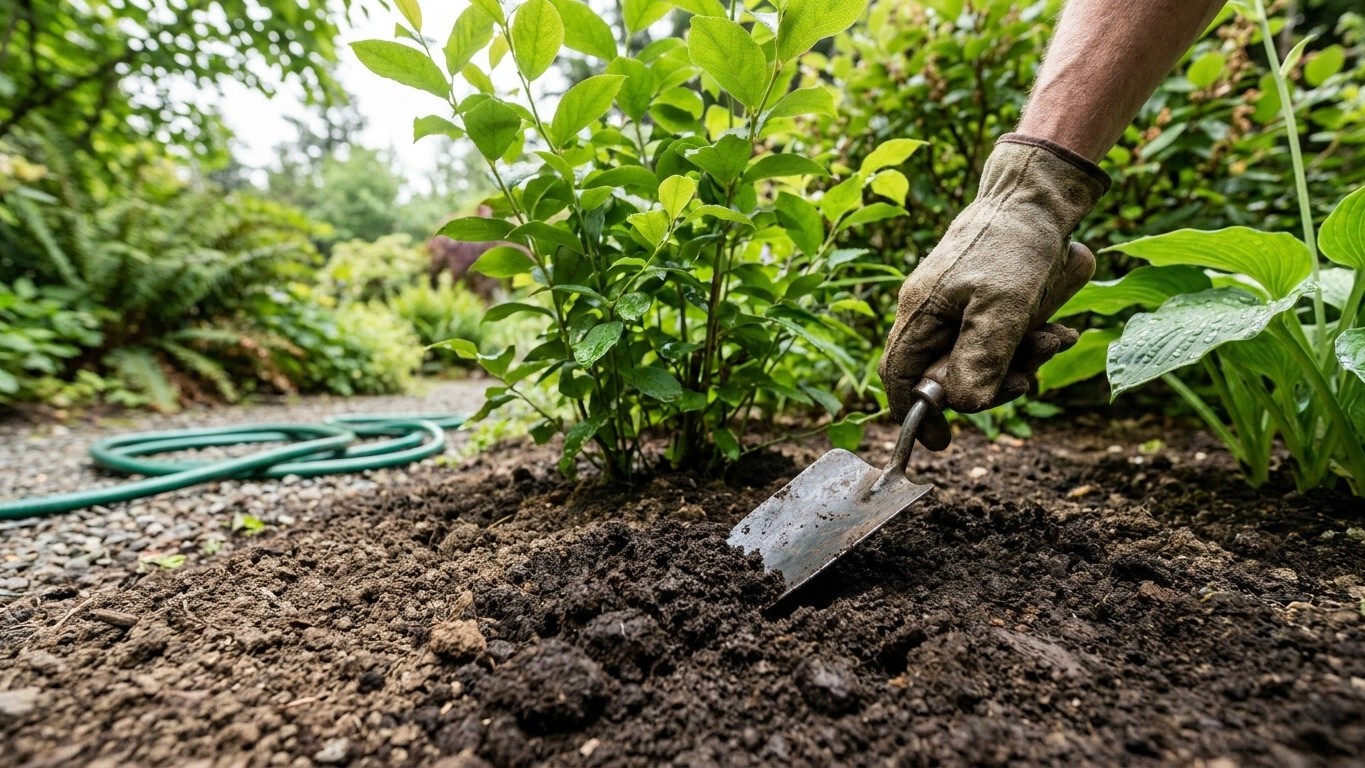
Watering rules in British Columbia mean two things at once: the physical practice of giving plants deep, infrequent soakings instead of daily sips, and…
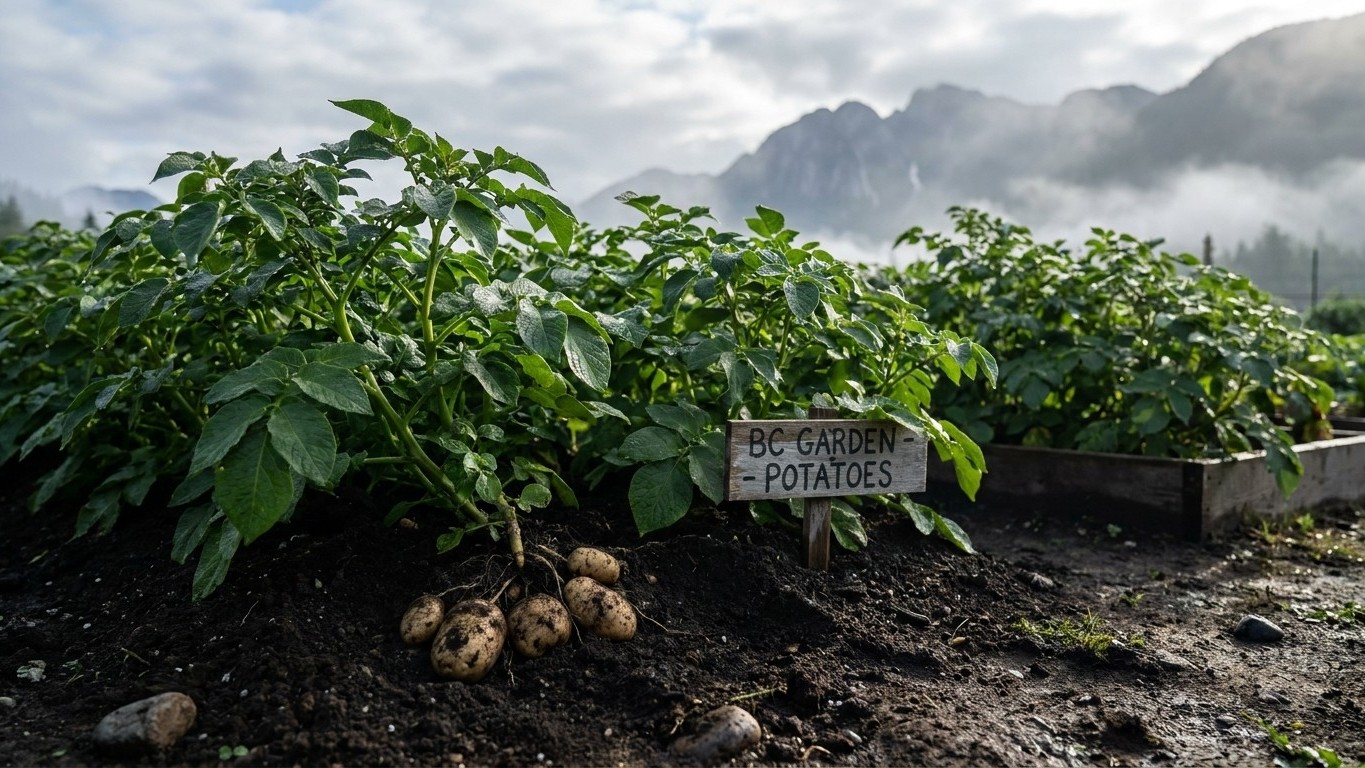
British Columbia’s coastal climate almost never punishes potatoes with heat: the reference station shows zero days a year at 90 F or above.
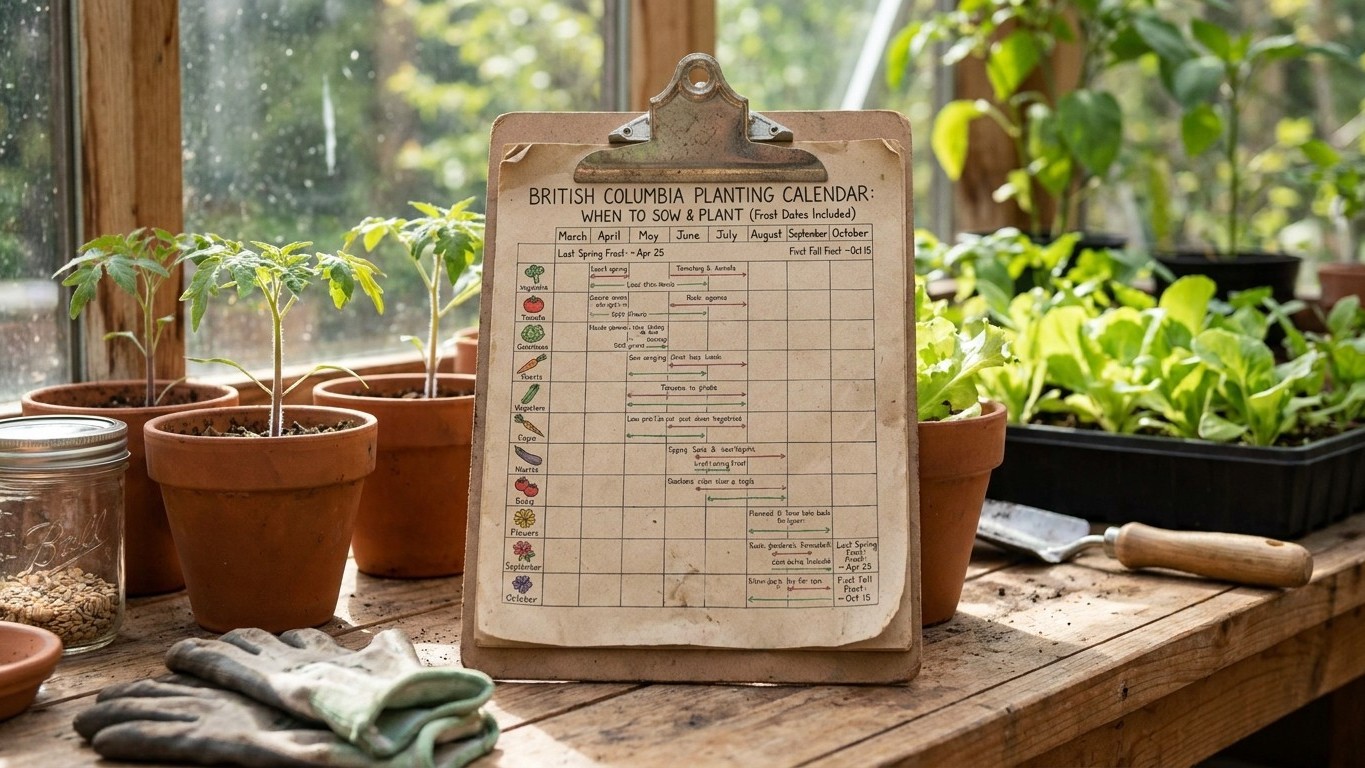
Frost dates from Environment and Climate Change Canada, cool- and warm-season timing, and fall planting windows for gardeners across British Columbia.
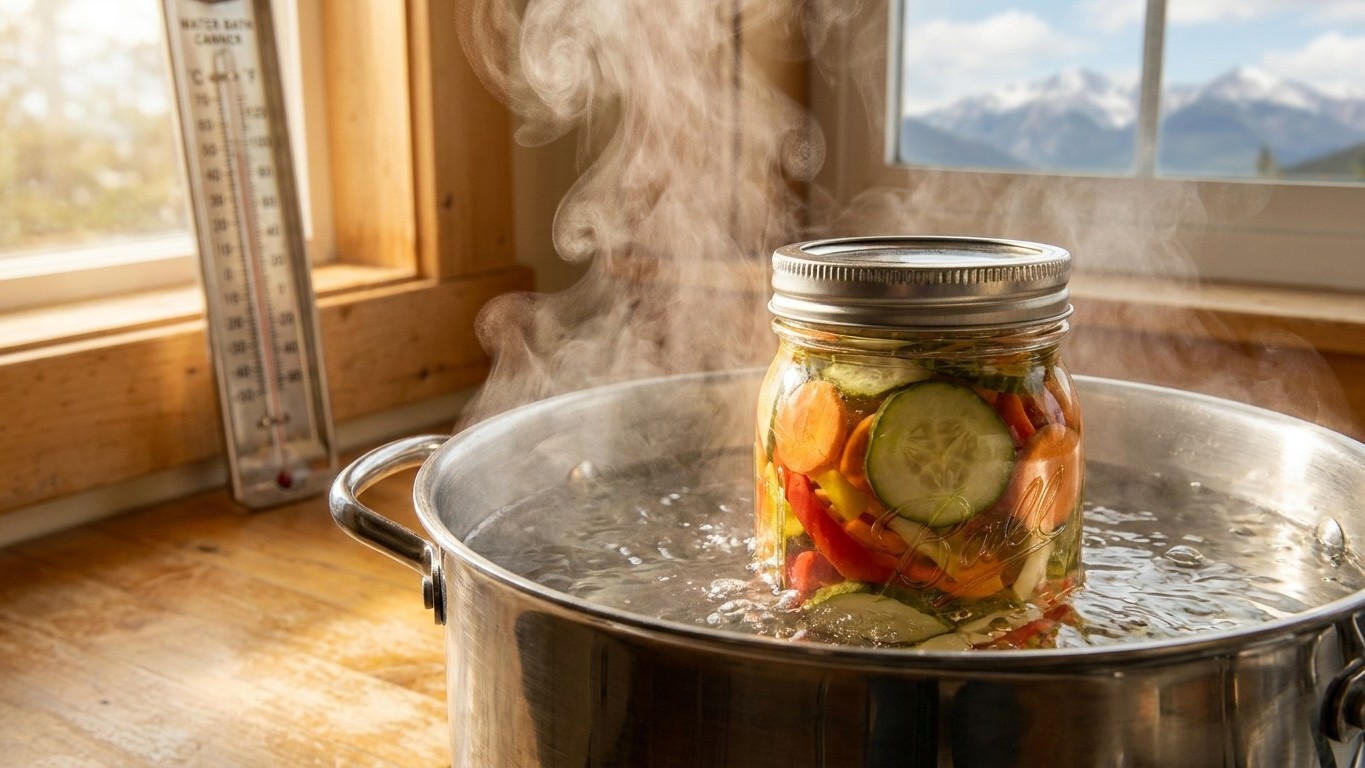
At Vancouver’s elevation of 230 feet, water boils somewhere between 208°F and 212°F, according to the USDA Complete Guide to Home Canning.
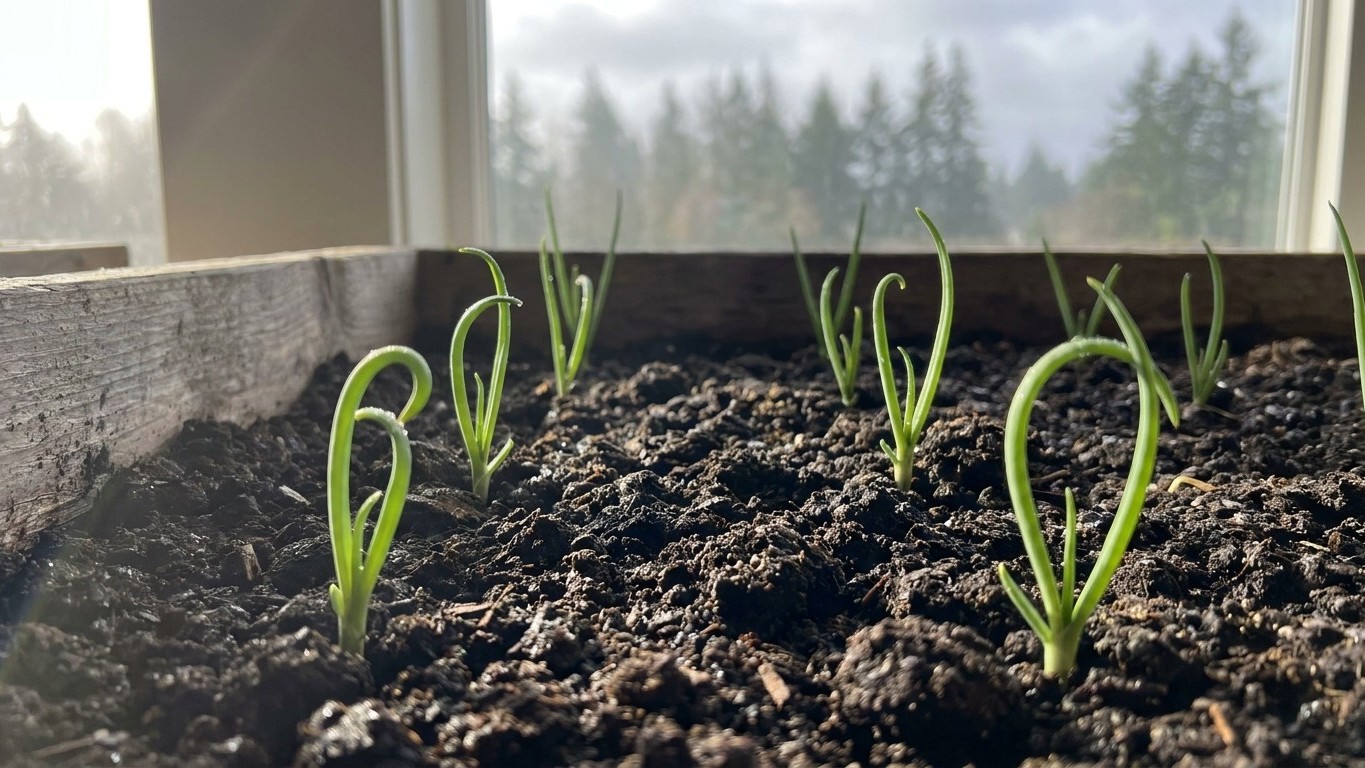
British Columbia sits far enough north that onions don’t run on the calendar most gardeners expect.