The Best Onion Varieties for British Columbia
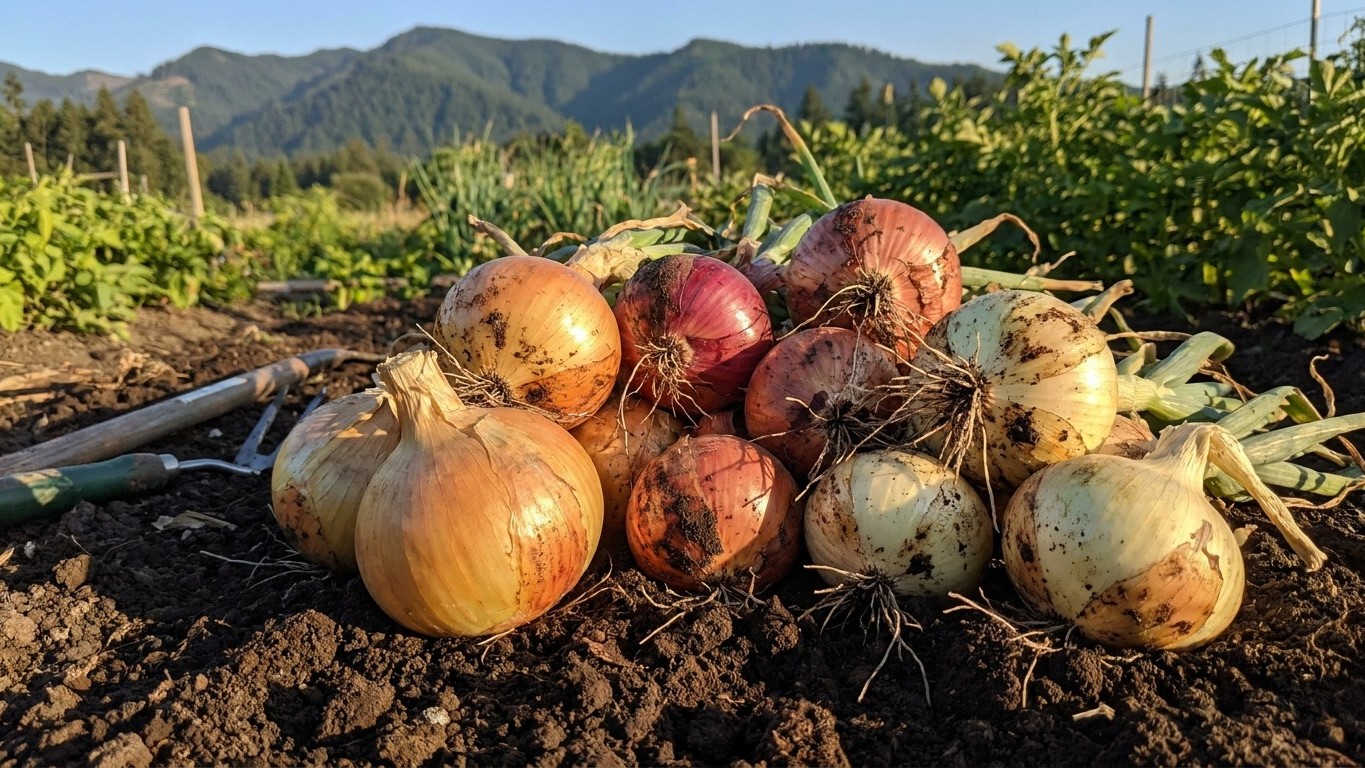
British Columbia sits at a latitude where summer days run long enough to trigger bulbing in long-day onions, and only long-day onions.
Home & garden, state by state
Everything we have worked out for British Columbia: what to plant and when, which varieties finish in time, the pests that actually turn up here, and the jobs that pay off month by month. We also cover the rest of the property, from lawns and soil to home care and energy, because a garden rarely stops at the vegetable bed.
The numbers first, because everything else follows from them. Measured at the weather station in Vancouver, the last spring freeze falls around March 18 and the first fall freeze falls around November 10, 1,738 growing degree days in the year.
That is enough for early varieties, tight for anything late. Garlic does well: 21.8 weeks below 40 °F, comfortably past the six it needs to form a proper head.
Elsewhere on the property in British Columbia: the pests that turn up here.
Figures from Environment and Climate Change Canada. A state is not one climate: elevation, a large lake or the coast can move these dates by two weeks either way, so check your own county with the extension service before you spend money.
British Columbia sits at a latitude where summer days run long enough to trigger bulbing in long-day onions, and only long-day onions.
British Columbia’s transition zone favors neither cool-season nor warm-season grass outright, so this page compares Tall Fescue, Kentucky Bluegrass, Zoysiagrass and Bermudagrass on real trade-offs.
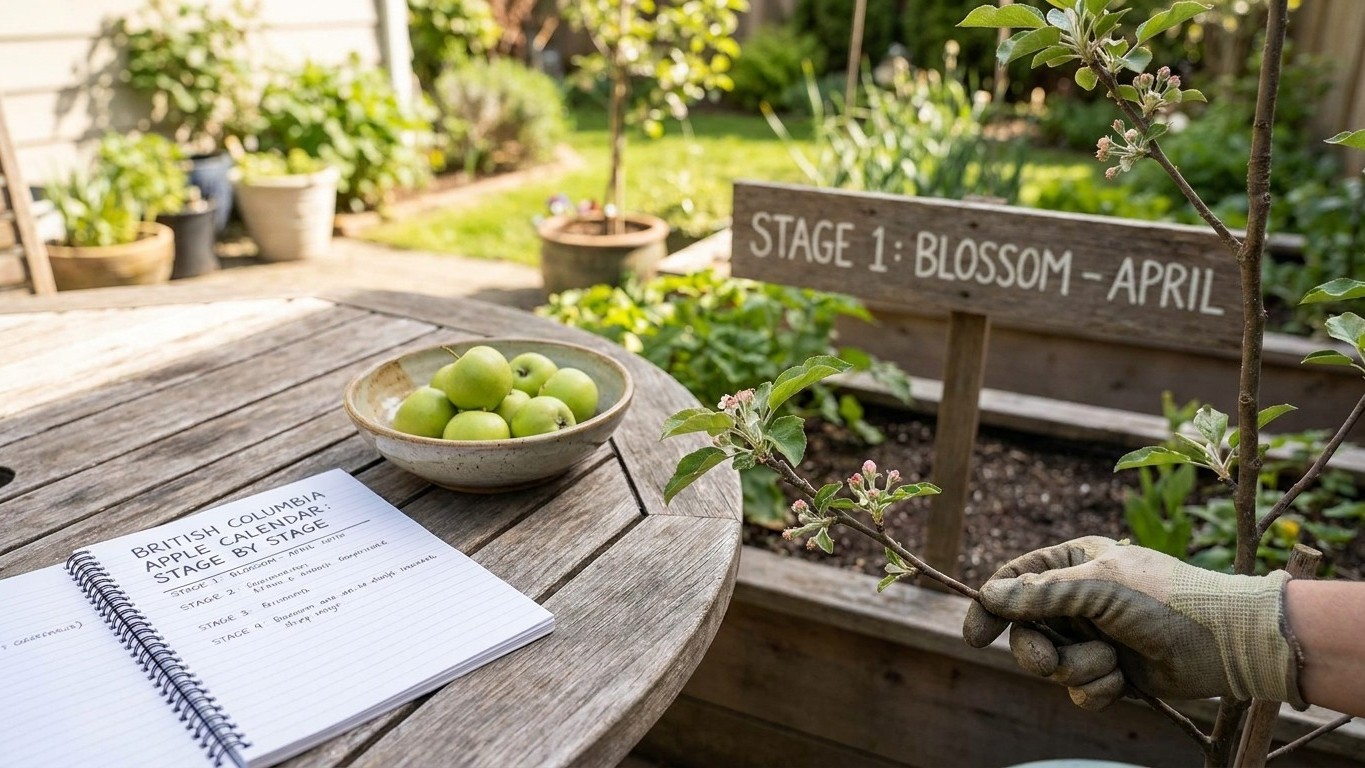
A stage-by-stage look at British Columbia’s apple season, keyed to Vancouver’s average last and first frost dates from Environment and Climate Change Canada.
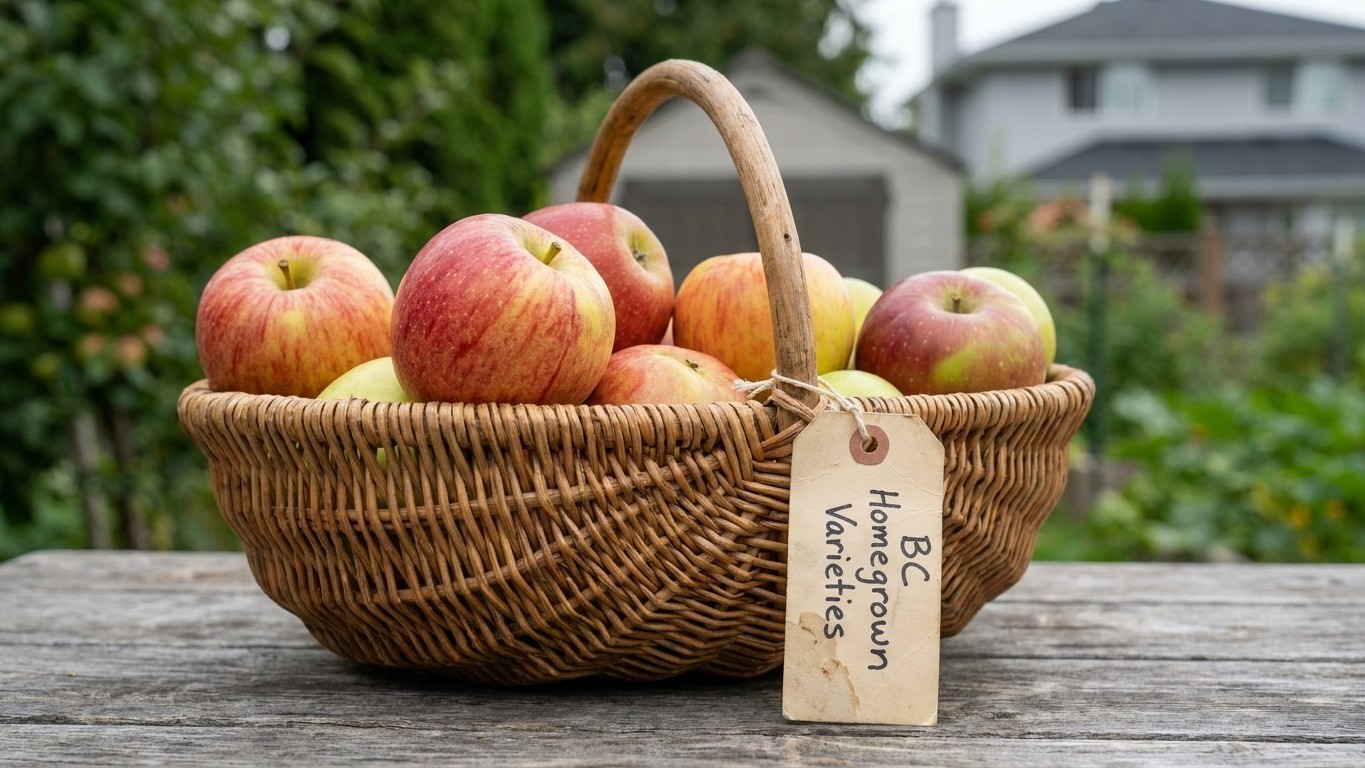
Explains how winter chill and cold hardiness, not one named variety, decide which apple trees actually crop well across British Columbia.
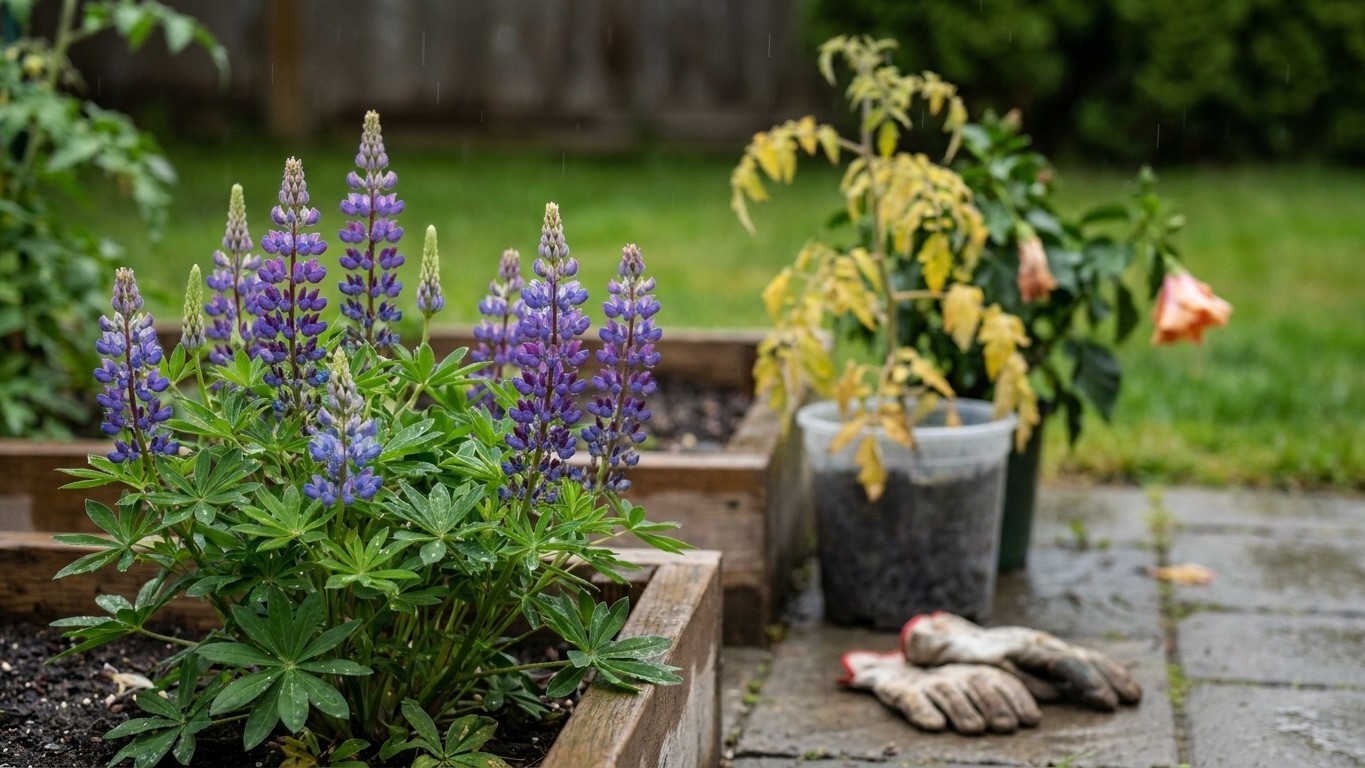
A look at which flowers suit British Columbia’s mild, wet coastal climate, which ones struggle, and how to build a border that blooms all season.
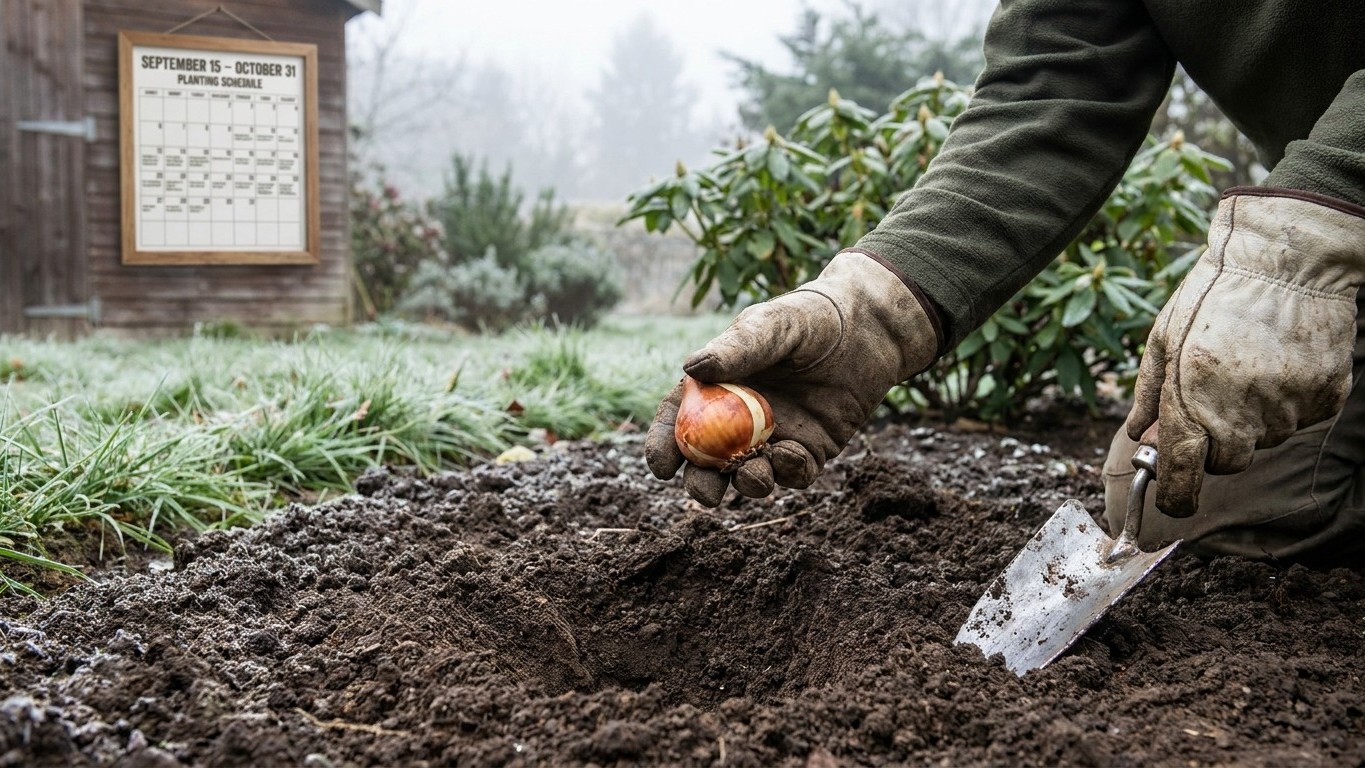
Coastal British Columbia gets a long, wet, mild winter rather than a hard one, and that changes the bulb math.
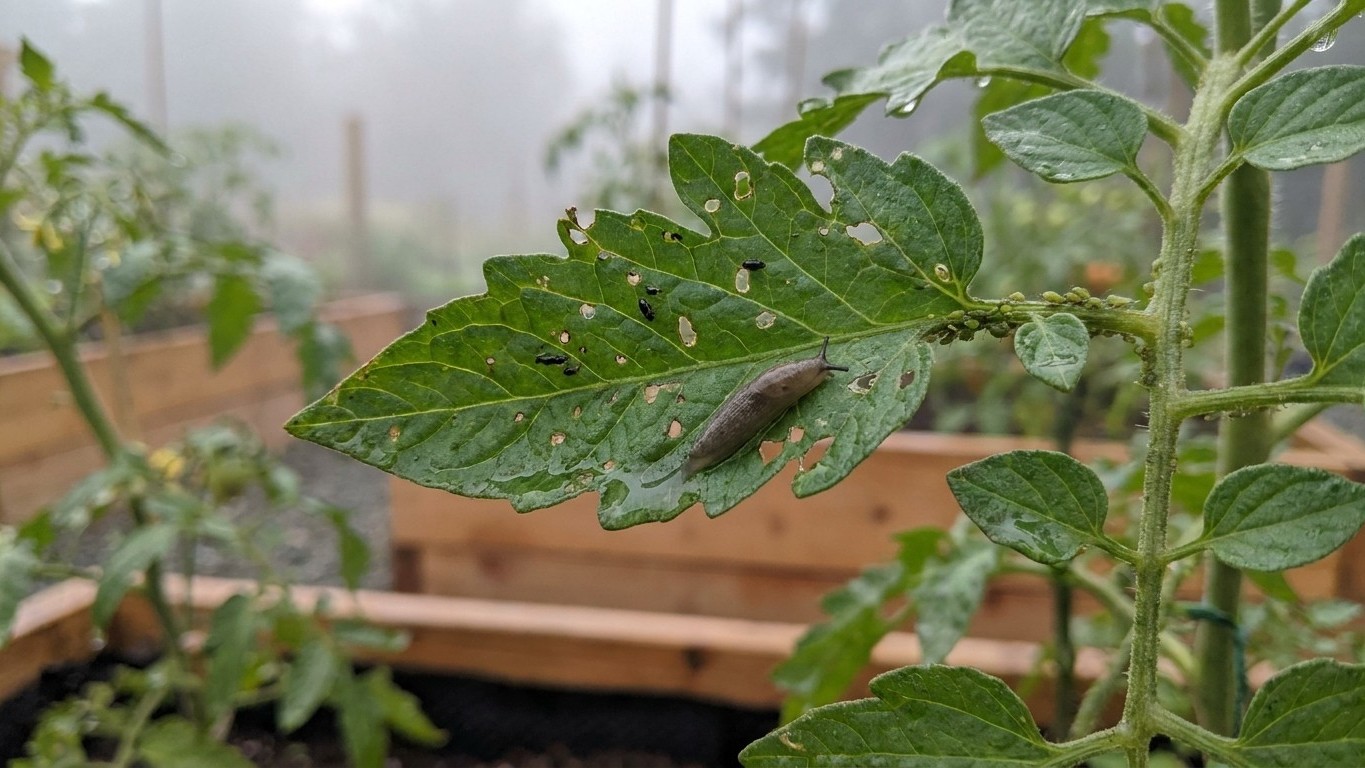
British Columbia’s coastal tomato patches deal with a short list of repeat offenders: slugs, flea beetles, aphids, tomato hornworm, spider mites and…
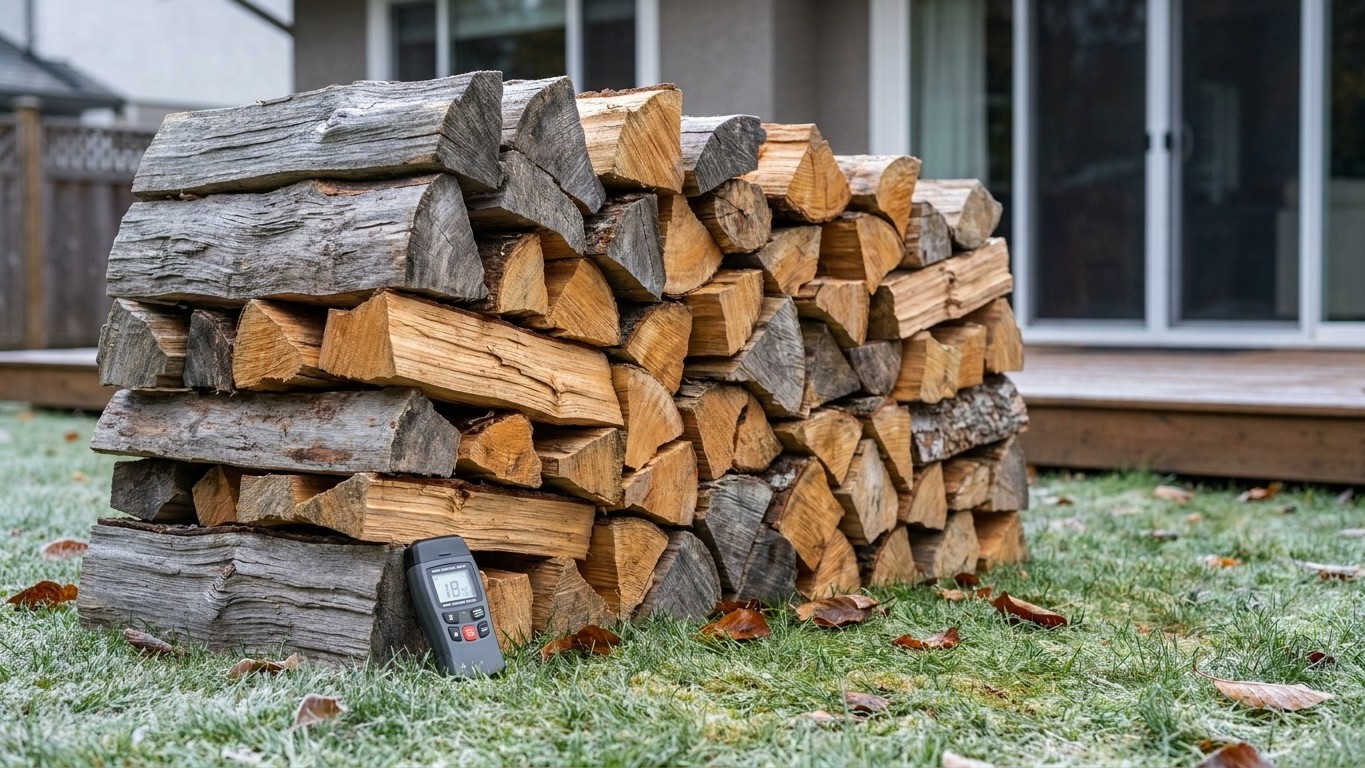
Vancouver’s coldest month averages a low of 33.5°F, according to Environment and Climate Change Canada’s 1981-2010 normals.
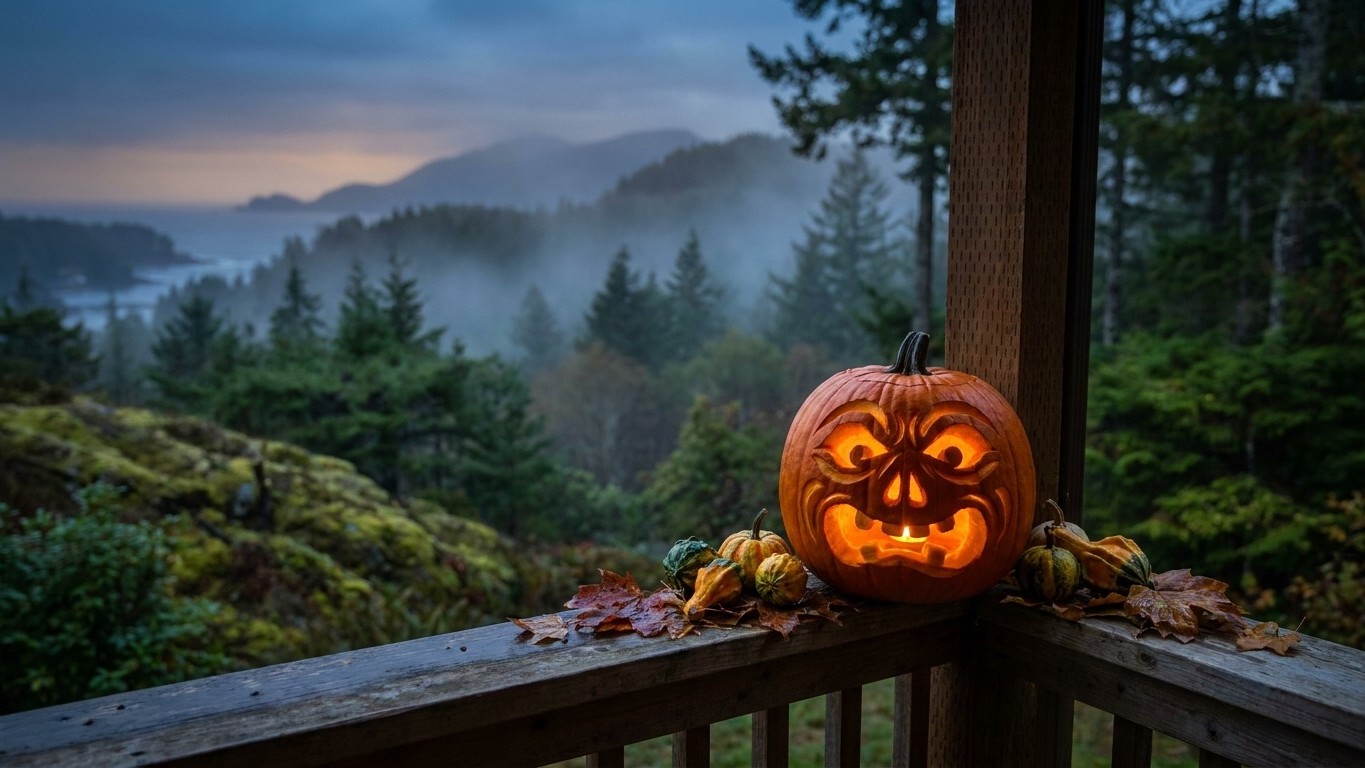
Around Vancouver and much of coastal British Columbia, the mean first fall frost lands around November 10, roughly ten days after Halloween.
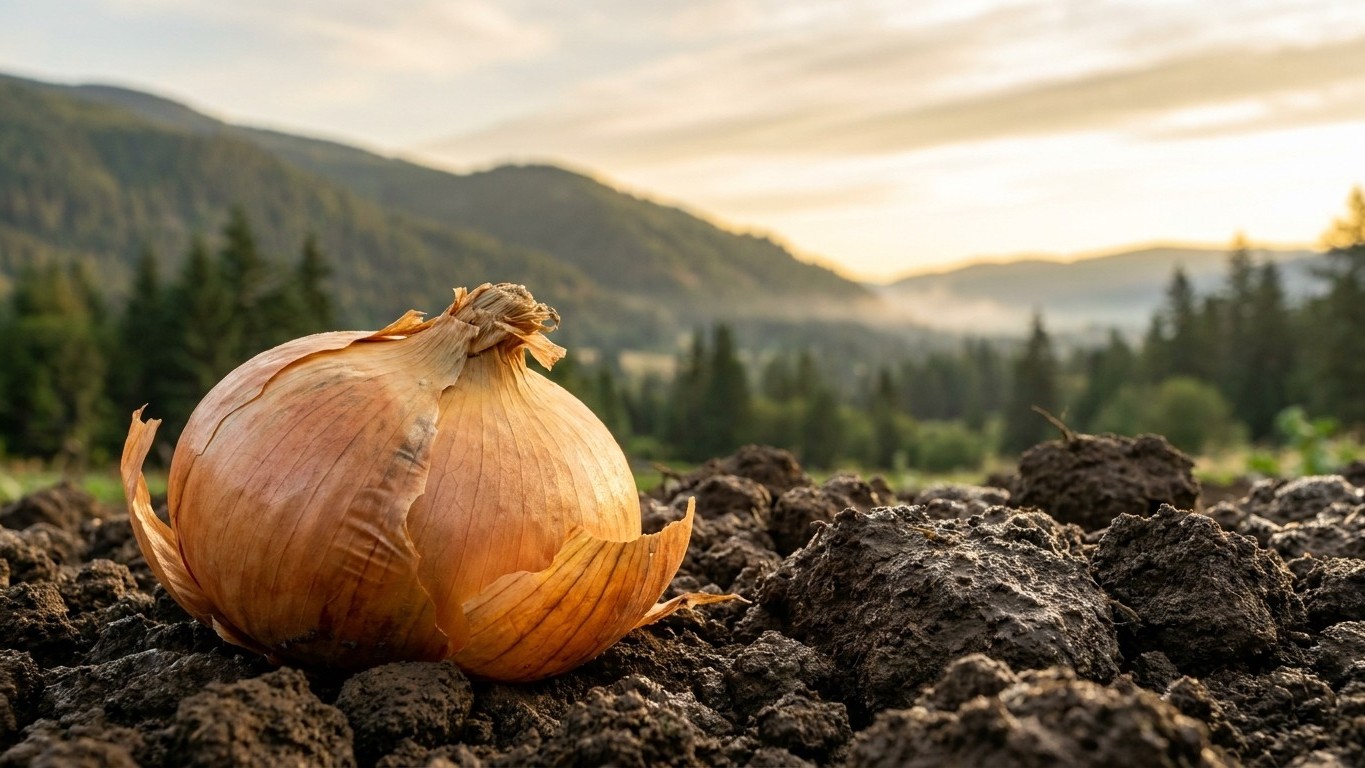
Vancouver sits at 49.20 degrees north, and on the longest day of the year the sun gives it 16 hours and 1 minute of daylight.