When to Lift Parsnips in California, and How Long They Really Keep
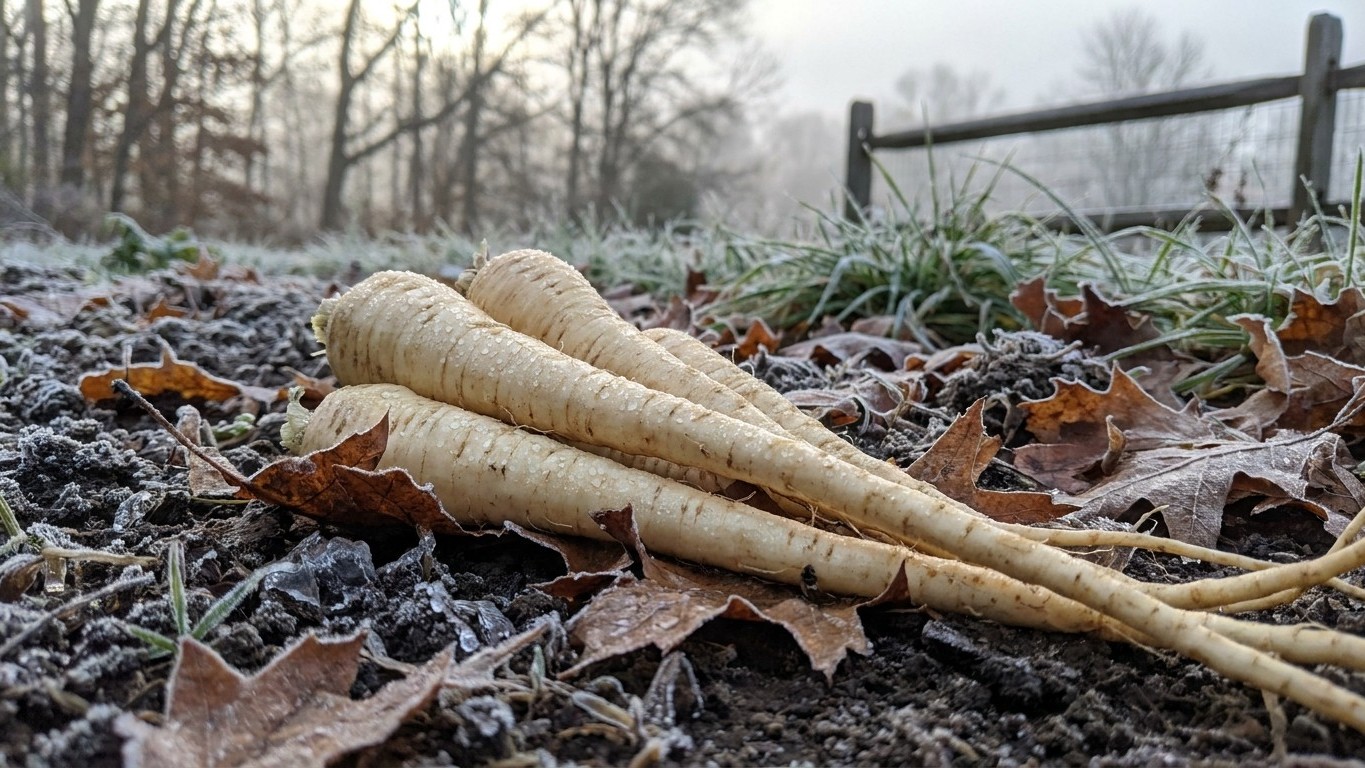
In coastal and southern California, lift parsnips when the roots reach usable size, about 100 to 120 days after seeding.
Home & garden, state by state
Everything we have worked out for California: what to plant and when, which varieties finish in time, the pests that actually turn up here, and the jobs that pay off month by month. We also cover the rest of the property, from lawns and soil to home care and energy, because a garden rarely stops at the vegetable bed.
The numbers first, because everything else follows from them. Measured at the weather station in Los Angeles, the last spring freeze falls around no freeze occurs in an average year and the first fall freeze falls around no freeze occurs in an average year, USDA zones 5a-11a, 4,719 growing degree days in the year.
Garlic is the awkward one: only 0 weeks below 40 °F, where it needs six to split into cloves. Chill the cloves before planting, or grow a softneck type.
Elsewhere on the property in California: the pests that turn up here.
Figures from NOAA's 1991-2020 climate normals. A state is not one climate: elevation, a large lake or the coast can move these dates by two weeks either way, so check your own county with the extension service before you spend money.
In coastal and southern California, lift parsnips when the roots reach usable size, about 100 to 120 days after seeding.
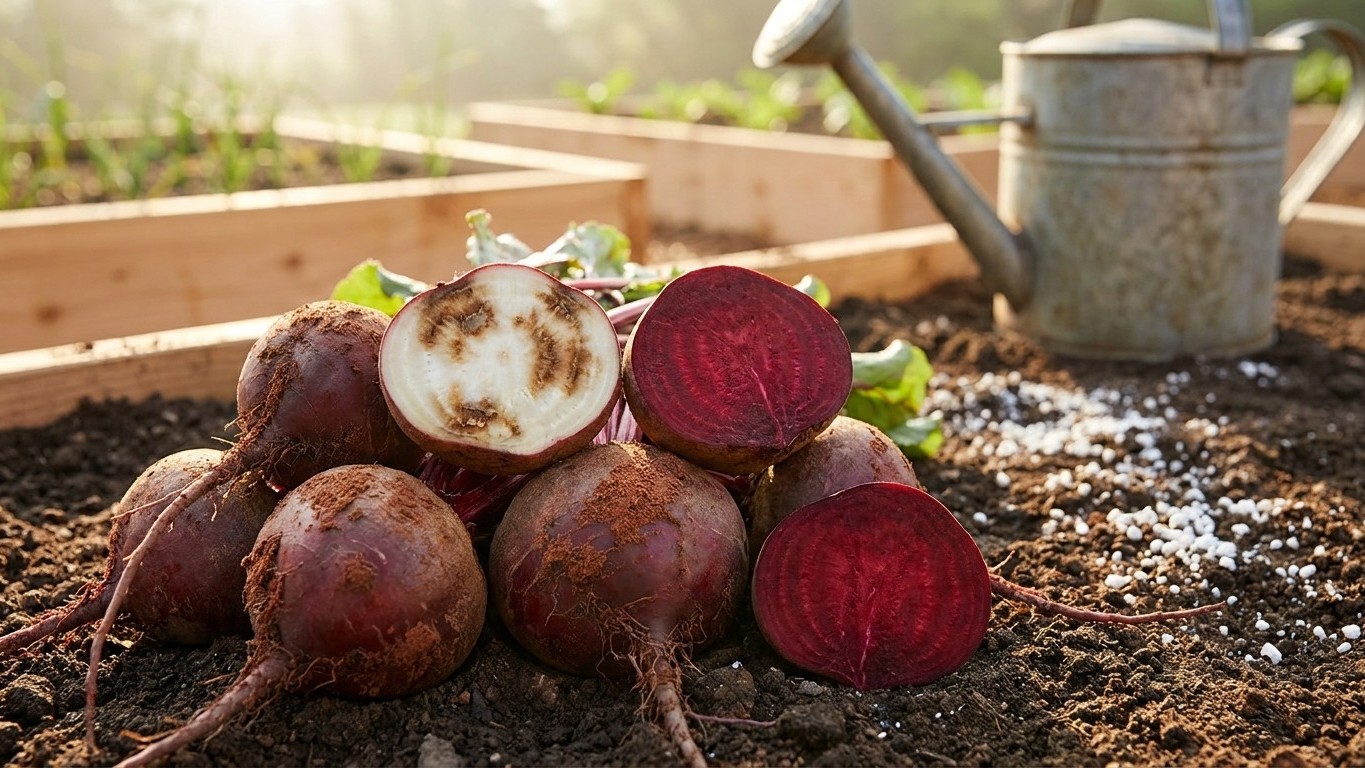
Count 60 to 80 days from the day the seed goes into the ground. Beets are sown in place and never transplanted, so the clock starts at seeding.
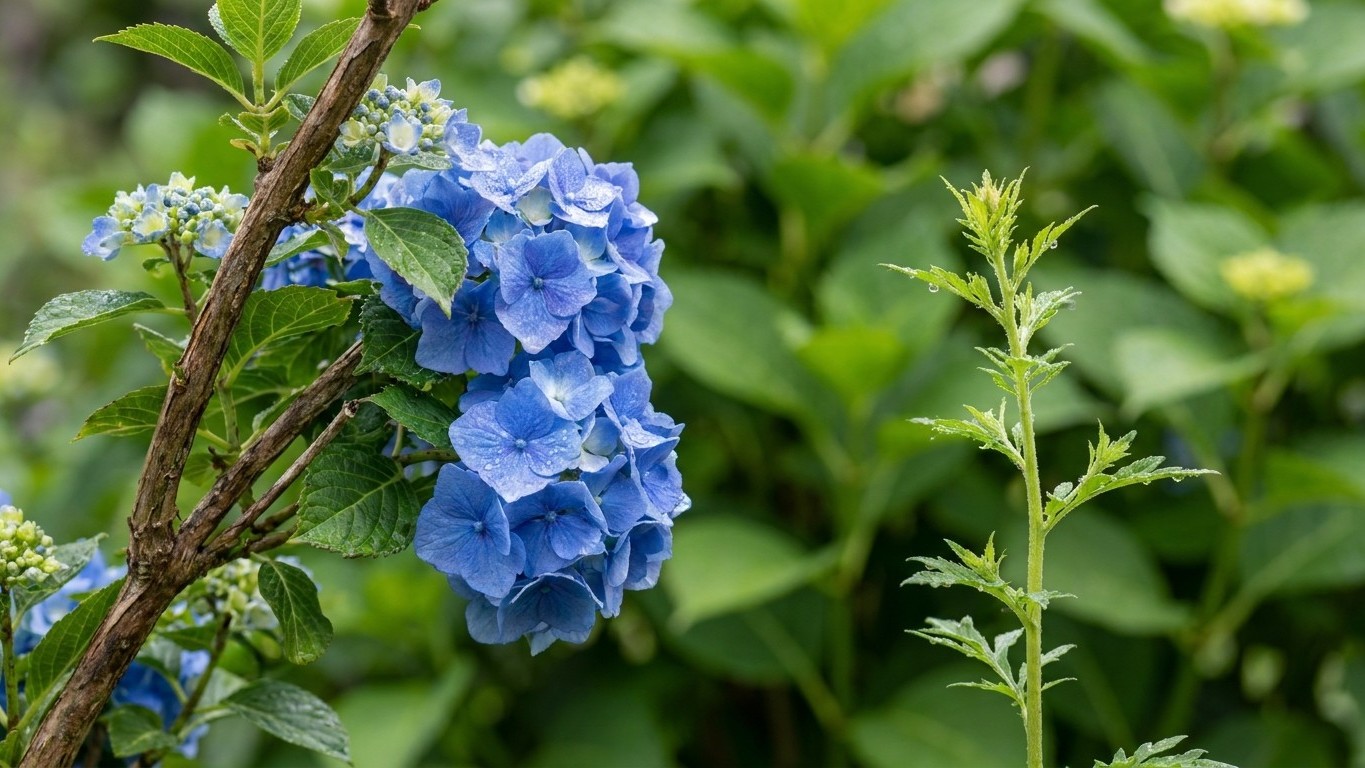
In Los Angeles, NOAA’s climate normals record no freeze in an average year, so a hydrangea there needs no winter protection from frost at all.
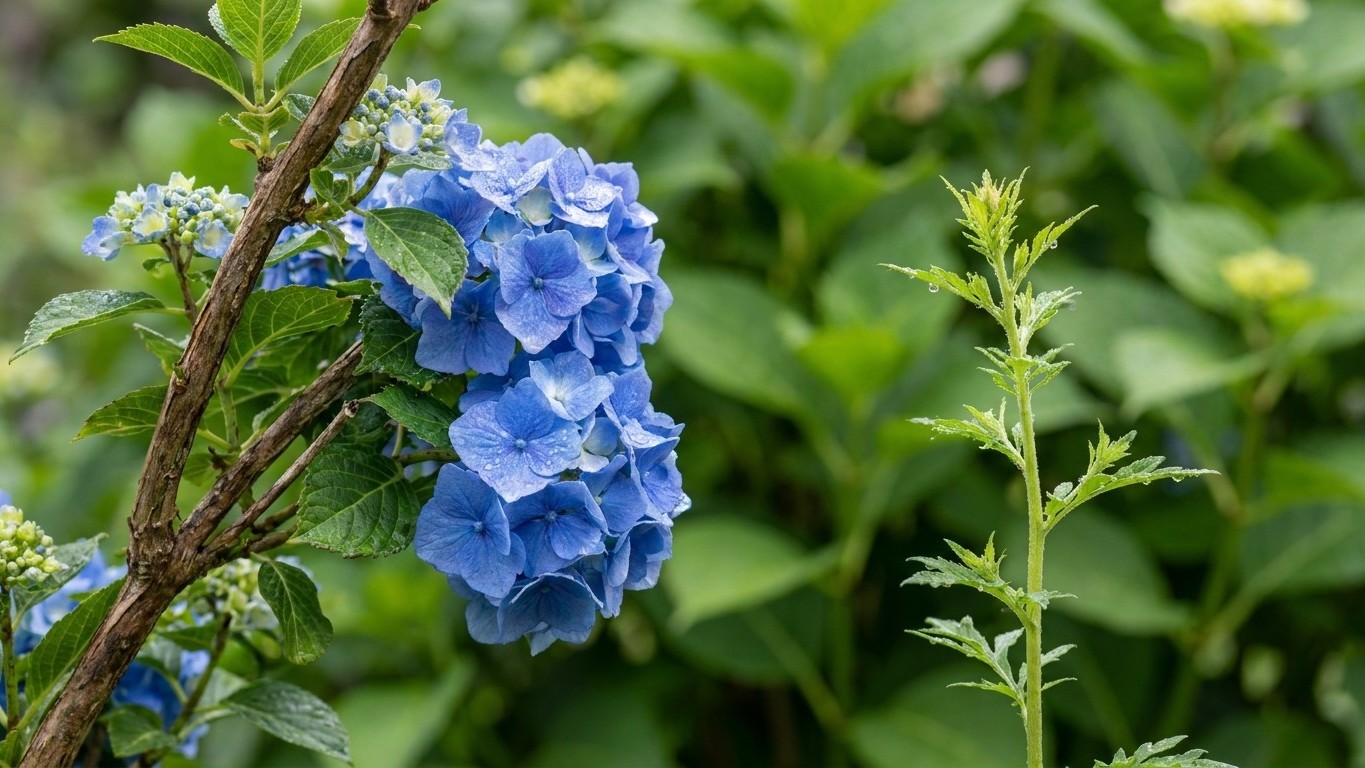
Across most of California, winter is not the hydrangea’s problem. Along the coast and in the south, no freeze arrives in an average year, so every common…
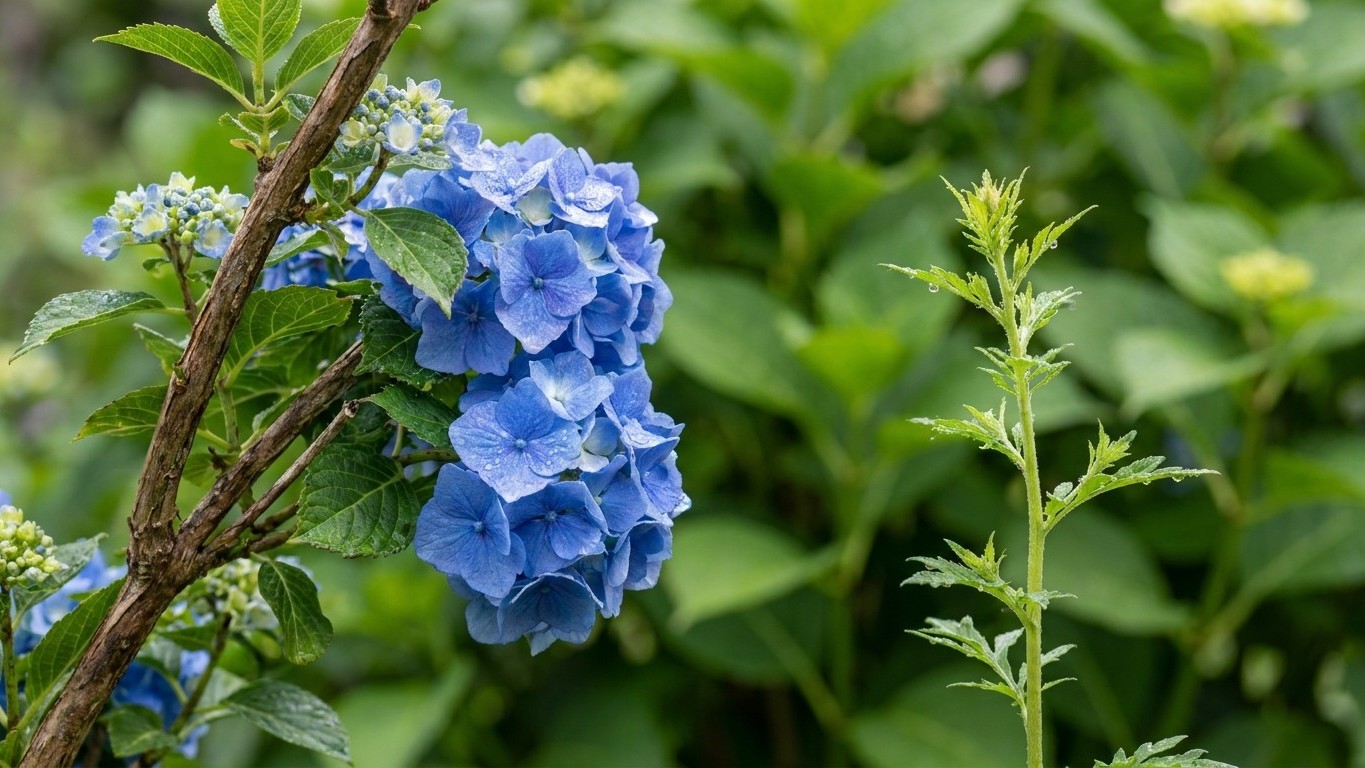
Pink hydrangeas are what most California gardens produce on their own, because the soil and the irrigation water lean neutral to alkaline.
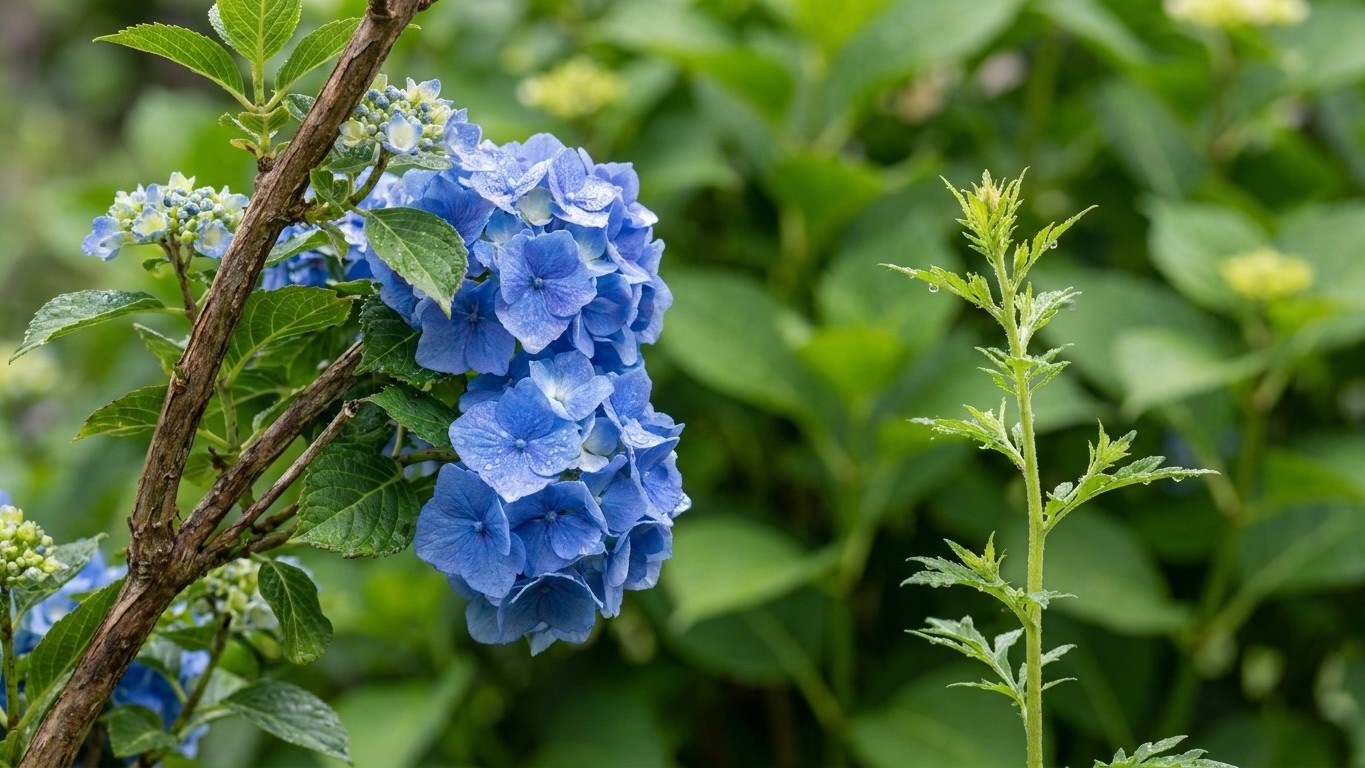
Prune California hydrangeas by type, not by the calendar. Bigleaf, mountain and oakleaf hydrangeas get cut right after their flowers fade, usually in…
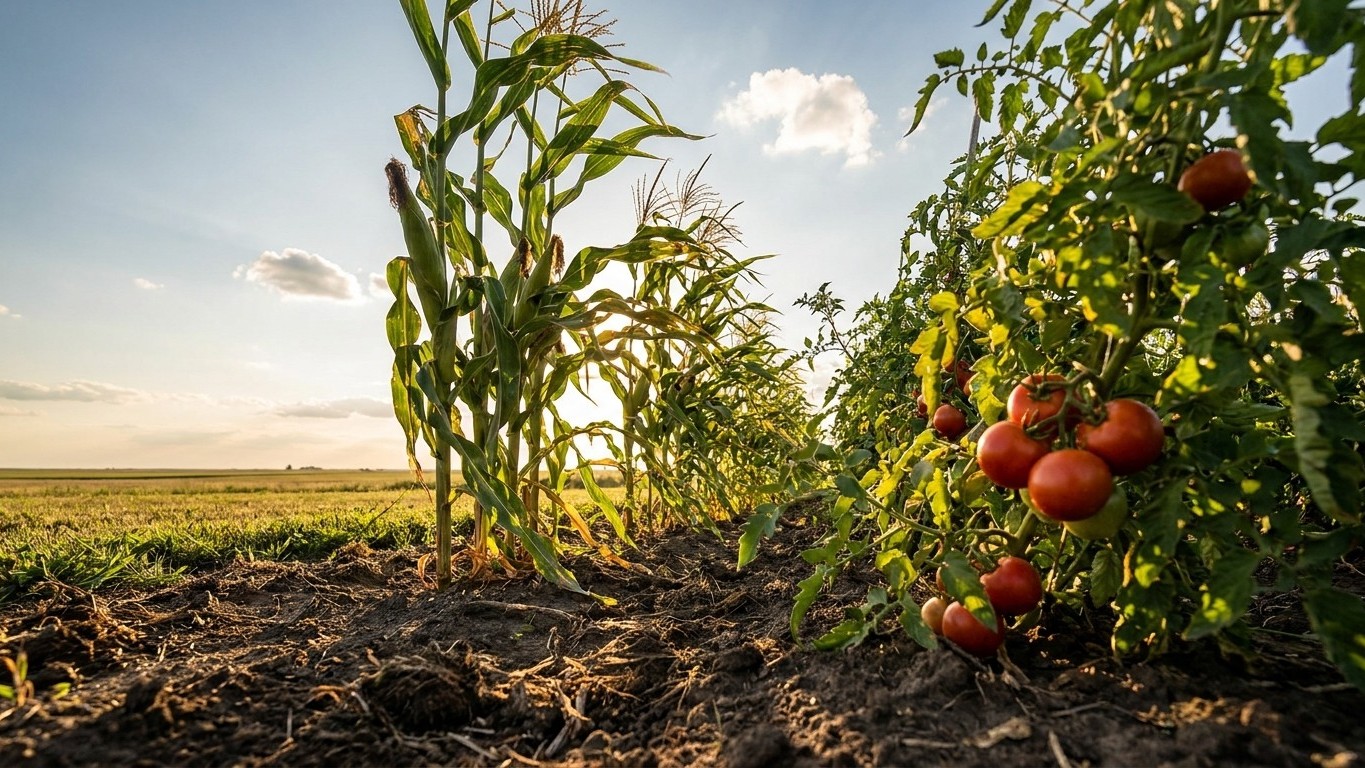
Sweet corn is ready 60 to 90 days after planting, and the planting day is set by the soil, not the frost calendar.
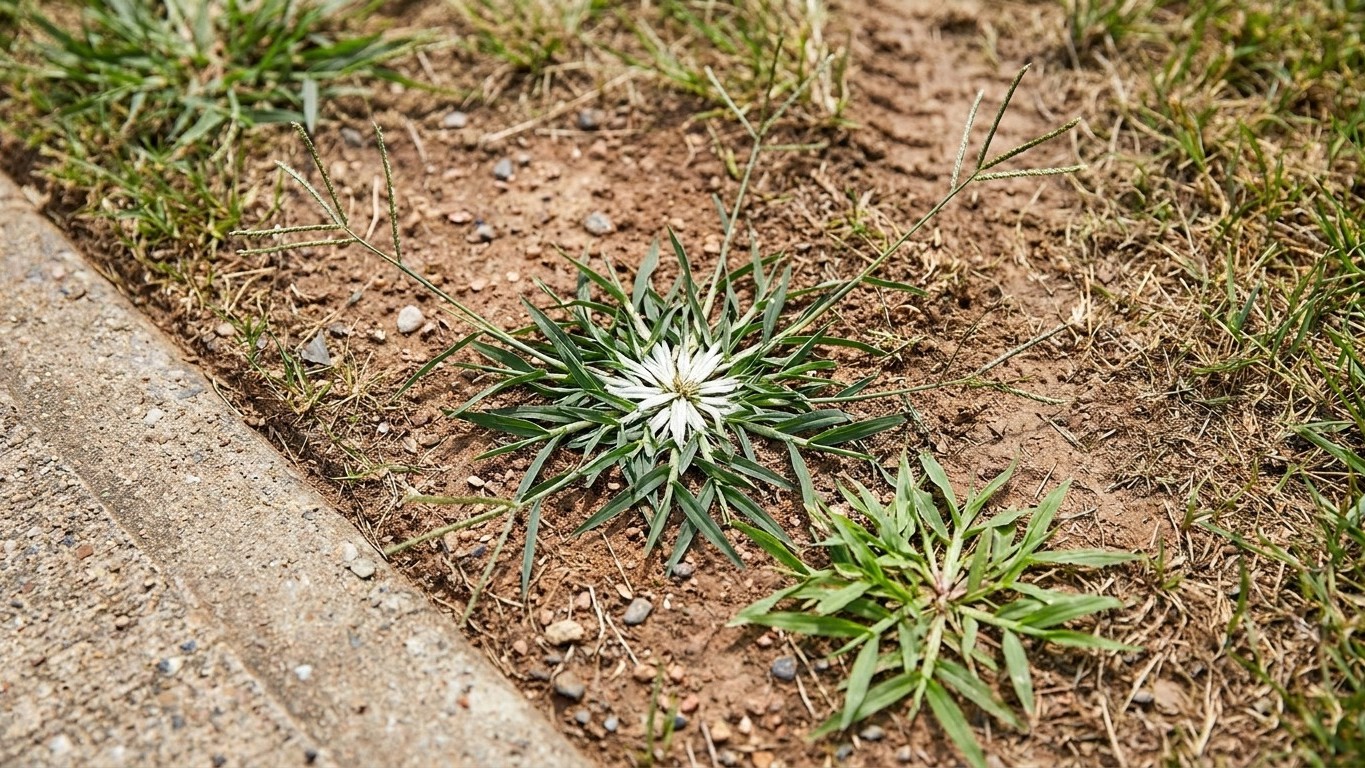
In frost-free coastal and Southern California, sow warm-season grass seed when the soil two inches down reaches 65°F and keeps climbing.
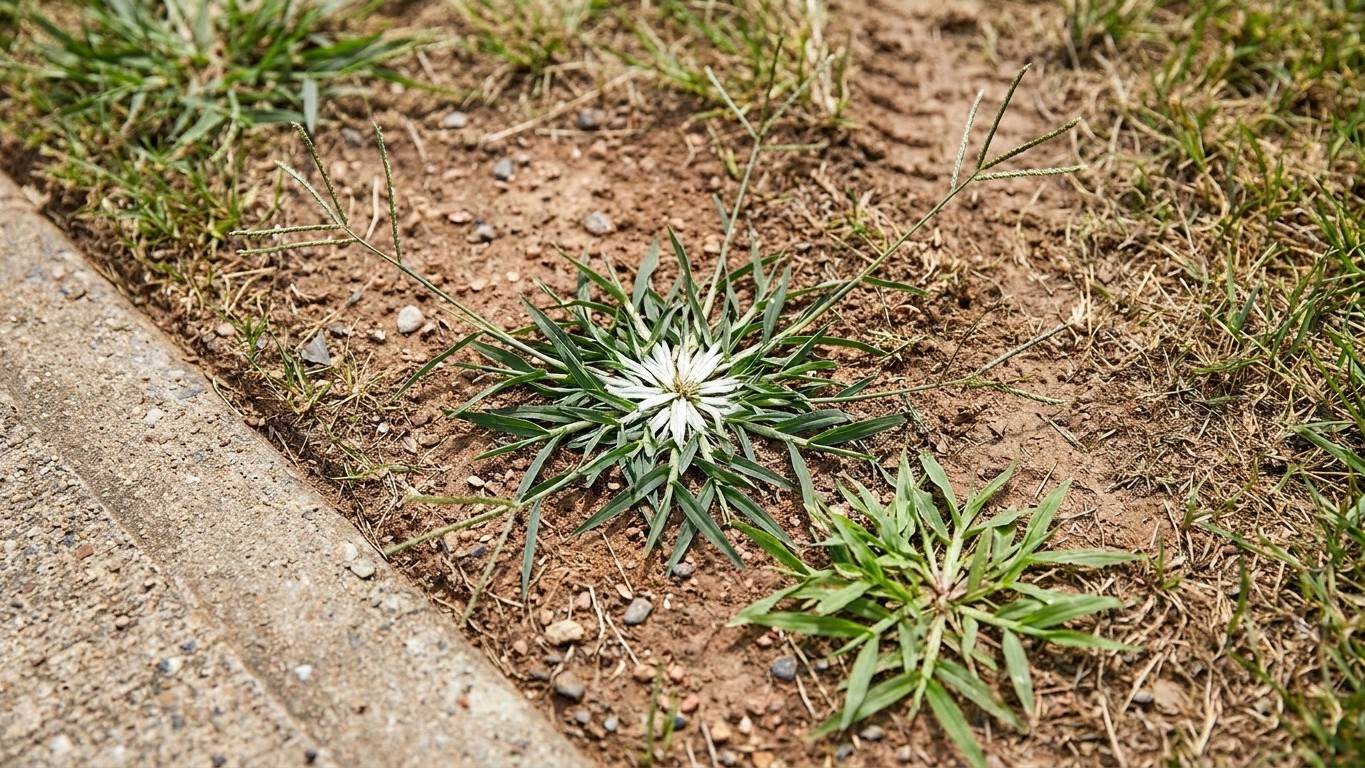
The right height depends on the grass, and the gap between species is wide. Bermudagrass, Zoysiagrass, Seashore Paspalum and Carpetgrass want 1 to 2…
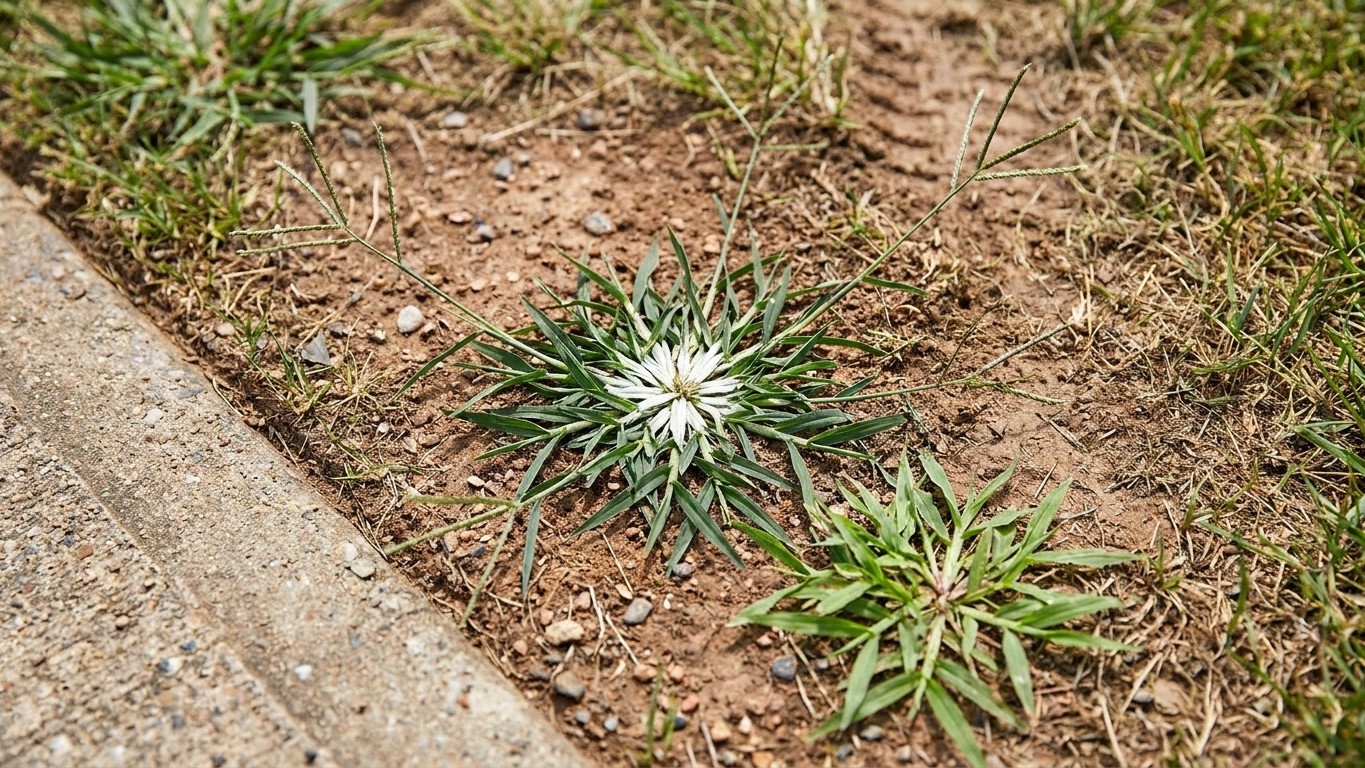
Most California lawns never need dethatching. Cut a wedge out of the turf with a spade and measure the brown, spongy layer between the green blades and…