Growing Roses in California: Planting Dates, Varieties and Local Pests
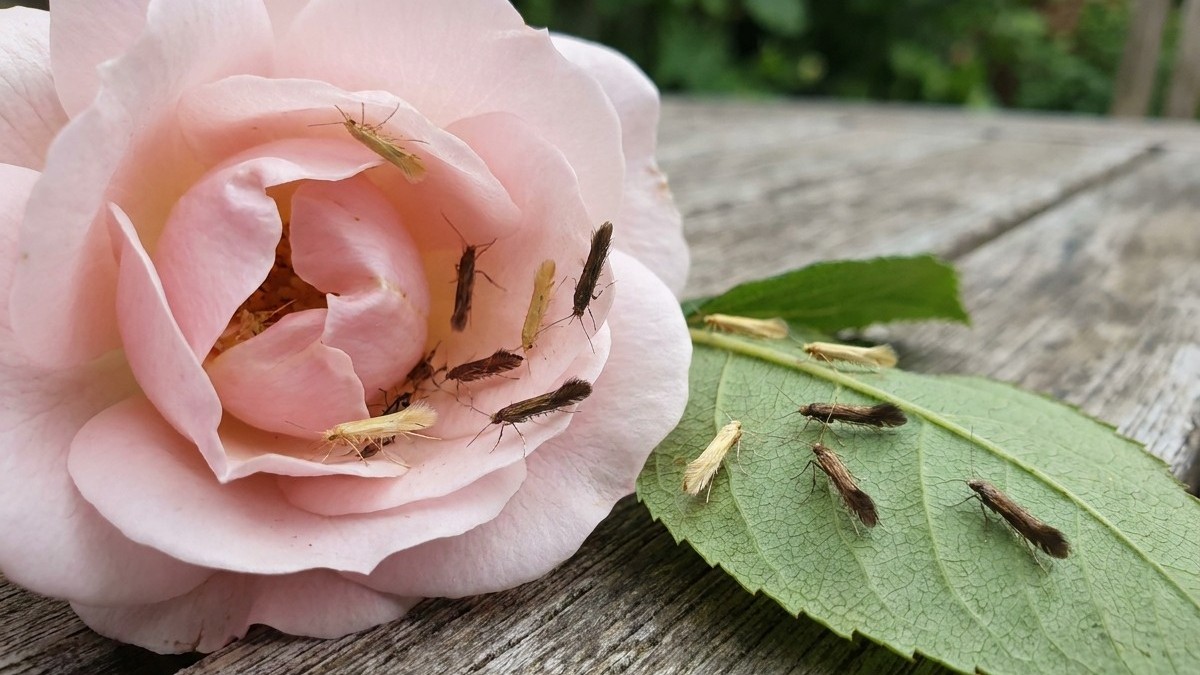
Roses grow across almost every California climate zone, but “when to plant” depends entirely on where in the state you garden.
Home & garden, state by state
Everything we have worked out for California: what to plant and when, which varieties finish in time, the pests that actually turn up here, and the jobs that pay off month by month. We also cover the rest of the property, from lawns and soil to home care and energy, because a garden rarely stops at the vegetable bed.
The numbers first, because everything else follows from them. Measured at the weather station in Los Angeles, the last spring freeze falls around no freeze occurs in an average year and the first fall freeze falls around no freeze occurs in an average year, USDA zones 5a-11a, 4,719 growing degree days in the year.
Garlic is the awkward one: only 0 weeks below 40 °F, where it needs six to split into cloves. Chill the cloves before planting, or grow a softneck type.
Elsewhere on the property in California: the pests that turn up here.
Figures from NOAA's 1991-2020 climate normals. A state is not one climate: elevation, a large lake or the coast can move these dates by two weeks either way, so check your own county with the extension service before you spend money.
Roses grow across almost every California climate zone, but “when to plant” depends entirely on where in the state you garden.
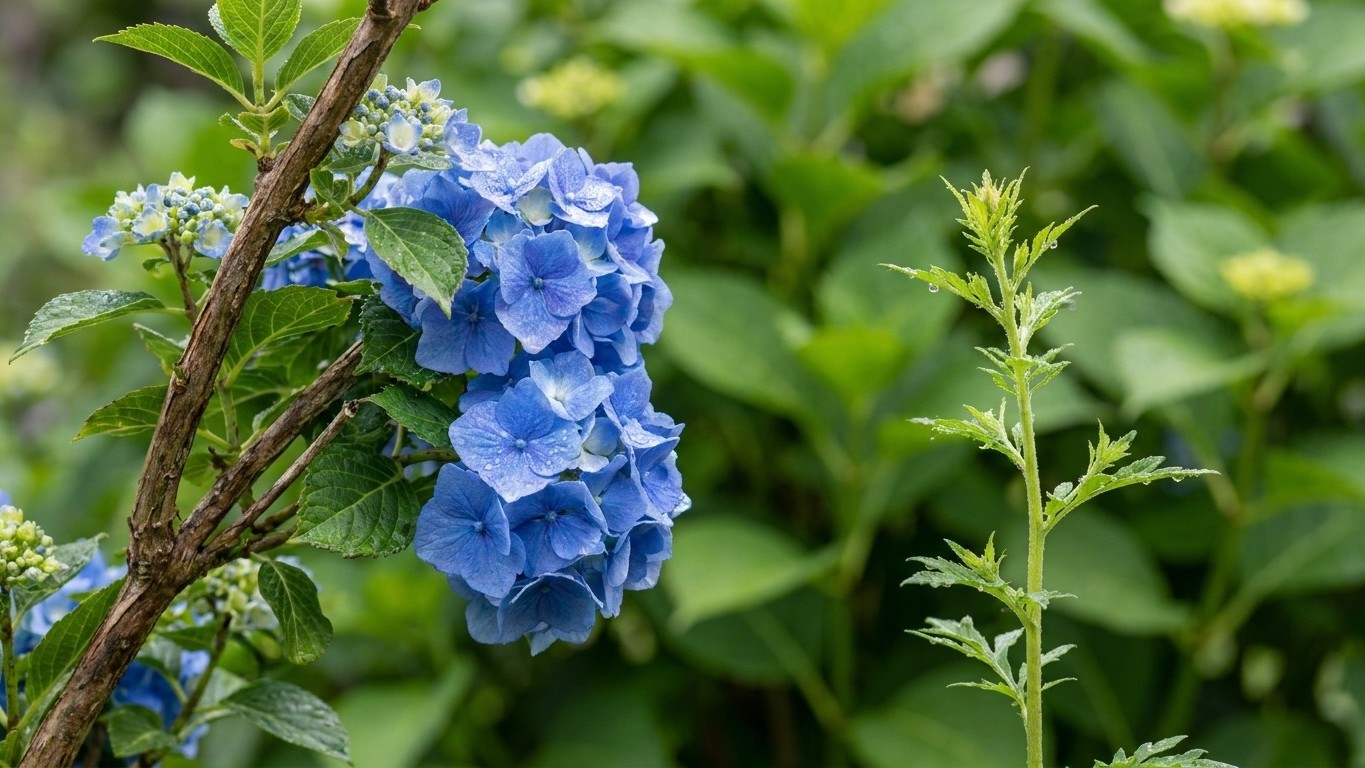
Where you garden in California decides almost everything about growing hydrangeas.
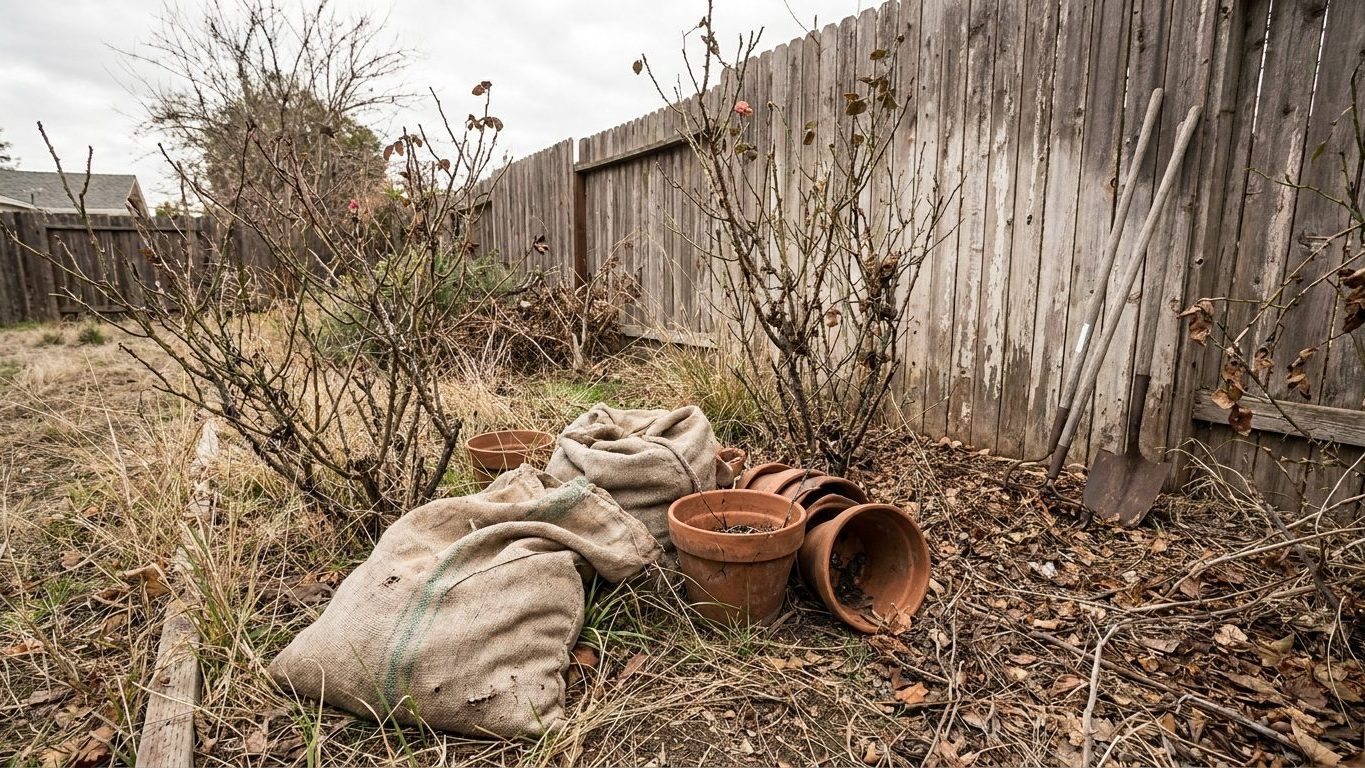
Los Angeles averages zero frost days a year, but California’s Central Valley and Sierra regions still freeze, so plan by your actual location.
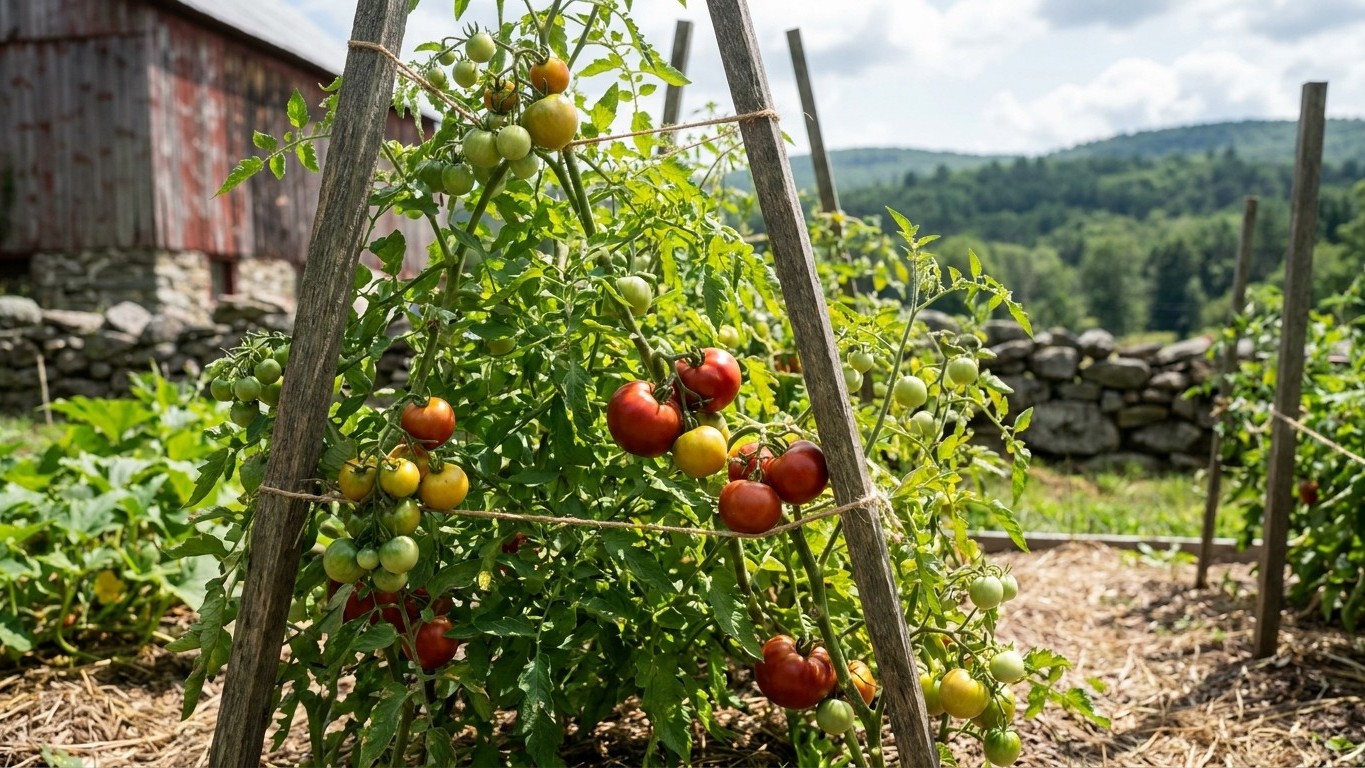
Pick when the fruit shows full color and gives slightly to a gentle squeeze, not by the calendar.
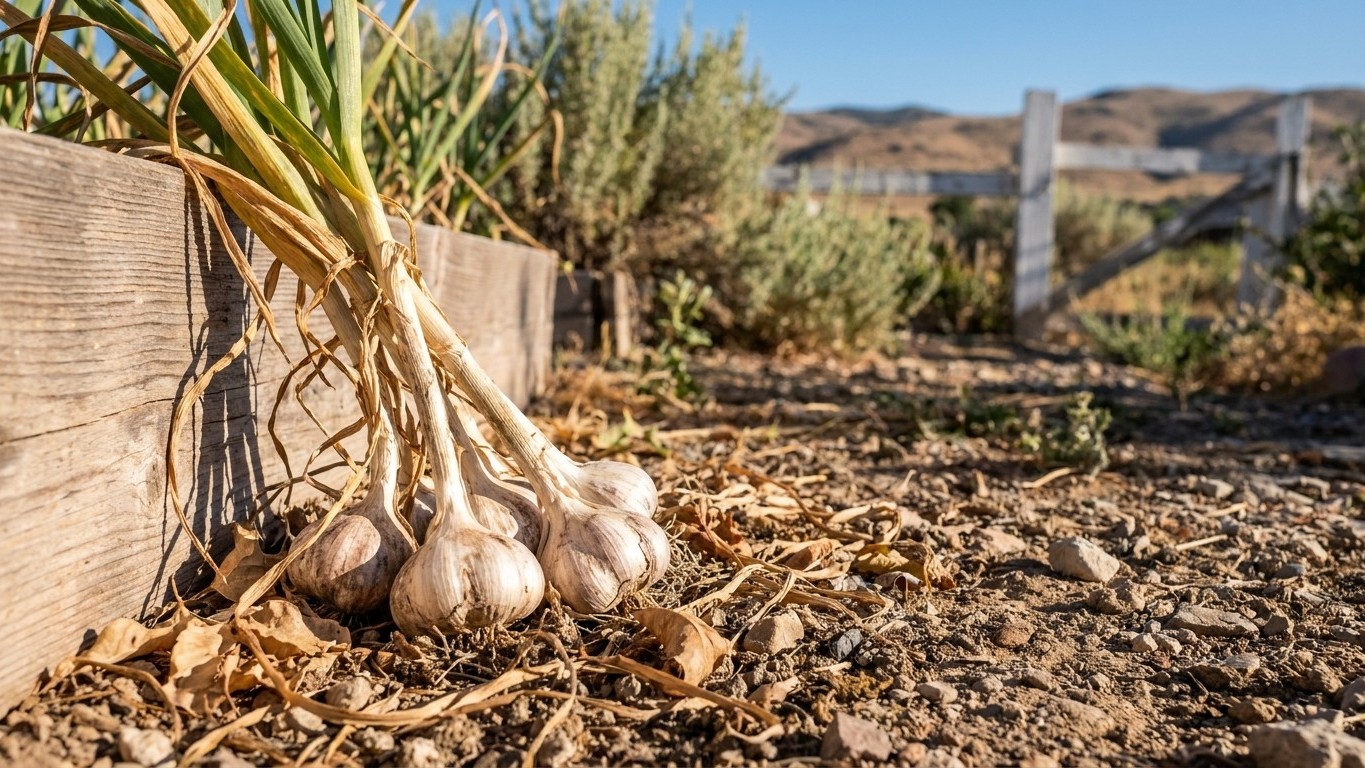
Most California gardens lift garlic sometime between late spring and midsummer, and the trigger isn’t a date on the calendar.
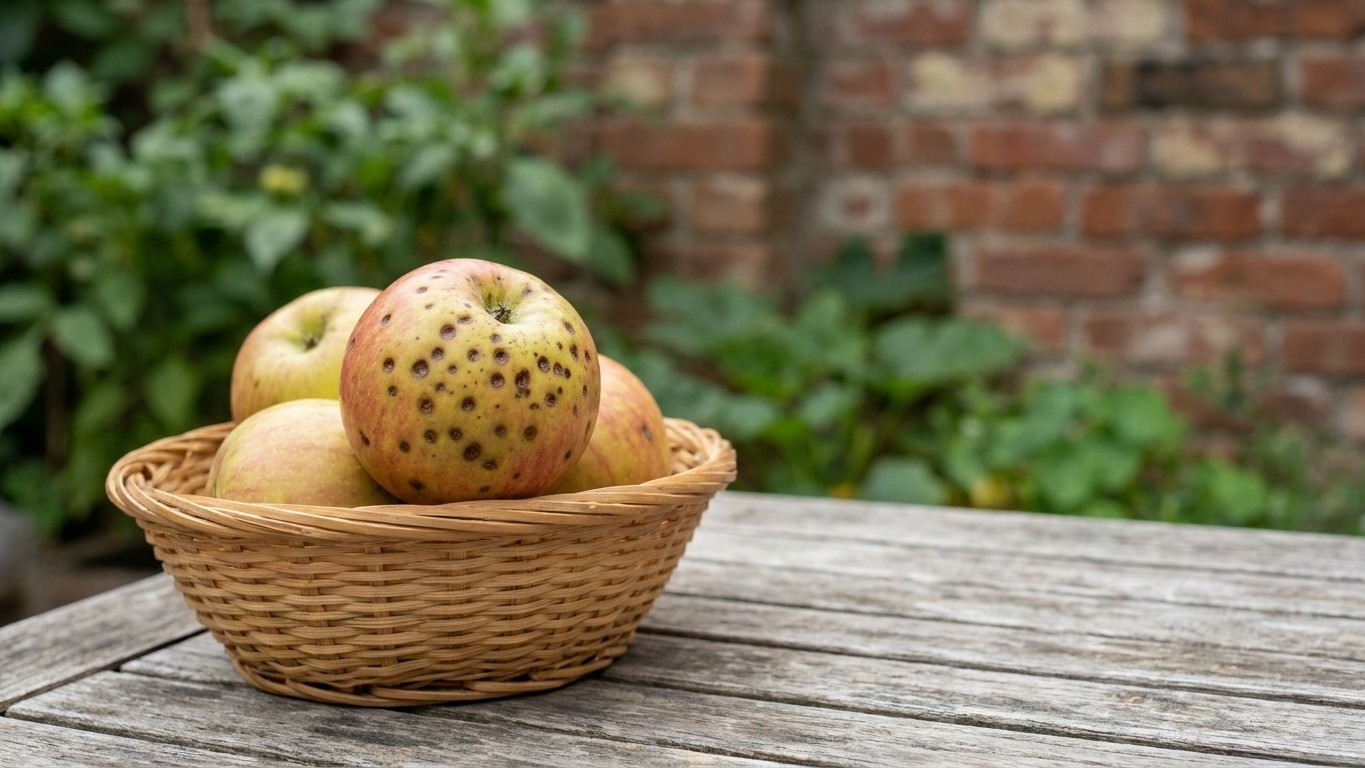
Pick California apples by watching color and ease of separation from the branch, not by circling a date on the calendar.
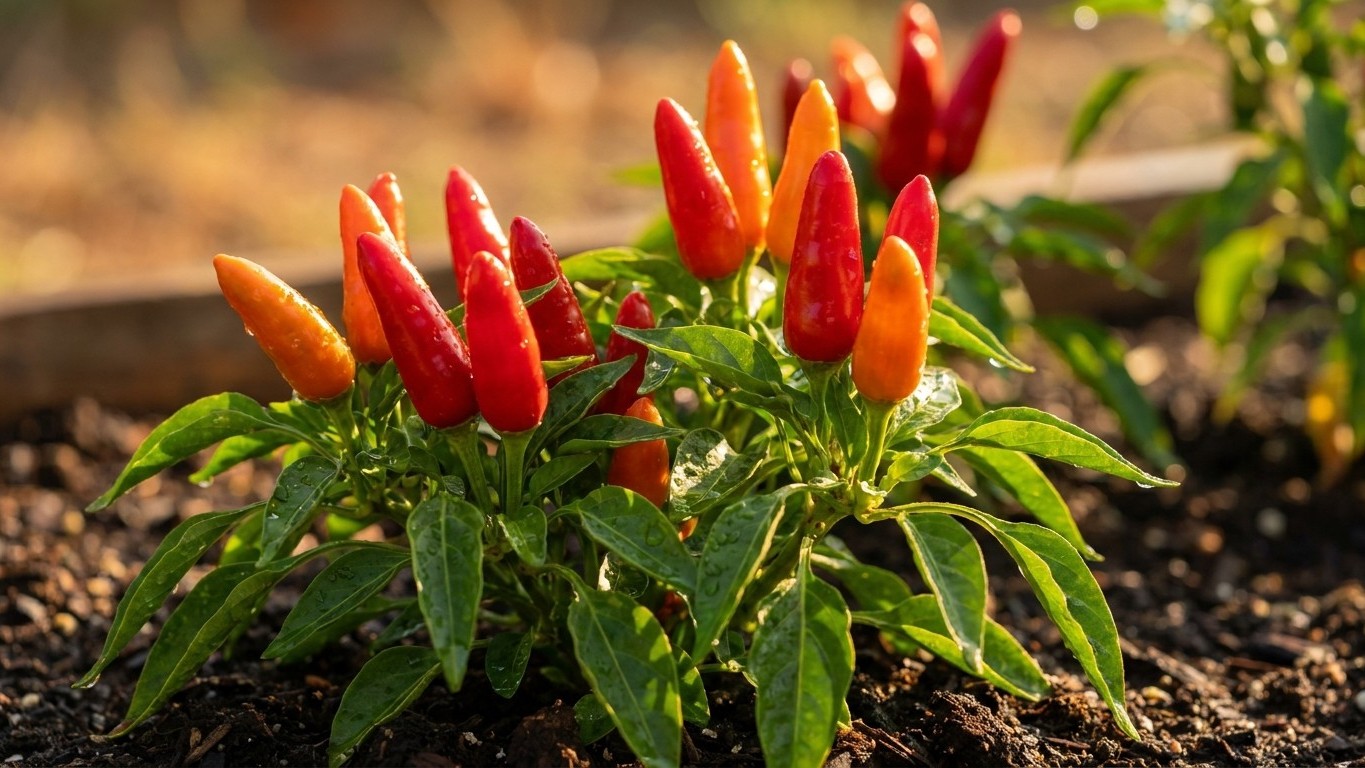
Eleven pests show up on pepper across California gardens, but only some of them actually feed on the plant itself. The rest belong to other crops entirely.
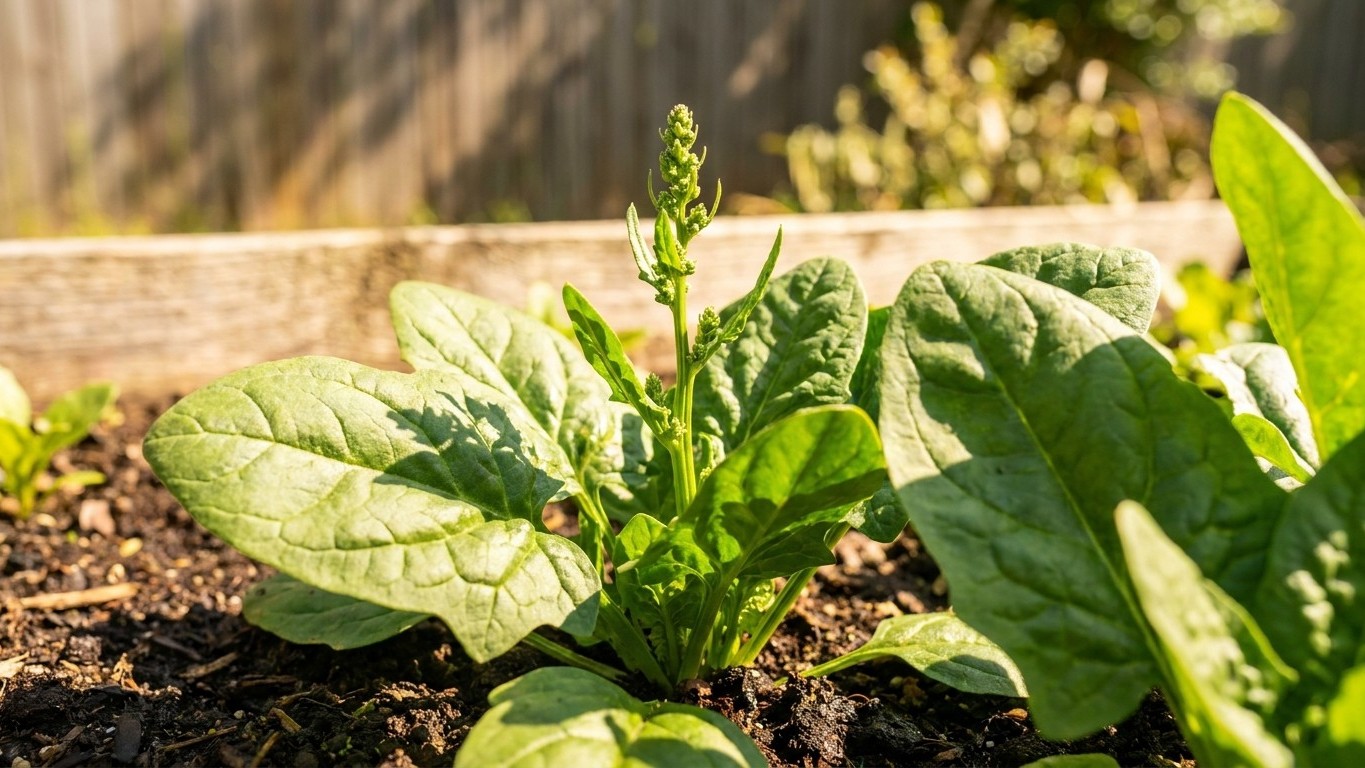
In California’s frost-free zones, spinach faces six documented pests rather than cold: aphids, snails and slugs, earwigs, spider mites, whiteflies, and…
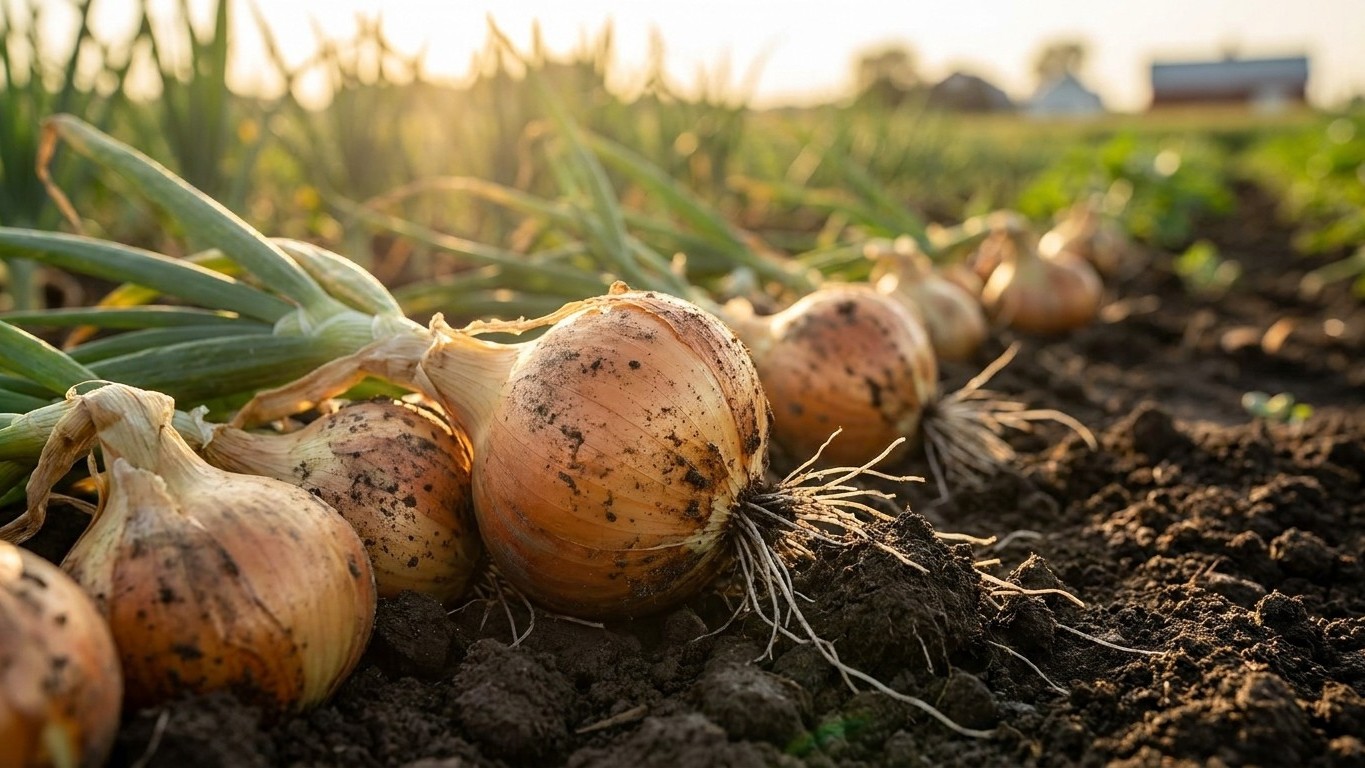
California gardens report six pests that regularly attack onion, according to UC Agriculture and Natural Resources: aphids (including the melon aphid)…
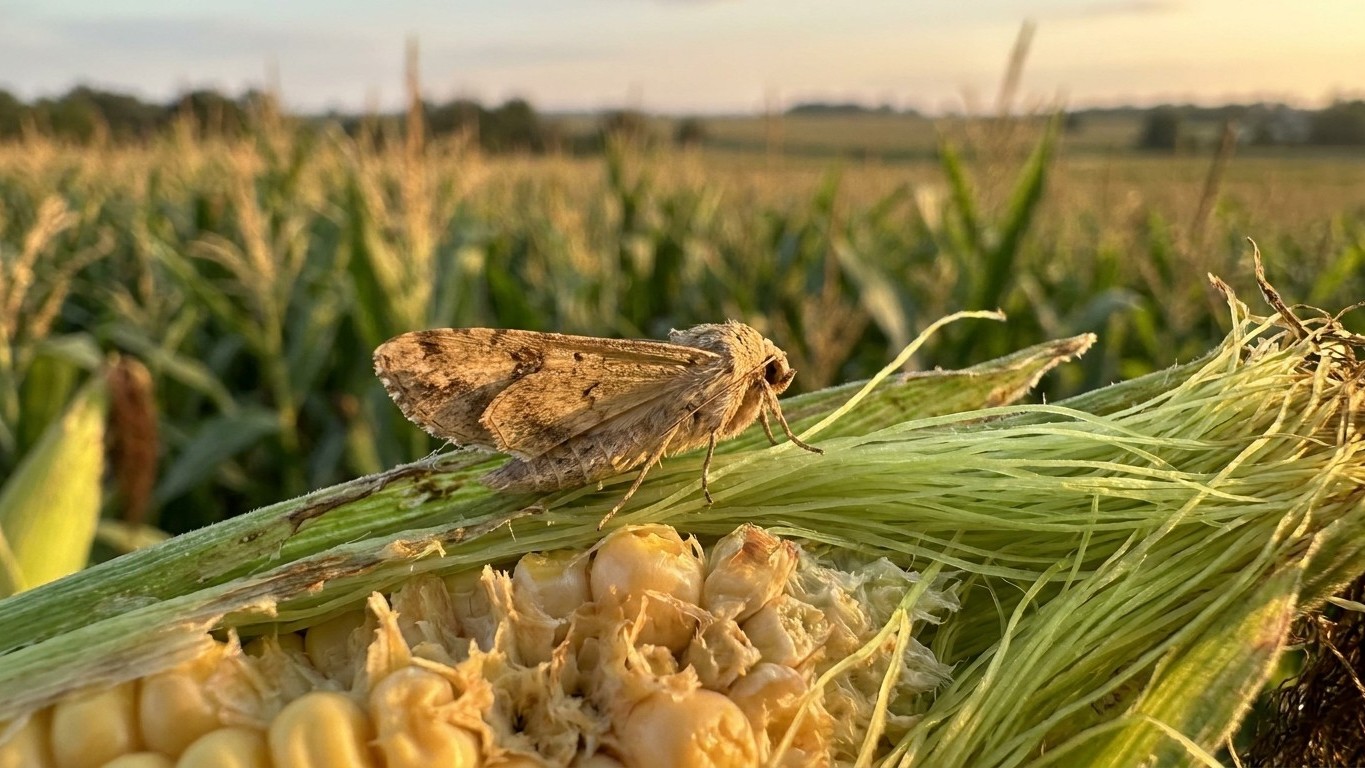
California’s corn patches lose ground to a short, specific list of insects and mollusks, not a long one.