What Eats Carrot in Connecticut, and When

Only one insect on Connecticut’s documented pest list actually bothers carrots: cutworms.
Home & garden, state by state
Everything we have worked out for Connecticut: what to plant and when, which varieties finish in time, the pests that actually turn up here, and the jobs that pay off month by month. We also cover the rest of the property, from lawns and soil to home care and energy, because a garden rarely stops at the vegetable bed.
The numbers first, because everything else follows from them. Measured at the weather station in Bridgeport, the last spring freeze runs April 2 to April 12 and the first fall freeze runs October 28 to November 10, USDA zones 6a-7b, 3,314 growing degree days in the year.
Garlic does well: 21.8 weeks below 40 °F, comfortably past the six it needs to form a proper head.
Elsewhere on the property in Connecticut: the pests that turn up here.
Figures from NOAA's 1991-2020 climate normals. A state is not one climate: elevation, a large lake or the coast can move these dates by two weeks either way, so check your own county with the extension service before you spend money.
Only one insect on Connecticut’s documented pest list actually bothers carrots: cutworms.
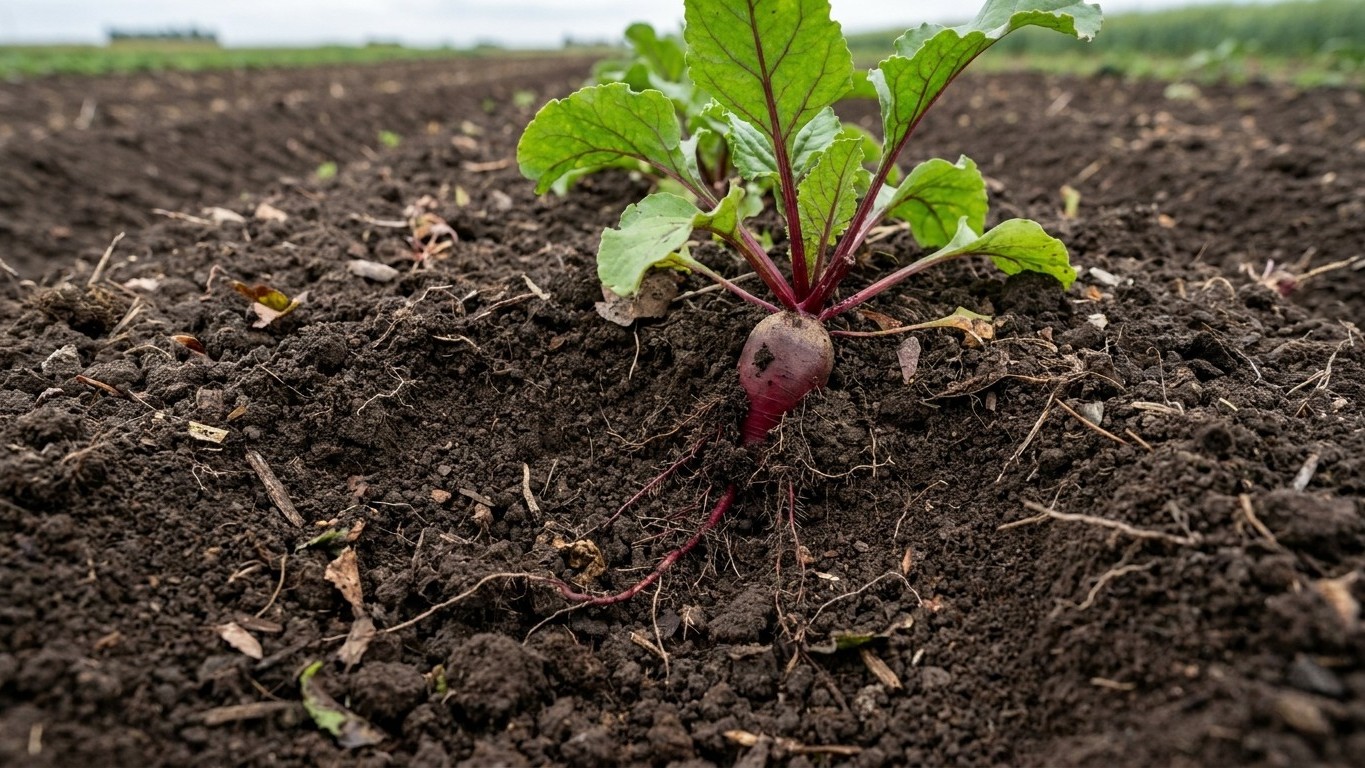
UConn Extension documents ten garden pest species statewide, but only three of them actually feed on beet: cutworms, the four-lined plant bug, and the…
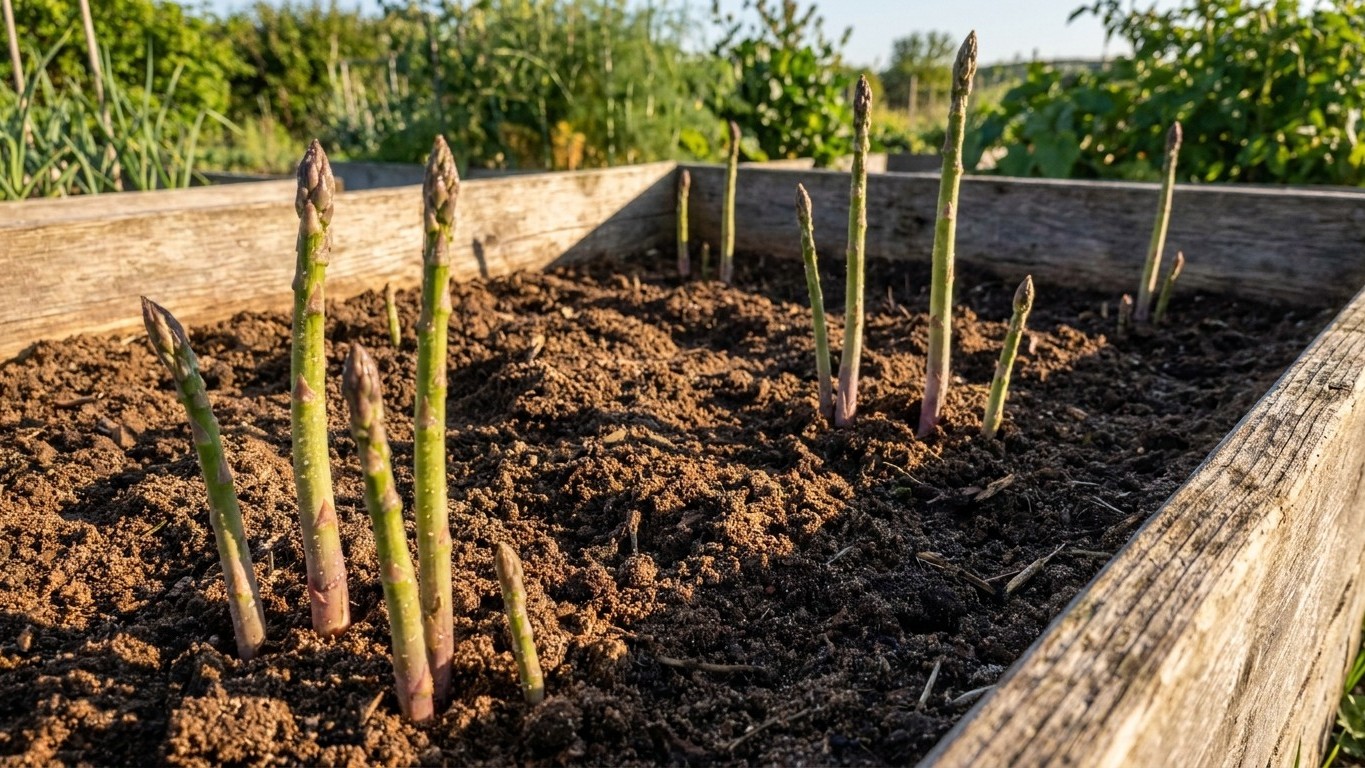
UConn Extension documents ten garden pests active in Connecticut, but only a handful ever touch asparagus.
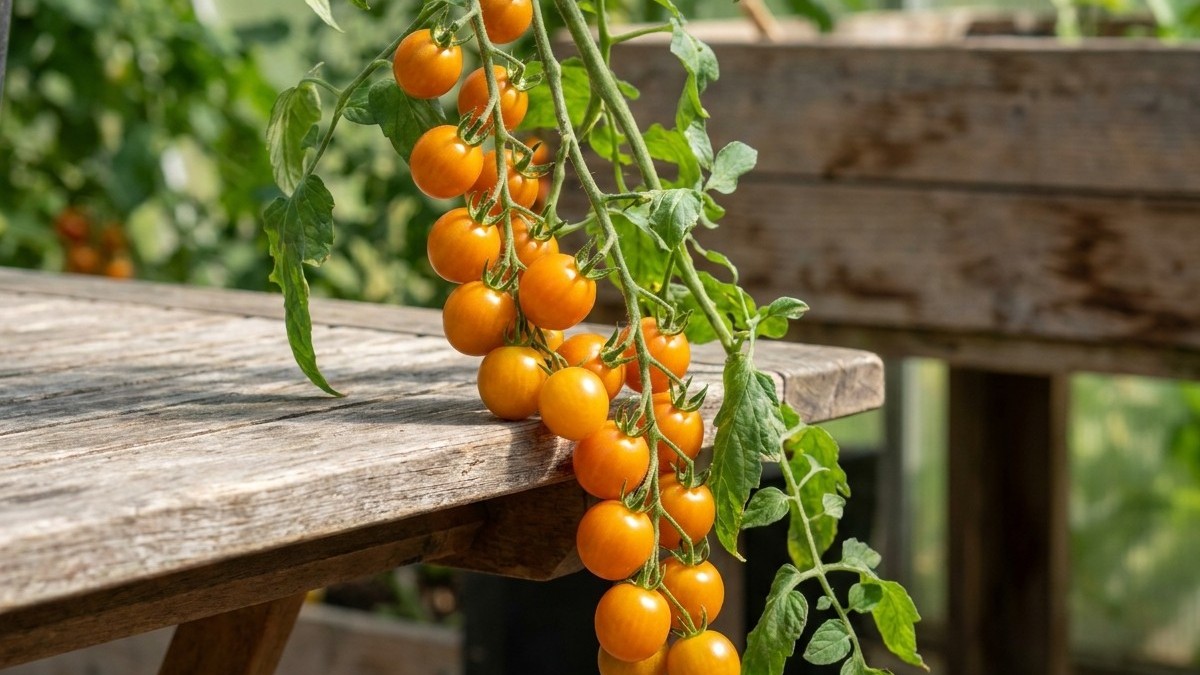
The short answer: pick most tomatoes when they’ve colored up and give slightly under a gentle squeeze, but let the calendar make the last call.
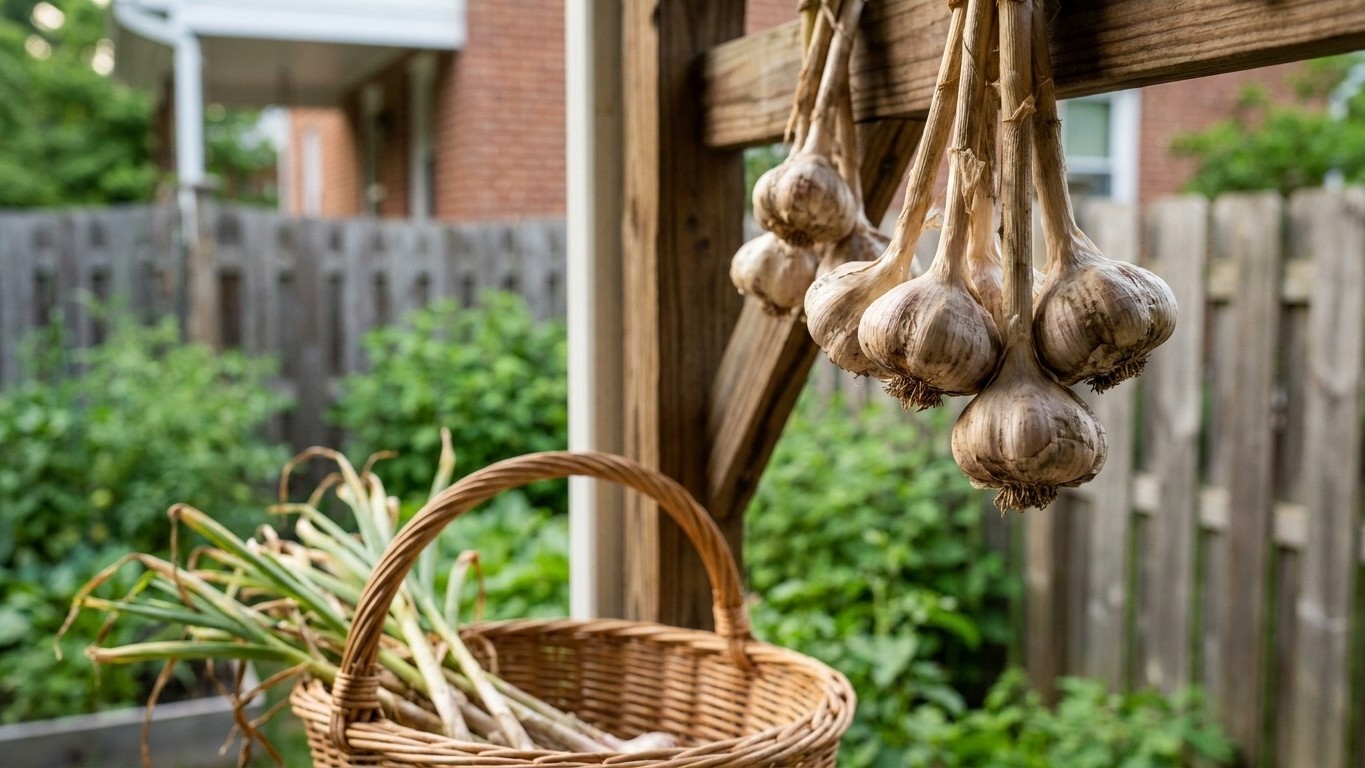
In Connecticut, garlic planted the previous October or November comes out of the ground when the lower leaves start browning back, usually over a stretch…
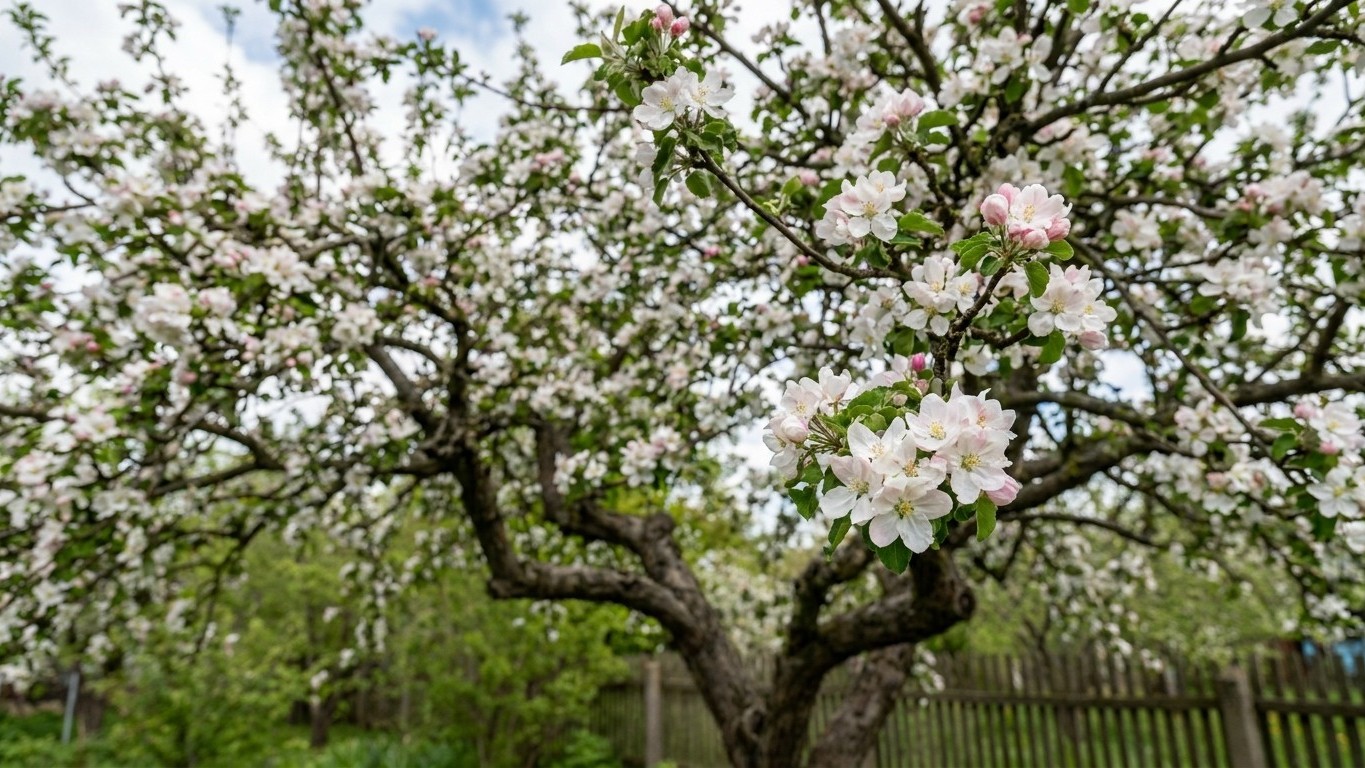
In most of Connecticut, apple picking runs from late August through late October, and the exact date depends on the variety, not the calendar.
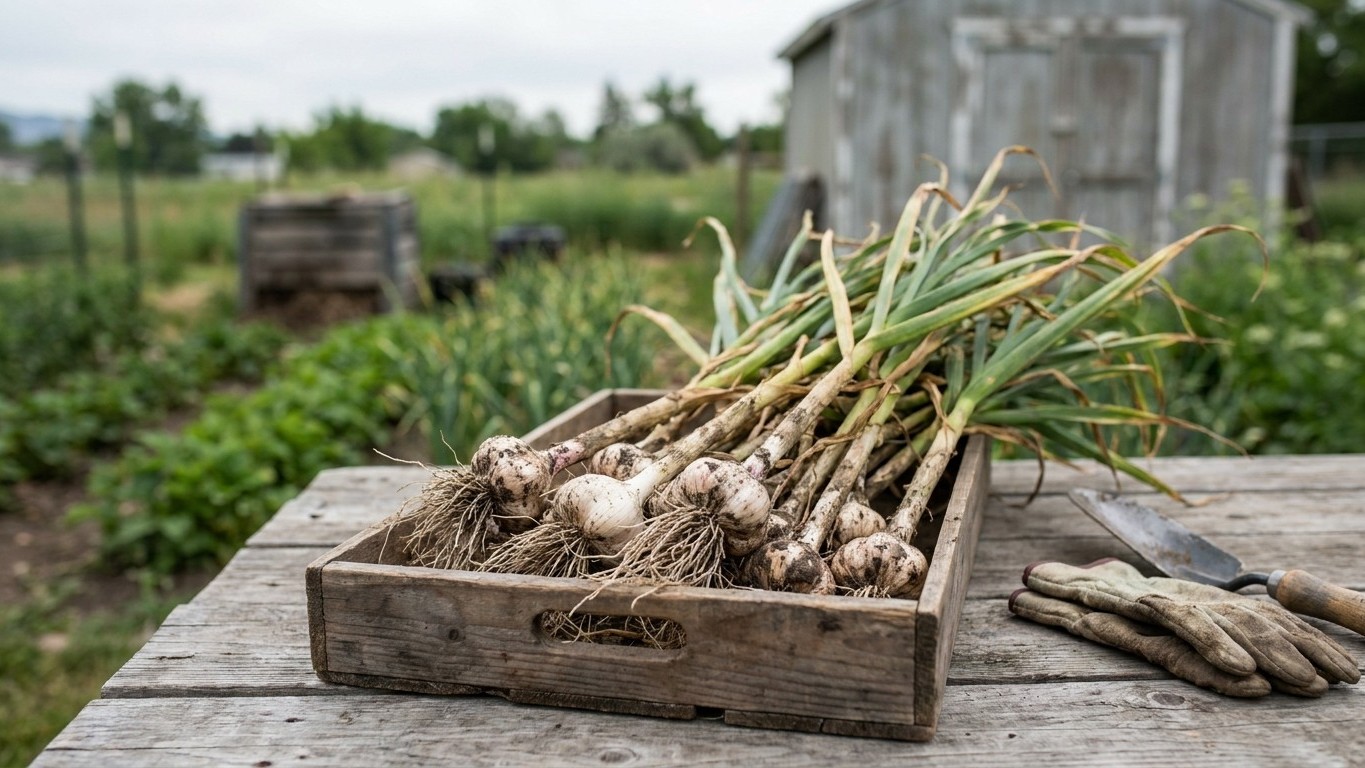
Garlic in Connecticut gardens faces two real threats documented by UConn Extension: allium leafminer, which tunnels through the leaves, and cutworms…
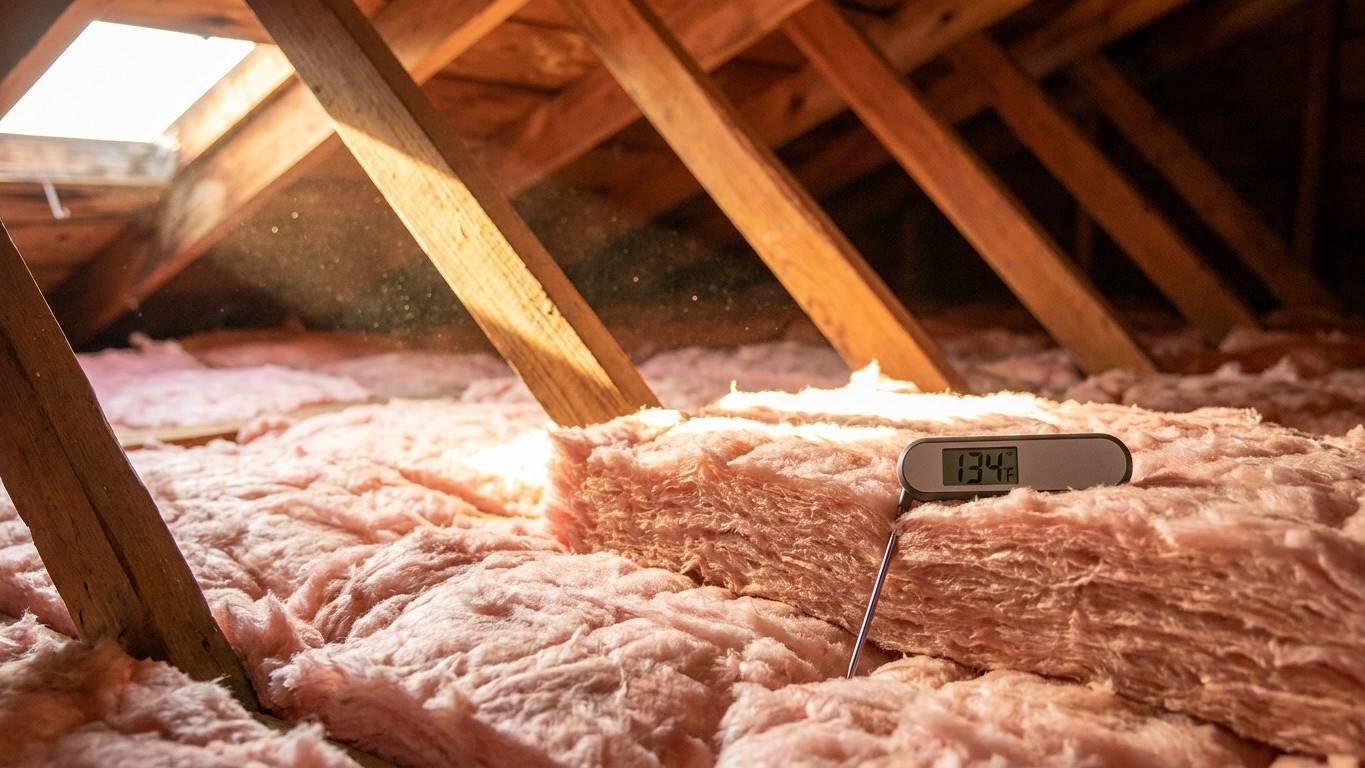
Yes, insulation keeps a Connecticut home cooler, though the state’s real summer heat load is modest: about 6.2 days a year top 90°F at the Bridgeport…
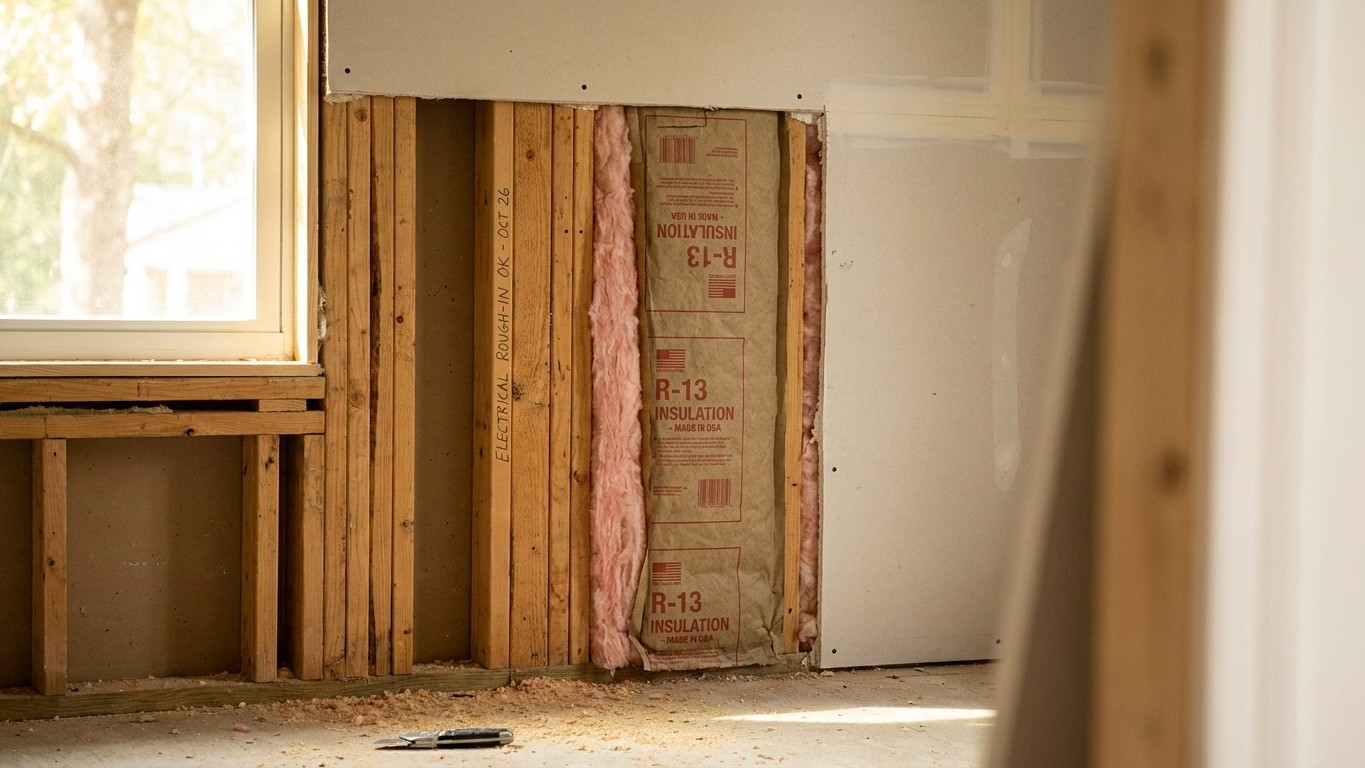
Yes. Connecticut sits entirely within IECC Climate Zone 5A, and under the 2021 International Residential Code, that means a Class-appropriate vapor…
A Connecticut winter runs long before it runs brutal. The state logs about 5,140 heating degree days a year at the Bridgeport reference station, and the…